Martin Solis - Introducing Martin Solis And Los Primos - VINYL LP
Reviews coming soon
About this product
Pick any genre - rap, rock, pop, folk, country, whatever you like. Can you think of an artist from that genre that was inducted into it's hall of fame without any recordings released? And if one were to exist, what would that say about the artist's impact, influence and importance? Is this scenario even possible? Born 1929 in San Antonio, TX, Martin Huron Solis, Jr. And his family came to Michigan in 1942 as migrant farmworkers and soon settled in the Detroit area. The Solis family was part of a wave of migration during the 1940s that brought thousands of Texas-born Mexican-Americans, along with their culture, north. Though he played guitar from an early age, Solis eventually fell in love with conjunto music, a South Texas style defined by the combination of accordion and bajo sexto, a Mexican twelve-string bass guitar. He taught himself to play the bajo sexto and joined up with accordionist Manuel Rivera, playing for tips in bars around Southwest Detroit, the heart of Detroit's Mexican-American community. In the late-1950s, he and his cousin Willy Huron, a saxophonist, formed Conjunto Los Primos (InchThe CousinsInch), at the time one of only a handful of conjuntos in the Midwest. Solis became a favorite in Detroit based on a vast repertoire of songs he compiled by following the latest hits coming up from Texas. Their musical style was more complex than the conjunto tag suggests. The inclusion of Solis's cousin Willy on saxophone blurs the line between working class conjunto music and the more middle class orquesta tejana, which includes more sophisticated string or horn sections.
Specifications
- GenreRockDescriptionPick any genre - rap, rock, pop, folk, country, whatever you like. Can you think of an artist from that genre that was inducted into it's hall of fame without any recordings released? And if one were to exist, what would that say about the artist's impact, influence and importance? Is this scenario even possible? Born 1929 in San Antonio, TX, Martin Huron Solis, Jr. And his family came to Michigan in 1942 as migrant farmworkers and soon settled in the Detroit area. The Solis family was part of a wave of migration during the 1940s that brought thousands of Texas-born Mexican-Americans, along with their culture, north. Though he played guitar from an early age, Solis eventually fell in love with conjunto music, a South Texas style defined by the combination of accordion and bajo sexto, a Mexican twelve-string bass guitar. He taught himself to play the bajo sexto and joined up with accordionist Manuel Rivera, playing for tips in bars around Southwest Detroit, the heart of Detroit's Mexican-American community. In the late-1950s, he and his cousin Willy Huron, a saxophonist, formed Conjunto Los Primos (InchThe CousinsInch), at the time one of only a handful of conjuntos in the Midwest. Solis became a favorite in Detroit based on a vast repertoire of songs he compiled by following the latest hits coming up from Texas. Their musical style was more complex than the conjunto tag suggests. The inclusion of Solis's cousin Willy on saxophone blurs the line between working class conjunto music and the more middle class orquesta tejana, which includes more sophisticated string or horn sections.ArtistMartin SolisTitleIntroducing Martin Solis And Los PrimosFormatVINYLLabelThird Man Records
Reviews
This product doesn't have any reviews yet.
Compare similar products
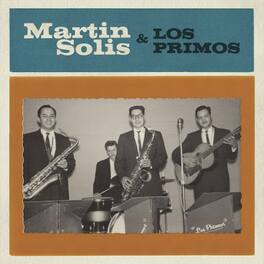
Pick any genre - rap, rock, pop, folk, country, whatever you like. Can you think of an artist from that genre that was inducted into it's hall of fame without any recordings released? And if one were to exist, what would that say about the artist's impact, influence and importance? Is this scenario even possible? Born 1929 in San Antonio, TX, Martin Huron Solis, Jr. And his family came to Michigan in 1942 as migrant farmworkers and soon settled in the Detroit area. The Solis family was part of a wave of migration during the 1940s that brought thousands of Texas-born Mexican-Americans, along with their culture, north. Though he played guitar from an early age, Solis eventually fell in love with conjunto music, a South Texas style defined by the combination of accordion and bajo sexto, a Mexican twelve-string bass guitar. He taught himself to play the bajo sexto and joined up with accordionist Manuel Rivera, playing for tips in bars around Southwest Detroit, the heart of Detroit's Mexican-American community. In the late-1950s, he and his cousin Willy Huron, a saxophonist, formed Conjunto Los Primos (InchThe CousinsInch), at the time one of only a handful of conjuntos in the Midwest. Solis became a favorite in Detroit based on a vast repertoire of songs he compiled by following the latest hits coming up from Texas. Their musical style was more complex than the conjunto tag suggests. The inclusion of Solis's cousin Willy on saxophone blurs the line between working class conjunto music and the more middle class orquesta tejana, which includes more sophisticated string or horn sections.
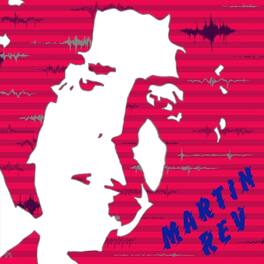
Martin Rev - Martin Rev [VINYL LP] date 03/22/2024

Martin Denny's Debut #1 Album Originally Released in 1957. Original MONO recording preferred by MARTIN DENNY and featuring ARTHUR LYMAN & Augie Colon. Exotica spawned an entire genre and the birth of the TIKI/COCKTAIL movement starts here. First Time Reissued on Jackpot Records.

After doing three solo albums, the challenge of interpreting Eric Satie's music seemed challenging, appealing and also like a good way of finding new angles and flavours in my own music.What struck me while digging deeper in his catalogue was how modern and progressive he still appears, beside the soothing and calming mellowness that I think we all associate his music with, I found very brave, sometimes stubborn minimalism and besides the blue harmonies that we now associate with jazz, I found really salty, almost cluster-like colours that must have been extremely challenging for the end of 19th century ears.I humbly thank Satie for letting me borrow his music for a while (he didn't have a say though), giving me both the meditative peace I hope you will also experience while listening and, like in the Nocturne, challenging my ears and fingers to reach new territories. - Martin Hederos