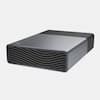
Synology - FlashStation FS6400 SAN/NAS Storage System - 2 x Intel Xeon Silver 4110 Octa-core (8 Core) 2.10 GHz - 24 x HDD - Black
SKU: 12697558
Synology FlashStation FS6400 SAN/NAS Storage System - 2 x Intel Xeon Silver 4110 Octa-core (8 Core) 2.10 GHz - 24 x HDD Supported - 184.32 TB Supported HDD Capacity - 0 x HDD Installed - 24 x SSD Supported - 184.32 TB Supported SSD Capacity - 0 x SSD Installed - 32 GB RAM DDR4 SDRAM - Serial Attached SCSI (SAS) Controller - RAID Supported - 0, 1, 5, 6, 10, Basic, JBOD, RAID F1 RAID Levels - 24 x Total Bays - 24 x 2.5" Bay - 2 x Total Slot(s) - 10 Gigabit Ethernet - 2 USB Port(s) - 2 USB 3.0
Reviews coming soon
We’ll try to get your question answered within 24 hours by a Best Buy customer or brand representative.
Synology FlashStation FS6400 is a 2U rackmount server designed for I/O-intensive and latency-sensitive tasks, ideal for multimedia post-production, virtual machines, online transaction processing, or database applications.
With multi-LAN design, FS6400 is capable of performing Link Aggregation and failover. For environments requiring a higher speed, two optional Ethernet add-in cards can be installed on PCIe 3.0 slots to provide fast data transmission.
Synology iSCSI storage supports most virtualization solutions such as VMware vSphere, Microsoft Hyper-V, Citrix Xen Server, and OpenStack Cinder to enhance work efficiency. You can run and manage multiple virtual machines on Windows, Linux, or DSM using Virtual Machine Manager.
The Btrfs file system introduces advanced storage technologies and optimized snapshots to prevent data corruption and reduce maintenance overheads. It offers flexible, efficient data protection and recovery tools while ensuring high-level data integrity. Flexible Shared Folder/User Quota System provides comprehensive quota control on all user accounts and shared folders Snapshot Replication provides schedulable and storage
Due to the peculiarities of SSD and RAID technology, a common challenge lies in how to prevent all of the drives from failing at the same time because of the evenly distributed workload. RAID F1 alleviates this problem with a specially designed algorithm to unevenly distribute workload to drives, enhancing the resilience of the storage pool and ensuring your data remains safe.