Various Artists - L'arte Di Diminuire - COMPACT DISCS [CD]
Reviews coming soon
About this product
Diminutions, the art of extemporary embellishment or melodic variation, were an essential part of performance practice of the Renaissance and early Baroque periods. The basis of diminutions is the fragmentation of a long note or series of long notes into many shorter and faster ones that move around the original melody. In the 16th and early 17th centuries, a composition as written by the composer was often regarded as raw material and it was normal and even required of musicians to embellish the works performed. The number of treatises that were devoted to the teaching of this subject is a clear indication of the importance of diminutions at that time. Most of these manuals included a collection of decorated melodies taken from renowned madrigals, motets and chansons by well-known composers of the time. These pieces give us clear examples of how music was performed during that time and what was considered the proper way to embellish a piece of music. Often technically demanding, these pieces gave scope for virtuoso display as they required great dexterity from the performer. In conclusion, diminutions were added to make a piece of music more 'beautiful'. This album explores the widespread practice of diminutions by presenting published examples of diminutions on well-known motets, by master composers; diminutions on popular melodies or dance forms and finally, diminutions composed by the performer as artist.
- GenreClassicalDescriptionDiminutions, the art of extemporary embellishment or melodic variation, were an essential part of performance practice of the Renaissance and early Baroque periods. The basis of diminutions is the fragmentation of a long note or series of long notes into many shorter and faster ones that move around the original melody. In the 16th and early 17th centuries, a composition as written by the composer was often regarded as raw material and it was normal and even required of musicians to embellish the works performed. The number of treatises that were devoted to the teaching of this subject is a clear indication of the importance of diminutions at that time. Most of these manuals included a collection of decorated melodies taken from renowned madrigals, motets and chansons by well-known composers of the time. These pieces give us clear examples of how music was performed during that time and what was considered the proper way to embellish a piece of music. Often technically demanding, these pieces gave scope for virtuoso display as they required great dexterity from the performer. In conclusion, diminutions were added to make a piece of music more 'beautiful'. This album explores the widespread practice of diminutions by presenting published examples of diminutions on well-known motets, by master composers; diminutions on popular melodies or dance forms and finally, diminutions composed by the performer as artist.ArtistVarious ArtistsTitleL'arte Di DiminuireFormatCDLabelChallenge Classics
Reviews
This product doesn't have any reviews yet.
Compare similar products
![Various Artists - L'arte Di Diminuire - COMPACT DISCS [CD]](https://pisces.bbystatic.com/image2/BestBuy_US/images/products/796e393b-bb85-404c-84c8-c329b0725b46.jpg;maxHeight=422;maxWidth=264?format=webp)
Diminutions, the art of extemporary embellishment or melodic variation, were an essential part of performance practice of the Renaissance and early Baroque periods. The basis of diminutions is the fragmentation of a long note or series of long notes into many shorter and faster ones that move around the original melody. In the 16th and early 17th centuries, a composition as written by the composer was often regarded as raw material and it was normal and even required of musicians to embellish the works performed. The number of treatises that were devoted to the teaching of this subject is a clear indication of the importance of diminutions at that time. Most of these manuals included a collection of decorated melodies taken from renowned madrigals, motets and chansons by well-known composers of the time. These pieces give us clear examples of how music was performed during that time and what was considered the proper way to embellish a piece of music. Often technically demanding, these pieces gave scope for virtuoso display as they required great dexterity from the performer. In conclusion, diminutions were added to make a piece of music more 'beautiful'. This album explores the widespread practice of diminutions by presenting published examples of diminutions on well-known motets, by master composers; diminutions on popular melodies or dance forms and finally, diminutions composed by the performer as artist.
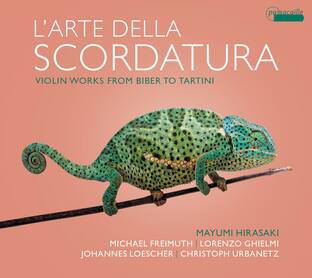
![Various Artists - L'arte Della Scordatura - COMPACT DISCS [CD]](https://pisces.bbystatic.com/image2/BestBuy_US/images/products/85521900-24d6-4bb9-8325-ae126085ba76.jpg;maxHeight=422;maxWidth=264?format=webp)
This on PASSACAILLE with the exceptional baroque violinist Mayumi Hirasaki presents masterpieces of the virtuoso violin literature with scordatura, which had it's heyday between about 1600 and 1730. In addition to well-known names such as Biber and Tartini, the varied and cleverly arranged program also features charming rarities by Johann Joseph Vilsmayr and Pietro Castrucci. Mayumi Hirasaki was born in Japan and initially studied modern violin at the Tokyo University of the Arts and Music. She then continued her studies at the Hochschule für Musik Nuremberg-Augusburg under Prof. Daniel Gaede and specialized in Baroque violin under Prof. Mary Utiger at the Hochschule für Music and Theater Munich. Further study programs followed under Prof. Giuliano Carmignola in Lucerne and under Prof. Christine Schornsheim in Munich, where the harpsichord was her field concentration.
![Various Artists - Music / Various - COMPACT DISCS [CD]](https://pisces.bbystatic.com/image2/BestBuy_US/images/products/2d1817fb-71a7-429d-a453-18a54e22a6f1.jpg;maxHeight=422;maxWidth=264?format=webp)
Album Tracks 1. Tango Ouh 2. Elisa 3. Superblond 4. Snack 1 5. Waltz for Michel Petrucciani 6. Proko-Type of Polka 7. Snack 2 8. Kartzan's Choice 9. Heartfilms 10. Snack 3 11. 010101 12. Superblond (Single Version)
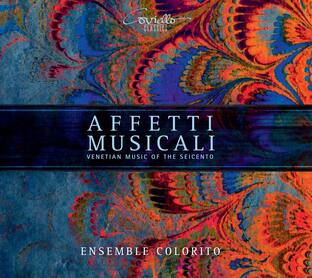
![Various Artists - Affetti Musicali - COMPACT DISCS [CD]](https://pisces.bbystatic.com/image2/BestBuy_US/images/products/37313dbd-6f92-4581-a000-8bb2c4edef94.jpg;maxHeight=422;maxWidth=264?format=webp)
It was a particularly innovative period the telescope, the pendulum clock and Newton's laws of gravity are just a few examples of the developments and discoveries of the 17th century. No wonder that music also experienced many innovations. One of the most important was immediately a completely new genre In the baroque opera, which developed from 1600 onwards, affects were the central means of creation; emotional states of the protagonists, which develop from the opera plot and can then be expressed with a rich canon of musical means. In the Venice of the InchSeicentoInch this art reaches ever new heights and is then also transferred from opera to other musical genres - musical affects, purely instrumental. Some of these fascinating Inchoperas without wordsInch are presented by the Ensemble Colorito in the bright, intense color scheme to which it owes it's name.
Specs
Be the first to ask a question.
We’ll try to get your question answered within 24 hours by a Best Buy customer or brand representative.
More to consider
 $14.99The price was $37.99
 $14.99The price was $28.99









Elevate your entertainment Sponsored
 $219.99The price was $339.99
 $119.99The price was $169.99