Customer Ratings & Reviews
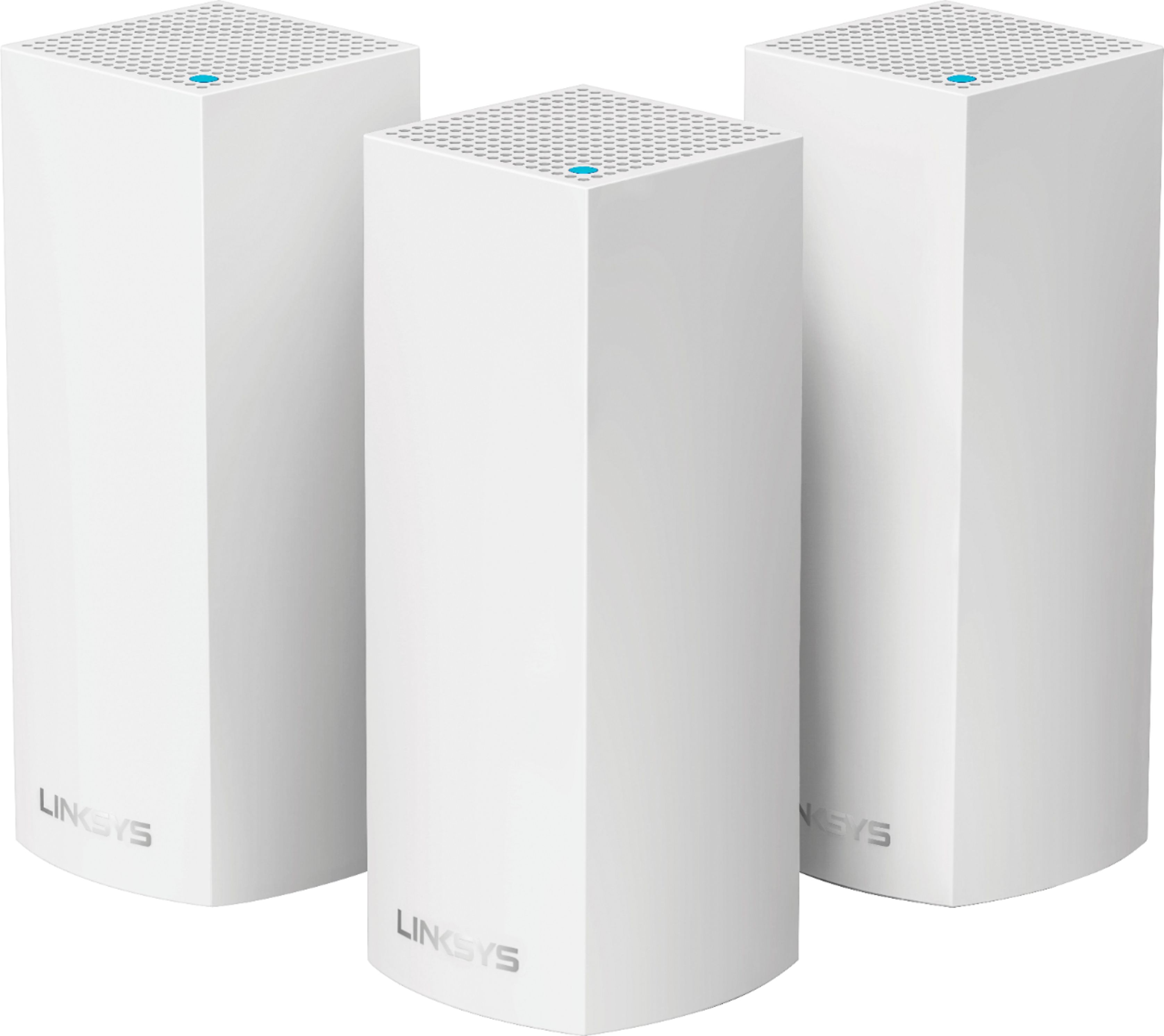





- Model:
- WHW0303
- SKU:
- 5709451
Rating by feature
- Setup
Rating 4.3 out of 5 stars
- Range
Rating 4.3 out of 5 stars
- Signal Strength
Rating 4.3 out of 5 stars
Customers are saying
Customers are impressed with the Velop AC2200 Tri-Band Mesh Wi-Fi 5 System's ease of use, coverage, and setup, frequently citing its simple installation and strong signal. Many also praise the system's range and performance, reporting consistently reliable connectivity. However, some users experienced connection issues and noted the relatively high price. A limited number of Ethernet ports was also a recurring point of feedback.
This summary was generated by AI based on customer reviews.
- Pros mentioned:Coverage
One of the best Wi-Fi routers out there
||Posted .This reviewer received promo considerations or sweepstakes entry for writing a review.After getting a speed boost from our ISP I found that I couldn't take advantage of it with our current setup. This Linksys Velop router is a dream come true, 190 Mbps on wi-fi right out of the box. Having a smaller one level home we bought a pair of these and the coverage is very good even outside which was a problem before.
I would recommend this to a friend Very satisfied
||Posted . Owned for 3 weeks when reviewed.This reviewer received promo considerations or sweepstakes entry for writing a review.We picked up this Wi-Fi system to improve the signal in our two story home. Our home is approximately 3,300 sq ft, and this setup provides full signal strength throughout the entire home with no issues. I even maintain signal in the back and front yard. Highly recommended.
I would recommend this to a friend- Pros mentioned:Coverage
Simply Great Router!
||Posted . Owned for 1 month when reviewed.This reviewer received promo considerations or sweepstakes entry for writing a review.Was having trouble with my previous Linksys router (it was unable to cover my whole home without dropping). After the simple process of setting up the Velop system... my three nodes work and cover my whole home perfectly. I’d highly recommend!
I would recommend this to a friend Pretty good connection
||Posted . Owned for 3 weeks when reviewed.This reviewer received promo considerations or sweepstakes entry for writing a review.I purchased this to get WiFi in my garage . My garage is about 100 ft away from my house and it gives my Tv strong signal I need to stream movies. Only thing I haven’t tested on is online gaming in my garage.
I would recommend this to a friendBest Ever
||Posted .This reviewer received promo considerations or sweepstakes entry for writing a review.I really love this Linksys tri-band mesh. I was really skeptical at first because I paid a lot of money and it was not as easy to set up as the instructions directed, and I work in IT for a multibillion dollar company. However, once I took the time out to focus and make sure everything was set up correctly, I have download speed’s data over half a gig on one device. Even though my house is only 2000 ft.² I ended up having to buy a separate node. So I have three notes in my house. Total cost for 3 nodes was $517.00, but so worth it if you work from a lot, or you are constantly streaming. I pay the cable company for one gig down per month. So far I have added 9 devices on this Linksys system and no problems. My advice would be to figure out the size of your house first, buy all the nodes at one time, when you add on later 1 node is around $200.
I would recommend this to a friend- Pros mentioned:Ease of use
Simple and easy
||Posted .This reviewer received promo considerations or sweepstakes entry for writing a review.This made an huge difference at our house with Spectrum ISP. I got the three pods on sale. I spent about 40 minutes total setting it up. The app made it really easy.
I would recommend this to a friend - Pros mentioned:Setup, SpeedCons mentioned:Ethernet ports, Price

Great Wi-Fi coverage solution, options lacking
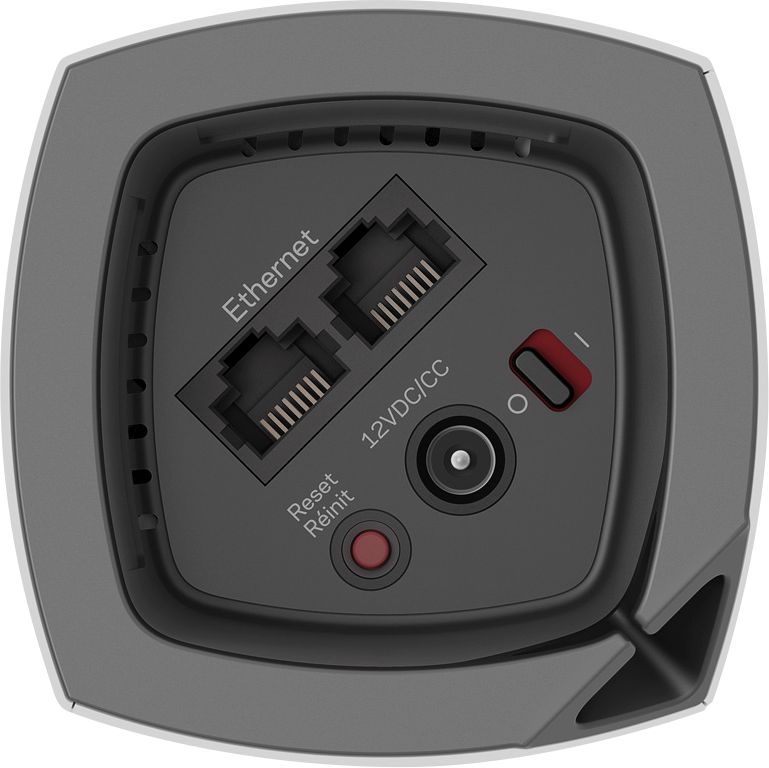
|Posted .This reviewer received promo considerations or sweepstakes entry for writing a review.One of the downsides of having what was once considered a bigger house (2000+sq feet) is that it is challenging to have a Wi-Fi signal that is useable, with full throughput anywhere in the house (and outside in some respect). Most of my networking equipment and home entertainment system is on one side of the house above the garage. This does not do much for the master bedroom or the downstairs living room on the opposite side of the house when it comes to Wi-Fi reception. My solution until now has been to have another access point (another wireless router, configured to just repeat and serve as another access point – and separate SSID) or a signal repeater/extender on the other side of the house. Both of these solutions have always turned into “why is the Wi-Fi slow ? what network are you on ? Switch to the closer network” and the stubbornness of devices letting go of a weak signal for a stronger one that is closer. In comes a solution “mesh networking” and specifically the Linksys Velop Tri-band AC6600 Whole Home WiFi Mesh System (3-Pack). This setup essentially provides a wireless access point anywhere you place one of the three units (each resemble a computer speaker). Setup consists of solely using the Linksys mobile app (I prefer a web interface, but that is unavailable, more on that later). Basically you need to connect one of the units to your cable modem (each unit has two wired ports that can be used by wired devices (minus the one used to connect to your cable modem). I had initial issues with setting up device two and three (as I had an existing wireless access point that my iPhone would connect to while the Velop was rebooting, rendering the connection back to the Velop node invalid). Also had an issue with one of the nodes indicating that it was too far away from another node (via an indicator light), this was remedied by placing one of the units in another area. Once the system was up and running it truly provided seamless, fast internet throughout the house, just the solution I was looking for. Now the downside, I use my router for some fairly advanced functionality (security cameras piping images to a flash drive I have connected to my existing wireless router and some port forwarding rules enabled). The Velop has no USB ports and is lacking in configuration options, you can’t manipulate bands (2.4 or 5ghz), you can do limited port forwarding, so this turned into a non-starter in my book. My solution was to keep my existing router in place and configure the Velop to use my main router as a gateway and DNS server, seems to work fine for most of my uses and manages to keep my wireless camera traffic to the existing router and dedicate the Velop Wi-Fi to all my family’s other devices. Back to the configuration utility and a trend most wireless router manufacturers are adopting, cloud based, online configuration of my network router. Not big on the cloud having my router password and configuration (and devices I am connecting). All other wireless routers usually have a local, browser based configuration utility, with the Velop you have no choice but to use their online IOS or Android mobile configuration utilities. So I love how this has solved my Wi-Fi coverage issues, but am not thrilled with the lack of some features and the configuration utility. Performance wise these units deliver, although they don’t offer the flexibility that I need. If you have a lot of wired devices be prepared to buy a hub or convert them to wireless. However if you are a novice when it comes to networking these units are perfect for you and provide great performance. Pros: - Great Wi-Fi solution for large homes - Full speed, Tri-band technology - Fairly seamless setup for novice users Cons: - Not cheap - Limited ability to configure - Online, cloud based mobile configuration only - No USB connectivity - Only two Ethernet ports per unit (one used to connect to your internet source)
I would recommend this to a friend - Pros mentioned:Speed
Fantastic setup
||Posted . Owned for 3 weeks when reviewed.This reviewer received promo considerations or sweepstakes entry for writing a review.A fantastic product I was only getting 30 megabytes before next to my old WiFi unit. Now I’m getting 120 megabytes every spot in the house no more dead spots
I would recommend this to a friend - Pros mentioned:Coverage, SetupCons mentioned:Ethernet ports, Price
Solid WiFi with solid compromises
|Posted .This reviewer received promo considerations or sweepstakes entry for writing a review.I've been following the idea of mesh WiFi for a while now and when Linksys announced they were coming up with Velop, I was equal parts intrigued and excited. Mesh WiFi is different from a traditional router-and-extender setup because each node communicates on a dedicated 5GHz channel, so you're not dealing with degraded WiFi strength if you're being routed through the extender. Sadly, that excitement was short lived. The first thing I noticed about the Velop's nodes was how tiny their footprint was. These are slimmer than an Apple AirPort Extreme, more like the size of a desktop speaker. I currently have a Linksys EA9500 powering the WiFi in my house and if you've never seen it before, it's a beast of a router. The first big disappointment with the Velop came when I noticed that each node only has 2 ethernet ports and no USB ports. That meant that I'd have to try it out while giving up all of my wired entertainment hardware and mapping them all, the ones with built-in WiFi, to the network. Once I had decided what device would get the super-special ethernet port, I set up the other nodes, one in the master bedroom and the other in the garage. The setup was simple, but there didn't appear to be any way to pick the IP address range during the initial setup - not sure if I missed a step somewhere. When it came to WiFi service, the mesh system worked great - there was solid WiFi throughout the house. But with so many devices demanding WiFi, I did notice that the Velop couldn't handle the traffic my house generates compared to the EA9500 - my guess was because I wasn't able to run as many devices off ethernet connections. I was also able to link up my Velop to my Amazon Echo - but there's not really a whole lot of wow factor there. We don't broadcast a guest WiFi signal, and I remember our WiFi password from near muscle memory. Another thing with the Velop is the cost. The 3-node set is $500 - that's a huge amount of money to plunk down on a system that doesn't allow as much customization and ethernet options. In the end, I ended up switching back to the EA9500. Sure it meant that I wouldn't have a strong WiFi signal in the garage, but it's January and I'm not out there all that much right now. The Velop line does show some really cool promise - I'm thinking the next generation of it will be the way to go. If you're looking for a device with solid WiFi connectivity, easy setup and don't have many hardwired devices then the Velop could be the system for you - especially if you have a bigger house and use extenders. If you're looking for more options, than the EA9500 or WRT line might be more your speed.
I would recommend this to a friend - Pros mentioned:Coverage, Setup, Speed
What home wifi should be!
|Posted .This reviewer received promo considerations or sweepstakes entry for writing a review.Straight out of the box I loved this router system! It is simplistic, looks great to place anywhere, and was fairly easy to set up. Comes with three nodes which are essentially each a single powerful router in its own right. Each node has two Ethernet ports, however 1 port is used as the LAN on the first one that is setup leaving you 5 Ethernet ports for hard wired devices. Each node also comes with a square power block that plugs into the outlet. The power block is a little on the larger side from what I was expecting but not cumbersome. The package also includes 1 cat5 cable to plug into your modem. The aesthetics overall are second to none and you don't need to worry about the spider looking antennas that come with other routers. Setup: you must download the Linksys smart wifi app which seems to be self explanatory as it walks you thru the initial setup of the first node. But after that there is no clear instruction. I had to search the app to figure out what to do next. After scrolling and combing the app I realized there was an add another device button. Tap this to add another node to your system. Plug in the node in another area of your home and the app does the work for you. Very simple and easy to do. Many will complain about using an app to control your home wifi but it works and it is easy to use. No real complaints for me. Also, having another node placed somewhere else in your home provides you another accessible hard wired Ethernet port for other devices. Great option. Performance: it does exactly what it is supposed to do. I have three nodes setup in my house that is 2000sqft. Yes, you may think this is overkill for the size of my house with the given specs of the syaytem, but I like to do a lot of yard work and play with my kids in and around the yard all while using my wifi to play music, stream videos, and use my cell phone. It works great!!! I have coverage in my entire yard outside which is just about a 1/4 acre. Now if you just want coverage in the house, 1 to 2 nodes will do just fine. The app comes with many diagnostic controls that help place and setup your nodes and also includes a speed test. I performed many speed test with the built in app and also with ookla speed test. Both recorded similar speeds and I was amazed of the speeds I was getting through my house with no dead spots. I am getting speeds of up to 117 Mbps download and 18 Mbps upload in my house. Out in the yard farthest from my house I have gotten up to about 35 Mbps download! Before setting up this system I was only getting less than half of this with the most powerful router Linksys had to offer with extenders plugged in! This Velop home wifi system lives up to the hype and I definitely recommend it if you are willing to spend the money for it. If you think about it, you will spend the same if not more for a router and multiple extenders.
I would recommend this to a friend - Pros mentioned:Coverage
Great for extending WiFi
||Posted . Owned for 1 month when reviewed.This reviewer received promo considerations or sweepstakes entry for writing a review.We have a ranch house. We just added a Generex generator. Now we need extended WiFi. These work very well.
I would recommend this to a friend - Pros mentioned:Coverage, Setup, Speed
Great Mesh Solution
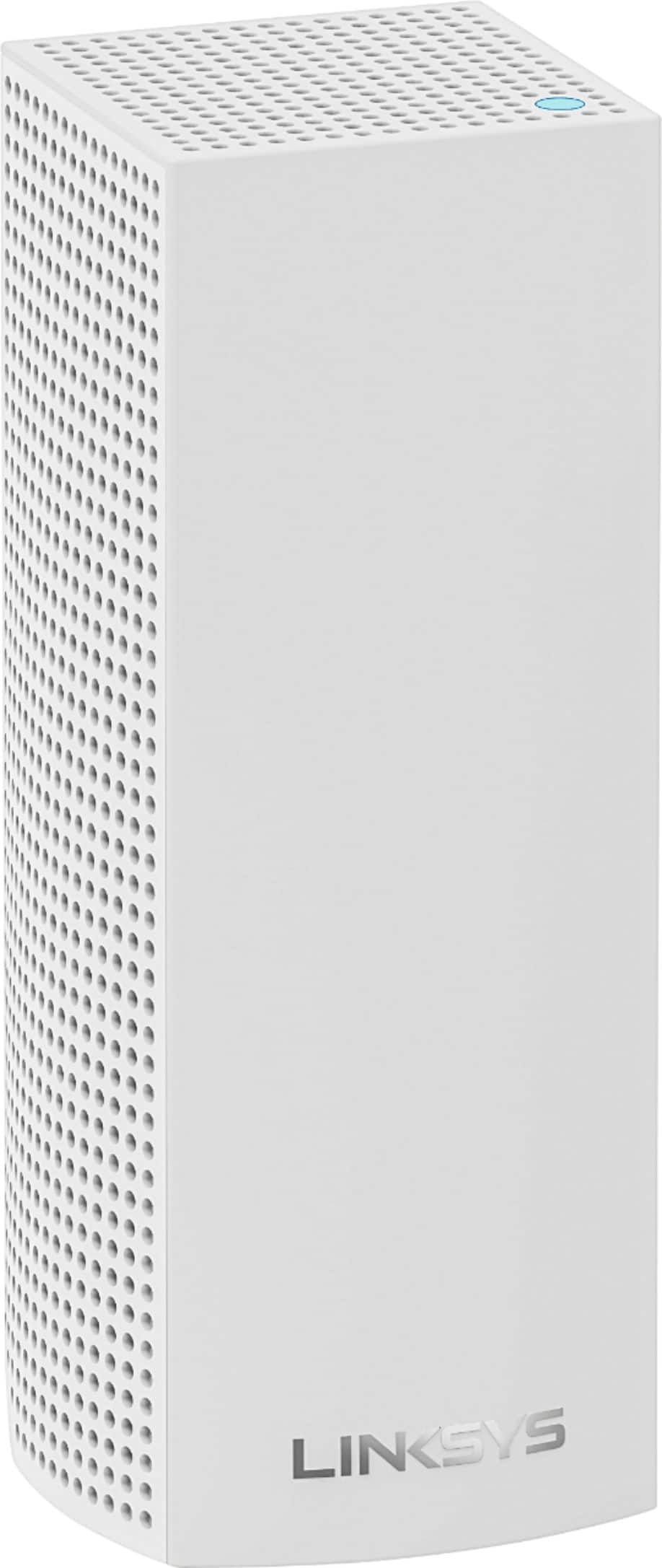
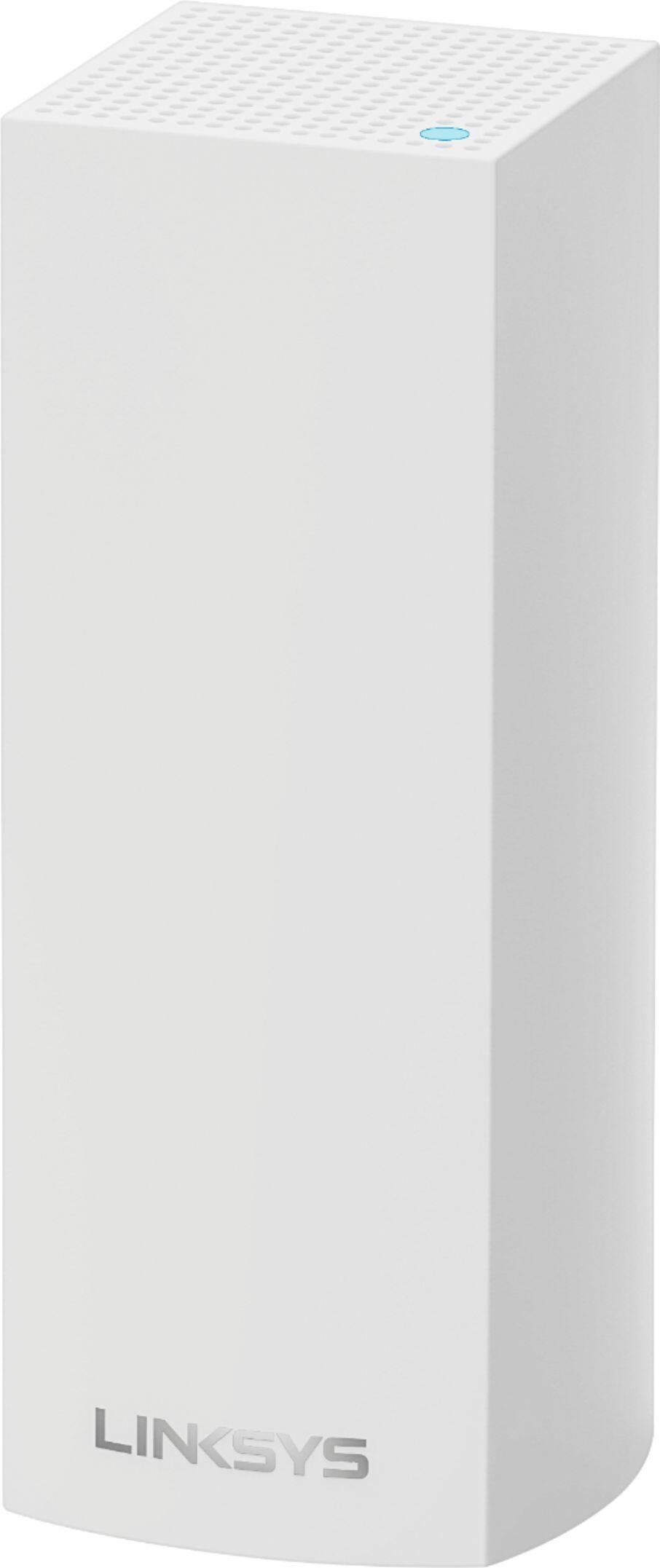
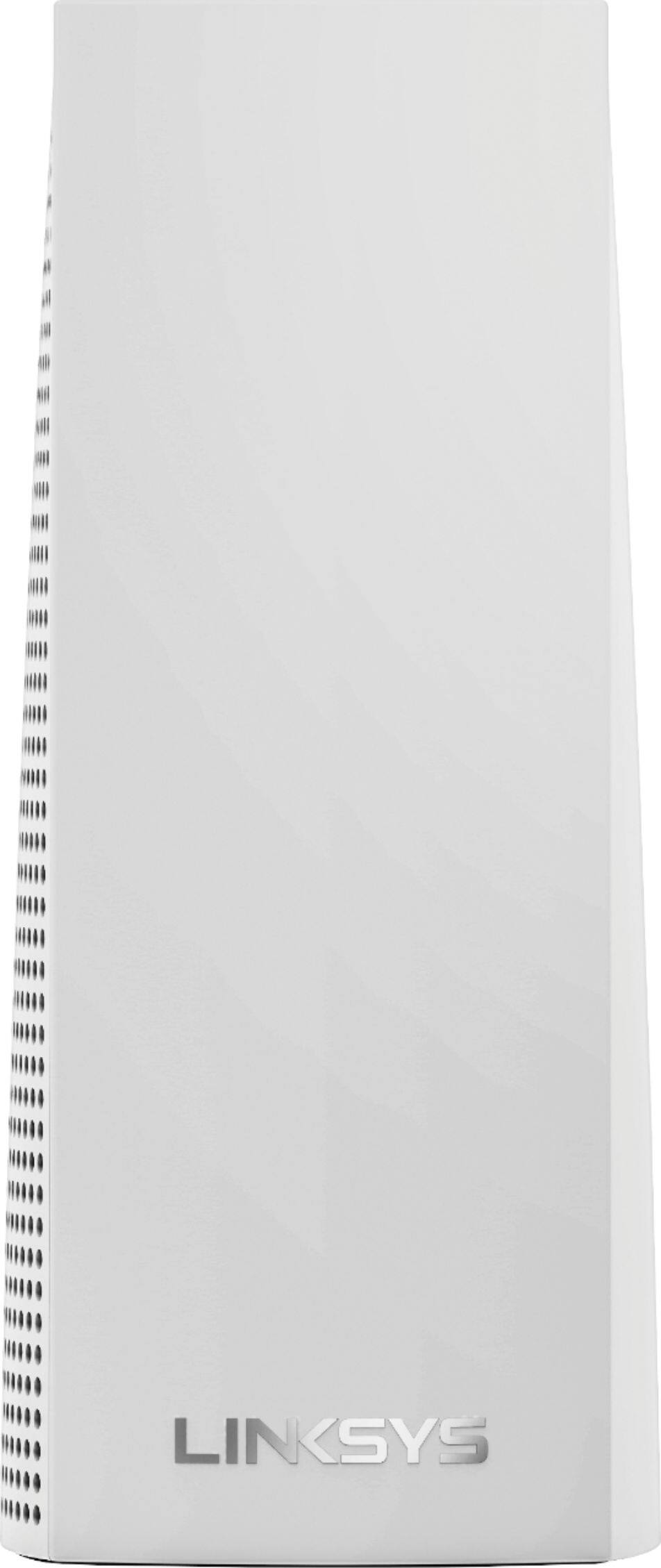
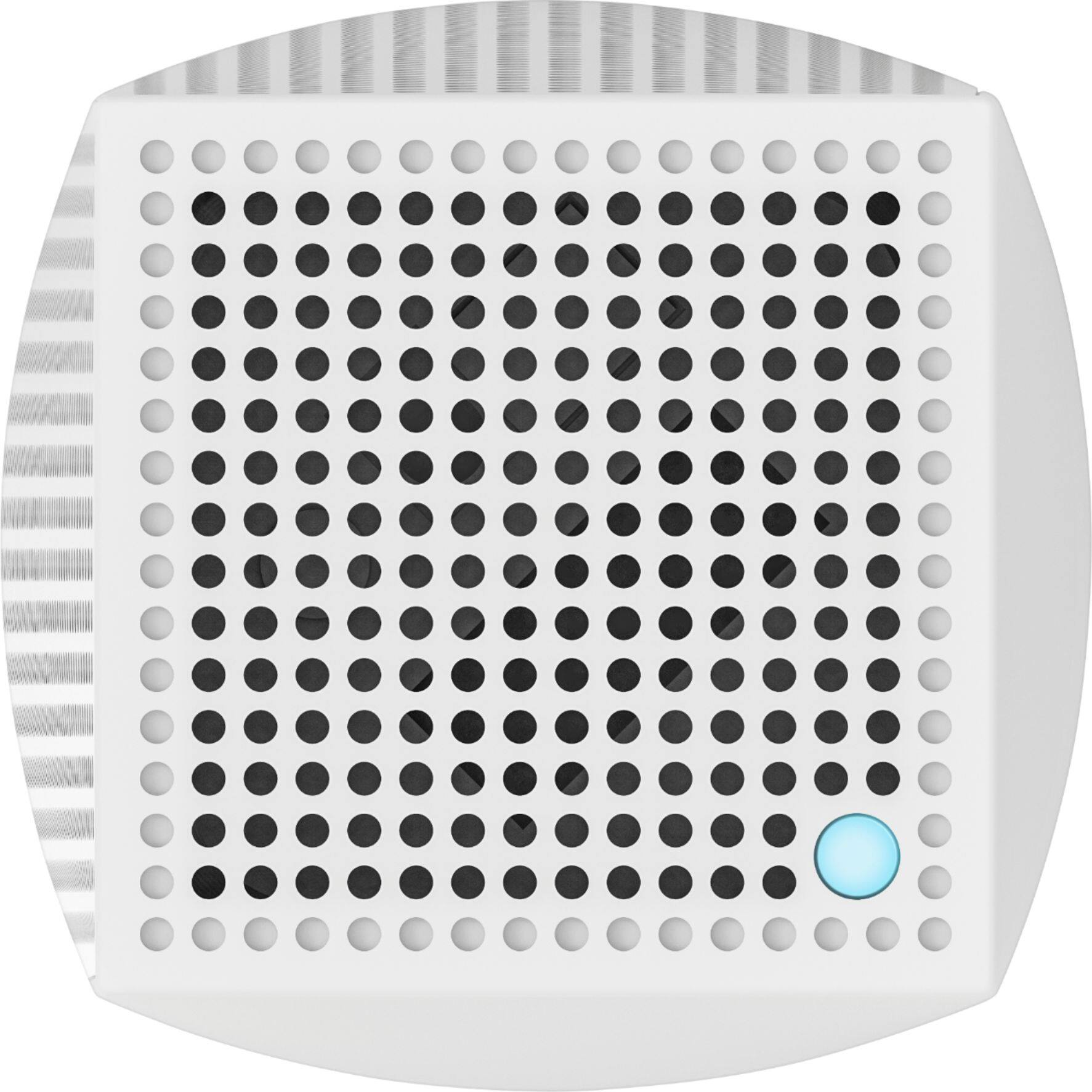
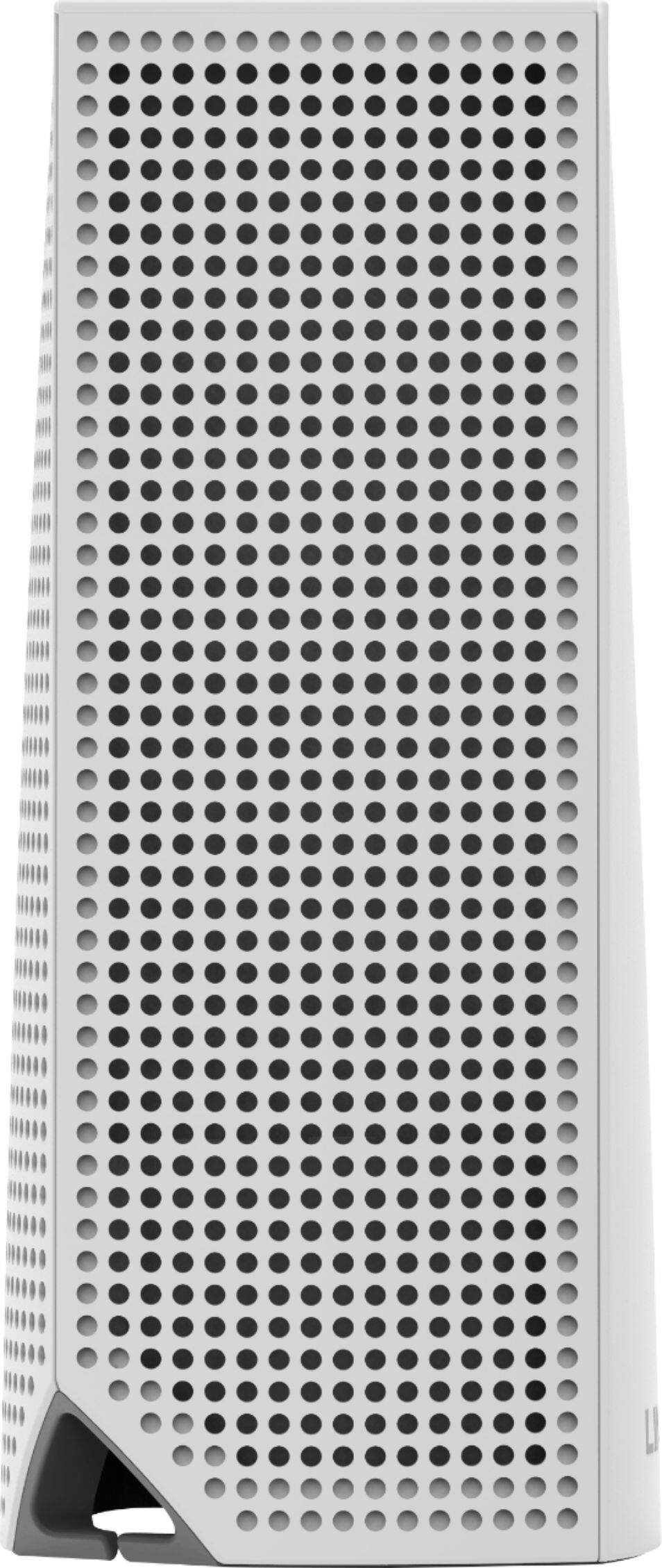
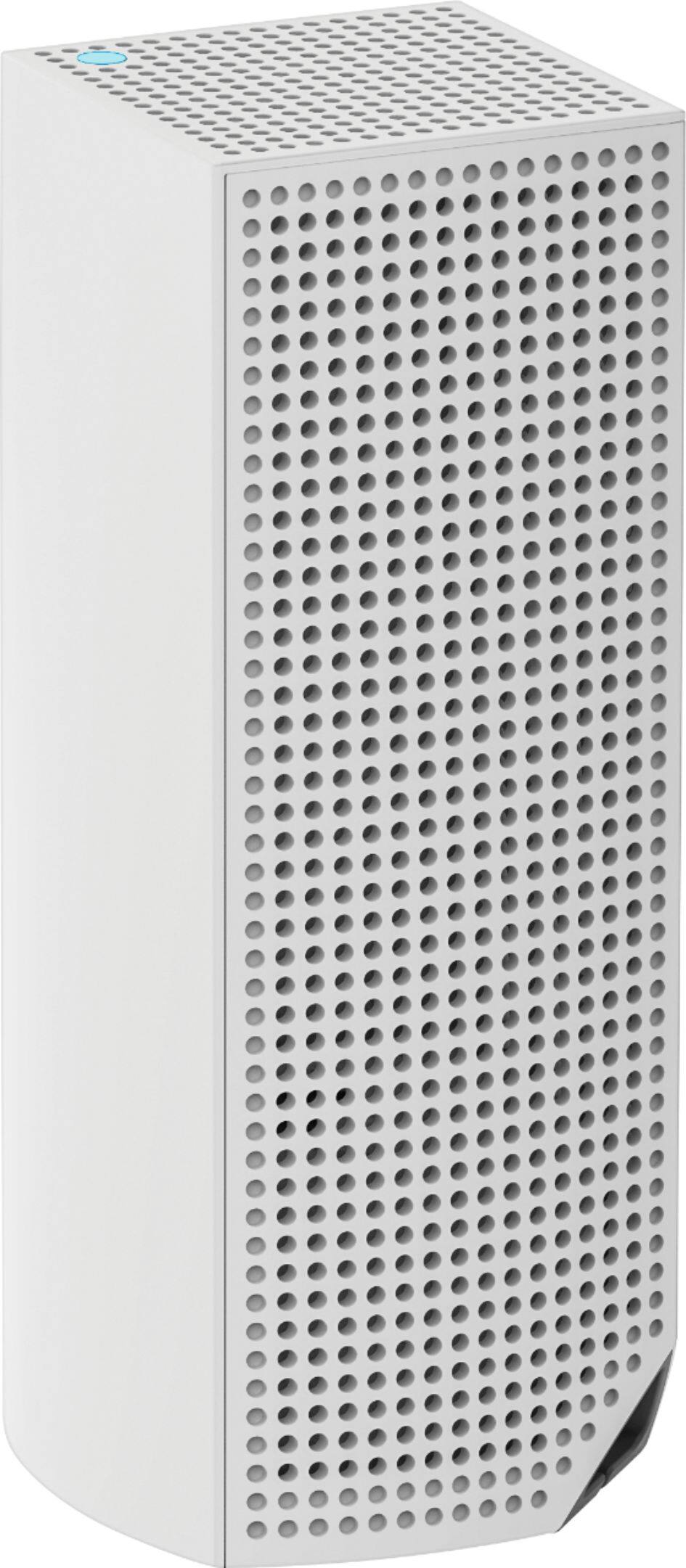
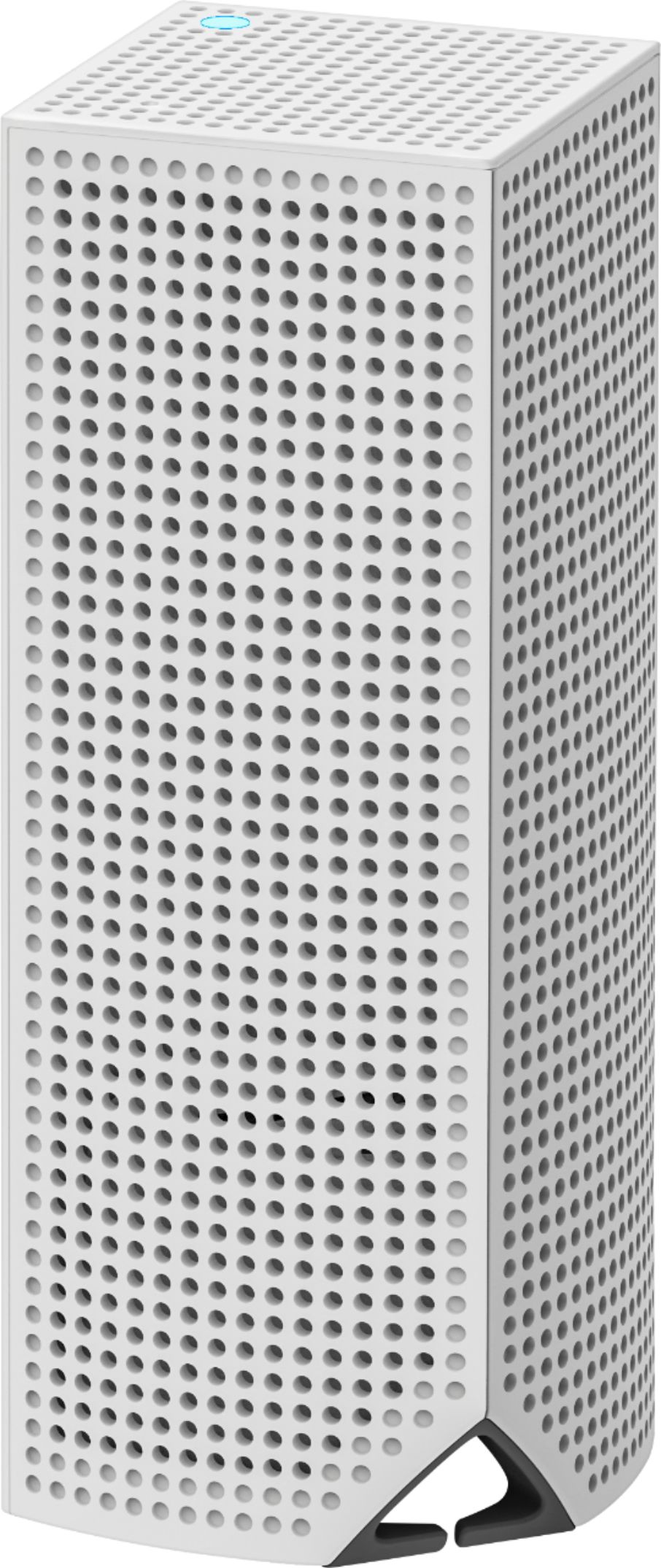
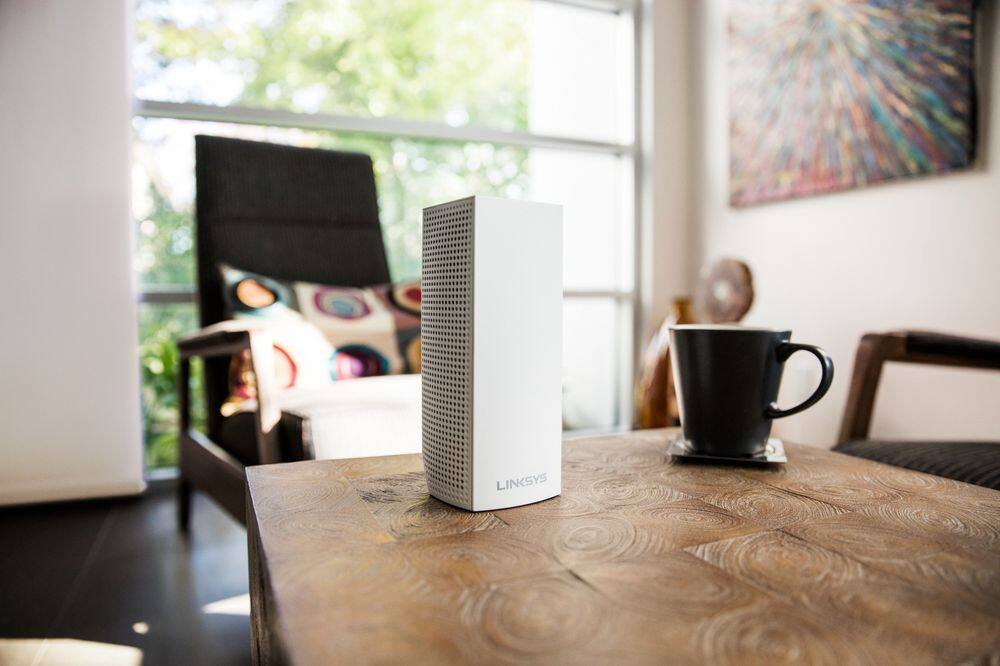
|Posted .This reviewer received promo considerations or sweepstakes entry for writing a review.Mesh routers are pushed as the solution to our wifi issues, promising better coverage and speeds over a single wireless AP (router). I have tried a few mesh solutions and Linksys may have one of the best currently available. The nodes (mesh points) are slender satin white towers with perforated backs and a status LED on top. Each node has two gigabit ethernet ports for wired connectivity. The ports can also be used for backhaul (node to node communication) connectivity between nodes, but I found the dedicated wireless backhaul Linksys uses works great. As opposed to some mesh solutions that use the same radios for both client and node communication, Linksys Velop uses a dedicated radio providing far better performance. In fact, this is the fastest home mesh solution I have used. The 3 pack Velop may have been overkill for my home (<2000sq ft), but I was able to use the third node to extend coverage to a detached garage. If you have a smaller home, you could probably get by with just two nodes. Using the Linksys app on your phone (which interfaces with the node via bluetooth) made the initial setup quick and easy. Configuring Velop using the app is also simple, you can quickly turn on Device prioritization and/or guest access. I found the parental controls lacking, you can manually block sites but can’t block categories, you can manually block internet access for a device but you can’t set up a schedule. Beyond this customization is fairly limited. You can’t configure QoS, setup VLANs, etc. Fortunately it does offer port forwarding and MAC filtering. Another issue I have with Velop (and most home mesh solutions) is the lack of bridging capability, meaning sophisticated users that run a firewall (pfsense) or a device that is performing NAT will be disappointed with Velop. I am not sure if this is a feature they can implement in the future but at this time Velop does not support a bridge configuration. If you don’t know why you would need to bridge a device, you probably don’t need to bridge Velop! In which case it makes a fantastic wireless solution. If the thought of setting up wireless routers makes you cringe and you are looking for an easy to install solution that will extend your wireless coverage throughout your home this is what you want.
I would recommend this to a friend Linksys
||Posted . Owned for 1 month when reviewed.This reviewer received promo considerations or sweepstakes entry for writing a review.Excellent WiFi I never thing it was strong I recommend this WiFi for anything you need for internet
I would recommend this to a friend- Pros mentioned:Setup
Ok but already lost a node
||Posted .This reviewer received promo considerations or sweepstakes entry for writing a review.Setup (3 node system) was easy. After about 2 hours, a node is alreday showing to be offline. Have reatarted twice with no luck. Bought it 3/26, installed 3/26.
No, I would not recommend this to a friendBrand response from Linksys Staff
Posted .Hi there,
This totally unexpected as the Velop node should have worked after the initial set up. For isolation, make sure that the child node gets an optimal signal from the Parent node, equipped with the latest firmware, or swap the nodes and see if the same thing happens. Our Escalation Engineers would love to help us out on the fix. Email us at LinksysCares@linksys.com with your contact details and the link to this review for our easy reference.
Regards,
Carl
Linksys Support
provides coverage to 3 levels of my home.
||Posted . Owned for 2 months when reviewed.This reviewer received promo considerations or sweepstakes entry for writing a review.Love this wifi mesh system.. except the app to admin is a bit tricky keeps asking to add them to account and fails to add after Userid password.. but other than that I bought it at less price during thanksgiving such a great value for the price i paid... I’ve a netgear coaxial modem.. Linksys comes with a main router which i connected to model and two other wireless extenders.. all 3 provides coverage to 3 levels of my home.
I would recommend this to a friendGreat & Easy Mesh WiFi System!
||Posted . Owned for 1 month when reviewed.This reviewer received promo considerations or sweepstakes entry for writing a review.Provides clean WiFi connections in our two story 1300sgft home! Very satisfied with this system, it’s coverage and the speed! Easy to setup using the Linksys app on my phone. This is my second Linksys Velop Mesh system, the first I installed at my elderly parents house and it worked there perfectly prompting my second (this) purchase! This purchase was a sale price of $250 (1/2 off) and was a great deal!
I would recommend this to a friendExcellent Mesh
||Posted . Owned for 2 weeks when reviewed.This reviewer received promo considerations or sweepstakes entry for writing a review.I like this mesh, easy to install, and the signal of each is stronger than expected.
I would recommend this to a friend- Pros mentioned:Ease of use
Mesh
||Posted . Owned for 3 weeks when reviewed.This reviewer received promo considerations or sweepstakes entry for writing a review.Excellent product….easy to set up through App.Highly recommend!
I would recommend this to a friend - Pros mentioned:Coverage, Setup, Speed
Consumer mesh Wi-Fi needing a big software update
|Posted .This reviewer received promo considerations or sweepstakes entry for writing a review.Pros ________ Compact Easily blends into any part of the house allowing placement based on need instead of aesthetics Offers true mesh technology with automatic routing Separate backhaul channel to help keep speed between nodes higher Ports are universal so you don’t need to understand wan versus LAN or uplink versus bridge Cons ________ Device Prioritization (very basic QoS) has issues with higher internet speeds. Built in speed test can’t achieve the speed resulting in a low number. Subscribed speed cannot be manually entered to compensate No way to configure via a Windows computer of any sort. No website or app. Antennas seem weak as speed between nodes was not consistent. Only offers two ports per node Configuring via the app is slow. Between 12-15 minutes per node Limited advanced functionality (Port forwarding is offered but only device based prioritization) Antiquated, extremely basic, parental controls. You must manually enter URLs per device. No category based internet filtering. You are the parental controls No log to see what sites your kids are accessing to block easily No way to name the 2.4GHz and 5GHz bands differently for legacy compatibility DHCP cannot be configured in any way or even turned off. Valid DHCP range not showing without using less than official means. LAN network address IP configuration is not adjustable without calling support. Stuck as 192.168.1.x. No option for reserving static IPs on the network Nodes cannot hardwired to allow faster speed and redundancy like a corporate mesh system. ________ Unlike regular mesh Wi-Fi, Velop cannot be used as just Wi-Fi while still being a mesh. This means in my case I have one unit sitting in closet in a less than ideal location. Corporate mesh Wi-Fi has an access point mode allow you to place the access points where they are needed most. The Linksys Velop system is intended to address one of the biggest problems old fashioned Wi-Fi systems encountered as internet speeds have increased and people start doing more online streaming. In a conventional system, Wi-Fi speed and strength drops the further you get away from the place where your internet comes into the house. By having multiple of what Linksys calls nodes spread throughout your house that work together the signal can be evenly spread everywhere allowing full strength and speed. This is a concept that has been around in the business sector for many years but was far too expensive and complicated for home use and the Velop intends to address this. Make no mistake, any consumer mesh Wi-Fi system today is going to be around $300 and up so you if you want good coverage and speed, regardless of manufacturer, you are going to have to spend more money. The best place for Wi-Fi is also out in the open so a traditional box with ugly antennas and wires won’t be tolerated. Just like many other solutions these nodes are designed to be placed in the open with minimal wiring and a more attractive design. Starting with setup things are different. You get three nodes that come with just a power cord. You get one Ethernet cable for your main node but that is it. If you need a local connection the bottom of each unit comes with two multi-purpose ports. They are not specifically designated and the system seems to know whether you are connecting the port to the internet, your network, or local device. It’s very convenient. If you have a fair number of wired devices you will need to purchase switches. In order configure your network, the process has been simplified. You install an app and just let it walk you through configuring and labeling each node. It will allow you to define where you put them, if the placement is ideal for signal, and then make sure the software is up to date on the node. There is one name for both 2.4GHz and 5GHz networks and you can also define a guest network. Oddly, there no way to configure a separate name for the different bands so those of you with older Apple devices might run into trouble. The app is available for iOS and Android. Strangely, there is no way to configure this with a Windows computer. This is strange because devices such as Velop are often offered by computer consulting companies to small to medium business as a cheaper alternative to more expensive corporate equipment. These companies also typically do not want staff to have client information on their personal devices so not having a way to configure via their work computer is quite odd. This also leaves out anyone who opts either to have a different smartphone or has no smart phone. Not all hope is lost though as Linksys is open to customer feedback and I already asked to be added to the list of people asking for a Windows universal app. I can even imagine if they offered a Windows Universal app playing on the Xbox One and just telling Cortana to have Velop prioritize my Xbox One or even shut down access to all other devices so my gaming is not affected by anyone else. So many unique possibilities not being utilized. For now, this a glaring omission and my Xbox One and my Surface Pro have been rendered useless for this. It is software so maybe Linksys could think more outside the box and see the potential. Instead of traditional QoS (Quality of Service) this has what is called Device Prioritization. You can choose a device on your list and give it high priority but that is it. There are no options for prioritizing based on service or port. To activate device prioritization, you must run the integrated speed test which brings up a bug in the administration. If you have a higher internet speed, mine is at least 400Mbps, the speed test will not be able to give a full read of your internet speed. This means if you turn on the device prioritization it will artificially cut your speed down. In my case, it took my 400Mbps connection, read it multiple times as 150Mbps and limited my max speed to 150Mbps for any device. Turning off prioritization caused my speed to jump up to 315Mbps but node to node speed was inconsistent leading to tests showing speeds from 180Mbps to 330Mpbs. This replaced a competing mesh product that just came out recently, placed in the same area, that always produced consistent node to node speeds up near 400Mbps. Velop was unable to achieve full speed even with device prioritization off. Linksys Support is aware of the device prioritization issue and hopefully in the coming weeks and months a solution for this will be put in place. Ideally the speed test system should be upgraded but it would be even better if you could manually enter your internet speed for times like this when the integrated system just can’t keep up. I have already received a callback so Linksys is very keen on improving this. Normally with any Wi-Fi, including corporate mesh systems, you can configure your Wi-Fi as either the control for everything or just serve only as a mesh Wi-Fi access system. In the case of the Velop, it’s all or nothing. If you want to use Velop, you are going to have to make this your one and only system. There are no options to turn DHCP on or off or configure any static IPs. In fact, even under the advanced settings it doesn’t have anything about switching the address range used on your internal network. This presents a problem since many modern ISPs have their modem configured to use range 192.168.1.x, just like Velop. This causes routing problems as well as a security threat as the system has no way to know what is inside or outside your network. A call to support uncovered a less than official way to do this but the point is I shouldn’t have to. They are also aware of this and hopefully future updates will change the setup. If you are a gamer, looking for a mesh Wi-Fi add-on, want to have comprehensive parental controls, want QoS controls, need to have a different internal network besides 192.168.1.x, run internal static systems such as servers or NAS, or want to have a way to configure and administer the system via your computer then you are best to look elsewhere. It is an odd combination trying to cater to people who don’t want to mess with their Wi-Fi and want max speed and yet the people most likely to spend the money on the high-speed internet packages will most likely want much more control. Of course, this is a new system and these adjustments and abilities could be added in later versions of the software but currently, about the only thing this system offers is broad Wi-Fi coverage in an attractive package. Advanced users, gamers, and power users might want to look elsewhere or check back after future updates. It has A LOT of potential but the software is still extremely basic even when compared to basic routers. Who is this system most suited? If you mainly use Wi-Fi, want a system to cover your entire house regardless of size, and don’t care that there are almost no controls of any sort then this might be for you. Setup is about as simple and basic as it can get and for such people I recommend this product.
I would recommend this to a friendBrand response from Linksys Staff
Posted .Hi, CraigB,
We appreciate your detailed review of the Velop system. Your observations are helpful for future updates with the Linksys app and the unit. It's good to know that you are already working and receiving updates from our Technical Support team. If you need any further help, give us a call at 800-986-0518 or you can send us an email at LinksysCares@linksys.com.
Regards,
Kristine
Linksys Support
- Pros mentioned:Ease of use, Range, SpeedCons mentioned:Ethernet ports
Amazing Wi-Fi Coverage and a Quick Setup
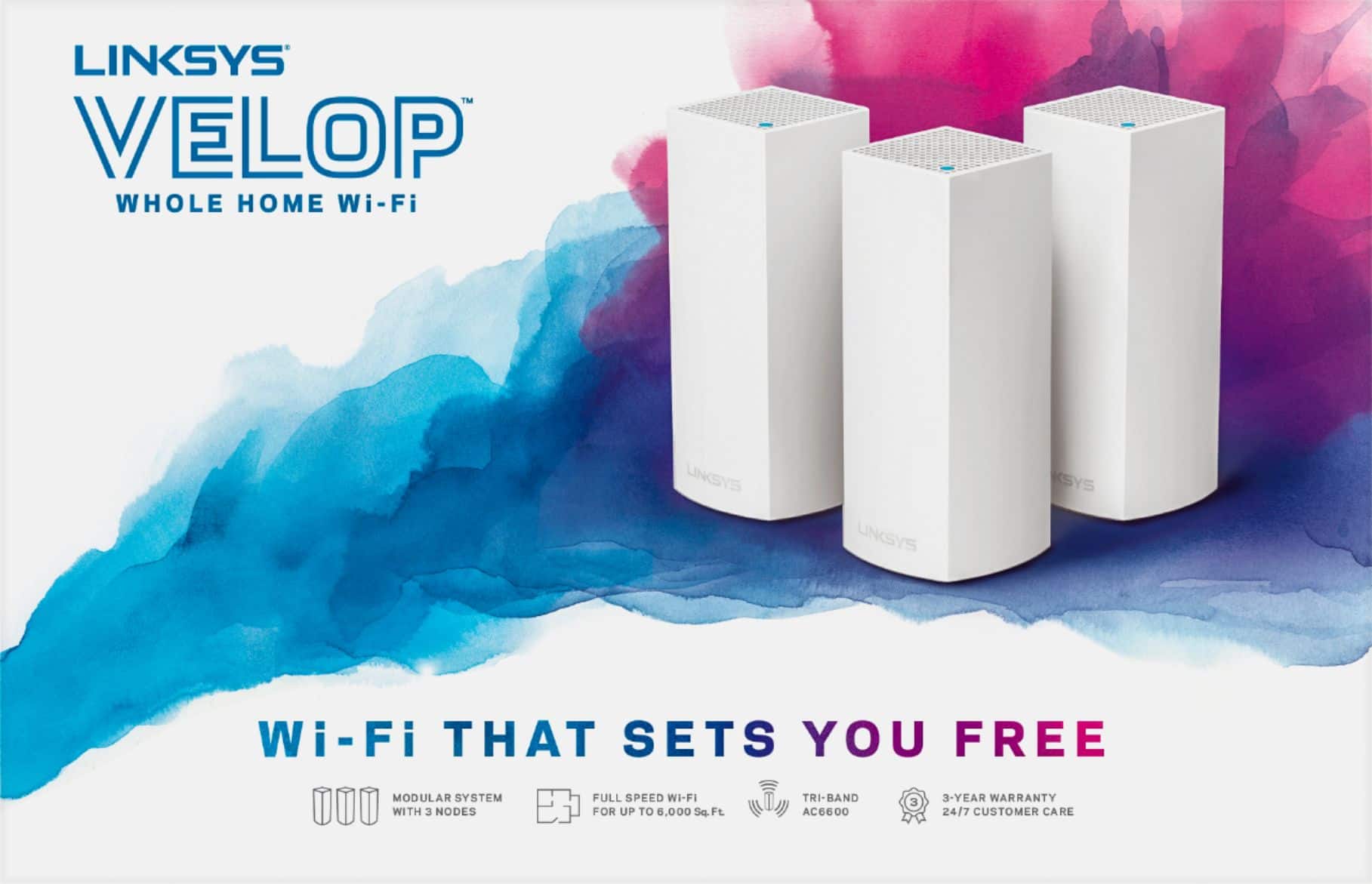
|Posted .This reviewer received promo considerations or sweepstakes entry for writing a review.Let me start by saying that the Velop nodes, as well as their packaging, are beautiful. Opening the box was an experience in and of itself. These were made for unboxing videos. Each individual node is simple yet elegant, and fits into any room's decor. The Velop 3-pack comes with 3 nodes, allowing complete Wi-Fi coverage on up to 6000 square feet. This translates to most homes, as well as the front and back yard. The setup is quick and easy, assuming you have a smart phone. There is no way to complete the setup using your computer, as the setup relies on using the Linksys Mobile app for Android or IOS. Assuming you have a smart phone, the setup was seamless and only took about 10 minutes. The app also lets you quickly prioritize devices, create a guest network, check your network's performance, receive notifications if your network is down for any reason, and shut the entire network down if you need to do so. The coverage and speeds I am getting from the Velop nodes is amazing. Areas in my home that never had coverage now have amazing speeds and I no longer have and Wi-Fi dead spots. The only downside to the Velop Wi-Fi mesh system I have found is that if you rely on many devices that must be hard-wired to your network using Ethernet cables, you will probably need to purchase a networking switch to accommodate the hard-wired devices, as each node only has 2 Ethernet ports, and the node that is connected to your modem will only have one open port.
I would recommend this to a friend