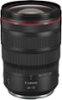
Canon - RF75-300mm F4-5.6mm Telephoto Zoom Lens for EOS R-Series Cameras - Black
Model: 7155C002
SKU: 6639037
Sold byBest Buy
Customers regard this product as a high-quality option that delivers excellent overall performance. Users frequently highlight the zoom quality as being impressive for the price point. Additionally, many find the device to be very intuitive and easy to use.
For use with your existing Canon R-Series Camera
Magnify distant subjects and isolate a small field of view for vivid close-up shots.
This versatile, long-range zoom lens covers a broad range, enabling you to capture the perfect image from various distances.
Creates sharp, detailed images with shallow depth of field and softly blurred background. Performs best in moderate-to-bright light settings or outdoors on overcast days.
The features that make this lens approachable are hiding right in plain sight. Carrying a lens capable of reaching 300mm usually means a big heavy lens that is not easy to always have with you, but through our years of expertise with lenses we have been able to produce a compact, lightweight, and portable option about the weight of a 500ml water bottle that won’t break the bank.
The Canon RF75-300mm F4.5-6 has an impressive range of focal lengths to choose from which can dramatically change the feel of your photo.
When you want your images to look more professional, there are a few easy steps you can take to get started. The first is to get a lens that will allow you to get closer to your subject. The next “pro” look for your images is to add bokeh which makes the background blurry while your subject is in focus which makes it stand out, and this is easily achievable with a long zoom lens.
The final element you can add to your photos to make them look more professional is called compression, which is when things that are physically far apart appear closer when lined up in the lens. Any one of these effects will instantly make your image look more professional, and this lens provides all three!
Eye detection is achievable even at the 300mm zoom range with Servo AF during still image shooting and Movie Servo AF for videos, automatically focusing on subjects’ pupils, even when their faces or bodies are moving.