1:43 Scale Diecast Model Cars
-
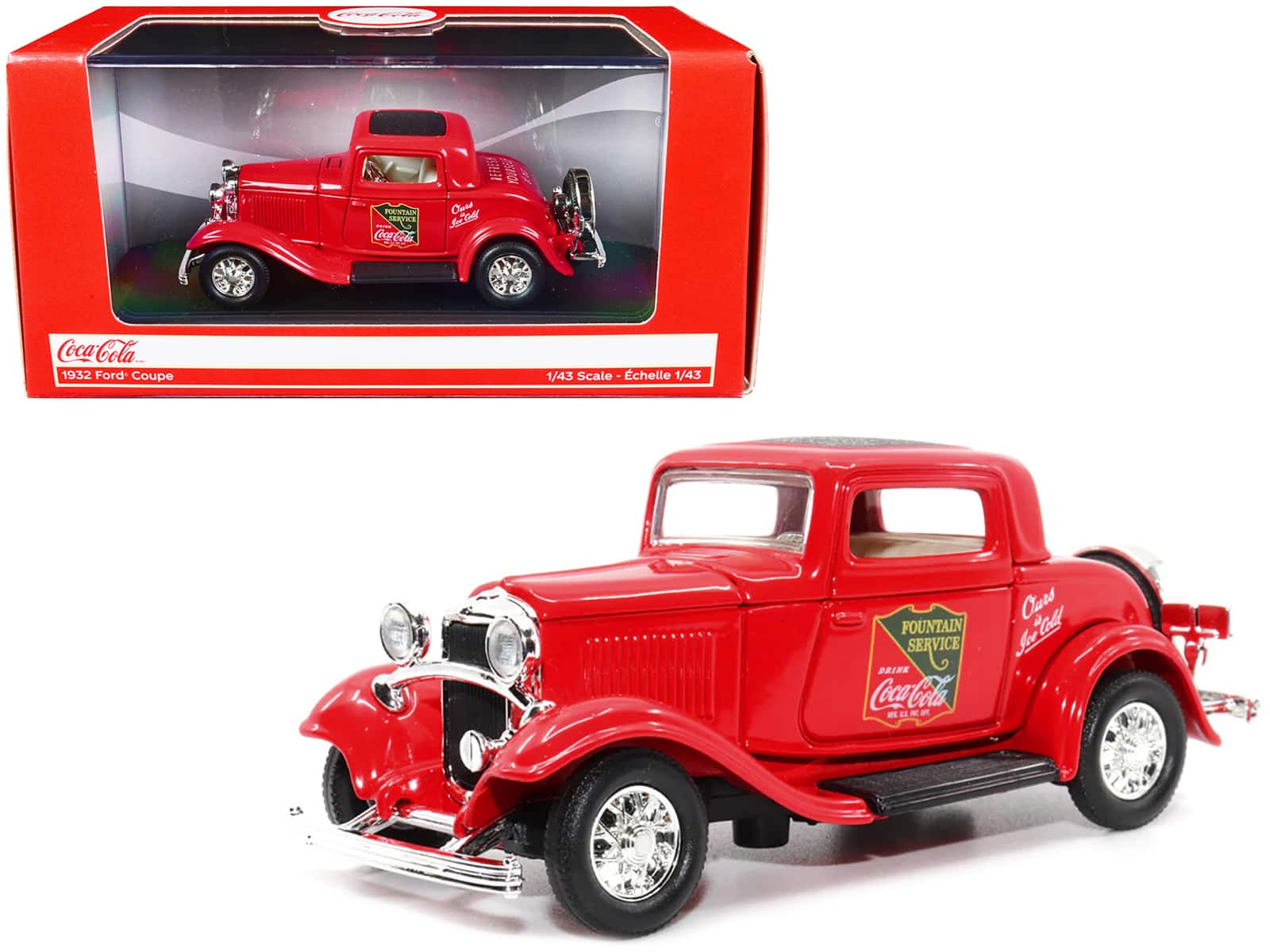
Motorcity Classics - 1932 Ford Coupe "Coca-Cola" Red with Black Top 1/43 Diecast Model Car by Motor City Classics - Multicolor
SKU: JX9Q3KZ69GSee all DiecastProduct Description
A red-and-black diecast model featuring rubber tires, detailed interior and exterior, plus a plastic display case.Your price for this item is $22.99 -
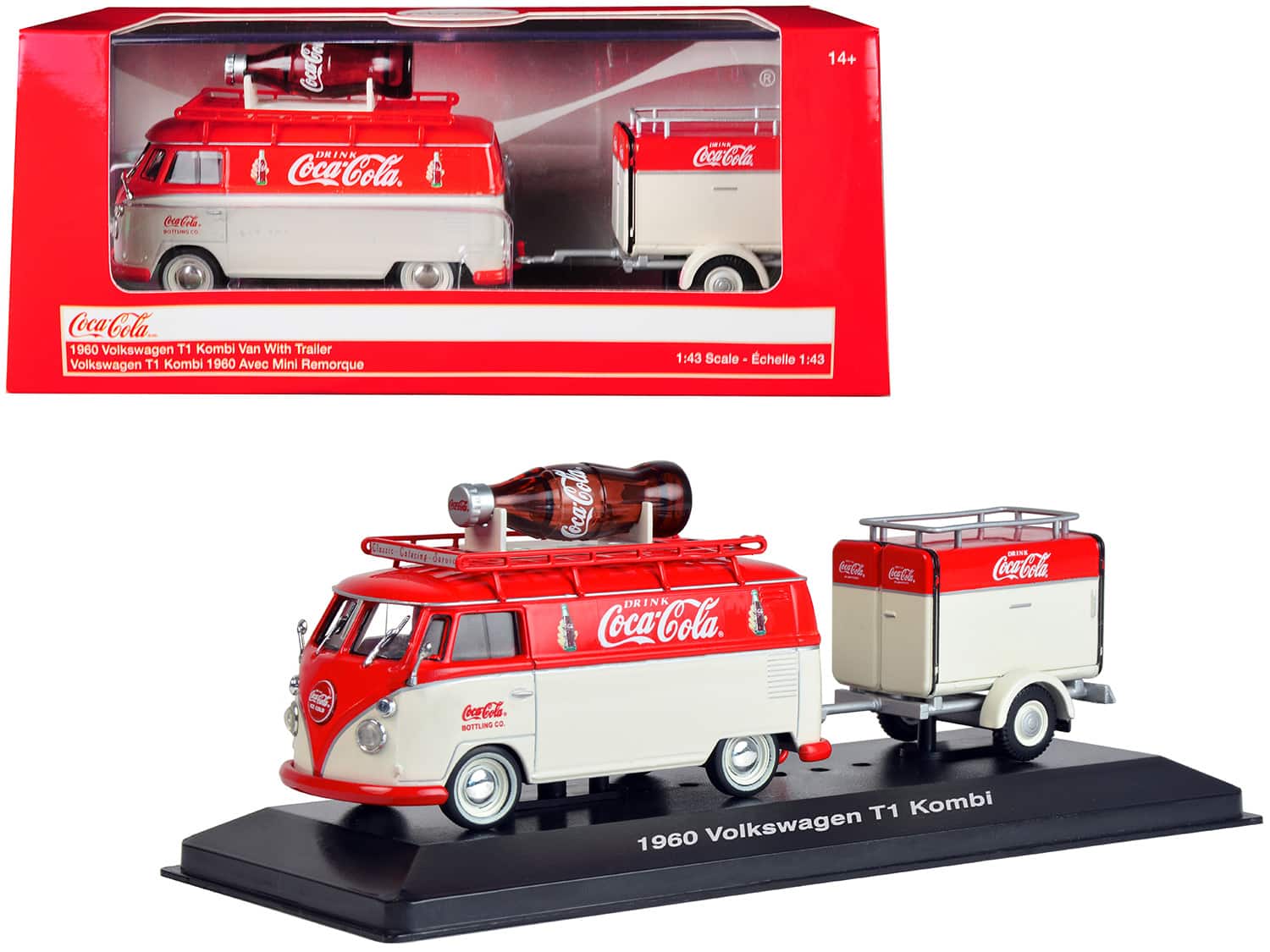
1960 Volkswagen T1 Kombi Van with Trailer Red and Cream "Coca Cola" 1/43 Diecast Model Car by Motorcity Classics - Multicolor
SKU: JX9Q3KZ6VXSee all DiecastProduct Description
A red-and-cream diecast metal van and trailer featuring detailed exteriors and real rubber tires.Your price for this item is $39.99 -
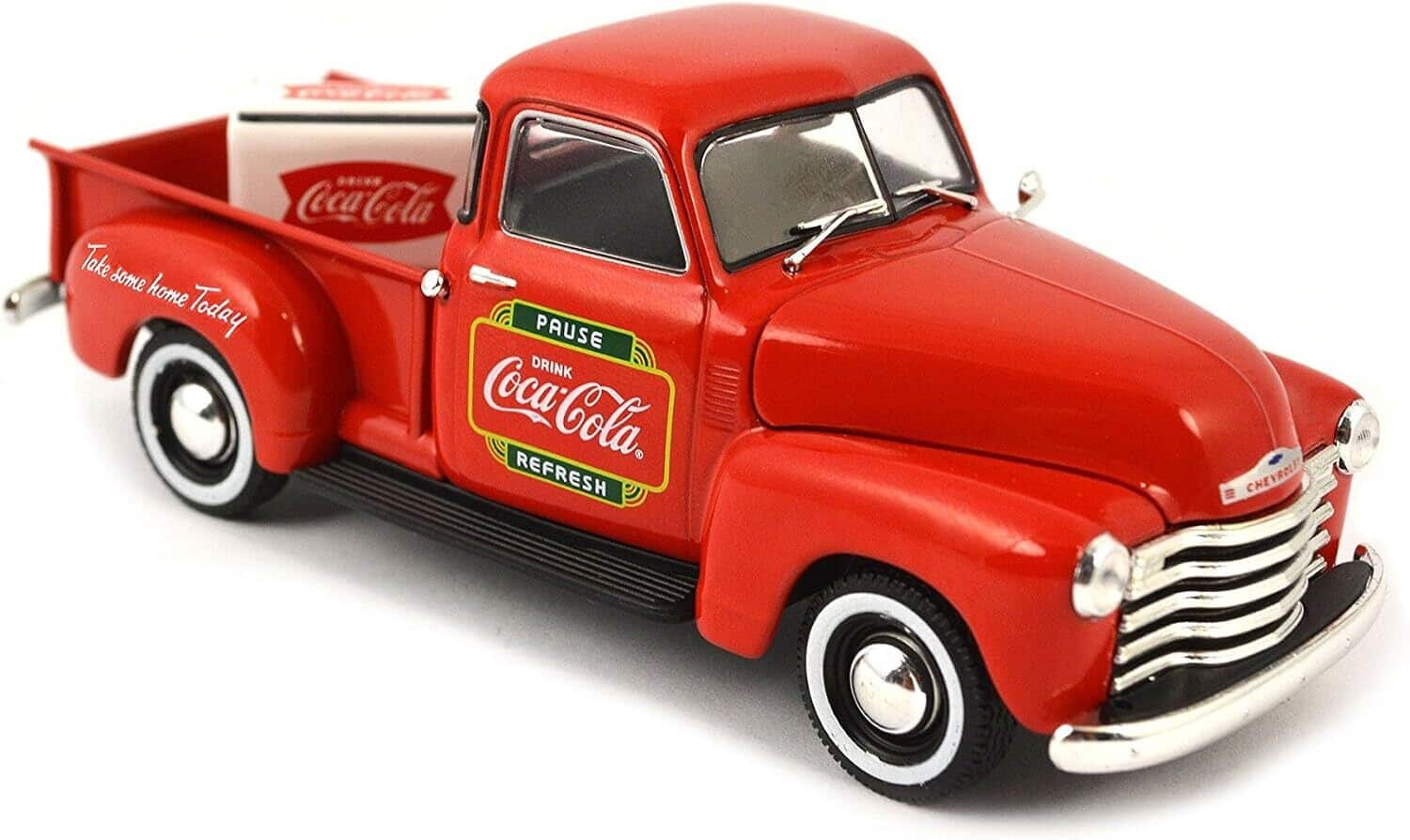
PopMarket - Coca-Cola Motor City Classics: 1953 Chevy Pickup with metal cooler 1:43 Scale Diecast - COLLECTIBLES - Multicolor
SKU: JX9Q3ZTVHHSee all DiecastProduct Description
A diecast metal pickup with cooler accessory, vintage red-and-white graphics, chrome details, and display base.Your price for this item is $29.99 -
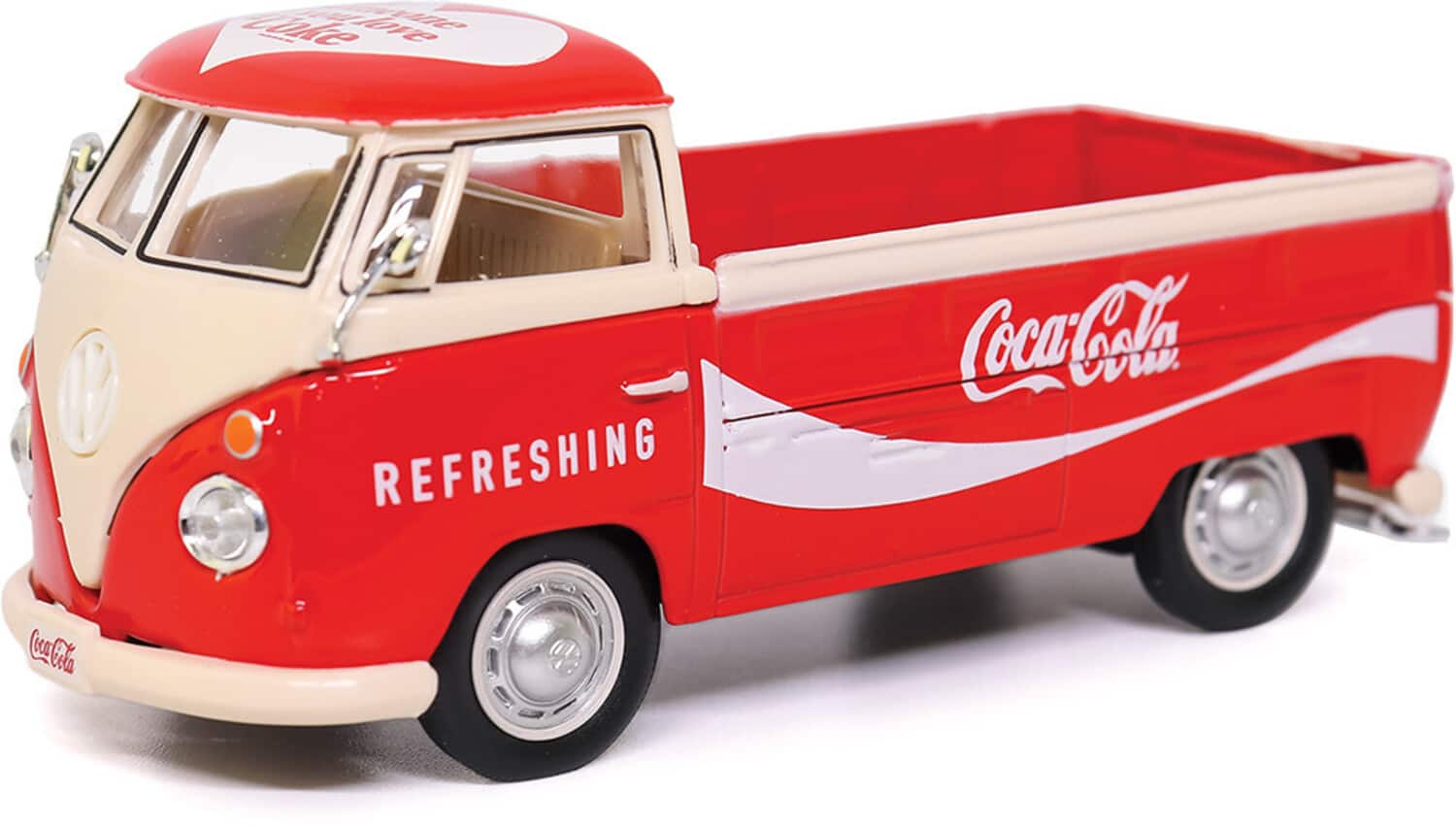
PopMarket - Coca-Cola Motor City Classics 1962 Volkswagen T1 pickup Red/White 1:43 Scale Diecast - COLLECTIBLES - Multicolor
SKU: JX9Q3K6Q3QSee all DiecastProduct Description
A red-and-white diecast pickup featuring vintage beverage graphics, simulated wooden bed, chrome accents, and display base.Your price for this item is $22.99 -
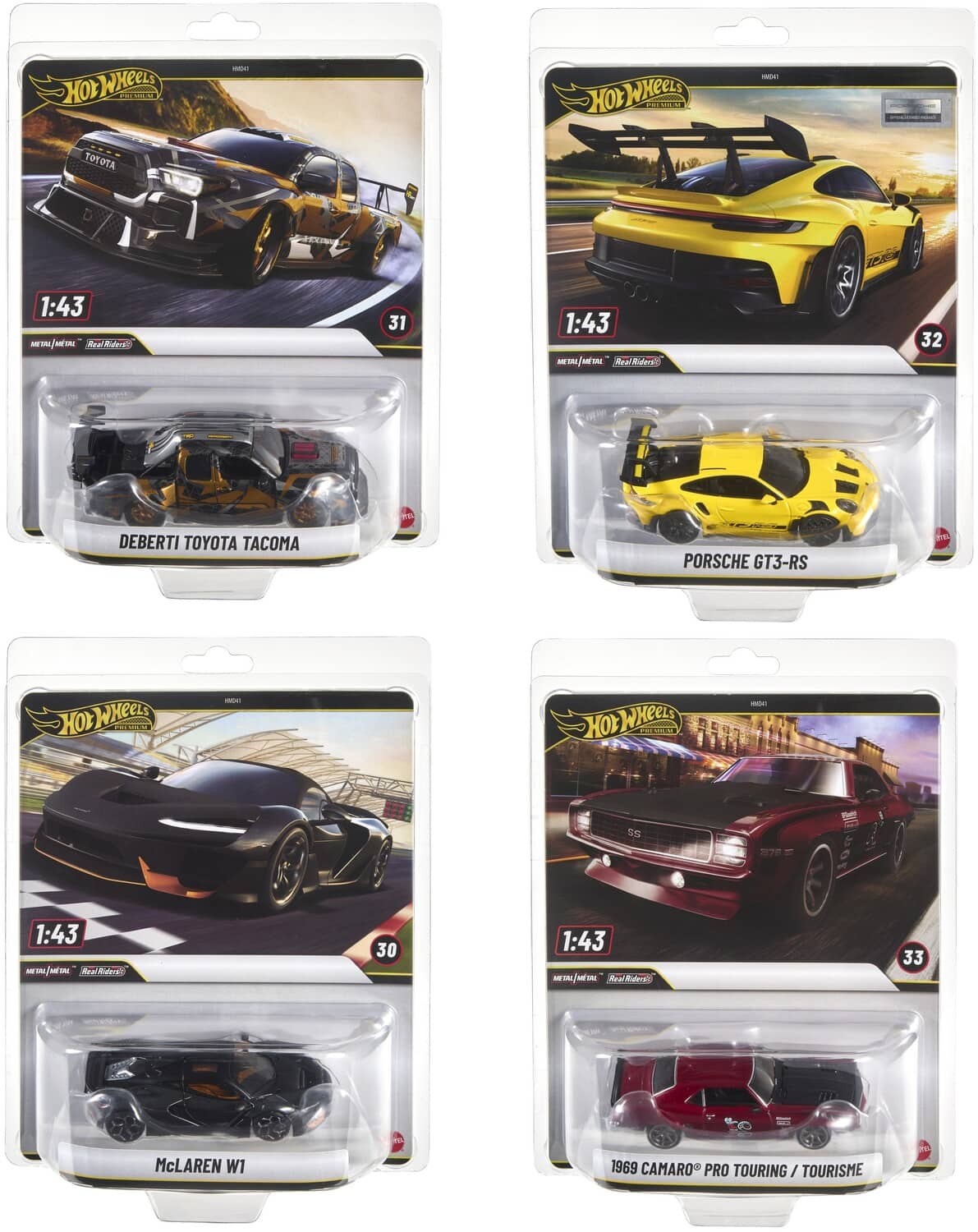
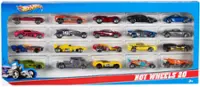
Hot Wheels - 1:43 Scale Premium Vehicle - Styles May Vary
SKU: JJ85Q45VQ6My kids absolutely love these Hot Wheels Premium 1:43rd™ Scale Collectible Car, Gift for Collectors!...Will buy from Best Buy again!...Love these!
See all Play VehiclesProduct Description
A premium metal collectible car featuring authentic details, Real Riders tires, and assorted styles and colors.Your price for this item is $26.99 -
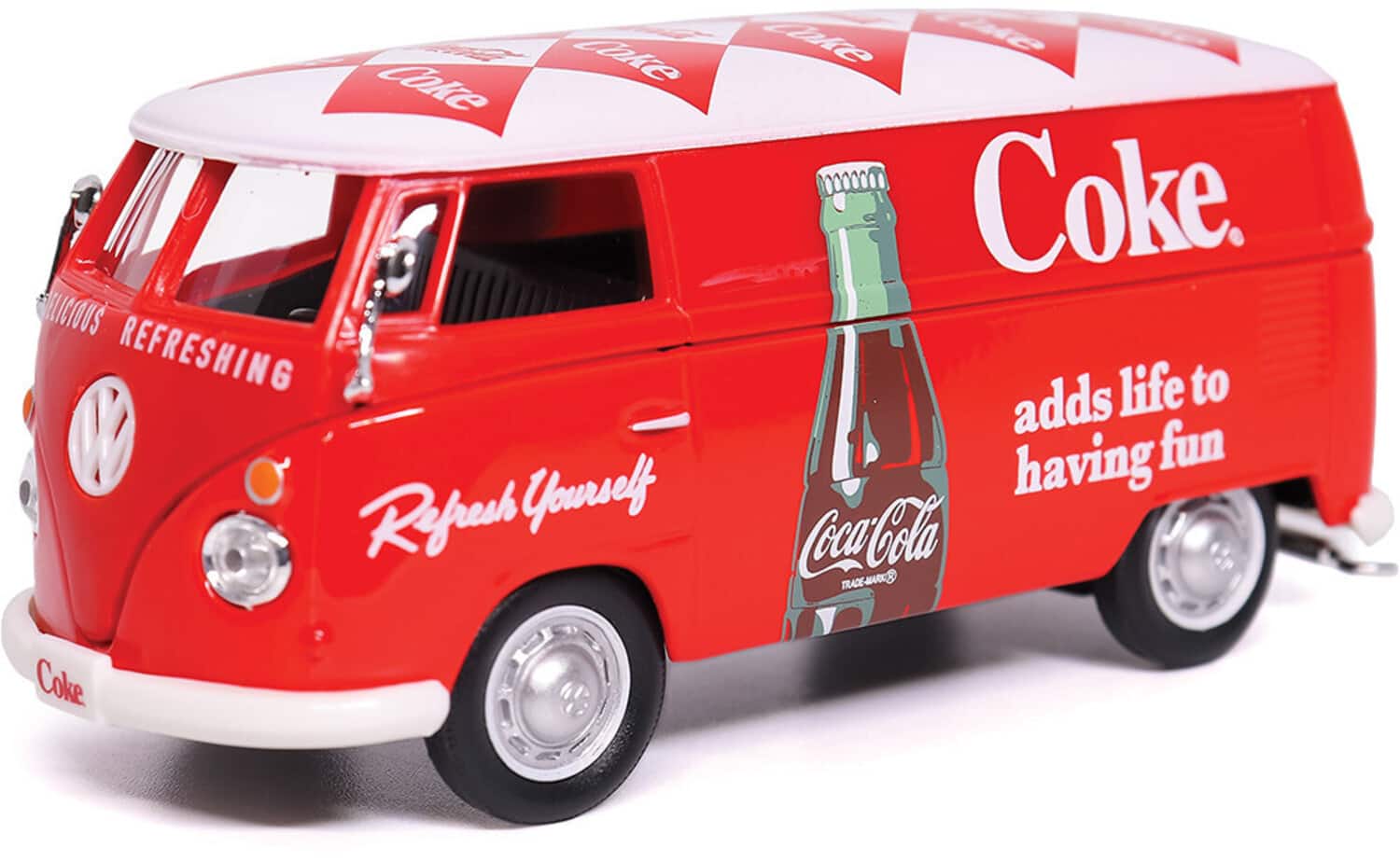
PopMarket - Coca-Cola Motor City Classics 1962 Volkswagen Cargo Van Red/White 1:43 Scale Diecast - COLLECTIBLES - Multicolor
SKU: JX9Q3K6Q35See all DiecastProduct Description
A red-and-white 1:43-scale diecast cargo van featuring vintage beverage graphics, detailed lights, and display base.Your price for this item is $24.99 -
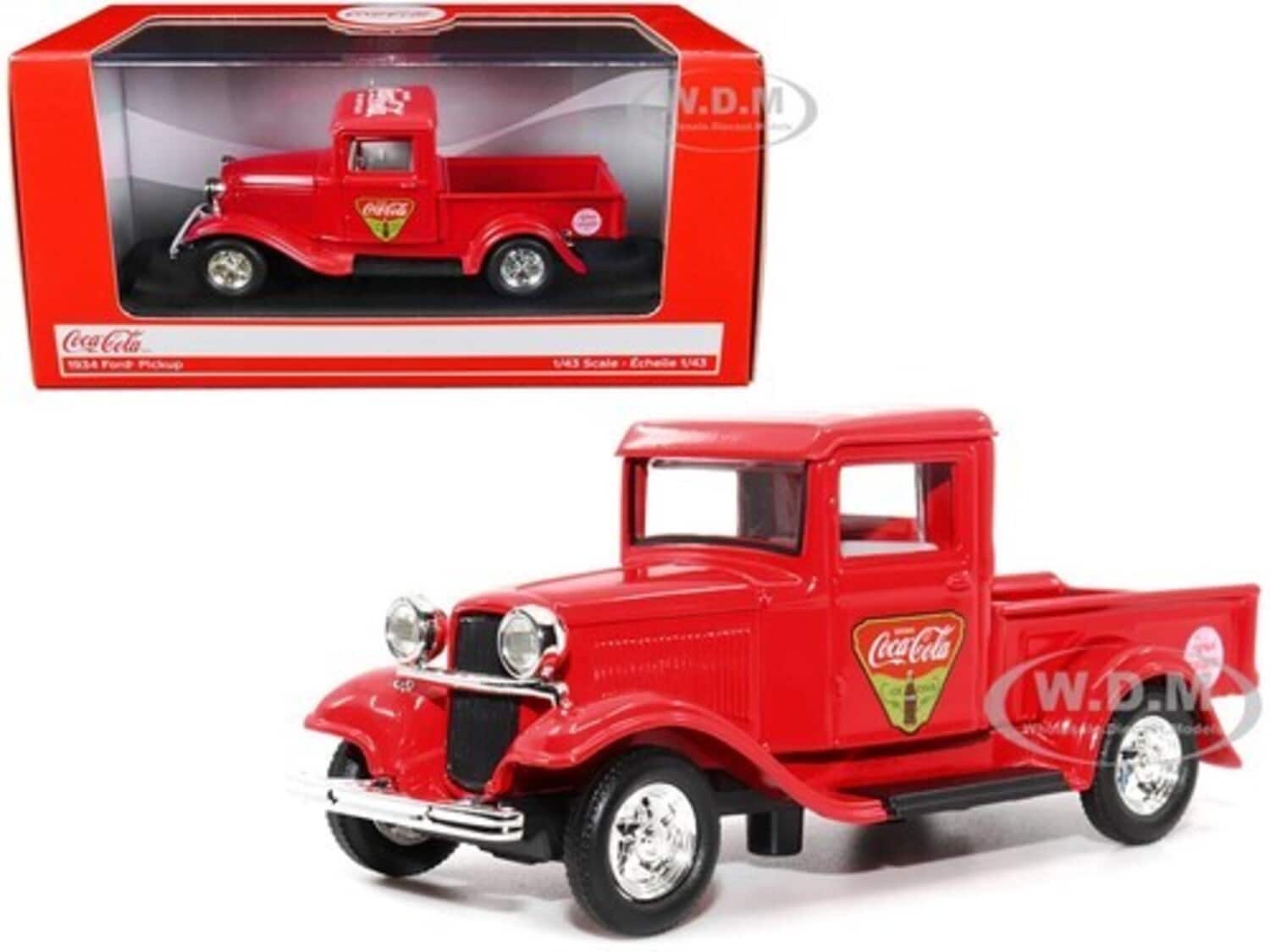
PopMarket - Coca-Cola Motor City Classics 1934 Ford Pick-Up Refresh Your Guests 1:43 Scale Diecast - COLLECTIBLES - Multicolor
SKU: JX9Q3KZ69RSee all DiecastProduct Description
A multicolor diecast-metal pickup replica featuring vintage beverage graphics, chrome accents, rubber tires, and display base.Your price for this item is $22.99 -
Mattel - Hot Wheels Premium 1:43 6-Piece K Assortment - COLLECTIBLES - Multicolor
SKU: J39T6XPWFKSee all Play VehiclesProduct Description
A multicolor 6-piece set of premium die-cast collectible cars with authentic details and Real Riders tires.Your price for this item is $159.89 -
Hot Wheels - 1:43 Scale Pull-Back Speeders - Styles May Vary
SKU: JJ85Q58LGCGreat quality, kids love it. Would buy again!!!!!!...Great...My Nephew love playing with hot wheels pull back car....He love to share them with his friends....I also love to buy him hot wheels toys for...
See all Play VehiclesProduct Description
A die-cast pull-back car with authentic details and interactive features; styles and colors may vary.Your price for this item is $7.99


Best Sellers





Related Pages


FAQ
Diecast model cars typically feature bodies made from a zinc-based metal alloy, with plastic used for interiors, windows, and other components. Tires may be rubber or plastic, depending on the model.
Look for crisp paintwork, accurate badges, detailed wheels, and realistic interiors. Racing replicas may also feature sponsor graphics, race numbers, and liveries associated with particular events. Opening parts and other features vary by model.
Most diecast model cars come fully assembled and painted, making them ready for display. Some include separate accessories or attach to a display base, so check the product description for any setup requirements.
You can organize a collection by automaker, era, body style, racing series, or color. Grouping models around a theme, such as classic American muscle cars or endurance racing, creates a cohesive display. Labels identifying the vehicle and model year can add context.
Use a soft brush or dry microfiber cloth to gently remove dust, taking care around mirrors, antennas, and other delicate details. Avoid abrasive cleaners and solvents that could damage paint or decals. An enclosed display case helps reduce dust buildup, while keeping models out of direct sunlight can help preserve their finish.