Headphones For Kids
-
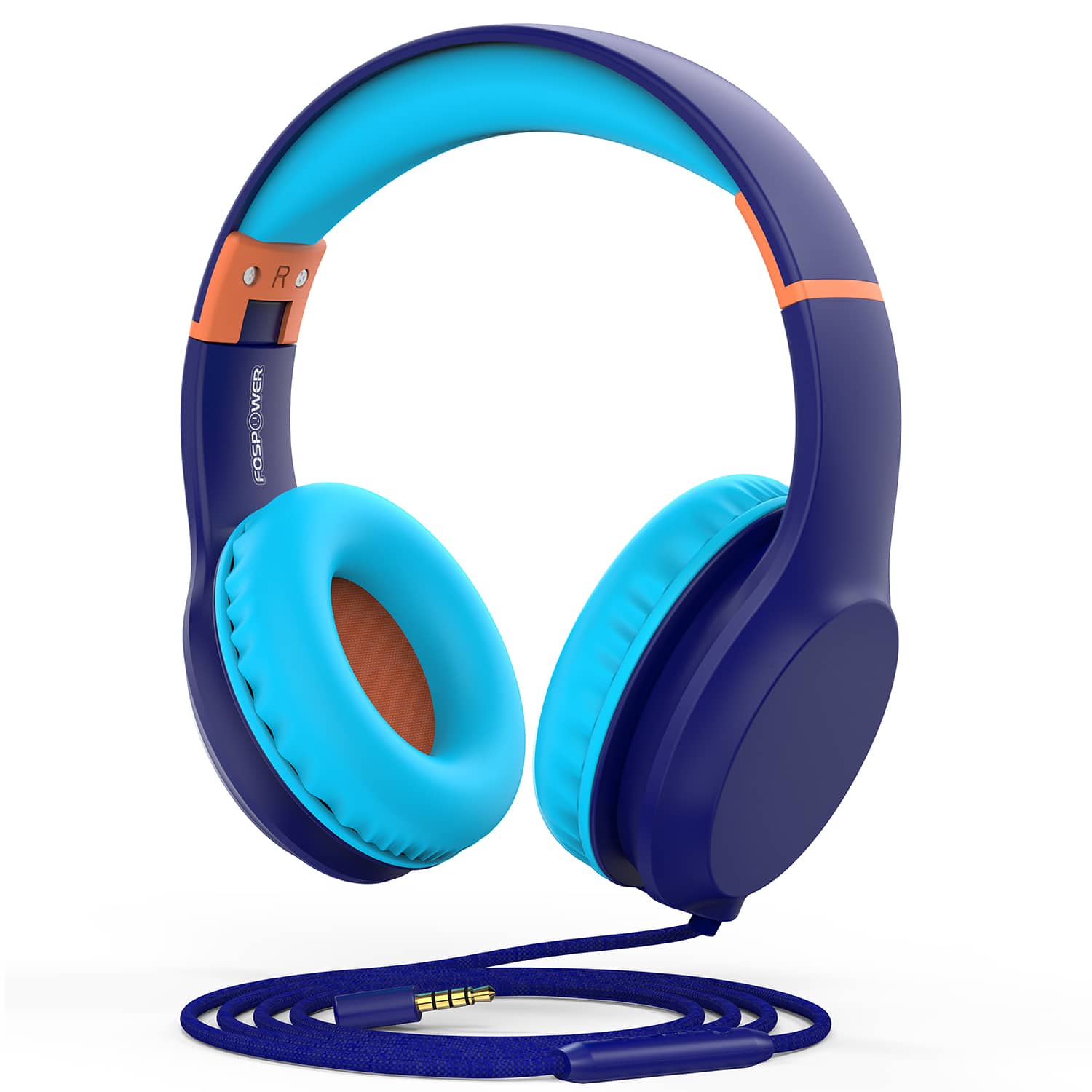
FosPower - Wired Kids Headphones with Microphone, Over Ear Headphones for Kids Volume Limiter, Foldable Kids Headset - Blue
SKU: J3L3HVG6WVGreat for school!...My son has to take headphones into school and I love that they don't make his ears sore!...They fit great and he said the sound is very clear....great price easy to ship great gift...
See all All HeadphonesProduct Description
A multicolored, blue over-ear kids’ headset with built-in microphone, volume limiter, and foldable design.Your price for this item is $19.99 -
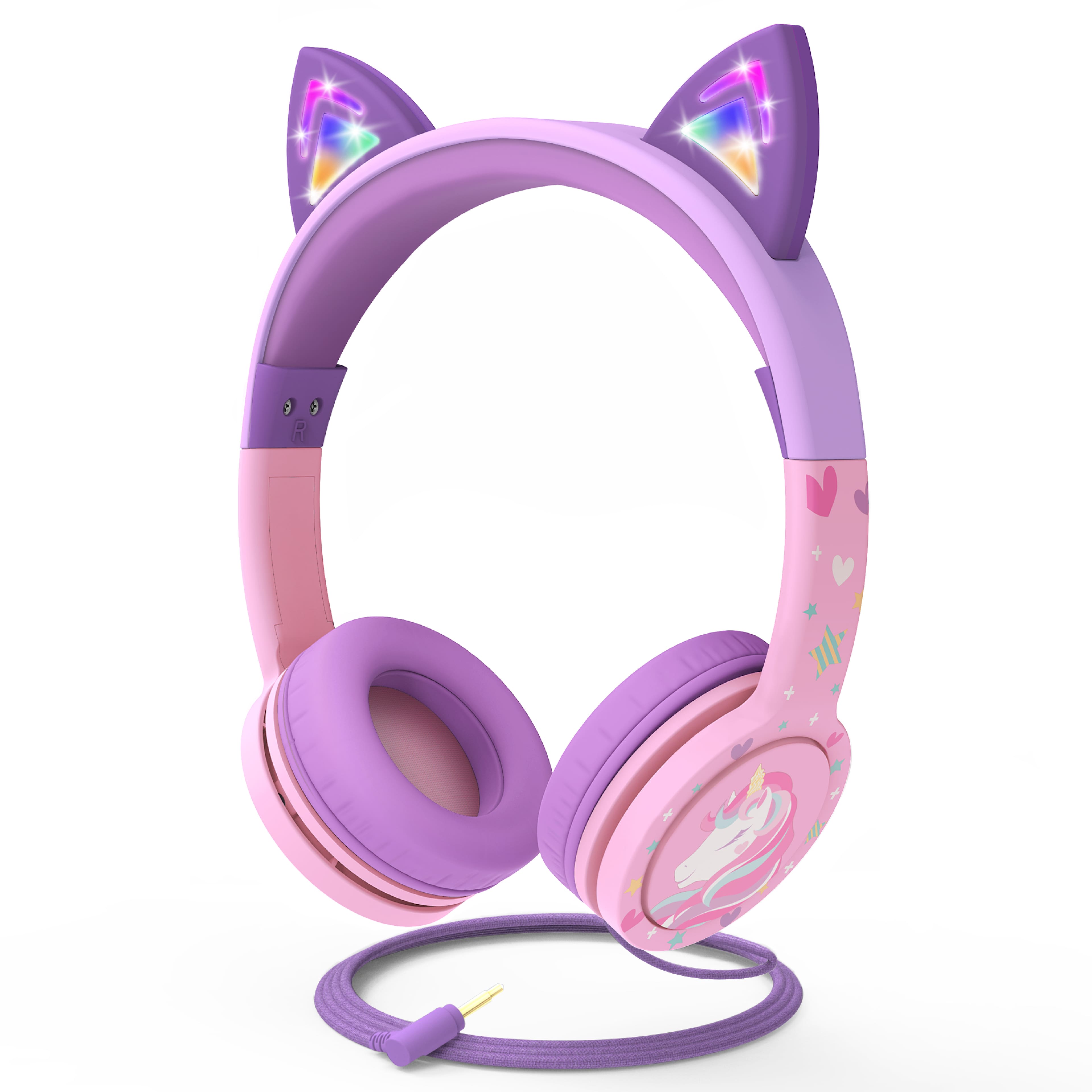
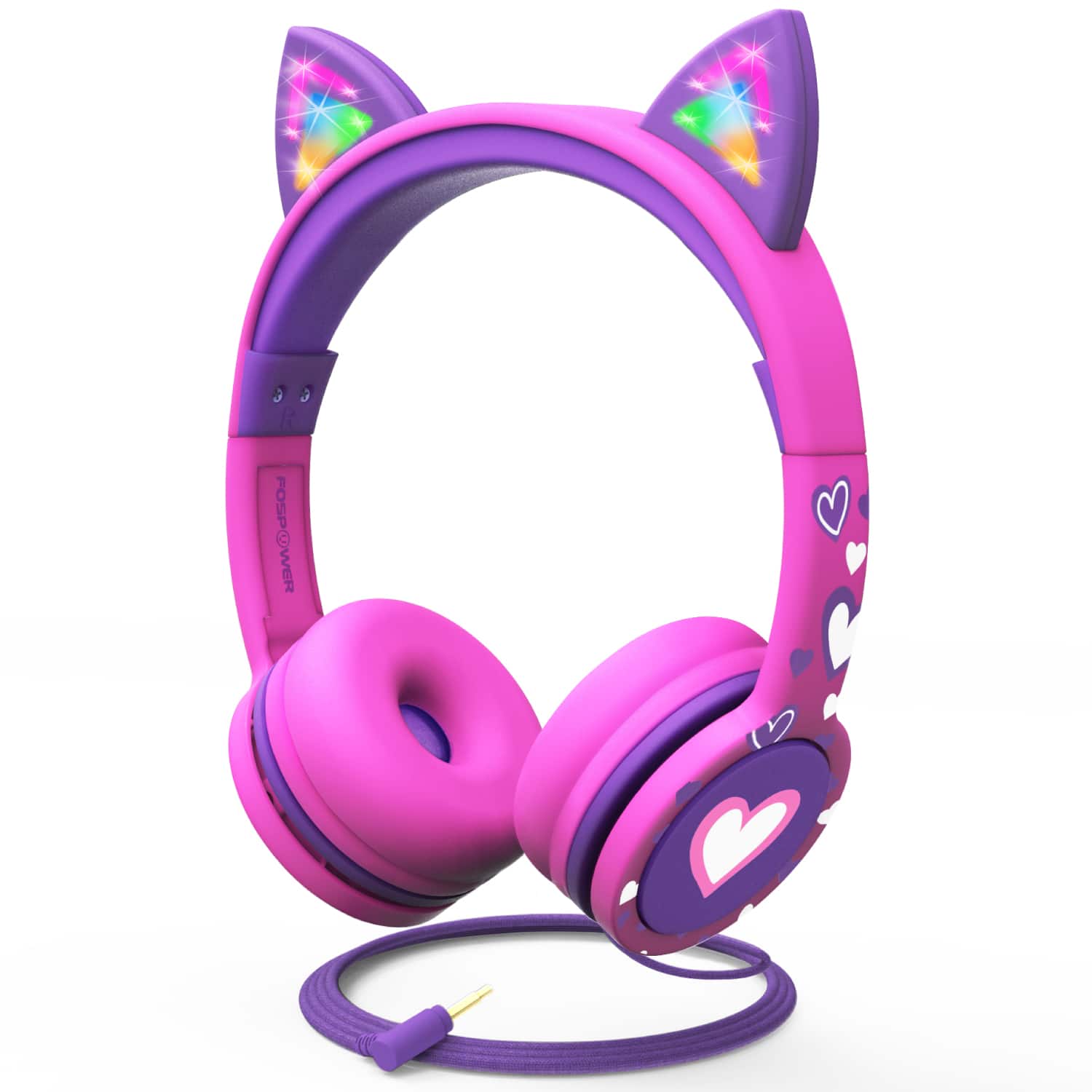
FosPower - Kids Headphones Wired, Over Ear Headphones for Kids with Cord, Cat Headset 3.5mm, Light Up LED Cat Ears - Pink
SKU: J3L3HVG6GKGreat...Love the light up volume control cushioned headpho...I love that there is volume control so it doesn’t hurt their ears!
See all All HeadphonesProduct Description
A multicolored, pink and lavender wired headset with light-up LED cat ears, padded cushions, and volume limiting.Your price for this item is $17.99 -
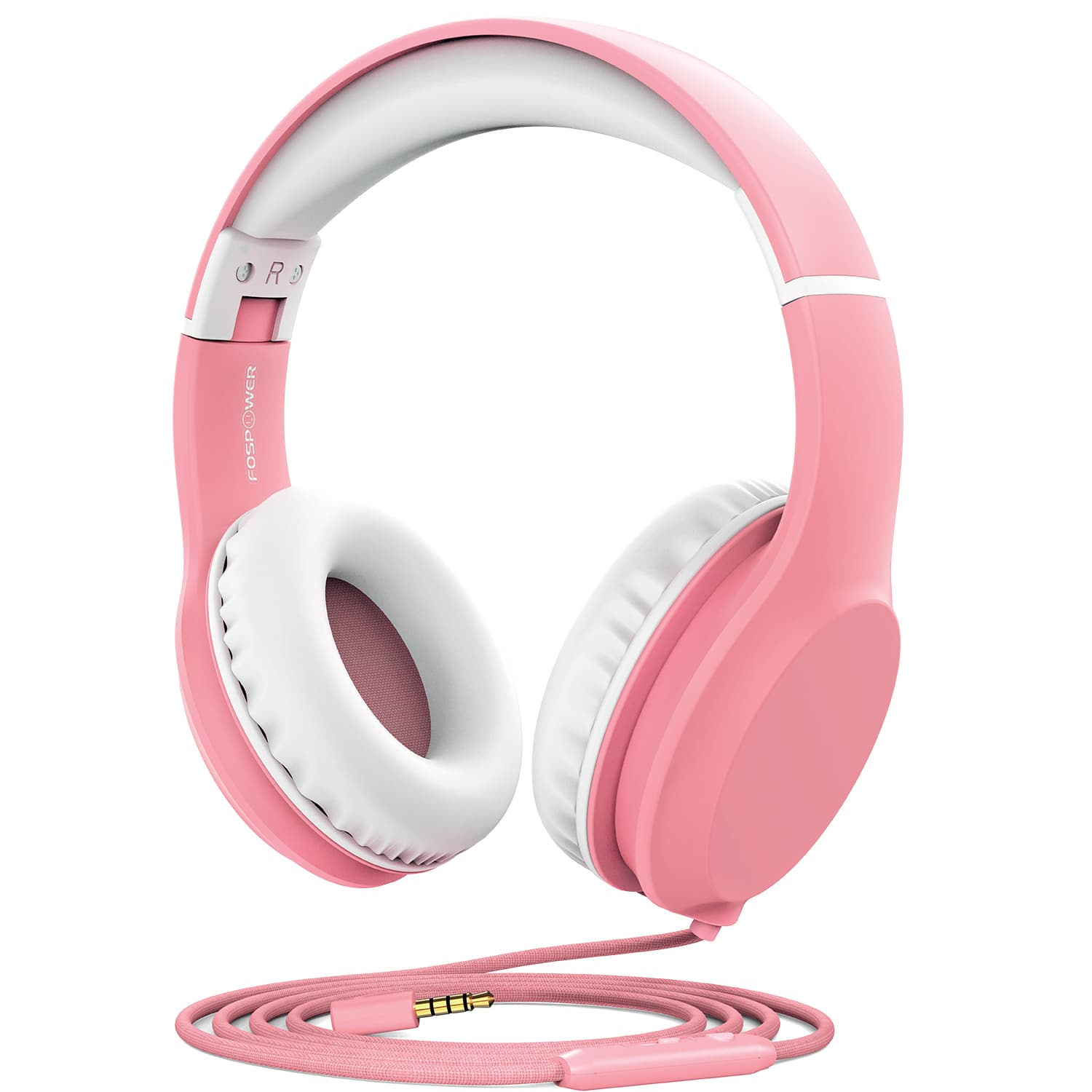
FosPower - Kids Headphones Wired Microphone, Over Ear Headphones for Kids with Cord, Kids Headset with 3.5mm, /White - Pink
SKU: J3L3HVG6VXSee all All HeadphonesProduct Description
A foldable, pink and white over-ear kids’ headset with volume-limiting, cushioned pads, and built-in microphone.Your price for this item is $19.99 -
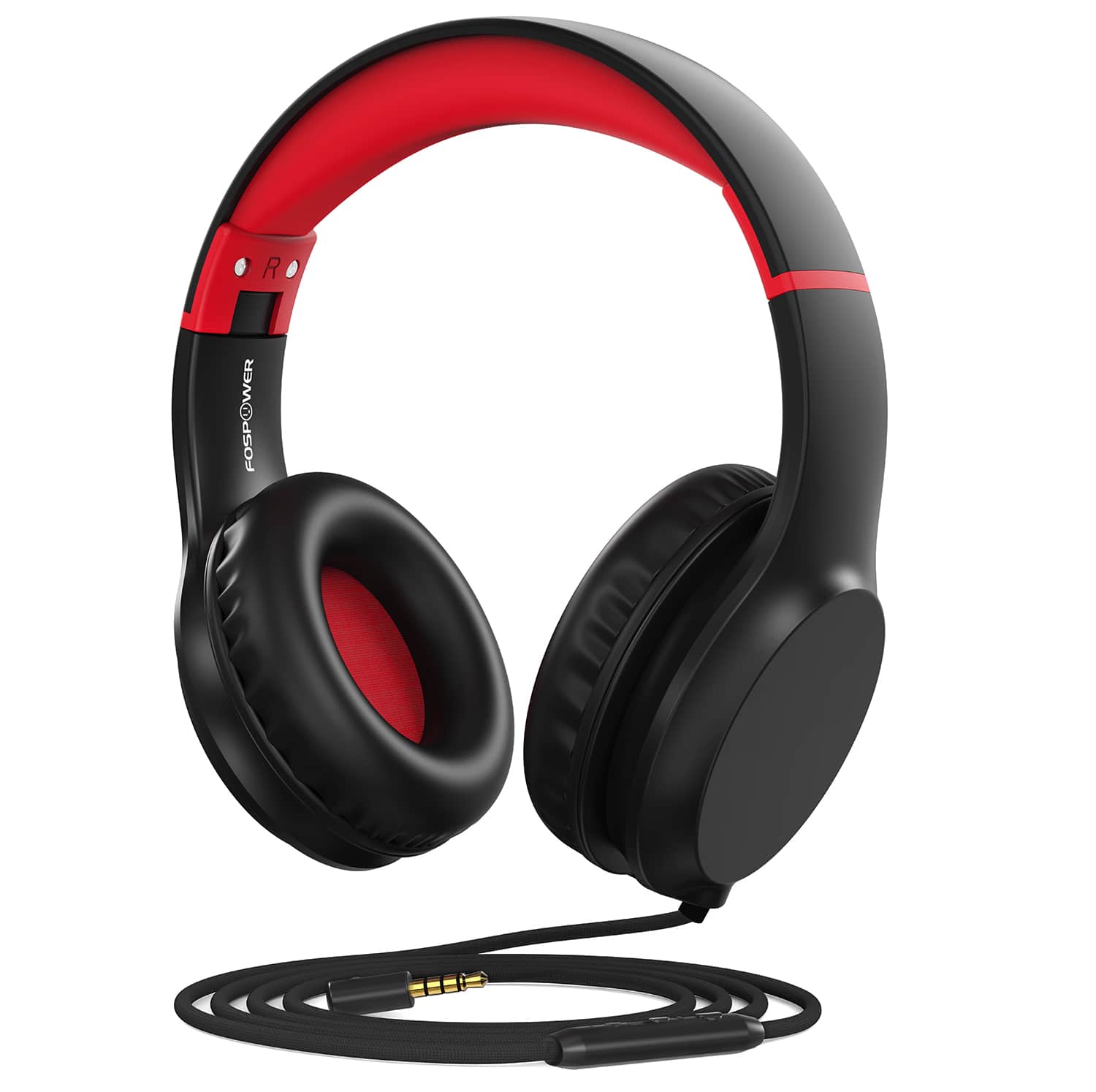
FosPower - Wired Kids Headphones with Mic, Over-Ear Headphones Adjustable for Schoo Travel, Child Safe Volume 3.5mm Plug, /Red - Black
SKU: J3L3HVGRXCOverall good quality audio in a long cord to connect it great for both children and adults to listen...My kids really love this headphones. It can be foldable and built in microphone....Great headphones,...
See all All HeadphonesProduct Description
A foldable, black and red kids’ headset with cushioned ear pads, built-in mic, and volume limiting.Your price for this item is $22.99 -
FosPower - Kids Headphones Wired, Over Ear Headphones for Kids with Cord, Cat Headset 3.5mm, Light Up LED Cat Ears - Purple
SKU: J3L3HVG6G9These headphones are so cute and work great!...Great pair of kids headphones.
See all All HeadphonesProduct Description
A multicolored wired kids’ headset with light-up LED cat ears, padded cushions, and volume-limiting safety.Your price for this item is $17.99 -
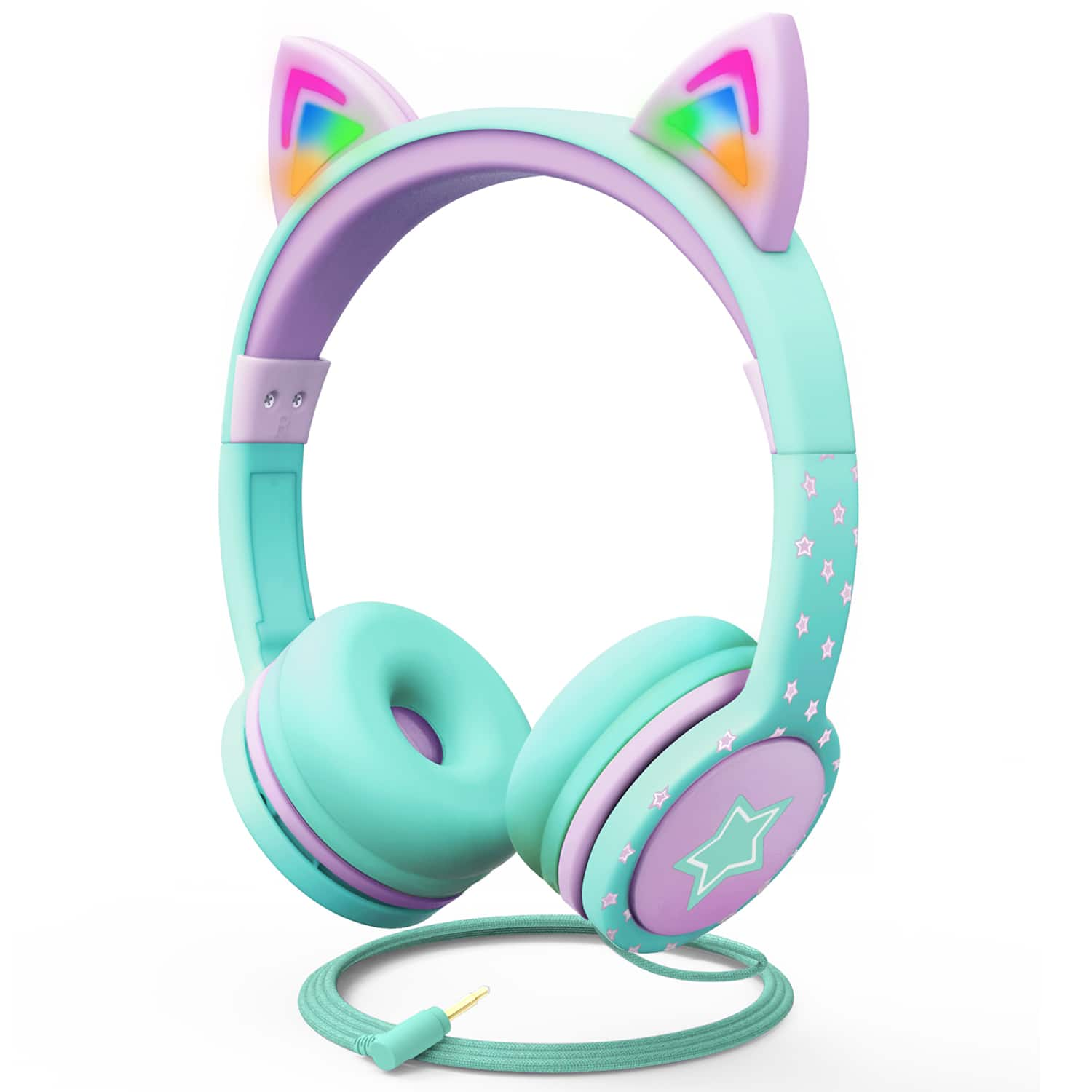
FosPower - Kids Headphones Wired, Over Ear Headphones for Kids with Cord, Cat Headset 3.5mm, Light Up LED Cat Ears - Multi
SKU: J3L3HVG6LWSee all All HeadphonesProduct Description
A multicolored teal and purple kids’ headset with light-up LED cat ears, padded cushions, and volume limiting.Your price for this item is $17.99
Best Sellers


Related Pages






FAQ
When selecting headphones for kids, consider features like comfortable padding, adjustable headbands, lightweight design, and durable materials. Look for models with easy-to-use controls and fun designs that appeal to children.
Both wireless and wired headphones have their advantages. Wireless headphones offer more freedom of movement and fewer tangles, while wired options don't require charging. The best choice depends on your child's needs and preferences.
Yes, most kids' headphones are compatible with a wide range of devices including tablets, smartphones, laptops, and desktop computers. Be sure to check the headphone's connector type (such as 3.5mm jack or Bluetooth) to ensure compatibility.
Many kids' headphones are available in a variety of colors and playful designs featuring popular characters or patterns. This allows children to choose a style that matches their personality or interests.
To keep your child's headphones clean, regularly wipe them down with a soft, damp cloth. Avoid using harsh chemicals. Store them in a protective case when not in use to prevent damage from drops or spills.