Professional Speakers
-
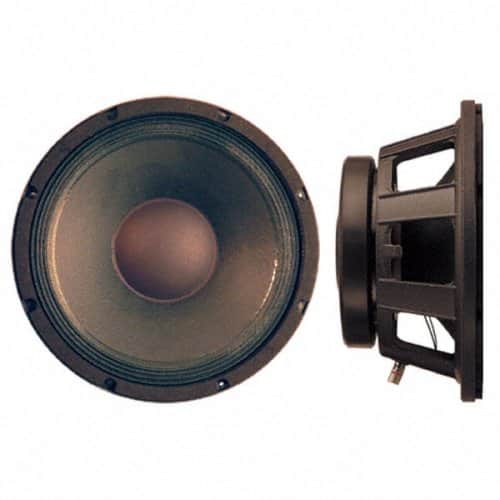
Eminence - Professional KAPPA PRO-12A Speaker - Black
SKU: J3WRRJ97RRSee all Floor SpeakersProduct Description
A high-efficiency black floorstanding speaker engineered for powerful, clear sound in professional audio setups.Your price for this item is $171.96 -
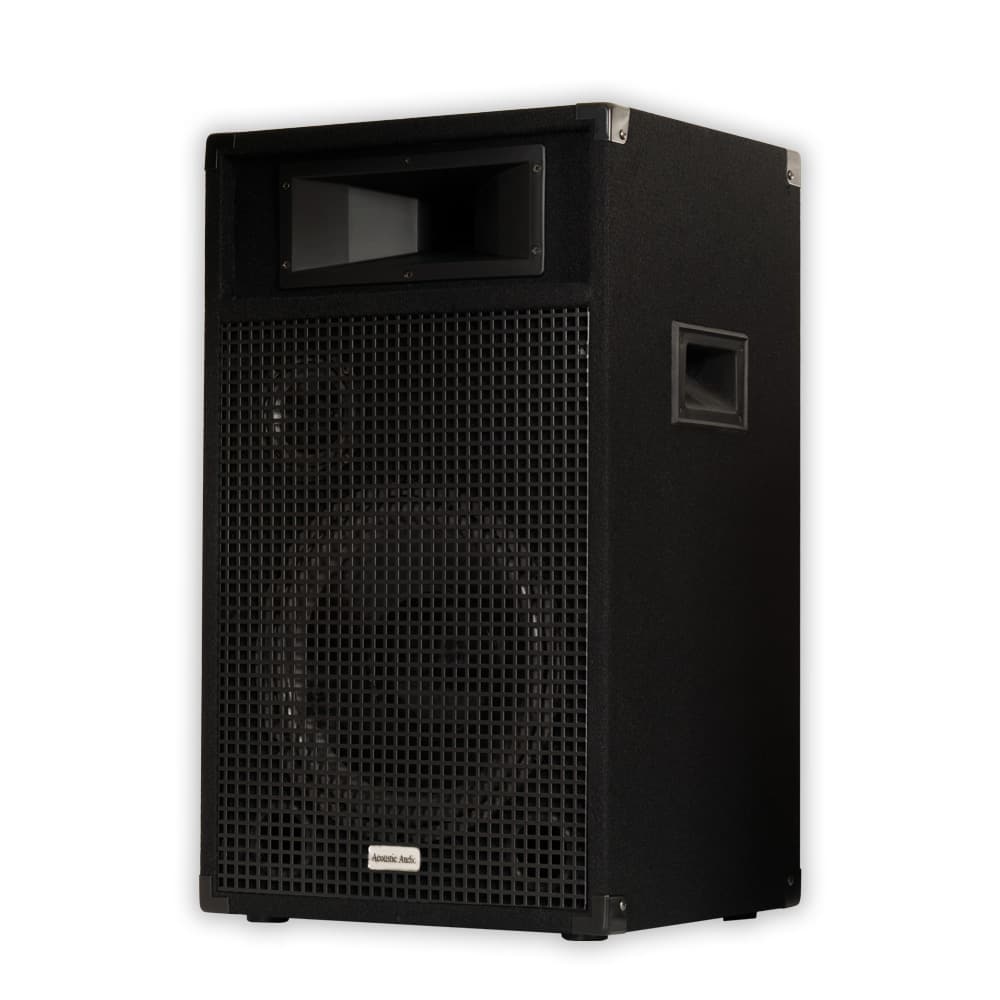
Acoustic Audio by Goldwood - BR12 Professional DJ 12" 1000 Watt PA Monitor Speaker - Black
SKU: J34G5TH2F4See all Floor SpeakersProduct Description
A black 3-way floorstanding PA monitor speaker delivering powerful, balanced sound with a 12" subwoofer.Your price for this item is $120.88 -
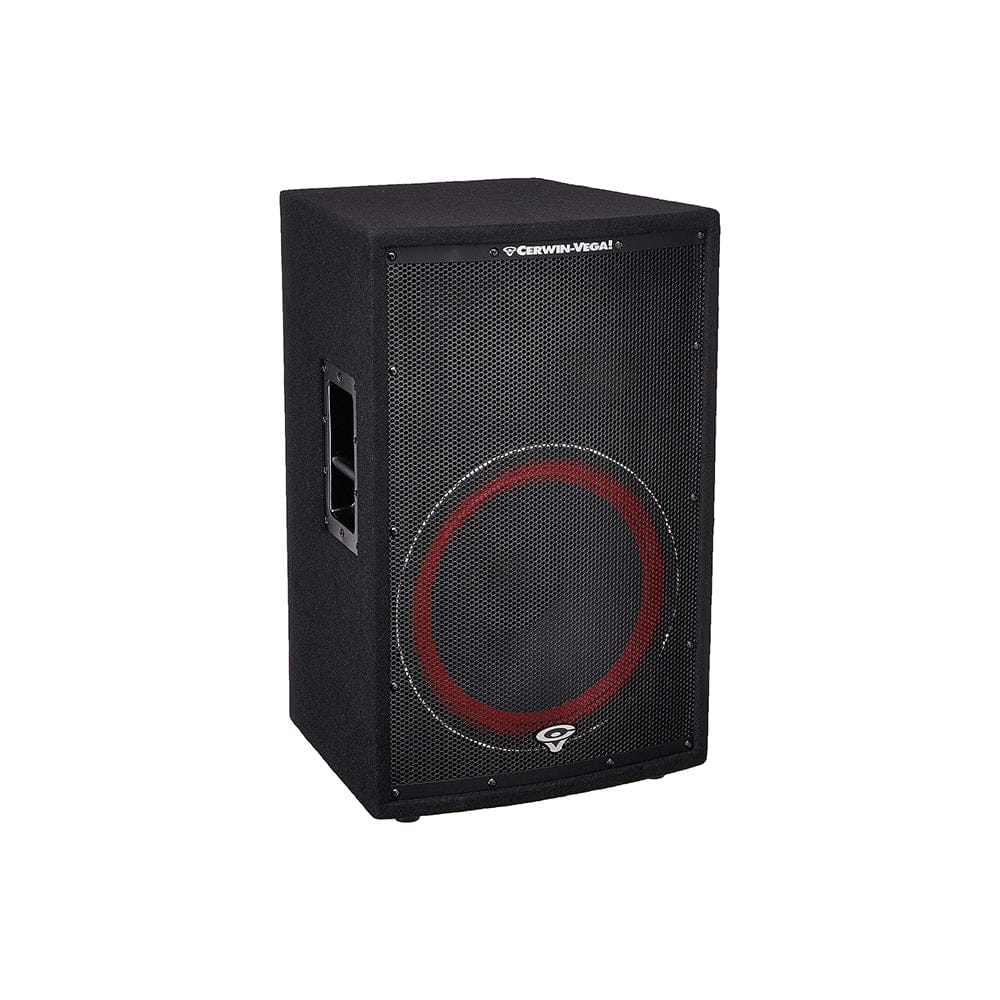
Cerwin Vega - Cerwin-Vega CVi-152 500W Full Range Loudspeaker - Black
SKU: JX447HKT7VSee all Floor SpeakersProduct Description
A black, rugged floorstanding loudspeaker delivering 500W full-range sound with PEPT film drivers and precise dispersion.Your price for this item is $529.99 -
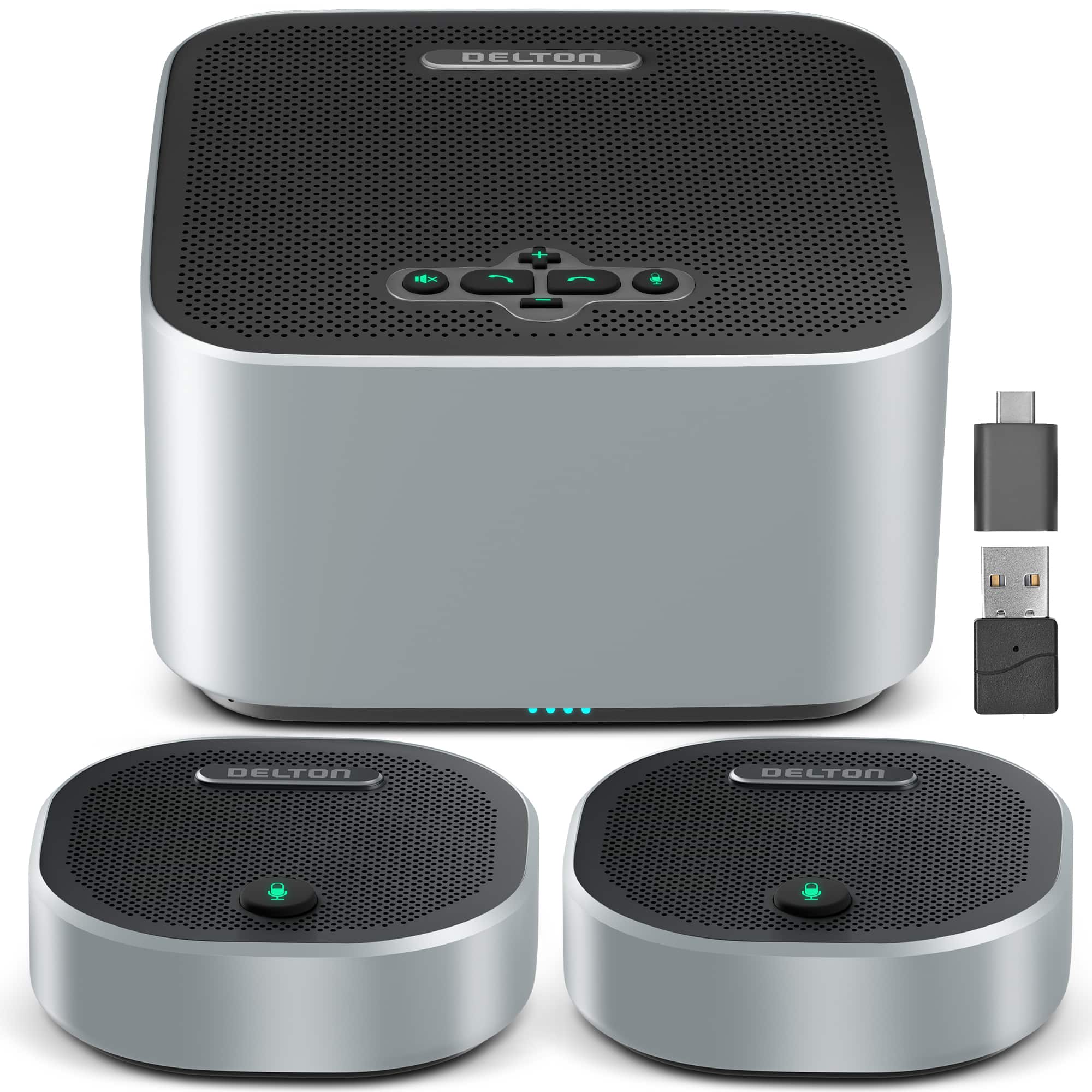
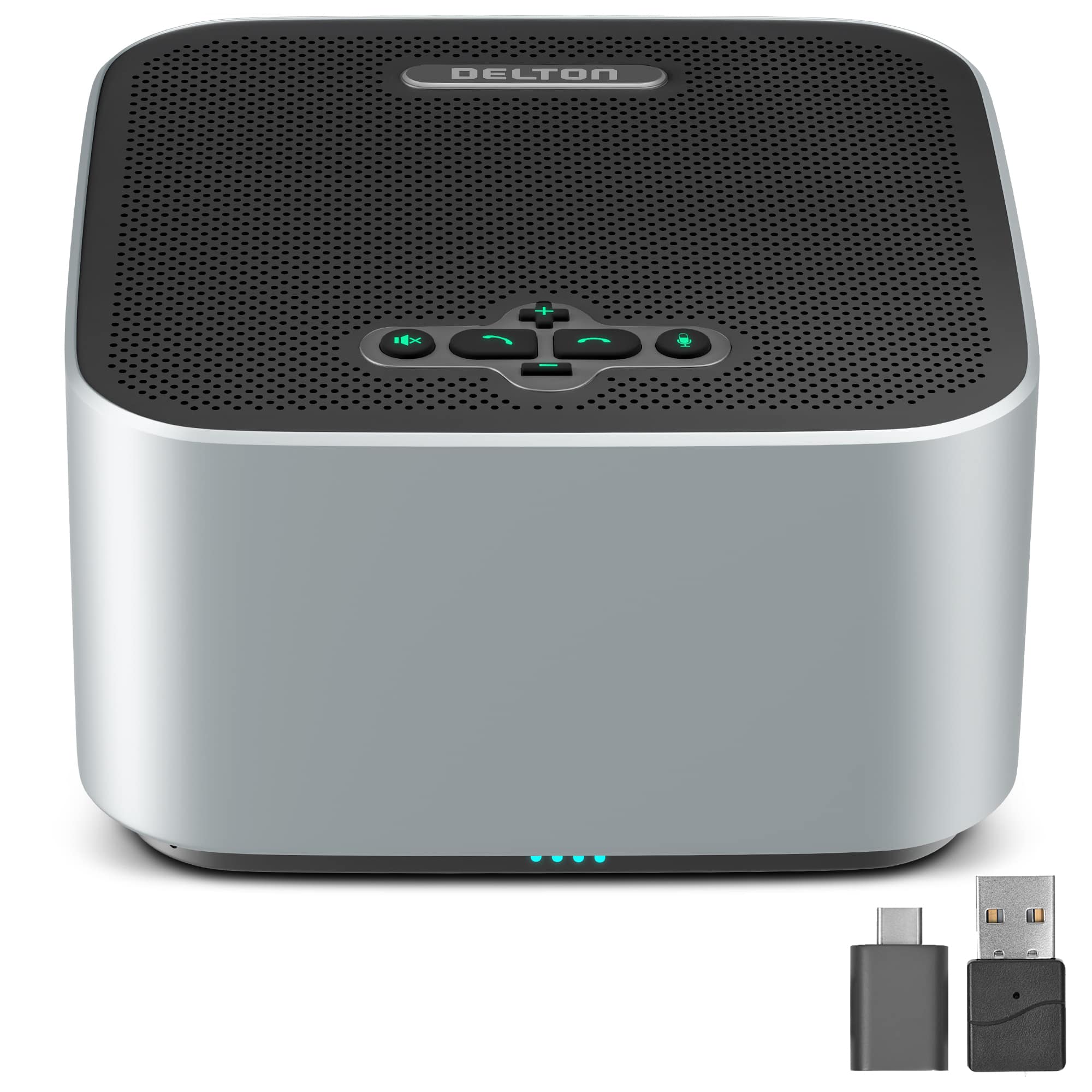
Delton - C9270 Wireless Conference Speaker with 2 Mics (DSC9270S) - Black
SKU: J38PCKS9SPSee all Conferencing TelephonesProduct Description
A black wireless conference speaker with dual HD mics, 8-microphone array, and advanced noise reduction.Your price for this item is $349.99 -
Delton - C9270 Wireless Conference Speaker (DSC9270S) - Black
SKU: J38PCKS99CSee all Center-Channel SpeakersProduct Description
A black wireless conference speaker with 8-microphone array, four-way connectivity, and advanced noise reduction.Your price for this item is $299.99 -
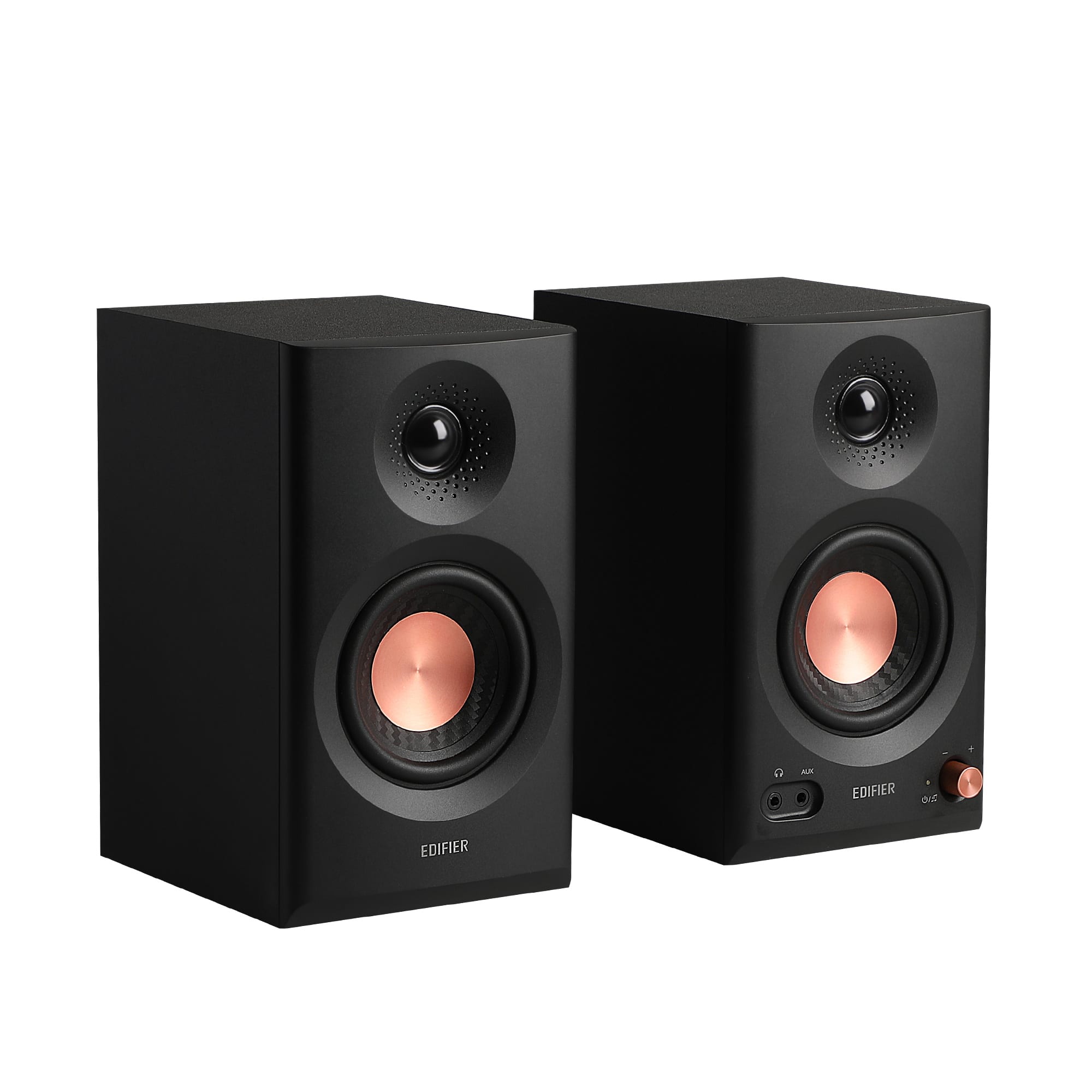
Edifier - MR3 Active Bookshelf Speakers, Computer Speakers - Bluetooth and Optical Input - 2.0 Studio Monitor Speaker (Pair) - Black
SKU: J3WSK7S9W5The design looks clean on my desk, and I love having the option to use either Bluetooth or a hard‑wired...It is very nicely built with a very nice design which I absolutely love....Love how multifunctional...
See all Bookshelf SpeakersProduct Description
A pair of black Bluetooth bookshelf speakers delivering accurate studio-quality sound with optical input for versatile use.Your price for this item is $149.99 -
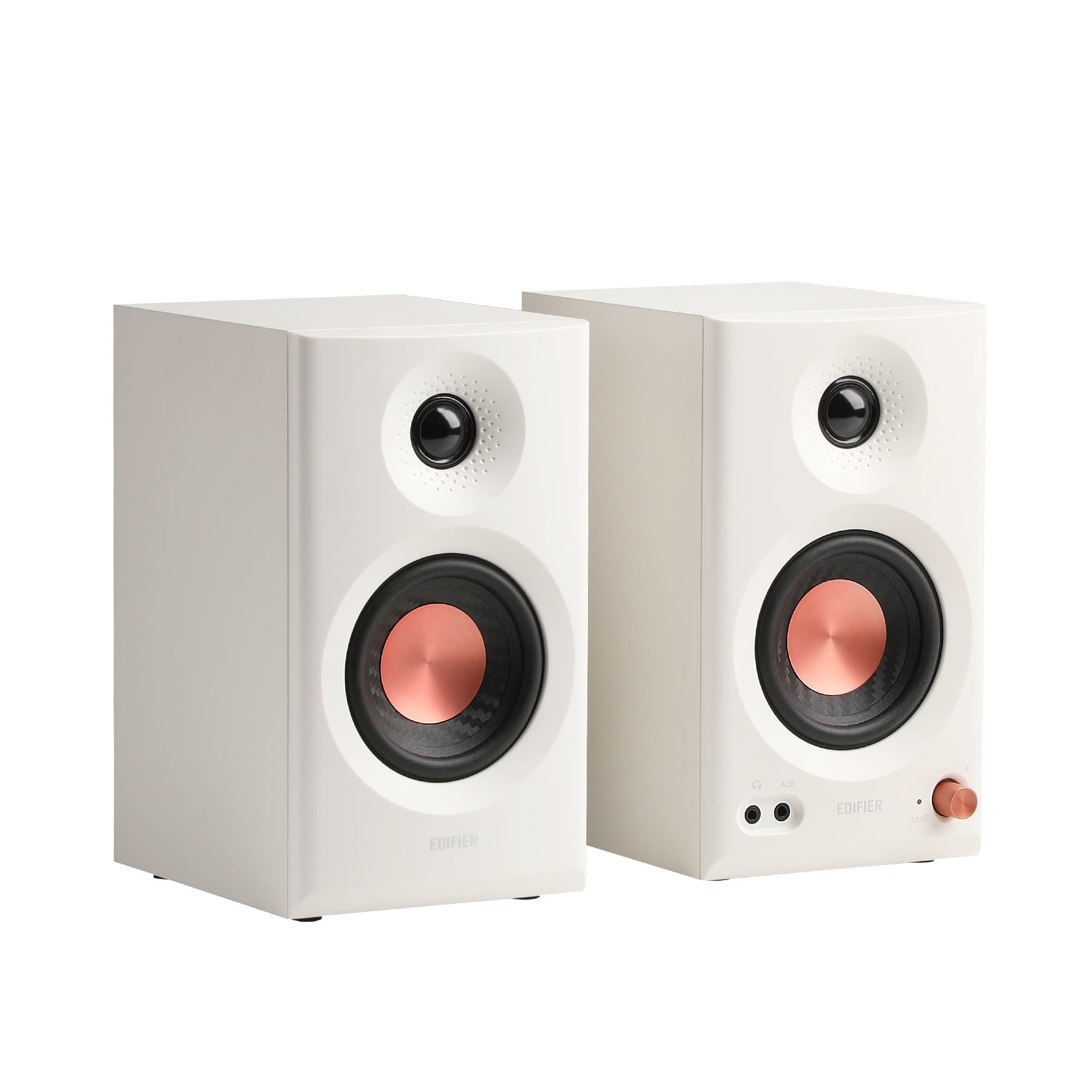
Edifier - MR3 Active Bookshelf Speakers, Computer Speakers - Bluetooth and Optical Input - 2.0 Studio Monitor Speaker (Pair) - White
SKU: J3WSK7S9WQBest desk speakers...previously had the Edifier db something but I wanted something different and white and the mr3 was the best...Everything works great and for a great deal!
See all Bookshelf SpeakersProduct Description
A pair of white Bluetooth bookshelf speakers offering optical input and accurate studio-quality sound reproduction.Your price for this item is $149.99 -
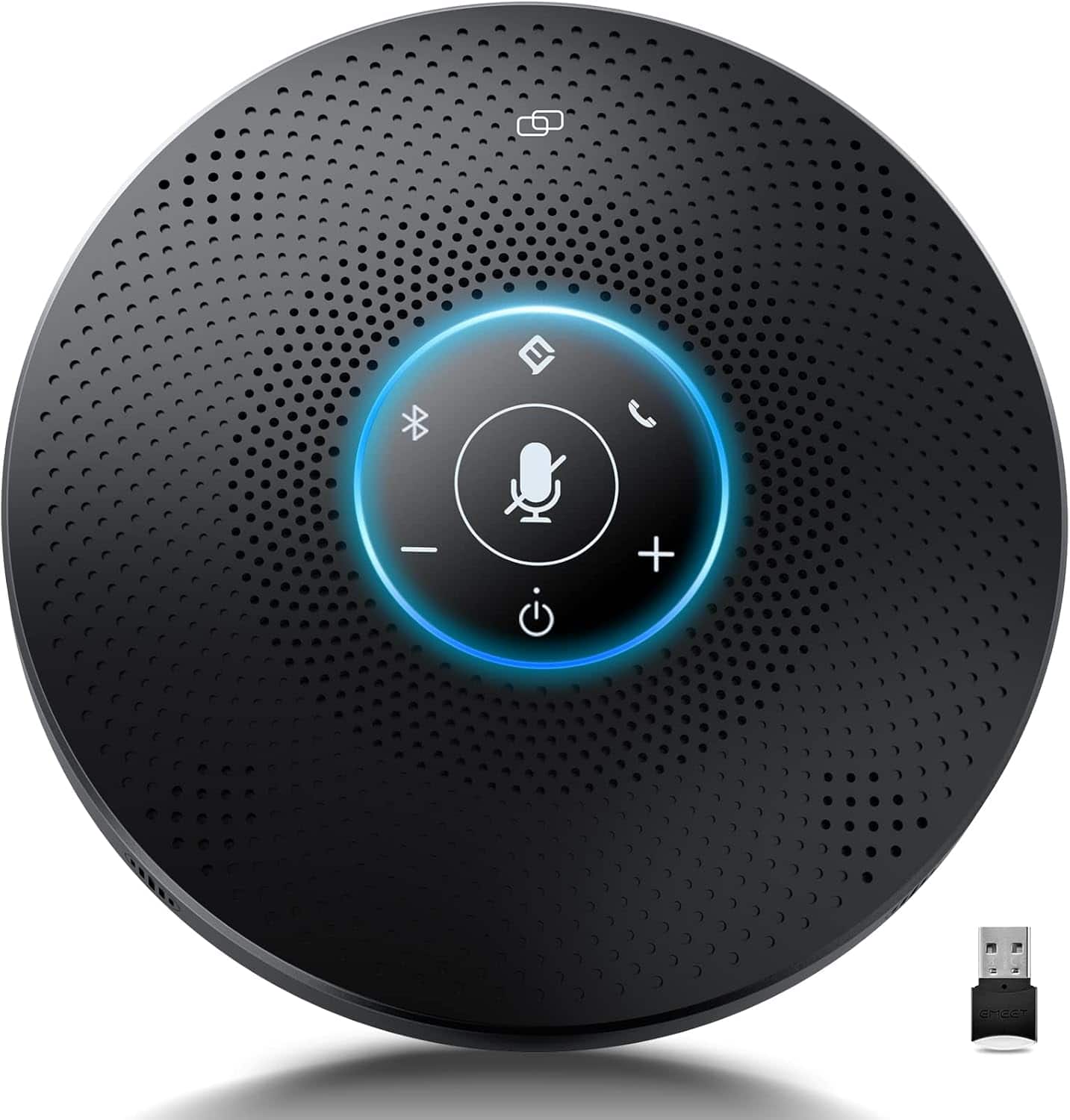
Bluetooth Speakerphone - eMeet M2 Max Professional Conference Speaker and 4 Directional Mics for up to 15 People Busines - Black
SKU: CZTXRVRCSRSee all Bluetooth & Wireless SpeakersProduct Description
A black Bluetooth conference speakerphone with four directional microphones, ideal for meetings of up to 15 people.Your price for this item is $269.99 -
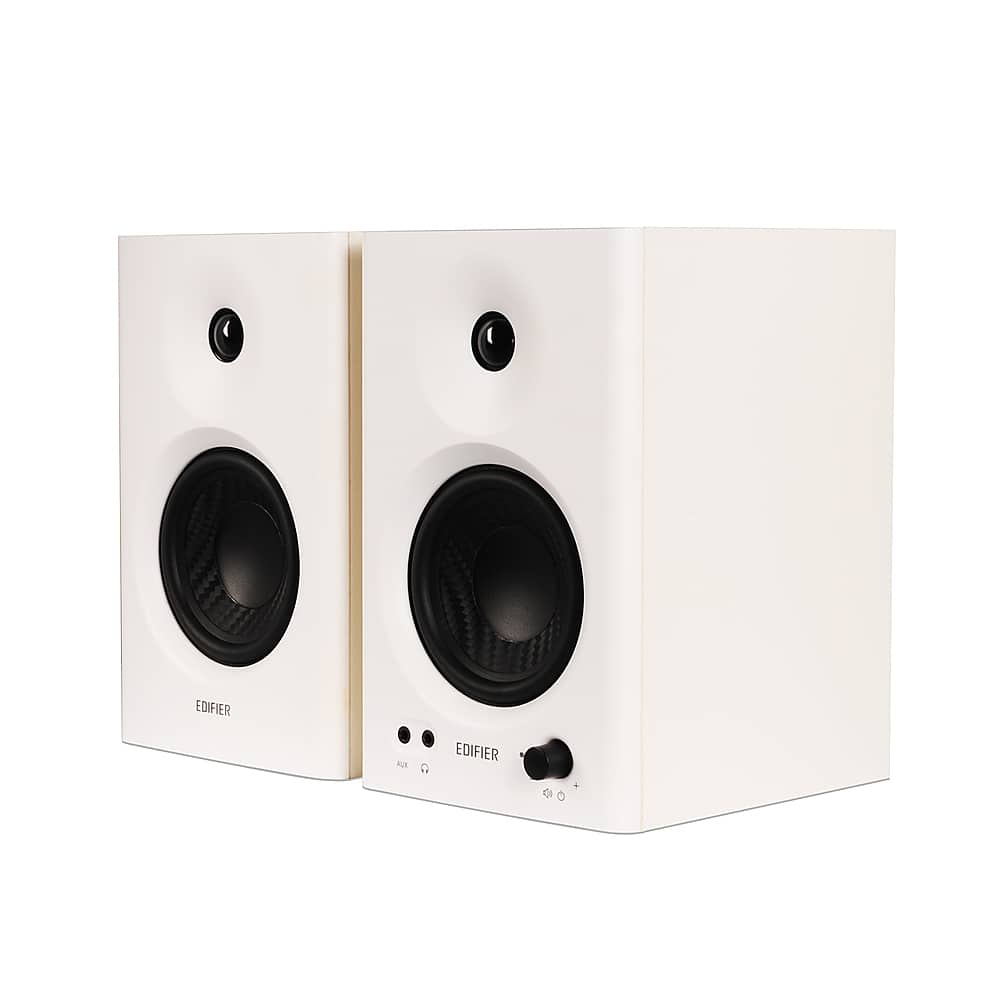
Edifier - MR4 2.0 Monitor Reference Speaker System - White
SKU: J3WSK7SYY3Great sound and very easy to install. I had no issues plugging them to my pedal....Speakers sound great and look nice. Only downside is that they are not Bluetooth.
See all Bookshelf SpeakersProduct Description
A compact white bookshelf speaker system delivering professional, true sound monitoring for enhanced listening experiences.Your price for this item is $169.99
Best Sellers




Related Pages






FAQ
When choosing professional speakers, consider features such as power output, frequency response, connectivity options (like Bluetooth, XLR, or RCA), portability, and built-in DSP (Digital Signal Processing) for enhanced sound control. Look for models that match your performance environment and audio needs.
Some professional speakers are designed for live sound reinforcement, while others are optimized for studio monitoring. Live speakers typically prioritize volume and projection, whereas studio monitors focus on accurate sound reproduction. Make sure to select speakers that best fit your intended application.
Yes, many professional speakers offer daisy-chaining or linking capabilities, allowing you to connect multiple units for broader sound coverage. Check the connectivity options—such as XLR or TRS outputs—on your chosen models to ensure compatibility.
Professional speakers often come with a variety of input options, including XLR, 1/4-inch TRS, RCA, and sometimes Bluetooth. This versatility allows you to connect microphones, mixers, instruments, and other audio sources easily.
It depends on the type of speaker. Powered (active) professional speakers have built-in amplifiers and only require a power source, while passive speakers need to be connected to an external amplifier. Check the product specifications to determine the type you need.