Skip to contentGo to Product Search
Main Content
Skip to contentGo to Product Search
Main Content
Categories & Filters

Tracking Devices For Seniors

Find tracking devices for seniors to help you stay informed about a loved one’s location. Browse personal tracking options and compare location-sharing features, ease of use, and battery life. Check each device’s coverage and whether it requires a smartphone or subscription to find an option that fits their daily routine and your budget.

Read More
Results
Main Results
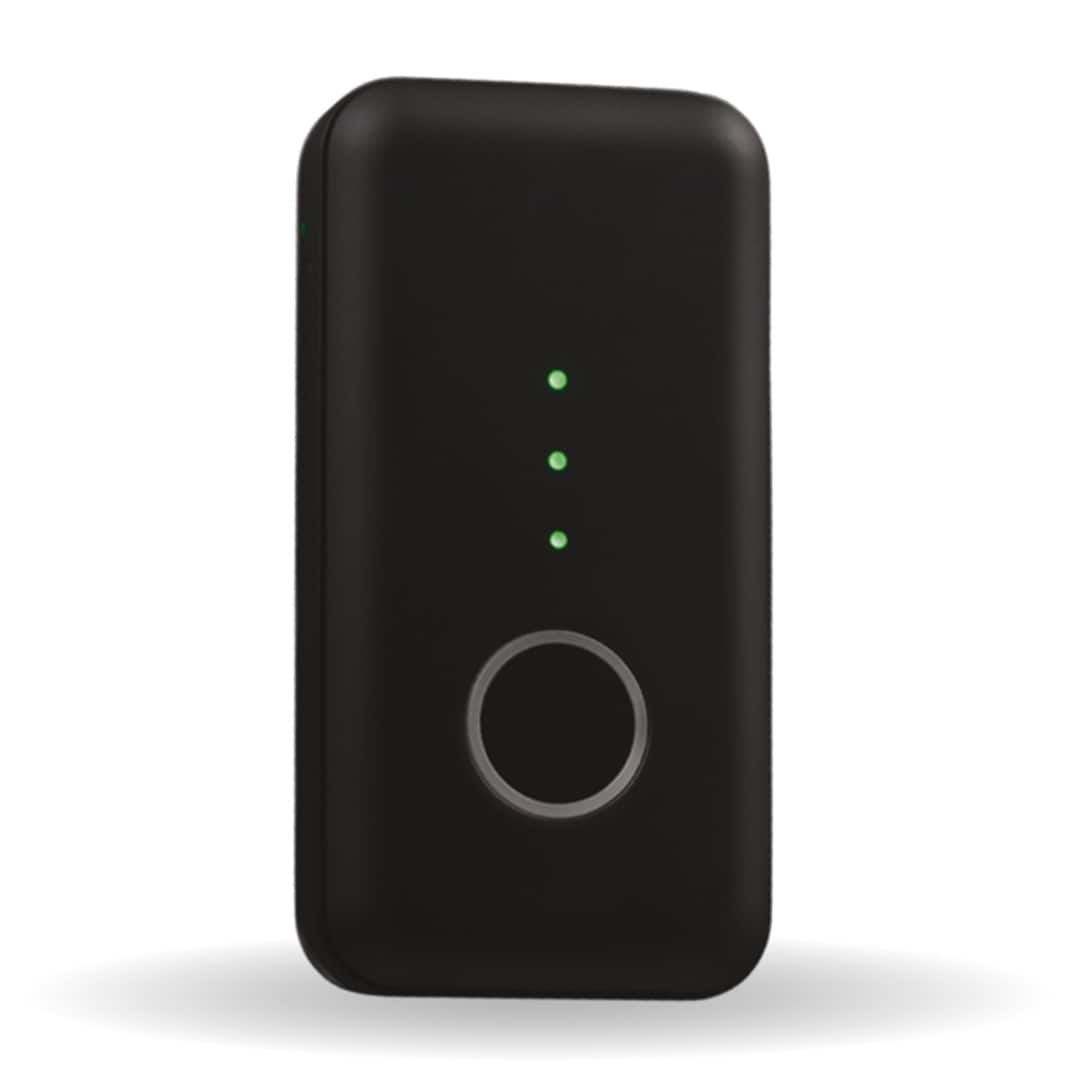
  1. mySeniorCareHub - SafeLynk Locket Medical Alert Device for Seniors | GPS Tracking | Fall Detection| Includes Mobile App |24x7 Monitoring - Black

    SKU: JJGH8WLGVF

    Product Description

    A black wearable medical alert device with GPS tracking, fall detection, water resistance, and 24/7 monitoring.
    See all Home Health Care
    Your price for this item is $49.99
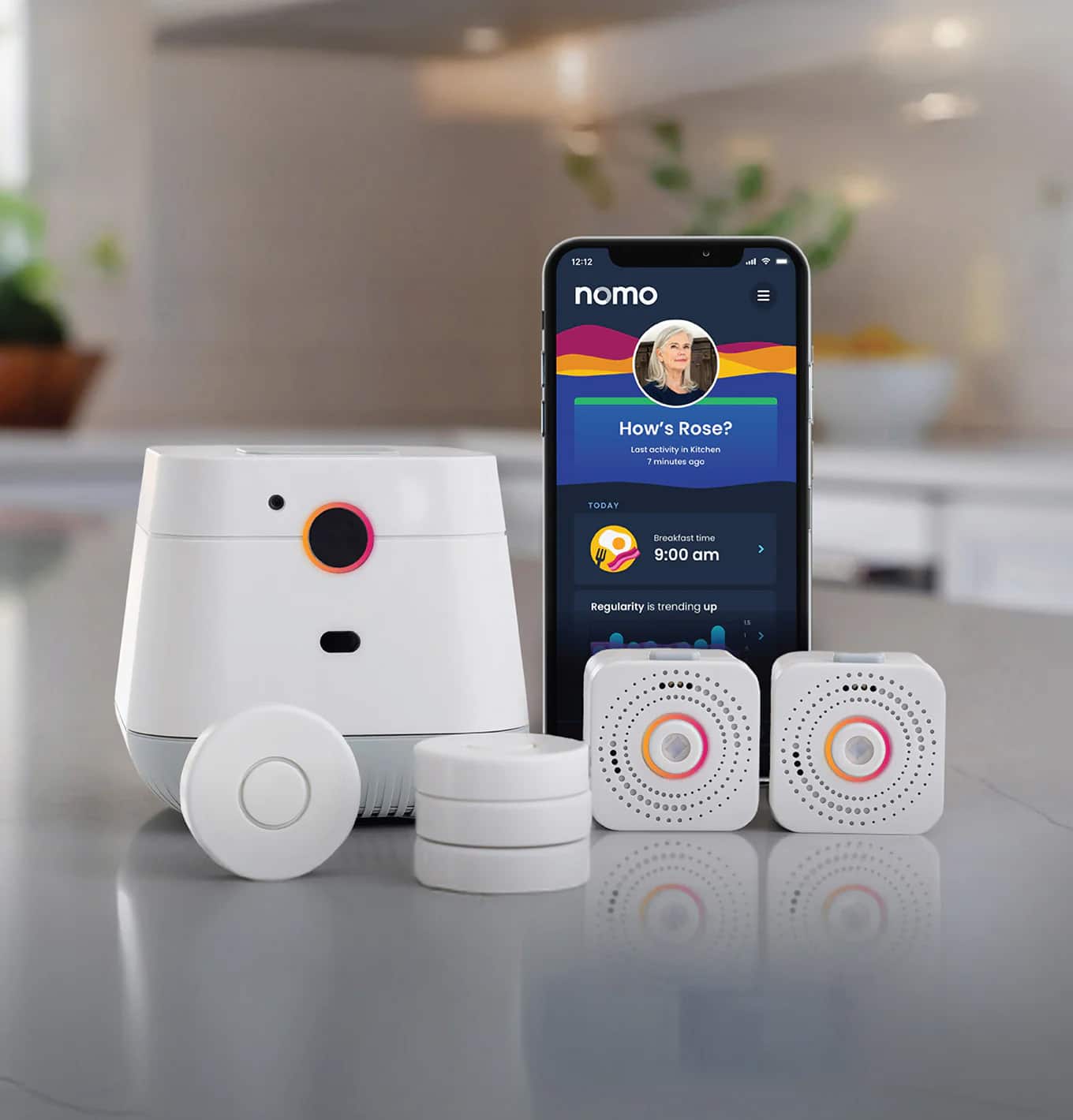
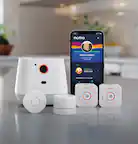
  2. Nomo Smart Care - Essential Care Kit - 2-tone gray

    SKU: J3R84ZRYHC

    Installation was very easy, all instructions were easy to follow and video gave great ideas on where...It’s the best thing to have it comes with everything you need and as an app to use....I Lille knowing...

    Product Description

    A two-tone gray, camera-free monitoring system with fall detection, motion alerts, and Bluetooth health tracking.
    See all Survival & First Aid
    Your price for this item is $199.99
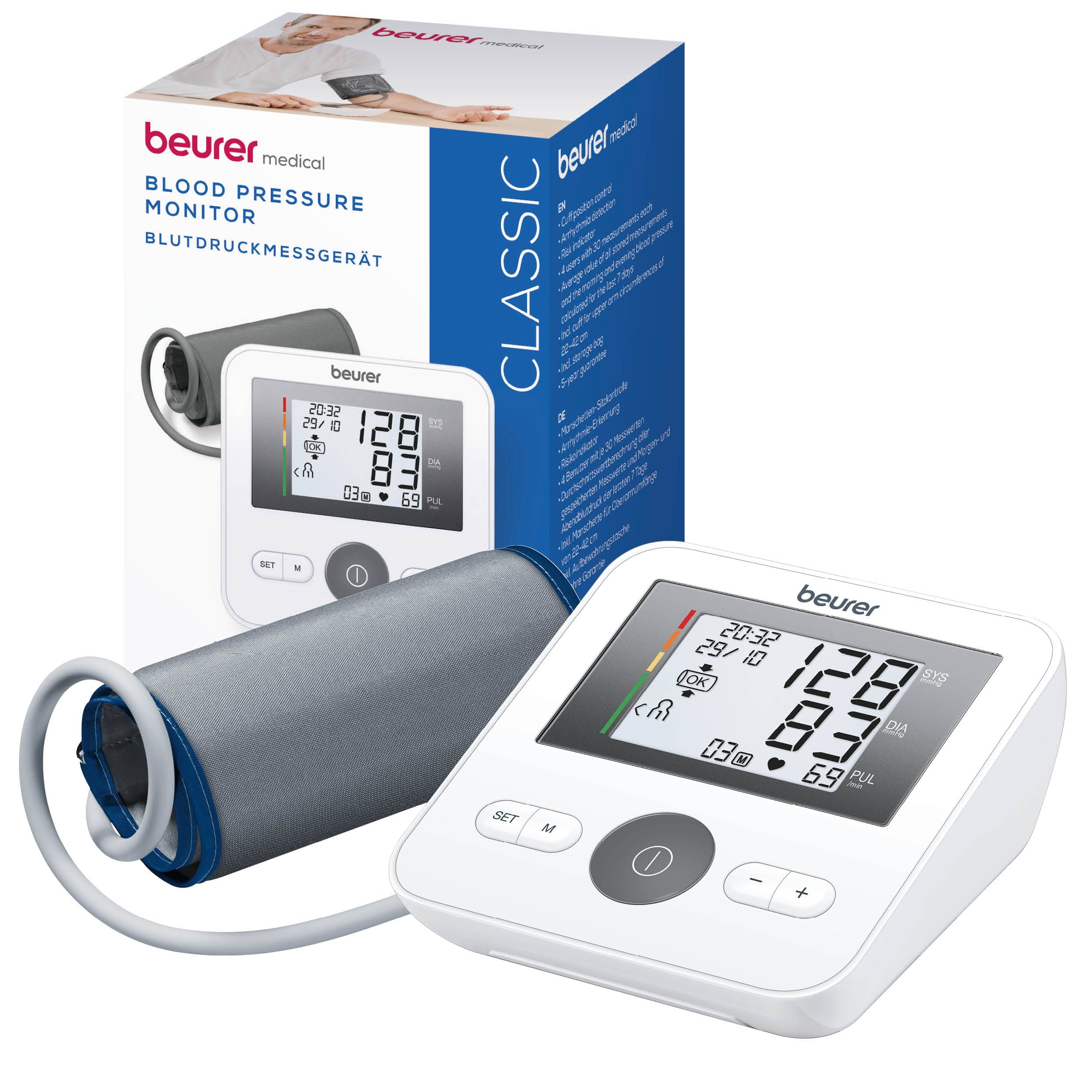
  3. Beurer - Upper Arm Blood Pressure Monitor, BM27 - White

    SKU: J3R8HF2K8P

    Product Description

    A fully automated white upper arm monitor offering arrhythmia detection, WHO risk indicator, and four user profiles.
    See all Blood Pressure Monitors
    Your price for this item is $39.99

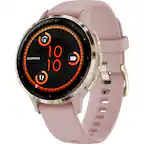
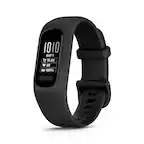
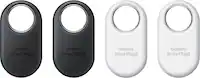
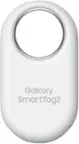
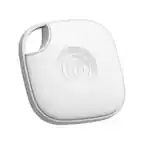
Tracking devices for seniors can help older adults maintain independence while giving family members and caregivers a convenient way to stay connected. GPS trackers for seniors, location-enabled smartwatches and wearable medical alert devices offer different combinations of location sharing, communication and emergency assistance. A GPS tracking device with cellular connectivity may let an authorized caregiver check a loved one’s location through a companion app, while some models provide location history or alerts when the wearer enters or leaves a designated area. For older adults who enjoy walking, running errands or visiting friends, a compatible smartwatch can combine location-sharing features with everyday tools such as reminders and calling. If emergency support is a priority, look for a medical alert device with GPS and a clearly accessible help button, and check whether it connects to selected contacts or a professional monitoring service. Automatic fall detection is available on some devices, but it cannot detect every fall and should not replace a personalized safety plan. Choosing the best tracking device for a senior starts with the wearer’s preferences, daily routine and comfort with technology. Compare battery life, charging requirements, water resistance, display readability and ease of use, along with smartphone compatibility and any required cellular or monitoring subscription. A lightweight wearable GPS tracker may be easier to keep nearby than a device carried in a bag, but it is only useful if the person is comfortable wearing it and keeping it charged. For caregivers considering location tracking for someone living with memory loss, discuss consent and privacy, limit location access to trusted people and consider how the device fits into a broader care plan. Bluetooth item finders can help locate misplaced keys or bags, but they are not a substitute for a personal GPS tracker or medical alert system; their location updates depend on nearby compatible devices rather than a dedicated cellular connection. Before selecting a senior tracking device, confirm coverage in the places it will be used, review how frequently it updates location and test its alerts and communication features together. GPS accuracy and connectivity can vary, especially indoors, so clear expectations are just as important as the device’s features.

FAQ

Tracking devices for seniors include GPS wearables, smartwatches with location-sharing features, clip-on trackers, and Bluetooth tags for personal belongings. Some are designed to be worn or carried, while others attach to items such as keys, bags, or wallets.

GPS tracking devices use satellite signals to determine location and may use cellular service to share that information. Bluetooth trackers communicate with compatible nearby devices, and some use a broader network of participating devices to provide location updates.

Many tracking devices use a smartphone app for setup, settings, and viewing location information. Some standalone GPS trackers use cellular connectivity, so the person carrying the tracker may not need to carry a smartphone. Compatibility requirements vary by device and service.

Tracking devices may use rechargeable batteries or replaceable batteries. Rechargeable models can use a USB cable, charging dock, or magnetic charger, depending on the design. Check the device specifications for its charging method and battery type.

Many tracking platforms let the account holder invite selected contacts and manage location-sharing permissions through an app or website. Depending on the platform, settings may include adding or removing viewers, pausing sharing, and managing location history. Review the available controls with the person who will use the device.