Black Friday is hereEnds Nov. 28.Shop now

Main Content
Skip to contentGo to Product Search

Black Friday is hereEnds Nov. 28.Shop now

Main Content

Top Rated Gps For Seniors

Compare GPS navigation devices to find the best GPS for seniors, focusing on everyday ease of use. Consider screen readability, clear spoken directions, and straightforward destination entry to help narrow your choices for familiar drives or trips to new places.

What to look for in a GPS for seniors

Finding the best GPS for seniors starts with matching screen readability, controls, and navigation features to the driver’s needs.

1. Screen Size and Readability

Look for a screen with large text, clear maps, and strong contrast that makes directions easy to read at a glance. Consider how the device will fit in the vehicle without blocking the driver’s view.

2. Simple Controls and Voice Guidance

Easy-to-follow menus and clearly labeled buttons can make entering destinations simpler before a trip. Spoken turn-by-turn directions, adjustable volume, and voice commands can help reduce the need to look at or touch the screen while driving.

3. Routing and Map Updates

Consider features such as lane guidance, advance turn alerts, and route preferences for avoiding toll roads or highways. Check how maps are updated and whether the GPS can navigate without a cellular connection.

4. Connectivity and Ongoing Costs

Check whether traffic updates, voice features, or other connected services require a paired smartphone, a data plan, or a subscription. Compare what is included with the device against any recurring charges to find an option that fits your budget and comfort with connected technology.

  1. 1

    About this product

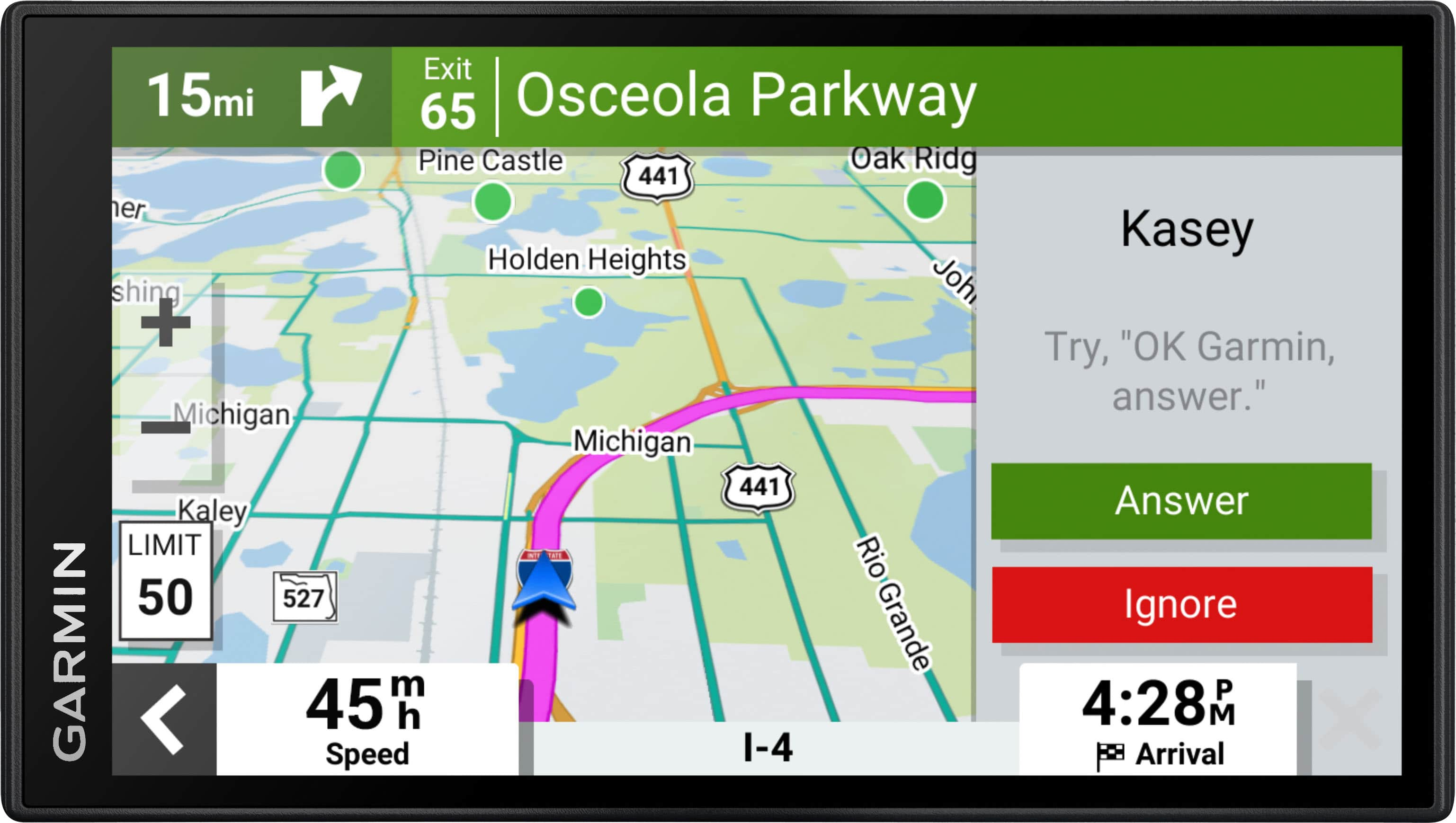
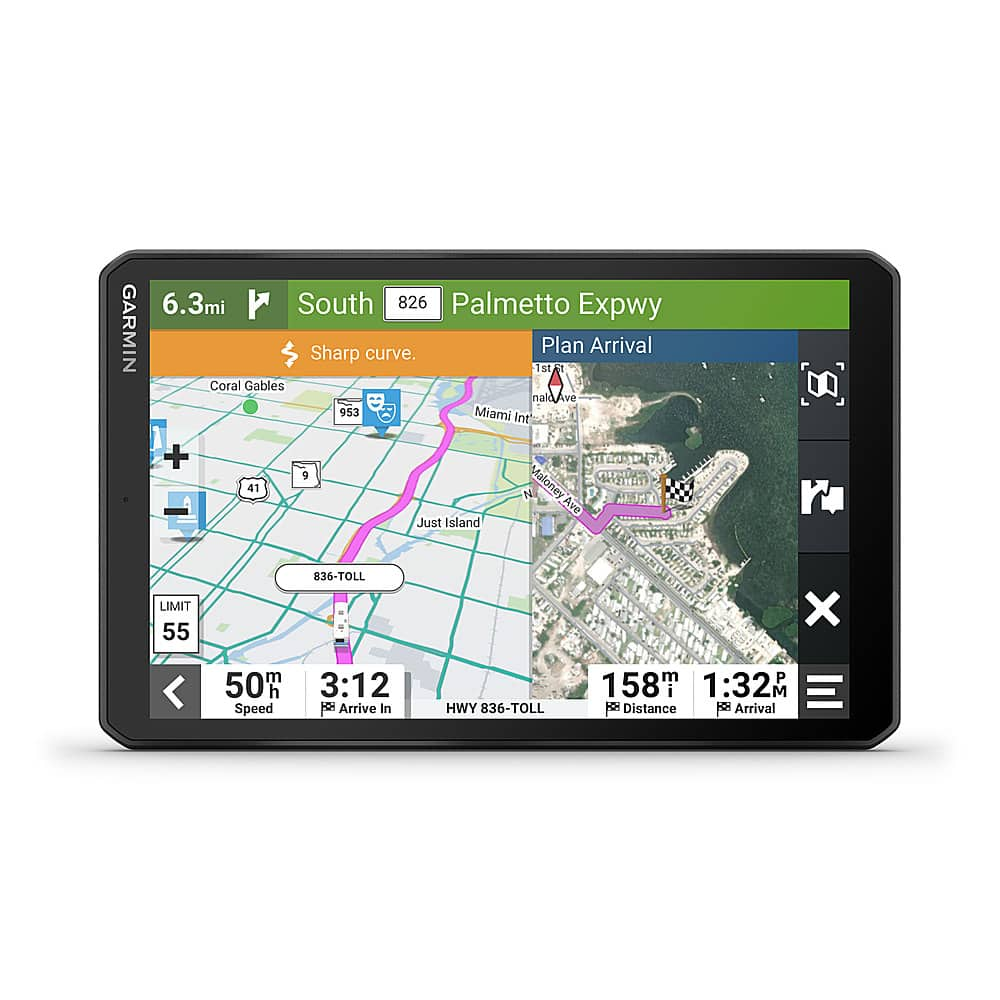
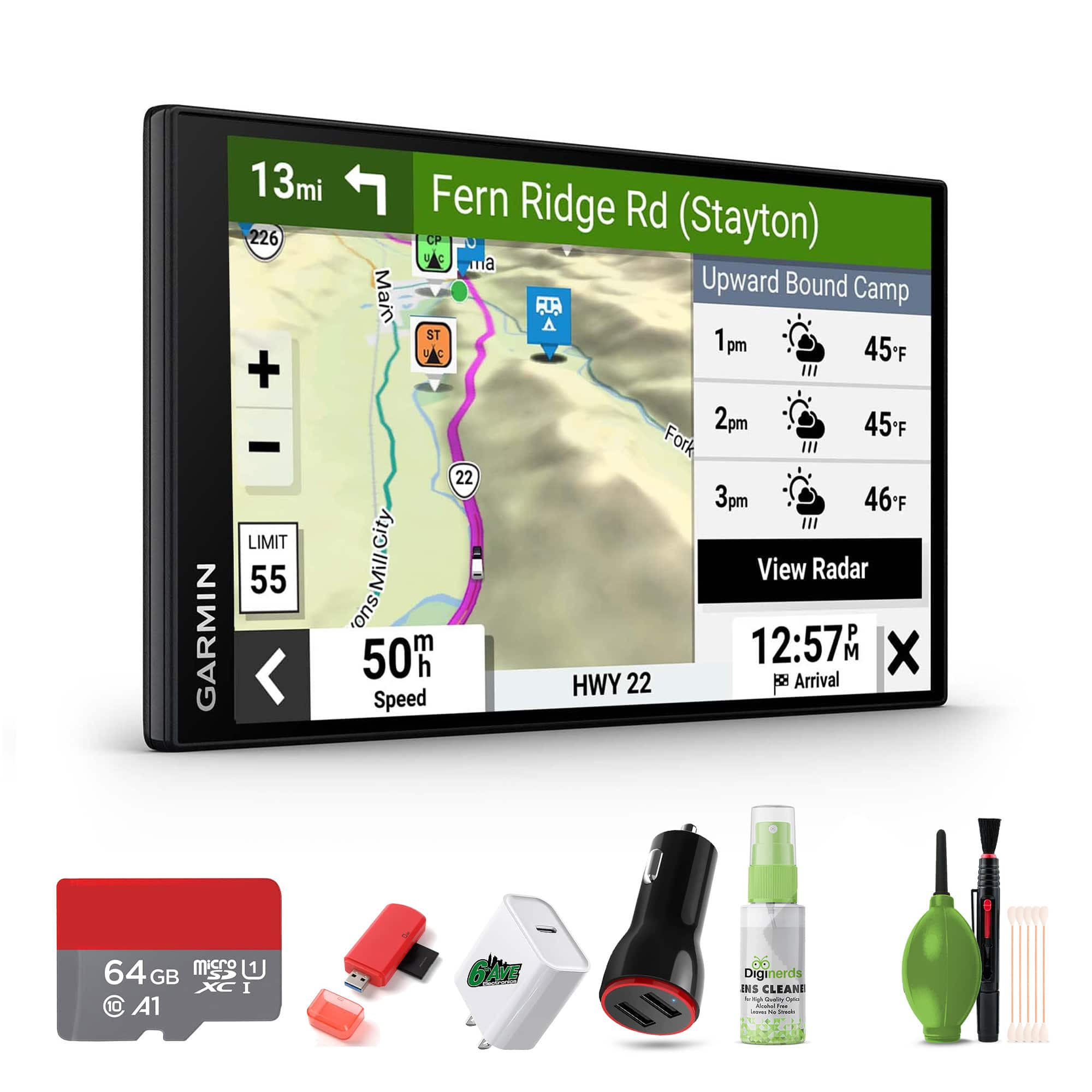
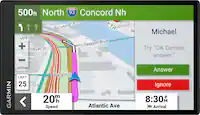
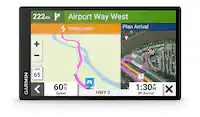
    A black GPS navigator with a 6" touchscreen, Bluetooth, voice control, map updates, and Alexa integration.

    A black GPS navigator with a 6" touchscreen, Bluetooth, voice control, map updates, and Alexa integration.

    What customers like

    • Reliable voice control and spoken directions
    • Frequent and easy map updates with Wi-Fi connectivity
    • Clear, easy-to-read touchscreen display
    • Bluetooth and smart feature integration including Alexa
    • Fast and accurate route calculations
    (546)
    $199.99
    SAVE $50.00
    Your price for this item is $199.99
  2. 2

    About this product

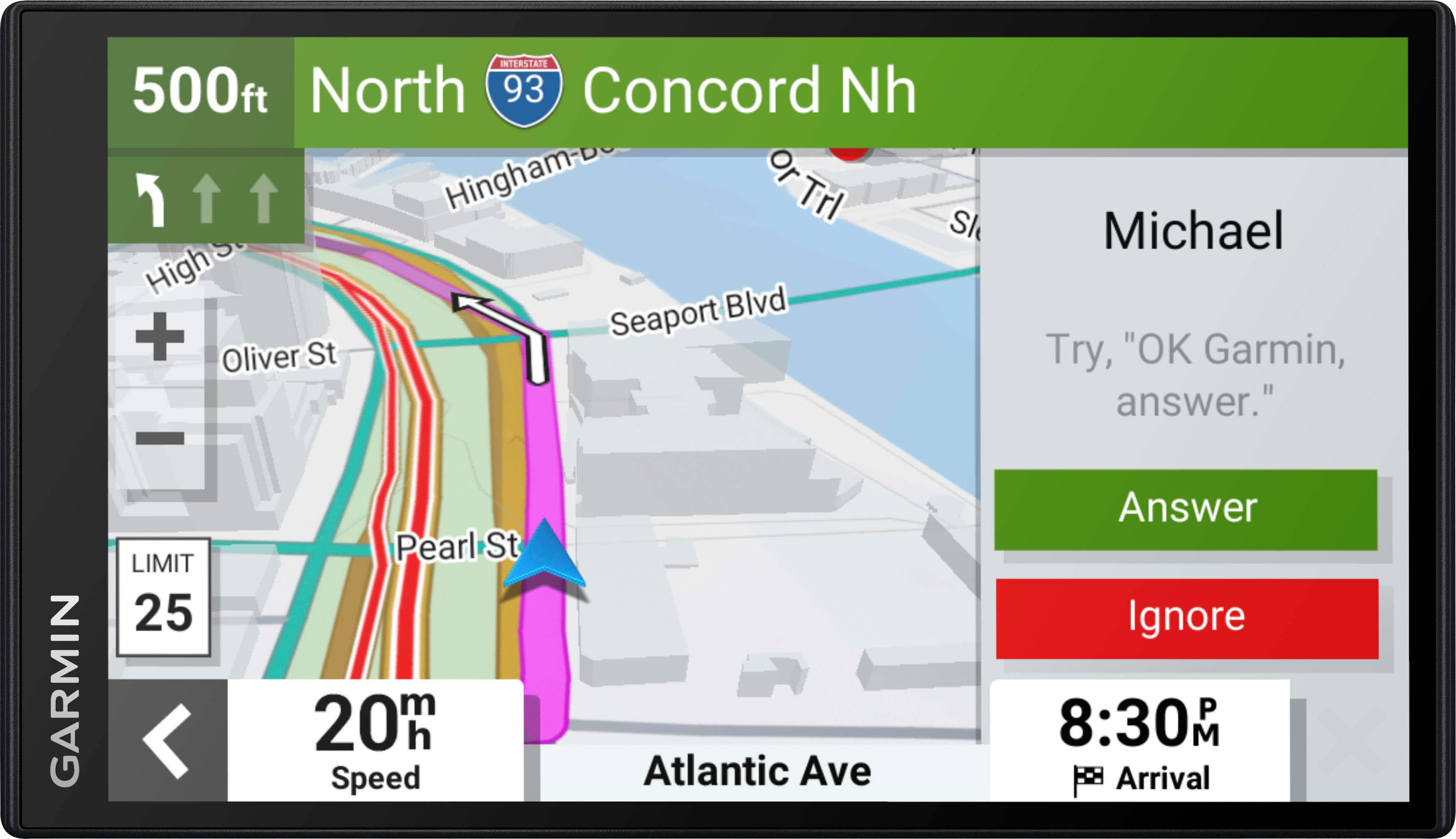
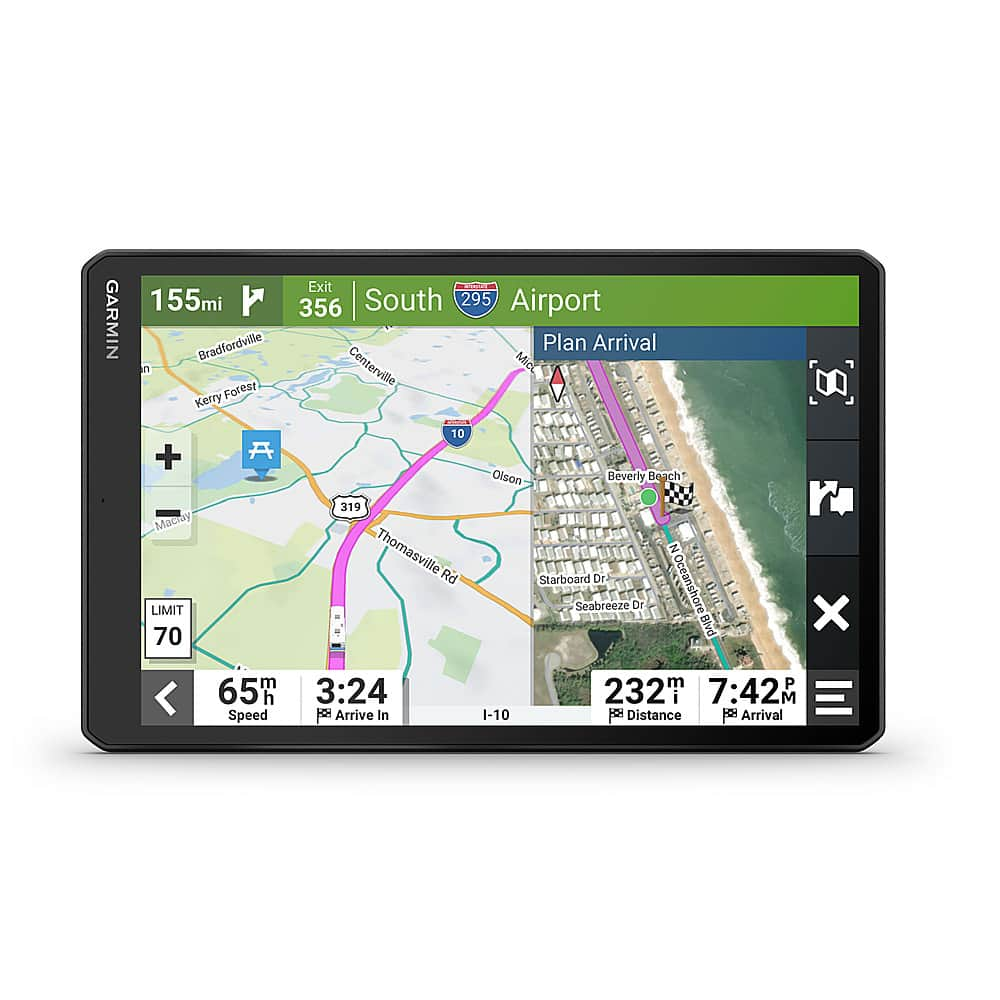
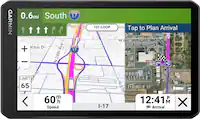
    A black GPS navigator with a 7" touchscreen, Bluetooth, Alexa integration, map updates, and live traffic alerts.

    A black GPS navigator with a 7" touchscreen, Bluetooth, Alexa integration, map updates, and live traffic alerts.

    What customers like

    • Helpful voice commands and Bluetooth integration
    • Reliable and accurate navigation
    • Large and clear touchscreen display
    • Easy to use with intuitive menus
    • Frequent and simple map and software updates
    (150)
    $249.99
    SAVE $50.00
    Your price for this item is $249.99
  3. 3

    About this product

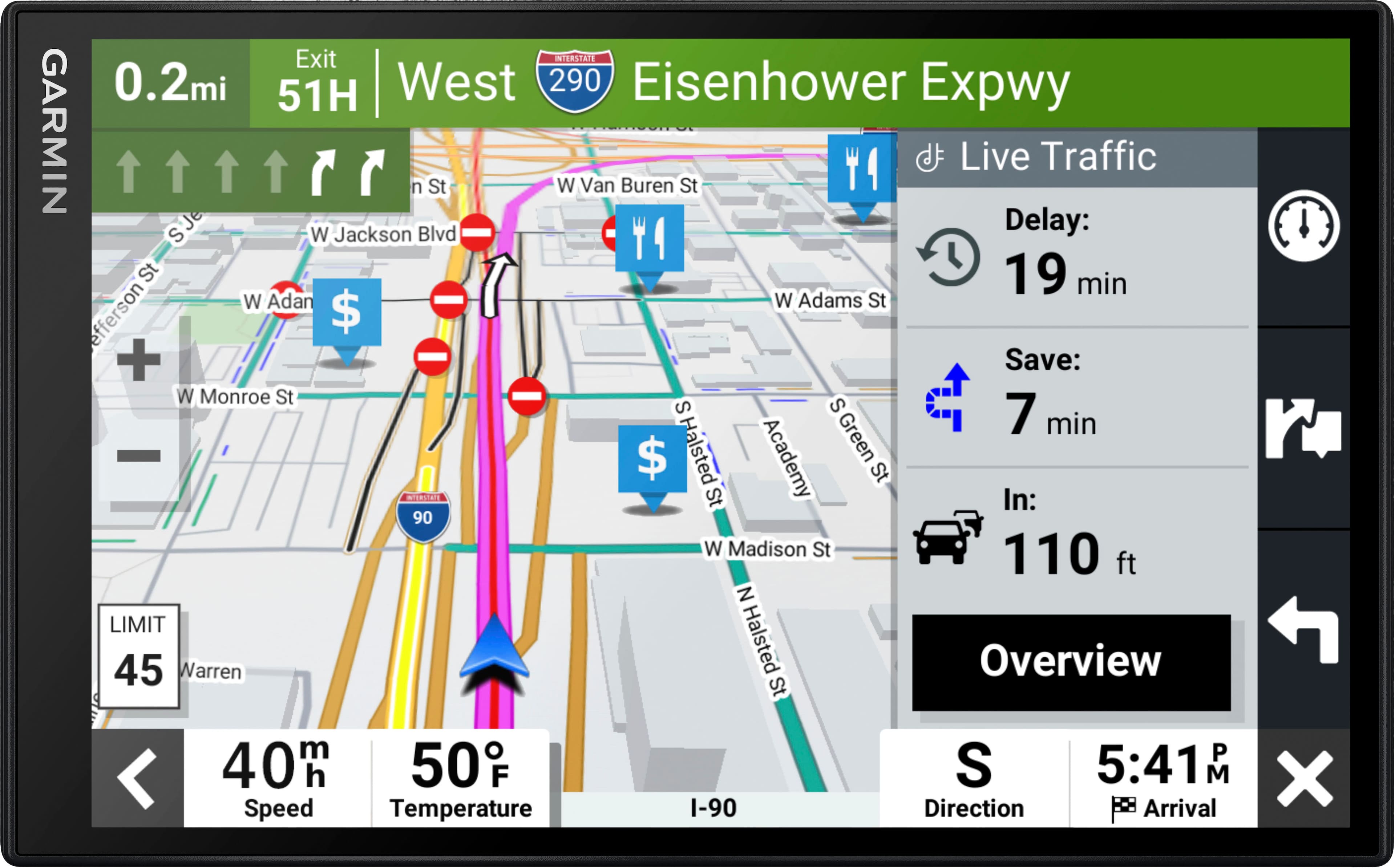
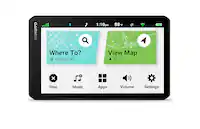
    A black GPS navigator featuring an 8" touchscreen, Bluetooth, Alexa, voice assist, and real-time traffic updates.

    A black GPS navigator featuring an 8" touchscreen, Bluetooth, Alexa, voice assist, and real-time traffic updates.

    What customers like

    • Frequent free map and traffic updates
    • Accurate and reliable navigation
    • Large, high-resolution touchscreen
    • User-friendly interface with customizable settings
    • Excellent voice recognition and hands-free features
    (414)
    $299.99
    SAVE $50.00
    Your price for this item is $299.99
  4. 4

    About this product

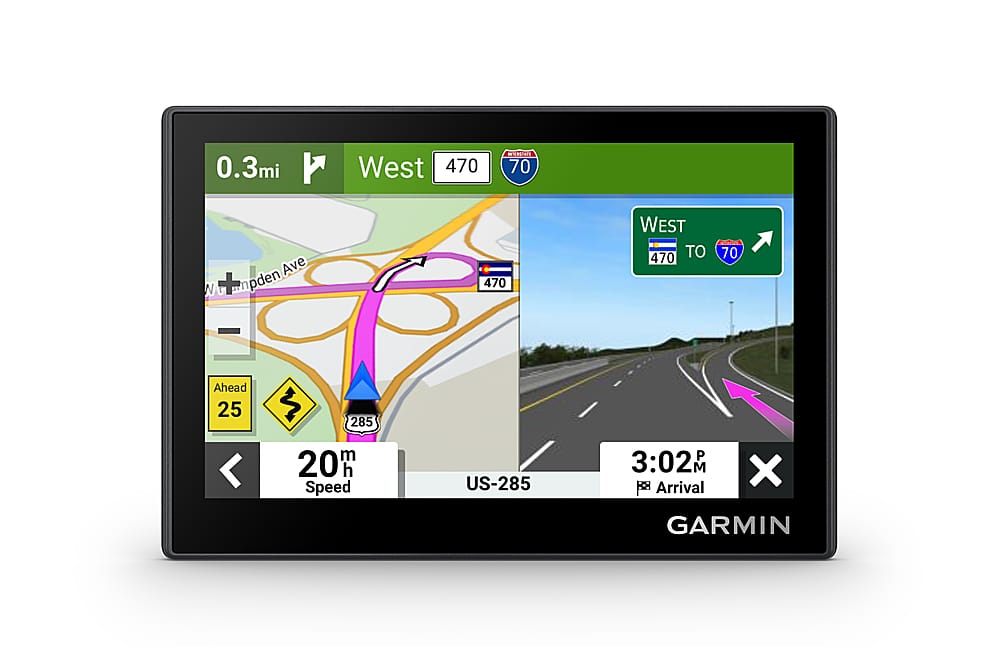
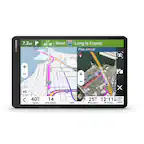
    A black GPS navigator with a 5" touchscreen, driver alerts, voice prompts, and North America maps.

    A black GPS navigator with a 5" touchscreen, driver alerts, voice prompts, and North America maps.

    What customers like

    • No phone signal required
    • Reliable navigation and directions
    • Compact and minimizes dashboard interference
    • Easy to use
    • Clear, bright, and easy-to-read display
    (285)
    $99.99
    SAVE $50.00
    Your price for this item is $99.99
  5. 5

    About this product

    A black GPS navigator with an 8" touchscreen, Bluetooth, RV-specific routing, and North America maps.

    A black GPS navigator with an 8" touchscreen, Bluetooth, RV-specific routing, and North America maps.

    (10)
    $658.99
    SAVE $41.00
    Your price for this item is $658.99
  6. 6

    About this product

    A black GPS navigator with a 10" touchscreen, Bluetooth, custom RV routing, and North America maps.

    A black GPS navigator with a 10" touchscreen, Bluetooth, custom RV routing, and North America maps.

    (7)
    $869.95
    SAVE $30.04
    Your price for this item is $869.95
  7. 7

    About this product

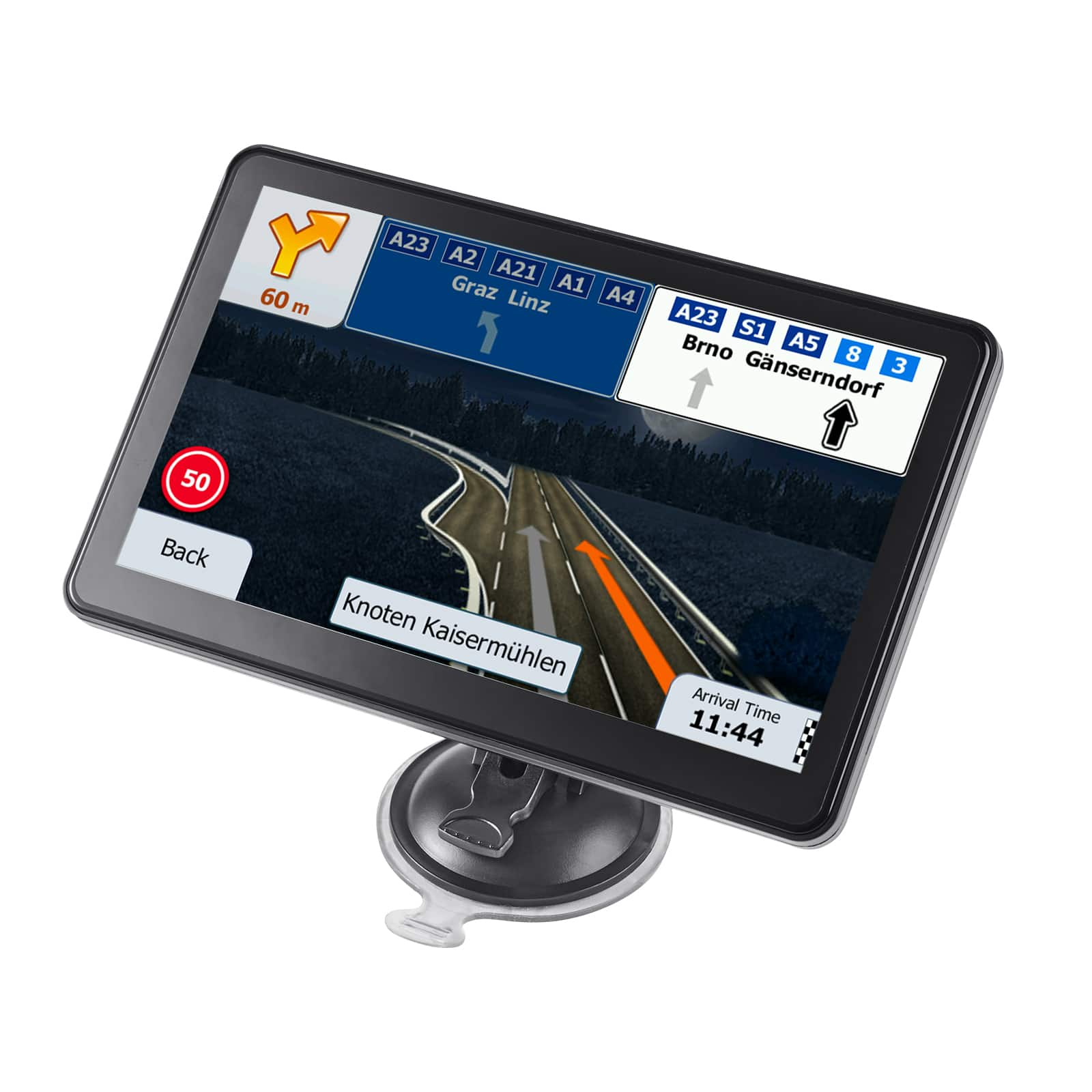
    A black GPS navigation system with a 9-inch touchscreen, customizable truck routing, and lifetime map updates.

    A black GPS navigation system with a 9-inch touchscreen, customizable truck routing, and lifetime map updates.

    (2)
    $103.99
    SAVE $26.00
    Your price for this item is $103.99
  8. 8

    About this product

    A black GPS navigator with touchscreen controls, live traffic, voice directions, and driver alerts.

    A black GPS navigator with touchscreen controls, live traffic, voice directions, and driver alerts.

    (0)
    $334.95 Your price for this item is $334.95
  9. 9

    About this product

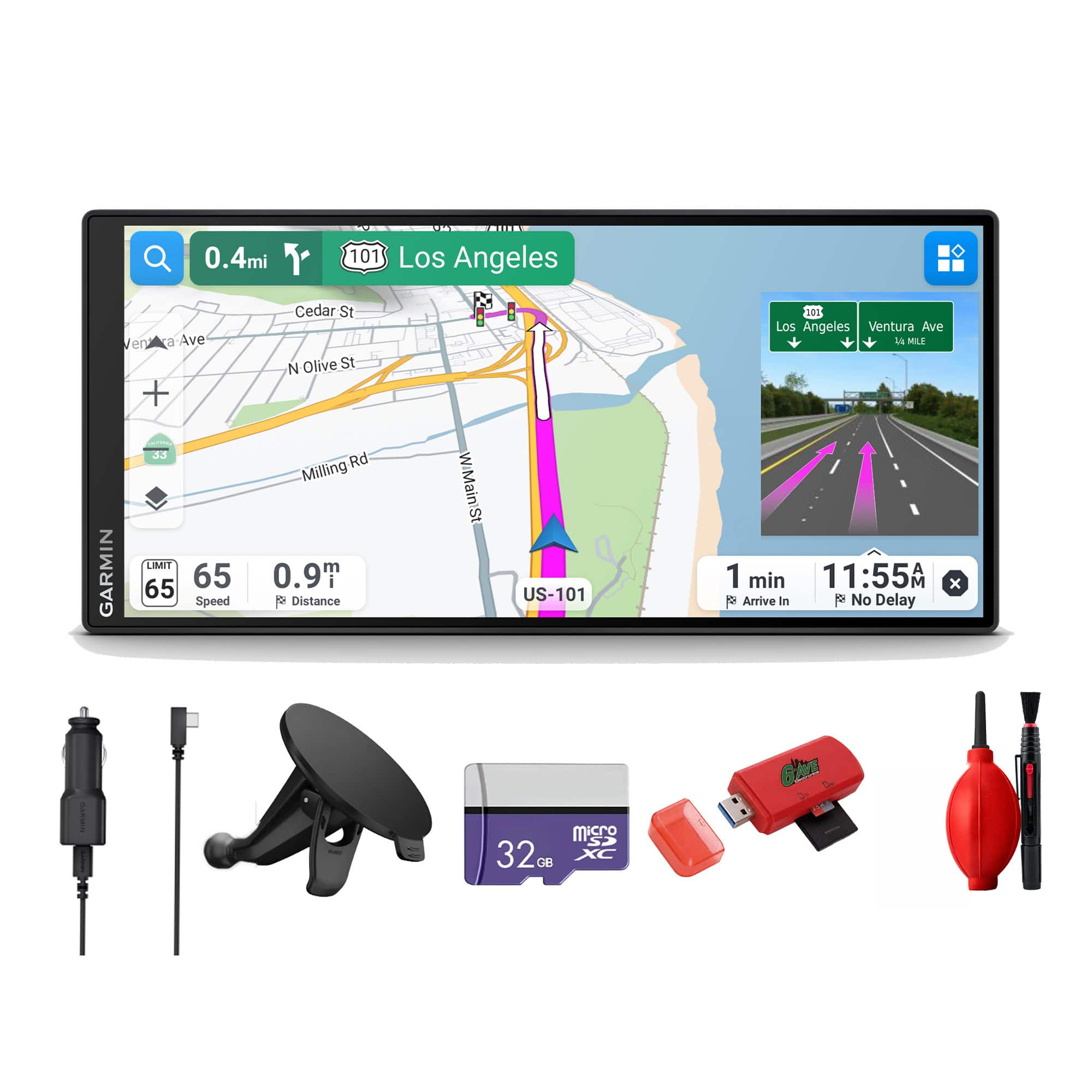
    A high-performance black GPS navigator bundle with a 7" touchscreen, custom RV routing, and real-time maps.

    A high-performance black GPS navigator bundle with a 7" touchscreen, custom RV routing, and real-time maps.

    (0)
    $499.95 Your price for this item is $499.95
  10. 10

    About this product

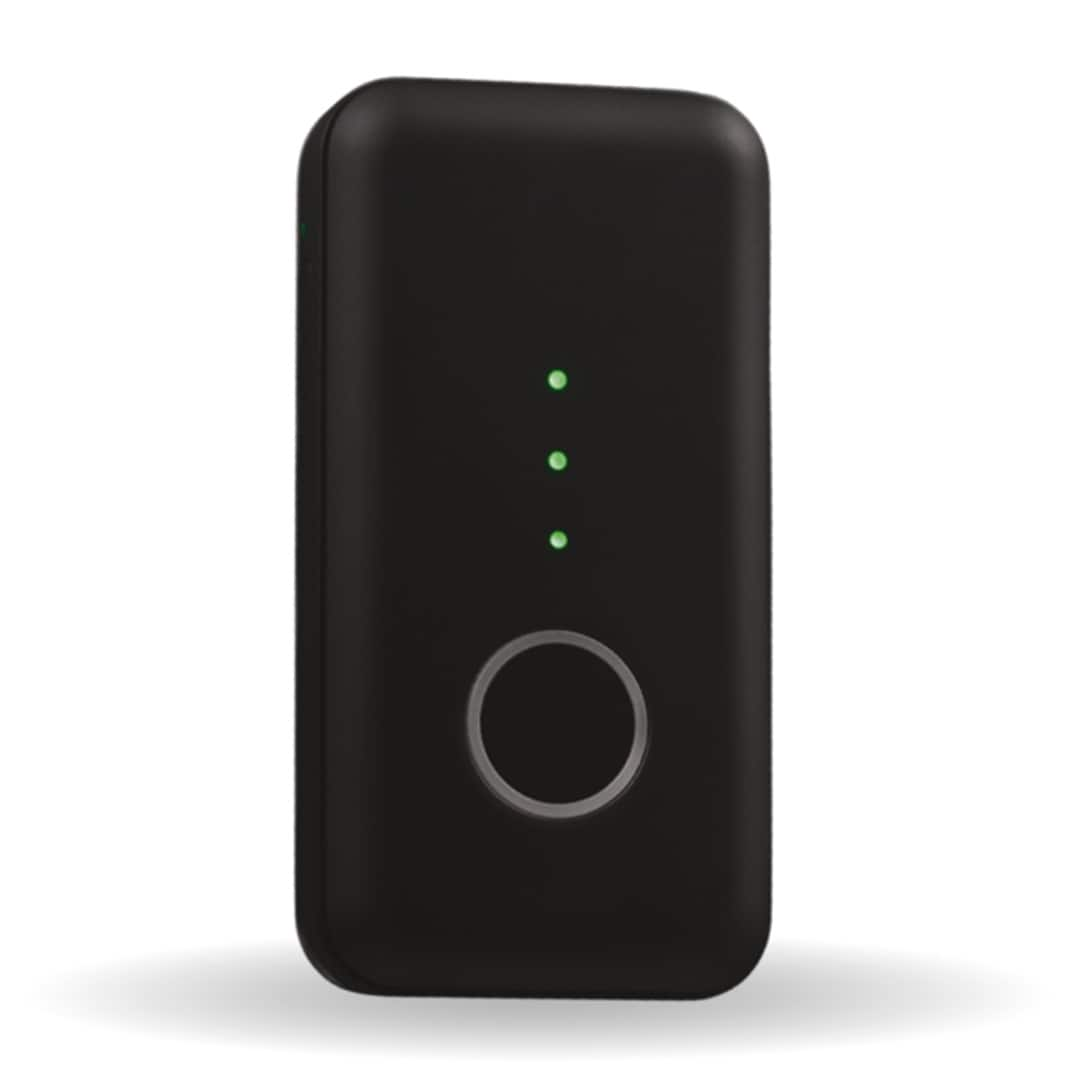
    A black wearable medical alert device with GPS tracking, fall detection, water resistance, and 24/7 monitoring.

    A black wearable medical alert device with GPS tracking, fall detection, water resistance, and 24/7 monitoring.

    (0)
    $49.99 Your price for this item is $49.99

Top Rated Gps For Seniors

GPS trackers for seniors are wearable or portable devices that help share a person’s location with authorized family members or caregivers. Their usefulness depends on the kind of support needed: everyday location sharing, an accessible way to request help, or added awareness when someone living with memory loss leaves a familiar area. For an adult who lives independently, a simple pendant with an easy-to-press assistance button may fit naturally into daily routines. Someone who enjoys neighborhood walks or regular outings may prefer a watch that combines location features with familiar timekeeping. Standalone cellular GPS trackers generally use satellite signals to determine location and a cellular connection to send updates, while some devices also use Wi-Fi or other positioning technologies. Cellular tracking and professional monitoring may require separate service activation and an ongoing service plan. An SOS button may notify designated contacts, connect with a professional monitoring center, or support another response process, depending on the device and its activated services. Professional monitoring is different from family-managed alerts: one involves a staffed response service, while the other depends on selected contacts receiving and responding to notifications. Location tracking alone does not necessarily include either option. These distinctions matter when a person wants help reaching someone after feeling unsteady at home, becoming disoriented during an outing, or missing a planned pickup. For people living with dementia, supported features such as location history and boundary alerts can add information to an established caregiving routine. A boundary alert typically reports when a device enters or leaves a designated area, though notification timing depends on settings and connectivity. GPS technology cannot prevent wandering, guarantee immediate assistance, or replace appropriate supervision. Devices with automatic fall detection also have limitations: not every fall is detected, and ordinary movements can sometimes trigger an alert. Top-rated GPS for seniors is most meaningful as a category when comfort, dependable communication, and the wearer’s actual routine matter as much as the feature list.

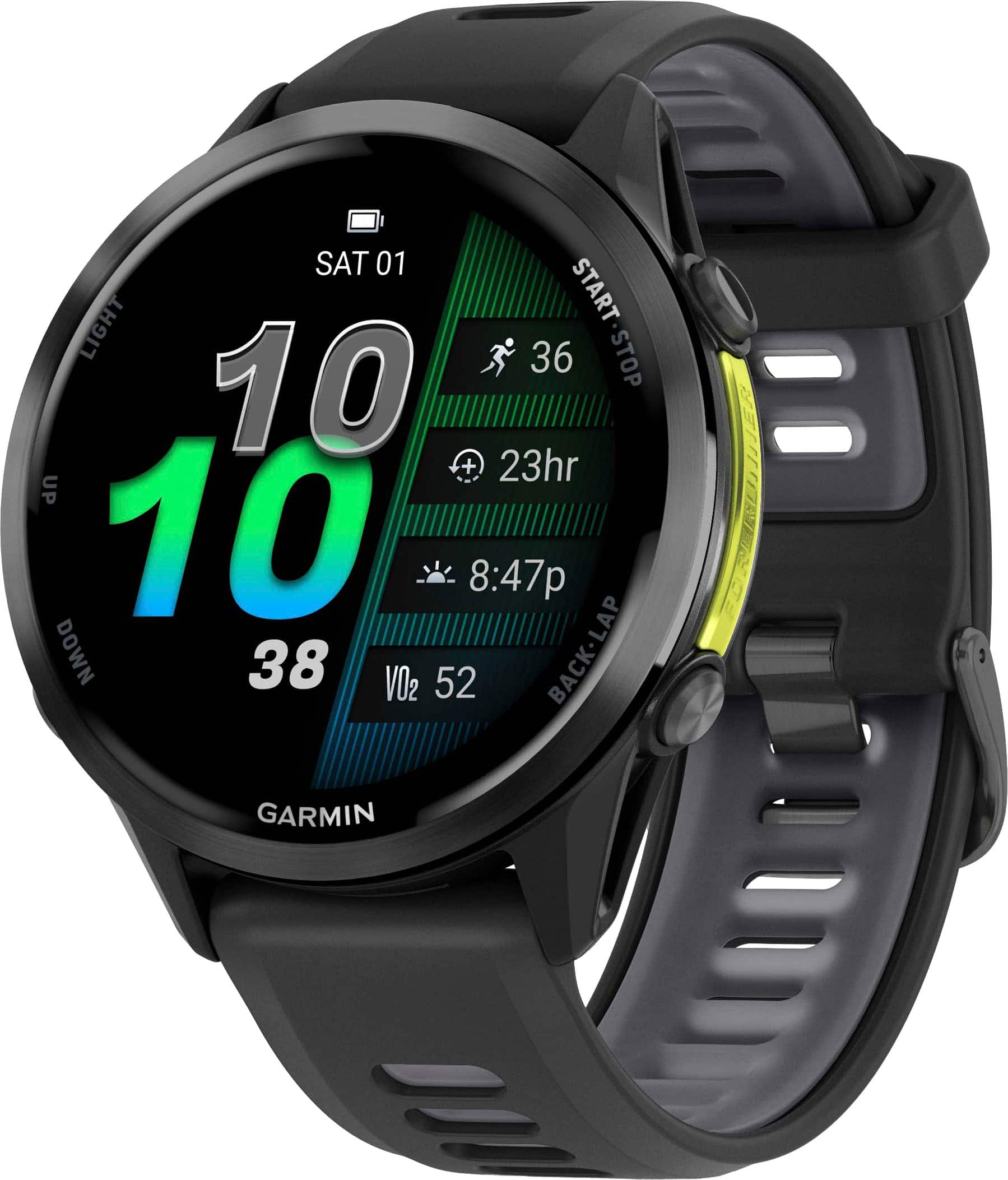
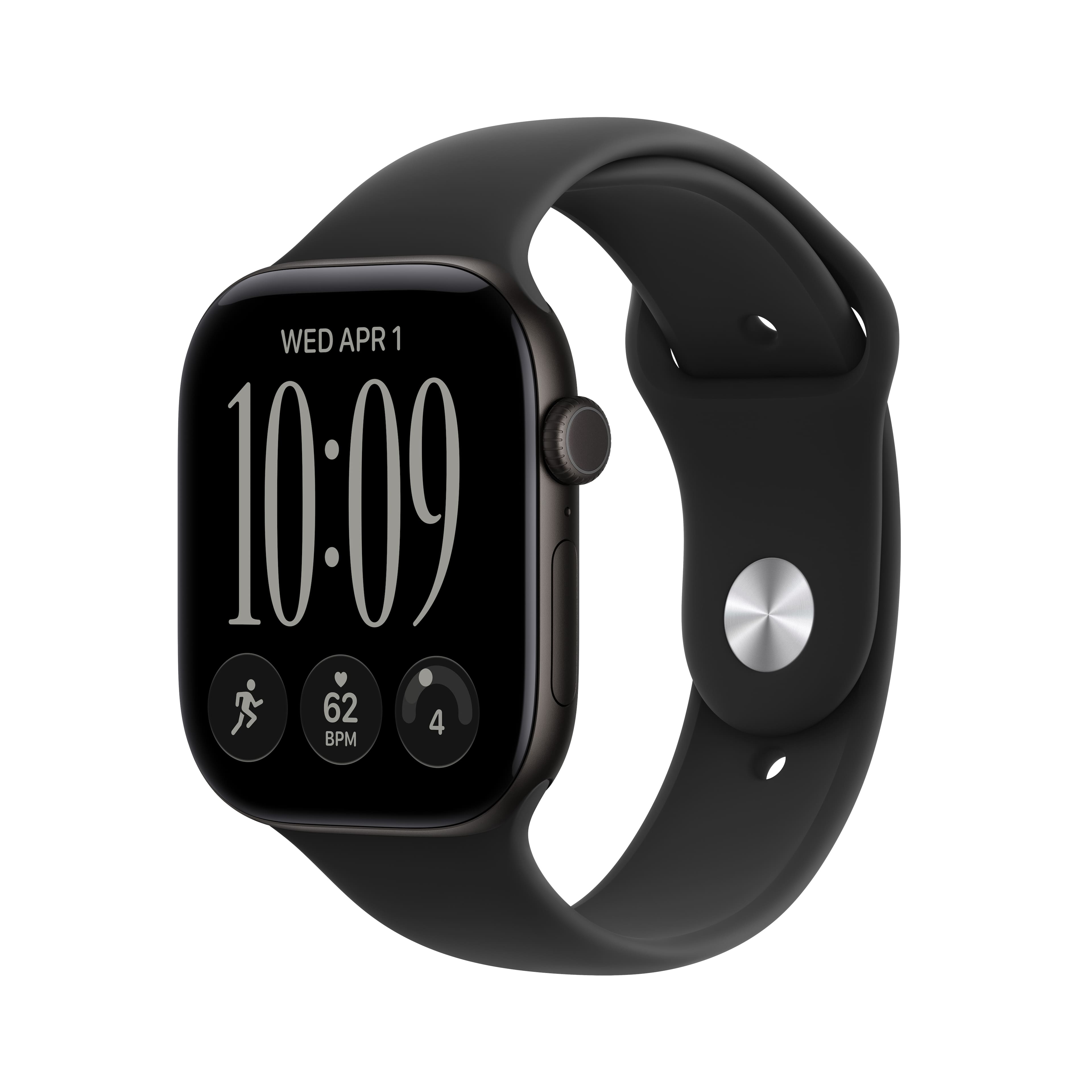
Wearable design plays a large role in whether a tracker becomes a comfortable daily companion or something left on a dresser. A top-rated GPS watch may appeal to someone accustomed to wearing a wristwatch, while a pendant or clip-on design can suit a person who dislikes a band around the wrist. Watchbands may use flexible silicone, woven fabric, or other materials, each with a different feel against the skin. Smooth edges, manageable weight, and an adjustable fit can make a difference during ordinary activities such as reading, cooking, or resting in a favorite chair. A band needs enough security to stay in place without pinching or restricting movement, and buckle size can affect how easily someone with limited hand strength fastens it. Pendants bring other considerations, including cord length, access to the help button, and an appropriate breakaway design where offered. Clip-on trackers depend on secure attachment to something the person consistently carries; a tracker in a handbag cannot report the wearer’s location when the bag stays home. For someone with reduced vision or dexterity, a clear display, recognizable symbols, tactile controls, and an uncomplicated charging connection may be more useful than a crowded touchscreen. Durability also includes the enclosure, attachment points, charging contacts, and suitability for everyday contact with moisture. Water-resistance ratings have specific limits, so splash resistance should not be treated as permission for showering or swimming. Manufacturer care instructions determine suitable cleaning methods, water exposure, and handling. Keeping bands clean and dry, inspecting clips for wear, and removing residue from charging contacts as directed can help maintain comfort and dependable operation. Battery life varies with location-update frequency, signal conditions, calls, and other active features. A charging routine that fits an established habit, such as placing the device on its charger while getting dressed, can be more practical than relying on a battery estimate alone. A low-battery alert is especially helpful when it reaches someone able to act on it.

Everyday performance involves more than the tracker itself. Satellite reception can weaken inside buildings, in parking structures, or near tall structures, and cellular service varies by location. A location shown on a map may be an estimate or the most recent successful update rather than the wearer’s exact position at that moment. The difference between continuous updates, periodic reporting, and a location requested through an app can affect how useful that information feels during an outing. Bluetooth item finders and crowd-network tags work differently from standalone cellular GPS trackers: they may depend on nearby compatible devices to relay a location, making them unsuitable as direct substitutes for dedicated personal safety tracking. Companion-app compatibility, readable maps, clear timestamps, and understandable notifications all contribute to the experience for an authorized caregiver. A daughter checking whether her father has reached a community center needs a clear indication of when the location was recorded, while a spouse receiving a boundary alert needs a notification that is easy to recognize. Multiple authorized contacts can share responsibility where supported, but everyone involved needs a clear understanding of who responds to an alert. Location sharing also deserves the same respect for privacy as other personal information. The wearer’s preferences, consent, account security, and control over who can see location history are important parts of a supportive setup. When a GPS device is intended as a gift, involving the recipient in the choice can help match the design to personal style, hearing, vision, and comfort with technology. Customer reviews can offer useful context about clasp comfort, charging ease, app usability, and alert behavior, especially when reviewers describe routines similar to the intended wearer’s. A high overall rating does not establish that every feature will work equally well in every household. The strongest fit is a device whose supported features, physical design, and communication requirements align with the person using it and the people helping them stay connected.

FAQs