Interactive Study Devices For Kids
-
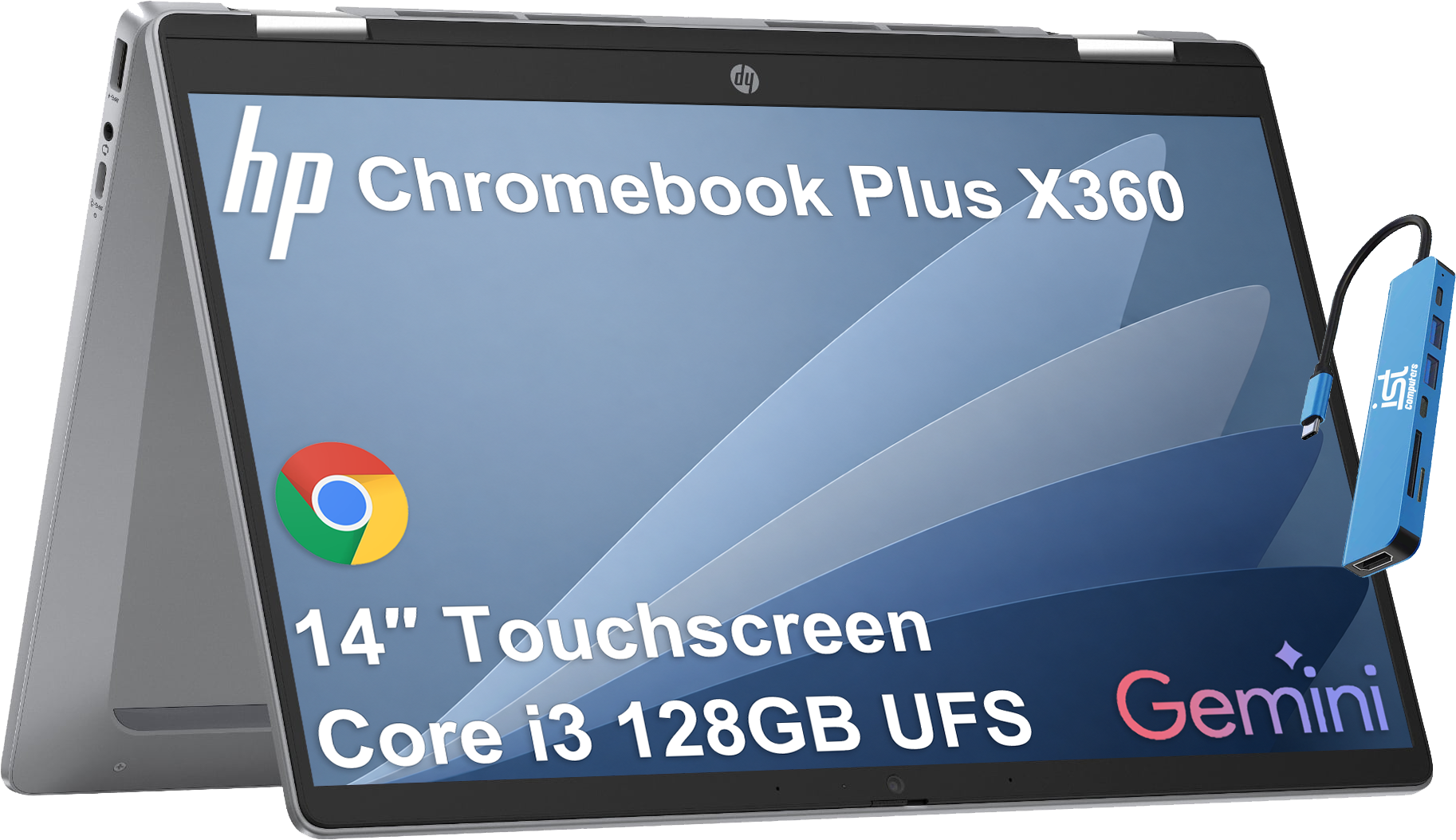
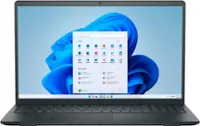
HP - 14" HD Touchscreen Chromebook Plus - Chromebook Plus x360 - Intel Core i3-N305 - 8GB RAM - 128GB - IST HUB - Chrome OS - Meteor silver
SKU: J3GWT6QRPSSee all Touchscreen ChromebooksProduct Description
A versatile silver 2-in-1 Chromebook with 14" HD touchscreen, Intel Core i3, 8GB RAM, and 128GB storage.Your price for this item is $499.99Save $240The previous price was $739.99 -
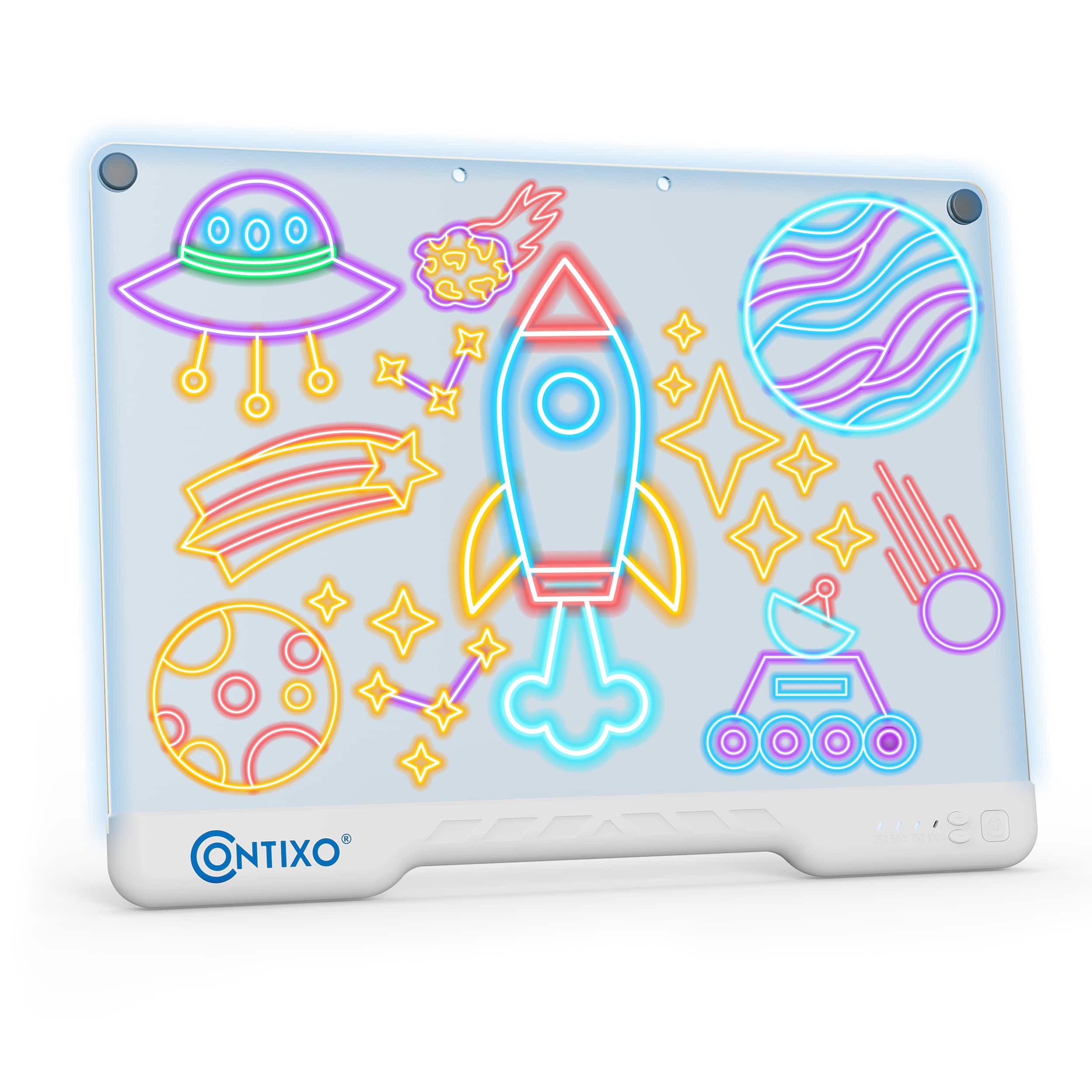
WB1 LED Drawing Board for Kids, Light-Up Acrylic Tablet with 12 Neon Markers, USB Reusable Doodle & Tracing Toy
SKU: J7CZ6QWKJZSee all Kids' Arts & CraftsProduct Description
A reusable light-up acrylic drawing board with 12 neon markers that inspires creative, screen-free play.Your price for this item is $29.99 -
Jupiter Creations - My Smart Tablet Mini + Phone Combo - Blue
SKU: J3RT6F72RWSee all Science Kits & ToysProduct Description
A blue plastic educational tablet and phone combo offering bilingual games, music, and interactive learning activities for kids.Your price for this item is $26.99 -
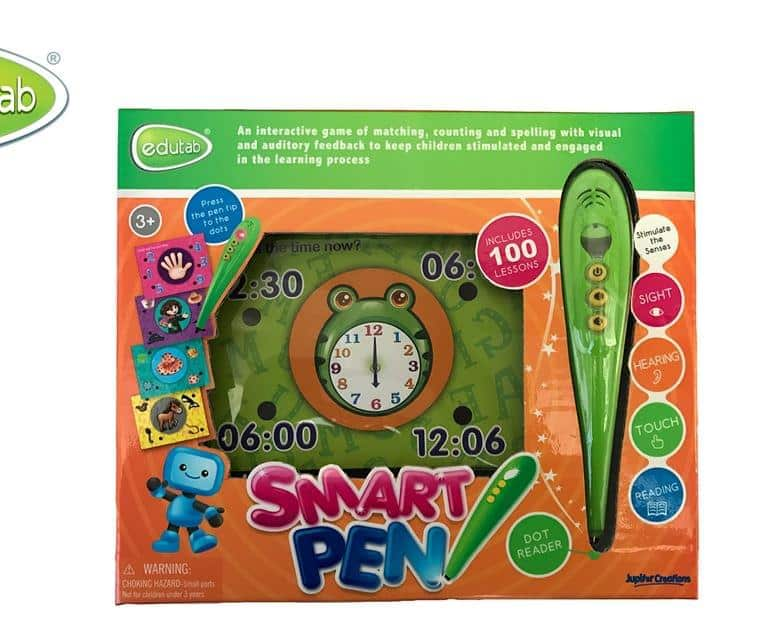
Jupiter Creations - Edutab Smart Educational Activity Pen - Green
SKU: J3RT6F72V4See all Science Kits & ToysProduct Description
An interactive green activity pen offering 100 lessons with engaging visual and auditory learning feedback.Your price for this item is $18.99 -
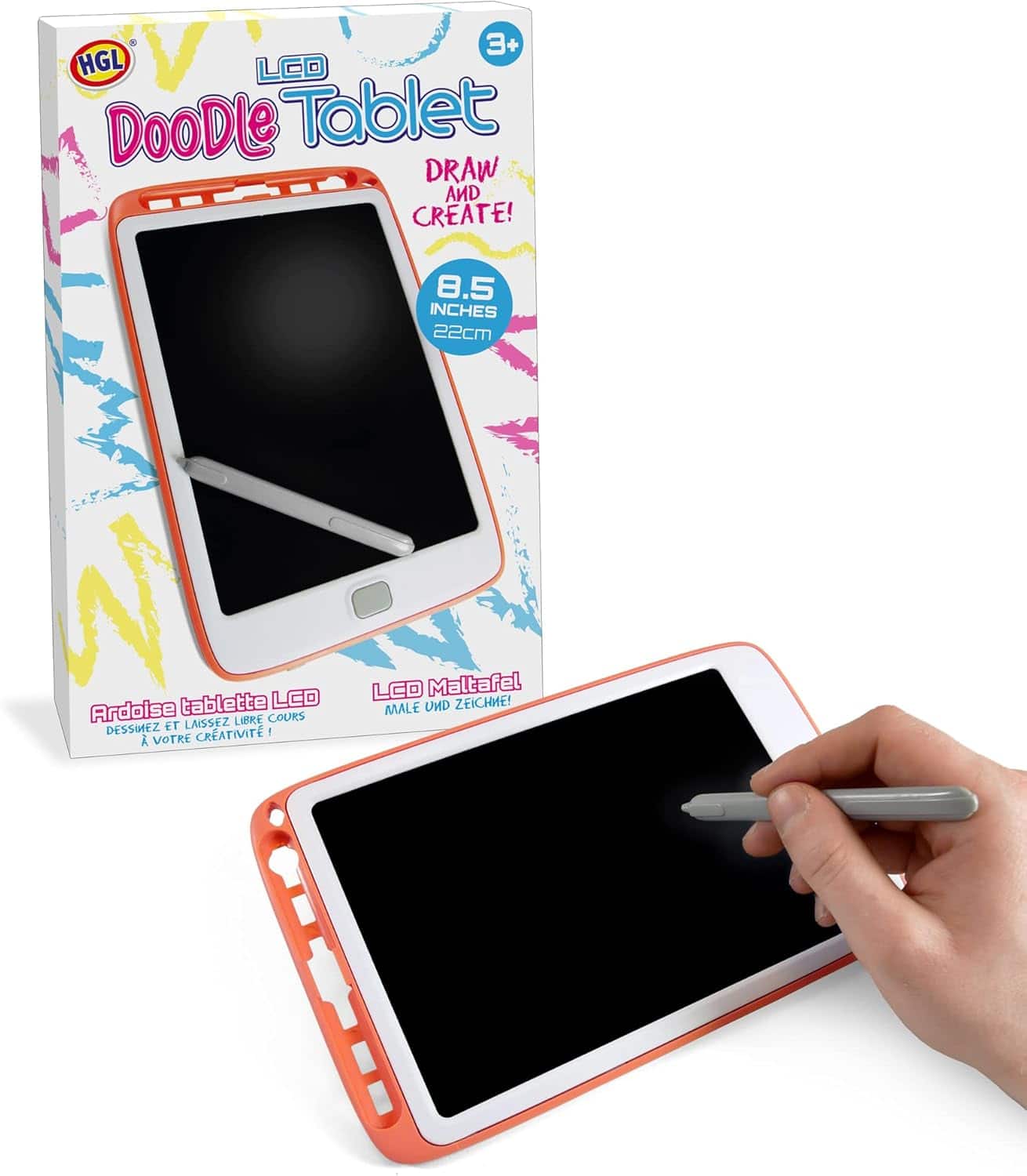
One For Fun - 8.5-Inch LCD Doodle Tablet, Kids Electronic Drawing and Writing Pad with One-Touch Erase - Multicolor
SKU: CG5KLHZQZ7See all Science Kits & ToysProduct Description
A multicolor pressure-sensitive LCD drawing tablet with one-touch erase for mess-free creative play anywhere.Your price for this item is $15.99 -
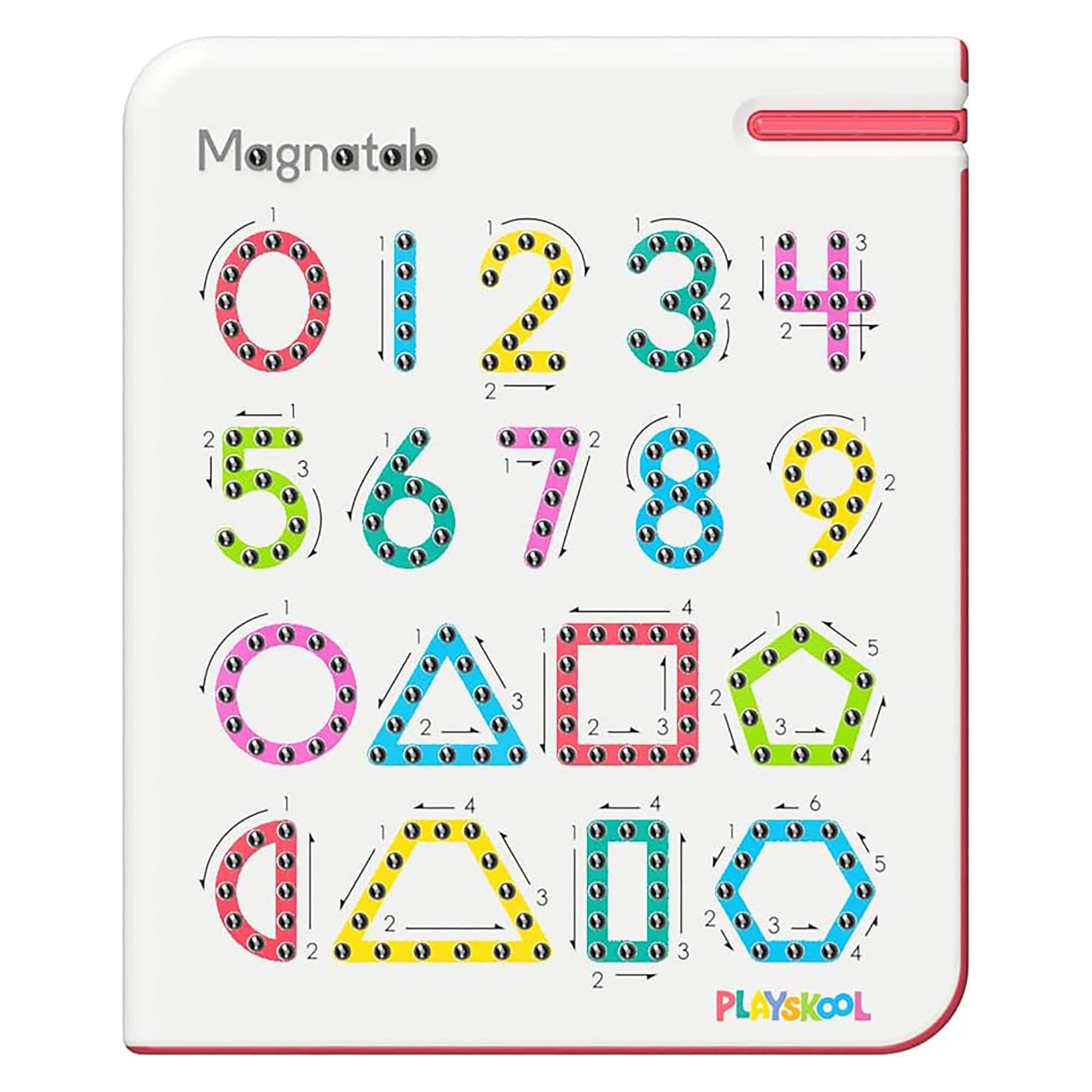
CroJack Capital - Magnatab Playskool Numbers and Shapes | Learning and Sensory Drawing Tool - White
SKU: J7QL747JC5The kids love the magnetic aspect of the pen and tiny balls, which I’m sure is unintentionally helping...Great preschooler activity...Even us adults love it!
See all Science Kits & ToysProduct Description
A white sensory drawing tool that uses magnetic beads to teach numbers and shapes through interactive play.Your price for this item is $24.99 -
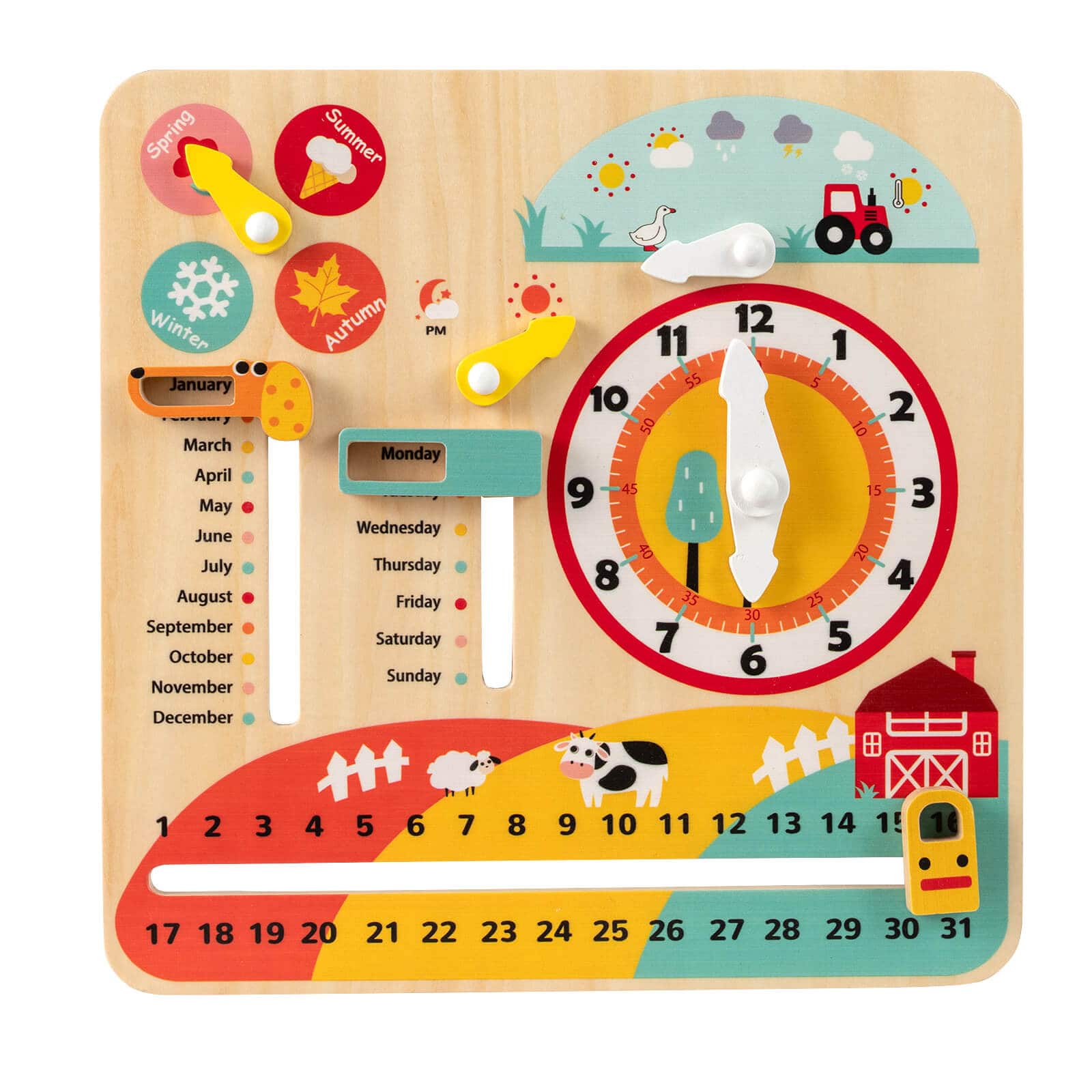
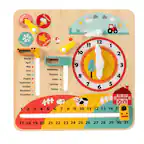
Costway - Kids Montessori Educational Learning Toy with Clock, Seasons, Weathers, Days - Multicolor
SKU: J9VXHYC52CSee all Montessori ToysProduct Description
A multicolor interactive learning board that teaches days, months, weather, and seasons while building fine motor skills.Your price for this item is $29.99

Best Sellers




Related Pages






FAQ
When choosing interactive study devices for kids, consider features like age-appropriate content, parental controls, durable design, engaging educational apps, and compatibility with other learning tools or platforms.
Interactive study devices often include visual, auditory, and kinesthetic activities, allowing children to learn through videos, games, quizzes, and hands-on exercises that cater to various learning preferences.
Yes, many interactive study devices offer a wide range of educational content covering subjects such as math, science, reading, languages, and more. This versatility helps children explore different topics using one device.
Most modern interactive study devices include parental control options that allow caregivers to manage screen time, monitor progress, and select appropriate content for their child's age and grade level.
Some interactive study devices work offline with preloaded content, while others may need an internet connection to access new lessons or download additional educational resources. It's important to check the device specifications for connectivity requirements.