Baby Proofing
Baby Proofing (1)
Sort by:
- $47.99
Get it by Thu, Sep 24 • FREE
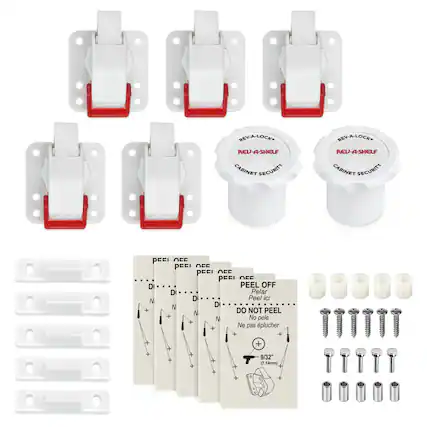
Baby proofing a house starts with looking at each room from a child’s perspective. As babies become more mobile, everyday items can present unexpected hazards. Pay close attention to the kitchen, where cleaning supplies, sharp cutlery and small objects should be stored out of reach. Adding cabinet locks and covering electrical outlets can help reduce common risks while allowing daily routines to continue smoothly.
In living areas, focus on furniture that could cause injury during falls or curious exploration. Secure coffee and end tables with protective corner guards and make sure a sofa cannot shift easily when a child pulls up to stand. Keep cords tucked away, remove unstable décor and create clear pathways that support safe movement throughout shared family spaces.
Storage pieces also deserve careful attention. Anchor bookshelves to the wall to help prevent tipping and avoid placing tempting items on higher shelves. A well-stocked baby proofing kit can make it easier to address multiple concerns at once, from outlet covers to cabinet latches. Small adjustments made early can support a safer environment as children grow and develop new skills.
Creating a safer environment often begins in rooms designed specifically for young children. Select sturdy nursery furniture that meets current safety standards and check it regularly for wear. Areas used for nursing and feeding should remain organized and free of clutter. Keeping essential supplies nearby can make daily care more convenient while helping reduce unnecessary distractions.
Safety planning should also support overall baby health throughout the home. Many parents choose a baby monitor to help keep track of sleeping patterns and room activity when they are not nearby. Position devices according to manufacturer guidance and avoid placing cords within reach. Regularly reviewing household safety measures can help families stay prepared as needs change.
There are many reasons to own a baby monitor, including added awareness during naps and overnight sleep. While technology can be helpful, it works best alongside consistent supervision and practical safety habits. Taking time to baby proof rooms, update protections and address new concerns can help create a home environment that feels comfortable, functional and supportive for both children and caregivers.