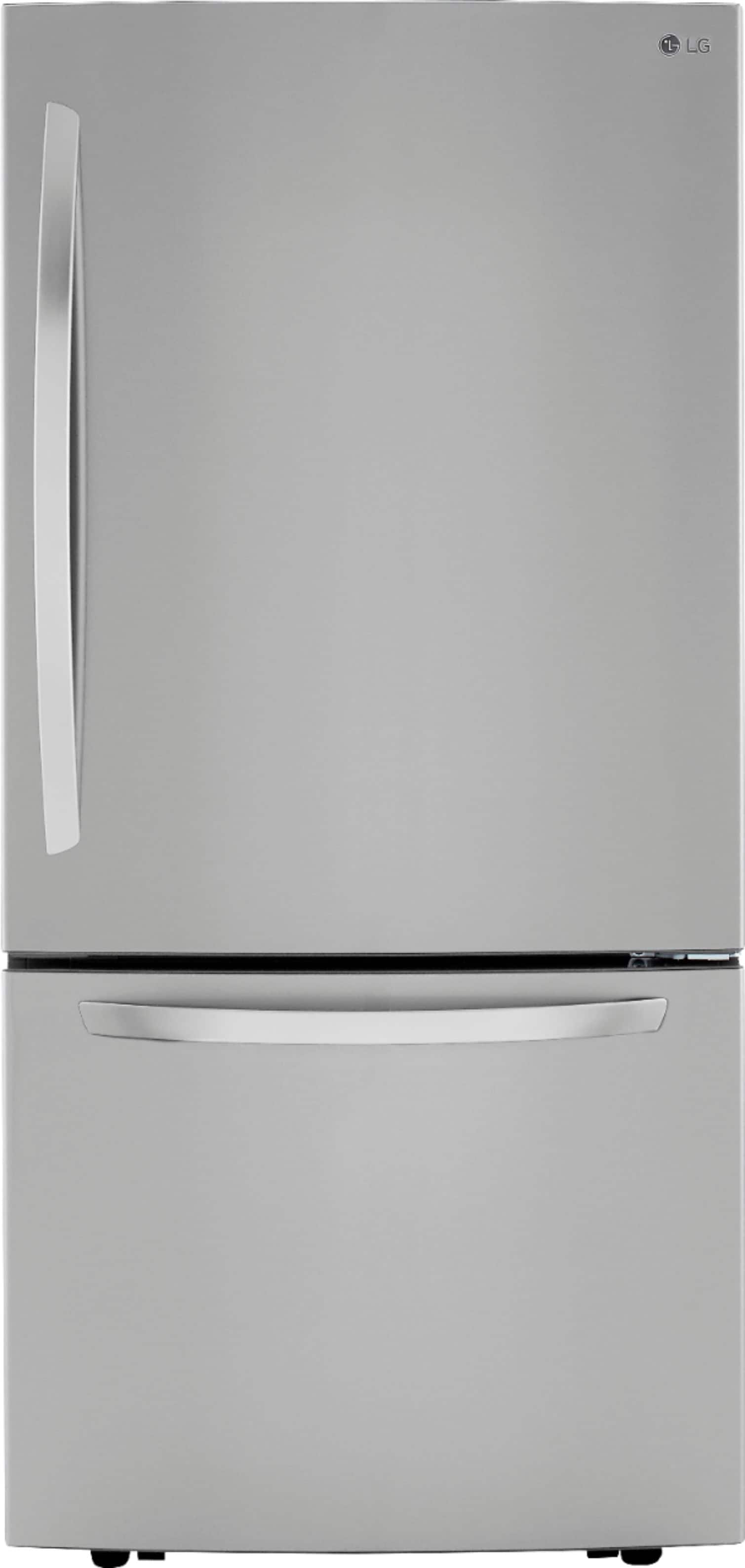
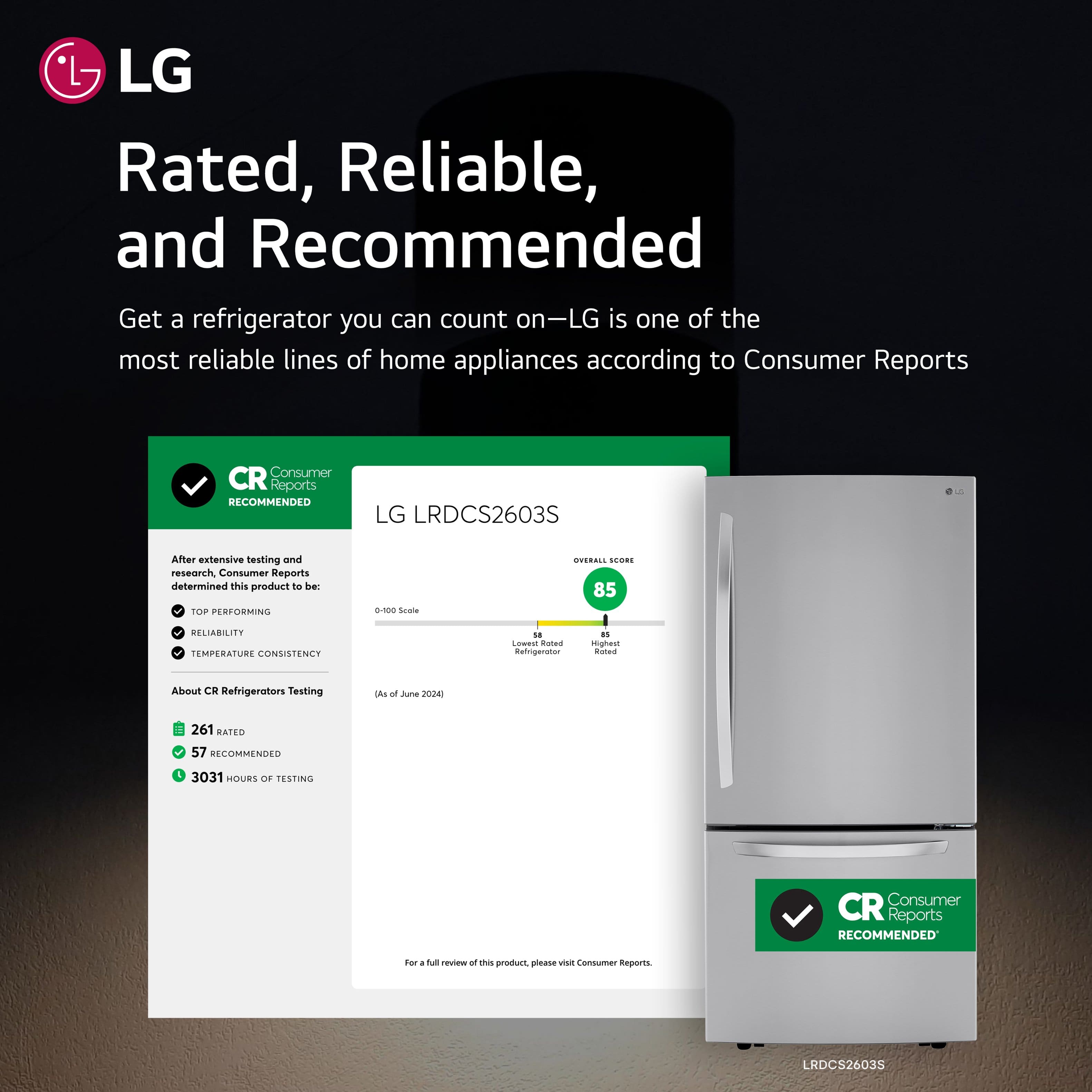
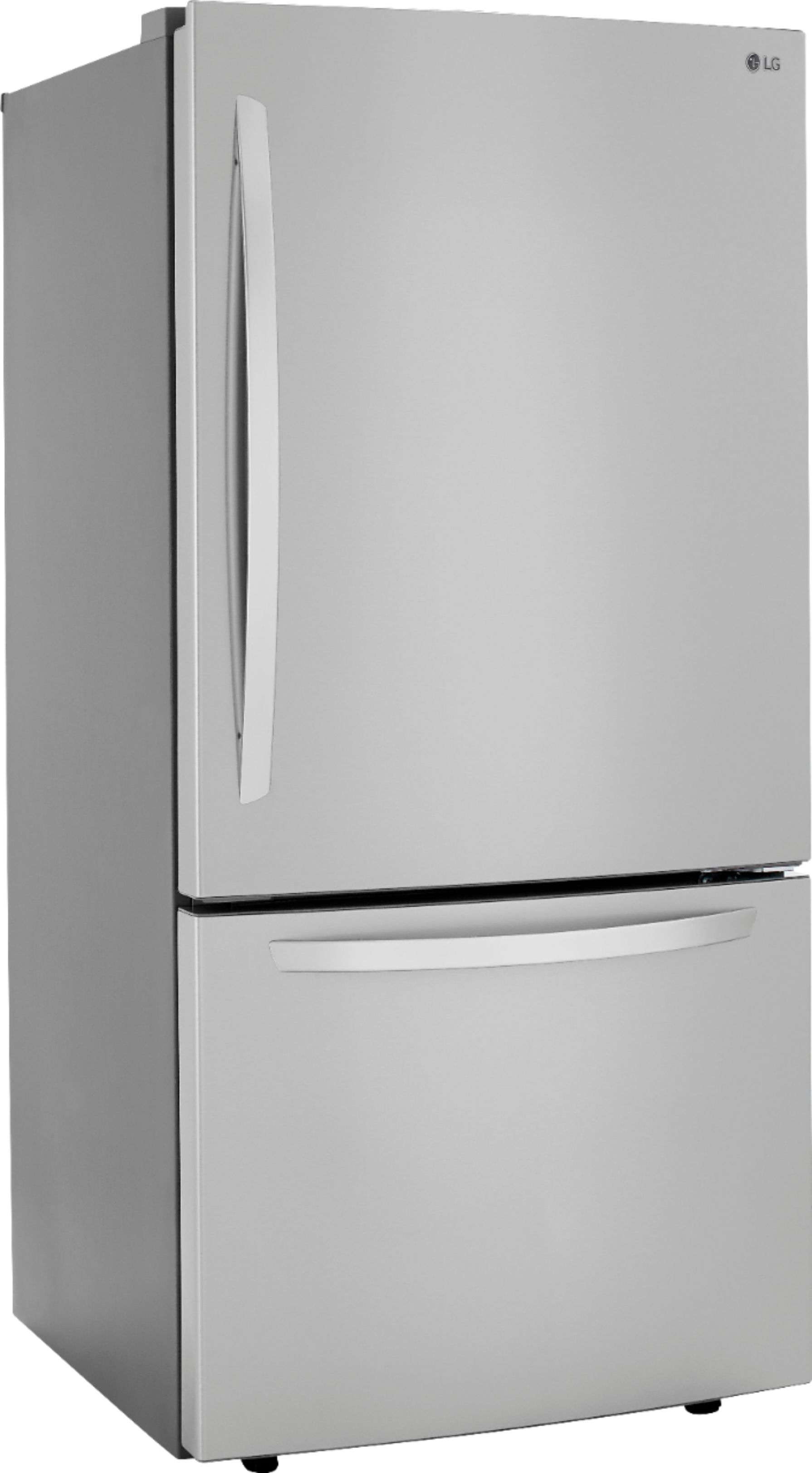
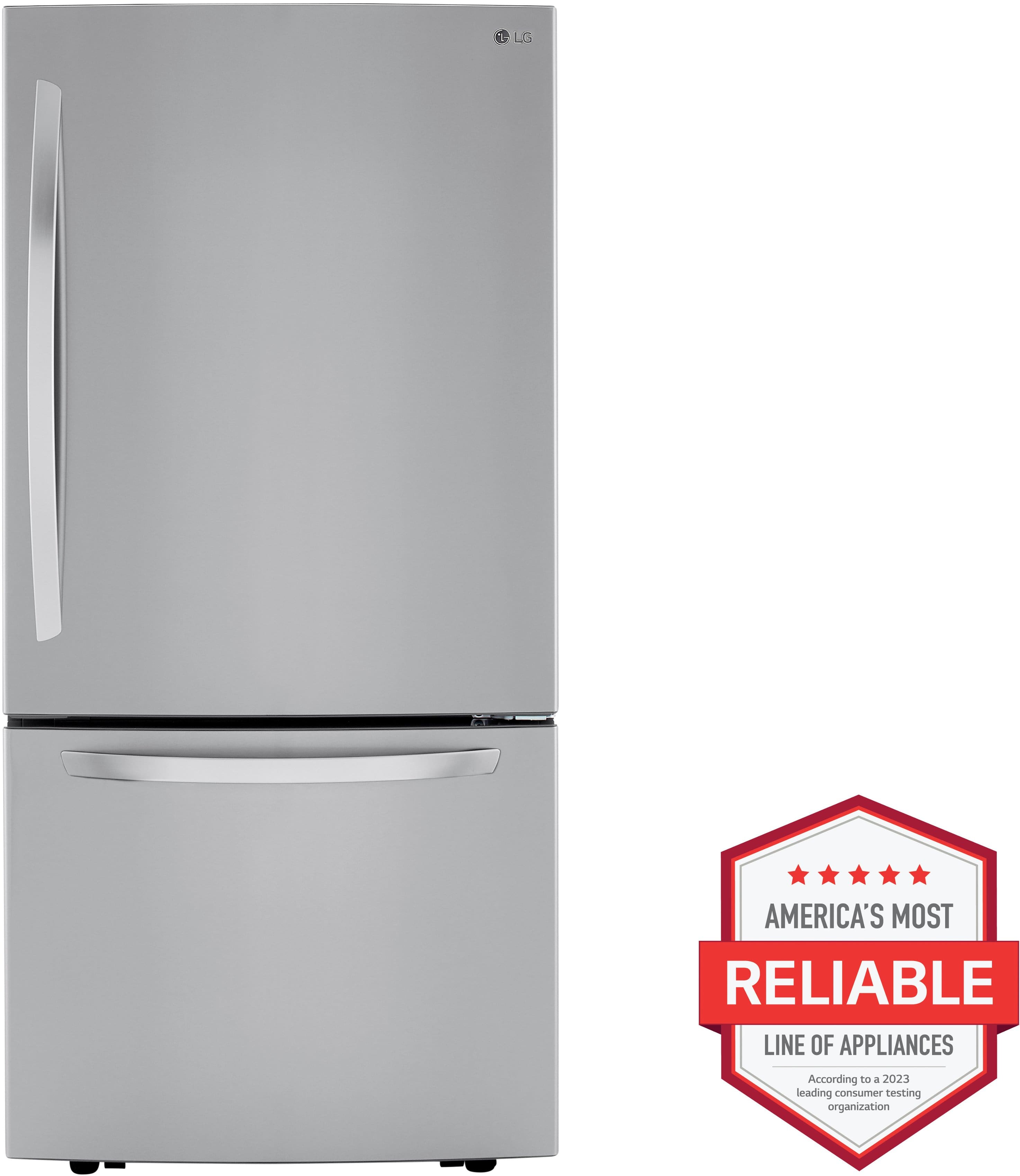
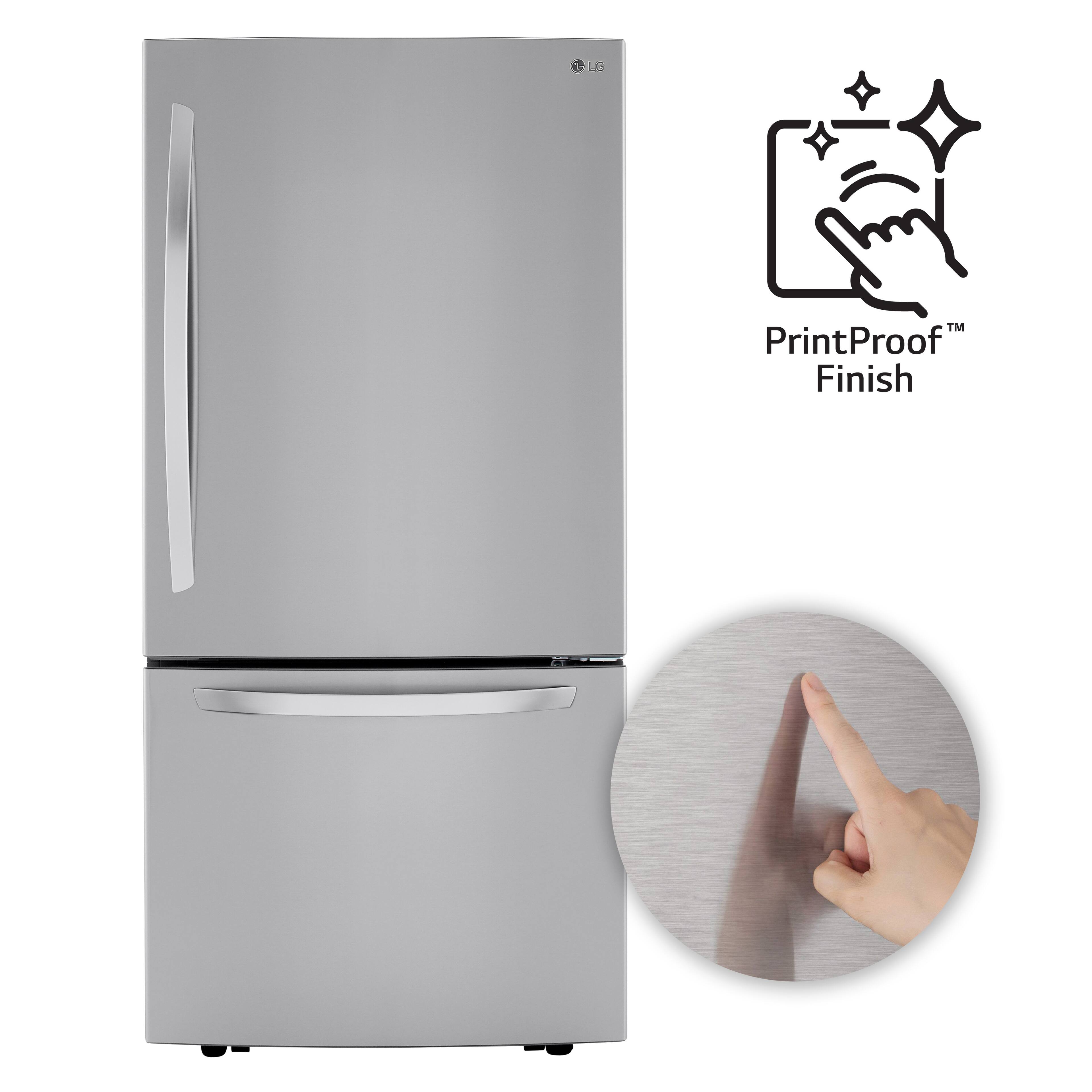
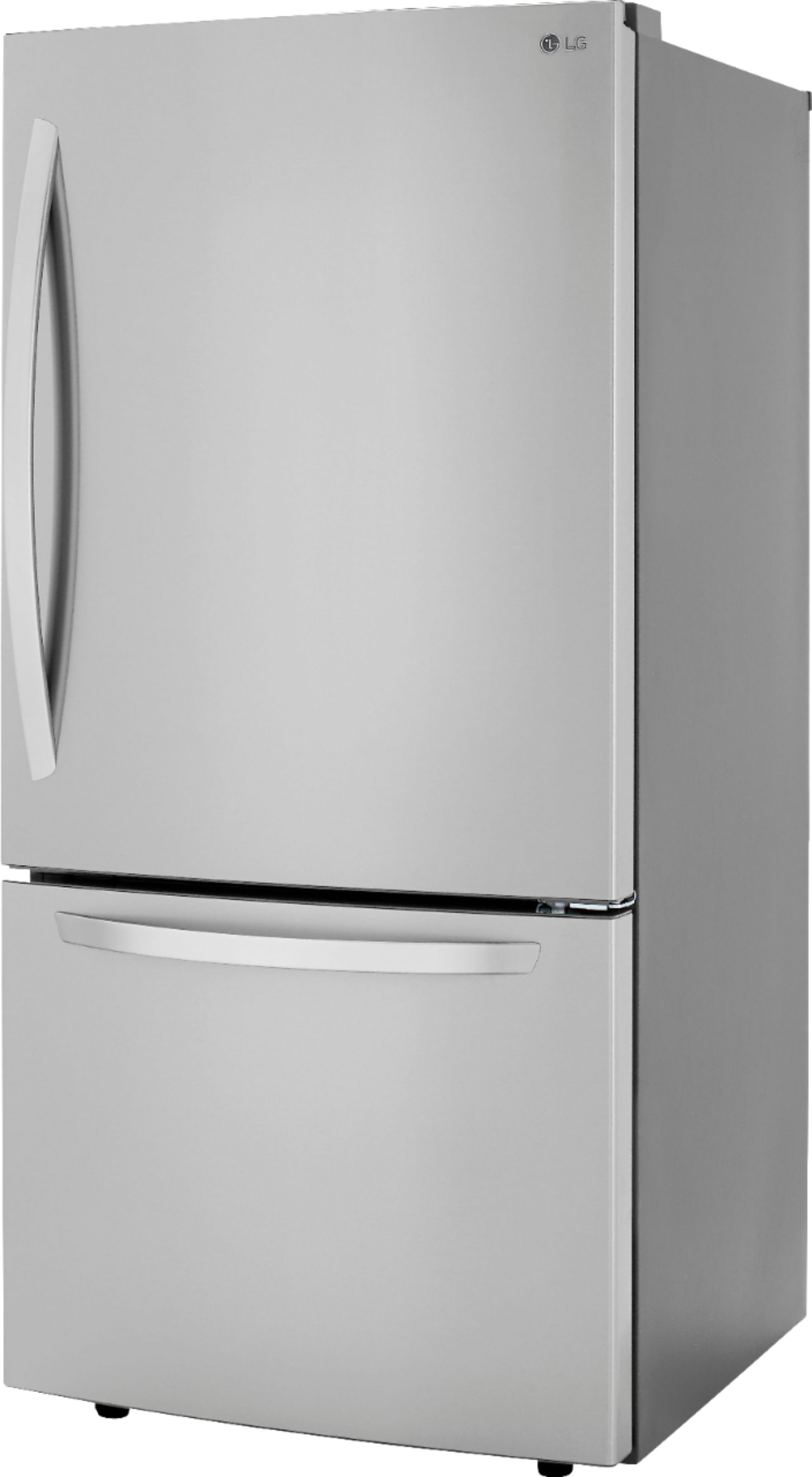
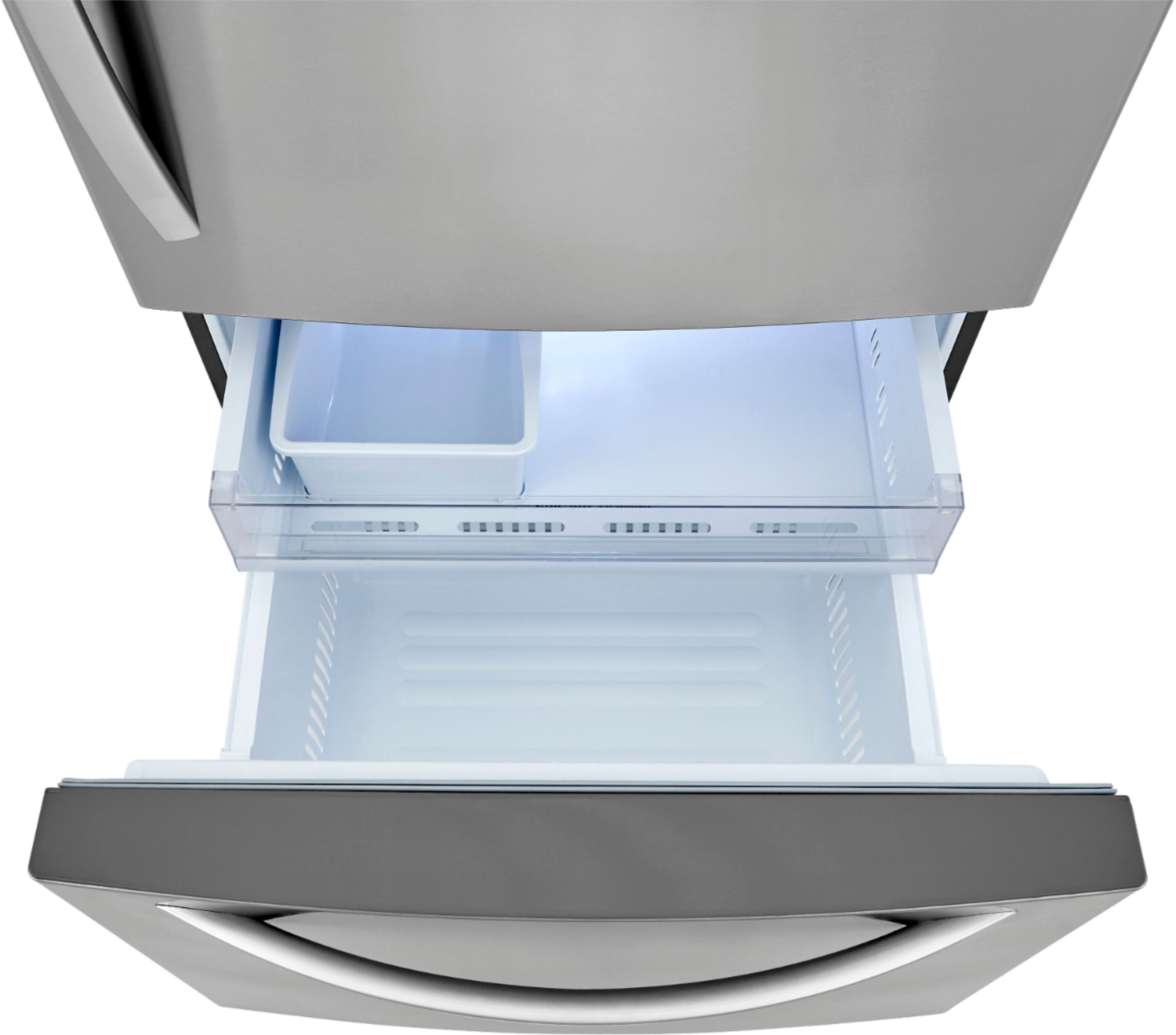
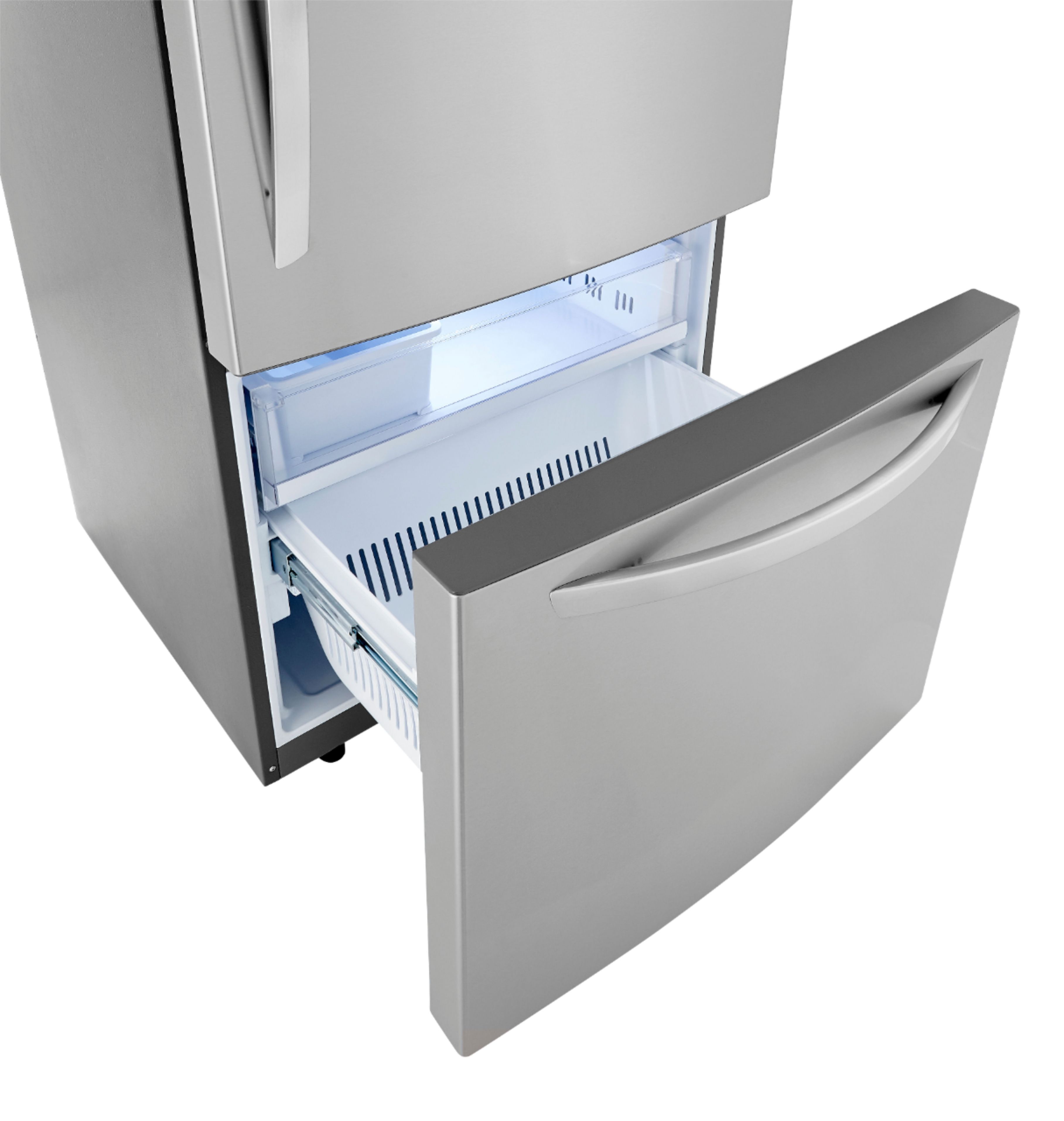
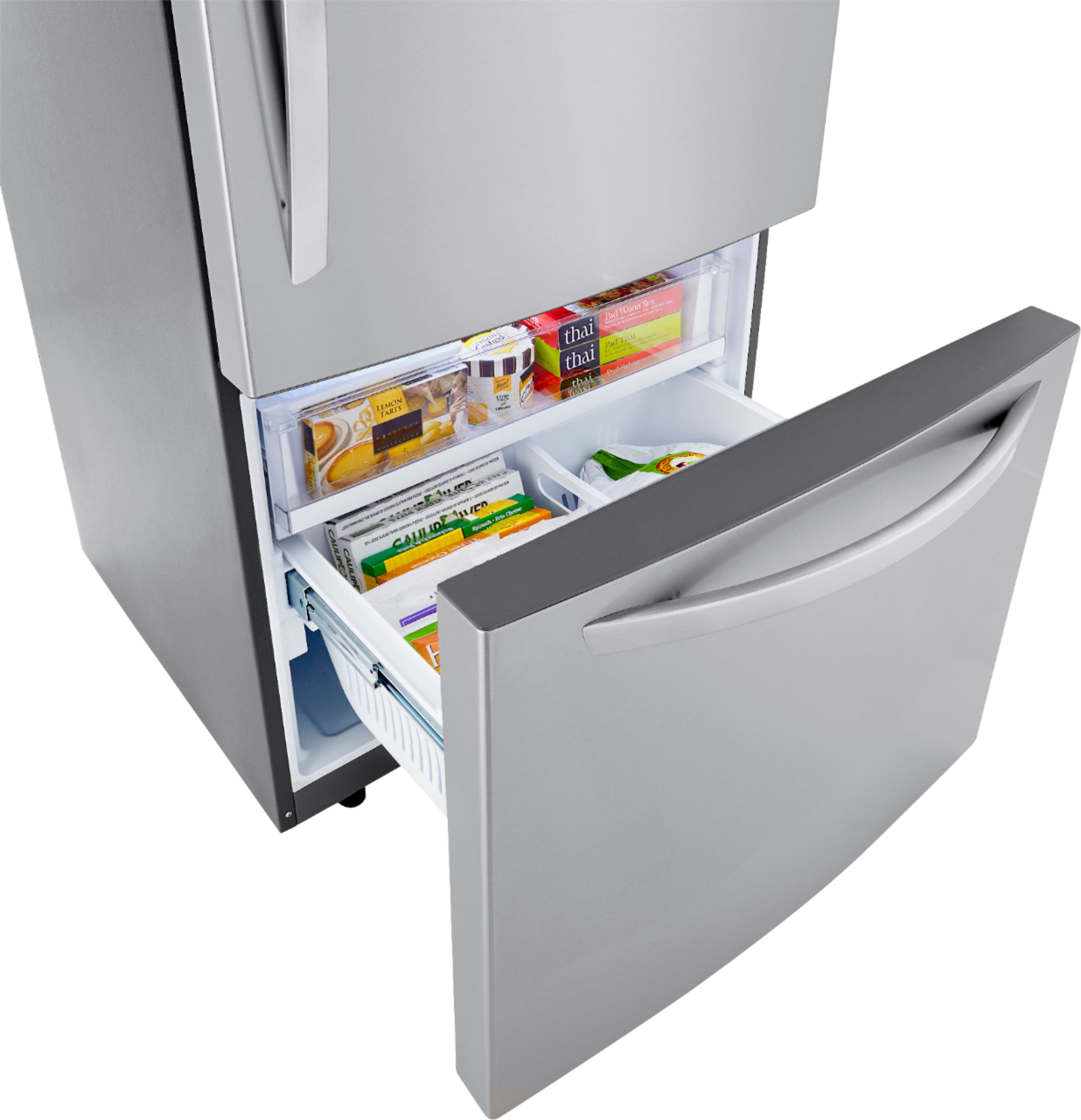
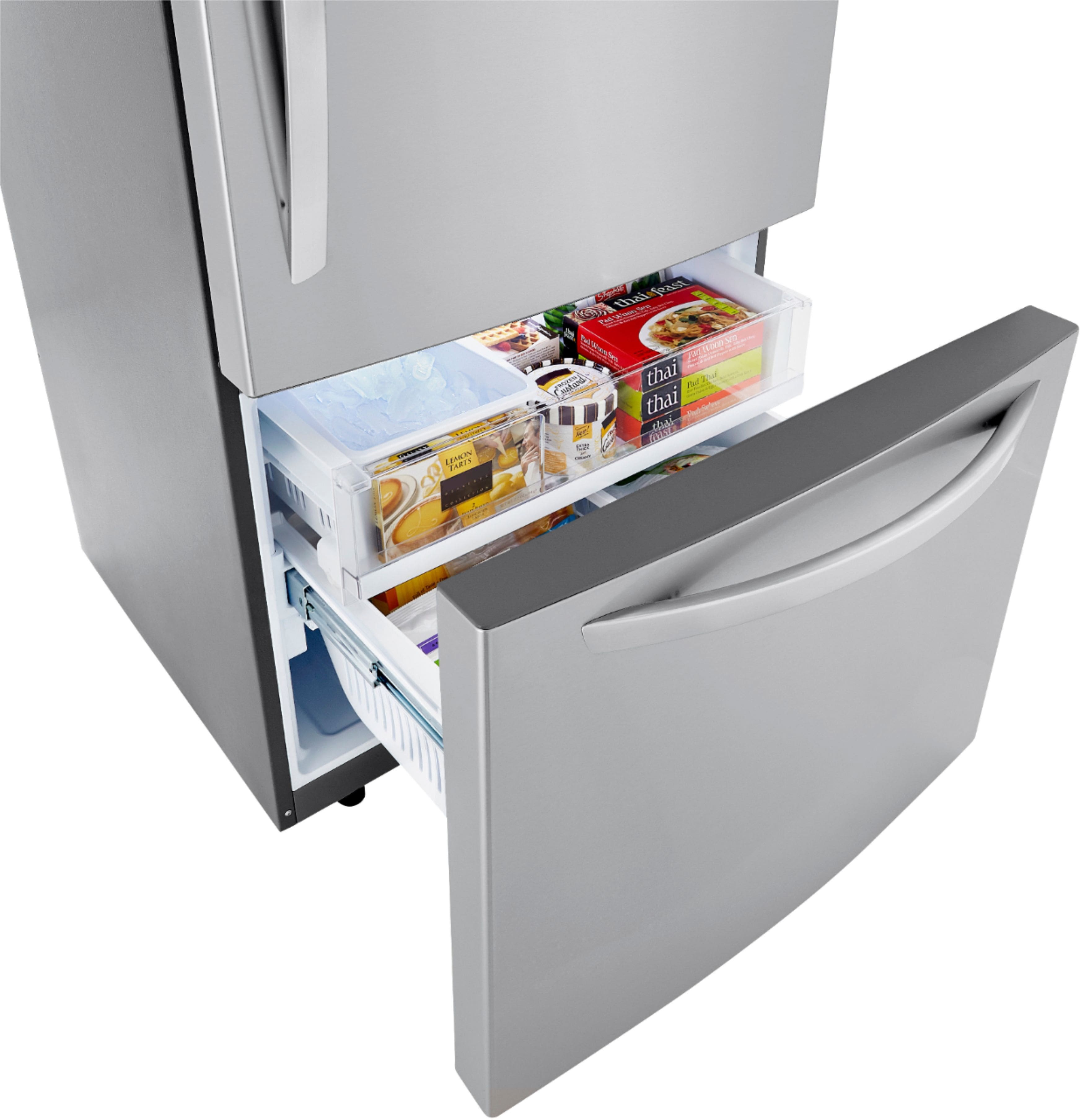
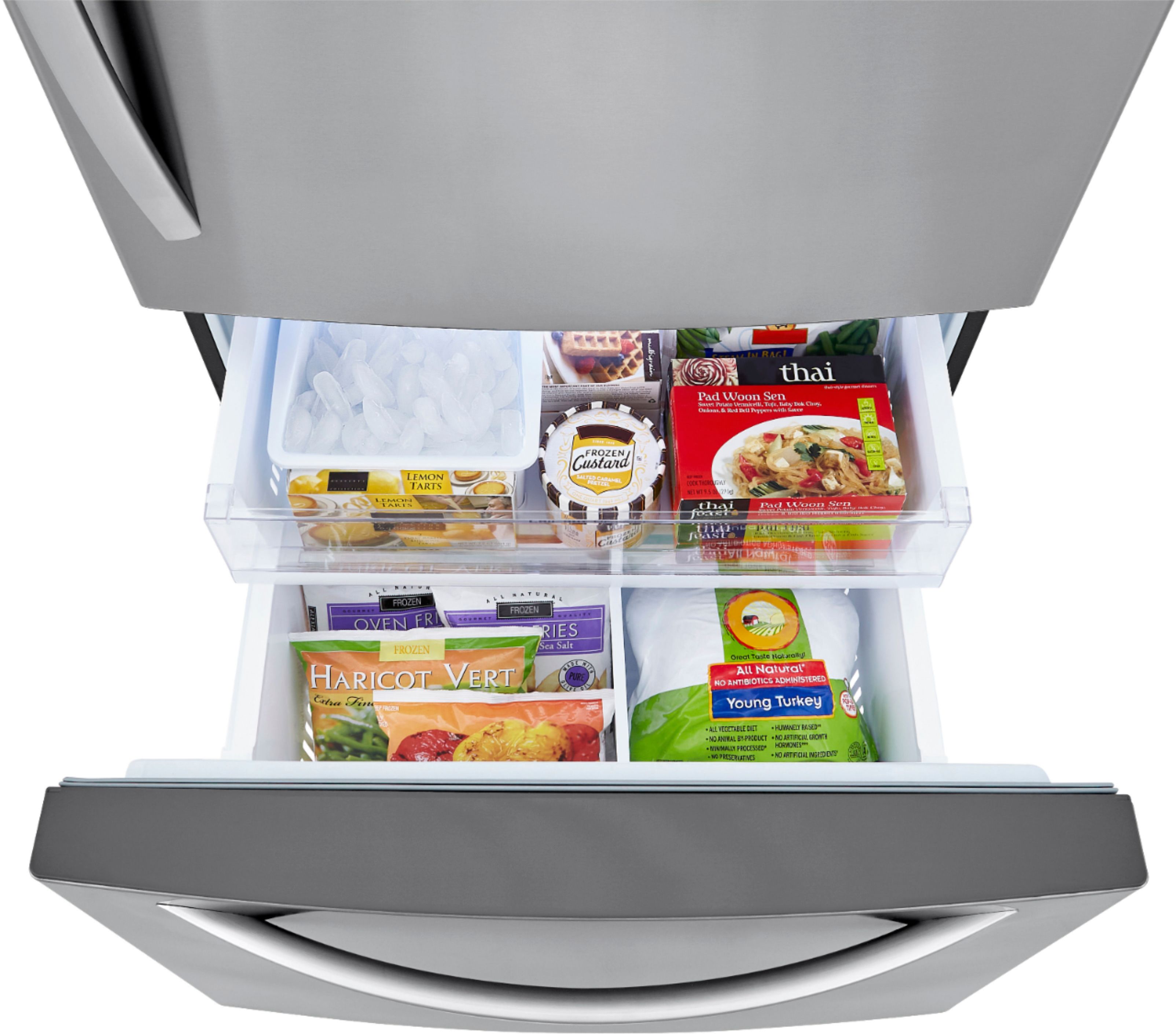
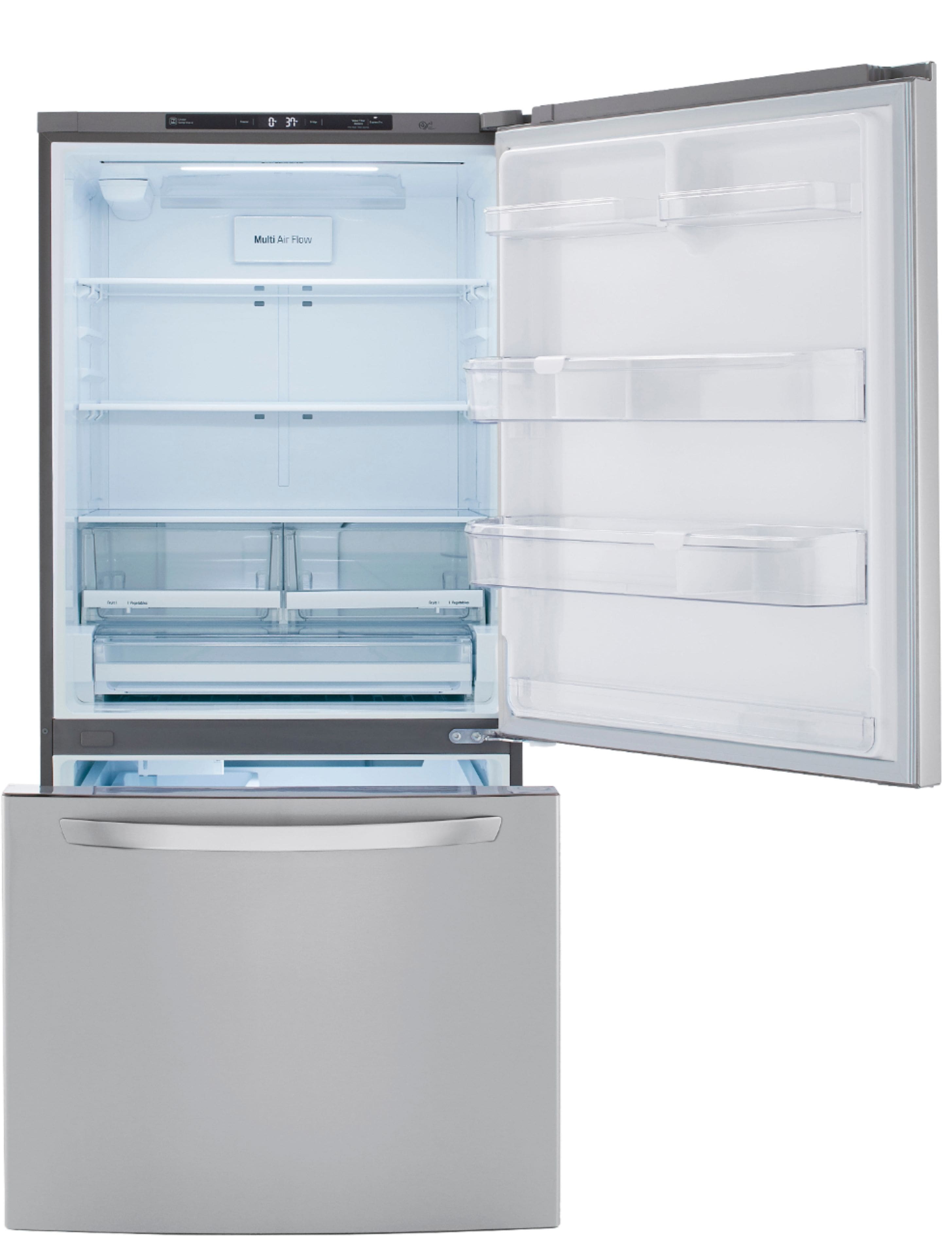
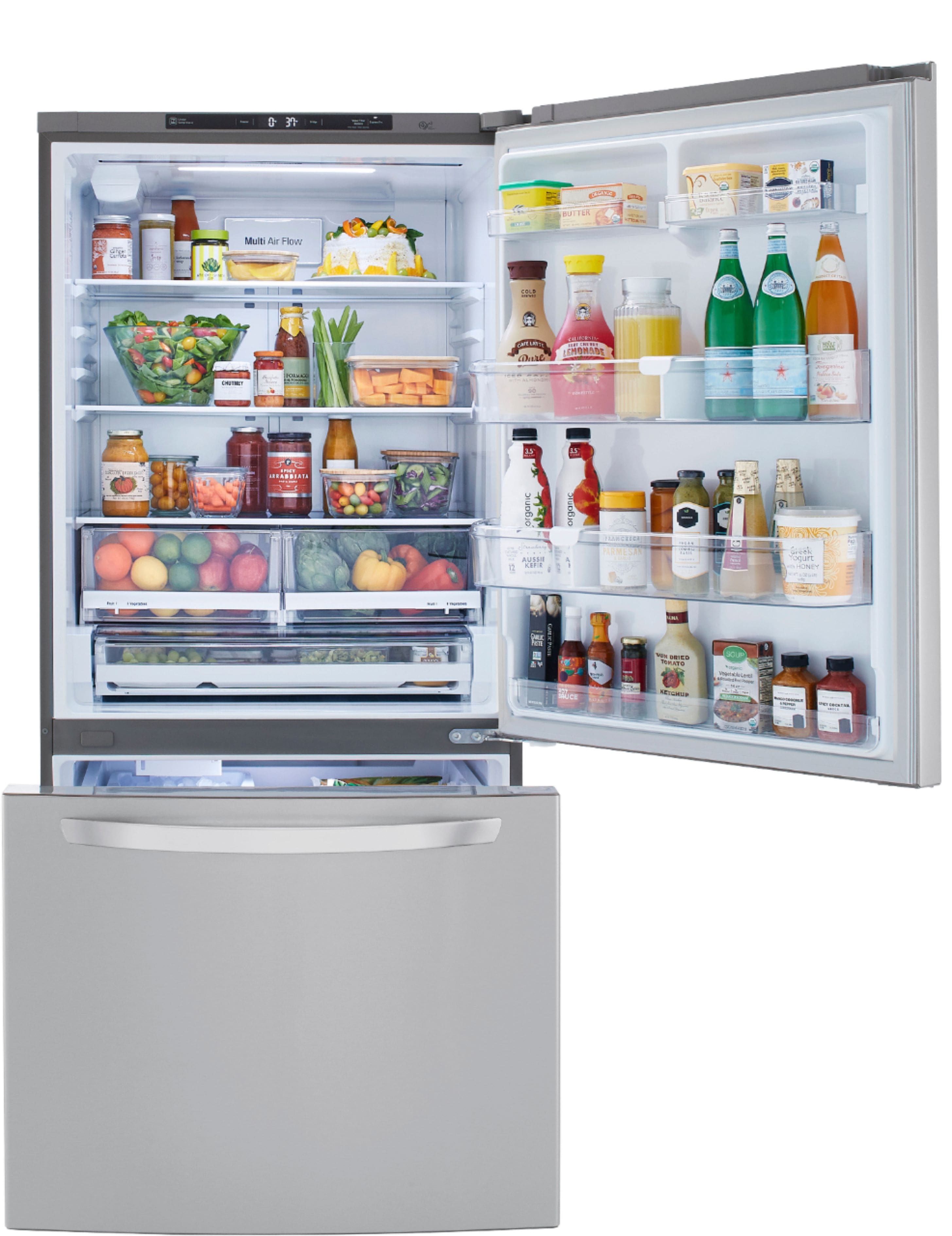
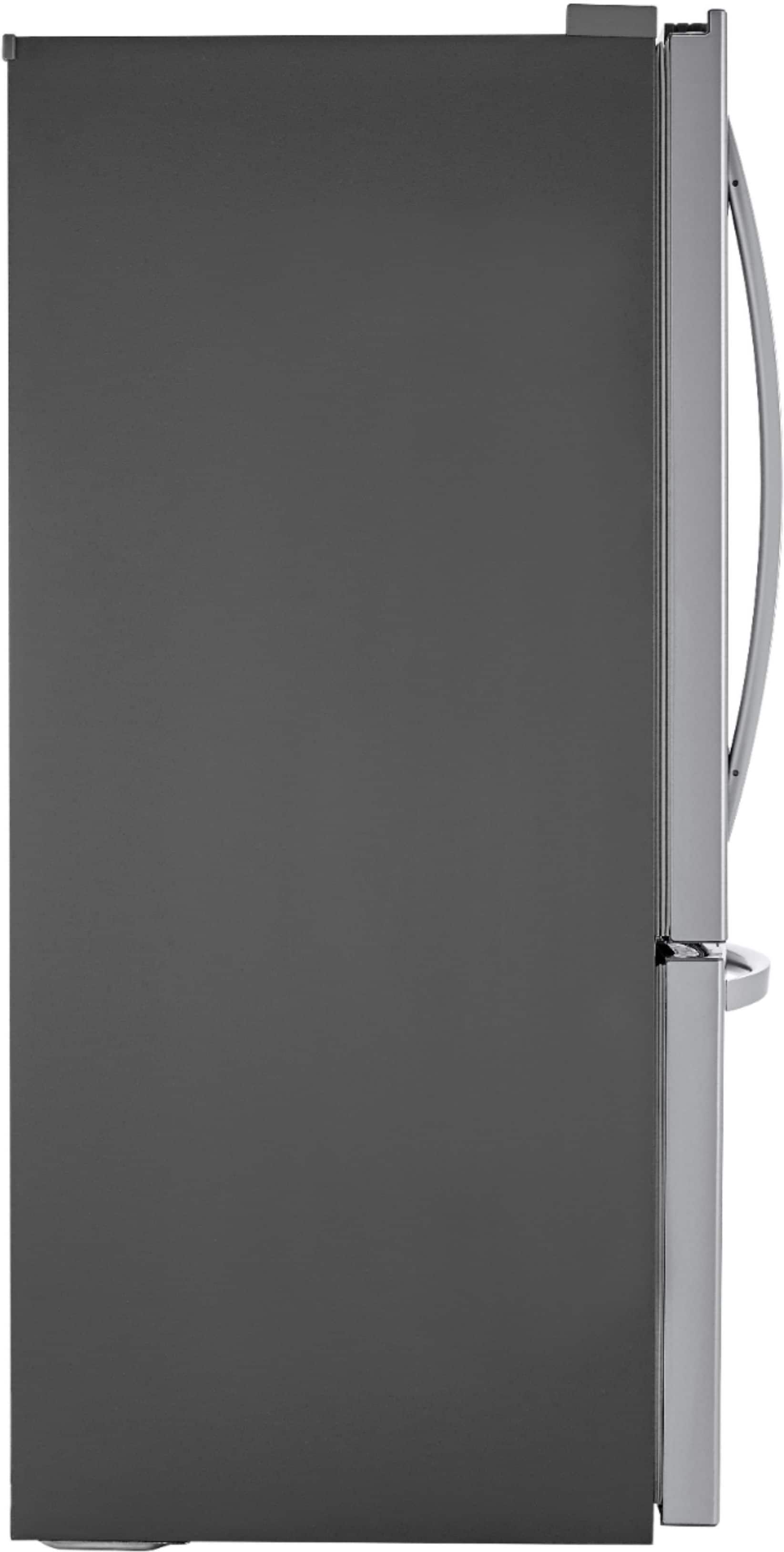
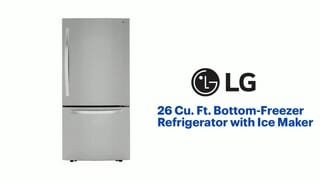
A:AnswerRemoving both the freezer drawer and the refrigerator door from the ENERGY STAR® Qualified LG 26 Cu. Ft. Bottom-Freezer Refrigerator with Ice Maker - PrintProof™ Stainless Steel, Model # LRDCS2603S and moving it sideways through a narrow opening is the recommended procedure when it is necessary. The refrigerator has a depth of 29" with the doors removed...^IFV
A:AnswerThe Best Buy site is currently showing the ENERGY STAR® Qualified LG 26 Cu. Ft. Bottom-Freezer Refrigerator with Ice Maker - PrintProof™ Stainless Steel, Model # LRDCS2603D as 'Sold Out'. Please contact Best Buy's Customer Service to inquire if they have an ETA for when it will be back in stock or if they can alert you when it is back in stock...^IFV
A:AnswerRegrettably, the ENERGY STAR® Qualified LG 26 Cu. Ft. Bottom-Freezer Refrigerator with Ice Maker - PrintProof™ Stainless Steel, Model # LRDCS2603S is only available with a Factory Installed Ice Maker. It is not available without one...^IFV
A:AnswerOnly connect this product to a dedicated grounded electrical outlet rated for use with this product (115V/60Hz AC only). It is the user’s responsibility to replace a standard 2-prong wall outlet with a standard 3-prong wall outlet ^Daphane
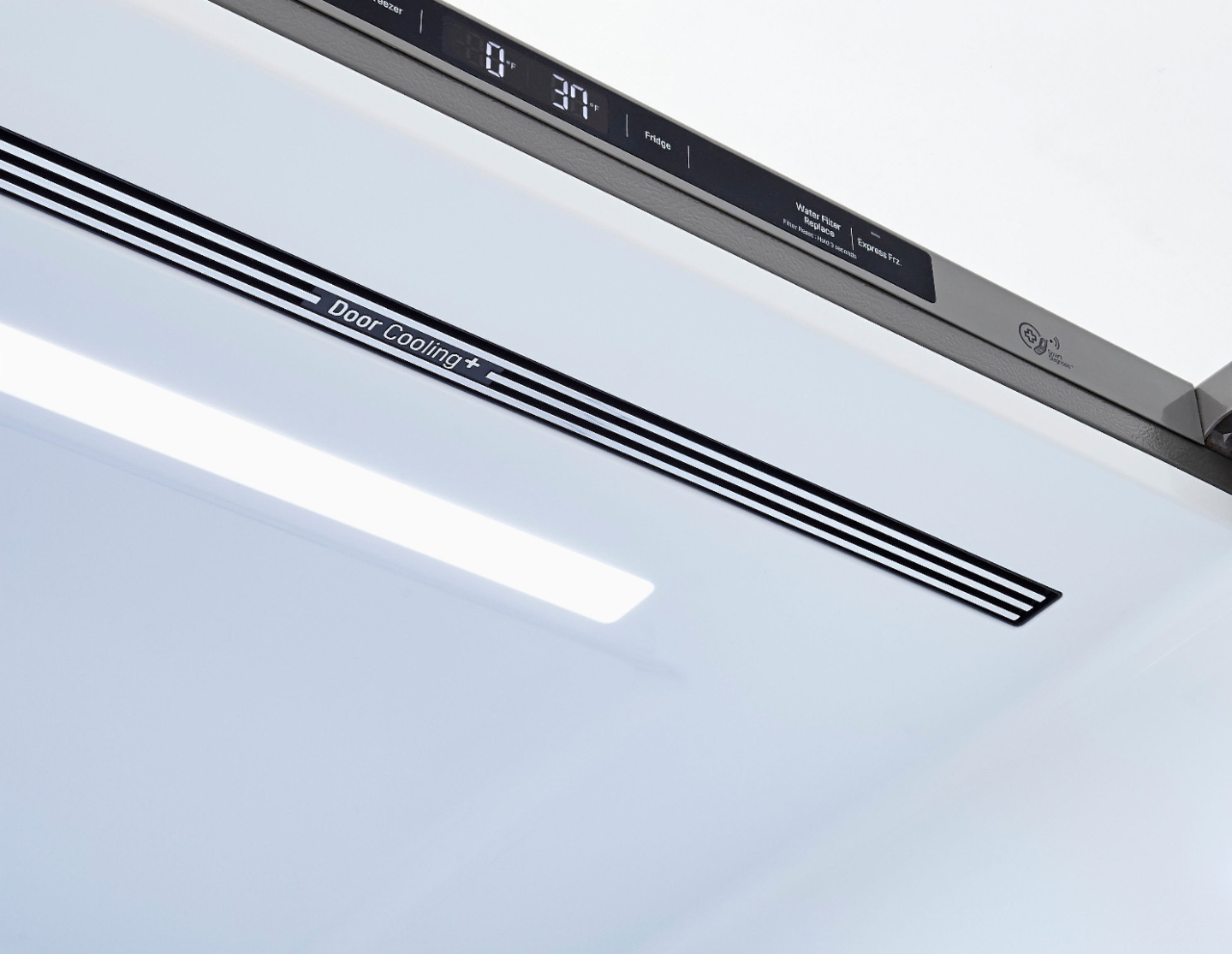
A:Answer. Press the Freezer button repeatedly to select a new set temperature from 5°F to -7°F. For further assistance, please reach out to our support team via private message on Facebook @LGUSSupport and use #VOC in your first message to our social media support team or call at 800-243-0000. ^Daphane
A:AnswerInstall this appliance in an area where the temperature is between 55°F and 110°F. If the temperature around the appliance is too low or high, cooling ability may be adversely affected. ^Daphane
A:AnswerThank you for your interest in LG. We work continuously to improve the quality of our products and anticipate market demands that drive customer satisfaction. Our units are backed by a Manufacturer’s Limited Warranty with a period of 1 year coverage from the date of original retail purchase on parts and labor (Internal/functional parts only) and an extended coverage on the Sealed System: 5 years parts & labor (Condenser, Dryer, Connecting Tube and Evaporator), the Compressor: 5 years parts & labor and the Linear/Inverter Compressor: 6-10 years parts only. ^Daphane
A:AnswerPlease see the link to browse available option. You can filter results based on your specific needs, https://www.lg.com/us/french-door-refrigerators. ^Daphane
A:AnswerDuring the defrost cycle, condensate is directed to a pan from which it evaporates. Check for things like the drain hole being plugged or iced over, or the drain tube being disloged.
A:AnswerHi there. Thanks for reaching out Dee. Some times the plastic cover on the lamp (tends to become hard and opaque sometimes) or in the lamp socket (oxidation). `Jai.
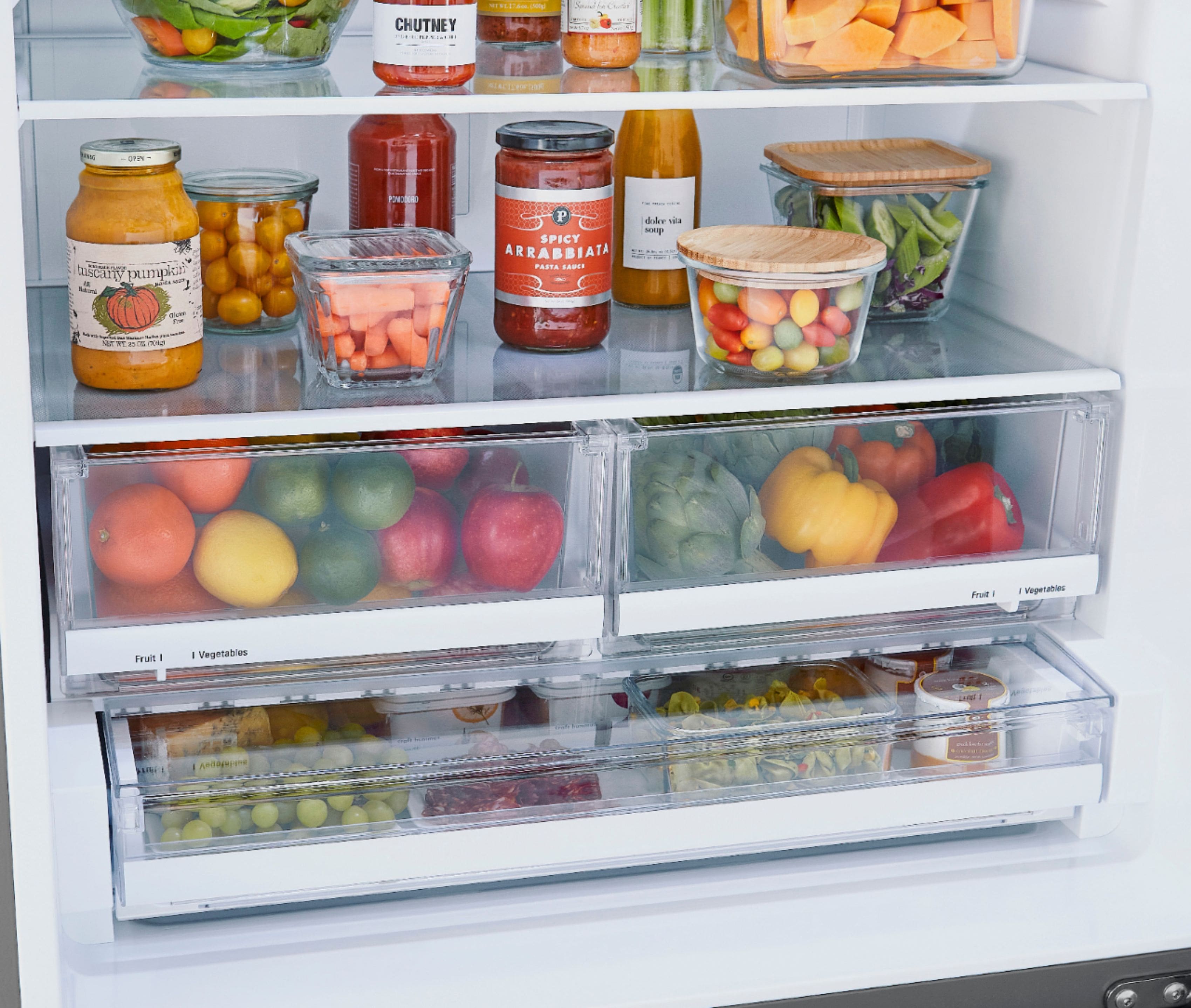
A:AnswerHi, There. Sagging of the crisper drawers is not common but not impossible to happen. Sagging may be a cause of excess weight that has been stored in the drawer. ^James.
A:AnswerHi, please change the temperature to a cooler temperature and allow about 24 hours for the fridge to reach the desired temperature. Should the fridge not be cool enough then, please reach out to us! For our contact options, please see the following link: https://www.lg.com/us/support/contact. ^Chris
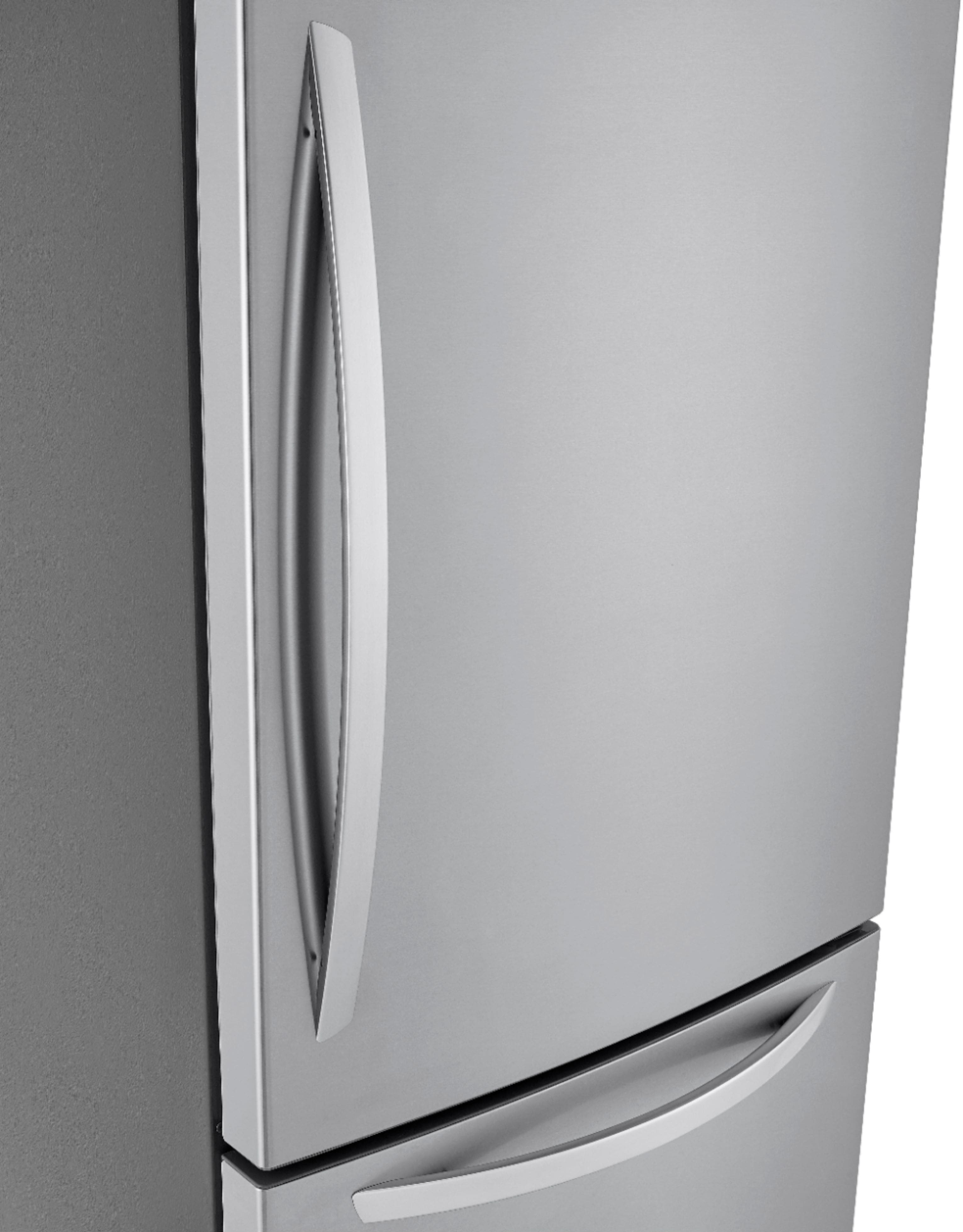
A:AnswerHi Amy.Please accept our sincerest apologies about the issues that you are experiencing with the door not sealing and popping open on your LG 25.5 Cu. Ft. Bottom-Freezer Refrigerator with Ice Maker - Stainless steel, Model # LRDCS2603S. If you have a refrigerator door that is opening on its own, then there are really only two potential issues. Sometimes you may have both issues at the same time, while other times only one may be the cause. When your refrigerator door opens by itself, the two main causes are a faulty door gasket or your refrigerator is off-level. If is off-level, you may just need to level the refrigerator properly. Sometimes when a door won't close or seems to pop open on its own, the problem is a dirty seal. In a bowl, mix warm water with a drop of dishwashing liquid. Dip an old toothbrush into the mixture and use it to scrub the gasket. Be sure to get the grime on every side of the seal.
Alternatively, your refrigerator doesn’t need to be sloping for the seal to fail. The door gasket, or the plastic seal around the outer edge, helps keep cold air in and warm air out. Yet, if this plastic is old, dirty, or otherwise damaged, then a tight seal will be unable to form. While a sloping refrigerator will cause the seal to fail. If it isn’t forming properly in the first place, even a level refrigerator door can swing open with just the lightest breeze. This is why sometimes these issues work together to cause the problem, and sometimes it is just one...^Ivan