A:AnswerAll reputable speaker manufacturers rate the 'sensitivity' of their speakers by driving it with ONE WATT of white noise and then using a calibrated microphone/sound level meter, measure the sound pressure level (in dB) at a distance of 1 meter (about 3 feet). So the higher the dB level, the more efficiently the speaker converts electrical energy into sound energy. Most reputable speaker manufacturers products fall within the range of 80 dB to over 90 db of sound pressure level, at a distance of 1 meter when driven with only ONE WATT of power.
I would suggest researching your particular model of speakers and see how loud it plays with only the 1 watt of power used to conduct this Sound Pressure Level efficiency test method.
A:AnswerI notice that you stated that your speakers have a MAX power rating of 190 Watts (I would be very doubtful if they would survive that kind of power for very long). But any reputable speaker manufacturer will list the speaker's "Sensitivity" in dBs when driven with only ONE WATT of power. This measurement is expressing how efficient the speaker can convert electrical energy into sound energy. So if your speakers were on the low end of the spectrum converting 1 watt electrical into 80 dB of sound pressure energy at a distance of one meter, that would be loud enough to play music at a modest level in most residential environments. The higher the 'Sensitivity' (typically around 90 dB or more) the louder that speaker will sound for the same ONE WATT of input electrical energy.
A:AnswerIt will work with the amps and have enough power to drive all 8 speakers. Although for a very little $ you can get in the same brand a more specific model to help separate the different zones in the household.
A:AnswerWell, if it is a newer Samsung 'Smart TV' than it is most likely equipped with 2 different audio outputs. One being an analog mini jack that can easily be mistaken for a square fiber optic output plug but has a small hole input in the middle of it. The other input being the actual digital coaxial output which requires a fiber optics cable (about 8 to 13 dollars) that runs to a receiver with a digitally compatible input. Finding that the analog route is the cheapest and best way to go if you don't already have an amplifier with the digital coaxial input.
Note: You may also find that the even newer smart tvs are equipped with a conventional RCA A/V output instead of the mini jack.
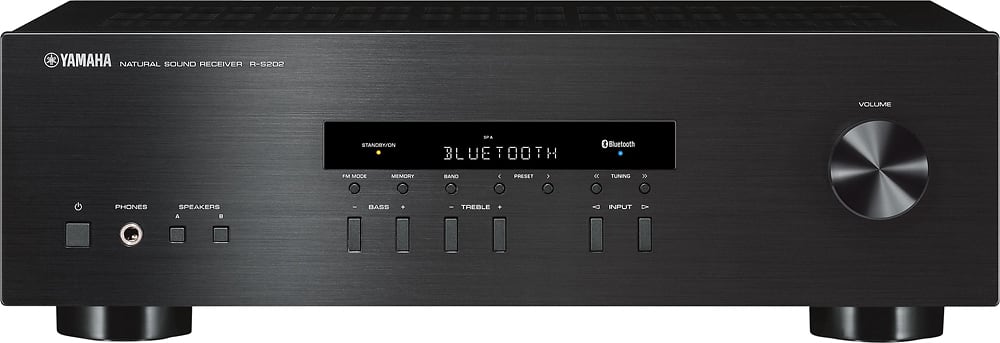
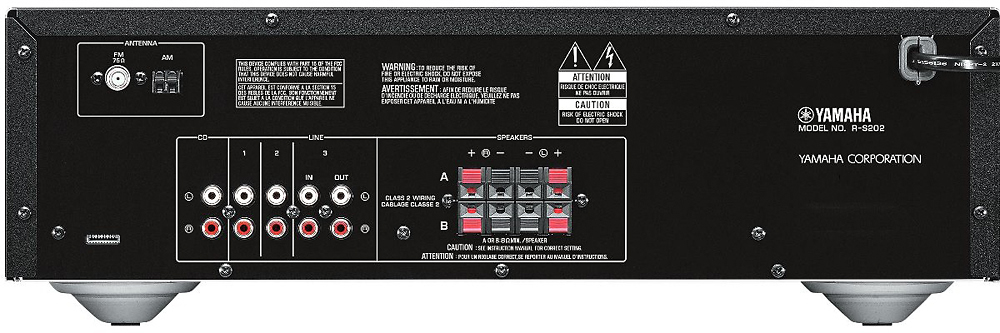
A:AnswerAfter your turntable's built in preamp properly equalizes and boosts the signal level coming from the tonearm's cartridge, then it is considered a 'Line Level" signal. At this point you can connect to any one of the LINE 1 through LINE 3 input RCA Jacks. They are all electrically identical, but offer the possibility of connecting up to three external playback devices (i.e. amplifier turntable, CD changer, headphone output of an MP3 player or smartphone, etc.).
A:AnswerThis is a cheap amplifier so YOU NEVER HOOK UP MULTIPLE SPEAKERS since its not very stable. When you place 2-8 ohm speakers in PARALLEL they combine to 4 ohms which will easily fry a cheaper amplifier like this unless Maybe you play it very low.
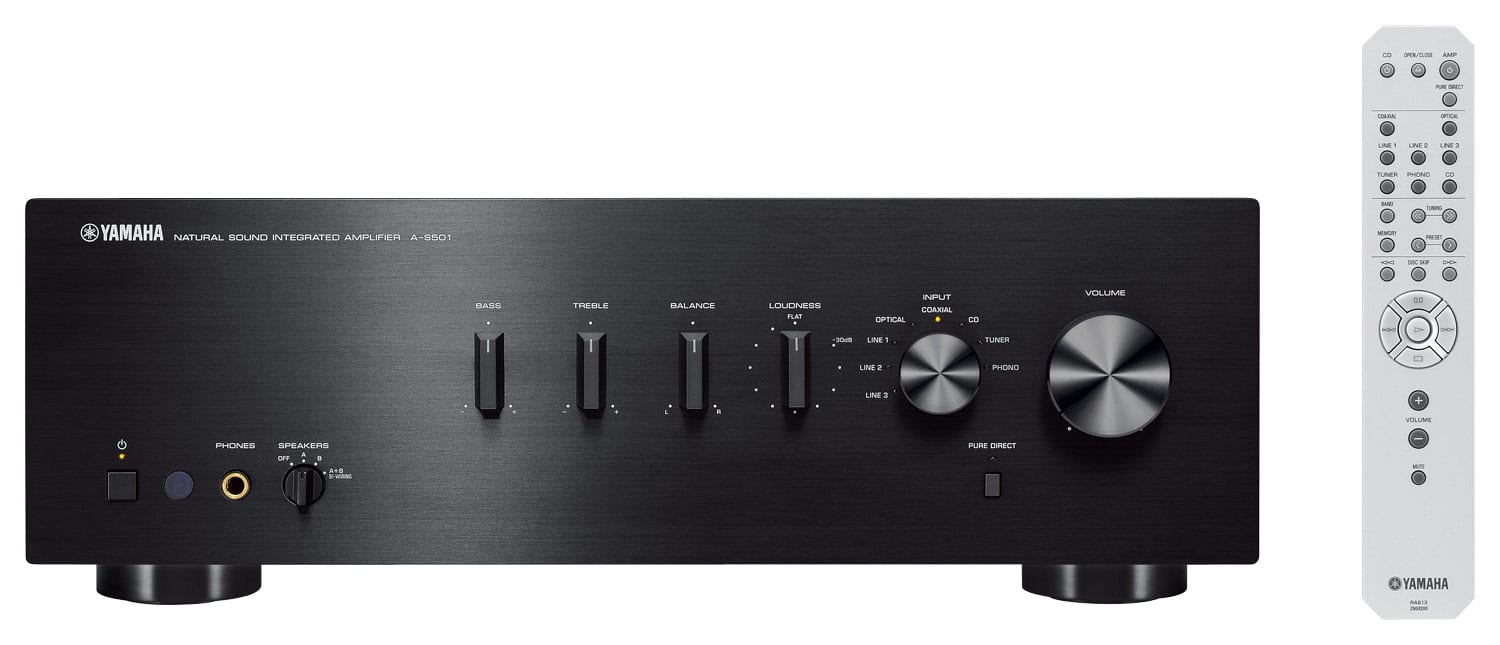
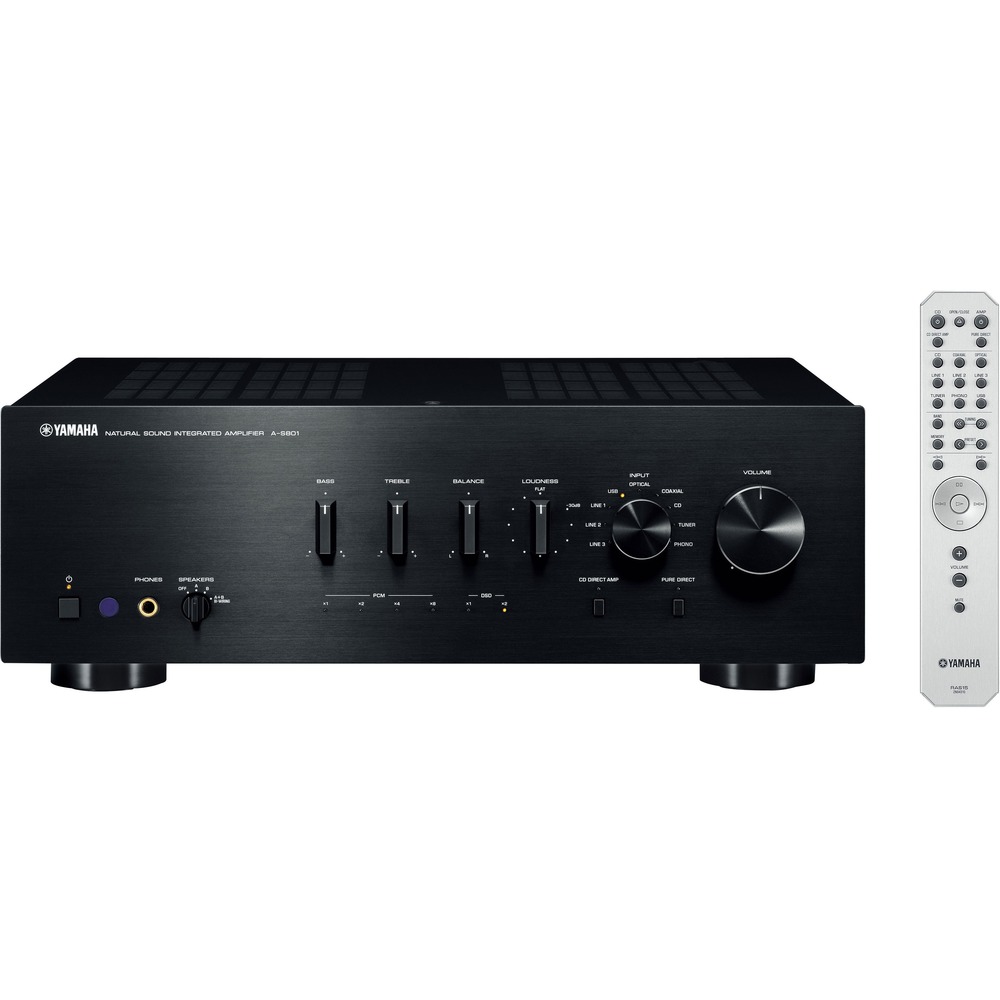
The alternative is to RUN THEM IN SERIES which doubles the ohm load to 16 ohms but halves the power of the Amplifier which is the safest way. The 501 & 801 below incorporate a switch for low ohm loads which saves the circuitry.
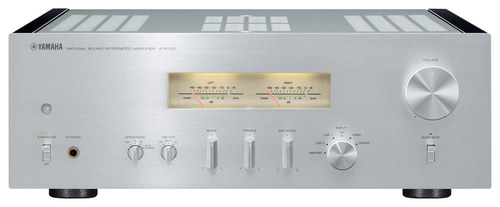
This is why we pay almost $2500 for the same Watts in a better amp (AS-1100) because its built to withstand years of over driving at 4 ohm loads. This amplifier won't last anywhere near as long as a better one or sound as good either especially with Excellent speakers.
Spend the extra cash always.
A:AnswerYes. Some Yamaha receivers come with a selector switch on the back under the power cord to allow you to choose the power service that is available in your area. Make sure it is set for the correct public utility service line voltage - 115 to 120 vac in the US, and 220 to 230 vac in some other locations. Don't get this wrong. If you are outside the US, check your local public utility before changing this switch.