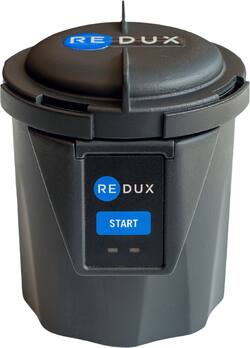
Redux - Professional Grade Home Hearing Aid Dryer - Black
- Key Specs
- Color: Black
- General
- Brand: Redux
- Model Number: 900-HM11-0-BK-EN-NA
- Product Name: Professional Grade Home Hearing Aid Dryer
- Color: Black
- Features
- Product Type: Ear dryer, Ear dryer
- Warranty
- Warranty - Parts: The Limited Warranty provided by Revive Electronics, LLC (“Revive”) warrants that new REDUX products sold to be free from defects in material for a period of ONE (1) YEARS from the date of original purchase (“Warranty Period”)
- Warranty - Labor: The Limited Warranty provided by Revive Electronics, LLC (“Revive”) warrants that new REDUX products sold to be free from defects in workmanship for a period of ONE (1) YEARS from the date of original purchase (“Warranty Period”)
- Other
- UPC: 850046449000
Moisture presence is inevitable in your hearing devices. This is proven to impact the sound quality and word understanding for those impacted with hearing loss. Moisture is also the #1 reason hearing devices need repair. Redux is a science based complete moisture removal system, backed by 70 patents and used by thousands of Hearing Care Professionals worldwide. Redux Home brings professional-grade drying to your home, so you can be most proactive in maintaining your devices' performance and longevity. Whether you just bought your first devices or have used them for years; hear how Redux makes your hearing devices sound brand new by purchasing today!
- Complete Moisture Removal: Redux Home utilizes advanced humidity sensors to effectively remove all moisture from your hearing aids, ensuring optimal performance for longer.
- Quick Drying Time: With an average dry time of just two hours and a drying frequency of 1-2x monthly, Redux Home offers a fast and convenient solution to keep your hearing aids dry and ready for use when you need them.
- Safe for All Devices: Designed for all types of hearing aids and batteries, Redux Home provides a safe, patented drying process that won't damage your valuable devices.
- Easy-to-Use at Home: Place your hearing aids inside Redux Home, close the lid, and press start. Redux Home takes care of the rest, removing all moisture. This is perfect for those who want to maintain their hearing aids' performance at home.
- No Desiccant Refills Required: Redux Home's one-time cost eliminates the need for additional equipment and fees, providing a hassle-free and cost-effective solution for maintaining your hearing aids.
- No special cleaning devices required: Redux recommendation for the best way to remove wax and clean your hearing devices is to simply wipe them periodically with a soft cloth moistened with isopropyl alcohol.
- Complete Moisture Removal: Redux Home utilizes advanced humidity sensors to effectively remove all moisture from your hearing aids, ensuring optimal performance for longer.
- Quick Drying Time: With an average dry time of just two hours and a drying frequency of 1-2x monthly, Redux Home offers a fast and convenient solution to keep your hearing aids dry and ready for use when you need them.
- Safe for All Devices: Designed for all types of hearing aids and batteries, Redux Home provides a safe, patented drying process that won't damage your valuable devices.
- Easy-to-Use at Home: Place your hearing aids inside Redux Home, close the lid, and press start. Redux Home takes care of the rest, removing all moisture. This is perfect for those who want to maintain their hearing aids' performance at home.
- No Desiccant Refills Required: Redux Home's one-time cost eliminates the need for additional equipment and fees, providing a hassle-free and cost-effective solution for maintaining your hearing aids.
- No special cleaning devices required: Redux recommendation for the best way to remove wax and clean your hearing devices is to simply wipe them periodically with a soft cloth moistened with isopropyl alcohol.
Whats Included
- Redux Home Hearing Aid Dryer
- AC Adaptor
- Users Guide
- Redux Home Hearing Aid Dryer
- AC Adaptor
- Users Guide
Product Manuals
Q: Does it show how much moisture was removed
A: No, Redux Home does not report out moisture removed data. The Redux Pro and Redux Pro Link report out moisture removed data.
Reviews
People also viewed
- $19.99The price was $23.99





Today's top picks
- $19.99The price was $23.99