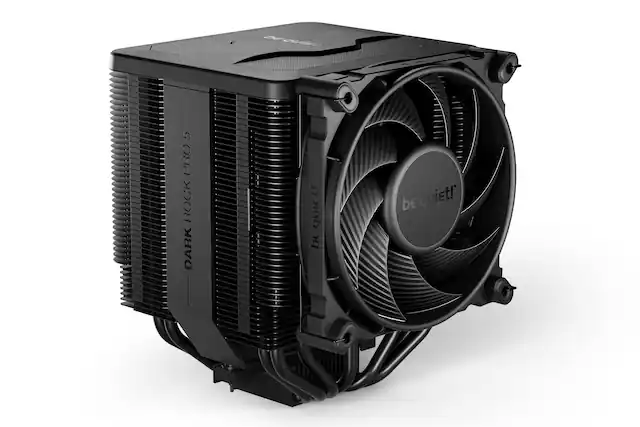
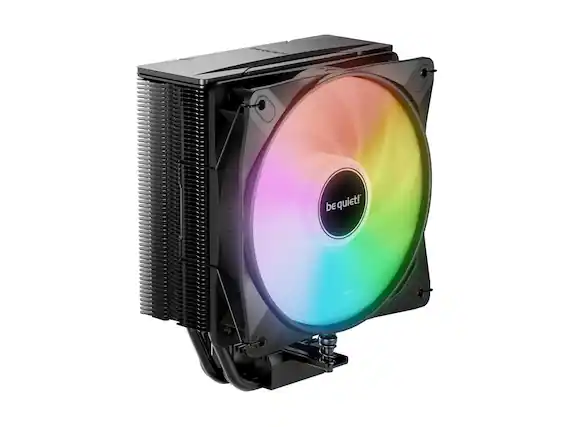
CPU heatsinks are made using different metals and designs. For instance, one popular heatsink design, called the fin heatsink, increases surface area with thin parallel panels (or fins) to dispel more heat without increasing the heatsink footprint. In terms of material, copper can hold more heat than aluminum can, but copper is also more expensive. In terms of style, you might enjoy a CPU fan and heatsink with RGB lighting if you are building a gaming PC.
A larger CPU cooling fan and heatsink can generally take in more heat (though surface area is what matters most) and dispel it more effectively. With any CPU fan and heatsink, however, you need to ensure that you have the space to install the parts. So, make sure you know what you’re looking for, size-wise. Finally, for the greatest cooling effect even in warm temps, consider a high end liquid-based cooling system. Both air coolers and liquid coolers have pros and cons. So, weigh your options.