Customer Ratings & Reviews
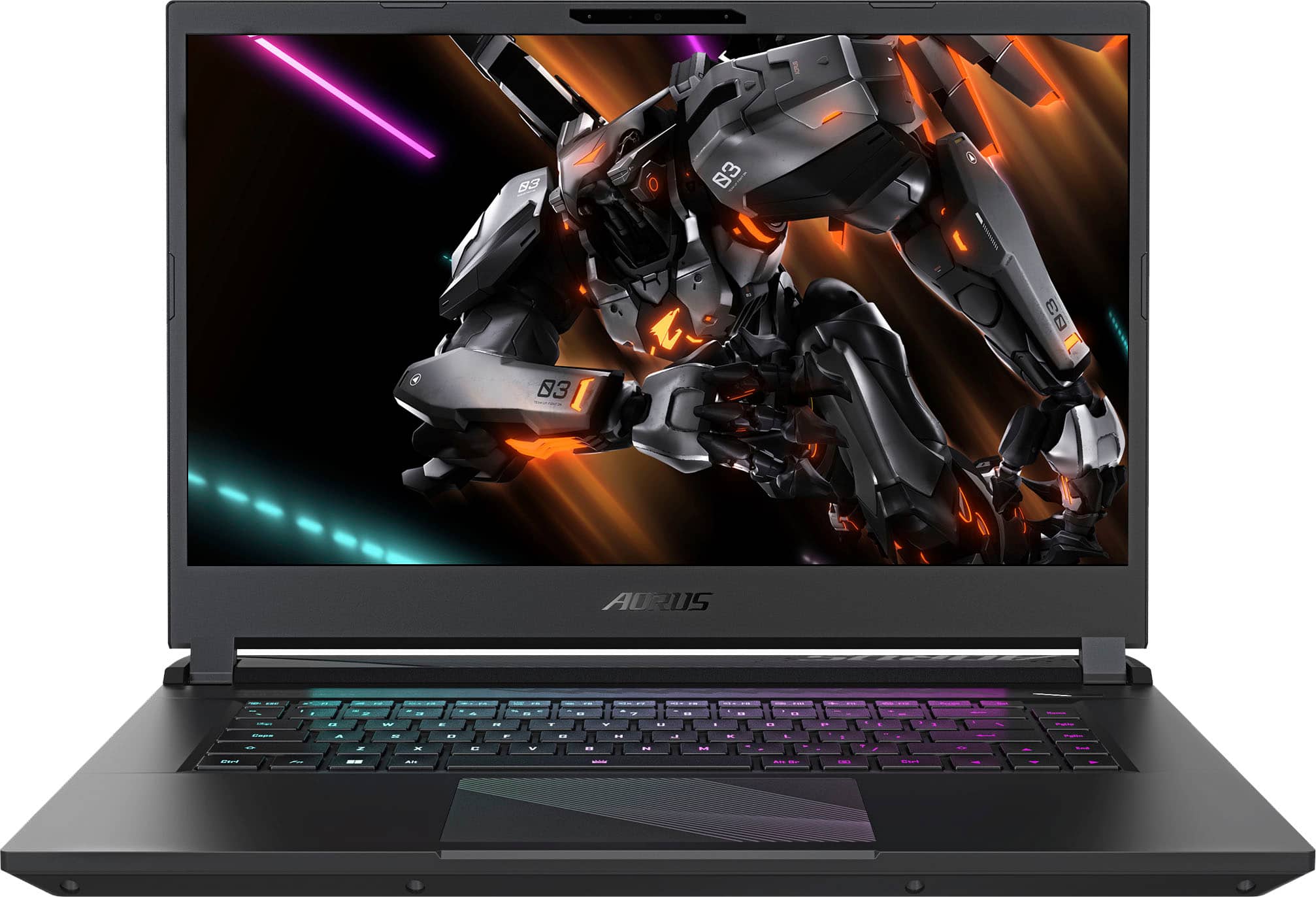
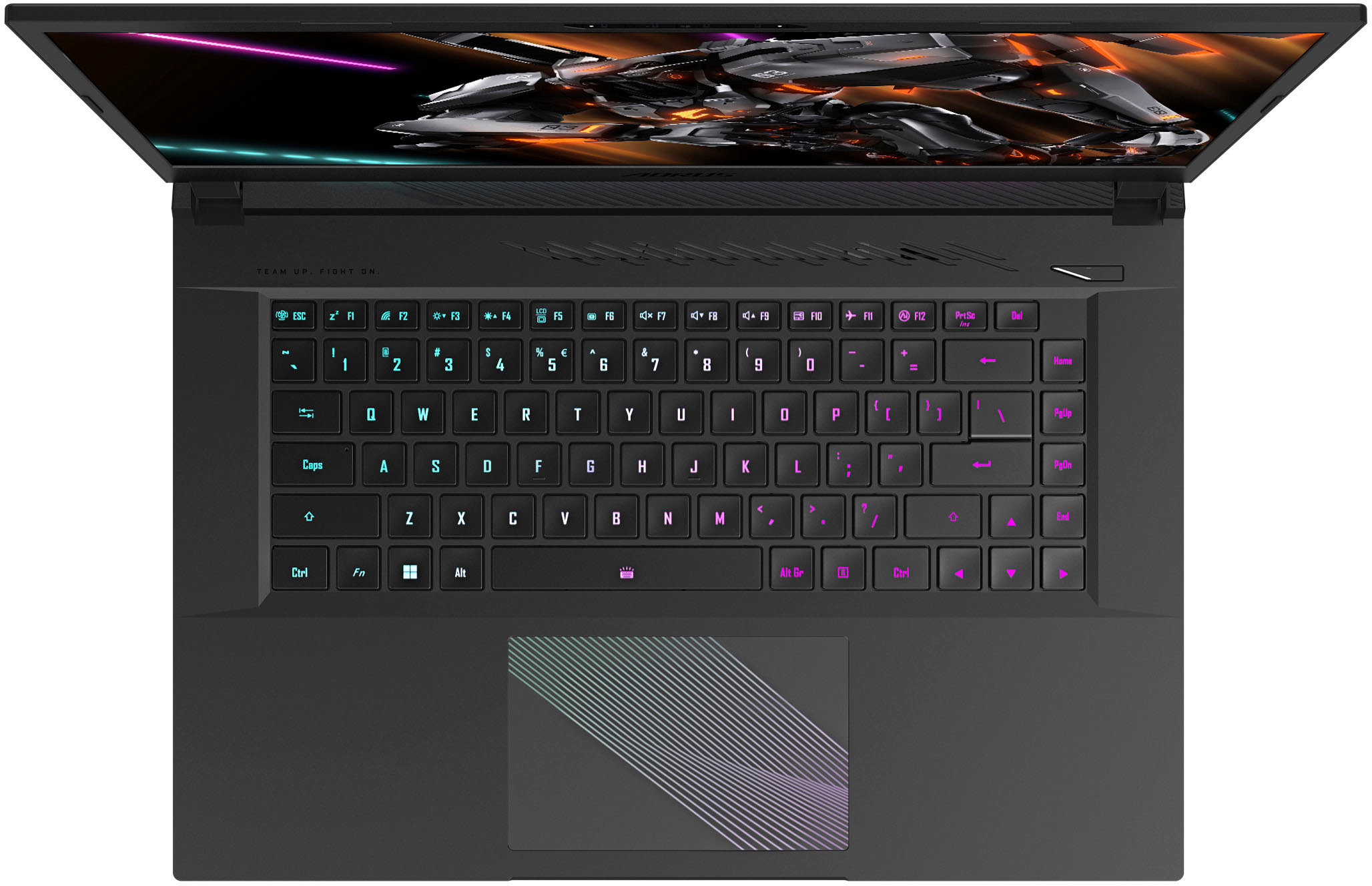
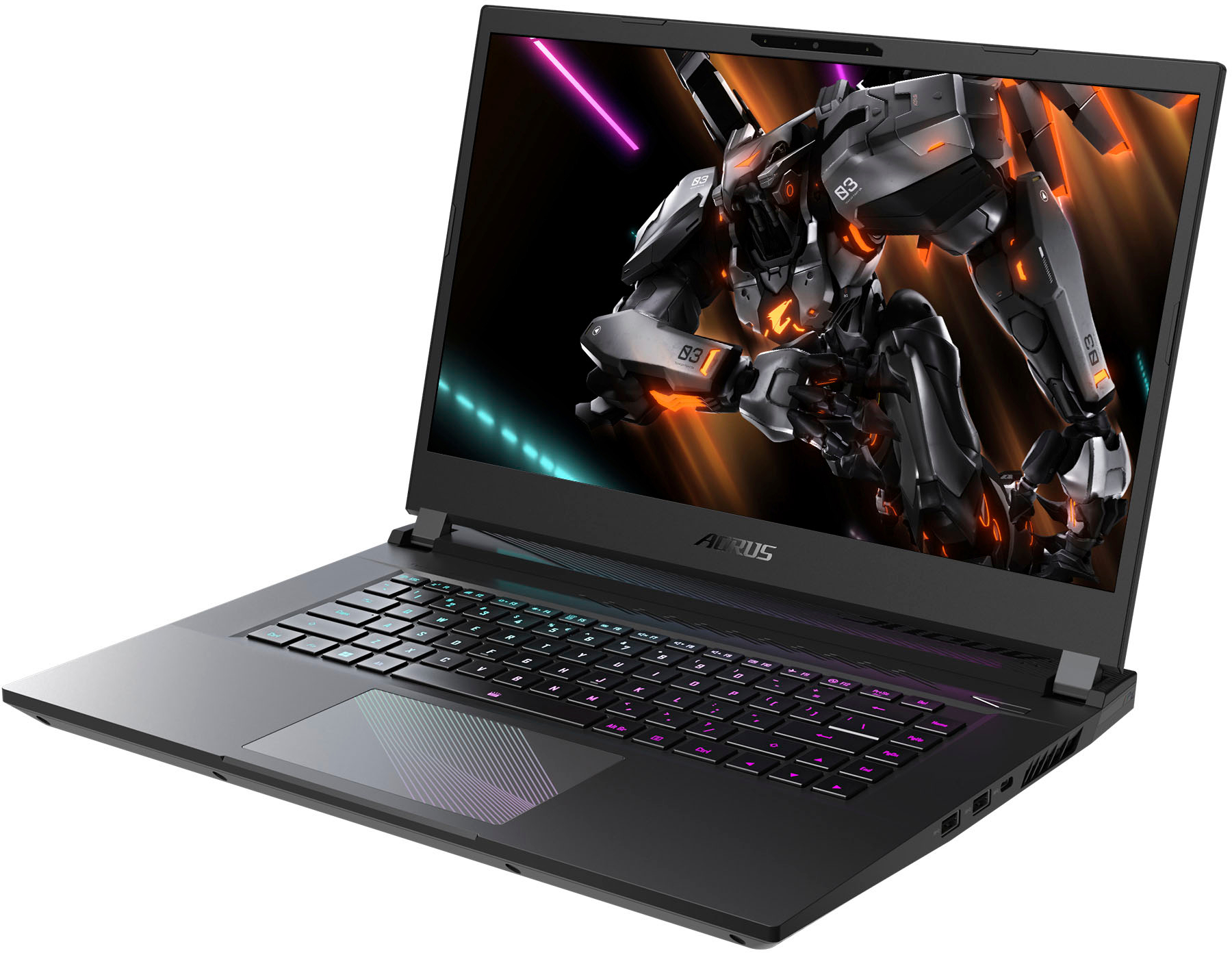
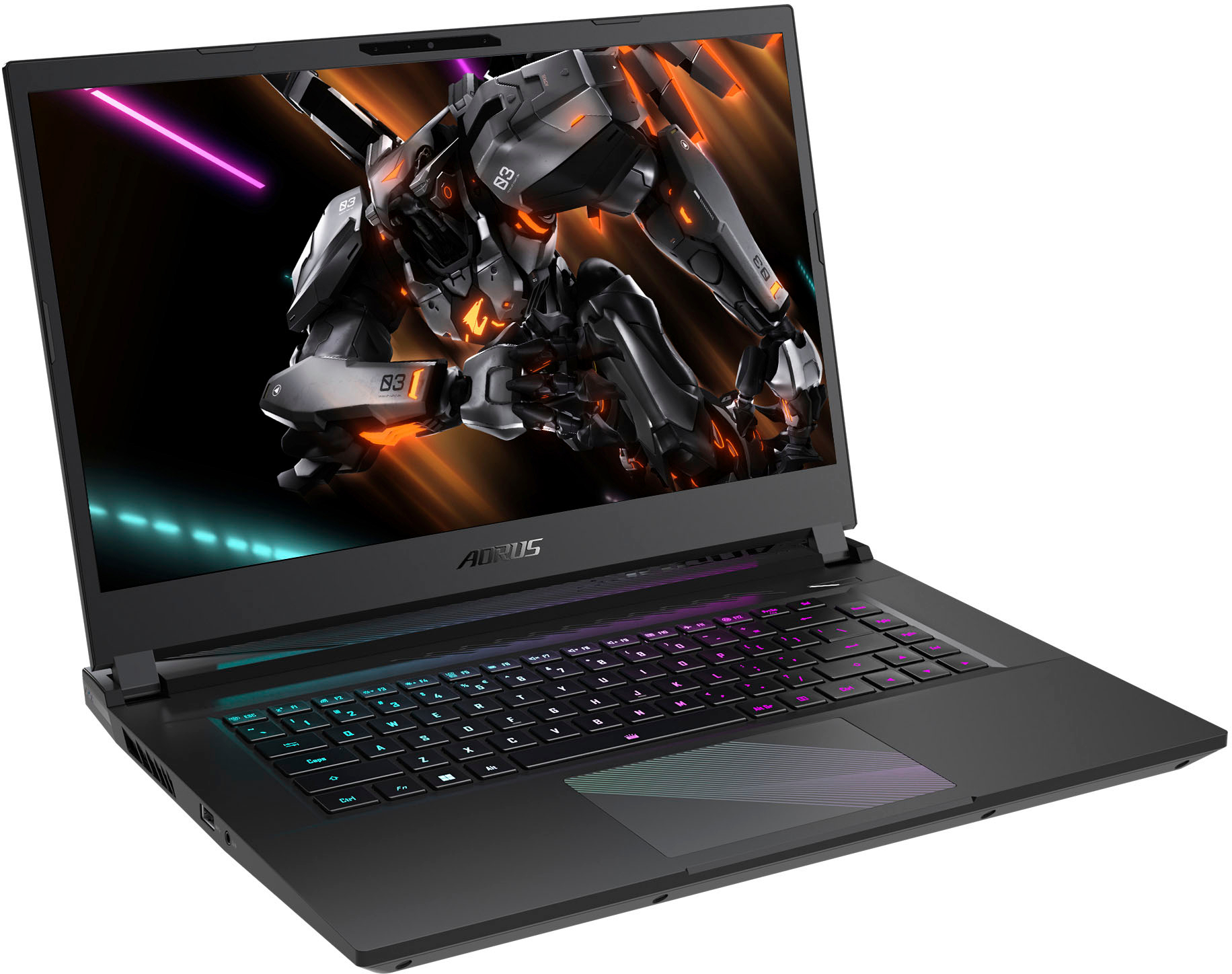








- Model:
- AORUS 15 BMF-52US383SH
- SKU:
- 6534579
Rating by feature
- Battery Life
Rating 4.3 out of 5 stars
- Speed
Rating 4.5 out of 5 stars
- Display
Rating 4.6 out of 5 stars
Customers are saying
Customers recognize the AORUS 15.6" gaming laptop's strong performance and upgradable RAM as significant advantages, along with its good graphics and generally solid build quality. However, some users point to the noticeable fan noise and relatively short battery life as drawbacks. Concerns were also raised regarding the laptop's boot times and its weight.
This summary was generated by AI based on customer reviews.
- Pros mentioned:Ram

The Latest But Not the Greatest
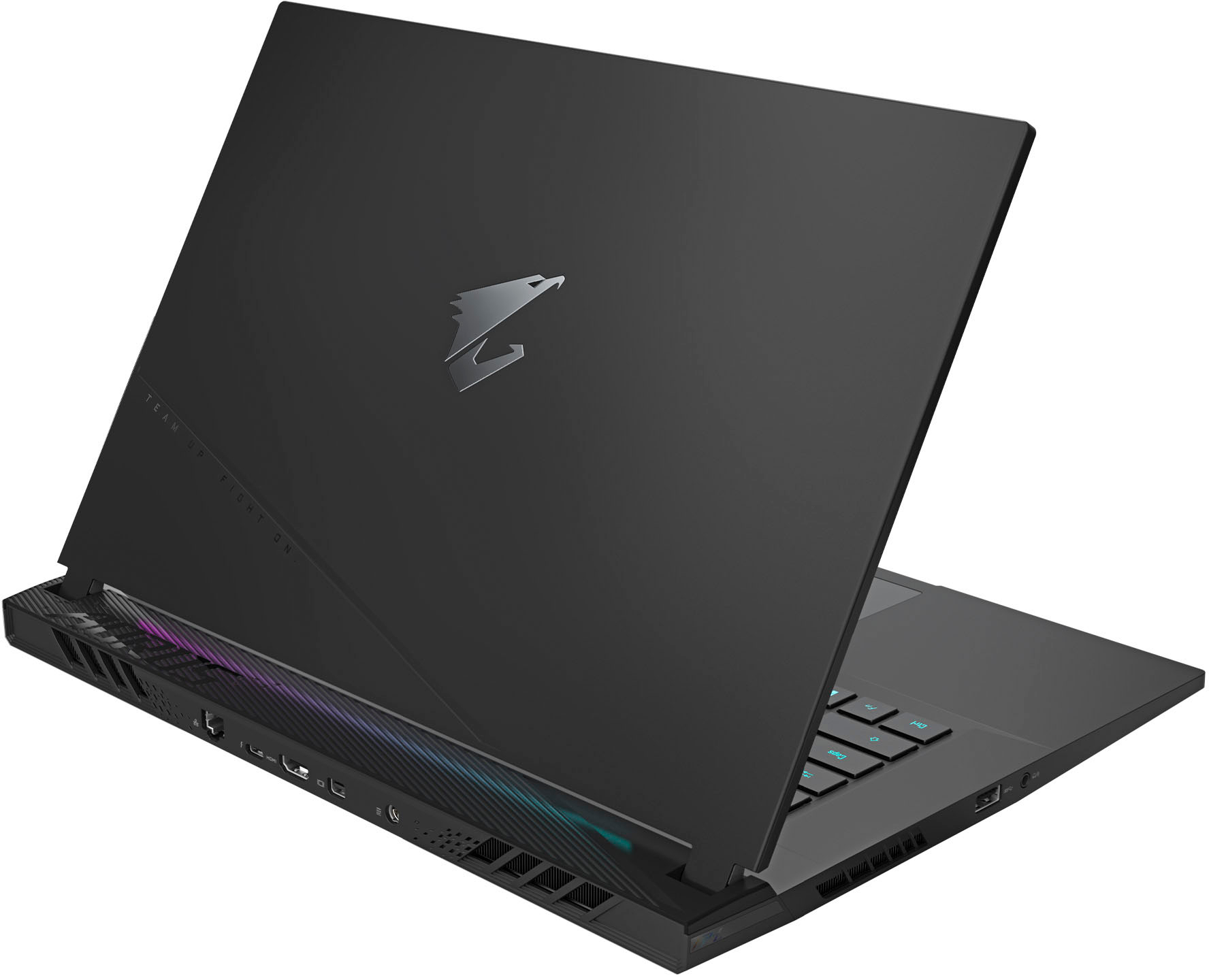
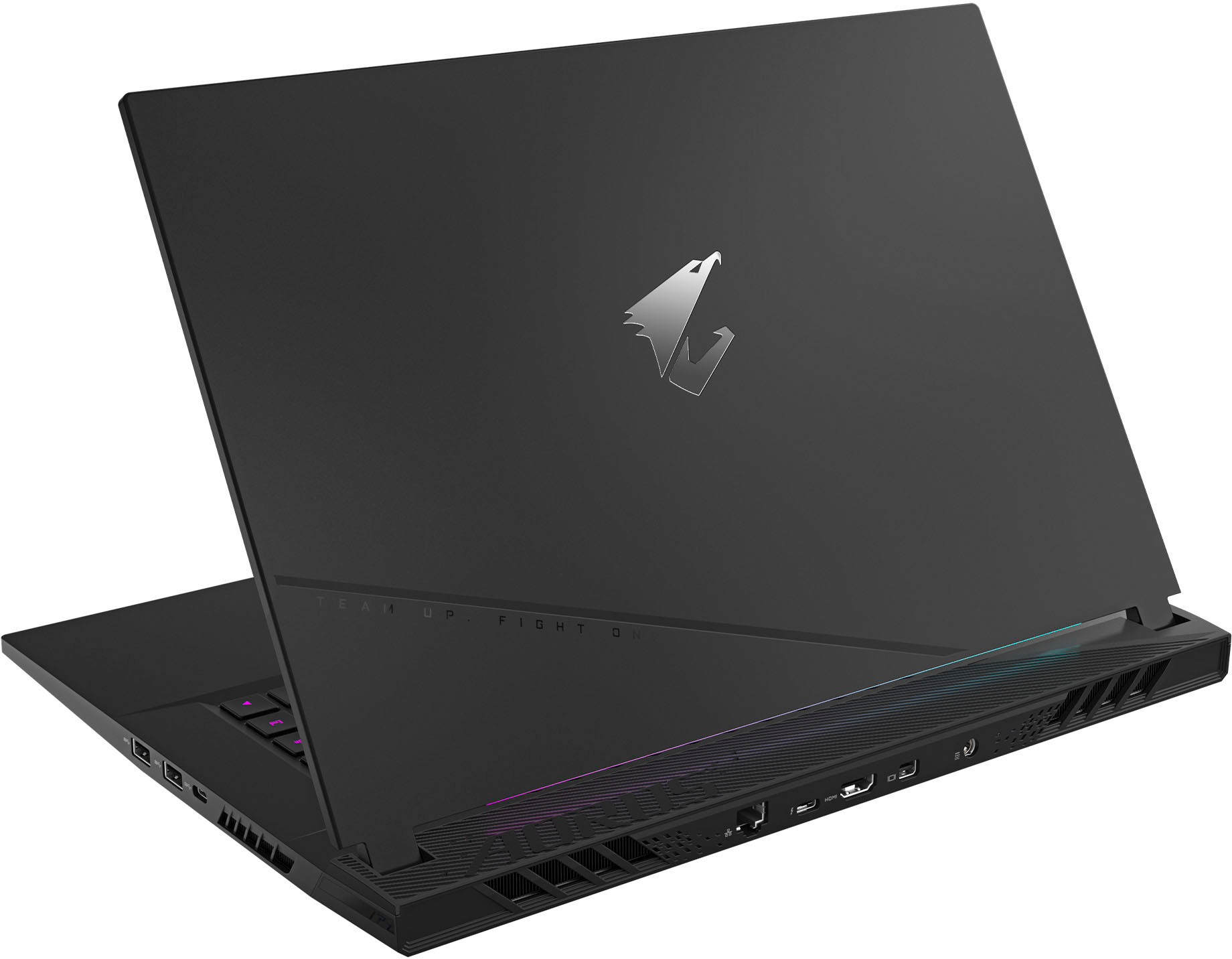
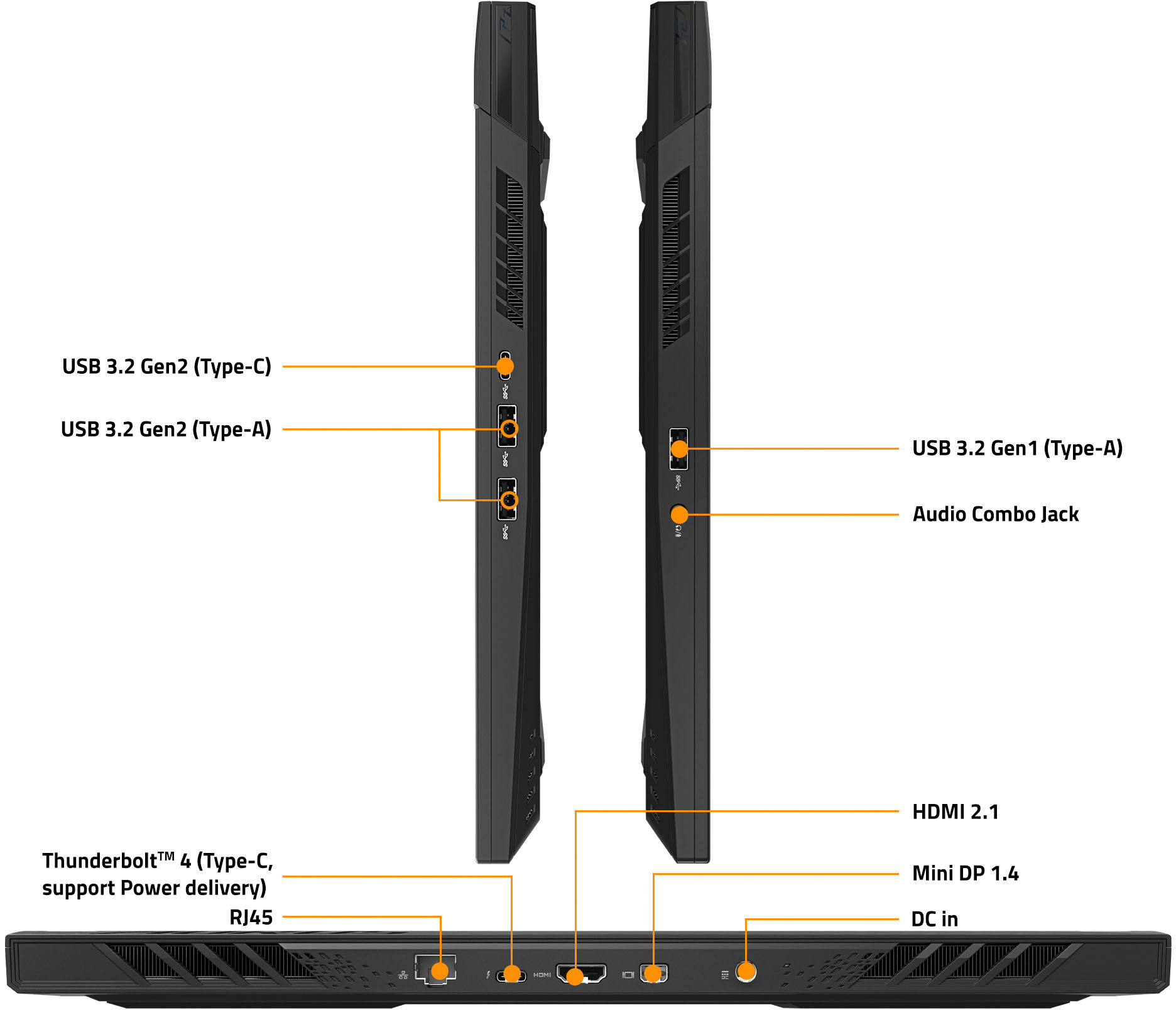
|Posted .This reviewer received promo considerations or sweepstakes entry for writing a review.The Gigabyte AORUS is a gorgeous laptop with a glaring problem: not enough RAM. Over the years, software has become more demanding and hardware has to work to keep up. The lack of System RAM in this device gives an incomplete gaming experience. [PROS] The laptop showcases a simple yet sleek design. I really love the engraved emblem and subtle inclusion of other colors within the trackpad and keyboard. All of the components inside this laptop are of the newest generation which is a huge win for the consumer. The SSD is PCIe Gen 4 (both NVMe slots), the RAM is DDR5, the Thunderbolt port is Gen 4, the CPU is Intel's 13th generation processor, and the GPU is a 40 Series card. With this construction, no performance is left on the table Another highlight is that the 144hz panel and 4050 GPU pair well for 1080p gaming. The display is perfect for eSports and other competitive multiplayer games while being on the go. The fan noise level can be high, but thermals are awesome for a slim gaming device I've dealt with laptops being hot to the touch during gameplay, but the cooling system of this computer is very effective. This PC also contains a diverse and healthy amount of ports for connection. I'm used to gaming laptops only containing 1 USB C port, but this device contains 2 making it versatile for different types of equipment needing to be plugged in. [MIXED BAG] One of the highlights for this laptop is also one of its biggest drawback which is storage. Can you add another SSD? Yes. As a matter of fact, you can upgrade the primary drive and/or add a secondary NVMe SSD. Both will be PCIe Gen 4 ensuring that you get the latest speeds. Will you need to add or upgrade the storage? It very likely. The reason being is that mainstream titles are ever increasing in size. Here a few examples: God of War (64GB), Horizon Zero Dawn (72GB), Far Cry 6 (60GB), and Forza Horizon 5 (132GB) are fan favorites. If you plan on playing these types of games then that leaves you with enough room for two more 60GB titles (a total of 6 installed games) because only 454GB of that 512GB drive is usable. If you only prefer games like Fortnite (27GB), Apex Legends (38GB), or content from smaller Indie developers then there's nothing to worry about. [CONS] I dealt with a number of crashes from the lack of system memory (RAM) as opposed to video memory (GPU VRAM). After porting my library over into the new PC, I was able to get a number of titles running, but I noticed that a few of them were crashing after 5-10 minutes of gameplay such as Forza Horizon 5 and Spiderman Remastered. For the record, this laptop doesn't meet the recommended requirements specified for these games, but it does meet the minimum. Graphically impressive, popular games seemed to be very problematic unless I used a medium preset at 1080p, and obviously without ray tracing. I was able isolate the issue after noticing that the PC was using 6.1 out of 7.7 (Usable) GB of RAM from me only being in the menu of FH5. When no other applications were open, the system averaged 3.9 to 4.1GBs of RAM used. This clearly lets me know that the system needs a bit more muscle to manage a healthy gaming workload. Another quirk was that the laptop was very slow to setup. Every computer upon initial setup will need to download and install crucial updates which is normal. With a Gigabit wired internet connection, the update took over an hour to complete. Furthermore, I also had to deal with the Gigabyte Control Center closing constantly forcing me to restart updates. [CONCLUSION] The Gigabyte AORUS is an entry level laptop for this generation that will require upgrades to reach its full potential. Because it only contains 8GB of RAM, it will require an additional purchase. Upgrading RAM is a very easy task, but the person buying an entry level gaming laptop/desktop may not be comfortable enough (or desire) to do so. On the other hand, if you don't upgrade the RAM then it is highly unlikely to do other tasks while gaming such as streaming, chatting, or etc. due to system resource limitations. In recent times, GPUs with 8GB of VRAM are starting to be concerning, but the 6GB of VRAM found within the 4050 should be still adequate for 1080p. I look forward to what the laptop can be, I just can't full enjoy it because of what it is right now.
No, I would not recommend this to a friend - Pros mentioned:RamCons mentioned:Boot time
Frustratingly Slow For So Much Potential
|Posted .This reviewer received promo considerations or sweepstakes entry for writing a review.KEY FEATURES nVidia GTX 4050 Graphics Card with 6GB Dedicated VRAM Display capable of 100% DCI-P3 Color Range Intel Core i5-13500H – 12 Cores / 16 Threads DDR5 Memory Support Upgradeable to 64GB RAM and Larger NVMe SSD’s INITIAL SET-UP AND CONFIGURATION The Aorus 15 ships with the latest edition of Windows 11 Home, 64-bit. Windows set-up and initial configuration proved trouble-free with all initial necessary drivers included. This is not a totally clean install of Windows 11, as Gigabyte throws in their share of software, they believe to be a value add. Among the included software is their Gigabyte Control Center and Realtek Dragon Network monitoring tool. The Gigabyte Control Center is supposed to be your one-stop shop for customizing the laptop and for driver updates, while the Realtek Dragon software monitors your network throughput and allows you to prioritize traffic and applications if you so choose. All was going well as Windows Update ran and updated 11 as well as found any additional driver updates that occurred since manufacture and shipping. Once all was updated, I started the Gigabyte Control Center to check for any pending Bios and/or Firmware updates. The program found several updates and that is when things took a turn for the worse. While this was a VERY time-consuming process, most went without fuss (although the length of time required to make some updates was quite worrisome), some did not. A keyboard firmware update downloaded and installed, immediately bricking my RGB lighting and keyboard. The trackpad worked and a USB mouse worked, but all the RGB lighting and keyboard were dead. This lasted quite some time. Had I not had an extra USB keyboard, I would have been dead in the water. After several restarts and yet another keyboard firmware update, things began to work properly again, but not after close to a half hour of fussing and troubleshooting. USE My go-to program to test CPU power is always Handbrake. Scouring through some old home videos, I found a 21:12 minute video that was recorded in 1080p and weighed in a lofty 8GB. I set up Handbrake to compress the 1080p home video to a much smaller 480p/30fps file. Using only the CPU to render the encode, the new Intel Raptor Lake CPU was able to compress the video in 2 minutes, 47 seconds, averaging 191 fps with an average CPU utilization of 40%. As a comparison, I took the same video file and performed the same compression on a 2022 gaming laptop. This laptop sports a Ryzen 7 5800X processor that has 8 physical cores and 16 threads. The Aorus’ competitor was able to match the average framerate and completed the file compression in 2 minutes and 45 seconds. Within the margin of error. What wasn’t in the margin of error, was the CPU utilization. While the Aorus kept its cool, barely breaking a sweat at 40% utilization, the Ryzen 7 used all 100% of its available resources to complete the task with the cooling fans at a much less tolerable sound level. GAMING Gigabyte bills this laptop as a gaming system and in theory, it is. It has the power potential to play nearly anything and everything that is out today. However, that low amount of RAM kills the overall performance. Even so, it wasn’t a total wash. Call of Duty Modern Warfare 2 played excellently at high settings. With a GPU utilization of 85% and a RAM utilization at 90%, I was still able to achieve 150fps on High. CoD MW2 looked great and played smoothly, free of any lags or stutters. Next up was Forza Horizon 5. Using the built-in benchmarking software, the game reported back a lackluster 72fps with only 45% GPU utilization. This was all on Low and Medium settings. What? How can that be? This is a GTX 4050. Time to manually tweak settings. I set everything to Ultra, the highest setting allowed in FH5. Manual testing revealed 95% GPU utilization, 90% RAM utilization, and 88fps. AWESOME!! Why didn’t the game pick this to begin with? I left everything as is and went straight to a race. After about 30 seconds into a race, I found out while the system had dialed itself back. Low System Resources. Forza kept producing errors and giving low resources warning. Ultra? Nope. High. Nope. Medium? So-So. Low? Yes. There just isn't enough RAM. I encountered the same issues queuing up Microsoft Flight Simulator too. With 98% GPU utilization, I was able to achieve a best of 60fps with most time spent in the 40’s. There was just not enough overhead to allow the computer for function as it should. CONCLUSIONS For a laptop that has this long of a list of high-end parts, this is the most frustratingly slow laptop I’ve used in quite some time. It honestly feels like a much less powerful machine than it is. Most of this can be blamed on the limited amount of RAM installed in the system. One stick of 8GB DDR5-4800 memory is all that is installed, and it is NOT enough. After all updates and restarts were performed and the machine sitting idle, RAM usage did not drop below 42%, often hovering in the mid to high 70% range. Opening any applications or additional software immediately caused a spike and RAM usage that was not uncommon to be in the 90% range. As it ships from Gigabyte, I can’t give it a recommendation. There is just too much left wanting. The machine is powerhouse and can easily be brought to life, but not without additional hardware, at an additional expense. Most any gamer will find the results garnered from buying the laptop and leaving it as is, as unacceptable. Not only is the laptop crippled by its lack of RAM, it is also frustrating to use on a day-to-day basis. Powering up the laptop from fully off takes what seems like FOREVER. I can power up the Aorus, then power up my Ryzen-based gaming laptop or my other 12th generation i7 based gaming machine and be playing Call of Duty before the Aorus even boots to the Windows login screen. Not sure what Gigabyte has done in the bios, but startup times are unacceptably slow. It is comparable to an old school machine I’ve got a spinning hard drive in. What gives? Not sure. I haven’t been able to figure out a setting to make it boot faster in the bios. Can the laptop be fixed to perform as intended? Yes, it can. But what did it take? For me, it involved purchasing a Predator Gen 4x4 1TB NVMe drive rated at a throughput of 7000MB/s and 32GB of Crucial DDR5-5600 RAM. The extra RAM, working in dual channel configuration, was a game changer for this machine. It was a night and day type of difference. EVERYTHING was much more peppy and snappy feeling. RAM utilization went from highs in the 90’s to highs in the 40’s. It was sorely needed and should be considered an essential change, if not 32GB, then at least increase RAM to 16GB. Not only is the laptop crippled by low amount of RAM, it is also hobbled by the slowest DDR5 RAM available. The i5-13500H is capable of supporting 5200MHz RAM and my addition of 5600MHz DDR5 immediately triggered faster RAM timings and clock speeds in the system bios, matching the 5200MHz spec by Intel. Sadly, even with the additional RAM and much faster SSD, bios boot times failed to improve. The laptop’s potential alone are the only thing earning this a 3 star rating. The addition of extra RAM and a bigger hard drive would encourage me to give a 4 star rating, but that isn’t the point. The fact of the matter is, there are better performing laptops with more accurate displays at this price point. NOT RECOMMENDED.
No, I would not recommend this to a friend - Cons mentioned:Battery life
Will Run Games but Expect Some Limitations
|Posted .This reviewer received promo considerations or sweepstakes entry for writing a review.GIGABYTE’s AORUS FHD gaming laptop sports the common gaming laptop look and feel. Some gaming laptops do go overboard on the looks at times but this one does have a neat lowkey gaming laptop exterior. I do prefer this lowkey look so kudos to GIGABYTE for that. Also, I love the number of ports this laptop has for your different peripherals. At some point I was using a mouse, an external SSD, and a gaming racing wheel! On the other hand, this is a mid-range gaming laptop, so the internals won’t be something to look forward to. The AORUS contains a 13th Generation Intel Core i5, 8GB of RAM, the NVIDIA 4050 graphics card, and a 512GB SSD. As you can see, not the best of parts but I did find that the AORUS will run most games fine if you’re planning to get it for that. More on this later. When first turning on this laptop, the fans did kick up fairly loudly. Bootup is slow as well. Also, Microsoft now requires you to get connected to a network in order to setup the laptop which is disappointing. I first decided to run some benchmarks with this AORUS once booted up. I first wanted to see if the laptop was capable of running some popular games. I headed to canyourunit and found out that the laptop is fully capable of running 99% of popular games with minimum requirements. But the laptop can only run 80% of games with recommended requirements. I also decided to run a PCMark Benchmark test to see how it fares with a variety of tasks that are usually done in the workplace. Some of these things are word processing, photo editing, video conferencing, and 3D rendering. I was able to get a score of 5732 which is decent and 60% better than all of the results but unfortunately, from testing, I found out that “decent” isn’t the correct word to use to for explaining how the laptop fares with daily computing tasks. In reality, the AORUS does tend to struggle with daily tasks. For example, as I am typing this, I am getting a lot of keyboard input lag. A lot of these struggles come down to the limited amount of memory this laptop has. Running Google Chrome and Word alone takes about 85% of RAM. But many will buy this laptop for gaming. One of the games I used to test the AORUS was Forza Horizon 5. I let the game run a benchmark to see what default requirements it would set for me. The game had set everything to low. I knew the AORUS was capable of more and decided to first test out the game on medium settings. As I was gaming, the game was running fine for some time, but I did end up getting a notification for low system memory which was expected. I closed some background apps and then decided to run the game on high settings. To my surprise, the game ran well, I am sure framerate was sacrificed but I still ended up getting the dreaded low system memory notification. Some other notes: -Not a lot of bloatware came preinstalled but some social media apps like TikTok and Instagram were there -RGB and fan control is customizable using Gigabyte’s Control Center(comes preinstalled) -Battery life is lackluster, I was averaging 2-4 hours while gaming, I recommend keeping it plugged in -Additional RAM and storage can be added or upgraded which I highly recommend for better performance -Cooling system a good job at keeping the laptop cool during gaming, I’ve used gaming laptops that get extremely hot, this one gets hot but not as much as some I’ve used before -Built-in speakers are good for the most part but I recommend headphones or external speakers for a more immersive experience -A Wi-Fi 6E AX211 card is installed on the laptop which is one of the better Wi-Fi cards -The 512GB SSD will be filled up quick if you plan to install multiple games, Forza alone is 100GB plus Overall, the AORUS as a standalone gaming laptop tends to perform well. Simply make sure not to have a lot of background apps running or the game will struggle. As a daily computer, I would certainly look somewhere else. Unless you are planning to upgrade parts or add more RAM, the AORUS will struggle with running multiple applications at the same time. I did enjoy the outside minimal aesthetics of this laptop but unfortunately the internals did come short and caused some limitations on what can be done with this computer. Not many will be buying this just to upgrade parts later so therefore, I cannot recommend this for the average person.
No, I would not recommend this to a friend - Cons mentioned:Fan noise
Not good quality, had to RMA
||Posted . Owned for 2 months when reviewed.This reviewer received promo considerations or sweepstakes entry for writing a review.So far it has not been good to me. When playing games, the fan is so loud I cannot hear the speakers at max volume, so headphones are a must. For programming, there is no pause/break button, not even as a Fn key, so I cannot kill a build in Visual Studio. The big killer though is that installing a firmware update - run by gigabyte's management software! - for the lighting effects (keyboard backlight and light bar under the monitor) broke the lighting effects. The keyboard needs the backlight for letters/labels to be seen. Only one third of the keyboard would light up and nothing else. The customization menu for the lights lost all options. I've had to pay money to send it in for an RMA. So far not a quality product, but it's one that I'm stuck with.
No, I would not recommend this to a friend It was alright but not ideal.
||Posted . Owned for 3 weeks when reviewed.This reviewer received promo considerations or sweepstakes entry for writing a review.I only put this pic in average because of the price point. If your looking for quality gaming on the go this would be a fair purchase however if your home a lot your better off getting a PC. The laptop has its pros however it just doesn’t run games like you think it would and it gets hot quickly but as said it really depends on what your looking for and as many people know gaming laptops are notorious for overheating.
No, I would not recommend this to a friendIts ok
||Posted . Owned for 1 month when reviewed.This reviewer received promo considerations or sweepstakes entry for writing a review.Honestly, even with the ram upgrade to 32gb it still wont play some of the higher end games at a normal setting. The 13th gen i5 and 4050 wont work on bigger games. Its almost useless unless you add more ram. It would be good for kids or casual gamers but not if you want mobility to play bigger games like starfield or even cod games unless you want low graphical settings
No, I would not recommend this to a friendLaptop
||Posted . Owned for 2 weeks when reviewed.This reviewer received promo considerations or sweepstakes entry for writing a review.Seemed like it would have been a decent laptop for price, but unfortunately mine did not work when I got it so I had to return it.
I would recommend this to a friend- Pros mentioned:Build quality
starter gamer
|Posted .This reviewer received promo considerations or sweepstakes entry for writing a review.The shipping box arrived on my my door. I was super excited to open the box. For the size, it's not terribly heavy in weight for a gaming machine. The build is sturdy. I like that the display hinge isn't at the back of the frame. It feels stronger this way. I thought the 8GB would make it a bit light on RAM. You can add an additional 8GB if you need to. I think I'll need to. This is not enough RAM to handle most games nowadays. It did make a difference when I was playing games. The sound quality is great for laptop speakers. It's good for streaming video and games, however if you want to listen to music, they may not be the best for that. The 512 SSD is decent unless you play a lot of different games with a heavy footprint. As I'm typing this review, the entire screen flickers. It's not a regular interval and I am not running anything that may tax the resources. I'll be checking for updates again but I ran them right out of the box. The trackpad is tough to left click. Tapping it works fine, but if you are looking for the click and actually clicking the left corner, it's a tough press. Other than gaming, the productivity of the laptop is smooth. The more things open, the more ram you'll need so might want to upgrade before really going crazy on the multitasking. I think it's a decent starter gaming laptop that could have used a few more bells and whistles like more RAM and larger SSD. I hope to get the flicker taken care of with my next round of updates.
I would recommend this to a friend