Active Monitor
-
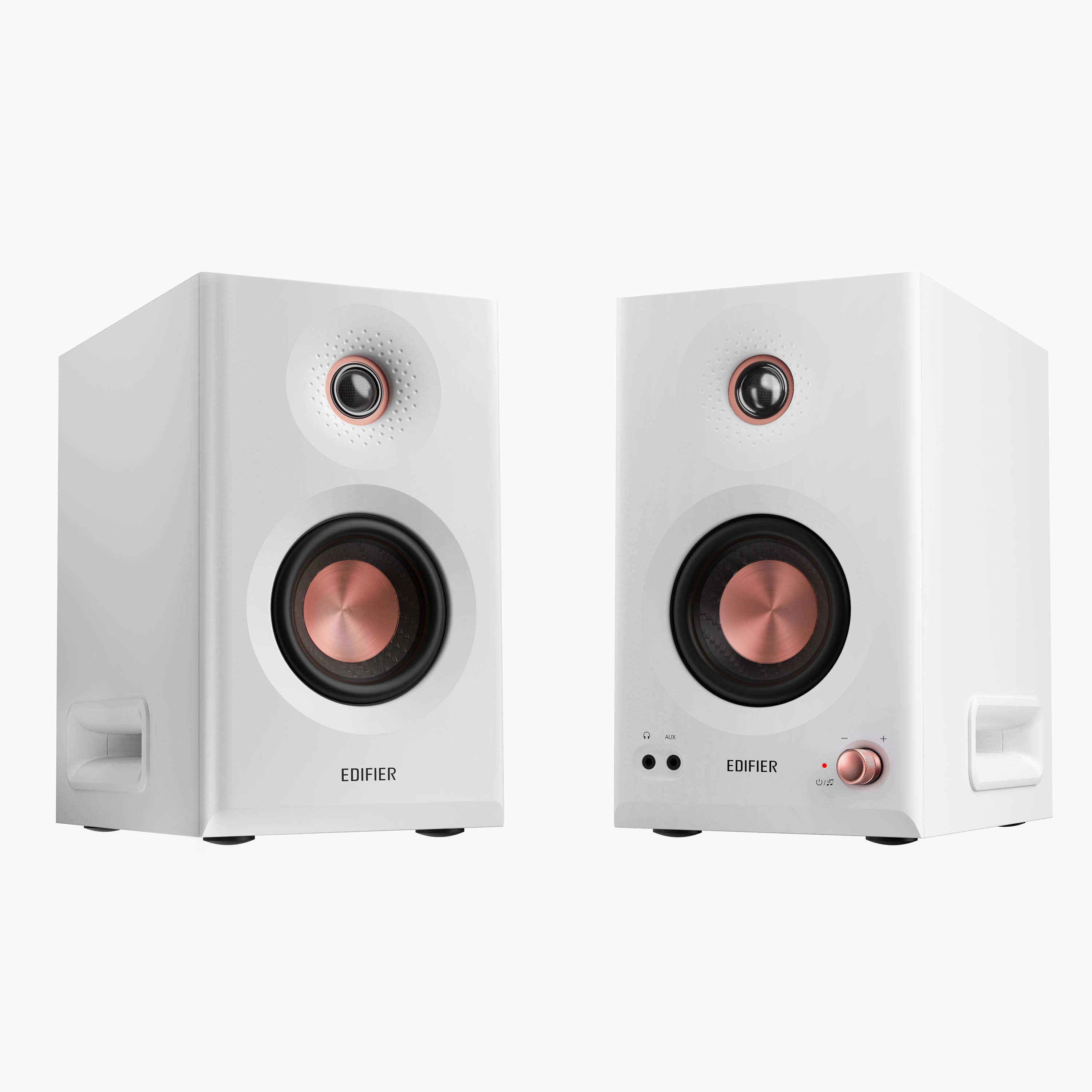
Edifier - MR5 Powered Studio Monitor 2.0 Speakers (Pair) - White
SKU: J3WSK7S68LAmazing loud and clear also very beautifully made ideal to match anything of household items I love it...best purchase ever 100% satisfied
See all Computer SpeakersProduct Description
A pair of white powered studio monitors delivering precise, natural sound with tri-amped active crossover technology.Your price for this item is $249.99Save $100The previous price was $349.99 -
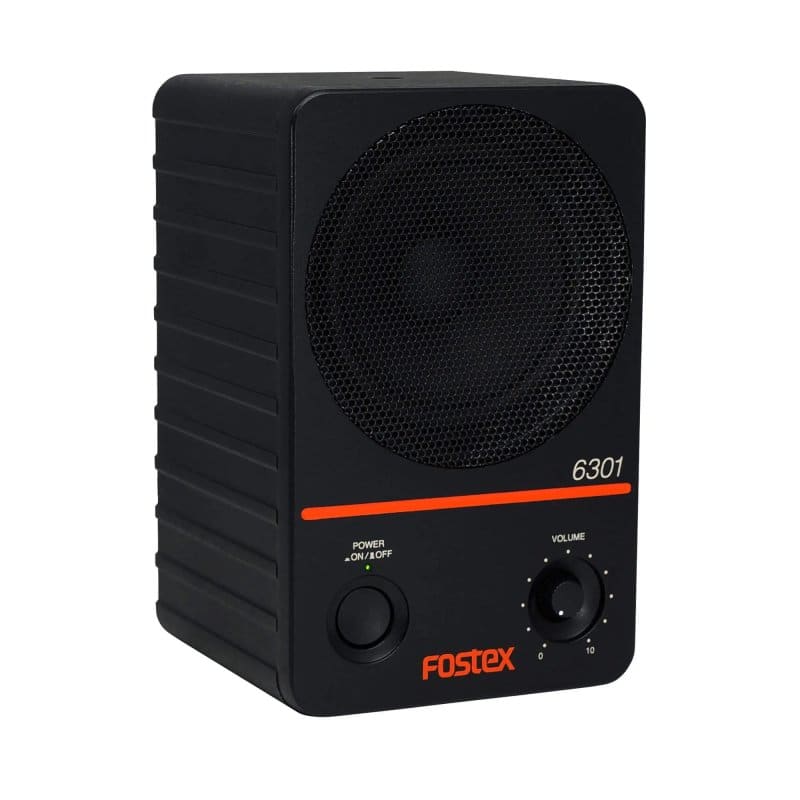
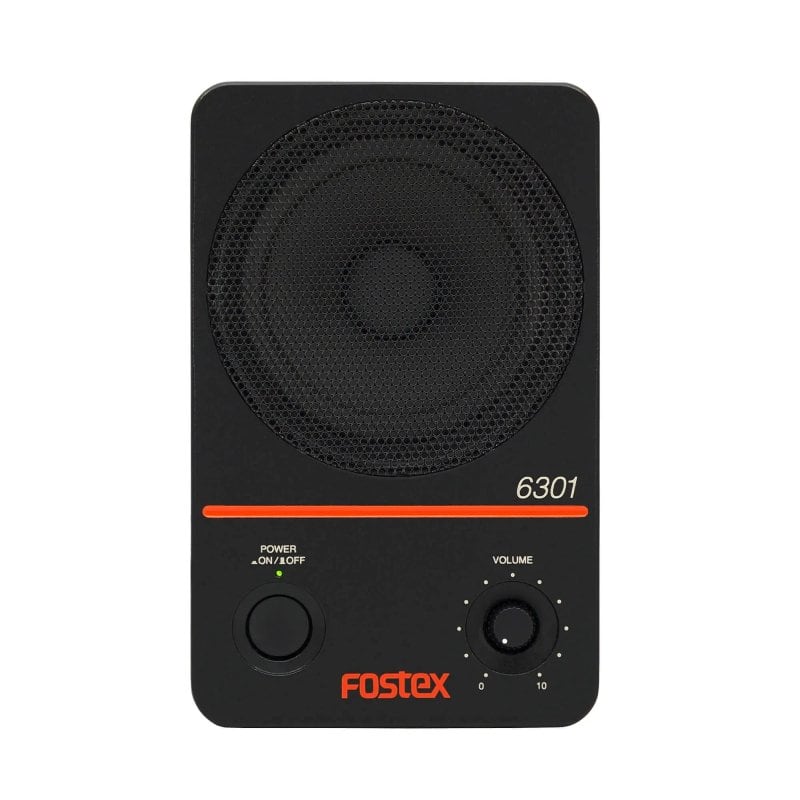
Fostex - 6301NB - 4" Active Monitor Speaker 20W D-Class (Single) - "NA"
SKU: JXXLSC56X3See all All Home Speakers & SubwoofersProduct Description
A compact 4" active monitor speaker delivering 20W D-Class power for clear, accurate audio.Your price for this item is $479.99Save $140The previous price was $619.99 -
Fostex - 6301ND - 4" Active Monitor Speaker 20W D-Class (Single) - "NA"
SKU: JXXLSC5994See all All Home Speakers & SubwoofersProduct Description
A compact 4" active monitor speaker delivering 20W of D-Class power for clear, accurate audio.Your price for this item is $599.99 -
Fostex - 6301NE - 4" Active Monitor Speaker 20W D-Class (Single) - "NA"
SKU: JXXLSC59PHSee all All Home Speakers & SubwoofersProduct Description
A compact 4" active monitor speaker delivering 20W of D-Class power for clear, accurate audio.Your price for this item is $499.99Save $150The previous price was $649.99 -
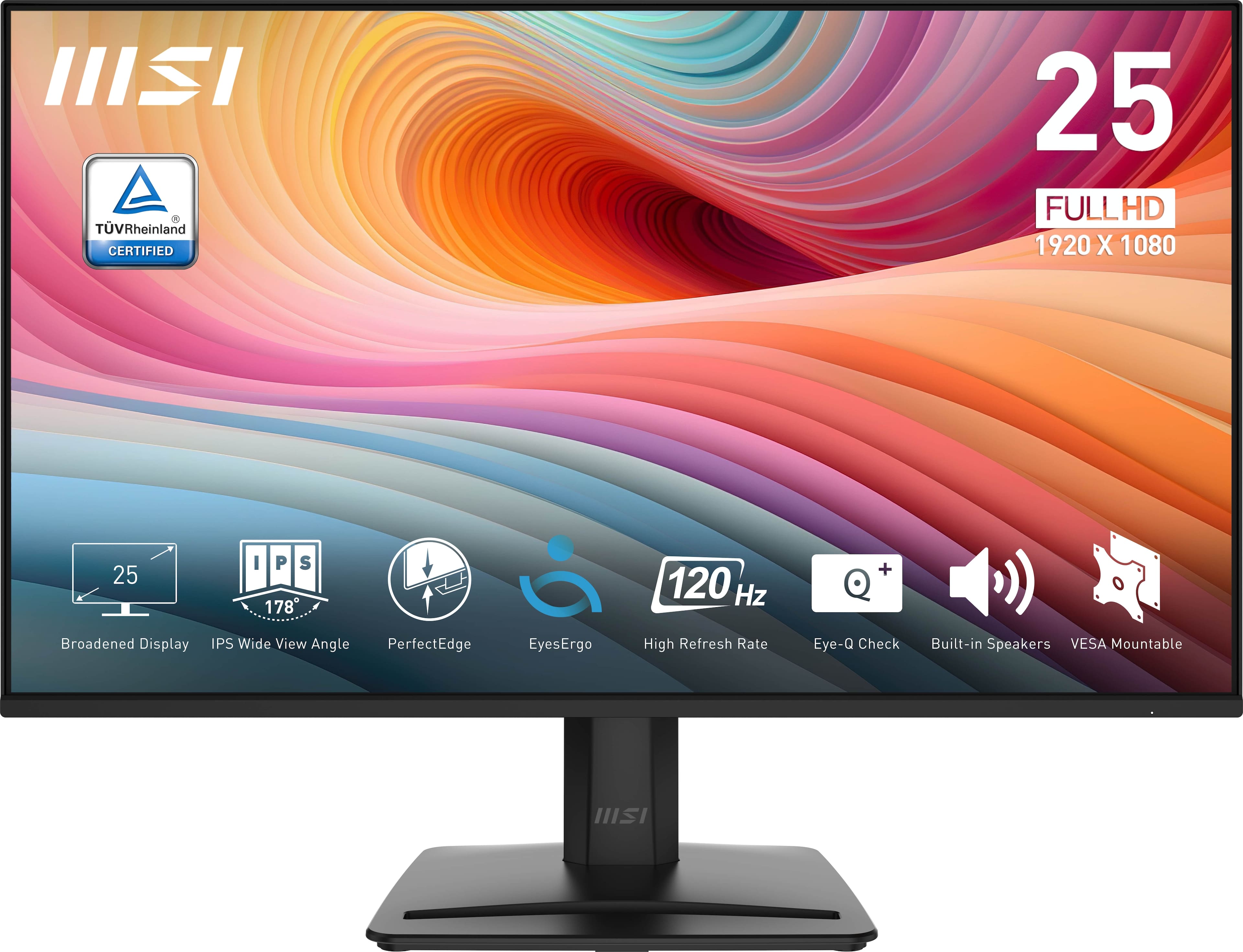
MSI - PRO MP251 E2 24" IPS LCD FHD 120Hz 1ms Adaptive Sync Monitor with HDR ready,Built-in Speakers (DisplayPort, HDMI ) - Matte Black
SKU: J3P7TXSVWVSee all All MonitorsProduct Description
A matte black IPS monitor with 120Hz refresh rate, 1ms response, HDR, Adaptive Sync, and built-in speakers.Your price for this item is $126.99 -
MSI - PRO MP271A E2 27" FHD 120Hz 1ms Adaptive Sync Monitor with HDR ready ,Built-in Speakers (DisplayPort, HDMI ) - Matte Black
SKU: J3P7TXS5Q4See all All MonitorsProduct Description
A matte black IPS monitor with 120Hz refresh rate, 1ms response, HDR, Adaptive Sync, and built-in speakers.Your price for this item is $170.34 -
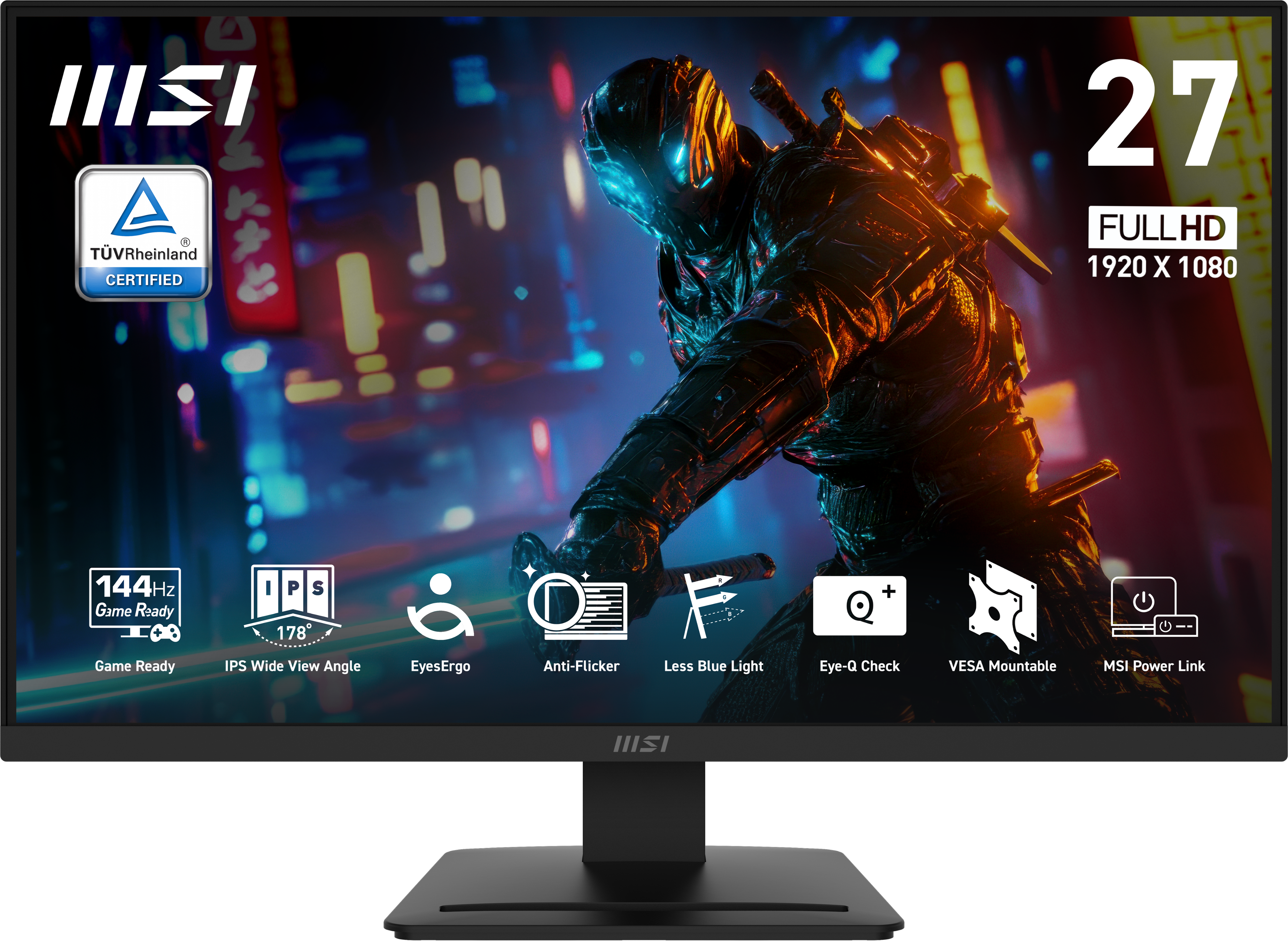
MSI - PRO MP273L E14 27" IPS LCD FHD 144Hz 1ms Free Sync Monitor, HDR Ready (HDMI,VGA port ) - Matte Black
SKU: J3P7TX6YHVBest deal for starter monitor...relation. there are better is true but as a starter monitor so u spend more to build the pc this is a great...the Best Vale of Money Monitor...The best value of money monitors....
See all All MonitorsProduct Description
A matte black IPS monitor delivering smooth 144Hz refresh, 1ms response, HDR, and FreeSync support.Your price for this item is $129.99 -
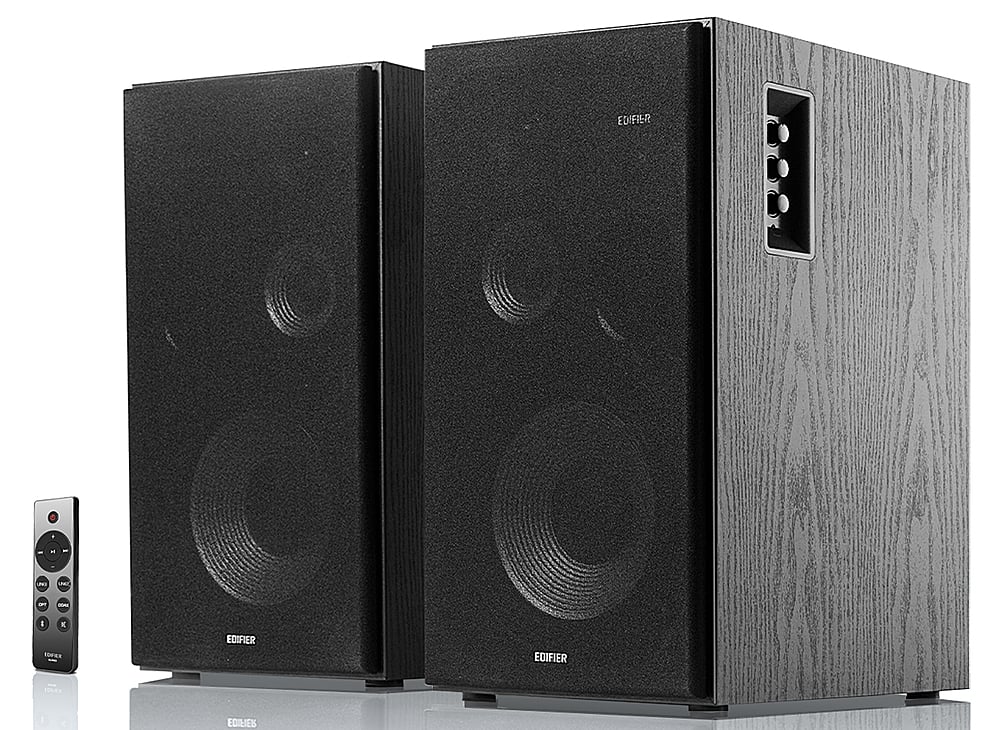
Edifier - R2850DB Active Bookshelf Speakers, Computer Speakers - Bluetooth and Optical Input - 2.0 Studio Monitor Speaker - Black
SKU: J3WSK7SL93The best...This is the best purchase I've ever made; it has great quality, design, and good sound....Great speakers, but ...
See all Bookshelf SpeakersProduct Description
A pair of black active bookshelf speakers offering Bluetooth, optical input, and studio-quality sound.Your price for this item is $499.99 -
Mobile Pixels - Geminos X 1440p 24-In. Dual-Screen Desktop Monitor - Black
SKU: J3R8Q2TQ7HLove the dual screen, helps with work....I love my stacked monitor's and tge resolution is beautiful....I love that I can trade on one acreen and game on the other.
See all Portable MonitorsProduct Description
A black dual-screen desktop monitor with 24-inch 1440p IPS displays, touch-enabled bottom screen, and built-in webcam.Your price for this item is $769.99Save $130The previous price was $899.99 -
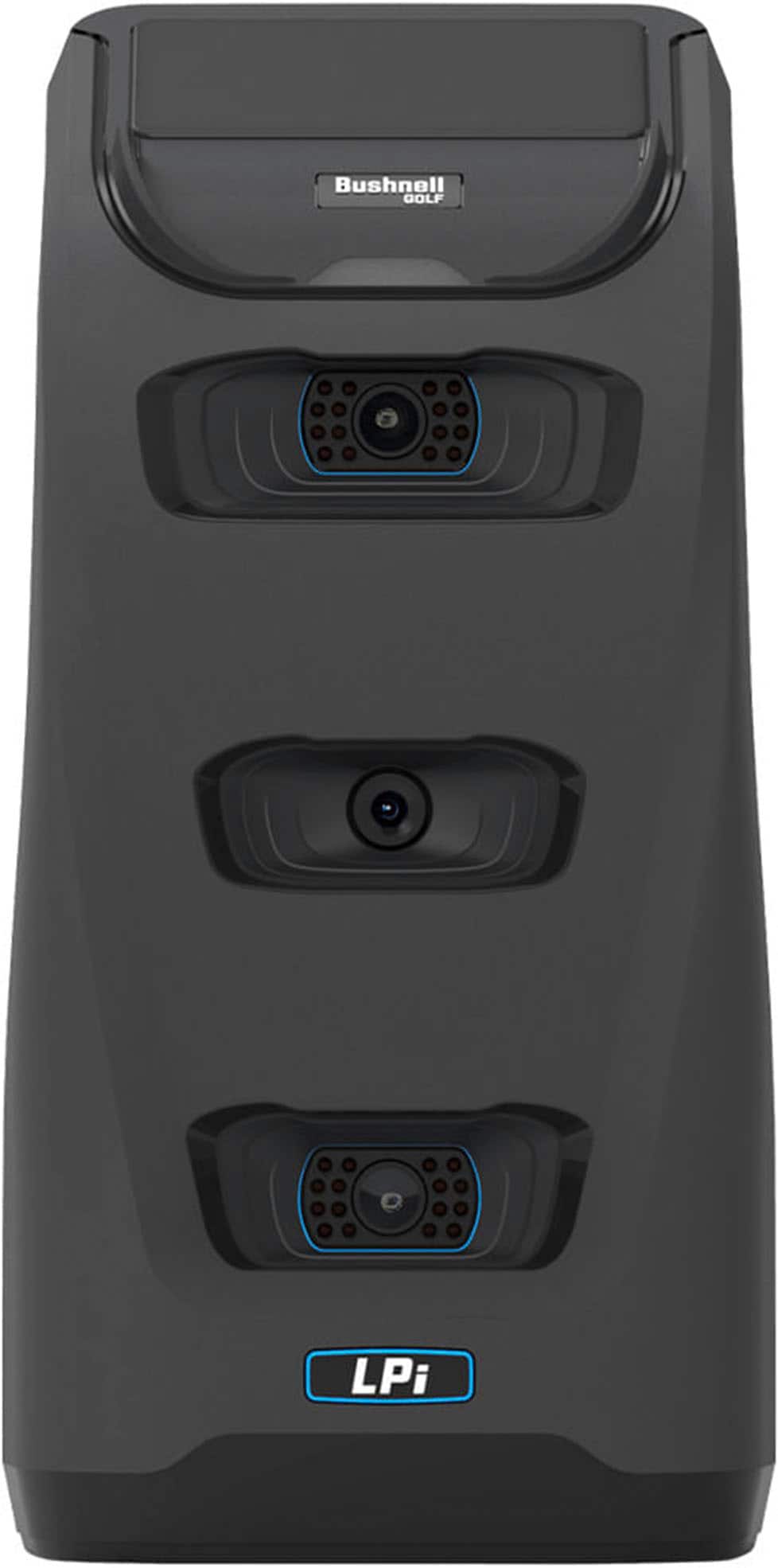
Bushnell - LPi Personal Launch Monitor - Black
SKU: J7X45CVHVFBest Buy advertising of it is another story....When I purchased it at the time Best Buy was advertising 1 year Gold subscription($499 value) and 1 year...I contacted Best Buy customer service and was...
See all Sports Gear & EquipmentProduct Description
A black indoor launch monitor delivering tour-validated club and ball data for accurate golf simulation.Your price for this item is $2,799.99


Best Sellers

Related Pages






FAQ
An active monitor, also known as a powered monitor, has a built-in amplifier, allowing it to receive a line-level signal directly from an audio source or mixer. In contrast, passive monitors require an external amplifier. Active monitors are popular for their convenience, accurate sound reproduction, and ease of setup in studios and professional environments.
Yes, active monitors are widely used in home studios due to their precise sound reproduction and integrated amplification. They provide a flat frequency response, helping producers and musicians accurately mix and master audio tracks.
Absolutely. Active monitors can be connected directly to your computer or audio interface using the appropriate cables, such as XLR, TRS, or RCA, depending on the monitor's input options. No external amplifier is required.
While active monitors are easy to set up, for optimal performance, it’s recommended to position them at ear level and form an equilateral triangle with your listening position. Some models offer room correction features or EQ controls to fine-tune the sound based on your environment.
Active monitors can be connected to various audio sources including computers, audio interfaces, mixers, synthesizers, and DJ controllers. Make sure to use the correct input type supported by your monitor, such as XLR, TRS, or RCA.