Producer Monitors
-
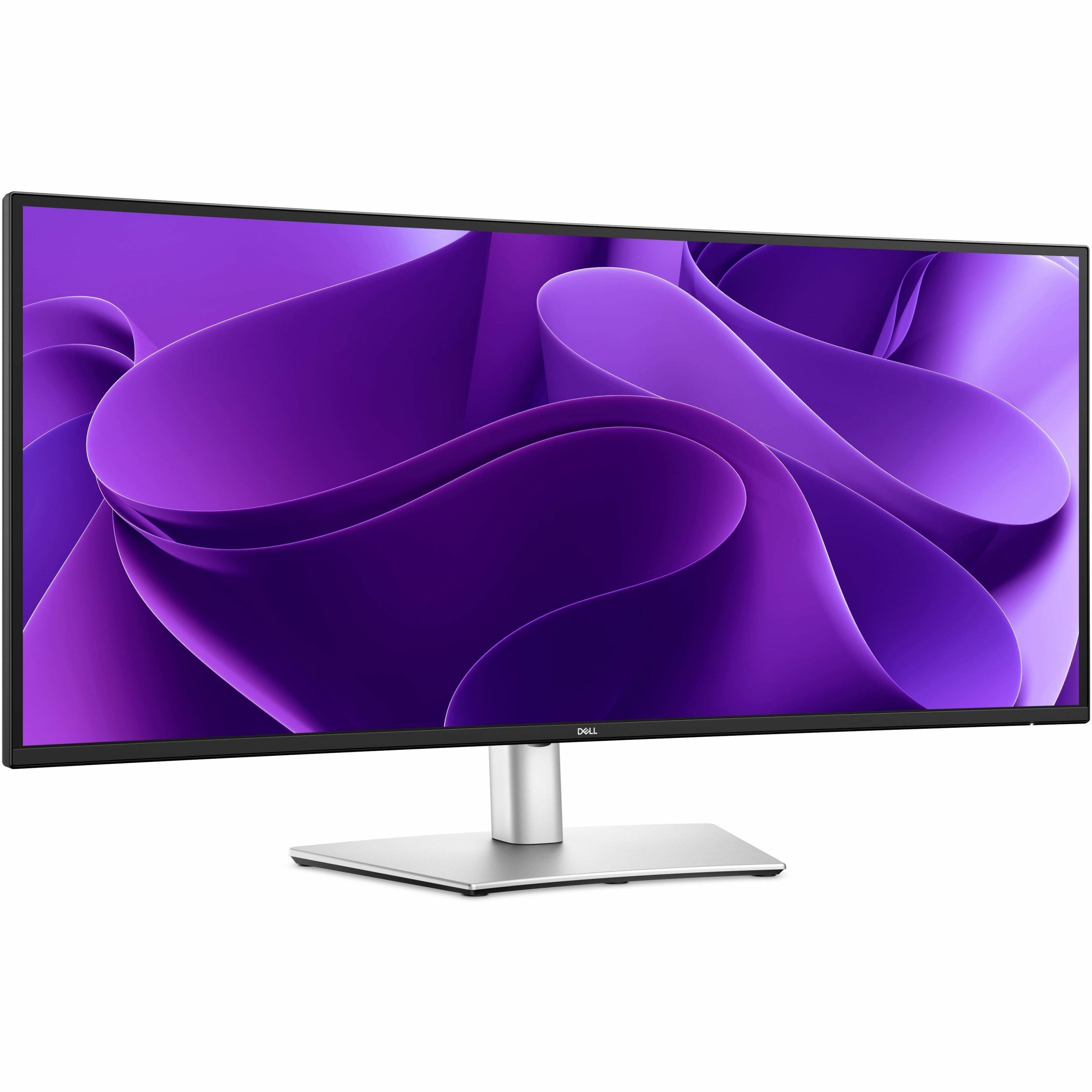
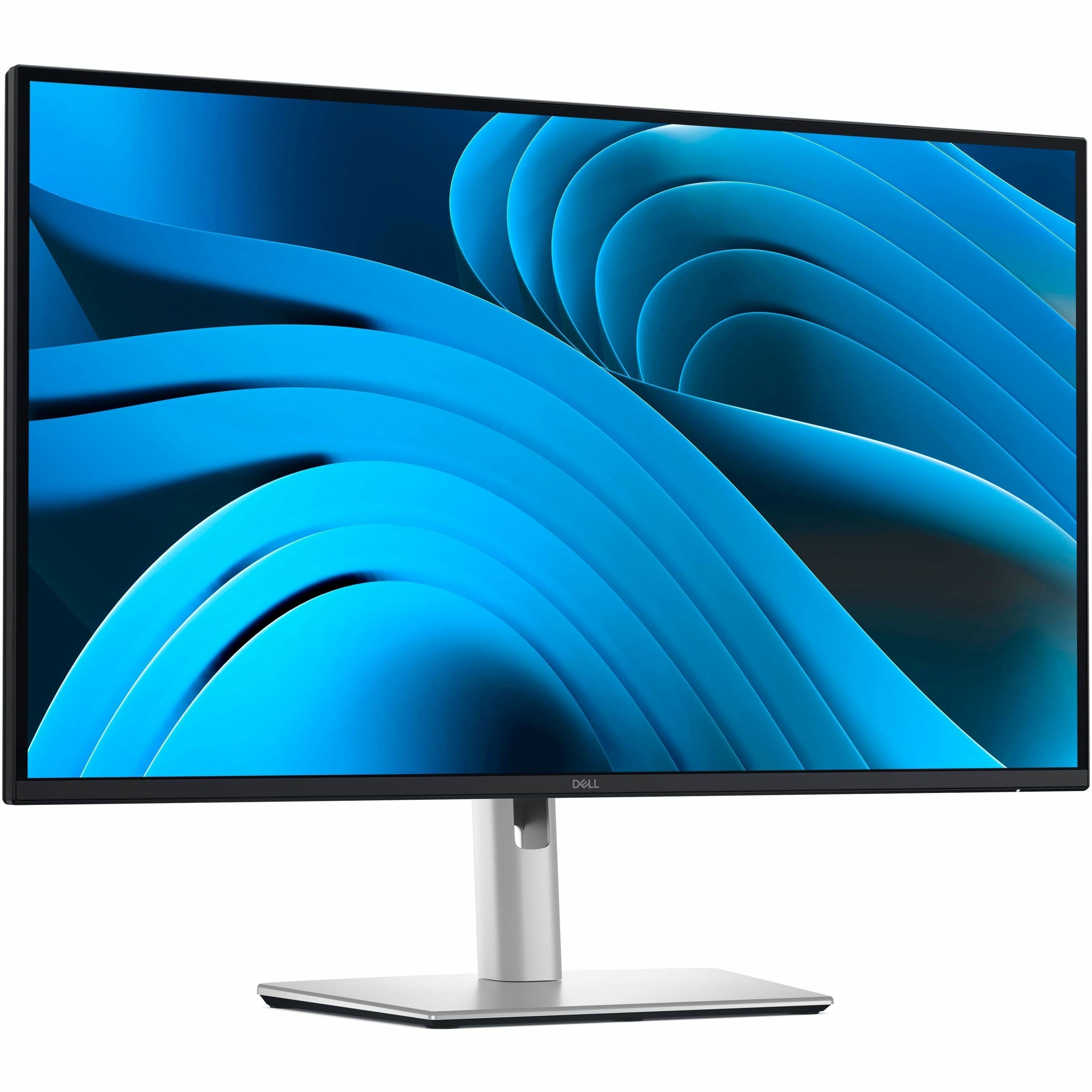
Dell - Pro Plus 34.1" IPS LED 100Hz Monitor (USB, HDMI) - Black, Silver, Dual Color
SKU: J3K4L633JFEasy to use, and has great maneuverability.
See all All MonitorsProduct Description
A dual-color ultrawide IPS LED monitor with 100Hz refresh rate, high resolution, and versatile connectivity options.Your price for this item is $599.99Save $120The previous price was $719.99 -
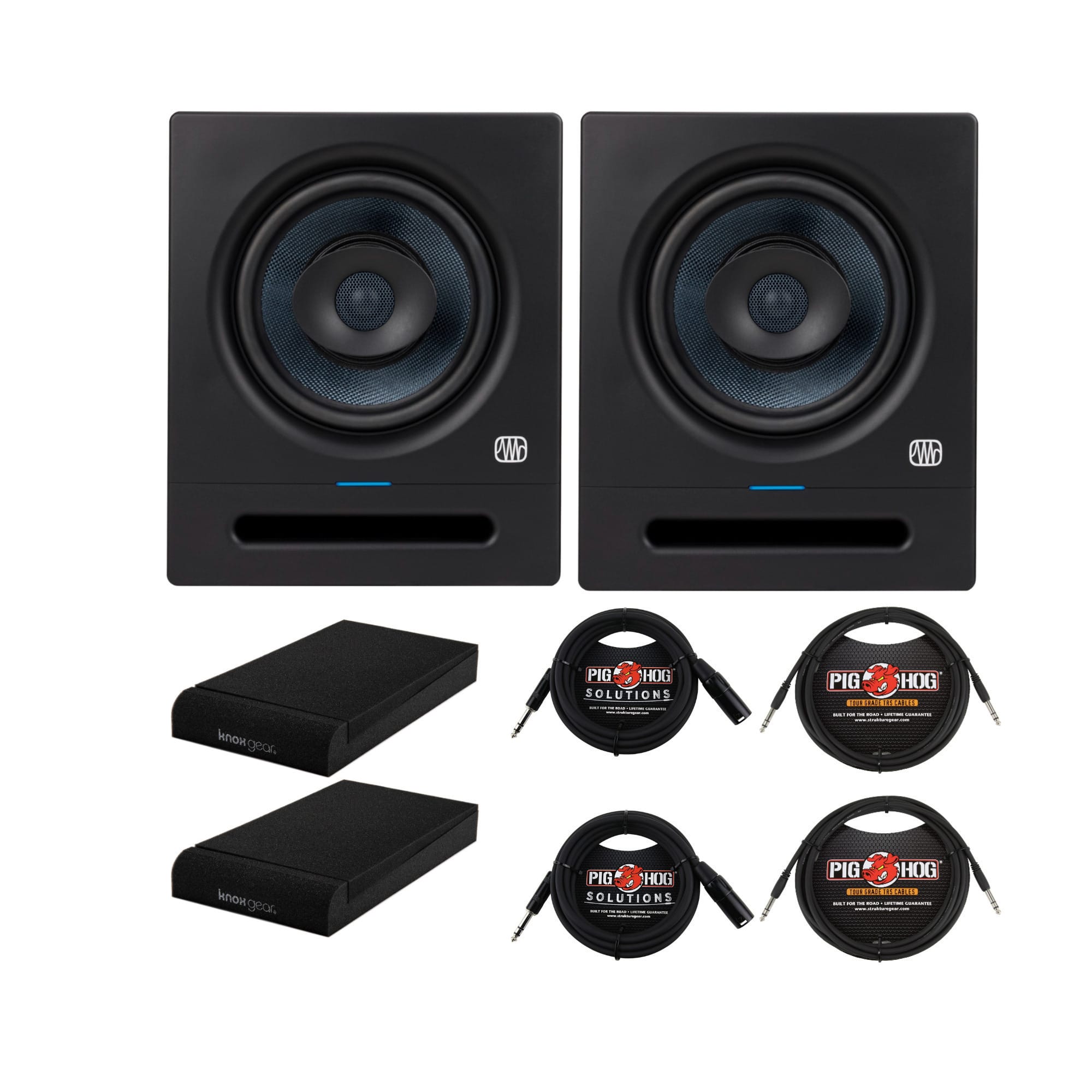
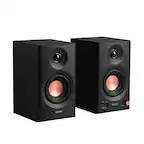
PreSonus - Eris Pro 8 8-Inch 2-Way Studio Monitors with 1/4-Inch TRS Cables Bundle
SKU: JJG2F2F8ZTSee all Bookshelf SpeakersProduct Description
A professional studio monitor bundle featuring coaxial design, woven-composite driver, silk-dome tweeter, and TRS cables.Your price for this item is $729.99 -
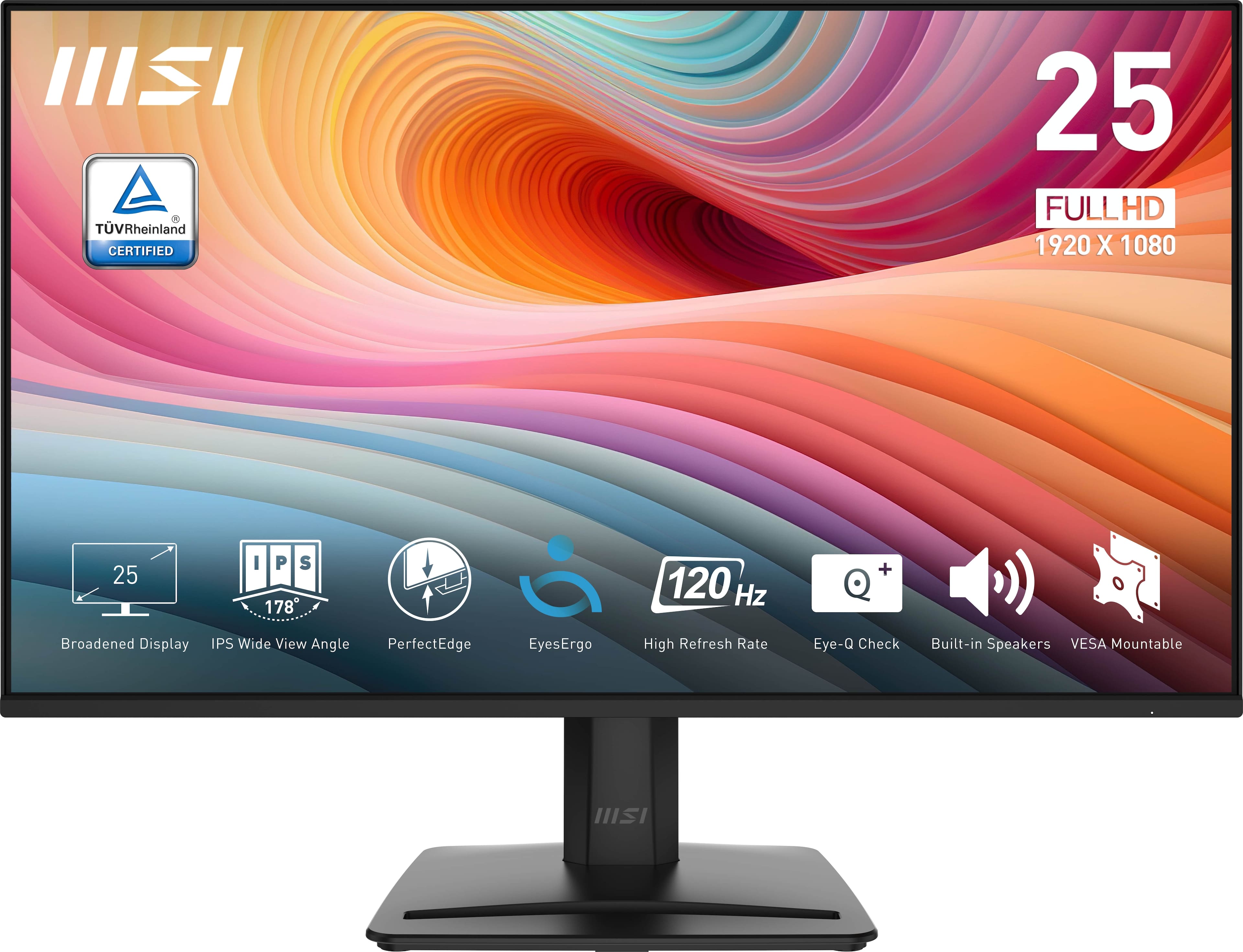
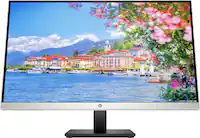
MSI - PRO MP251 E2 24" IPS LCD FHD 120Hz 1ms Adaptive Sync Monitor with HDR ready,Built-in Speakers (DisplayPort, HDMI ) - Matte Black
SKU: J3P7TXSVWVSee all All MonitorsProduct Description
A matte black IPS monitor with 120Hz refresh rate, 1ms response, HDR, Adaptive Sync, and built-in speakers.Your price for this item is $125.00Save $1The previous price was $126.99 -
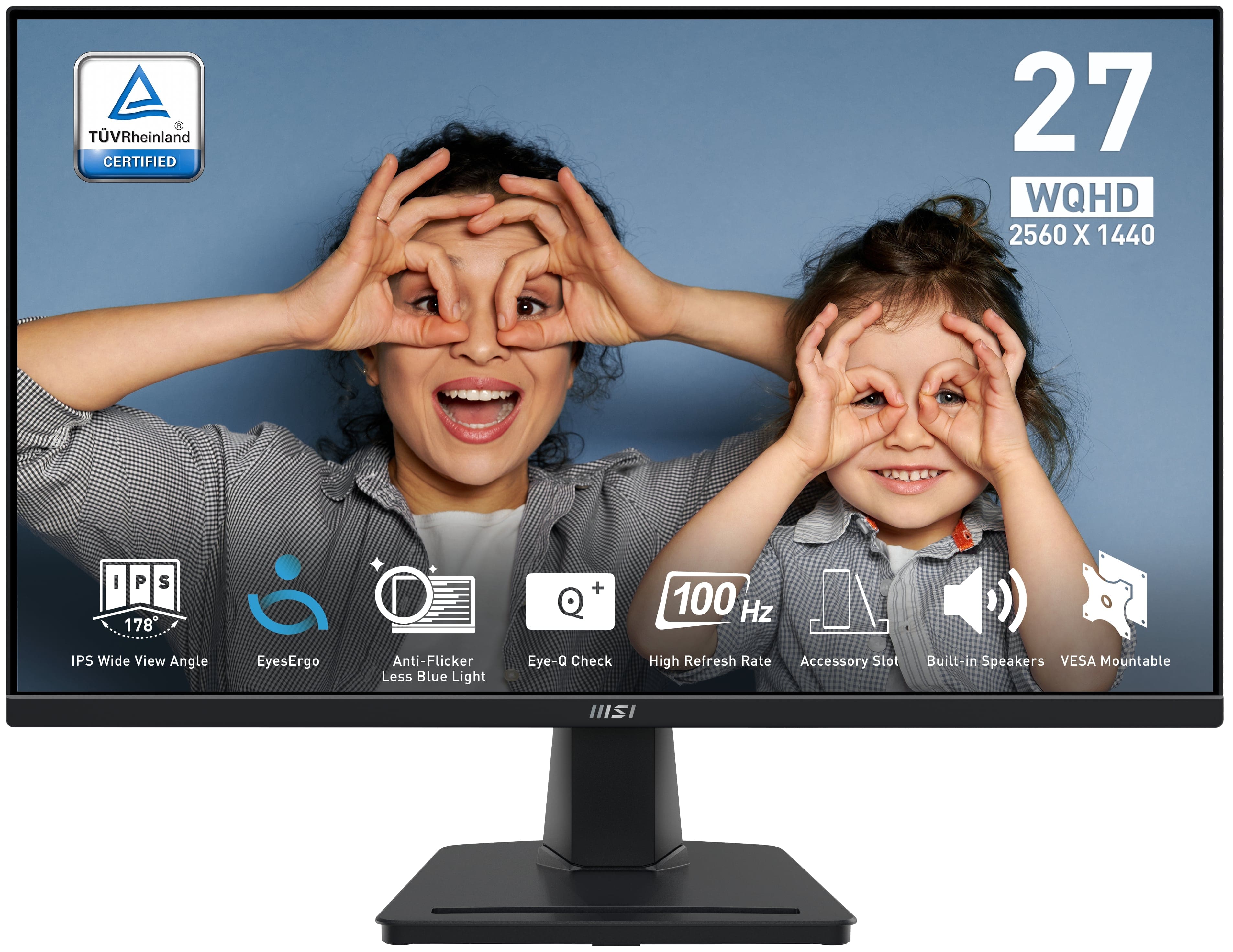
MSI - PRO MP275Q 27" QHD 100Hz 1ms Adaptive Sync Monitor with built-in speaker (DisplayPort, HDMI, ) - Black
SKU: J3P7TXY5Y4Great monitor at Price...Been using it for months now and it's been great. Love it...The 27" QHD screen is super sharp, and the colors look great whether I’m gaming, working, or streaming...The built-in...
See all All MonitorsProduct Description
A black IPS monitor with QHD resolution, 100Hz refresh rate, 1ms response, and built-in speakers.Your price for this item is $194.49 -
MSI - PRO MP271A E2 27" FHD 120Hz 1ms Adaptive Sync Monitor with HDR ready ,Built-in Speakers (DisplayPort, HDMI ) - Matte Black
SKU: J3P7TXS5Q4See all All MonitorsProduct Description
A matte black IPS monitor with 120Hz refresh rate, 1ms response, HDR, Adaptive Sync, and built-in speakers.Your price for this item is $139.99 -
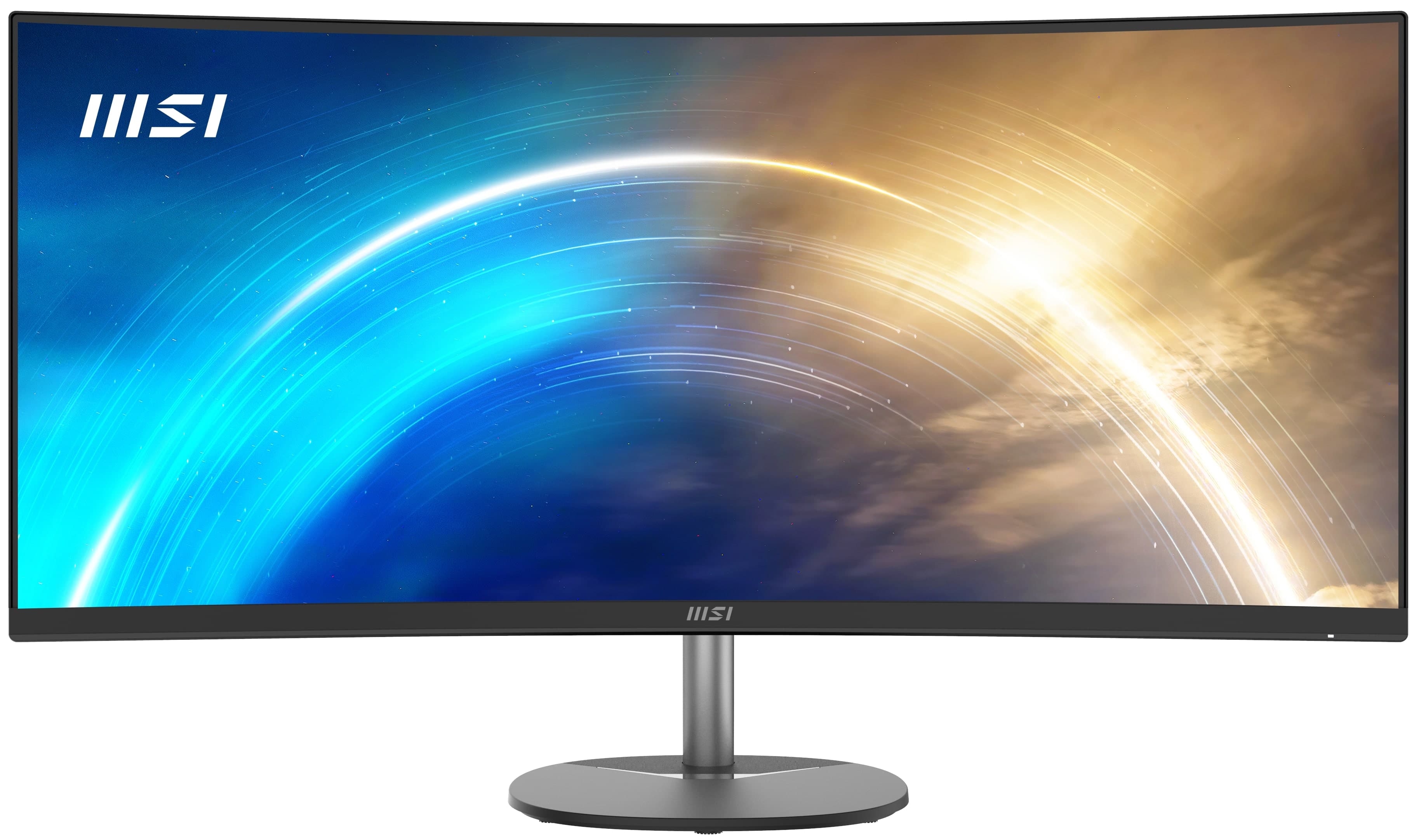
MSI - Pro MP341CQ 34"Curved LCD QHD 100Hz 1ms FreeSync Monitor ,Built-in Speakers (DisplayPort, HDMI ) - Matte Black
SKU: J3P7TX8YTYIn love with Best Buy customer service and this MSI curved monitor!...Best purchase so far...The display quality is a plus, easy of use, i had for almost two years now and it working absolutely great
See all Curved MonitorsProduct Description
A curved matte black ultrawide monitor with QHD resolution, 100Hz refresh rate, FreeSync, and built-in speakers.Your price for this item is $279.99 -
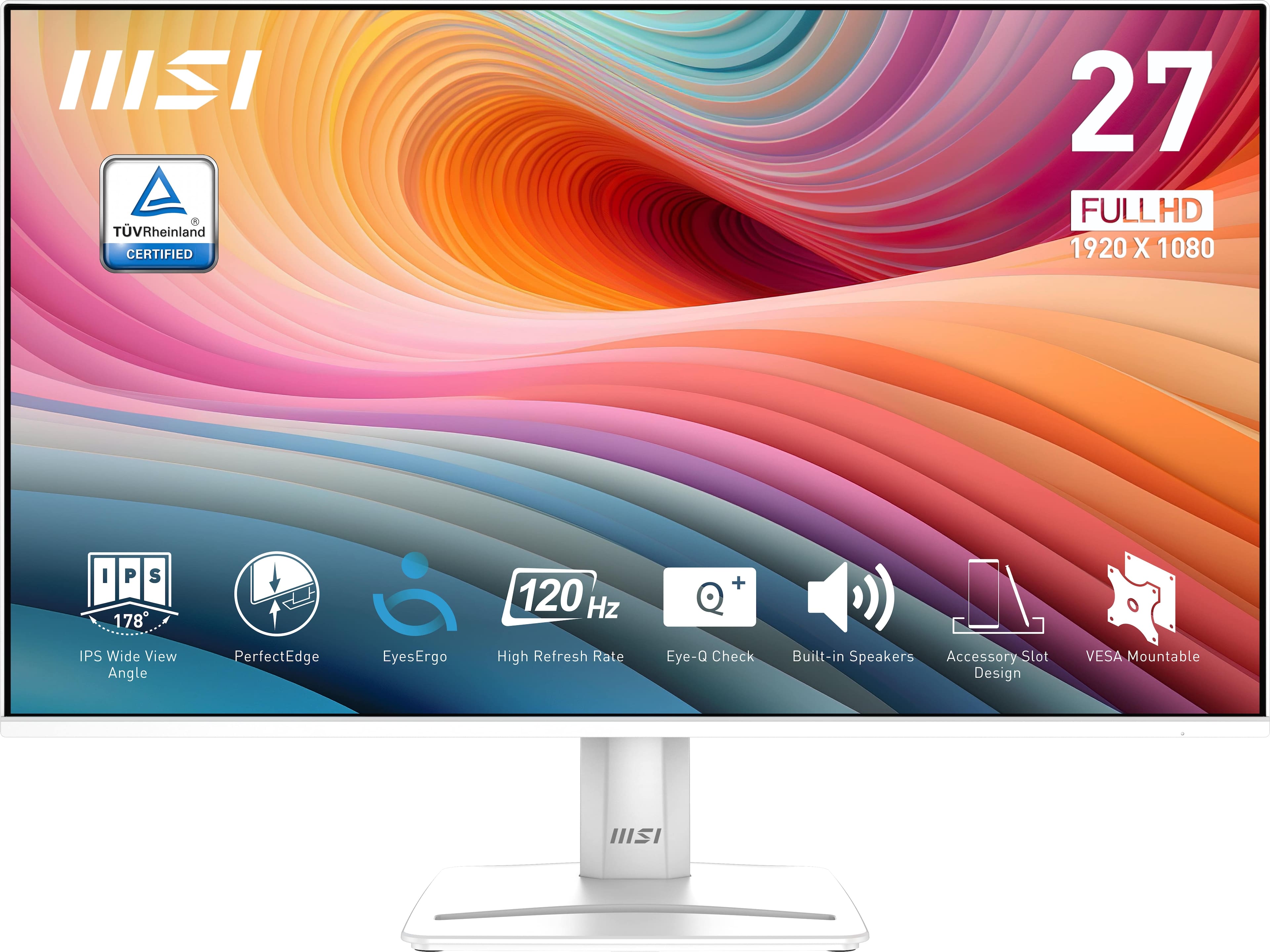
MSI - PRO MP275W E2 27" FHD 120Hz 1ms Adaptive Sync Monitor with HDR ready ,Built-in Speakers (DisplayPort, HDMI ) - Matte White
SKU: J3P7TXSV6CSee all All MonitorsProduct Description
A matte white IPS monitor with 120Hz refresh rate, 1ms response, HDR, and built-in speakers.Your price for this item is $195.60Save $4The previous price was $200.56 -
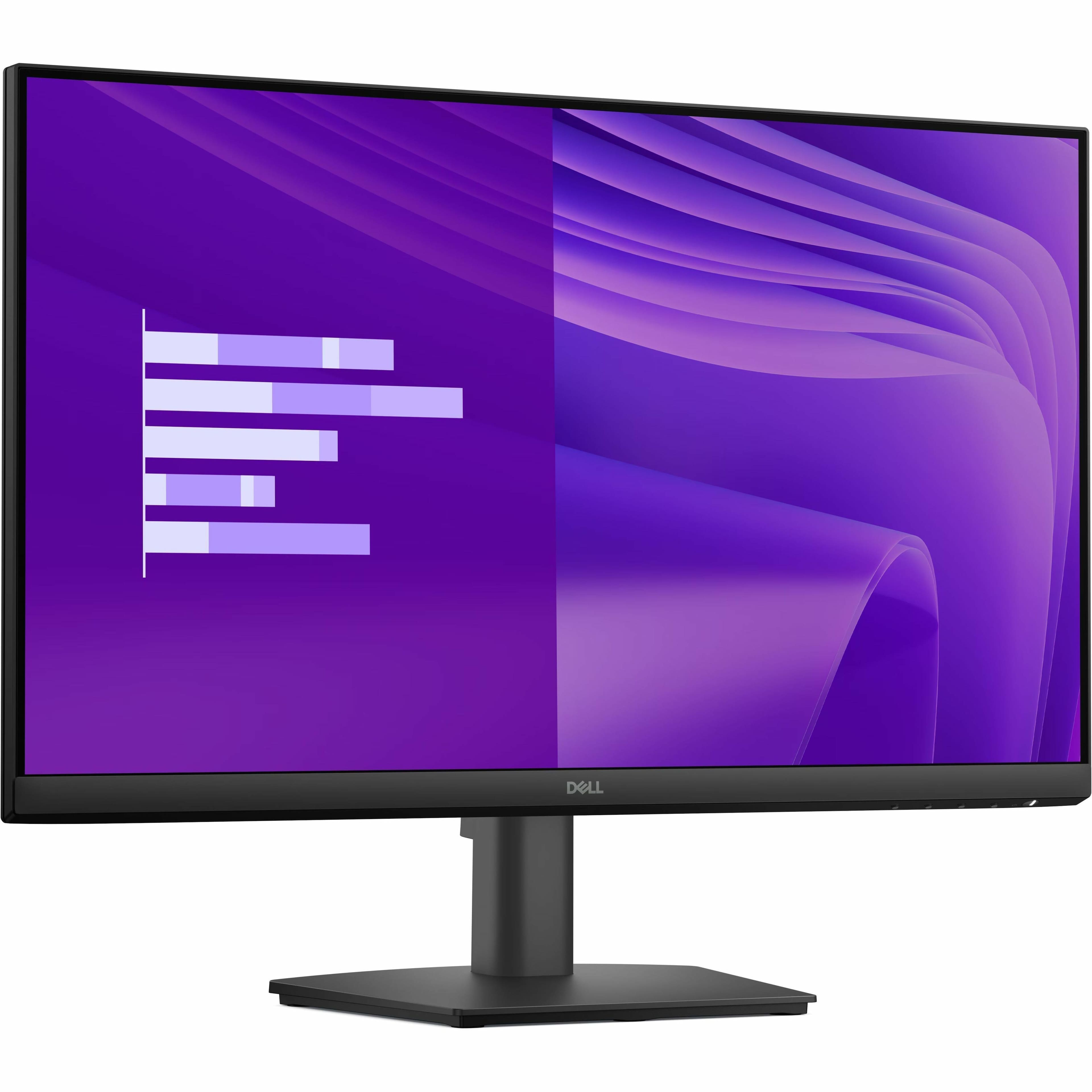
Dell - Pro 23.8" IPS LED FHD 100Hz Monitor (VGA, HDMI) - Black
SKU: J3K4L63X5VSee all All MonitorsProduct Description
A black IPS LED monitor offering Full HD resolution, 100Hz refresh rate, and wide 178° viewing angles.Your price for this item is $119.99 -
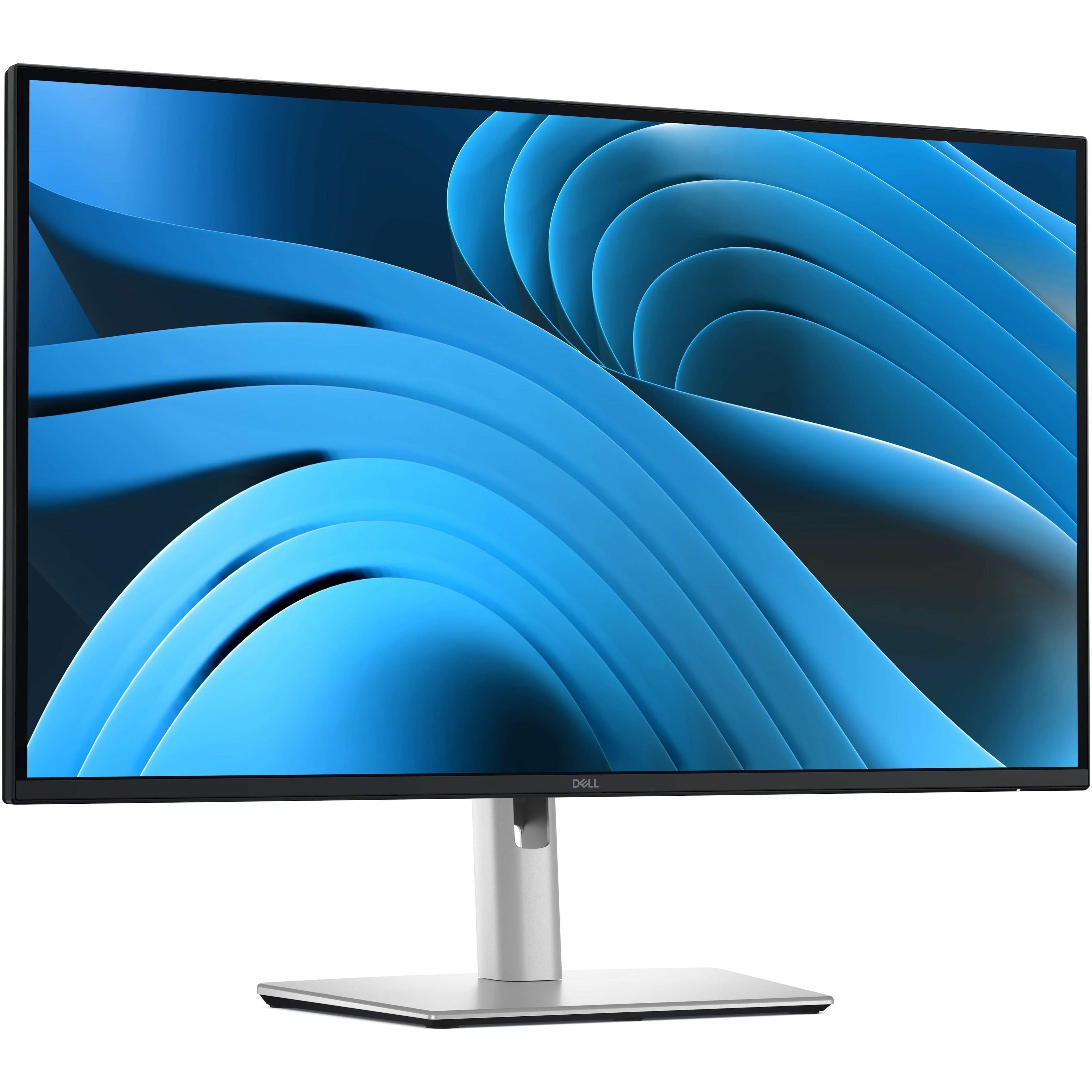
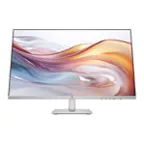
Dell - Pro Plus 27" IPS LED 100Hz Monitor (USB, HDMI) - Black, Silver, Dual Color
SKU: J3K4L63377See all All MonitorsProduct Description
A dual-color IPS LED monitor with 100Hz refresh rate, QHD resolution, and advanced eye comfort features.Your price for this item is $349.99 -
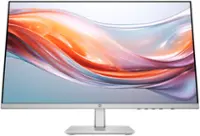
Dell - Pro Plus 27" IPS LED 100Hz Monitor (USB, HDMI) - Black, Silver, Dual Color
SKU: J3K4L6337TSee all All MonitorsProduct Description
A dual-color IPS LED monitor with 100Hz refresh rate, QHD resolution, and enhanced eye comfort features.Your price for this item is $459.99

Best Sellers

Related Pages






FAQ
When selecting a producer monitor, consider features such as accurate frequency response, balanced connectivity options (like XLR or TRS), built-in room correction, and adjustable EQ settings. These features help ensure precise audio reproduction for music production and mixing.
Yes, producer monitors can be used for casual listening, but they are designed to deliver a flat and uncolored sound profile. This means you’ll hear music as it was recorded, without the enhanced bass or treble that consumer speakers might add.
While some producer monitors can connect directly to computers or other devices, using an audio interface is recommended for optimal sound quality and balanced audio connections. An audio interface also allows for better volume control and reduced latency.
Active producer monitors have built-in amplifiers, so they can be connected directly to an audio source. Passive monitors require an external amplifier. Most modern studio monitors are active for ease of setup and optimal performance.
For the best sound, position your producer monitors at ear level, forming an equilateral triangle with your listening position. Keep them away from walls and corners to reduce unwanted reflections and ensure accurate audio monitoring.