Professional Monitors
-
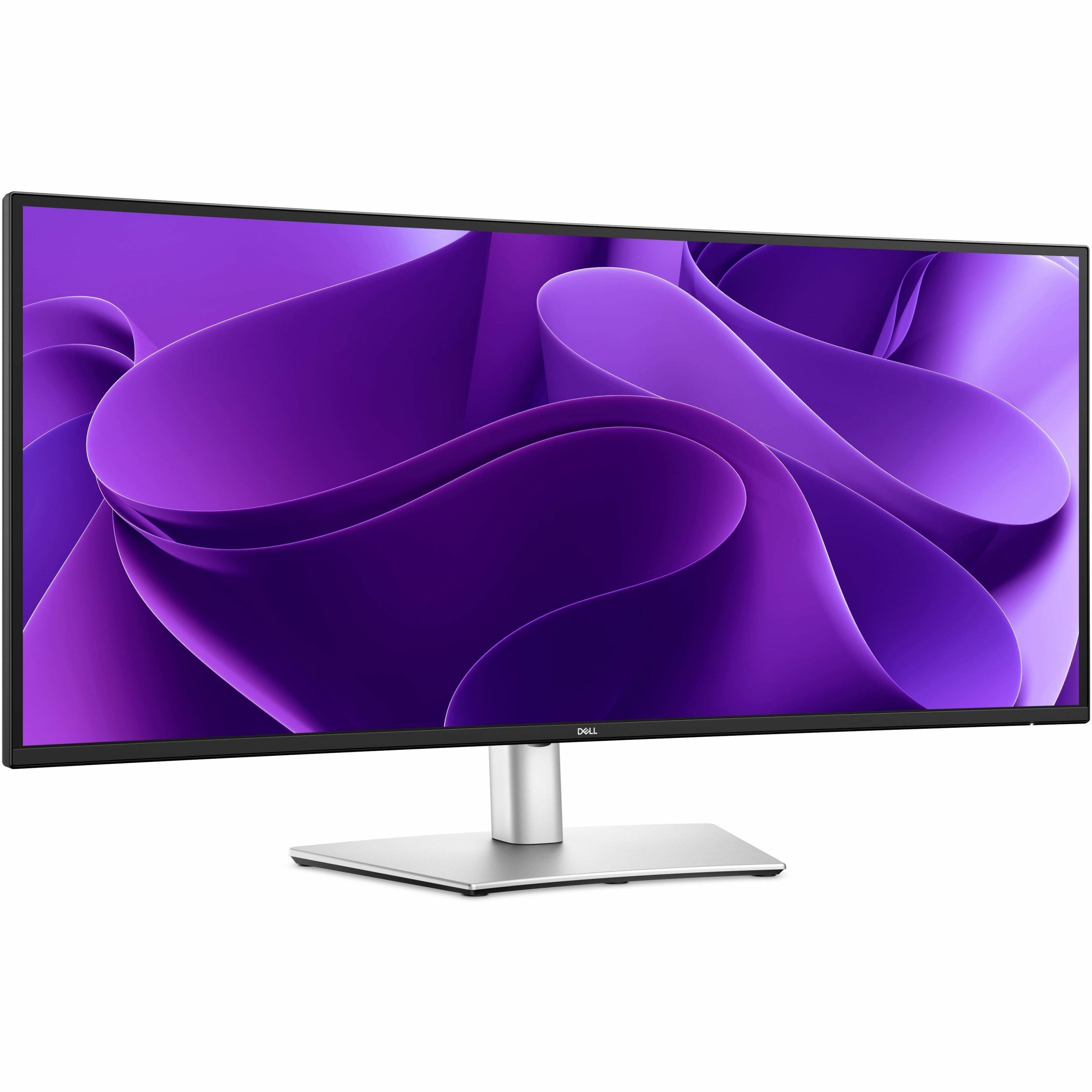
Dell - Pro Plus 34.1" IPS LED 100Hz Monitor (USB, HDMI) - Black, Silver, Dual Color
SKU: J3K4L633JFEasy to use, and has great maneuverability.
See all All MonitorsProduct Description
A dual-color ultrawide IPS LED monitor with 100Hz refresh rate, high resolution, and versatile connectivity options.Your price for this item is $599.99Save $120The previous price was $719.99 -
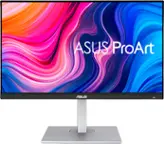
ASUS - ProArt 24" FHD IPS 75Hz Professional Monitor (DisplayPort, HDMI) - Black
SKU: JJ8Q7RZK72See all All MonitorsProduct Description
A professional black IPS monitor with FHD resolution, 75Hz refresh rate, adjustable stand, and integrated speakers.Your price for this item is $239.99 -
ASUS - ProArt 27" 5K IPS Professional Monitor with HDR (DisplayPort, HDMI) - Black
SKU: JJGGLQP8YYBest 5K Mac Monitor At a Reasonable Price...Screen great - easy set up...Screen is great works well with my MacbookPro....I love the charging USBC and that monitor can be the docking station.
See all All MonitorsProduct Description
A professional 27-inch black IPS LED monitor with 5K resolution, HDR10, and exceptional color accuracy.Your price for this item is $707.95Save $44The previous price was $752.54 -
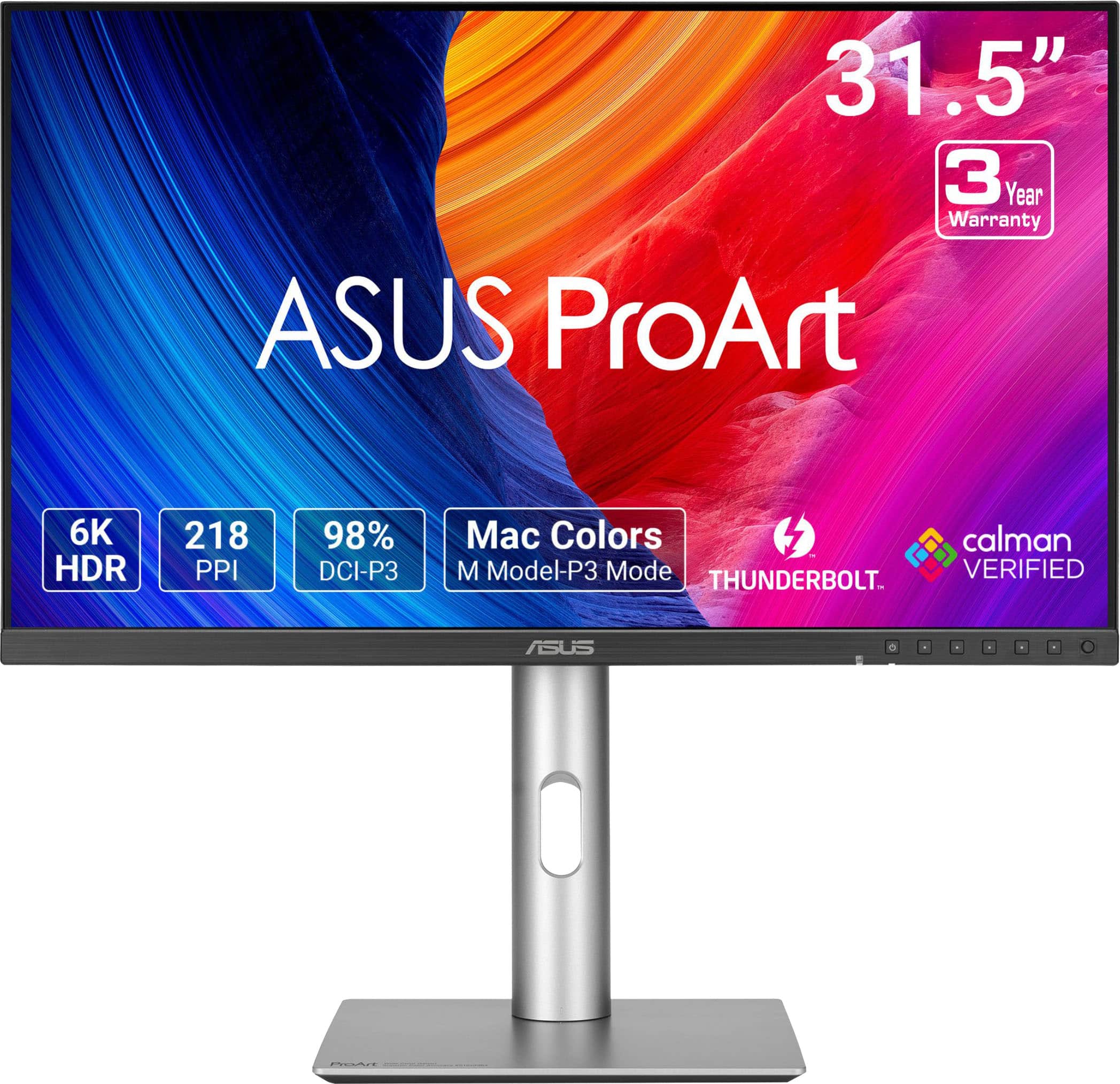
ASUS - ProArt 32" 6K IPS Professional Monitor with HDR 10 (DisplayPort, HDMI) - Black
SKU: JJGGLQVYFCBest Budget 6K, surprisingly from ASUS....Great Monitor
See all All MonitorsProduct Description
A professional 32-inch black IPS monitor with 6K resolution, HDR10, and dual Thunderbolt 4 ports.Your price for this item is $1,199.99Save $100The previous price was $1,299.99 -
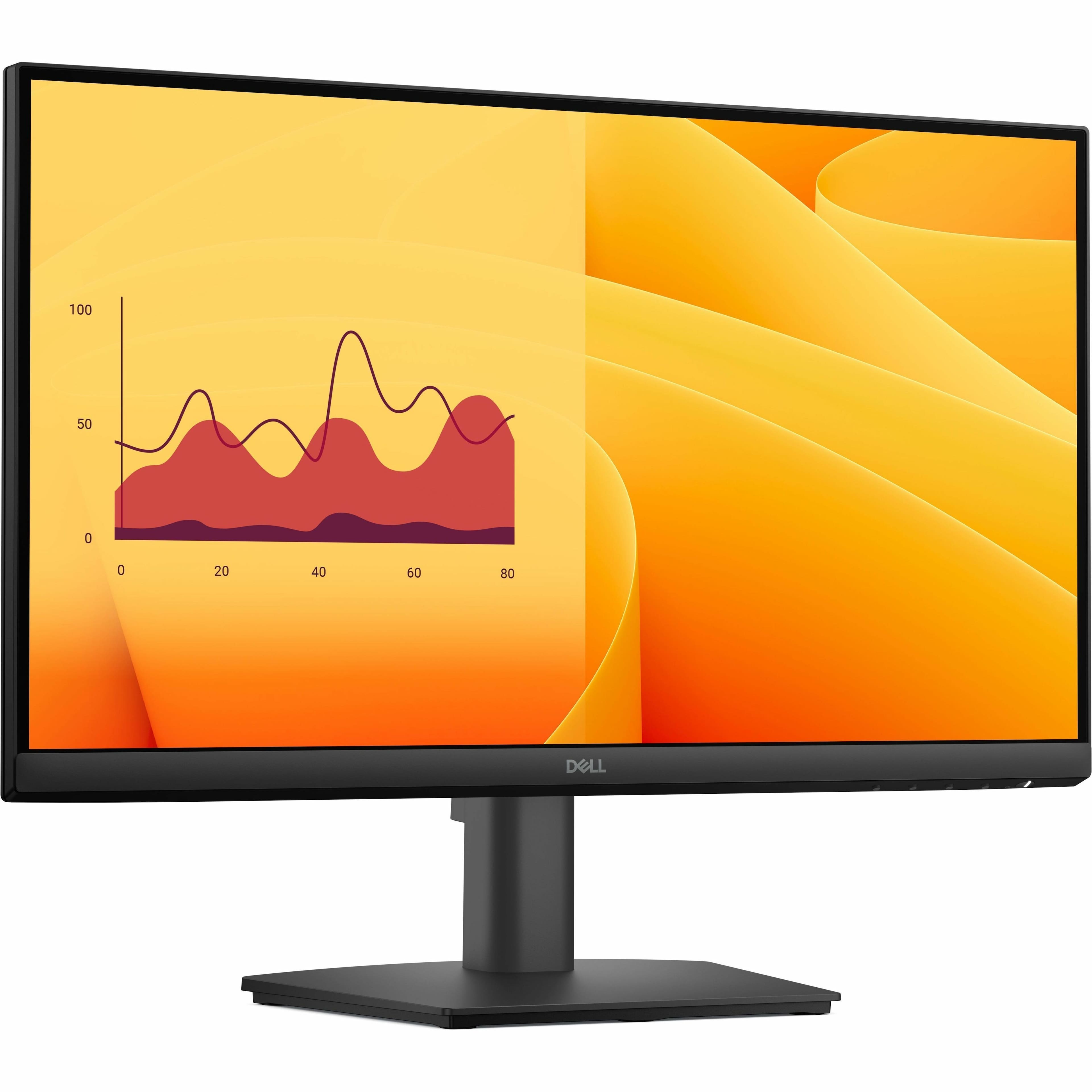
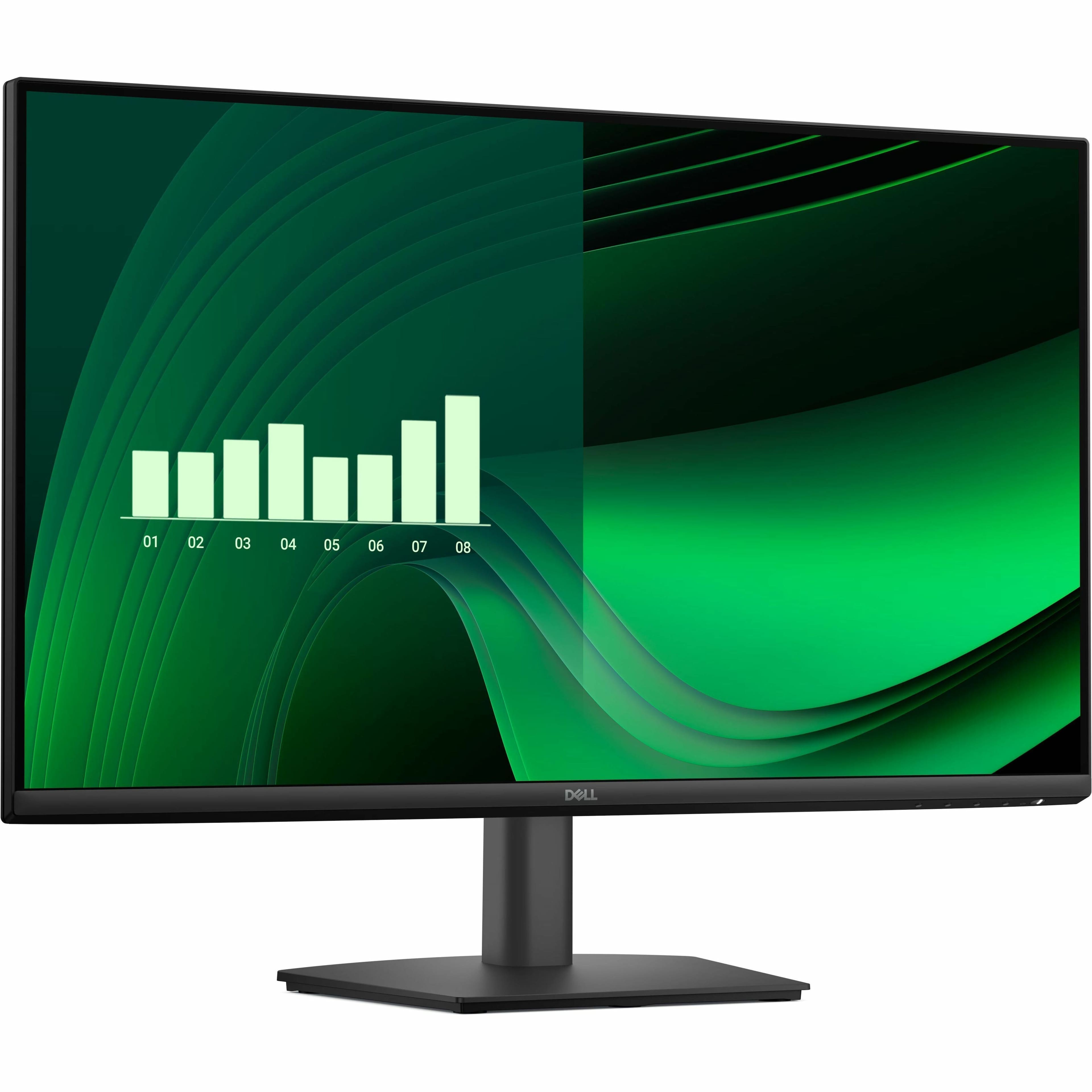
Dell - Pro 21.5" VA LED FHD 100Hz Monitor (VGA, HDMI) - Black
SKU: J3K4L63X57The young man did a great job setting it up in my office. He was very helpful
See all All MonitorsProduct Description
A black VA LED monitor featuring Full HD resolution, 100Hz refresh rate, and ultra-thin bezel design.Your price for this item is $102.99 -
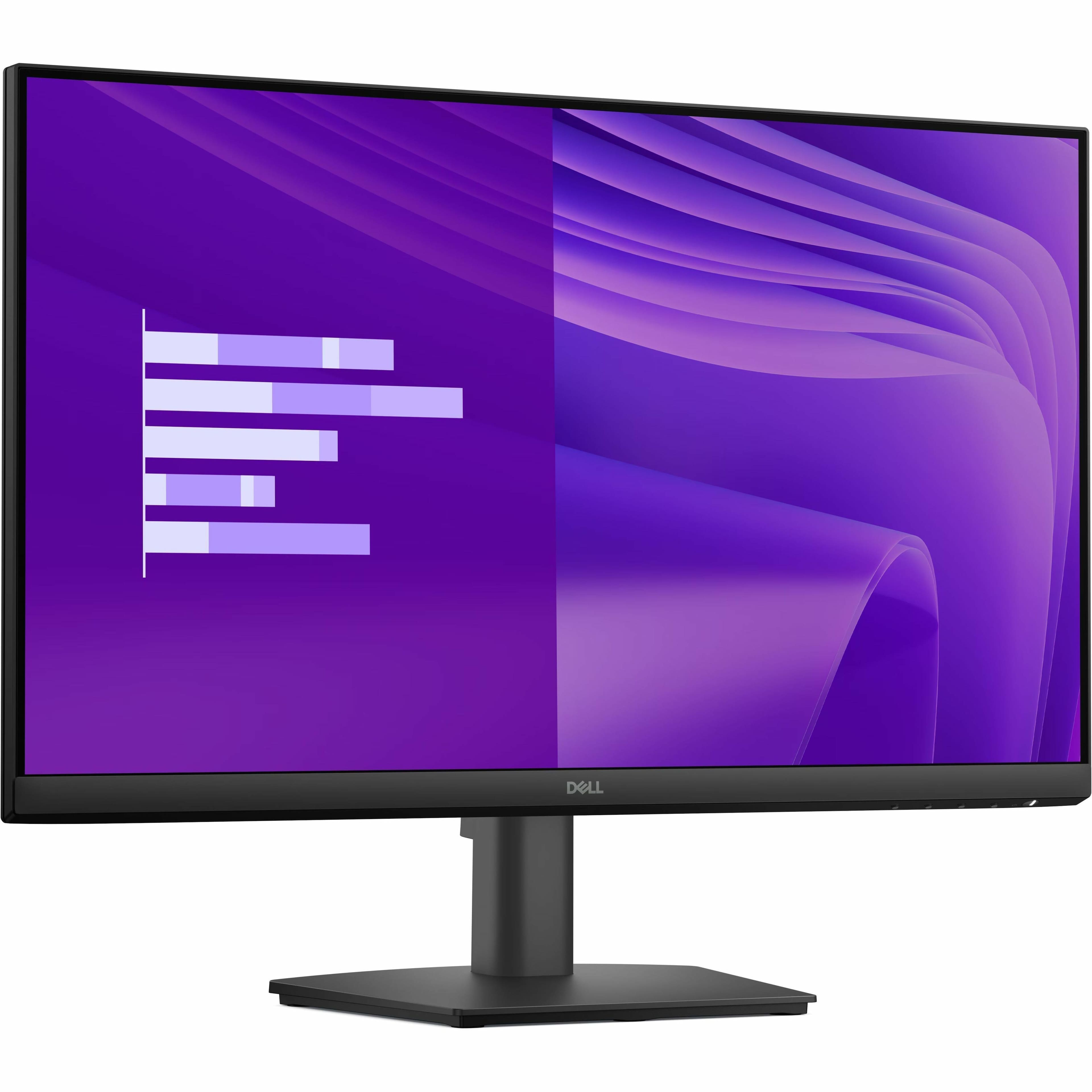
Dell - Pro 23.8" IPS LED FHD 100Hz Monitor (VGA, HDMI) - Black
SKU: J3K4L63X5VSee all All MonitorsProduct Description
A black IPS LED monitor offering Full HD resolution, 100Hz refresh rate, and wide 178° viewing angles.Your price for this item is $109.00Save $10The previous price was $119.99 -
Dell - Pro 27" IPS LED FHD 100Hz Monitor (VGA, HDMI) - Black
SKU: J3K4L63XFZGreat 27" and easy on the eyes...I love Dell displays....I usually get the S Series as they have the best warranty, but this is great for someone that doesn't...Love it...Great buy. Fits more compact...
See all All MonitorsProduct Description
A black IPS LED monitor with 100Hz refresh rate, ultra-thin bezel, and wide 178° viewing angles.Your price for this item is $139.99 -
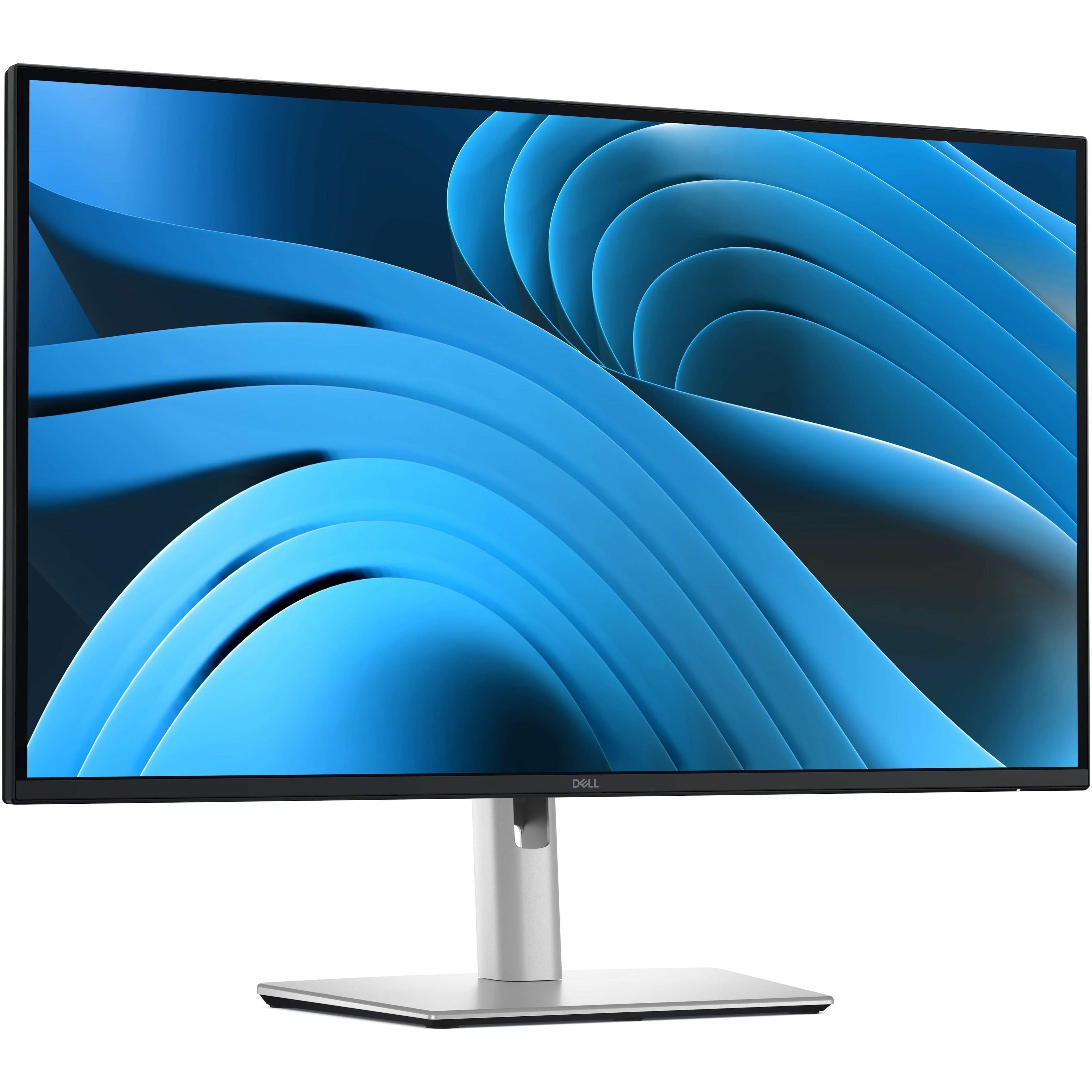
Dell - Pro Plus 31.5" IPS LED 100Hz Monitor (USB, HDMI) - Black, Gray, Dual Color
SKU: J3K4L633J8See all All MonitorsProduct Description
A dual-color IPS LED monitor with 100Hz refresh rate, QHD resolution, and versatile USB and HDMI ports.Your price for this item is $479.95Save $110The previous price was $589.99 -
Dell - Pro Plus 31.5" IPS LED 4K UHD 100Hz Monitor (USB, HDMI) - Black, Gray, Dual Color
SKU: J3K4L633C9See all All MonitorsProduct Description
A dual-color 31.5" 4K UHD IPS monitor with 100Hz refresh rate, ComfortView Plus, and versatile ports.Your price for this item is $559.00Save $110The previous price was $669.99 -
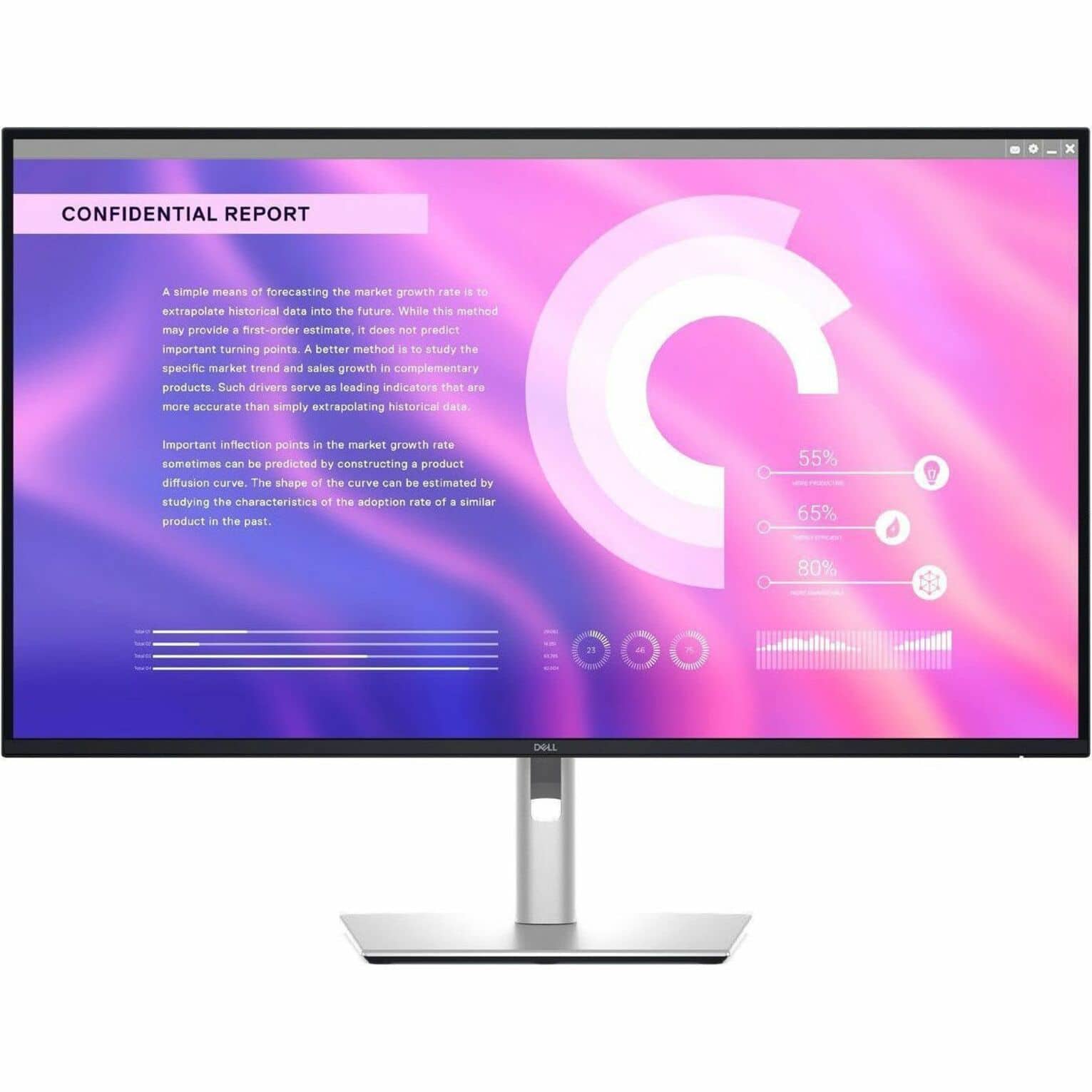
Dell - Pro Plus 27" IPS LED 100Hz Monitor (USB, HDMI) - Black, Silver, Dual Color
SKU: J3K4L63377See all All MonitorsProduct Description
A dual-color IPS LED monitor with 100Hz refresh rate, QHD resolution, and advanced eye comfort features.Your price for this item is $349.99



Best Sellers

Related Pages




FAQ
Professional monitors typically offer higher color accuracy, wider color gamuts, advanced calibration options, and superior build quality compared to standard monitors. These features make them ideal for tasks like graphic design, video editing, and photography.
Professional monitors often use IPS (In-Plane Switching) or OLED panels, as these technologies provide better color consistency, wider viewing angles, and more precise image reproduction compared to other panel types.
Yes, most professional monitors are designed to be compatible with both Mac and Windows operating systems. They typically support a variety of connection options such as HDMI, DisplayPort, USB-C, and Thunderbolt for easy integration.
Many professional monitors offer built-in calibration tools or support for external calibration devices. These options allow users to fine-tune color accuracy and ensure consistent performance for color-critical applications.
Some professional monitors feature DisplayPort Multi-Stream Transport (MST) or USB-C with daisy-chaining capabilities, allowing users to connect multiple monitors together for an expanded workspace with minimal cable clutter.