Video Production Monitors
-
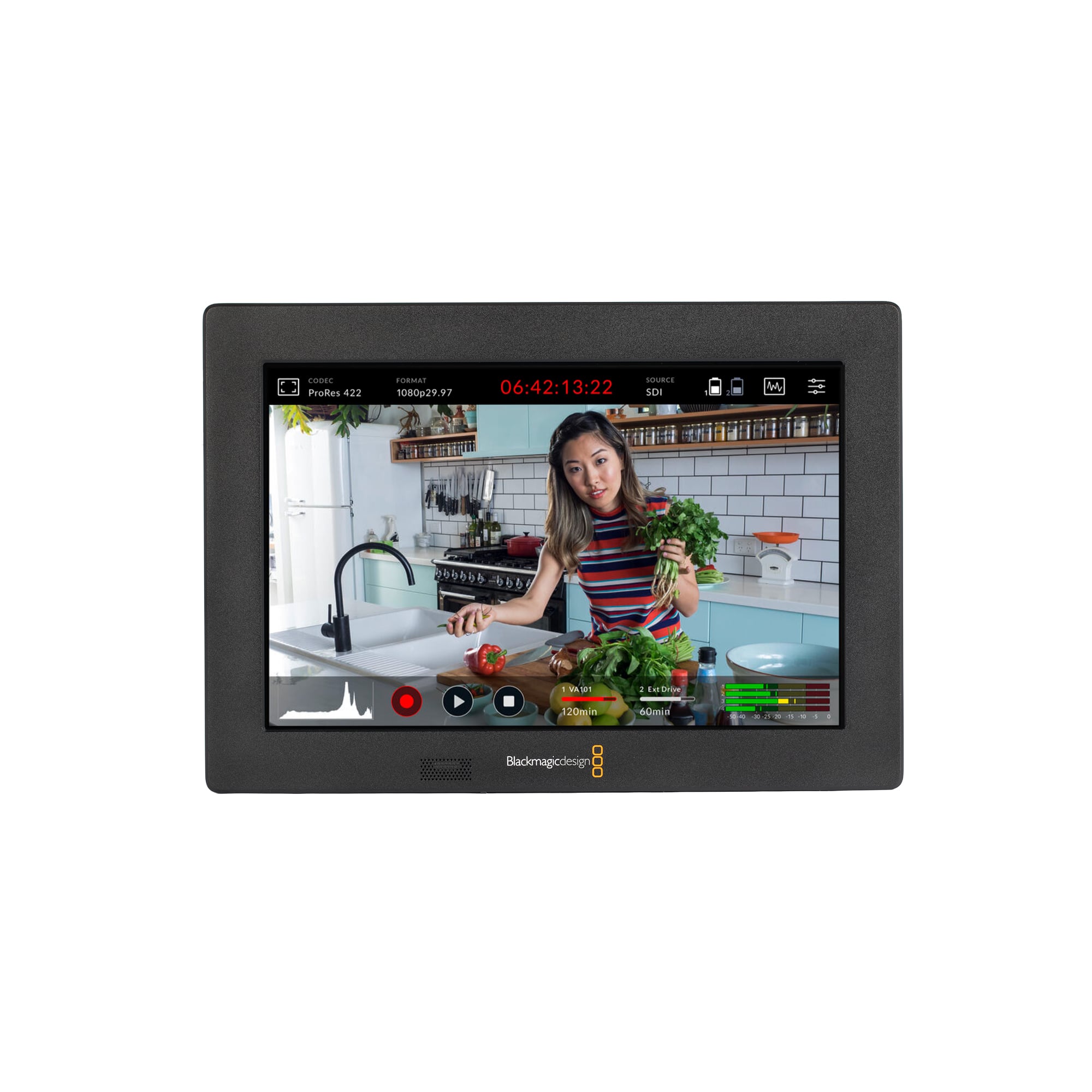
Blackmagic Design - Video Assist 7 3G - Black
SKU: BS3JY9VP8RSee all All MonitorsProduct Description
A professional black 7-inch LCD touchscreen monitor and recorder with Full HD resolution, 3G-SDI, and HDMI connectivity.Your price for this item is $619.95 -
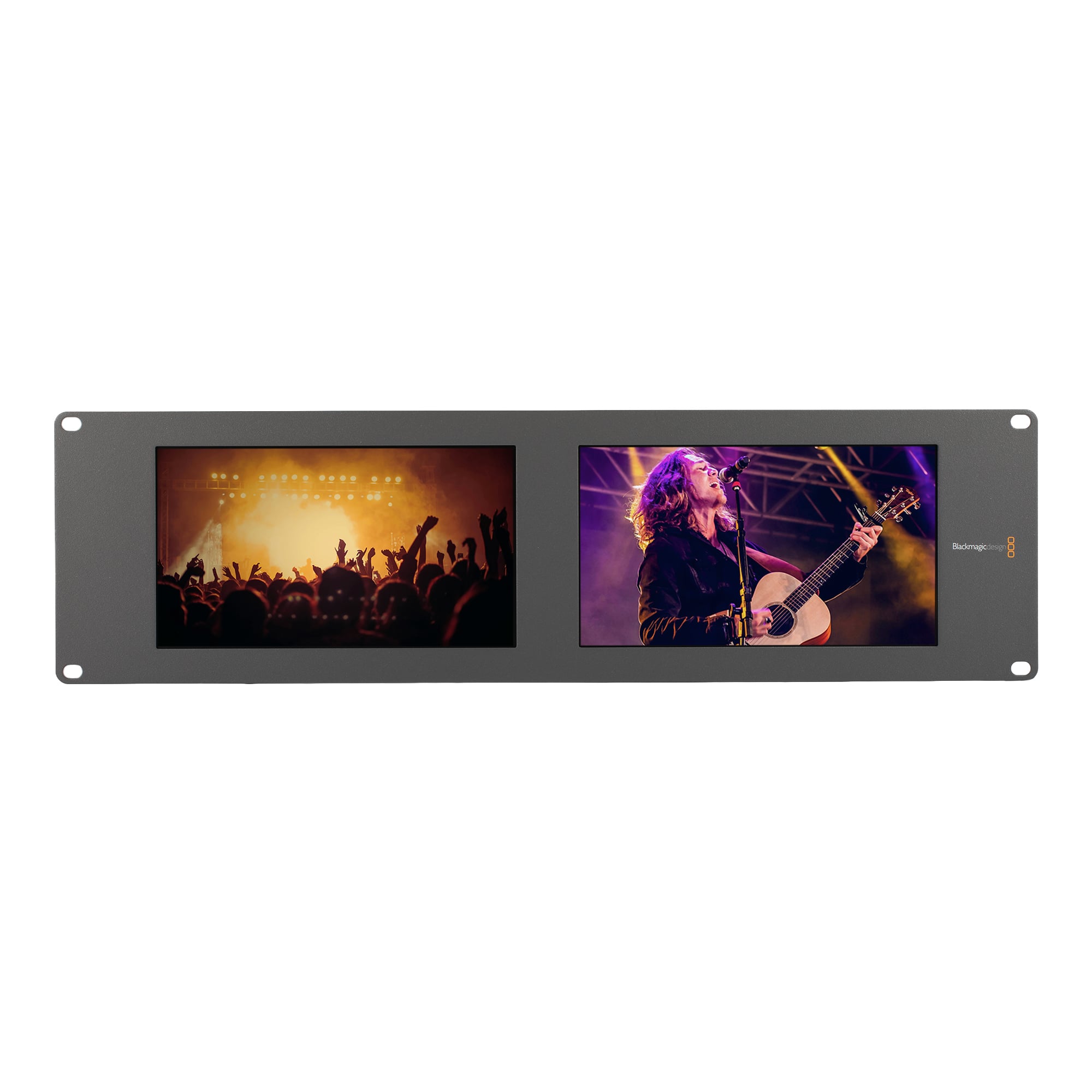
Blackmagic Design - Smartview Duo 2 Rackmountable Dual 8 inch LCD HDL-SMTVDUO2 - Black
SKU: BS3JY9VG2QSee all All MonitorsProduct Description
A rackmountable dual 8-inch black LCD monitor with Full HD resolution and USB connectivity for production setups.Your price for this item is $629.95 -
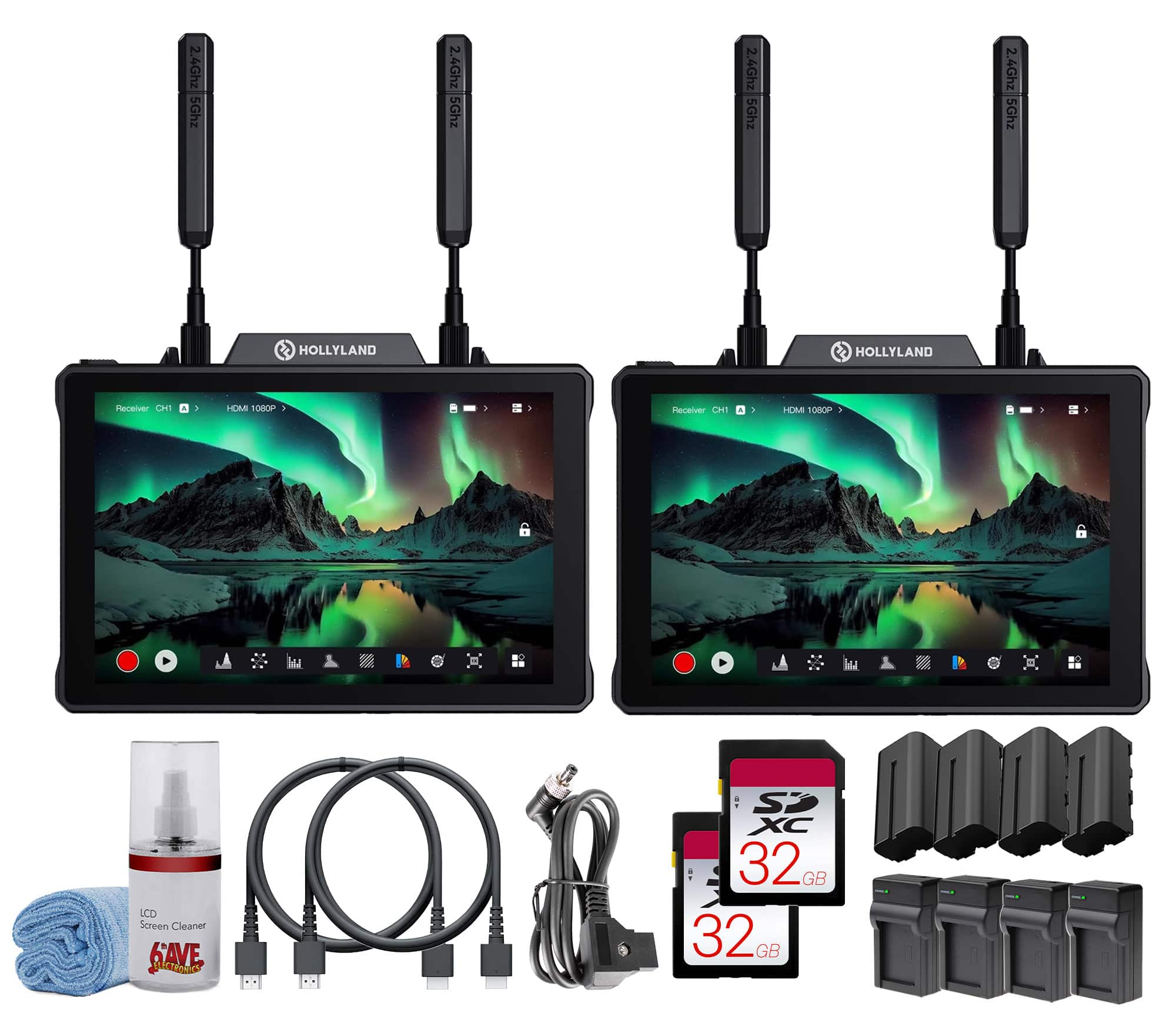
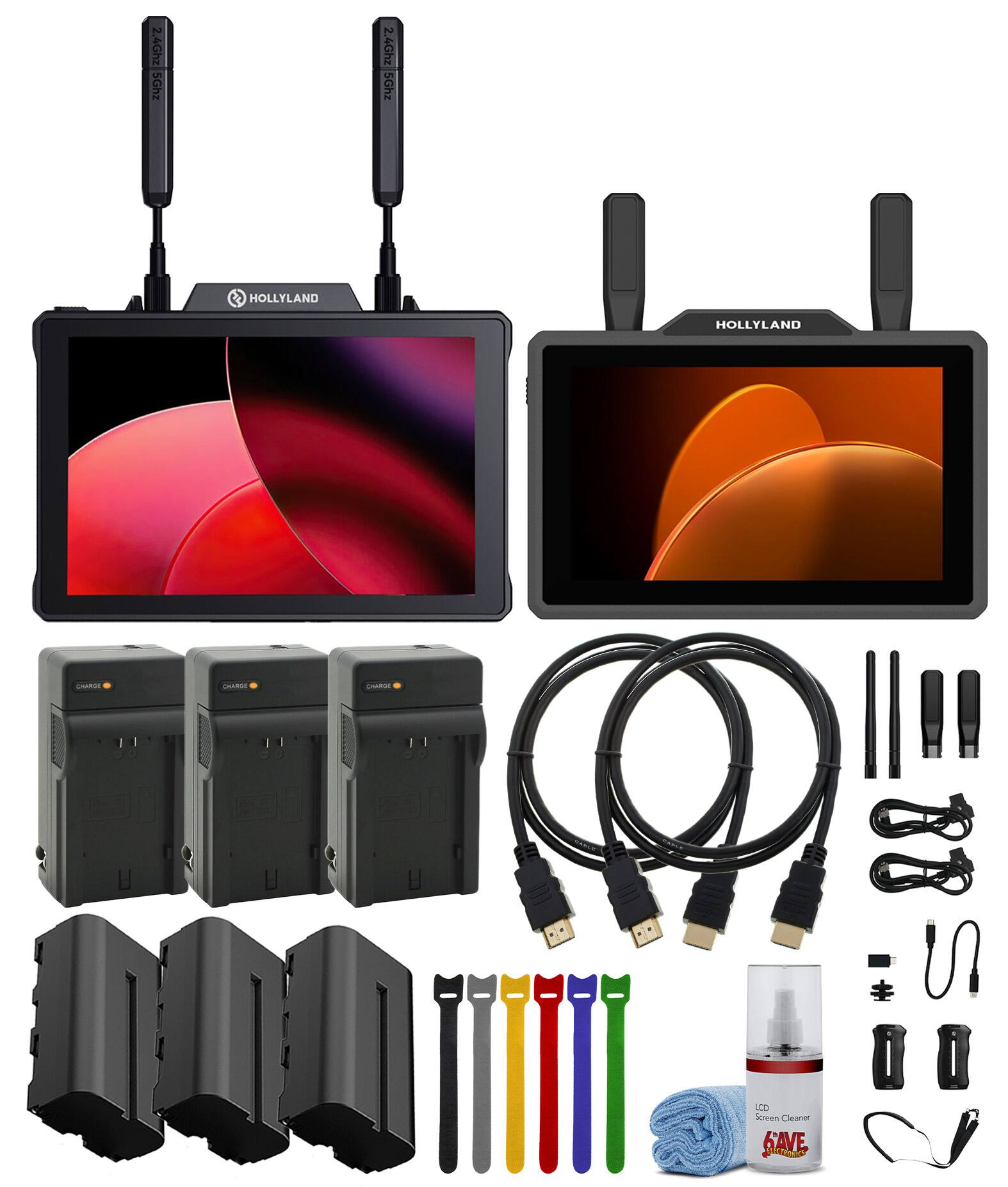
Bundle - HollyView - Hollyland Pyro 7 Wireless Transceiver Monitor 7 Inch 1200nit Dual Battery - Black
SKU: JJGYT4269LSee all All MonitorsProduct Description
A wireless 7-inch LED touchscreen monitor with 1200 nit brightness, dual-band transmission, and SDI/HDMI support.Your price for this item is $1,198.00 -
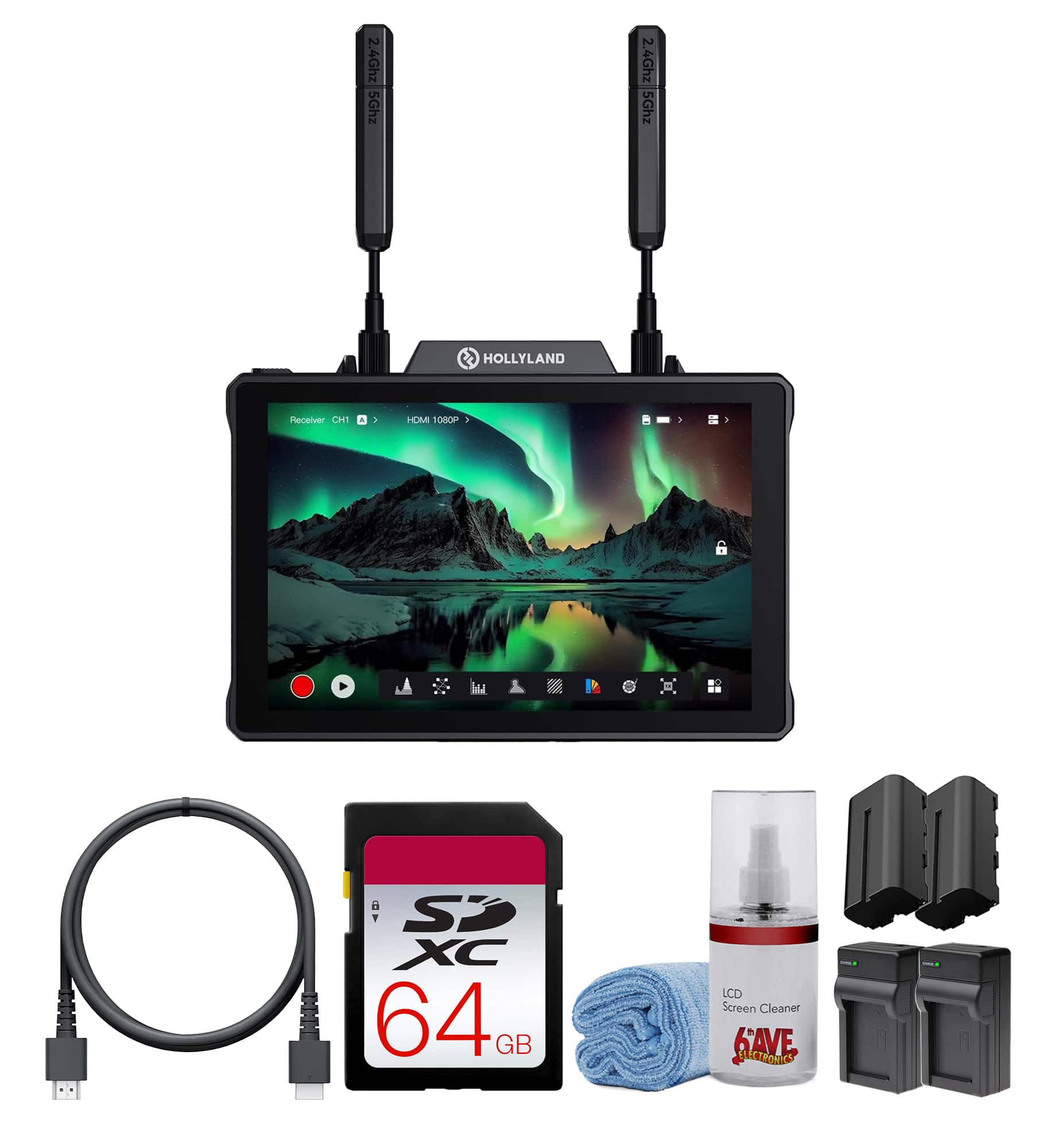
Bundle - HollyView - Hollyland Pyro 7 Wireless Transceiver Monitor 7" 1200nit - Black
SKU: JJGYT426SCSee all All MonitorsProduct Description
A wireless 7" LED touchscreen monitor with 1200 nit brightness, dual-band transmission, and HDMI/SDI support.Your price for this item is $599.00 -
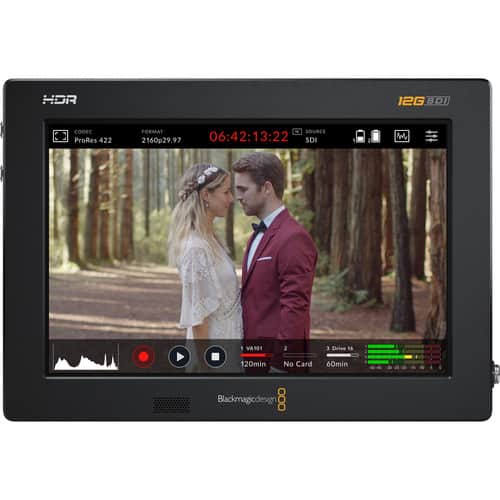
Blackmagic Design - Video Assist 7" 12G-SDI/HDMI HDR Recording Monitor - Black
SKU: BS3JY9VPG6See all All MonitorsProduct Description
A professional black LCD monitor with HDR, 2500-nit brightness, 3D LUTs, dual SD recording, and touch screen.Your price for this item is $839.95Save $25The previous price was $864.95 -
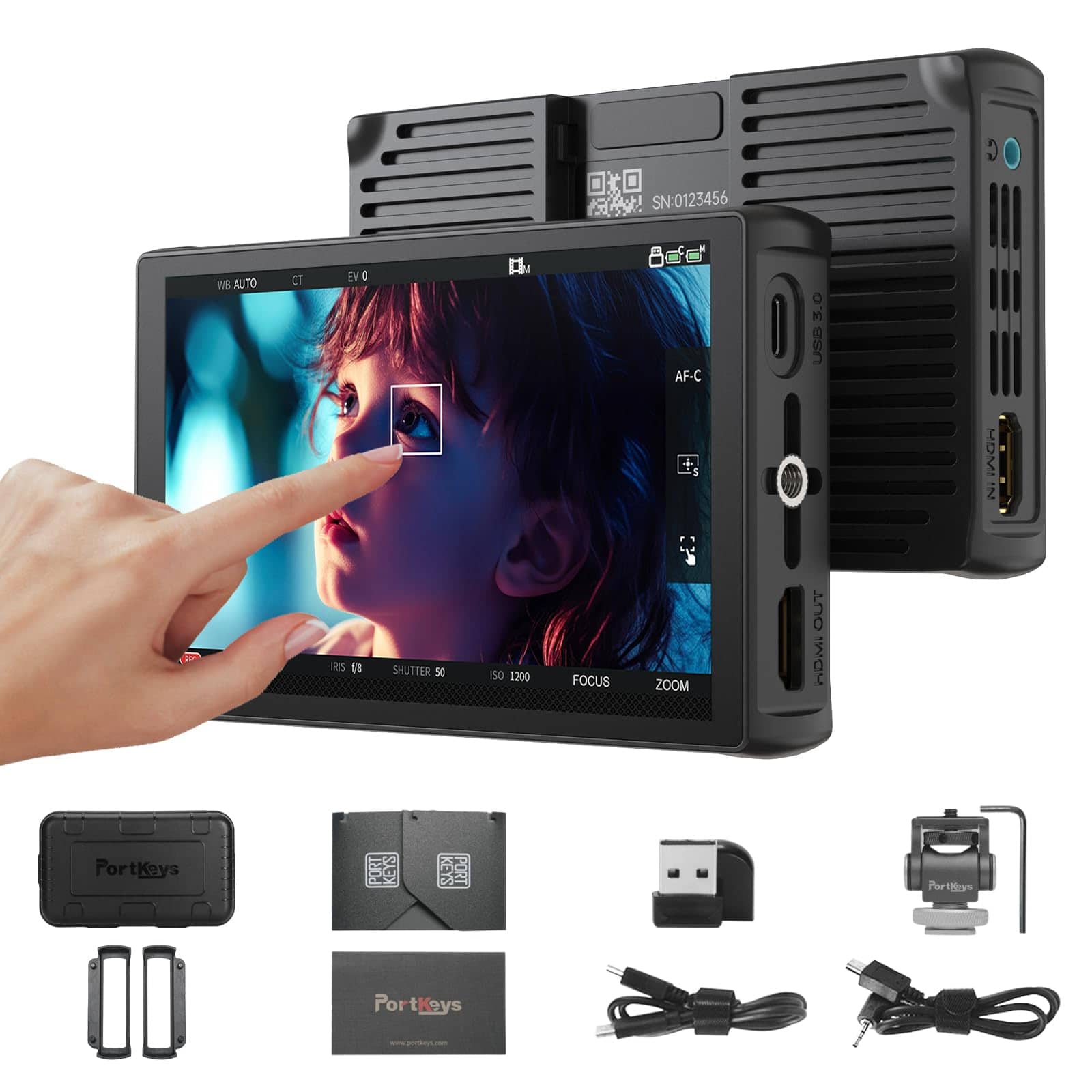
Portkeys - LH5C Camera Monitor 5.4" 800nits Field Monitor Wired Control - Black
SKU: CCF7JQP62ZSee all All MonitorsProduct Description
A black touchscreen field monitor offering 800-nit brightness, wired camera control, and 3D LUT support.Your price for this item is $199.00 -
Blackmagic Design - Video Assist 5" 12G-SDI/HDMI HDR Recording Monitor - Black
SKU: BS3JY9VP84See all All MonitorsProduct Description
A black LCD touchscreen monitor offering 4K UHD recording, HDR support, 3D LUTs, and professional video tools.Your price for this item is $649.95Save $25The previous price was $674.95 -
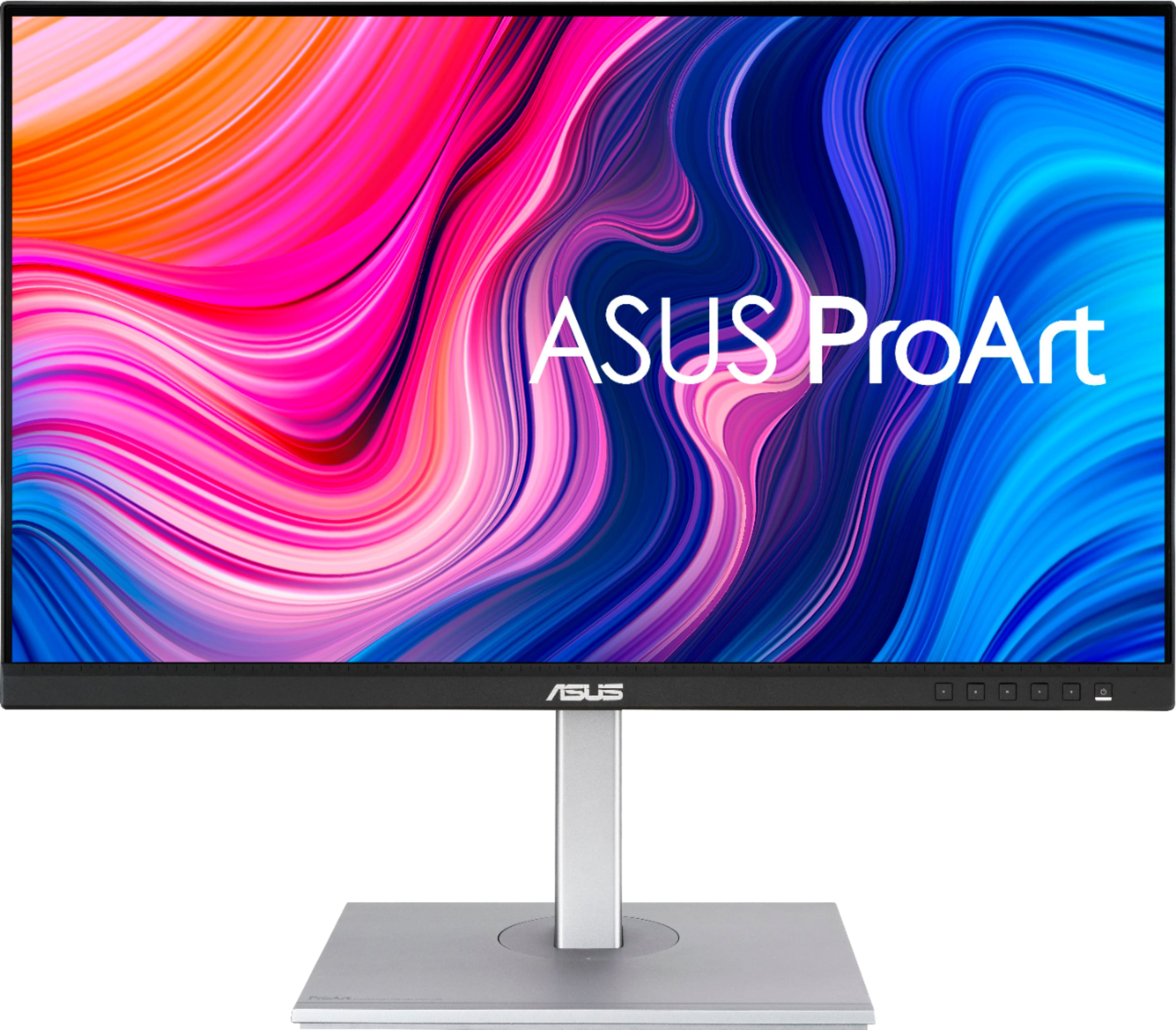
ASUS - ProArt 27" 4K IPS Professional Monitor with HDR (DisplayPort, HDMI, USB-C) - Black
SKU: JJ8Q7RWQ2RThe display has nice coloring best for graphic design if you are looking for good sound its not the best...I love the quality and the ability to customize settings....Absolute best monitor I've ever purchased.......
See all All MonitorsProduct Description
A professional black 4K UHD IPS monitor with HDR10, USB-C, and wide 178° viewing angles.Your price for this item is $329.99Save $70The previous price was $399.99 -
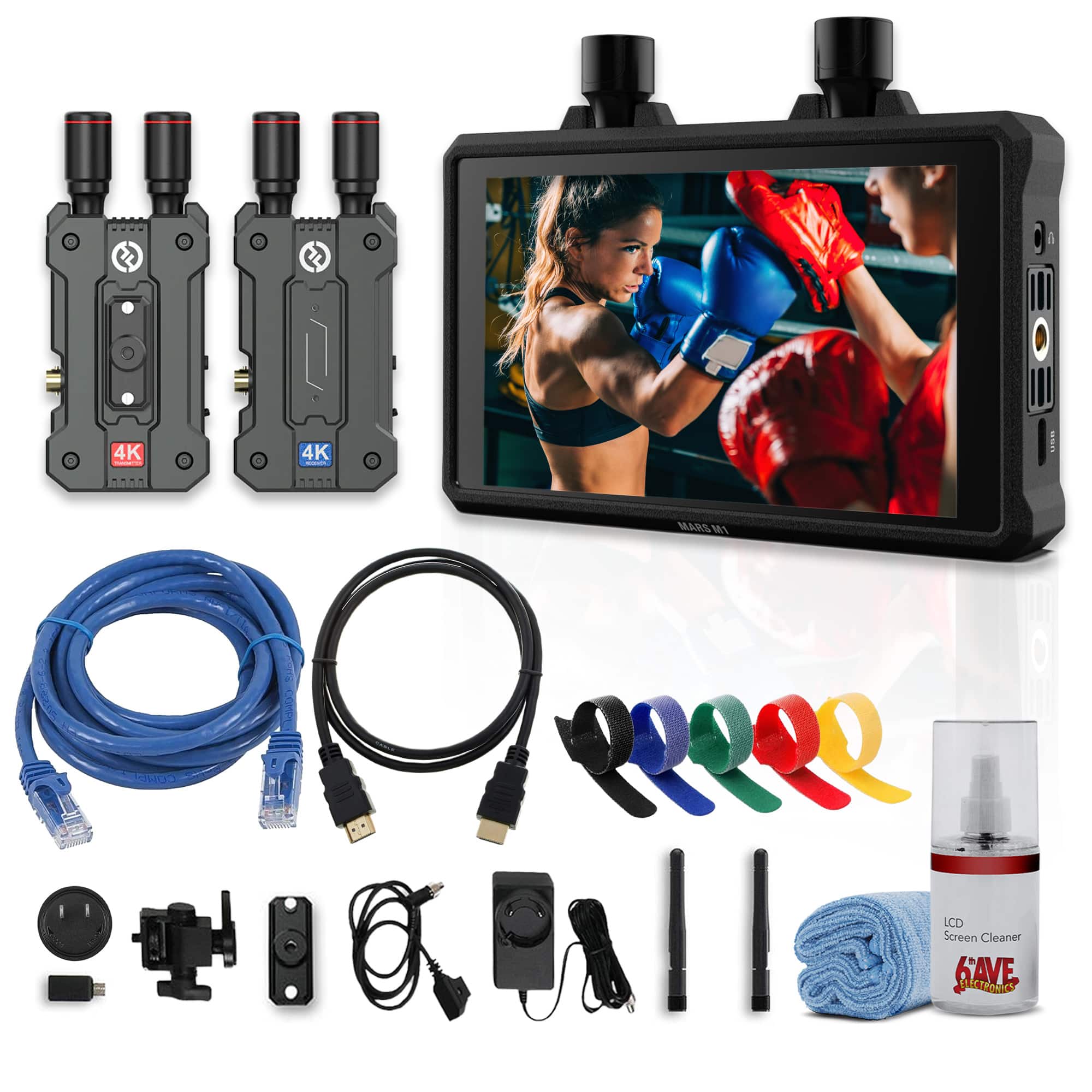
HOLLYLAND - Mars M1 Enhanced Wireless Monitor & Mars 4K Video System
SKU: JJGYT42FJ2See all All MonitorsProduct Description
A versatile wireless video monitoring kit with UHD 4K30 transmission, Full HD touchscreen, and multiple power options.Your price for this item is $844.95 -
HOLLYLAND - Pyro 7 & Pyro 5 Wireless Transceiver Monitor Kit HDMI SDI 1300ft RTMP
SKU: JJGYT42F8LSee all All MonitorsProduct Description
A professional wireless video monitoring kit with HDMI/SDI, RTMP streaming, recording, LUT support, and 1300-foot transmission.Your price for this item is $1,079.95

Best Sellers

Related Pages





FAQ
When choosing a video production monitor, consider features like color accuracy, high resolution, multiple input options (such as HDMI, SDI, and DisplayPort), adjustable brightness, and support for professional color spaces like Rec.709 or DCI-P3. Some monitors also offer waveform, vectorscope, and focus assist tools for enhanced production workflows.
Yes, most video production monitors are designed to be compatible with a wide range of camera brands, including Canon, Sony, Panasonic, Blackmagic, and RED. They typically support universal video input standards, making them versatile for various production setups.
Absolutely! Video production monitors are ideal for post-production tasks such as color grading, editing, and reviewing footage. Their precise color reproduction and calibration capabilities help ensure your final product looks consistent across different viewing platforms.
Video production monitors are specially engineered for professional video work. They offer higher color accuracy, advanced calibration options, and support for industry-standard color spaces, which standard computer monitors may lack. These features make them better suited for critical video and film work.
Many professional video production monitors come with built-in tools such as waveform monitors, vectorscopes, false color, peaking, and LUT (Look-Up Table) support. These tools assist filmmakers with exposure, focus, and color management directly on set or in the studio.