Video Monitors
-
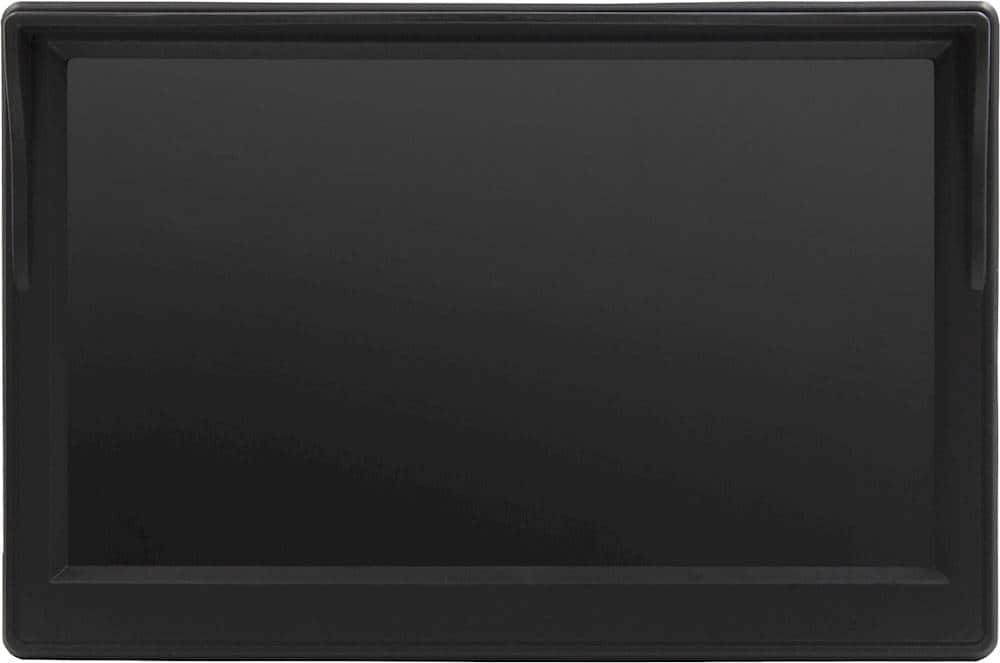
iBEAM - 5" Widescreen TFT Monitor with Suction Cup Mounting Bracket - Black
SKU: J7RX7Y7PC7Combine with camera from Best Buy ....Love my backup camera
See all Back-Up & Dash Camera AccessoriesProduct Description
A compact black color video monitor with two video inputs and a suction cup mounting bracket.Your price for this item is $54.99 -
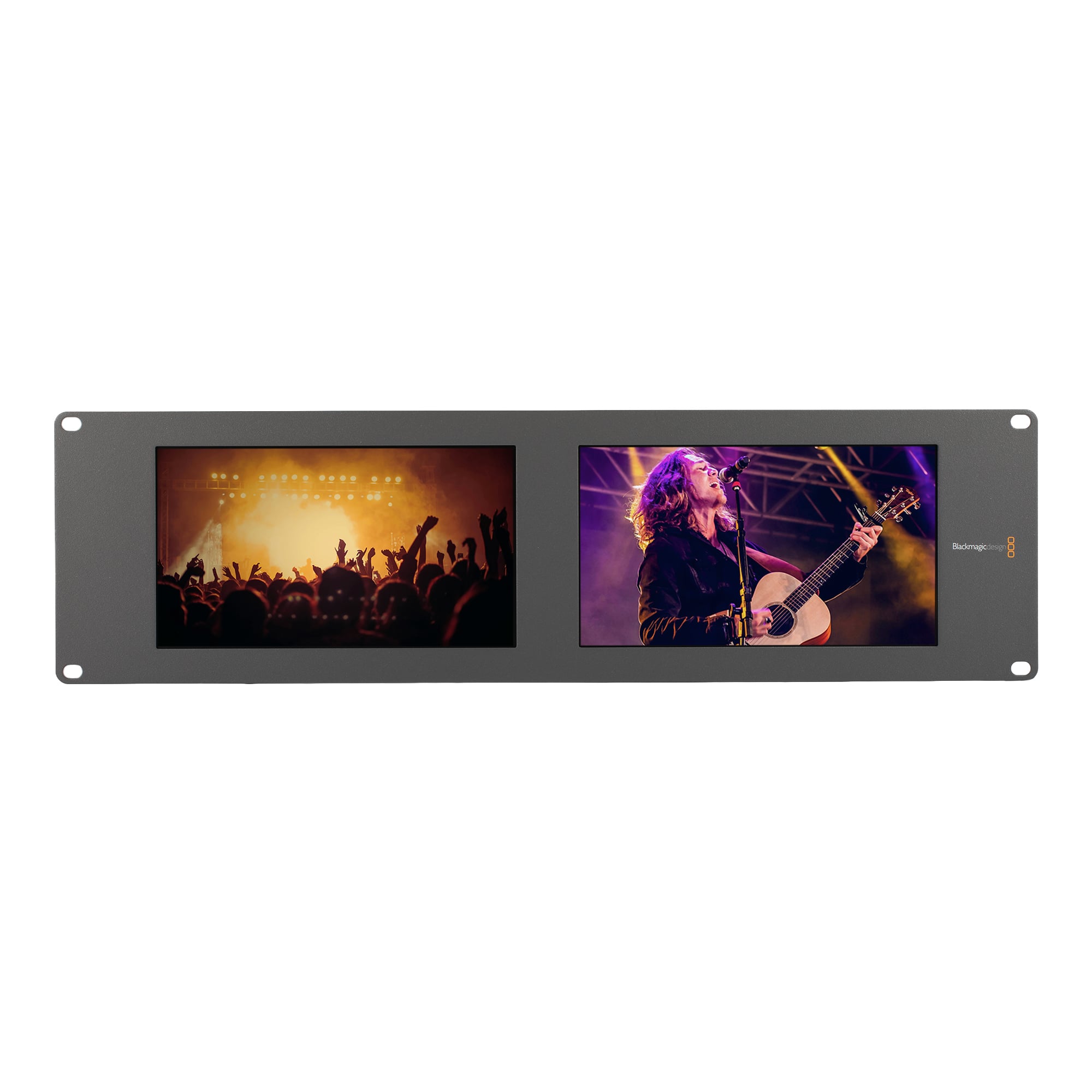
Blackmagic Design - Smartview Duo 2 Rackmountable Dual 8 inch LCD HDL-SMTVDUO2 - Black
SKU: BS3JY9VG2QSee all All MonitorsProduct Description
A rackmountable dual 8-inch black LCD monitor with Full HD resolution and USB connectivity for production setups.Your price for this item is $629.95 -
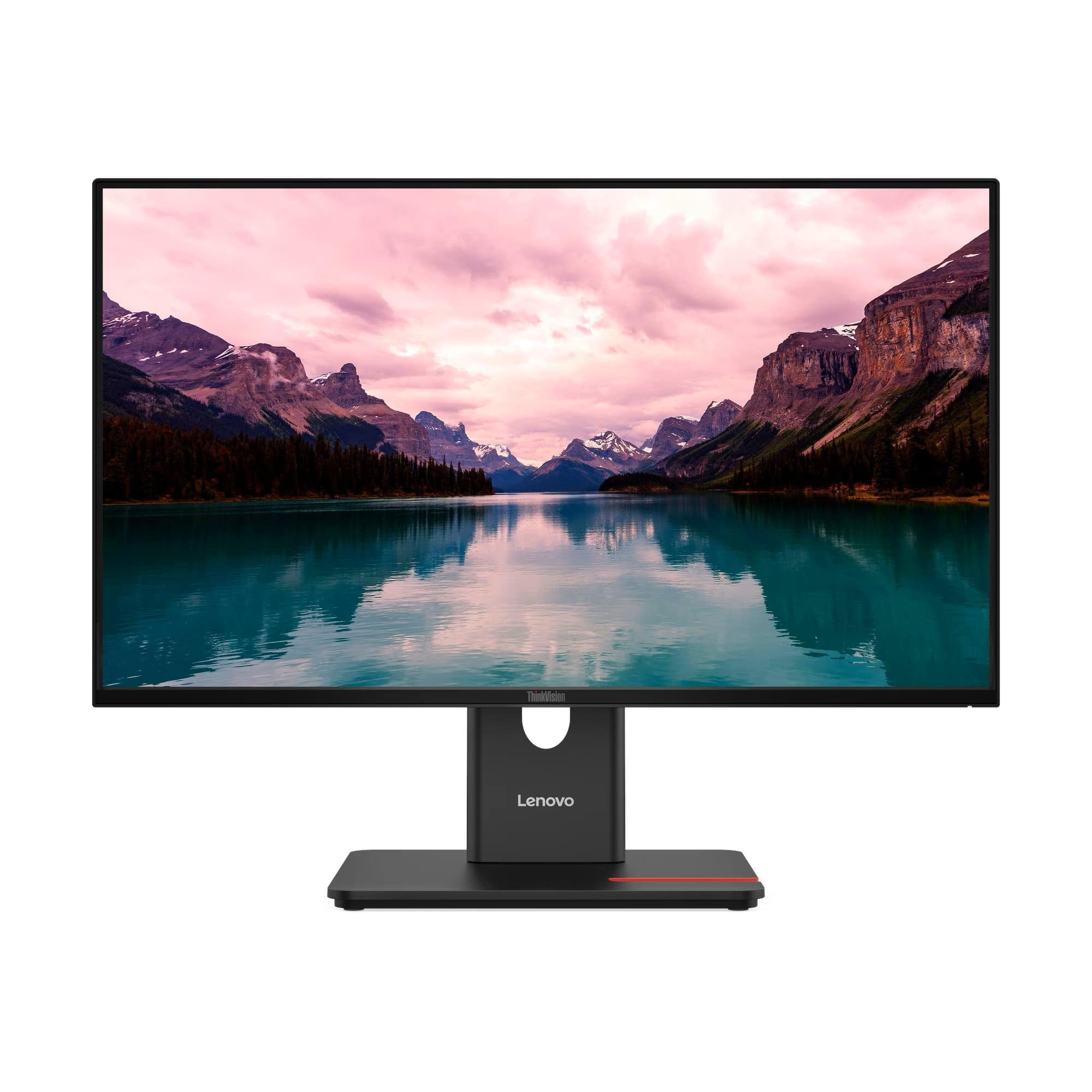
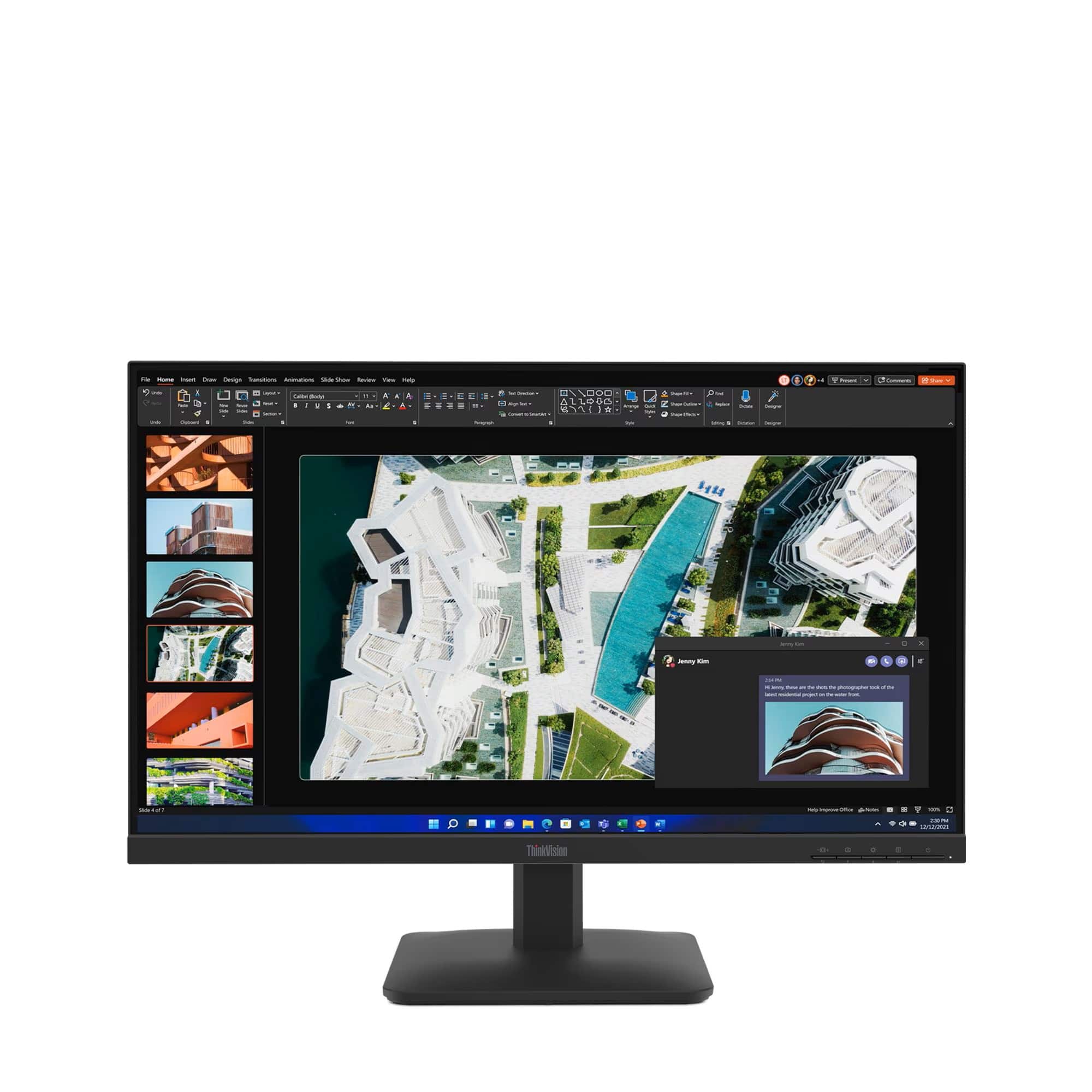
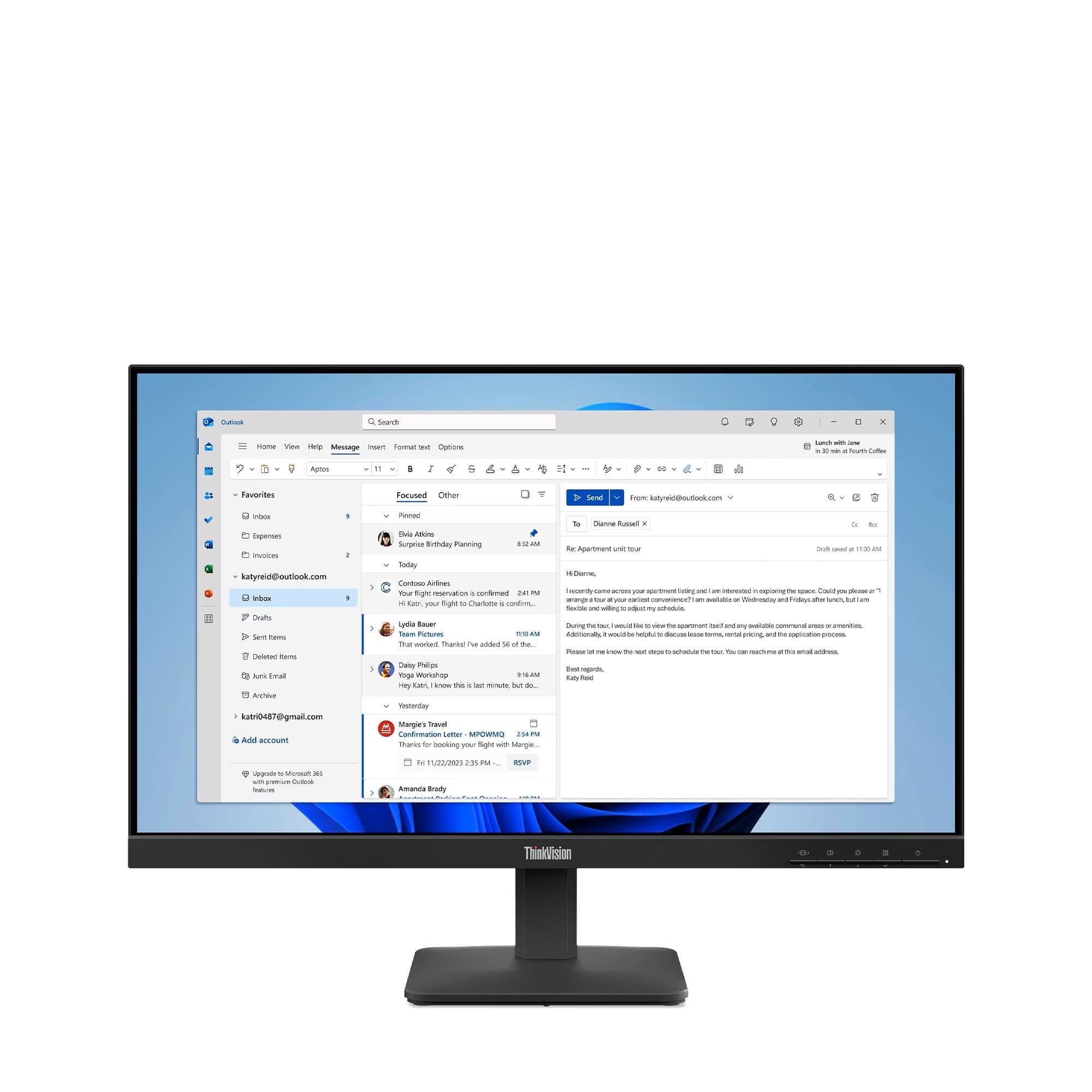
Lenovo - ThinkVision 23.8" IPS LED FHD 48hz - 120hz Monitor (HDMI, USB, DP, VGA) - Eclipse Black
SKU: JJGSHL7LXSSee all All MonitorsProduct Description
An Eclipse Black IPS LED monitor featuring FHD resolution, 120Hz refresh rate, and versatile connectivity options.Your price for this item is $179.99Save $10The previous price was $189.99 -
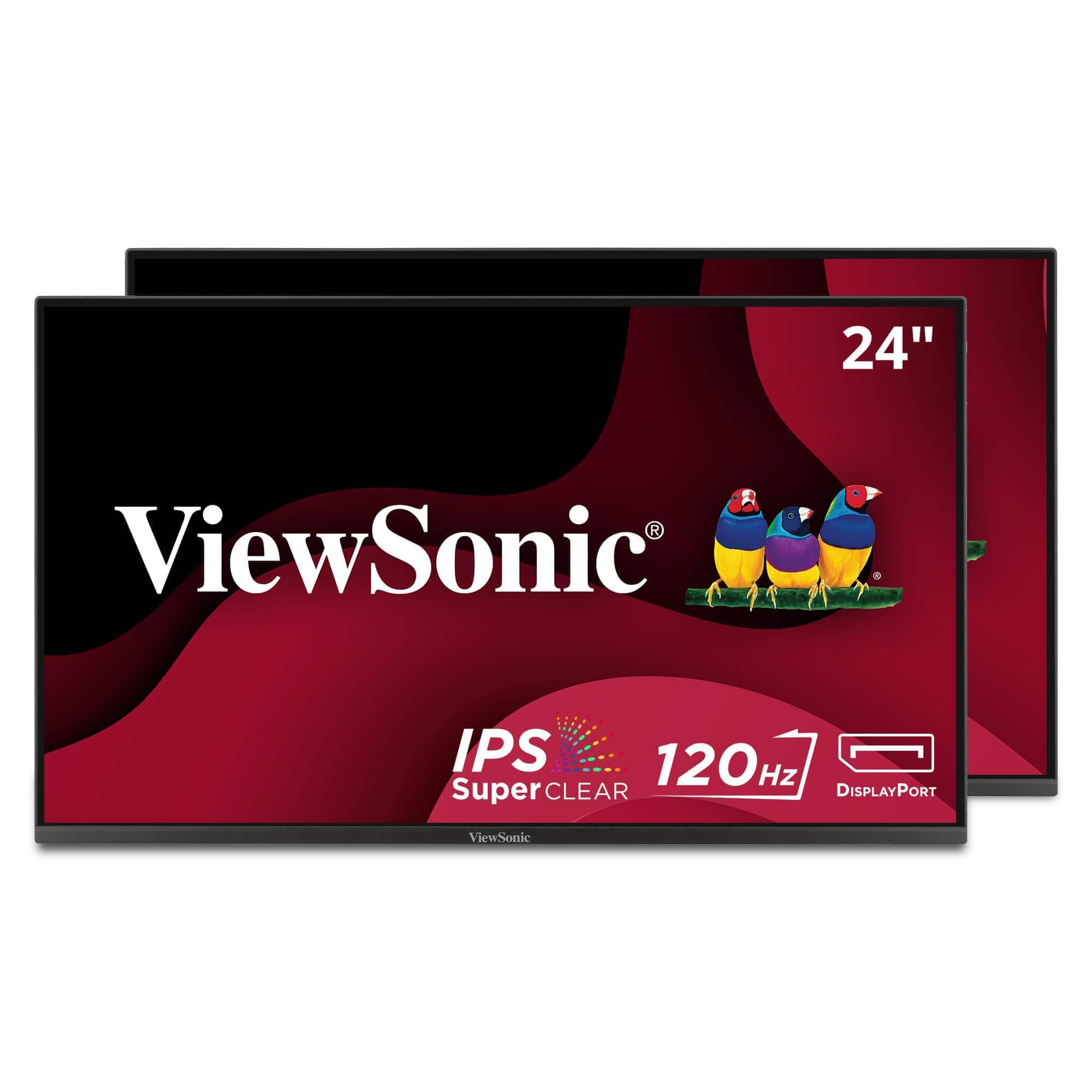
ViewSonic - VA2456A-MHD_H2 Dual Monitor Pack Head-Only 1080p IPS Frameless Monitors with 120Hz, VESA Mountable, HDMI, DP - Black
SKU: J37H88V5P2See all All MonitorsProduct Description
A dual pack of black frameless IPS monitors with 1080p resolution, 120Hz refresh rate, and VESA mount compatibility.Your price for this item is $214.99 -
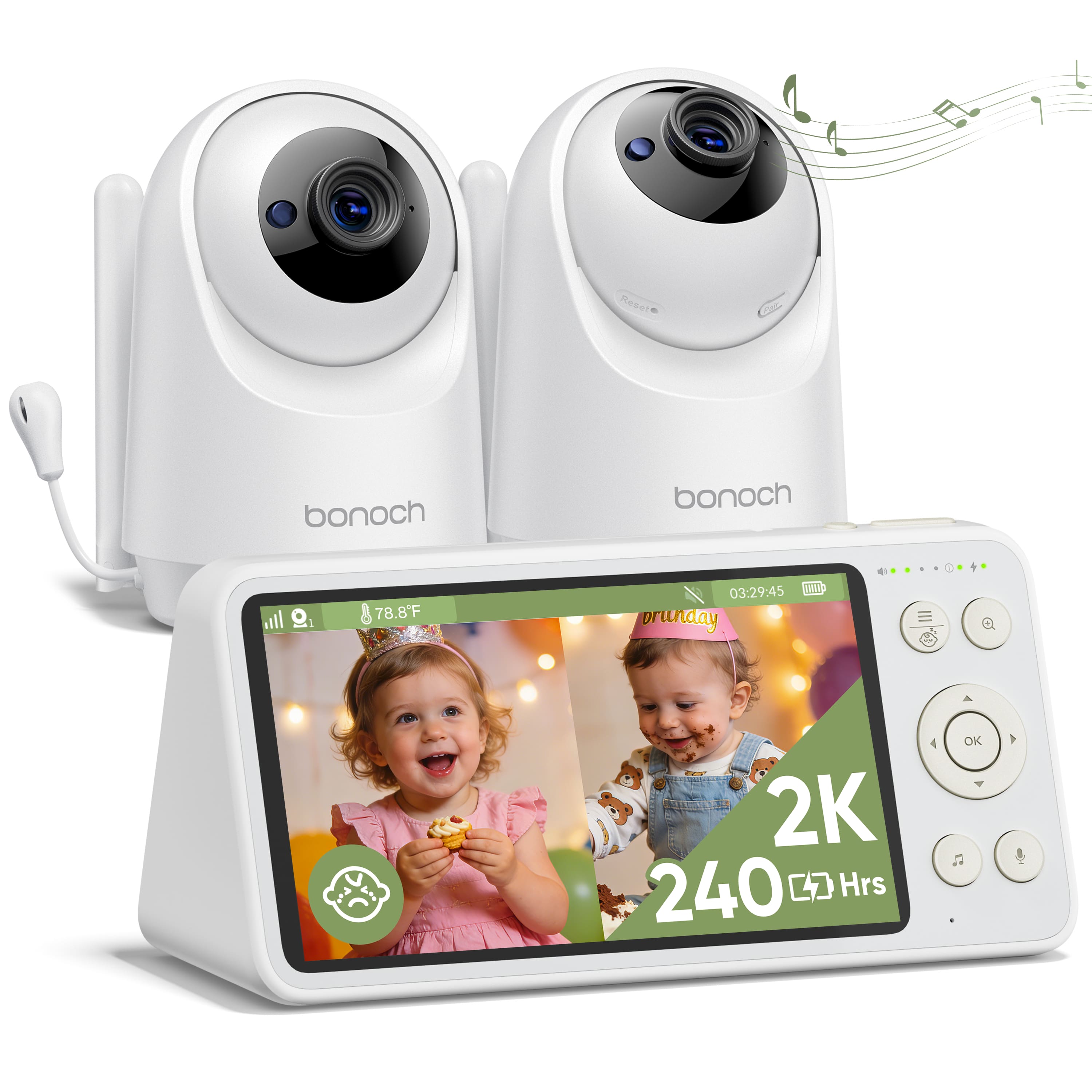
bonoch - 2K Baby Monitor with 2 Cameras and 5.5'' Split Screen 240h Lasting No WiFi Dual Video Monitor - White
SKU: CZTZ2F2C35See all Video Baby MonitorsProduct Description
A white dual-camera baby monitor with 1440p split screen, motion detection, and 240-hour battery life.Your price for this item is $179.99 -
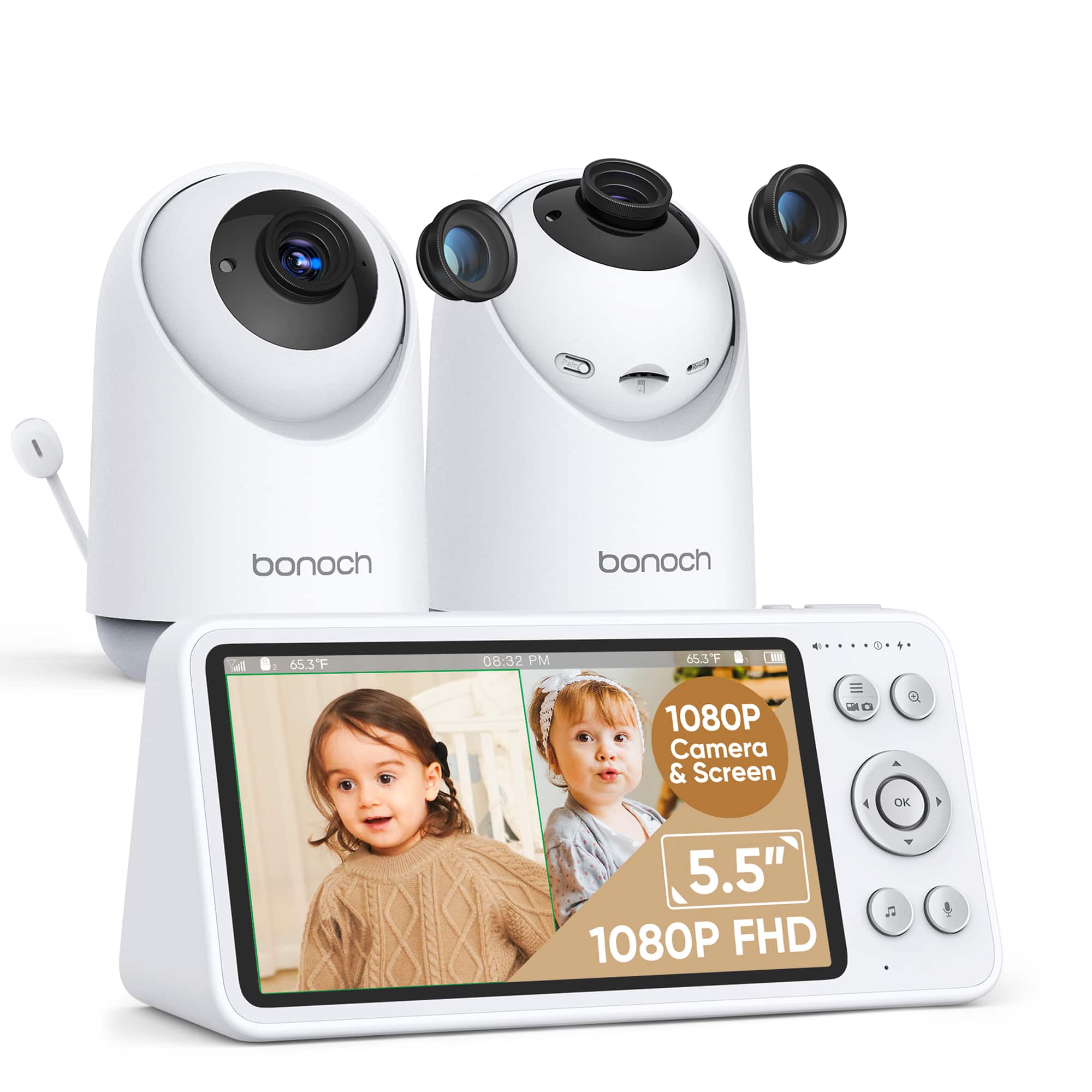
bonoch - 5.5" 1080P Video Baby Monitor with 2 Cameras, Wireless, Motion Sensor, and Local Storage - White
SKU: CZTZ2FC4T8See all Video Baby MonitorsProduct Description
A wireless white baby monitor with two 1080p cameras, motion sensor, local storage, and audio features.Your price for this item is $149.99 -
Lenovo - ThinkVision 27" IPS LED FHD 48Hz - 100hz Monitor (HDMI, VGA) - Raven Black
SKU: JJGSHL23QHSee all All MonitorsProduct Description
A sleek raven black IPS LED monitor with Full HD resolution, 100Hz refresh rate, and HDMI/VGA connectivity.Your price for this item is $144.99 -
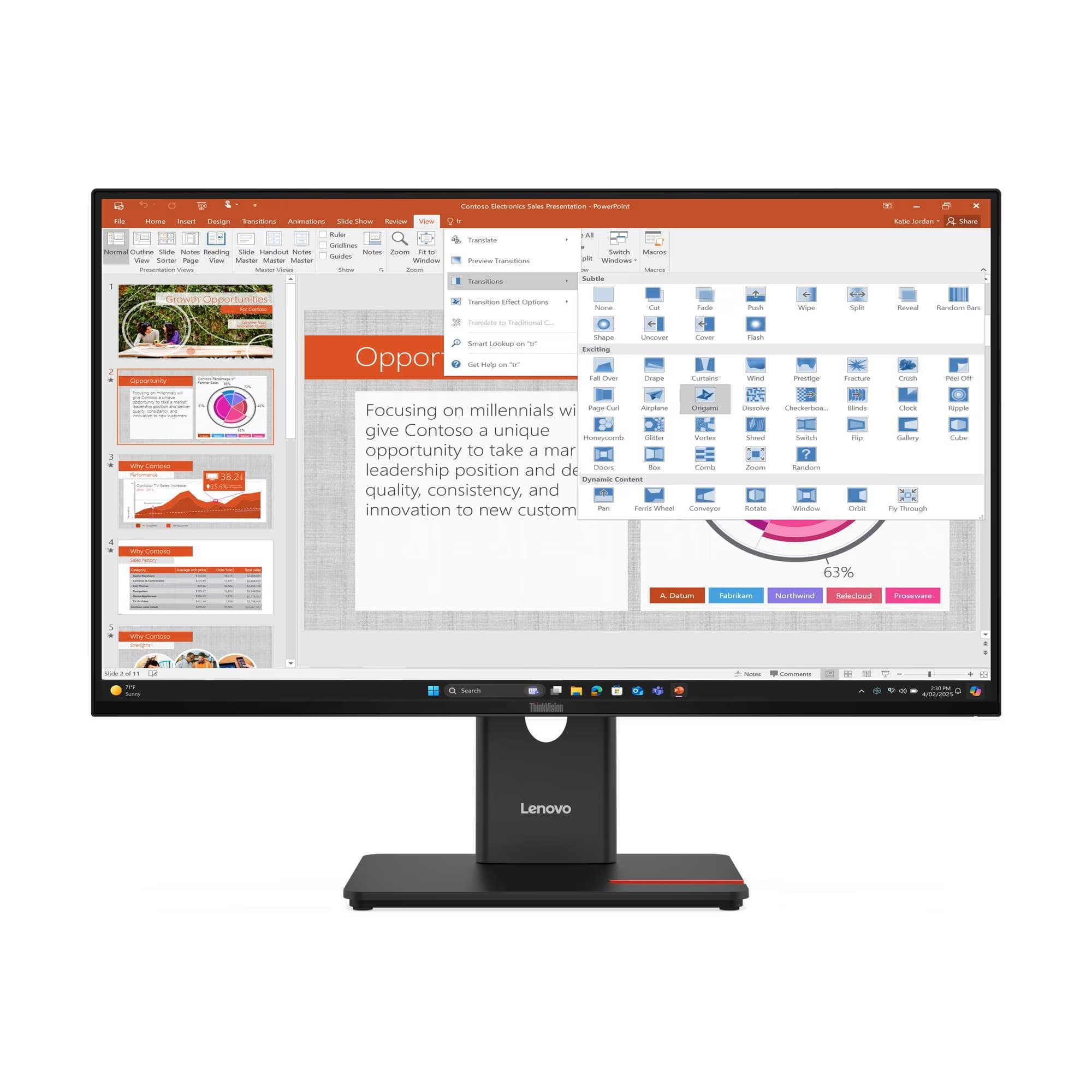
Lenovo - ThinkVision 27" IPS LED FHD 48Hz - 120hz Monitor (HDMI, USB, DP, VGA) - Eclipse Black
SKU: JJGSHX57KWSee all All MonitorsProduct Description
A sleek Eclipse Black IPS LED monitor with 120Hz refresh rate, adjustable stand, and versatile connectivity options.Your price for this item is $229.99Save $10The previous price was $239.99 -
Lenovo - ThinkVision 23.8" IPS LED FHD 100hz Monitor (HDMI, VGA) - Raven Black
SKU: JJGSHLL9QGSee all All MonitorsProduct Description
A sleek Raven Black IPS LED monitor with 100Hz refresh rate, FHD resolution, HDMI and VGA connectivity.Your price for this item is $109.99Save $10The previous price was $119.99 -
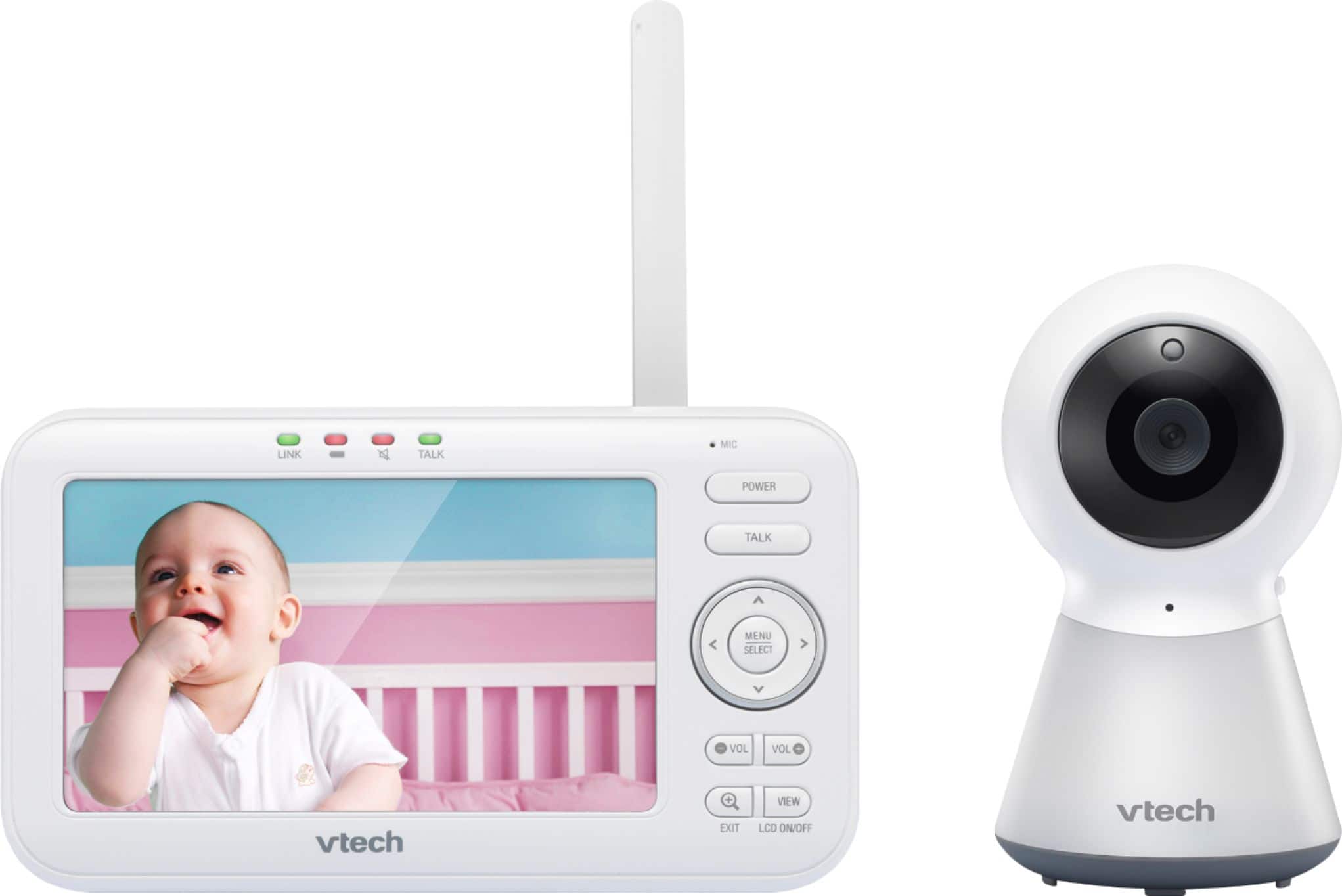
VTech - 5" Video Baby Monitor w/Adaptive Night Light - White
SKU: JXZP4VZC7CThe shipping was on time and the product was excellent for the price i love best buy!...This was a gift and I have heard only the best feedback about it....Great features, great display, easy-to-use
See all Video Baby MonitorsProduct Description
A white video baby monitor featuring a 5-inch LCD screen, adaptive night light, and temperature display.Your price for this item is $67.95
Best Sellers

Related Pages




FAQ
When selecting a video monitor, consider features such as screen resolution, display type (LCD, LED, OLED), connectivity options (HDMI, USB, wireless), built-in speakers, and compatibility with your devices. Additional features like night vision, two-way audio, and remote pan/tilt can enhance your experience depending on your needs.
Many modern video monitors offer app support or wireless connectivity, allowing you to stream video directly to your smartphone or tablet. Check the product specifications for compatibility with iOS or Android devices and whether a dedicated app is required.
Some video monitors are designed to support multiple camera feeds, enabling you to monitor different rooms or angles simultaneously. Look for models with split-screen or quad-view capabilities if you need to view more than one camera at a time.
Certain video monitors integrate with popular smart home ecosystems like Google Home, Amazon Alexa, or Apple HomeKit. This allows you to control and view your monitor using voice commands or through your smart home hub. Refer to the product description to verify compatibility.
Analog video monitors transmit signals over traditional radio frequencies, which may be more susceptible to interference and offer lower image quality. Digital video monitors use encrypted signals, providing clearer images, better security, and additional features such as remote viewing and notifications.