Self-Cleaning Ovens
-
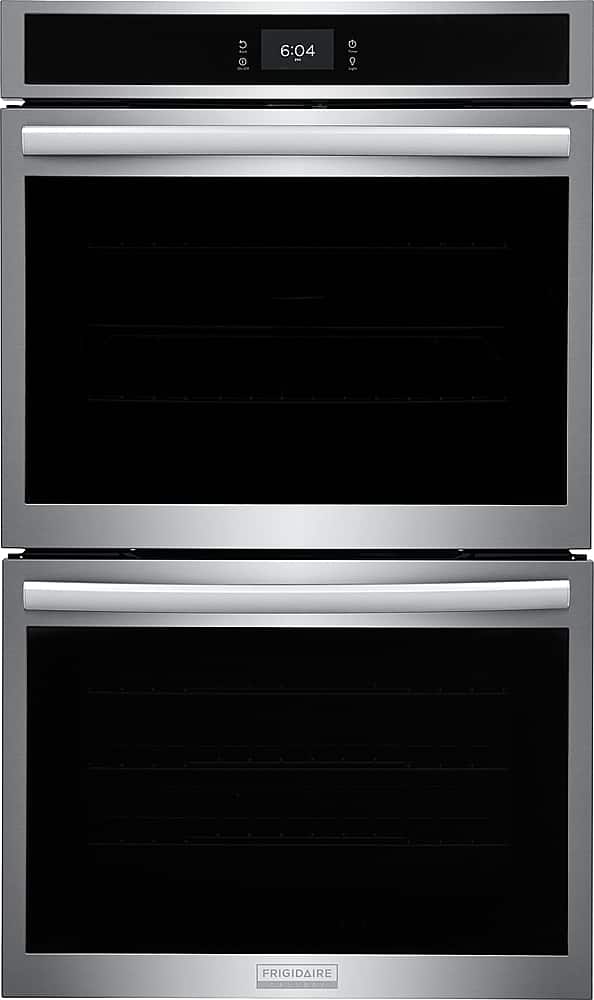
Frigidaire - Gallery 30" Double Electric Wall Oven with Total Convection - Stainless Steel
SKU: J7CJ3RCV3GWe just started using the ovens it is working good had no issues at this time...These are very efficient ovens that heat up quickly....Dual oven review...Great ovens
See all Double Wall OvensProduct Description
A stainless steel double electric wall oven with Total Convection, Air Fry, and touchscreen controls for versatile cooking.Your price for this item is $2,099.99Save $1500The previous price was $3,599.99 -
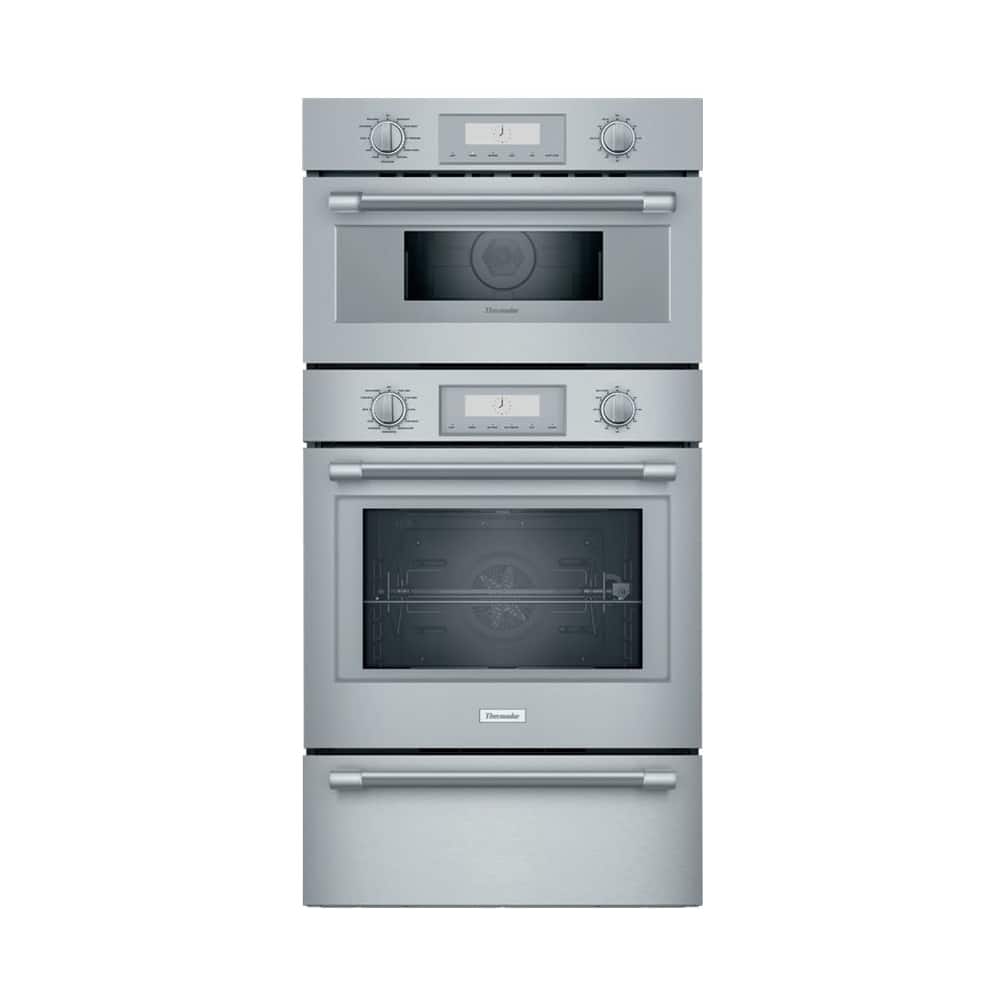
Thermador - Professional Series 30" Built-In Double Electric Smart Combination Microwave and Wall Oven with True Convection - Stainless Steel
SKU: J3P322YVX2Absolutely Fantastic "Triple" Oven!...Anyway, it's an incredible 3-unit oven system!...Great oven....Great oven once we got it and understood how to operate.
See all Double Wall OvensProduct Description
A stainless steel triple combination wall oven with convection, speed oven, warming drawer, and Wi-Fi connectivity.Your price for this item is $11,299.00 -
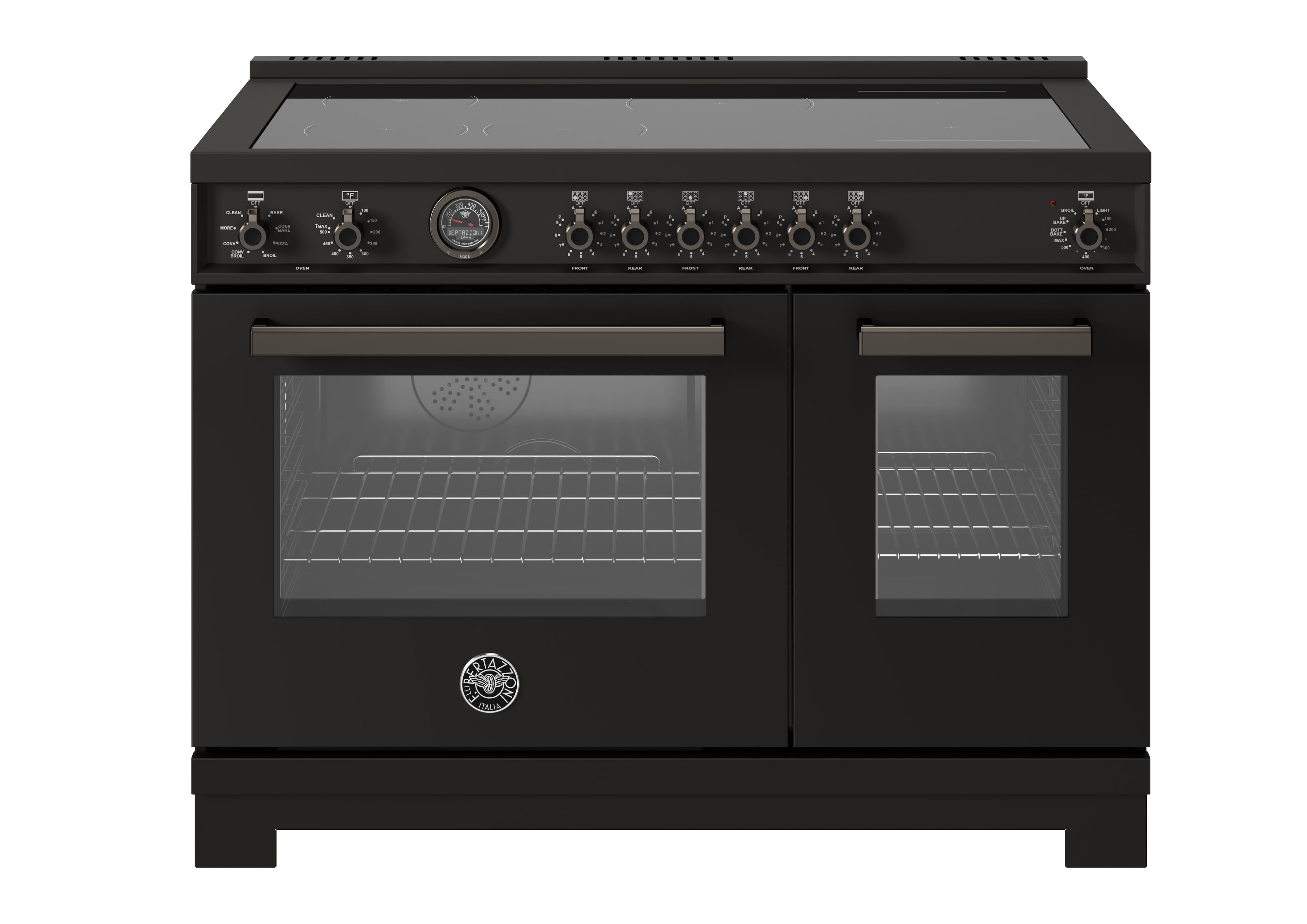
Bertazzoni - 48" Professional Series range - Electric self clean oven - 6 induction zones - Carbonio
SKU: BCZ3S87H4CSee all Double Oven RangesProduct Description
A sleek carbonio-finished induction range featuring six zones, double ovens, air-fry mode, and self-cleaning.Your price for this item is $16,199.00 -
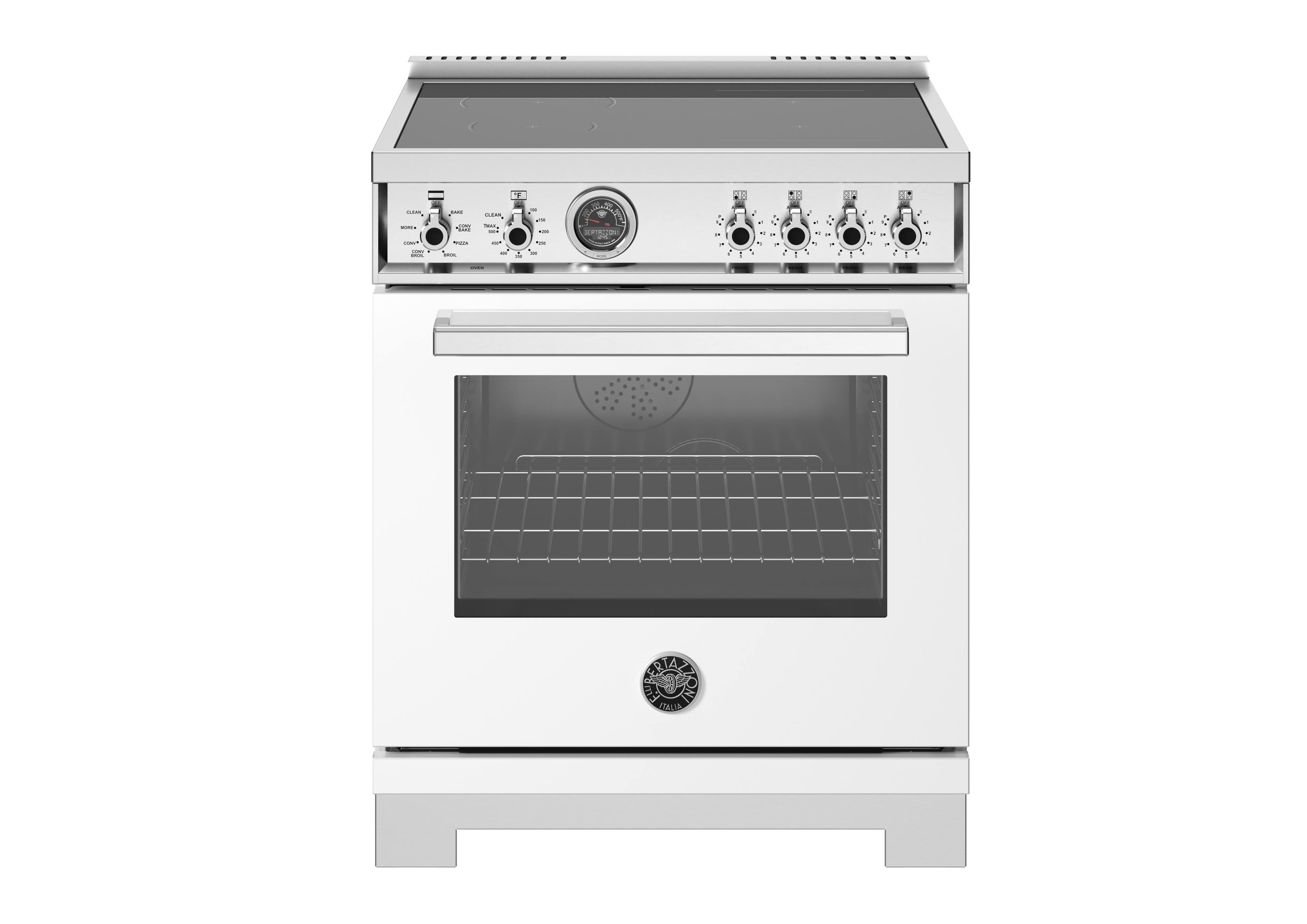
Bertazzoni - 30" Professional Series range - Electric self clean oven - 4 induction zones - White
SKU: BCZ3S87Q5LSee all Induction RangesProduct Description
A white electric range featuring four induction zones, self-cleaning convection oven, air-fry mode, and soft-close doors.Your price for this item is $7,139.00 -
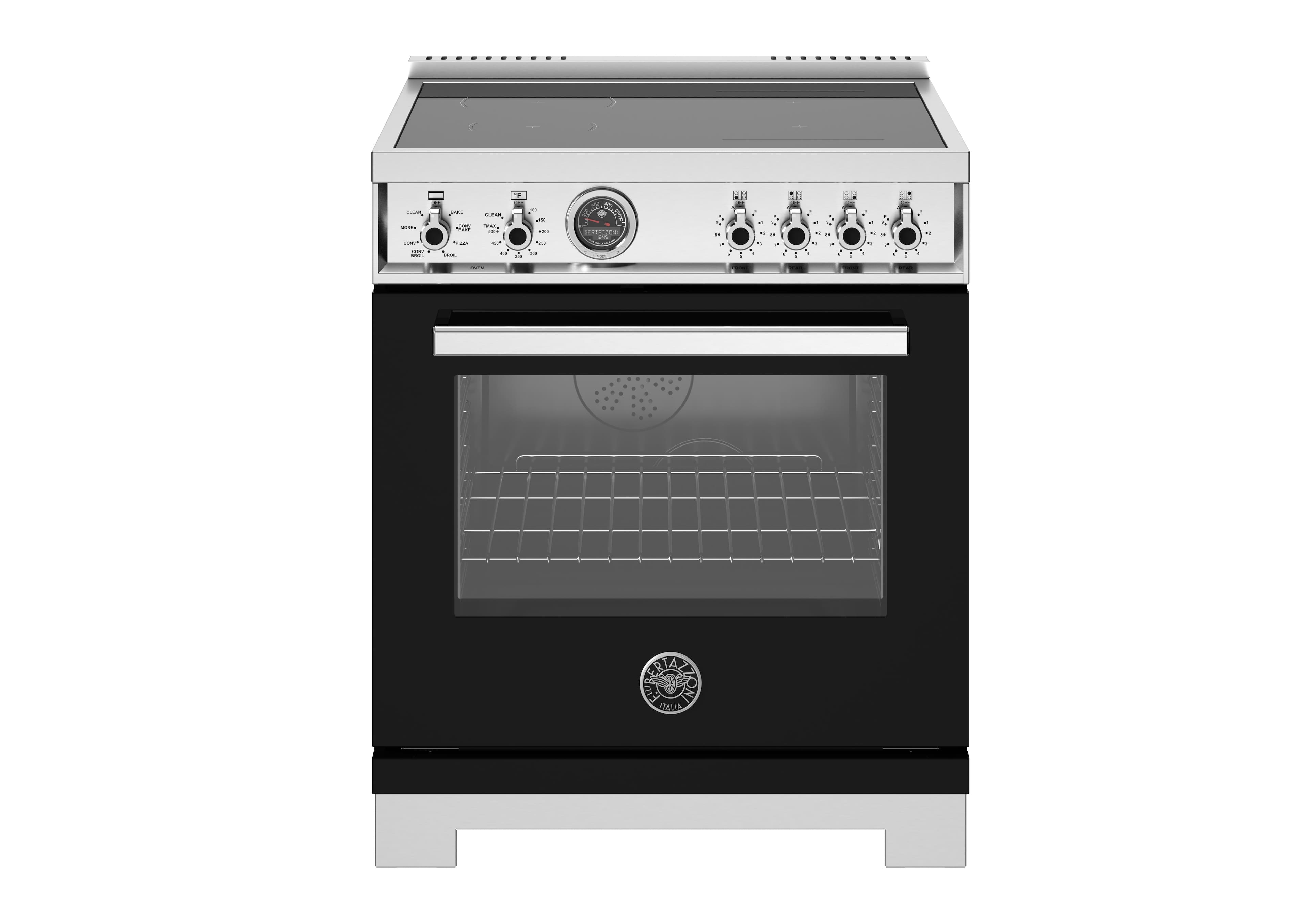
Bertazzoni - 30" Professional Series range - Electric self clean oven - 4 induction zones - Black
SKU: BCZ3S87H4HSee all Induction RangesProduct Description
A sleek black electric range featuring four induction zones, self-cleaning oven, dual convection, and air-frying mode.Your price for this item is $7,919.00 -
Bertazzoni - 30" Professional Series range - Electric self clean oven - 4 brass burners - Orange
SKU: BCZ3S87HLYSee all Dual-Fuel RangesProduct Description
An orange dual fuel range with four brass burners, self-cleaning convection oven, and air-frying mode.Your price for this item is $8,569.00 -
Bertazzoni - 30" Professional Series range - Electric self clean oven - 4 brass burners - White
SKU: BCZ3S87HP7See all Dual-Fuel RangesProduct Description
A white dual fuel range featuring four brass burners, self-cleaning convection oven, and air-frying mode.Your price for this item is $7,449.00 -
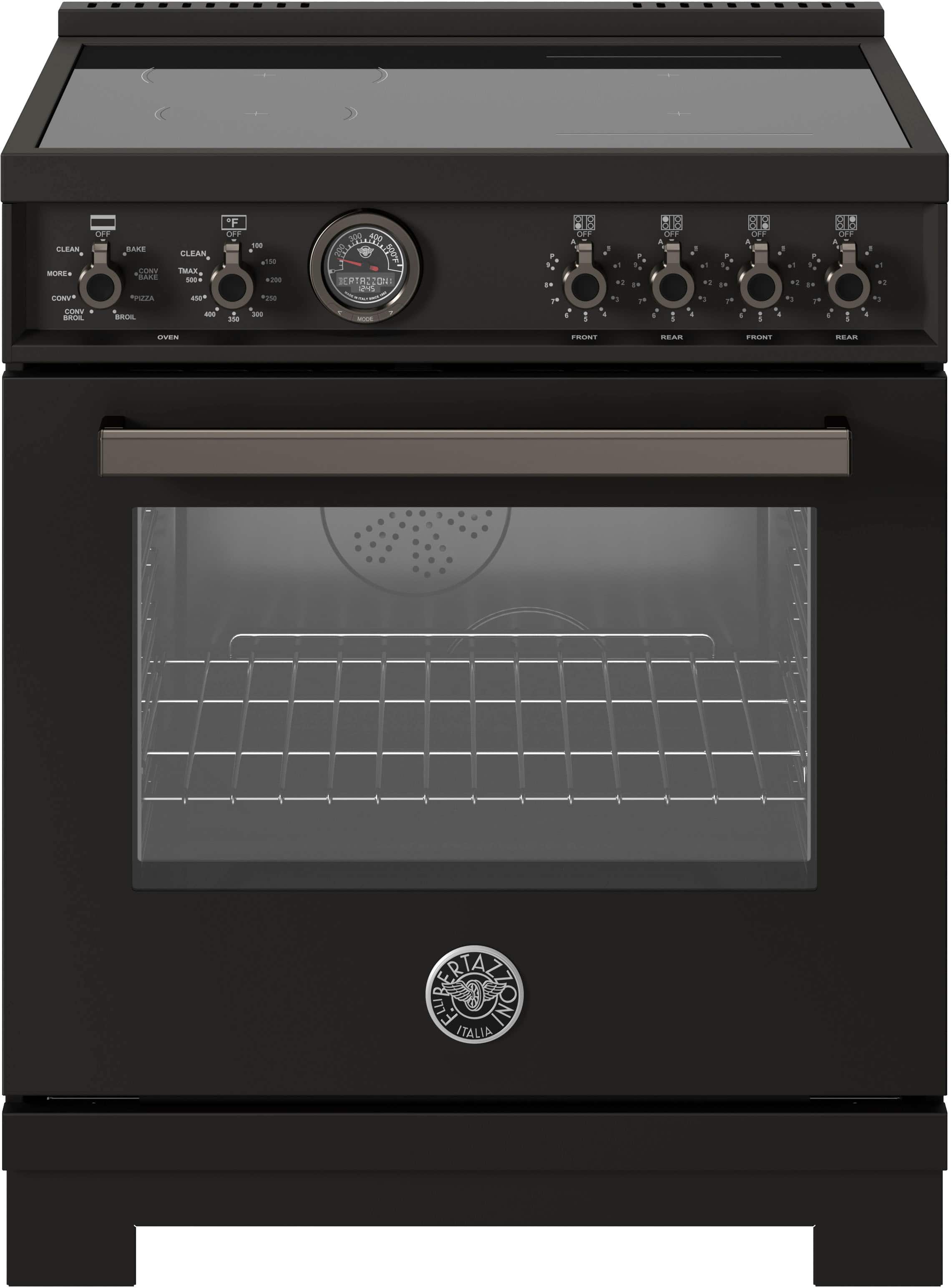
Bertazzoni - 30" Professional Series range - Electric self clean oven - 4 induction zones - Black
SKU: BCZ3S87QK4See all Induction RangesProduct Description
A sleek black electric range featuring four induction zones, self-cleaning oven, convection, and air-frying mode.Your price for this item is $7,139.00 -
Bertazzoni - 30" Professional Series range - Electric self clean oven - 4 brass burners - Yellow
SKU: BCZ3S87HY3See all Dual-Fuel RangesProduct Description
A vibrant yellow dual fuel range with 4 brass burners, self-cleaning oven, convection, and air-fry mode.Your price for this item is $8,569.00 -
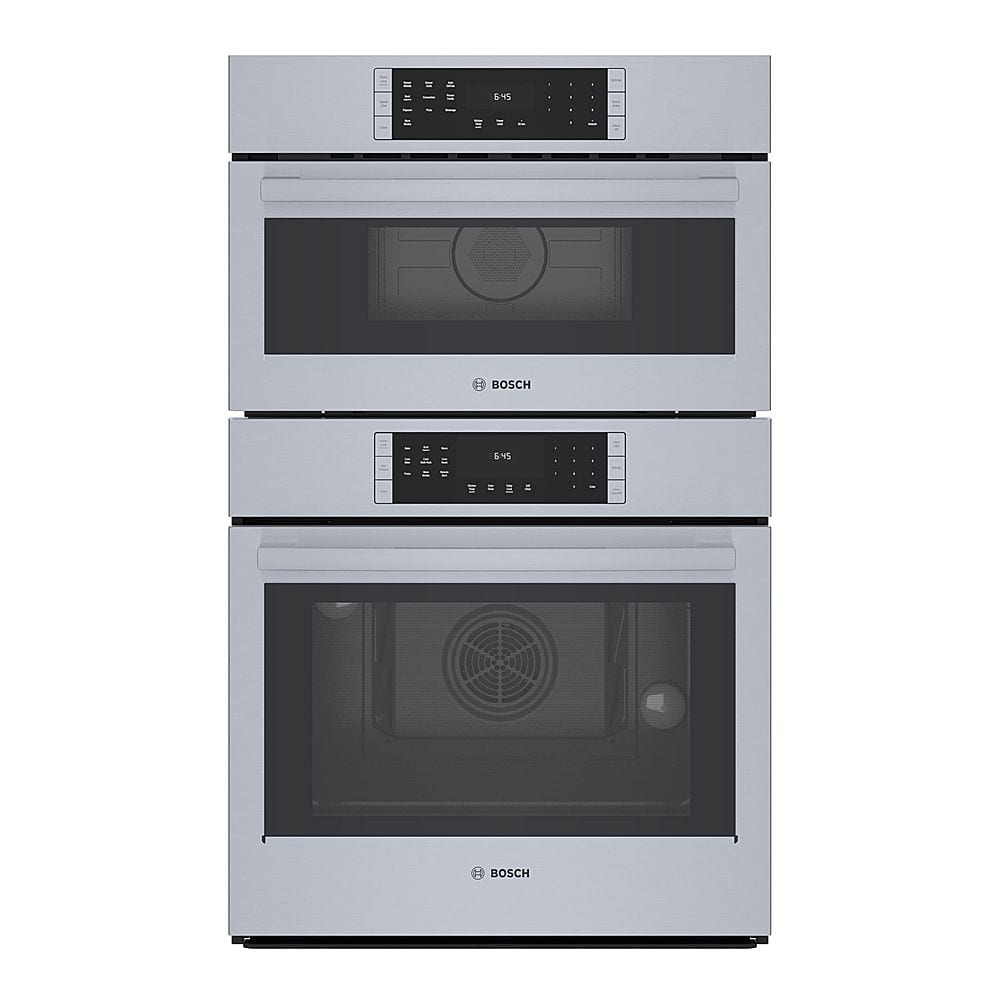
Bosch - 800 Series 30" Built-In Double Electric Smart Combination Microwave and Wall Oven with Convection - Stainless Steel
SKU: J3P322S89ZThe ovens work great. Others have stated that it takes a long time to pre-heat the oven but i do not believe it is any longer than my old whirlpool. ...You can also use the Bosch Home Connect app to...
See all Wall Oven & Microwave CombosProduct Description
A stainless steel built-in combo offers convection cooking, speed microwave, Wi-Fi connectivity, and smart home compatibility.Your price for this item is $5,799.99



Best Sellers


Related Pages




FAQ
Self-cleaning ovens use high temperatures, typically around 880°F, to burn off food residue and spills inside the oven cavity. During the self-cleaning cycle, the oven door locks automatically for safety, and ash is left behind that can be easily wiped away once the cycle is complete.
It is not recommended to use commercial oven cleaners or abrasive cleaning products inside a self-cleaning oven, as these can damage the special enamel coating designed to withstand high temperatures during the self-cleaning process. Instead, follow the manufacturer's instructions for cleaning.
The frequency of self-cleaning depends on how often you use your oven and the types of food you cook. Many users find that running the self-cleaning cycle every few months is sufficient, but you can run it more frequently if you notice significant buildup or spills.
Yes, there are two main types: pyrolytic self-cleaning ovens, which use high heat to incinerate residue, and steam self-cleaning ovens, which use steam to loosen grime for easier manual cleaning. Some models offer both options for added convenience.
Most manufacturers recommend removing oven racks before starting the self-cleaning cycle, as the intense heat can discolor or warp them. Some ovens come with special self-cleaning racks that are designed to withstand the process—check your oven's manual for specific guidance.