A camera lens influences how subjects appear in your photographs. A lens can make objects appear closer or farther away, closer together or further apart, and it determines how much distance you can keep in focus at once (depth of field). Whether you have a Canon DSLR camera body or a Canon mirrorless camera, Canon lenses will help you preserve the quality that your camera can achieve.
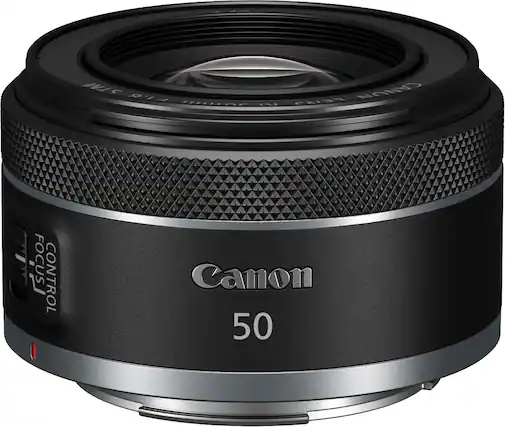
Your choice of lens will depend on what kinds of photographs you want to take. For portraits, 50mm lenses to 80mm lenses are popular because they work a lot like the human eye, giving you photos that have a ratio and depth like you’d see in person. For wildlife photography, a telephoto lens allows you to feel close and observe details even when your subject is far away. For landscape or architecture shots, you may want wide-angle lenses, which capture a wide sweep of scenery and have broad depth of field. If you’re doing extremely up-close photography, you need a macro lense.
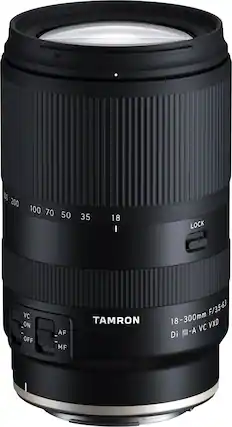
Canon offers both prime lenses and zoom lenses. A zoom lens has a range of millimeter lengths, like 35mm-50mm. You can zoom closer or farther with one lens. And prime lenses have just one millimeter setting, making them lighter. There are Canon zoom telephoto lenses and prime telephoto lenses, Canon zoom wide-angle lenses and prime wide-angle lenses, and Cannon standard zoom lenses and standard prime lenses.