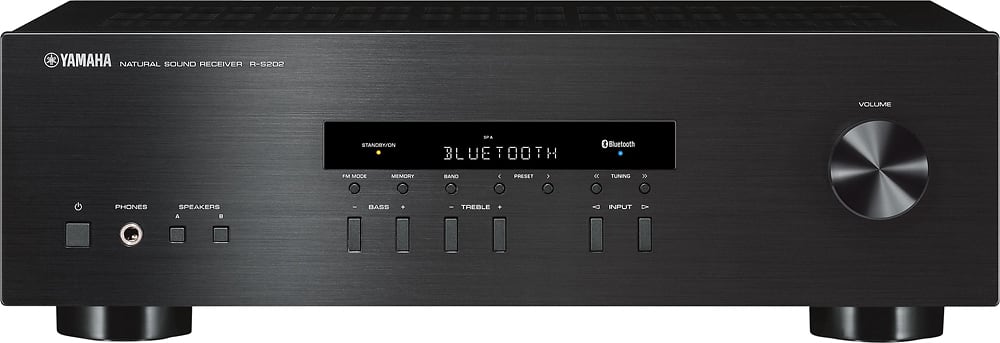
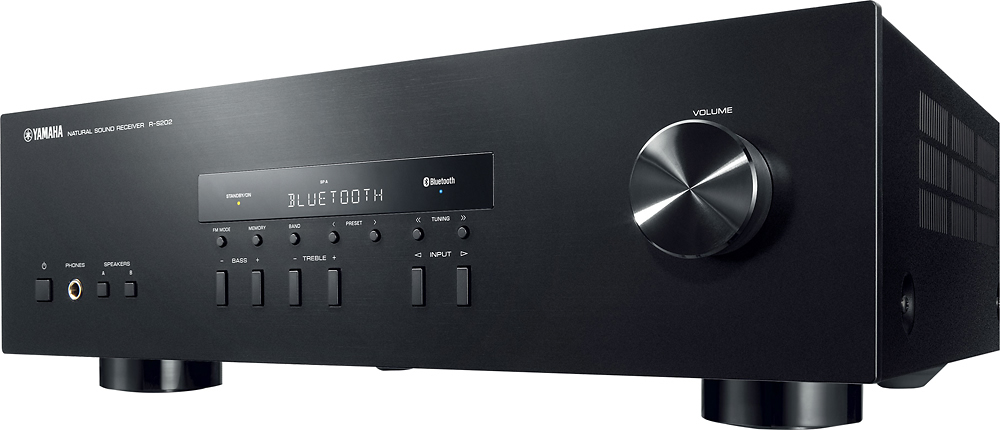
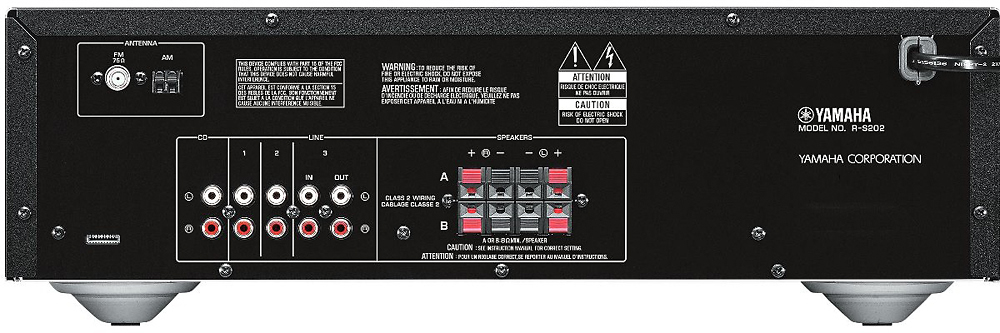
A:AnswerYes you can by wiring 1 set on A and the other speakers on B. You can also play hoth A and B at the same it if you want. I bi-wired mine running both channels at once.
A:AnswerProbably. I hook my stuff up and give it a try. If it sounds good, it's OK. Be careful about the subwoofer. There is no subwoofer connection for this receiver. I would opt for a receiver with a separate subwoofer output.
A:AnswerThe two items have price tags. Sound quality is important, size of the space is very important. The component needs a low filter circuit, speakers and turn table is about what you can afford.
A:AnswerHave a Real American Technician answer the phone located in the USA. If you can understand a technician is the first step. That rarely happens today.
Geek Squad is Great, don't get me wrong. I'm complaining about if you need to contact an individual company for products Geek Squad requires support on themselves. Drivers updates, known bugs, etc.
Next they should be trained on the product. That's all that's required.
Too bad few US companies have an American answering calls.
But unsupported computers, TVs, everything else is a crap shot!!!!
Companies will finally realize this when the money coming in slows down, it couldn't be our garbage support?
Careful what you purchased, because short of a return, you are usually on your own with today's "Chat Support" yes I'm going to get proper part numbers on CPU's, ram etc. B.S. I want to speak to a human being or I'll purchase from someone else.
I find I get great pricing when speaking to a representative.
That's America Tech support today!
A:AnswerYes you can plug in a turntable. However if your turntable does not have a built in pre amp, you will need to purchase one. This receiver does not have a dedicated phono input.
A:AnswerOn the rear of the amp there are several jacks where other devices can be attached, although a tape deck isn't specifically identified, I'm sure doing a little process of elimination plugging in and out, you'll soon find out if a tape deck is compatible.