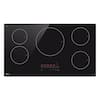
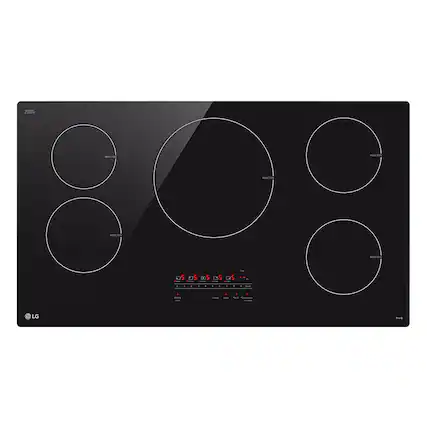
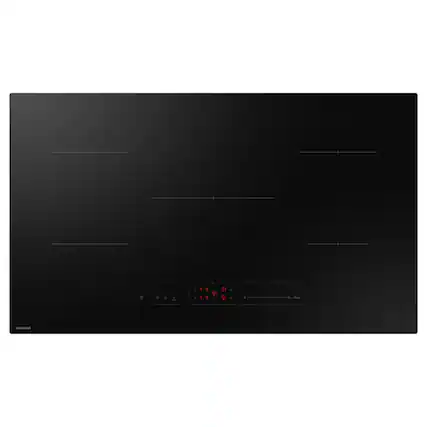
- LG - 36" Built-in Electric Induction Smart Cooktop with 5 Elements and UltraHeat 4.3kW Power Element - Black Ceramic$1,199.99The price was $1,899.99
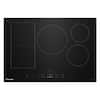
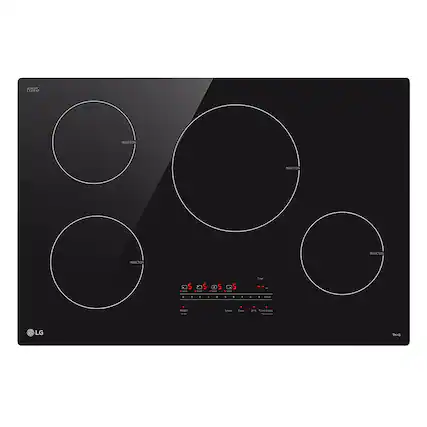
- LG - 30" Built-in Electric Induction Smart Cooktop with 4 Elements and UltraHeat 4.3kW Power Element - Black Ceramic$999.99The price was $1,599.99



Induction Cooktops
(171)
Sort by:
Best Selling
- $1,199.99Save $700The comparable value is $1,899.99
Pick up Sat, May 2
Delivery as soon as Mon, May 4
Installation as soon as Mon, May 4
- $1,099.99Save $250The comparable value is $1,349.99
Pick up Wed, Mar 25
Delivery as soon as Thu, Mar 19
Installation as soon as Thu, Mar 19
- $999.99Save $600The comparable value is $1,599.99
Pick up Wed, Mar 25
Delivery as soon as Thu, Mar 19
Installation as soon as Thu, Mar 19
- $999.99Save $600The comparable value is $1,599.99
Pick up Wed, Mar 25
Delivery as soon as Thu, Mar 19
Installation as soon as Thu, Mar 19
- $1,299.99Save $230The comparable value is $1,529.99
Pick up Wed, Mar 18
Delivery as soon as Wed, Mar 18
Installation as soon as Wed, Mar 18
- $79.47Save $8.84The comparable value is $88.31
Get it by Tue, Mar 24 • FREE


Similar products from outside of Best Buy
sponsored