HDR Monitor For Photo Editing
-
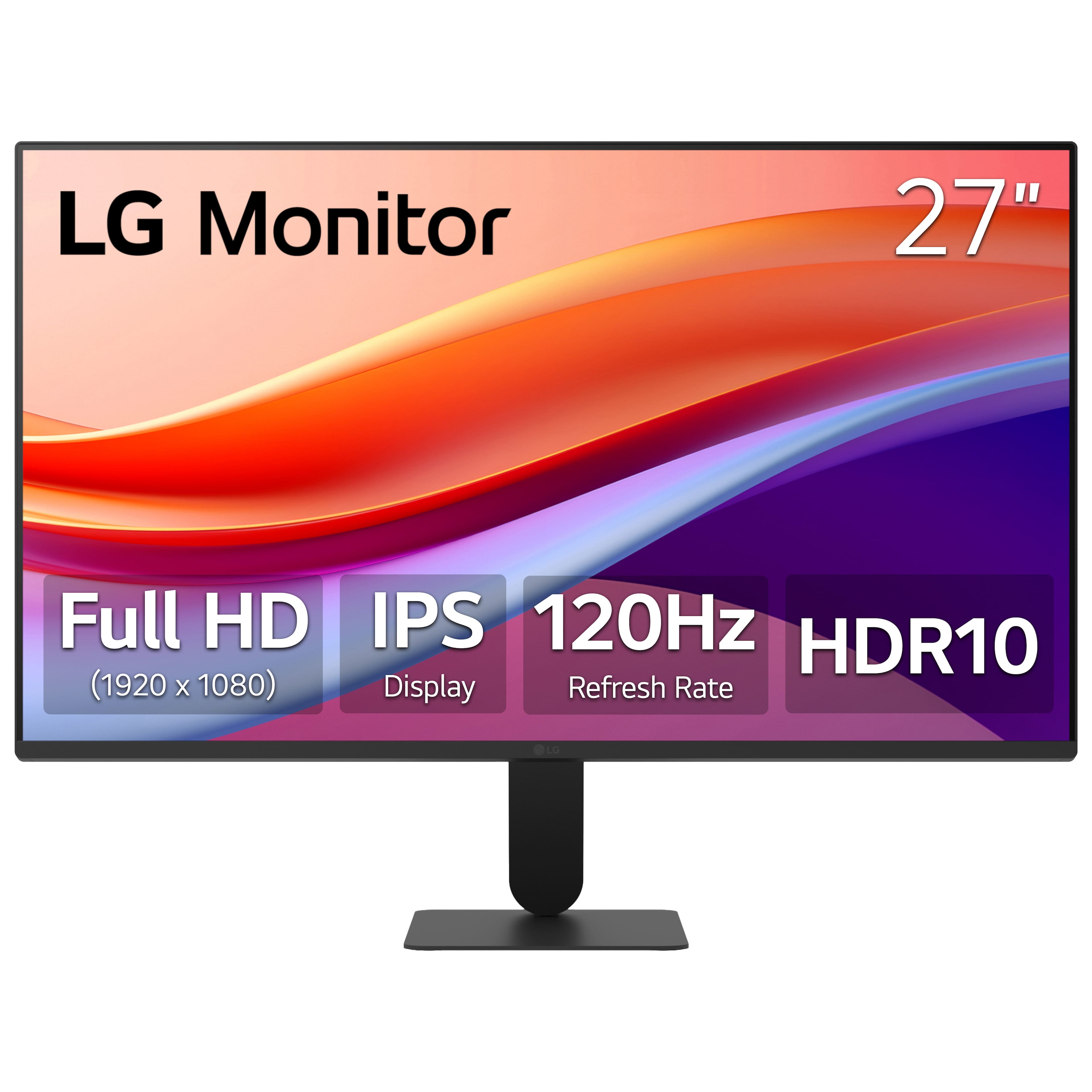
LG - 27" IPS FHD 120Hz Monitor with HDR10 (HDMI) - Black
SKU: JJ8VPZKPZ6Great value...Great value great price great product thank team best buy...Great monitor for gaming and Best Buy helped me pick the rite one
See all All MonitorsProduct Description
A black IPS monitor with 120Hz refresh rate, HDR10 support, and ultra-slim bezels for vibrant visuals.Your price for this item is $109.99Save $140The previous price was $249.99 -
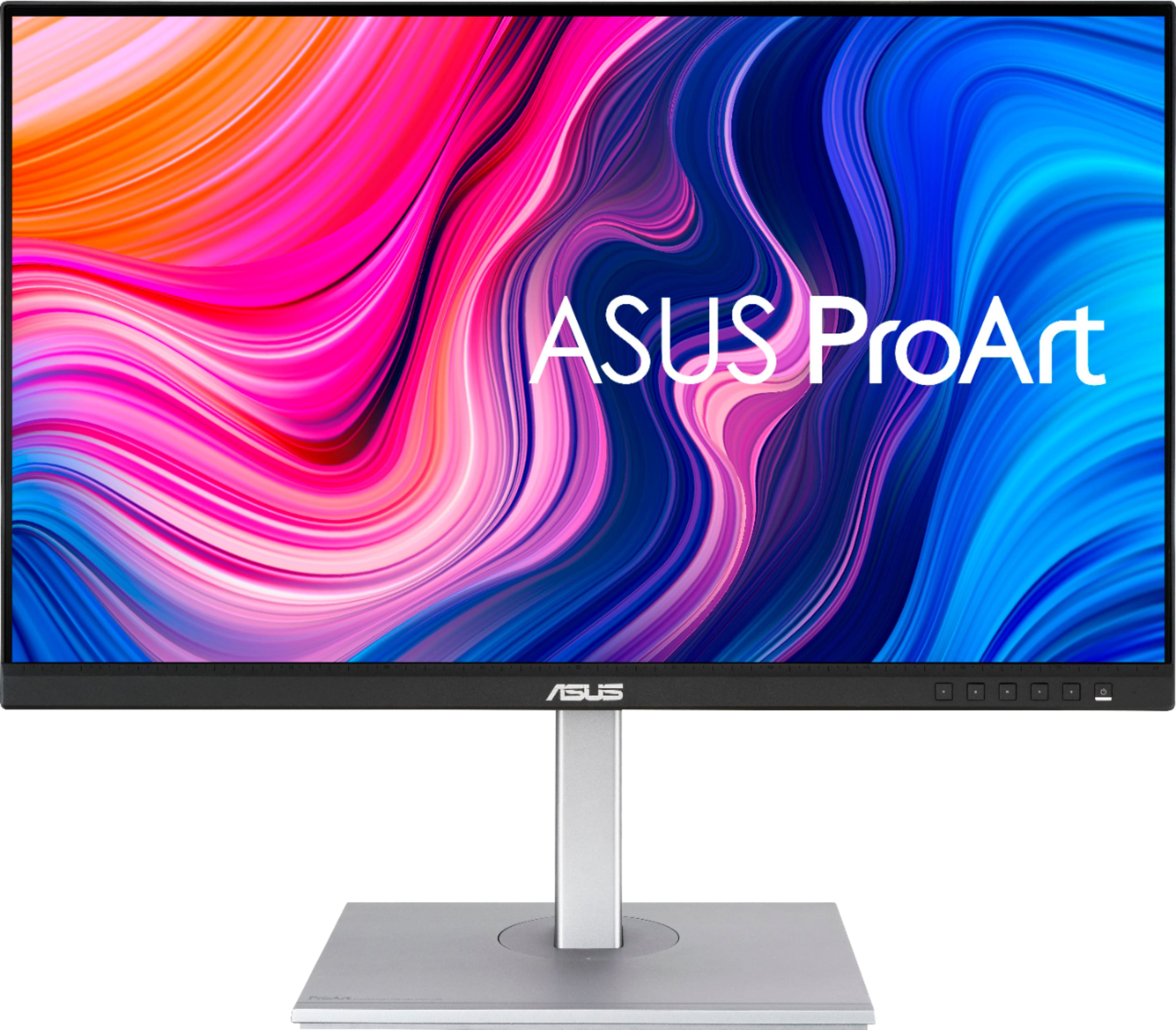
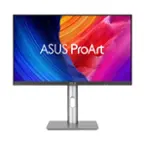
ASUS - ProArt 27" 4K IPS Professional Monitor with HDR (DisplayPort, HDMI, USB-C) - Black
SKU: JJ8Q7RWQ2RBest quality, Great Price...Absolute best monitor I've ever purchased....I love the quality and the ability to customize settings....Great Display...The display has nice coloring best for graphic design...
See all All MonitorsProduct Description
A professional black 4K UHD IPS monitor with HDR10, USB-C, and wide 178° viewing angles.Your price for this item is $370.99Save $29The previous price was $399.99 -
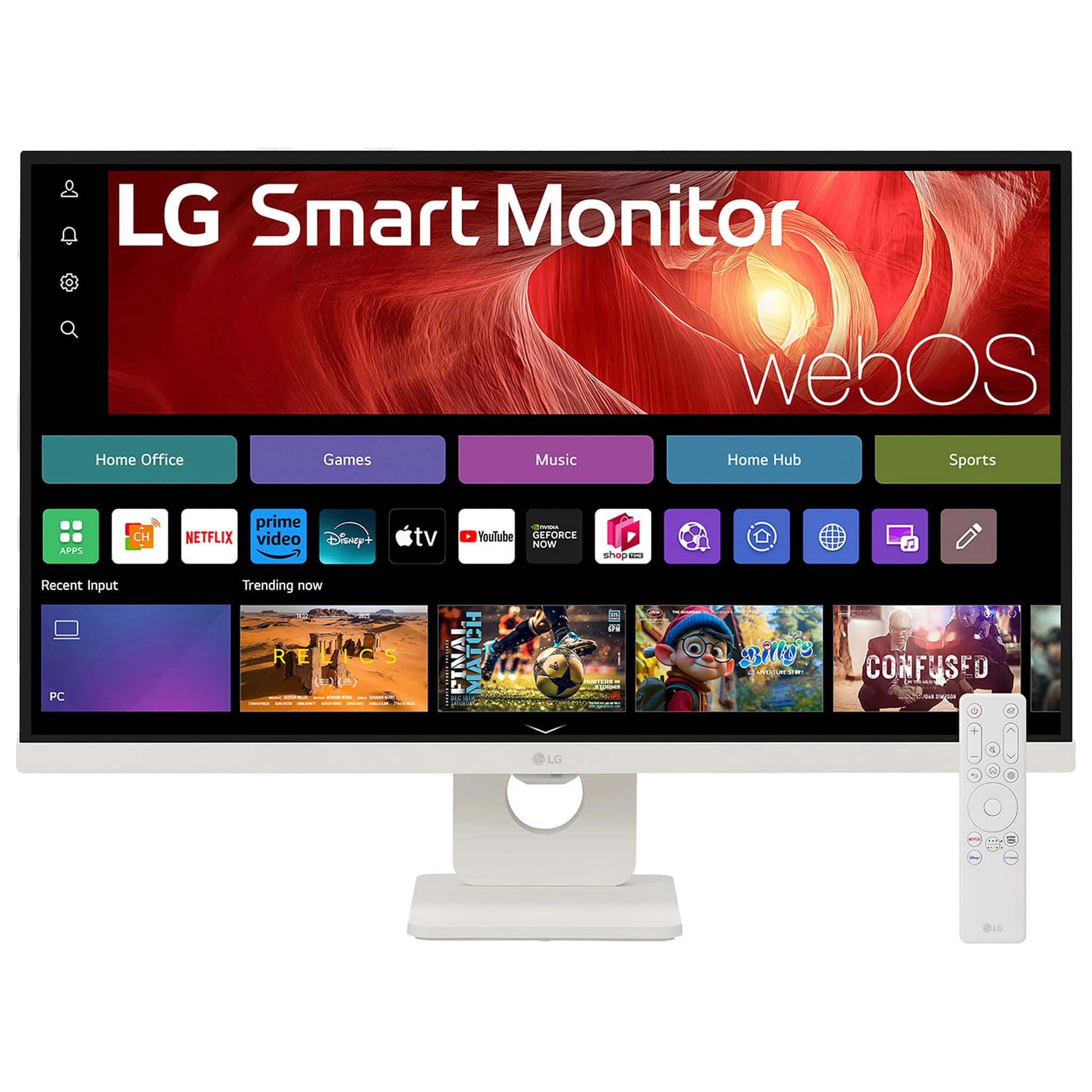
LG - 27" IPS UHD 60Hz 5ms Smart Monitor with HDR10 (HDMI, USB-C) - White
SKU: JJ8VPZWS3ZThis monitor has lg tv and speakers it’s great and good 4k for games but 60 fps...Great screen love the netflix feature. Very good !!...Best of the best for semi truck.
See all All MonitorsProduct Description
A white UHD 4K IPS smart monitor with HDR10, webOS, USB-C, HDMI, and built-in stereo speakers.Your price for this item is $249.99Save $130The previous price was $379.99 -
ASUS - ProArt 32" 2K IPS 165Hz Professional Monitor with FreeSync Premium Pro and HDR (DisplayPort, HDMI) - Black
SKU: JJG7VQTY8YGreat display! Easy setup. Would recommend. Replacing existing monitor.
See all All MonitorsProduct Description
A black IPS monitor with 2K resolution, 165Hz refresh rate, HDR10, and FreeSync Premium Pro support.Your price for this item is $592.23 -
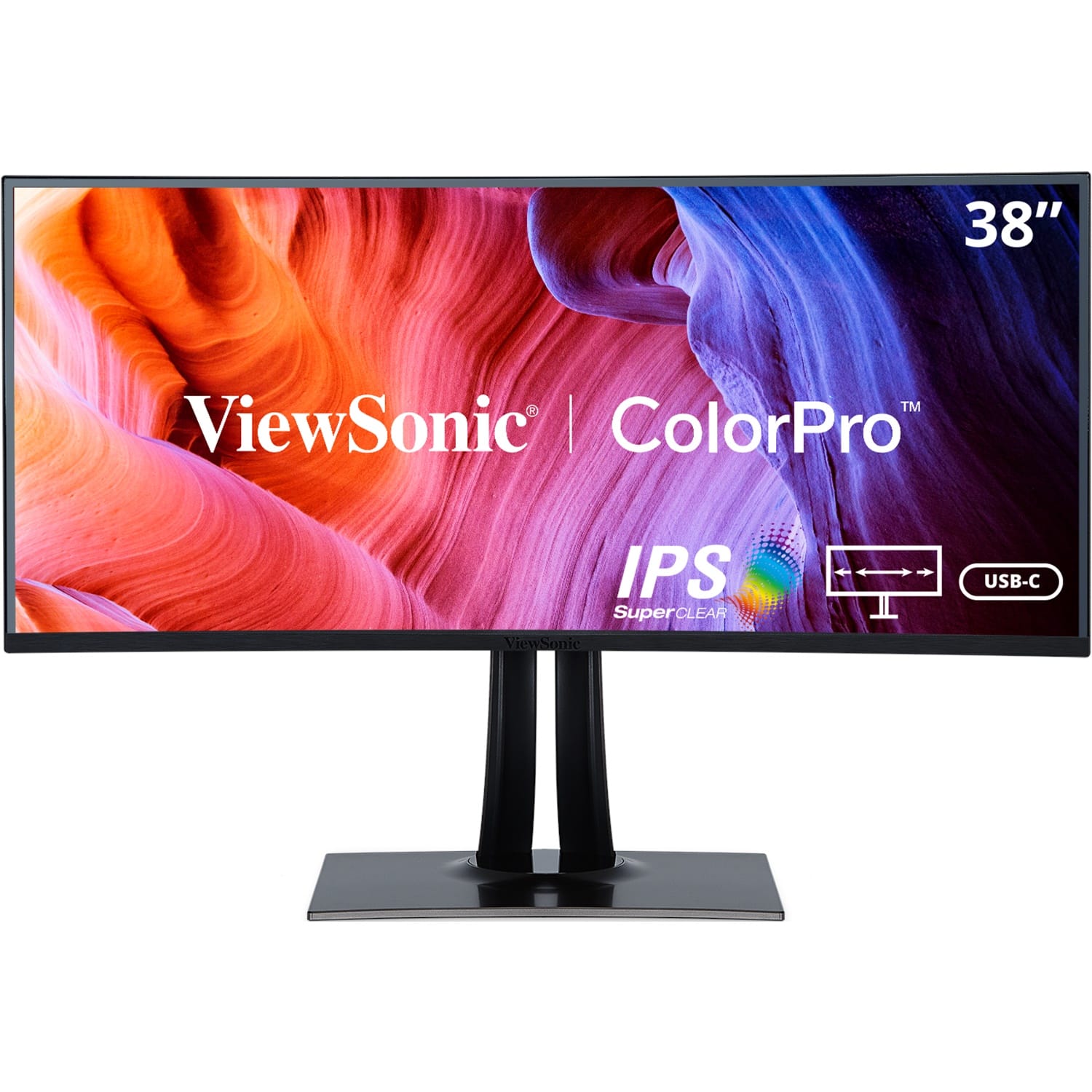
ViewSonic - ColorPro VP3881A 38" LED WQHD Curved Monitor with HDR10 (USB C/HDMI/DisplayPort) - Black
SKU: J37H88F4TFSee all Curved MonitorsProduct Description
A curved black LED monitor with WQHD+ resolution, HDR10 support, and ultra-wide color-accurate display.Your price for this item is $1,453.77 -
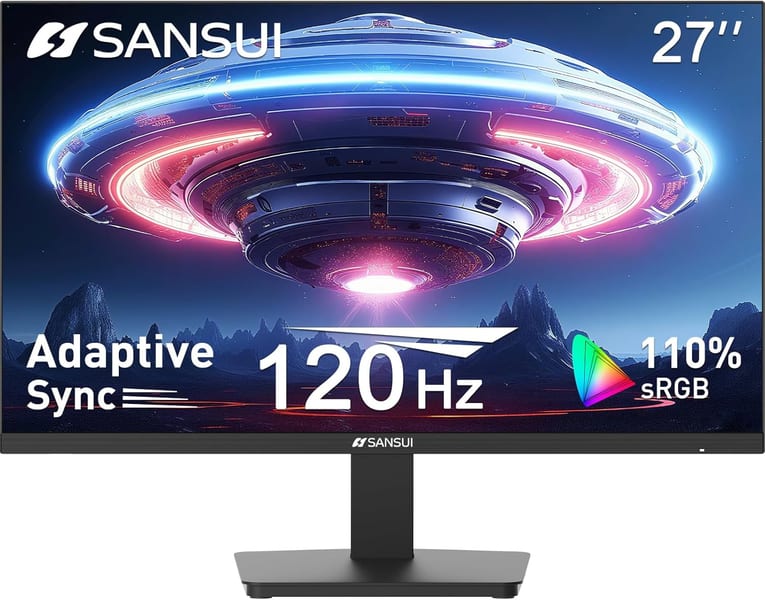
Sansui - 27" FHD IPS 180Hz Monitor - Black
SKU: J3R8ZTQR55See all All MonitorsProduct Description
A black IPS monitor with 180Hz refresh rate, HDR, FreeSync, and eye-care features for smooth visuals.Your price for this item is $179.99 -
Samsung - ViewFinity 32" S6 (S60D) QHD HR10 High Resolution Monitor with Easy Setup Stand (USB Hub, HDMI, DisplayPort) - Black
SKU: J3ZYG2T9HYSee all All MonitorsProduct Description
A high-resolution black QHD monitor with HDR10, adjustable stand, USB hub, and advanced eye comfort features.Your price for this item is $299.99Save $80The previous price was $379.99 -
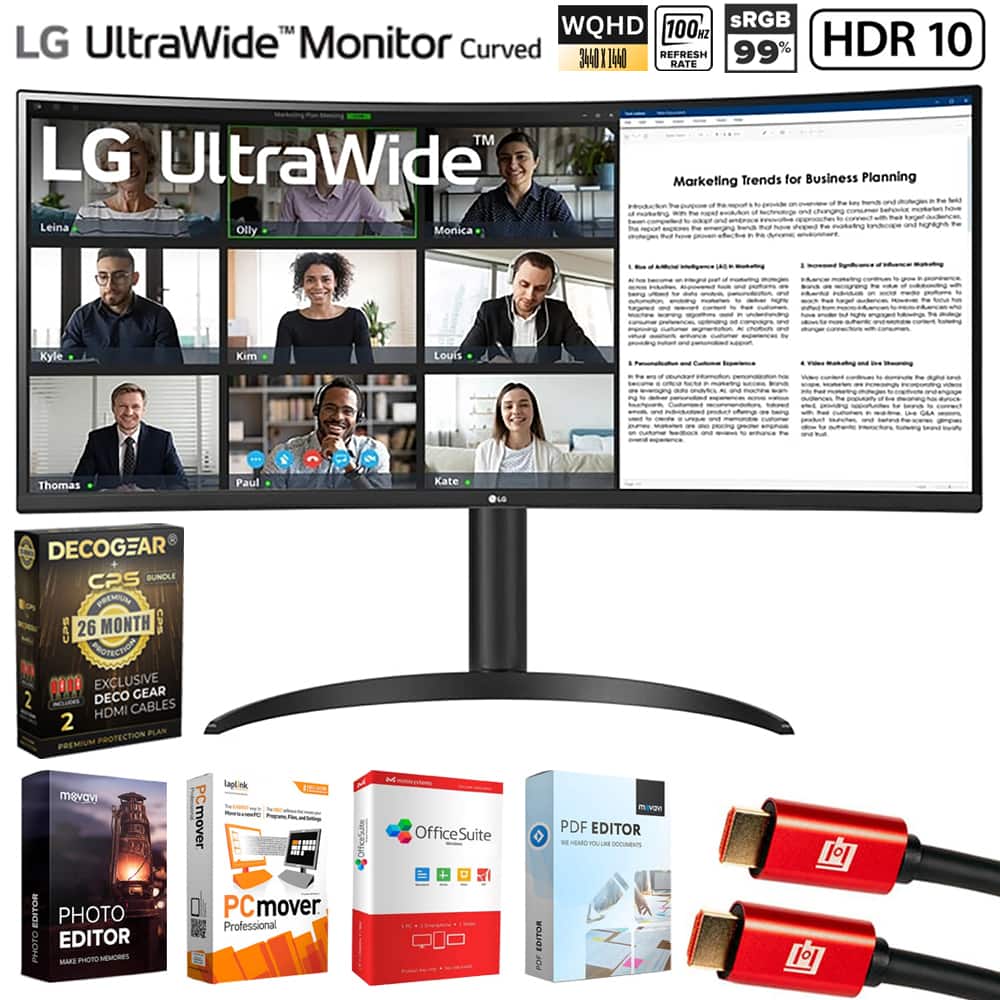
Bundle - LG - UltraWide 34" VA Curved WQHD 100Hz Monitor with HDR 10 (HDMI, DisplayPort, USB-C) + 26 Month Extended Warranty - Black
SKU: JJG3SJS85QSee all Curved MonitorsProduct Description
A black curved VA monitor with WQHD resolution, 100Hz refresh rate, HDR10, and USB-C connectivity.Your price for this item is $359.99Save $40The previous price was $399.99 -
ASUS - ProArt 24" FHD IPS 75Hz Professional Monitor (DisplayPort, HDMI) - Black
SKU: JJ8Q7RZK72Great product...Great color accuracy, durable stand that is sturdy....Great if you work in a dark room.
See all All MonitorsProduct Description
A professional black IPS monitor with FHD resolution, 75Hz refresh rate, adjustable stand, and integrated speakers.Your price for this item is $255.15 -
Blackmagic Design - Video Assist 5" 12G-SDI/HDMI HDR Recording Monitor - Black
SKU: BS3JY9VP84See all All MonitorsProduct Description
A black LCD touchscreen monitor offering 4K UHD recording, HDR support, 3D LUTs, and professional video tools.Your price for this item is $674.95




Best Sellers

Related Pages



FAQ
When choosing an HDR monitor for photo editing, look for high color accuracy (such as wide color gamut and factory calibration), high brightness levels, support for HDR10 or higher standards, and a high bit-depth panel (10-bit or more). An IPS panel is also preferred for consistent color reproduction across viewing angles.
HDR (High Dynamic Range) is important for photo editing because it allows you to see a wider range of colors and brightness levels, closely matching real-life scenes. This ensures your edits are more accurate and your final images look their best on modern displays that support HDR.
Yes, to fully utilize an HDR monitor's capabilities, your computer should have a graphics card that supports HDR output. Most modern graphics cards from major brands like NVIDIA and AMD support HDR, but it's best to check your card's specifications to ensure compatibility.
Color calibration is crucial for HDR monitors used in photo editing because it ensures that the colors you see on the screen are accurate and consistent. Regular calibration with a hardware calibrator helps maintain color fidelity, which is essential for professional photo editing work.
Absolutely! HDR monitors are versatile and can be used for a variety of creative tasks such as video editing, graphic design, and digital illustration. Their enhanced color accuracy and dynamic range make them ideal for any work that requires precise color representation.