Manual Calculators
-
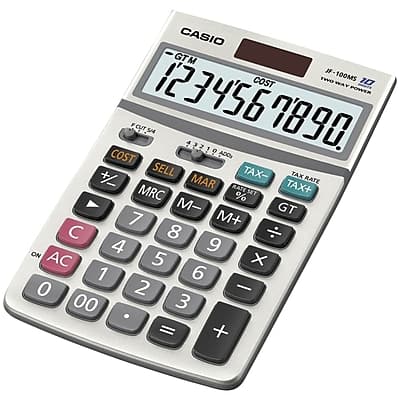
Casio - JF-100BM 10-Digit Battery/Solar Powered Basic Calculator - Gray
SKU: J76JW2VPS6Great buy
See all CalculatorsProduct Description
A gray calculator with a large 10-digit display, solar/battery power, and advanced tax and margin functions.Your price for this item is $16.21Save $1The previous price was $17.40 -
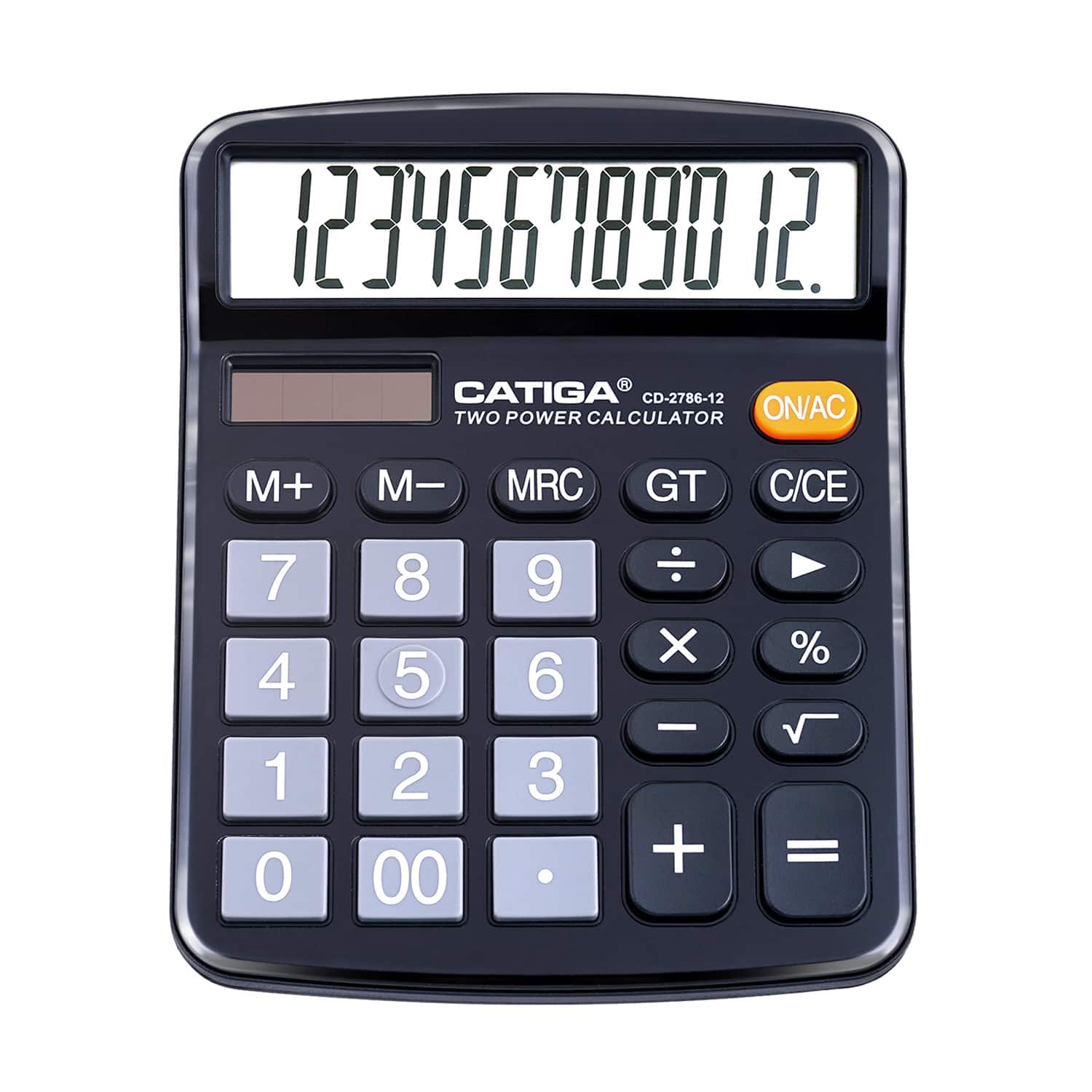
CATIGA - Desktop Calculators with Large LCD, Basic 4 Functions Calculator Dual Power Black
SKU: J3LGQQG55ZSee all CalculatorsProduct Description
A black desktop calculator with large LCD, basic four functions, and dual power for convenience.Your price for this item is $11.99 -
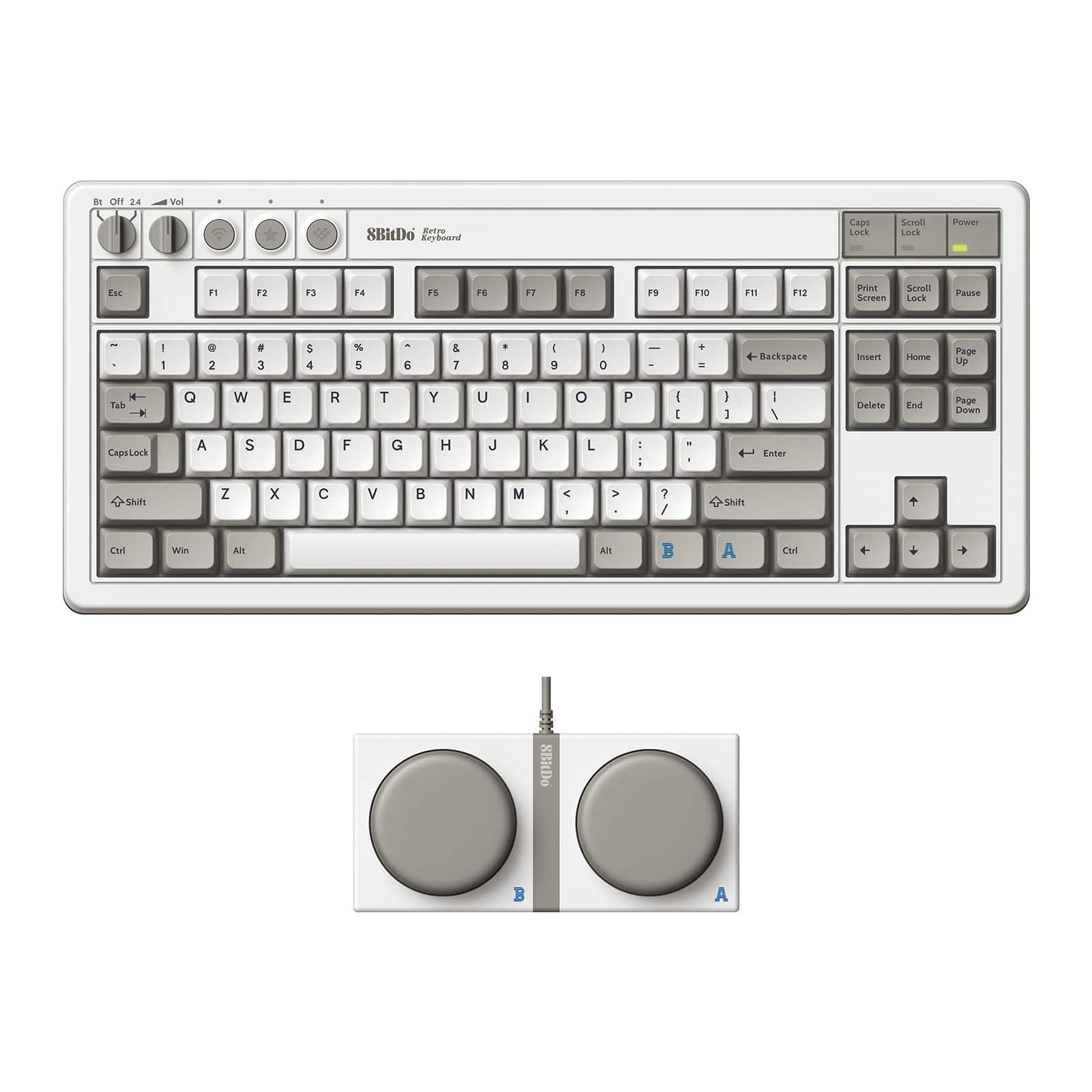
8BitDo - Retro Mechanical Keyboard - M Edition
SKU: CZY3JSJYG5See all Gaming KeyboardsProduct Description
A versatile mechanical keypad in M Edition color, featuring numpad and calculator modes, Bluetooth, and rechargeable battery.Your price for this item is $99.99 -
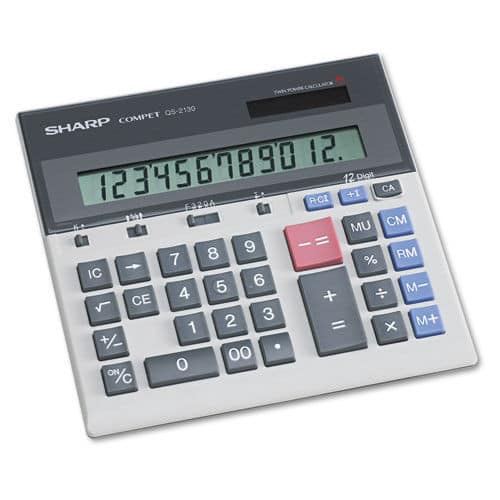
Sharp - QS2130 12-Digit LCD Compact Desktop Calculator - false
SKU: J792CQ7HF8See all CalculatorsProduct Description
A versatile twin-powered calculator with easy-to-read LCD display, automatic punctuation, and auto shut-off feature.Your price for this item is $79.49 -
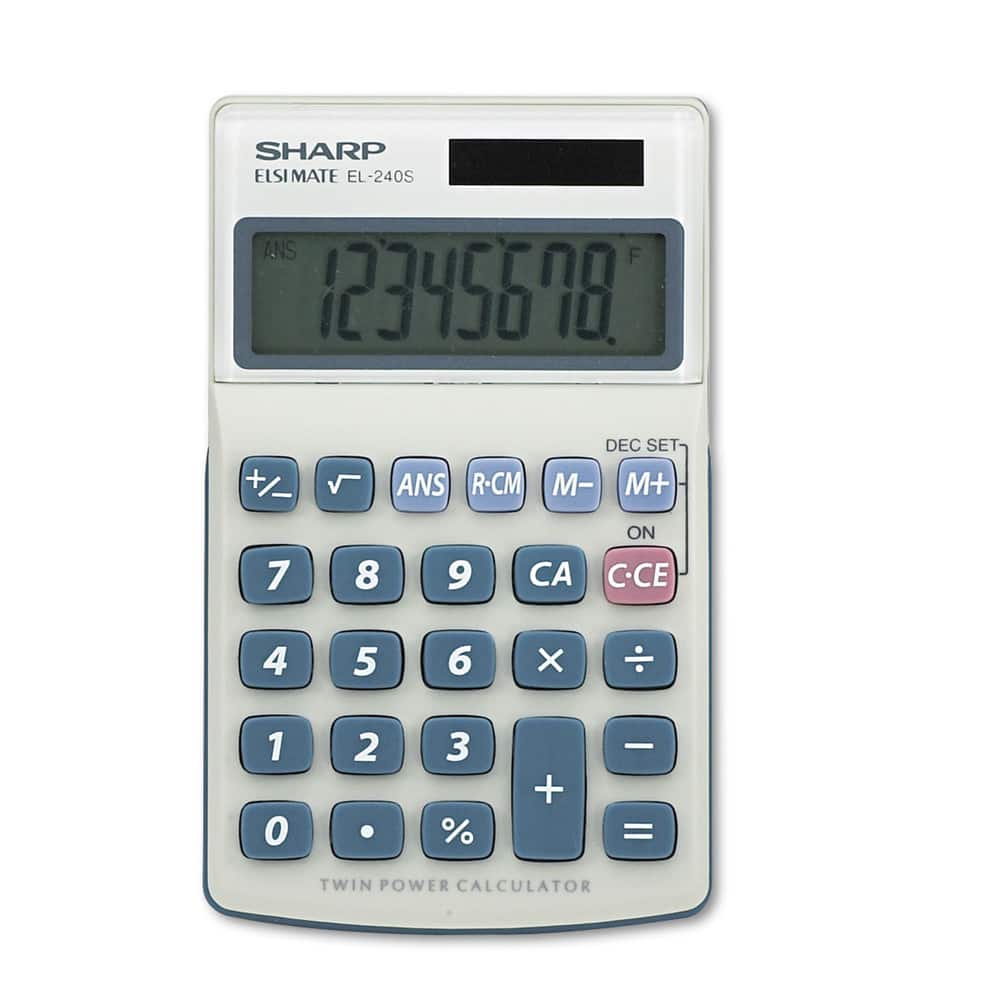
Sharp - EL240SAB 8-Digit LCD Handheld Business Calculator - false
SKU: J792CQJ75KSee all CalculatorsProduct Description
A compact handheld calculator featuring an easy-to-read LCD display and dual solar/battery power options.Your price for this item is $16.26
Best Sellers


Related Pages


FAQ
When choosing a manual calculator, consider features such as the number of functions, ease of use, display type, button layout, and the inclusion of basic operations like addition, subtraction, multiplication, and division. Some models may also offer percentage and square root functions for added versatility.
Yes, manual calculators are ideal for students who need a simple and reliable tool for basic arithmetic tasks. They are commonly used in classrooms and exams where electronic or programmable calculators may not be permitted.
Manual calculators typically perform basic arithmetic operations, while scientific calculators offer additional functions such as trigonometry, logarithms, and advanced mathematical calculations. Manual calculators are best for everyday math tasks and quick calculations.
Absolutely. Manual calculators are often used in offices and retail settings for quick calculations, tallying receipts, and managing simple accounting tasks. Their straightforward design makes them efficient for everyday business use.
Manual calculators are valued for their simplicity, reliability, and ease of use. They don’t require batteries or electricity, making them a dependable choice for quick calculations at home, school, or work.