A:AnswerHey there, Neeraj. Thanks for your inquiry on the Nest learning Thermostat. We want to know more about your concern, please reach out to our dedicated team of specialists on the Google Help Center page here: https://support.google.com/googlenest/gethelp
A:AnswerI am not sure what you mean by locked.
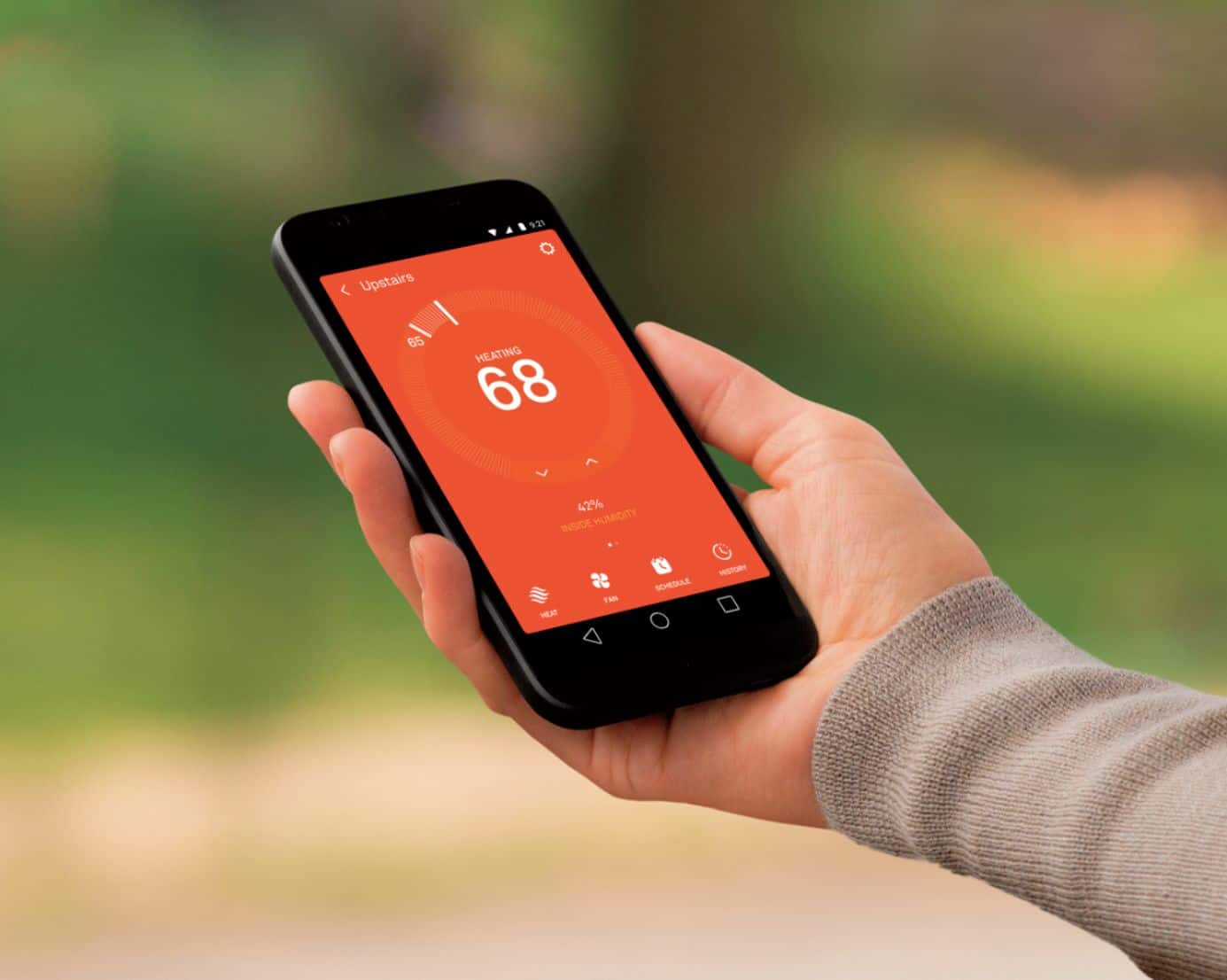
The thermostat is accessible through your app if you are authorized or have access to a password controlled account.
A:AnswerNest Learning Thermostat is compatible with most Wi-Fi. We suggest contacting our support team so we can check on your device as to why it can't connect to your Wi-Fi. You can reach out to us here anytime: https://support.google.com/googlenest/gethelp
A:AnswerEven though Nest is a Google owned company it is smart compatible with Alexa through the Best app however will not respond to Alexa coffee commands as it would with Nest home products such as Nest mini or Nest Hub
A:AnswerJust do it your self!!! It’s super easy and it gives you step by step directions on the app!! All the equipment you need comes right in the box.
A:AnswerNo c wire required. Took me about 30 minutes to install. Very simple. It tells you exactly where your old wires will be connected. Nobody should have a problem with this
A:AnswerYes I had the same problem my old thermostat had to be manually switched between cooling and heating witch is impossible when your away. The Nest 3rd generation will switch itself between cooling or heating as is needed. As far as season changes the Nest learns from how you set it and eventually will learn from you what the temperature should be at any given time. You can also set eco temps for turning on heat at a certain temp say 45 or cooling (AC) at say 80 if you should need to leave for vacation or whatever. This keeps your home in a safe temperature range to protect the interior of your home. The nest will notify you of any problems or changes via your cell phone and you can control all functions from any where with your cell phone.
A:AnswerYou posted the question on the nest thermostat, but I also own the nest protect (smoke/co2) alarm. The nest protect does not sync with other smoke alarms. Yes, it will work like it normally does; it just will not communicate when other alarms go off. If you purchase another nest protect those will communicate to each other and when one goes off the other will too.
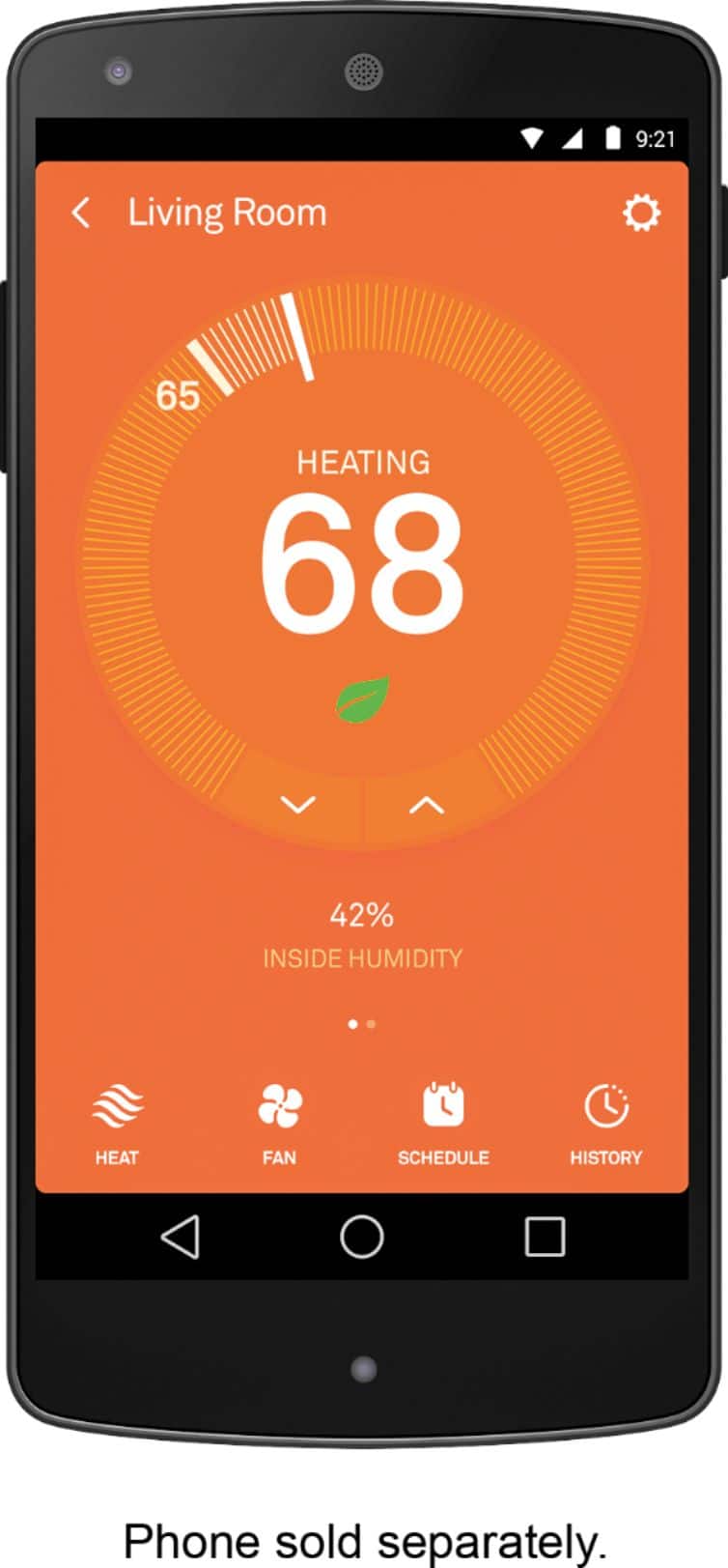
A:AnswerFrankly as many as you like - I have attached a picture of the web application ( there is also one for most smart phones of course ) -- it is very easy to do -
A:AnswerIf you currently have two thermostats, you will need two Nests. However, you can replace only one of the two and control the old one the way that you are currently controlling it.
A:AnswerIt most likely is going by the "learned schedule" You can go into the stats for the schedule that is being set by the learning feature, and delete or adjust them. You can also just manually override it by turning it up or down via the app, or on the actual thermostat itself.