Small Routers
-
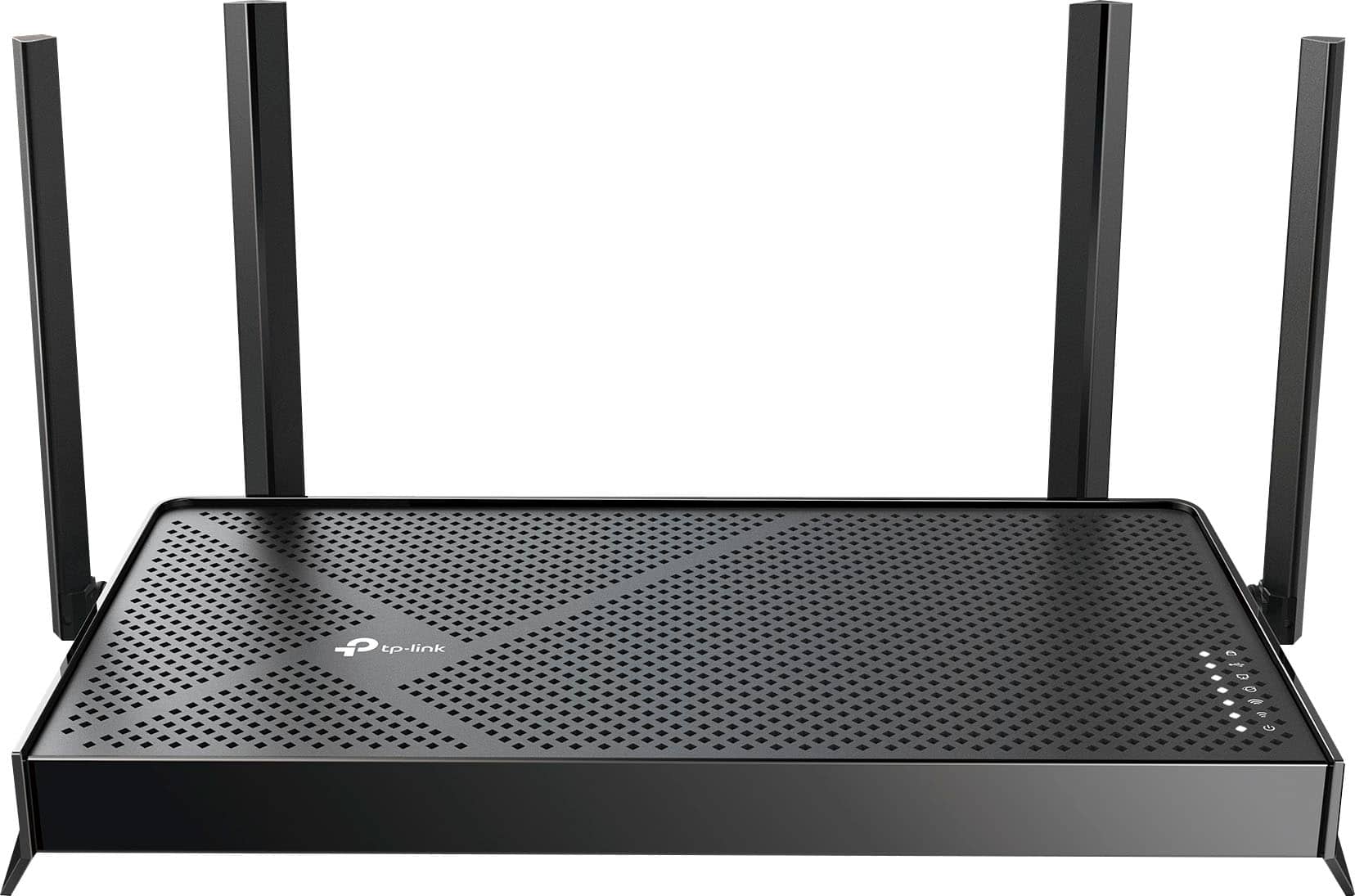
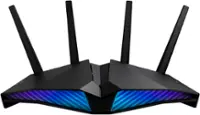
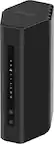
TP-Link - Archer BE3600 Pro Dual-Band Wi-Fi 7 Router - Black
SKU: J39T6X2WWQSee all Wi-Fi RoutersProduct Description
A dual-band black Wi-Fi 7 router offering up to 3.6 Gbps speeds, WPA3 security, and app compatibility.Your price for this item is $109.99 -
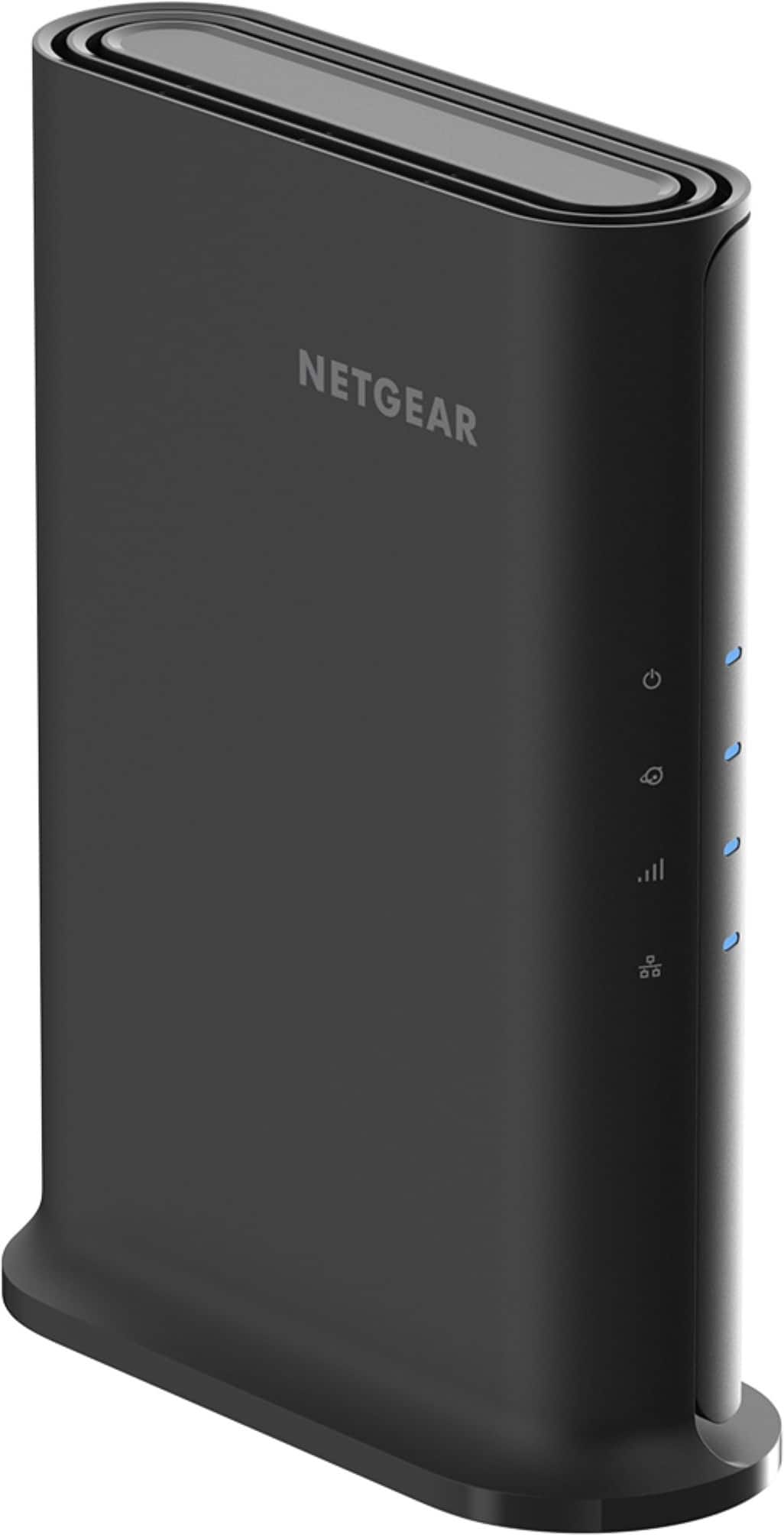
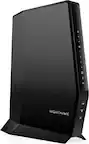
NETGEAR - Nighthawk AX1600 Dual-Band Wi-Fi 6 Router - Black
SKU: J2VY7Y4LH8See all Wi-Fi RoutersProduct Description
A dual-band black Wi-Fi 6 router offering fast speeds, strong security, and coverage for 20 devices.Your price for this item is $59.99Save $20The previous price was $79.99 -
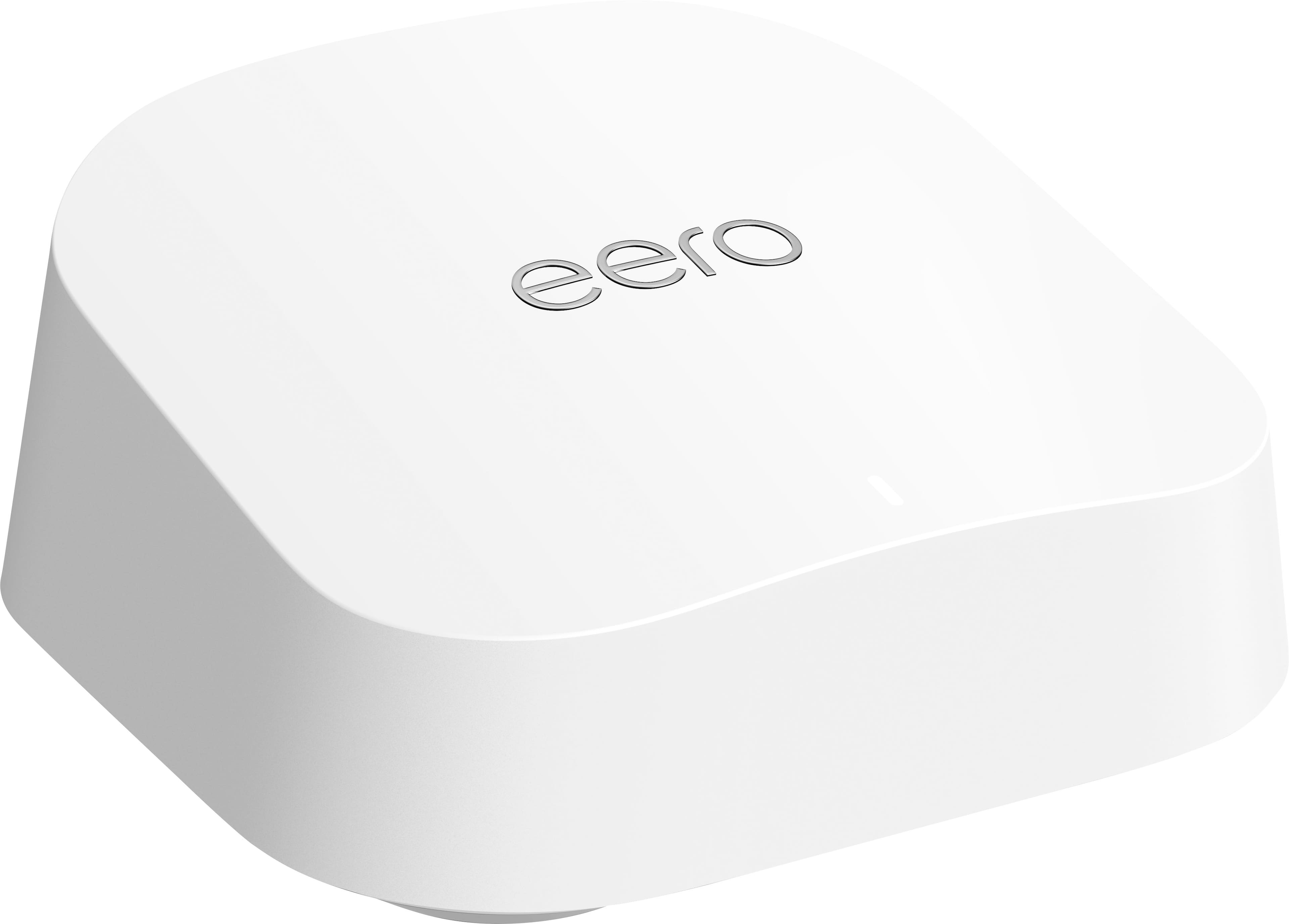
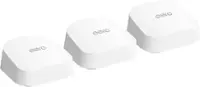
eero - 7 Dual-band Mesh Wi-Fi 7 Router (1-pack) - White
SKU: J39TLS9JRTvery good router looks small but very powerful the only thing is only 2 cable entrance...EERO router...I am impressed with these sleek low profile routers, you get weekend emailed updates of usage and...
See all Mesh Wi-FiProduct Description
A white dual-band mesh Wi-Fi 7 router supporting up to 2.5 Gbps and 120+ devices.Your price for this item is $169.99 -
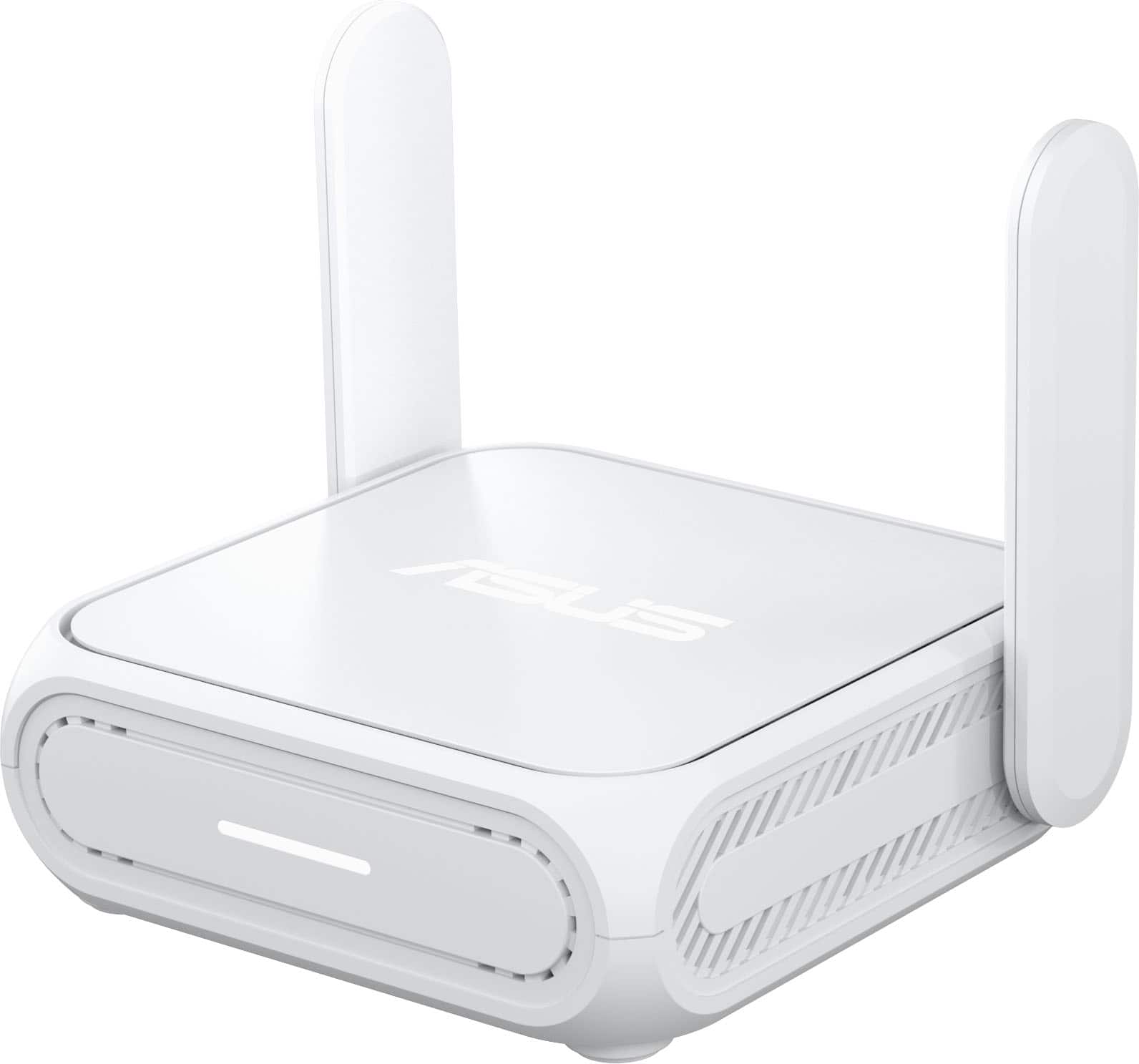
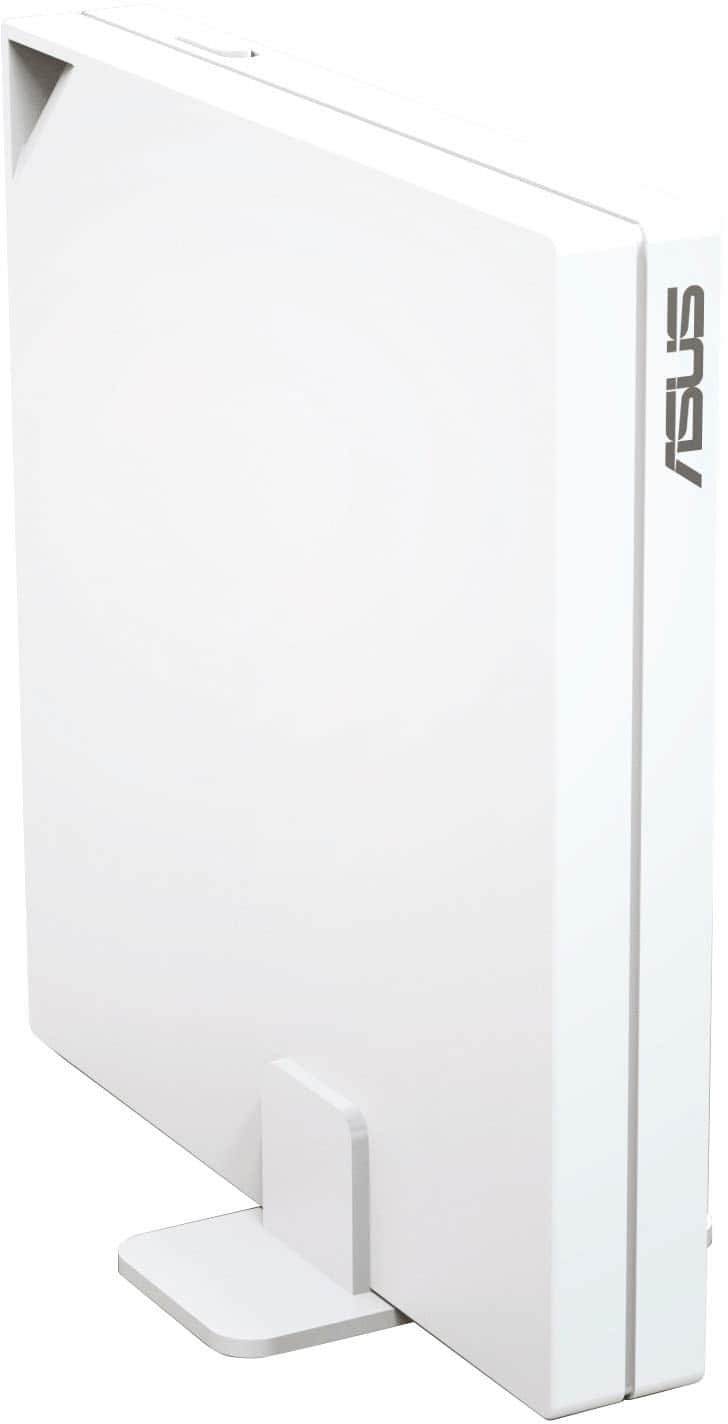
ASUS - RT-BE58 Go BE3600 Dual-Band Wi-Fi 7 Travel Router - White
SKU: JJGGLQFZWWSee all Wi-Fi RoutersProduct Description
A dual-band white travel router offering Wi-Fi 7, advanced security, VPN support, and versatile connectivity.Your price for this item is $159.99 -
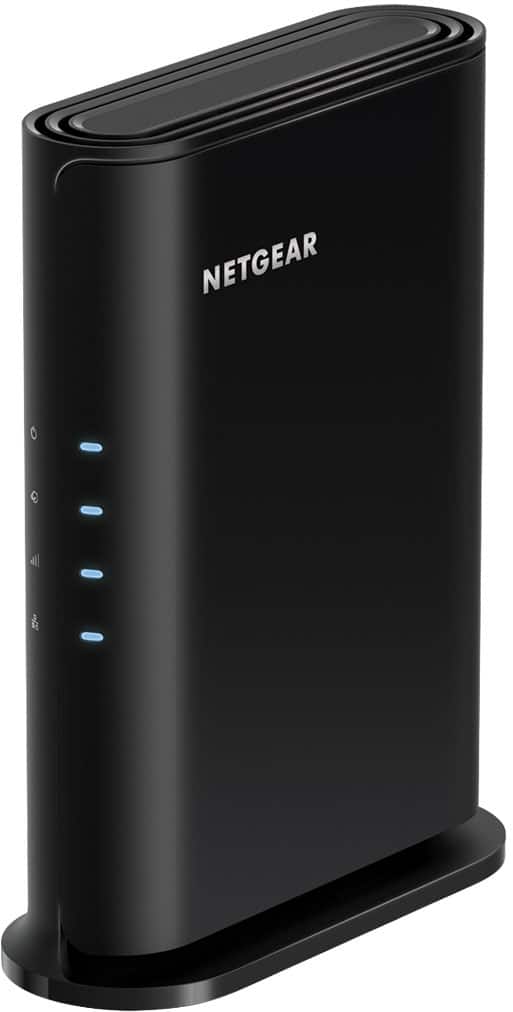
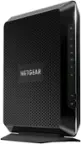
NETGEAR - Nighthawk AX1800 Dual-Band Wi-Fi Router - Black
SKU: J2VY7Y4FRSI thought I had a faulty tv but turns out I needed to upgrade my router. Since buying this router, no more disconnections. ...I needed a good router for my remote office as our home router didn’t quite...
See all Wi-Fi RoutersProduct Description
A black dual-band Wi-Fi 6 router offering up to 1.8 Gbps speeds and advanced security features.Your price for this item is $88.99Save $11The previous price was $99.99 -
ASUS - RT-AX57 Go AX3000 Dual-Band Wi-Fi 6 Travel Router - White
SKU: JJGGLRGP7Lperfect router to use when traveling and connecting to a hotel wifi....It offers fast wifi speeds and works as a router, mobile hotspot. It also includes AiProtection for extra security.
See all Wi-Fi RoutersProduct Description
A compact white dual-band Wi-Fi 6 travel router with secure VPN, parental controls, and Alexa compatibility.Your price for this item is $99.99 -
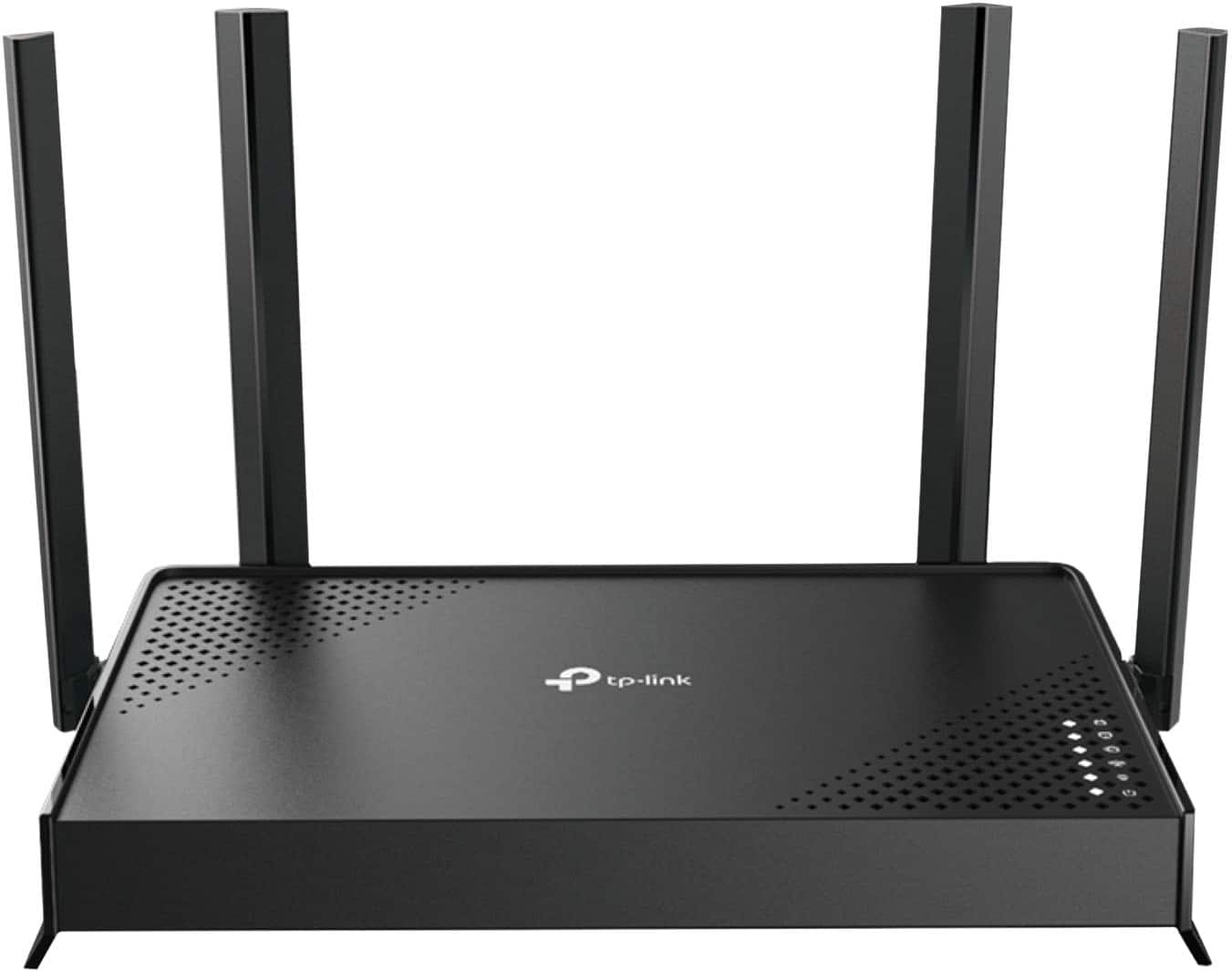
TP-Link - Archer BE3500 Dual-Band Wi-Fi 7 Router - Black
SKU: J39T6X2WTYSee all Wi-Fi RoutersProduct Description
A dual-band black Wi-Fi 7 router offering up to 3.5 Gbps speeds and four Gigabit ports.Your price for this item is $79.99Save $20The previous price was $99.99 -
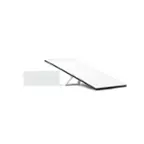
STARLINK - Gen 3 Mesh Wi-Fi 6 Wireless Router - White
SKU: J3R8ZC258HSee all Mesh Wi-FiProduct Description
A white tri-band Wi-Fi 6 mesh router offering improved range, fast speeds, and integrated data encryption.Your price for this item is $120.00
Best Sellers

Related Pages




FAQ
When choosing a small router for home use, consider features like dual-band Wi-Fi support, the latest Wi-Fi standard (such as Wi-Fi 6), multiple Ethernet ports, parental controls, and easy setup options. Some models also offer mobile app management and guest network capabilities.
Yes, many small routers can be configured to work as Wi-Fi extenders or access points, helping to improve coverage in larger homes or offices. Check the router’s specifications or user manual to see if this feature is supported.
Most small routers are compatible with a wide range of internet service providers, as long as you have a compatible modem. Always ensure that the router supports the connection type provided by your ISP, such as cable, DSL, or fiber.
Yes, small routers are designed to handle multiple connected devices, such as smartphones, laptops, smart TVs, and gaming consoles. For optimal performance with many devices, look for routers with advanced features like MU-MIMO or beamforming.
Setting up a small router is usually straightforward. Connect the router to your modem using an Ethernet cable, power it on, and follow the instructions provided in the user manual or setup app. Most routers offer guided setup through a web interface or mobile application for easy configuration.