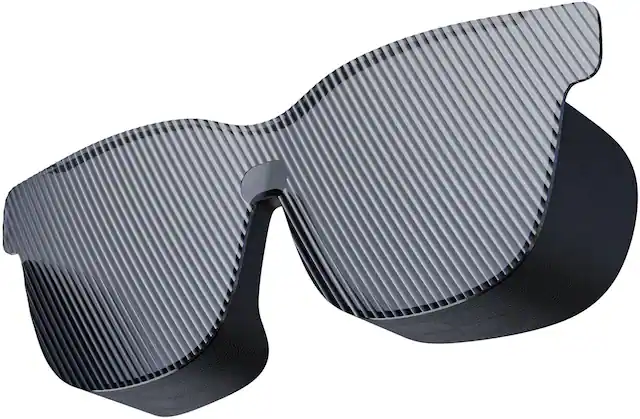
Smart glasses fall into categories based on how they present digital content. For example, augmented reality (AR) glasses overlay translucent graphics onto the real world, enriching tasks like navigation or heads-up notifications without isolating the user, whereas virtual reality (VR) headsets fully immerse users in a digital environment.
Like other wearable technology, designs also vary by intended audience. Consumer smart glasses emphasize lightweight frames, stylish aesthetics and seamless smartphone integration, often focusing on fitness tracking, media playback or social sharing. Enterprise variants feature rugged construction, extended battery life and secure software. Some professional models support prescription lenses. Prescription-compatible frames and smart sunglasses add vision correction or UV protection for users who need standard eyewear equipped with digital features. Battery life, weight and app or smart home capabilities are also sub-types within these categories. Make sure to evaluate things like software support and device compatibility when you shop for smart glasses.