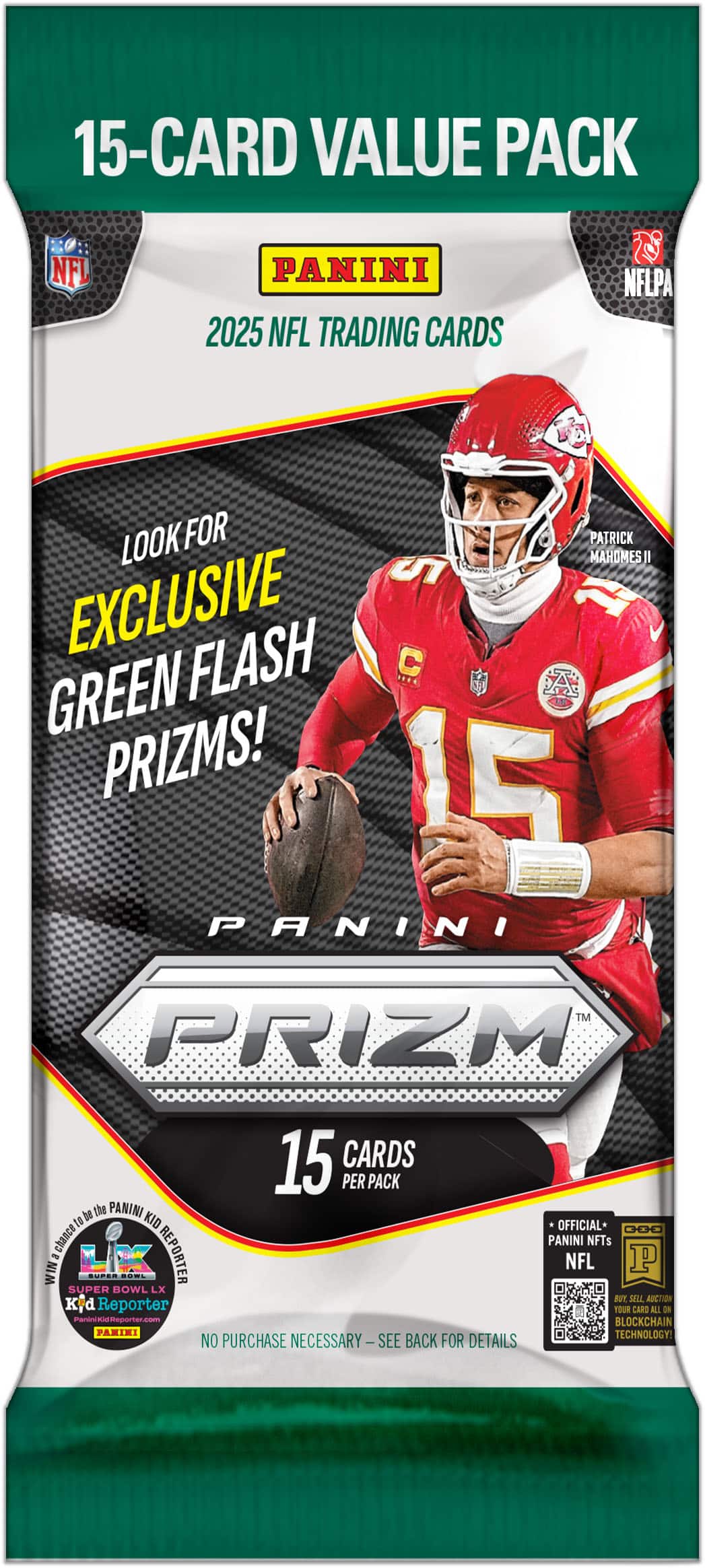
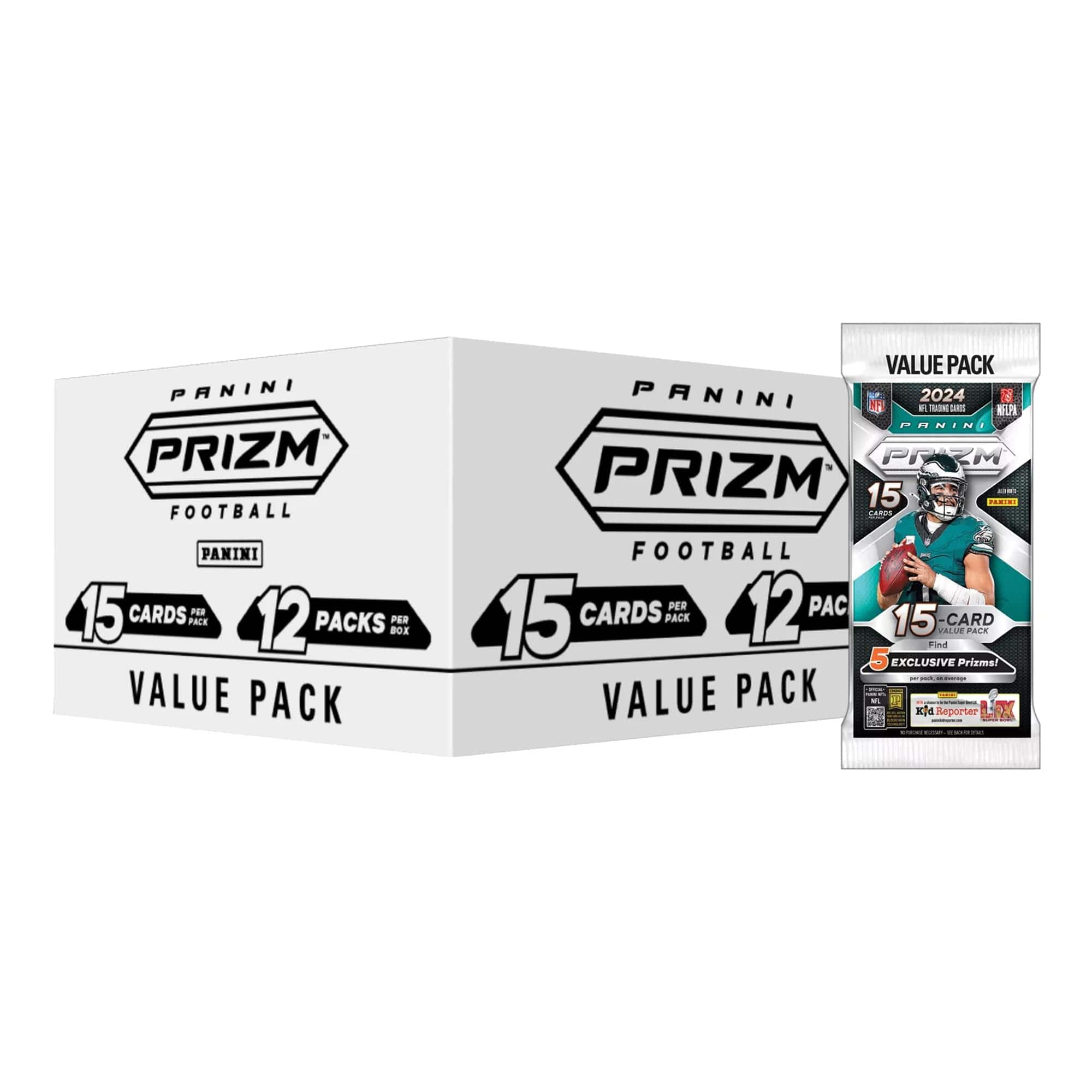
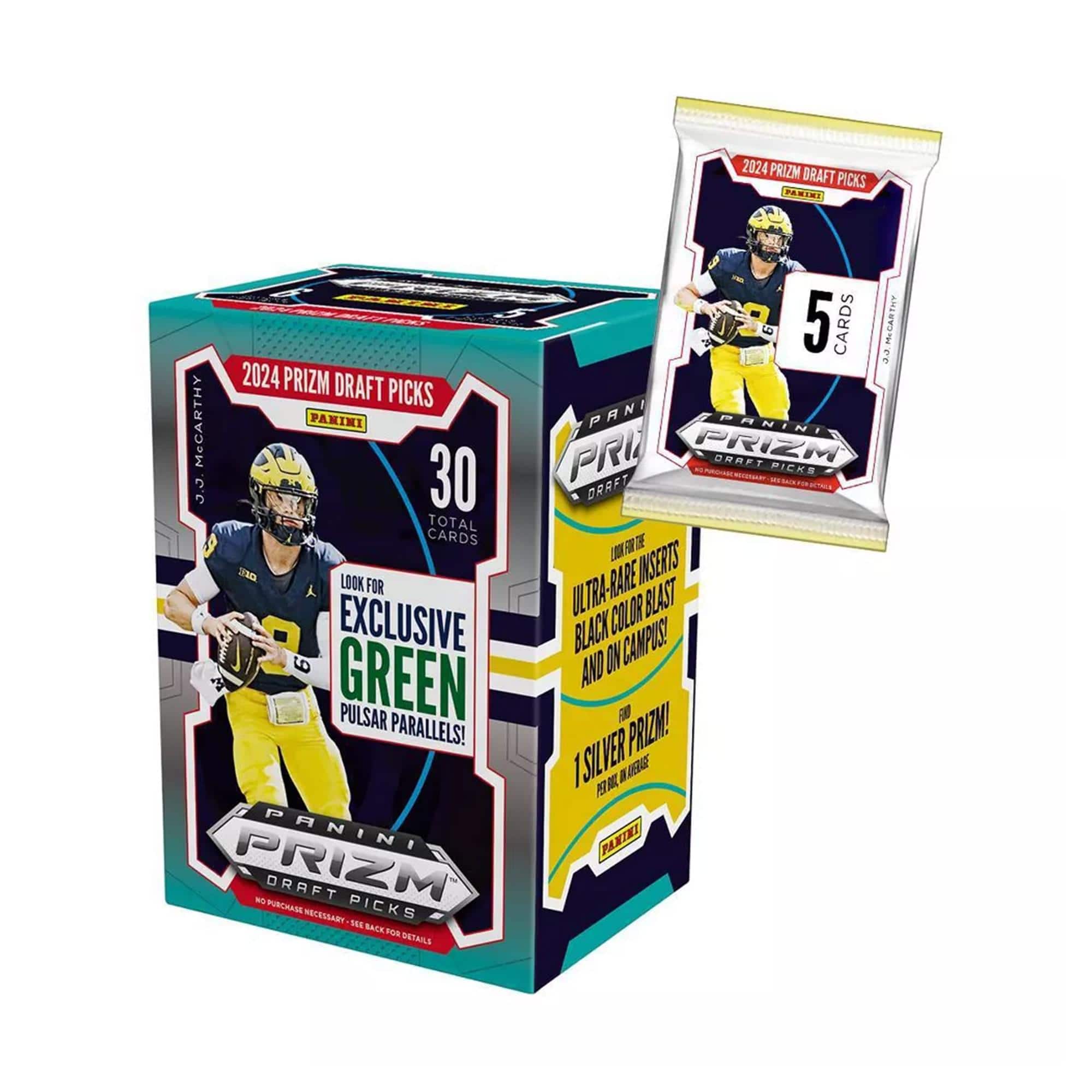
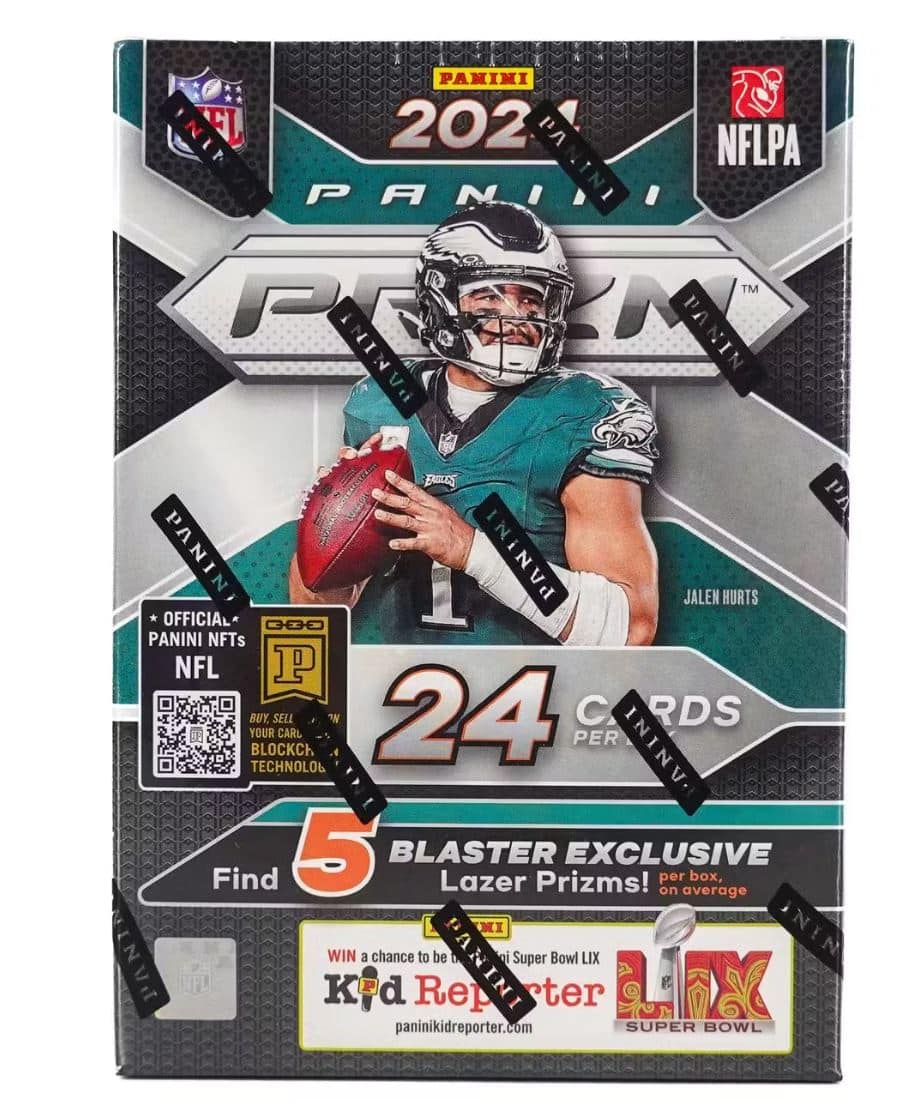
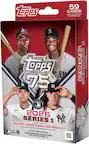
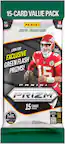
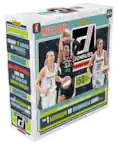
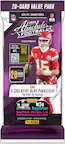
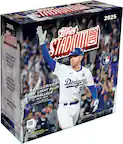
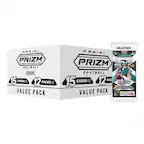
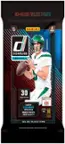
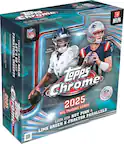
Football trading card fat packs bring together the appeal of a sealed-pack opening and the everyday satisfaction of building a collection one card at a time. For collectors interested in 2024 football cards, the draw often starts with the rookie class, favorite teams, and established players represented in that year’s release. A fat pack is generally a retail pack format containing more cards than a standard pack within the same product line, although the exact card count and assortment depend on the release. The format can suit someone filling a binder, collecting players from a favorite franchise, or sharing a pack-opening session with a football fan. Base cards usually form the foundation of the collection, while inserts and parallels add different designs or finishes. An insert belongs to a distinct subset, often with its own visual theme and numbering system; a parallel is a variation of an existing card, commonly distinguished by its color, reflective treatment, pattern, or printed serial number. Not every colored or reflective card is serial numbered, and a different finish alone does not establish rarity. Package details matter because similar-looking formats can have different card totals and possible contents. The stated number of cards is separate from any description of cards that collectors may find: language such as “look for” identifies a possibility, not a promise that every pack contains that type of card. Rookie cards, veteran cards, inserts, and parallels can all contribute to the experience, but sealed packs do not guarantee a particular player or team unless the packaging expressly says so. That uncertainty is part of opening trading cards, whether the memorable pull turns out to be a highly followed rookie or the player whose jersey gets worn on game day. A collection built around personal favorites can be satisfying even when an opening consists mainly of base cards, especially when those cards complete a team page or fill gaps in a numbered set.
The physical character of football cards deserves as much attention as the player pictured on the front. Chromium-style cards generally combine a cardstock foundation with a glossy, reflective surface treatment, creating a finish that catches light differently as the card moves. That visual depth helps distinguish reflective cards from conventional printed cardstock, but a shiny surface is not scratchproof. Fingerprints, fine scuffs, edge wear, and bent corners can affect appearance, and damage may be particularly noticeable across darker or mirrorlike areas. Clean, dry hands and a clear tabletop make a practical difference during an opening. Holding cards gently by their edges helps keep skin oils away from the face, while moving drinks and food elsewhere reduces the chance of an accidental spill. When opening a wrapper, keeping the cards away from the tear helps protect their corners; cutting close to a stack can nick an edge before the cards are even sorted. Soft protective sleeves are useful for individual cards, and a sleeved card can then go into a compatible rigid holder for additional support. Fit matters: a holder that is too tight can pinch the edges, while excessive space allows unnecessary movement. Most standard trading cards fit commonly used sleeves and binder pockets, but thicker cards need protection matched to their dimensions rather than being forced into a standard opening. Storage materials intended for trading cards, including PVC-free sleeves and pockets, are preferable to improvised coverings. A binder makes a team collection easy to browse, while a card storage box can keep a larger base set organized by number. Avoid rubbing a card’s face with household cleaners or trying to polish away imperfections, since cleaning can alter the finish. Keeping cards away from direct sunlight, moisture, and pressure also helps preserve their appearance. For collectors who leave packs sealed, a protective container helps prevent crushed corners and stressed wrappers without requiring adhesive to touch the packaging.
A useful way to think about 2024 football fat packs is to consider what the cards will become after the wrapper is open. A set builder may arrange cards numerically and keep a checklist nearby, making duplicates easy to separate from needed additions. A team collector may organize a binder by player, leaving room beside a base card for a matching parallel. Someone following rookie development might group first-year cards together and enjoy revisiting them as careers unfold. The printed set year identifies the release, but it does not mean every photograph, uniform, or team assignment will reflect later roster changes. Card numbers, checklist information, and any printed variation identifiers are more reliable for organization than appearance alone, especially when two cards share the same player image. Collectors interested in another release year can also explore 2025 Football Cards while keeping each year’s checklist separate. Fat packs can make thoughtful birthday gifts or small congratulations gifts for football fans, particularly when the recipient enjoys opening sealed cards rather than receiving a predetermined player. A child starting a first binder, a parent sharing a longtime hobby, and an adult returning to collecting may each enjoy the same format for different reasons. For younger collectors, an adult can help explain card numbering, organize duplicates, and establish gentle handling habits without making every card feel too precious to enjoy. Trading duplicates with friends can turn an opening into a social activity, with clear agreement about which cards are being exchanged. Fans who prefer certainty about the player they receive should recognize that a randomized pack offers a different experience from choosing an individual card. Neither a reflective finish nor a rookie designation guarantees future demand, so personal interest is a steadier foundation than expectations about future value. Whether the goal is a neatly completed binder page, a display of favorite players, or an enjoyable shared opening, the lasting appeal comes from connecting the cards to the game and giving the collection enough care to enjoy it again.