Main Content

CR123A Batteries For Motion Sensors

Find CR123A batteries for motion sensors to replace depleted batteries in compatible devices. Browse replacement options, and check your sensor’s battery specifications, including voltage and whether it requires nonrechargeable batteries, before choosing. Matching the CR123A size alone may not be enough to ensure compatibility.

Read More
Results
Main Results
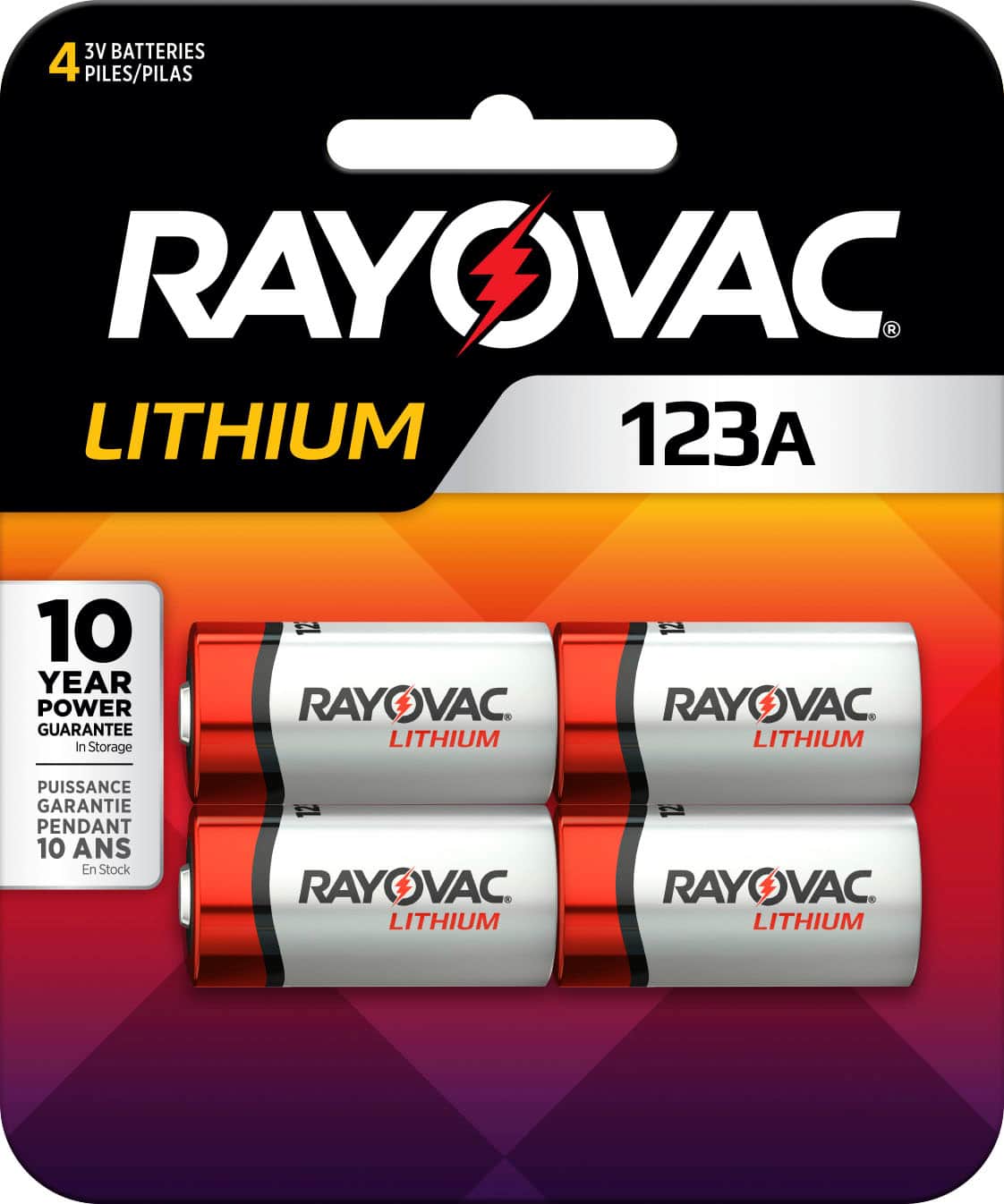
  1. Rayovac - Photo Lithium Batteries Size 123A 3V, 4 Pack

    SKU: J7CCPKL52C

    Batteries worked great they’re hard to find in general so was happy to find them at my local Best Buy...Best Buy was the only place that I could find these batteries for our smoke detectors in the house!...Always...

    Product Description

    A pack of four silver 3V lithium batteries providing long-lasting power for cameras and security devices.
    See all Camera Batteries
    Your price for this item is $15.99
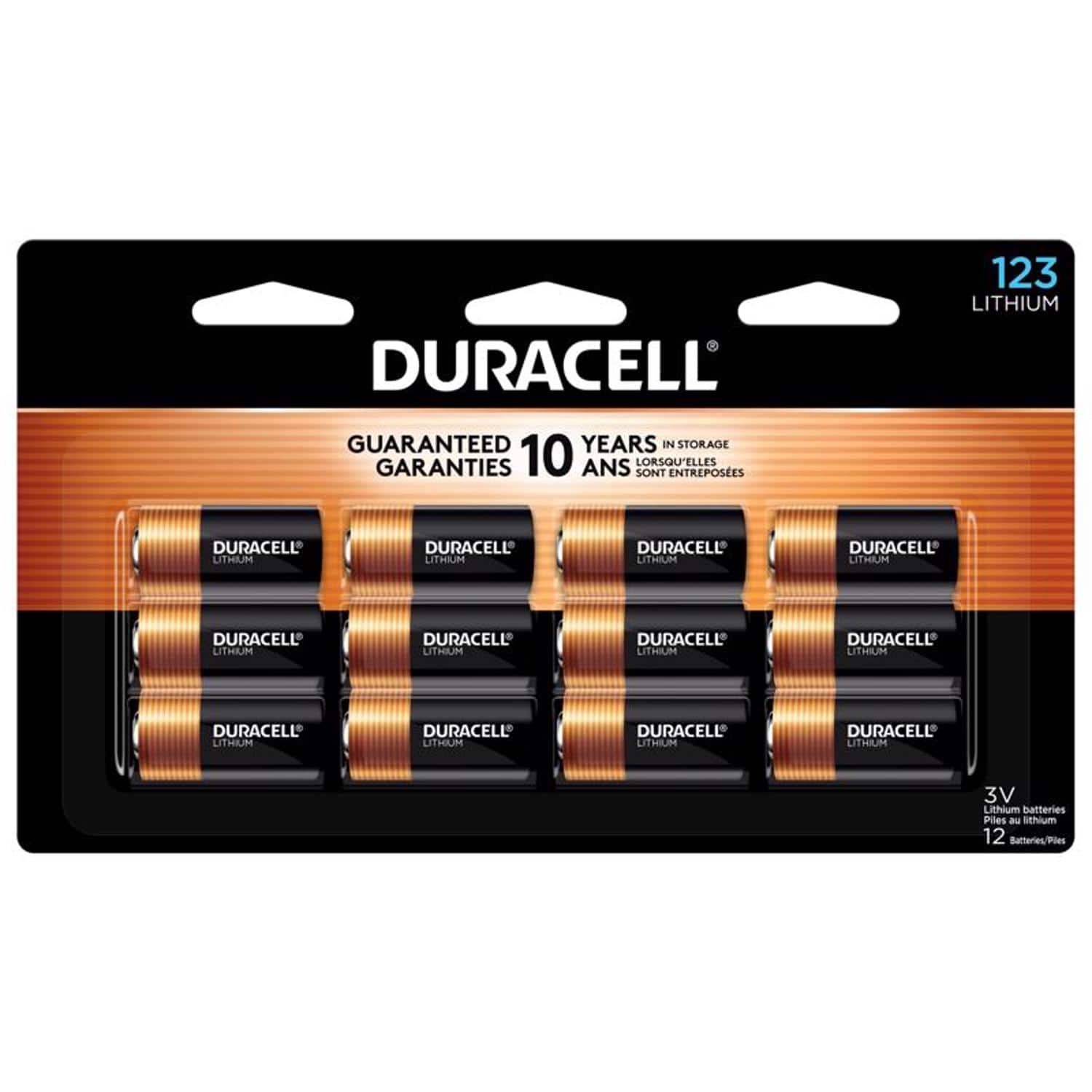
  2. Duracell - Lithium 123 3 V Battery 037506 12 pk

    SKU: J78KG9RP7Y

    Product Description

    A pack of high-power 3V lithium CR123A batteries designed for reliable performance in specialty devices.
    See all Lithium Batteries
    Your price for this item is $64.58
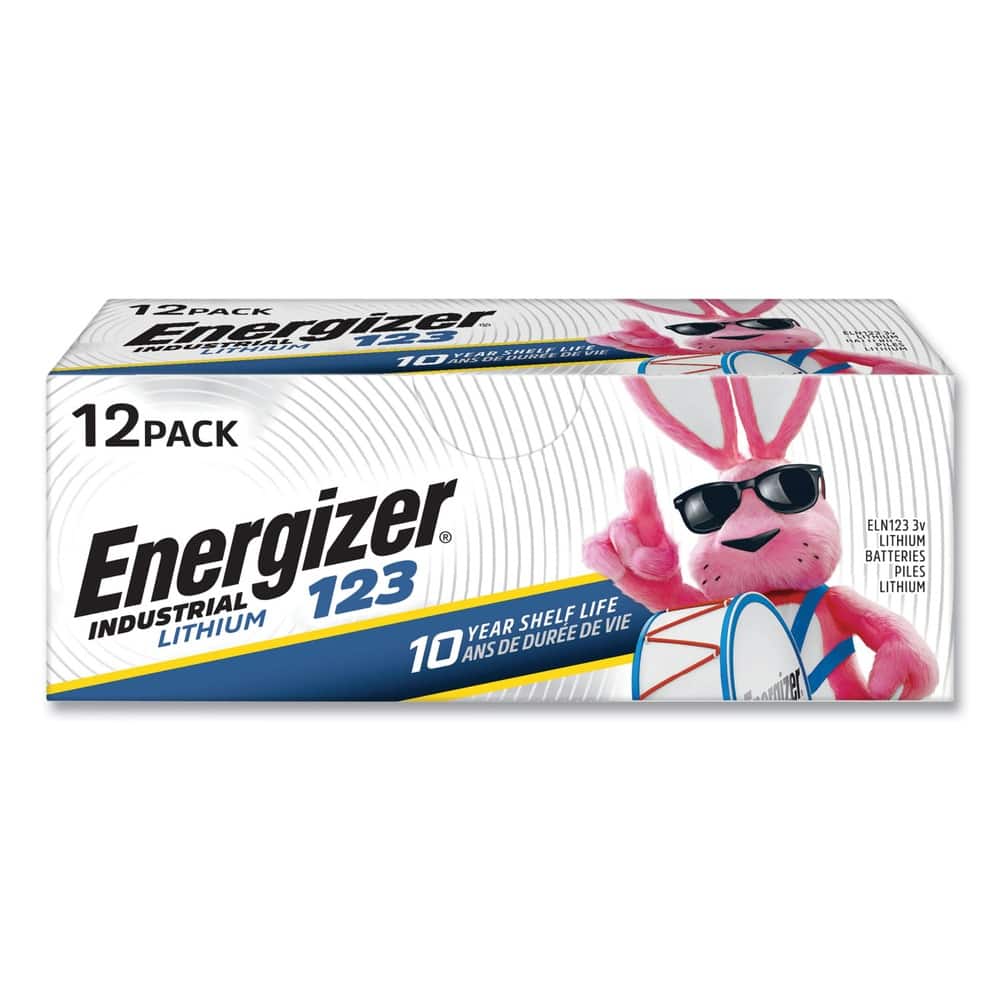
  3. Energizer - ELN12312 3V Industrial Lithium CR123 Photo Battery (12/Pack)

    SKU: J78676L522

    Product Description

    A pack of 12 industrial-grade CR123 lithium batteries offering reliable, leakproof power for professional devices.
    See all Lithium Batteries
    Your price for this item is $36.22
    Save $14
    The previous price was $50.49

CR123A batteries for motion sensors provide compact, reliable power for compatible home security devices, including wireless motion detectors, alarm sensors and some smart home accessories. These non-rechargeable lithium batteries typically deliver 3 volts and offer a long storage life, making them a practical choice for keeping replacement batteries on hand. Their compact size helps manufacturers design discreet sensors for entryways, hallways and other areas where dependable motion detection matters. Before buying replacement CR123A batteries, check your motion sensor’s battery compartment or owner’s manual for the required battery type, voltage and quantity. Although CR123A is a common battery format for security sensors, not every wireless motion sensor uses it, and batteries with similar dimensions are not necessarily interchangeable. Choosing the right CR123A lithium batteries for motion sensors starts with following the device manufacturer’s specifications and considering how the sensor operates. Battery life varies with motion activity, reporting frequency, wireless signal conditions, temperature and device settings, so a sensor in a busy hallway may need replacements sooner than one in a quieter room. For outdoor motion sensors, verify both the device’s operating temperature range and the battery manufacturer’s recommendations rather than assuming every CR123A battery is suitable for every environment. Replace batteries promptly after a low-battery alert, follow the polarity markings and test motion detection after installation according to the sensor’s instructions. If your device requires multiple batteries, replace them together with fresh batteries of the same type rather than mixing old and new cells. Avoid substituting rechargeable RCR123A or 16340 batteries unless the sensor manufacturer explicitly approves them, because their voltage can differ from standard 3-volt CR123A batteries. Keeping compatible spare batteries in a cool, dry place and checking battery status regularly can help your wireless security sensors stay ready for everyday home monitoring.

FAQ

A standard CR123A battery is a nonrechargeable lithium battery, typically made with lithium manganese dioxide chemistry. Some wireless motion sensors use this battery type as their power source.

A standard CR123A lithium battery has a nominal voltage of 3 volts. Your motion sensor’s battery specifications identify the voltage and battery type the device requires.

CR123 and CR123A commonly refer to the same standard 3-volt lithium battery type. Brand-specific labels may also include names such as DL123A or EL123AP. The manufacturer’s documentation can confirm equivalent battery designations.

Look in the motion sensor’s user manual, inside its battery compartment, or on the manufacturer’s support page. These sources typically list the required battery designation and the number of batteries the sensor uses.

No. CR123A describes the battery type, not the sensor’s smart home connection. Compatibility depends on the sensor’s communication protocol, such as Zigbee, Z-Wave, or Wi-Fi, and any hub or platform requirements listed by its manufacturer.