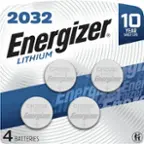
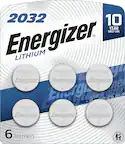
Batteries For Heart Rate Monitors
Find batteries for heart rate monitors by matching the battery type and size listed in your device’s manual or on its existing battery. Browse replacement options and check compatibility with your monitor’s model before choosing, since battery requirements vary by device.
Read More-
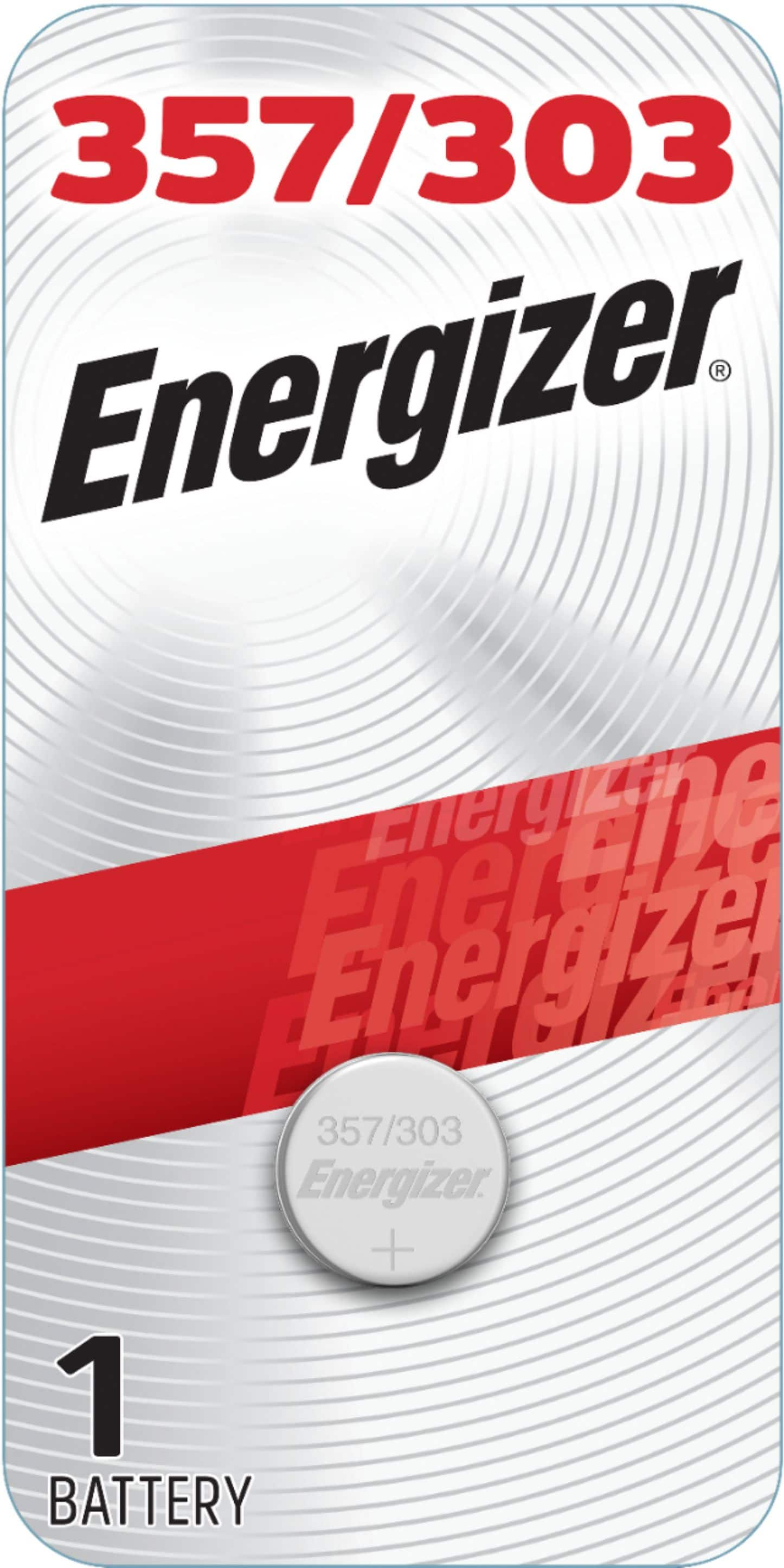
Energizer - 357/303 Batteries (1 Pack), Button Cell Batteries
SKU: J78676G7LQI love Best Buy!...I bought the wrong battery but you know what I kept it anyways because it’s Best Buy and I love Best...Great...I love energizer because it is the best and longest running battery that...
See all Specialty BatteriesProduct Description
A silver button cell battery delivering reliable, long-lasting 1.55V power for electronics and medical devices.$4.59 Your price for this item is $4.59 -
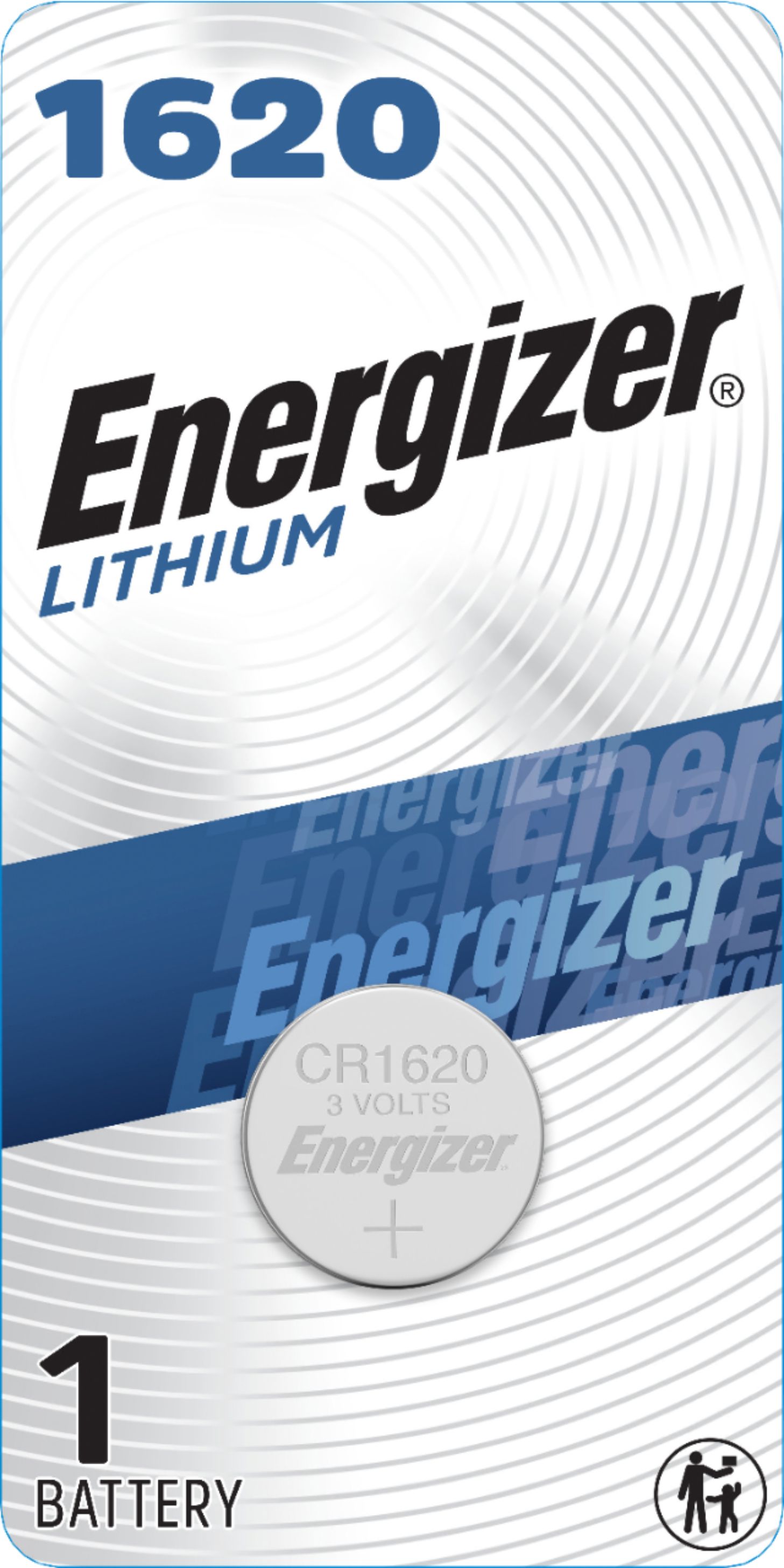
Energizer - 1620 Lithium Coin Battery, 1 Pack
SKU: J78676CSWWGreat Item! I love using this product. It is the best!...Love it...This is 1 of the best purchase I have made at best buy
See all Lithium BatteriesProduct Description
A dependable silver lithium coin battery delivering long-lasting 3-volt power for various electronic devices.$3.99 Your price for this item is $3.99 -
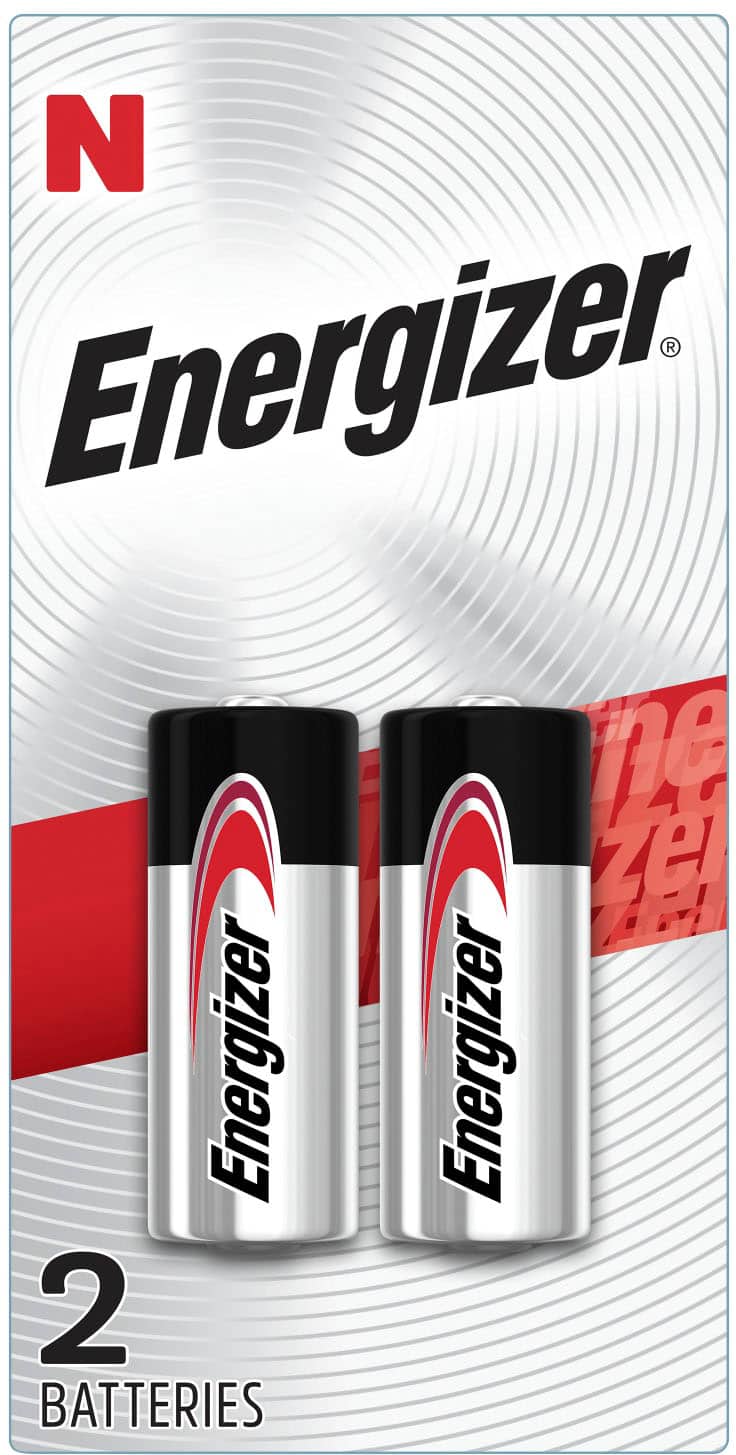
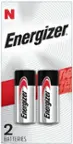
Energizer - N Batteries (2 Pack), 1.5V Alkaline Small Batteries
SKU: J786767427Great batteries but the best was the Best Buy associate who helped me find them. Bravo to him!!...Great Best Buy price ! Overall good quality and value
See all Alkaline BatteriesProduct Description
A pack of two silver 1.5V alkaline batteries providing reliable, mercury-free power for small electronics.$6.99 Your price for this item is $6.99 -
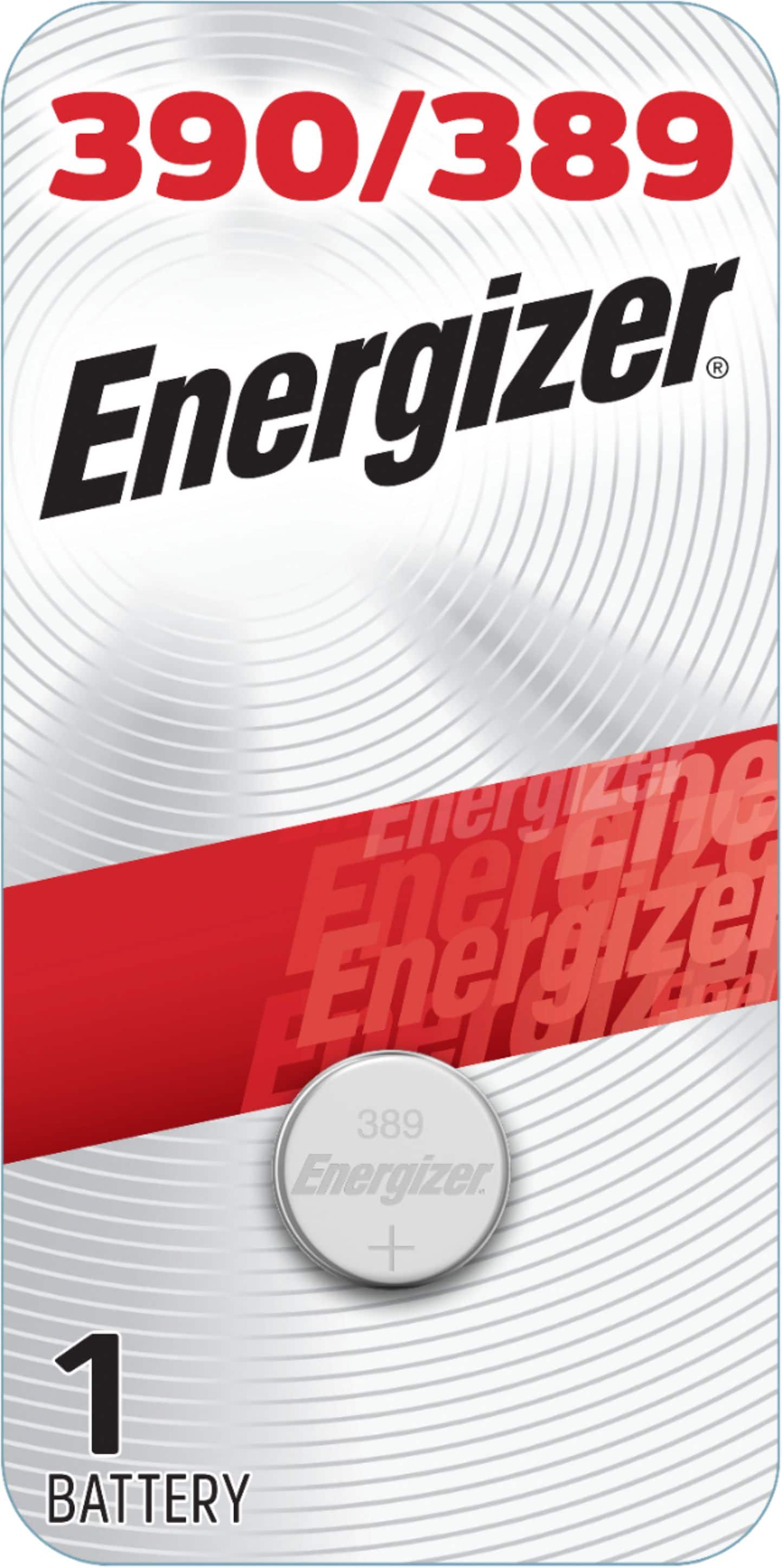
Energizer - 389 Button Battery, 1 Pack
SKU: J78676GCXGFinally found the right size battery at Best Buy. Great selection....Best Buy had it in stock and at the best price around....Great price at Best Buy...Worked great
See all Specialty BatteriesProduct Description
A silver oxide button cell battery delivering reliable, long-lasting 1.5V power for various electronic devices.$3.79 Your price for this item is $3.79 -
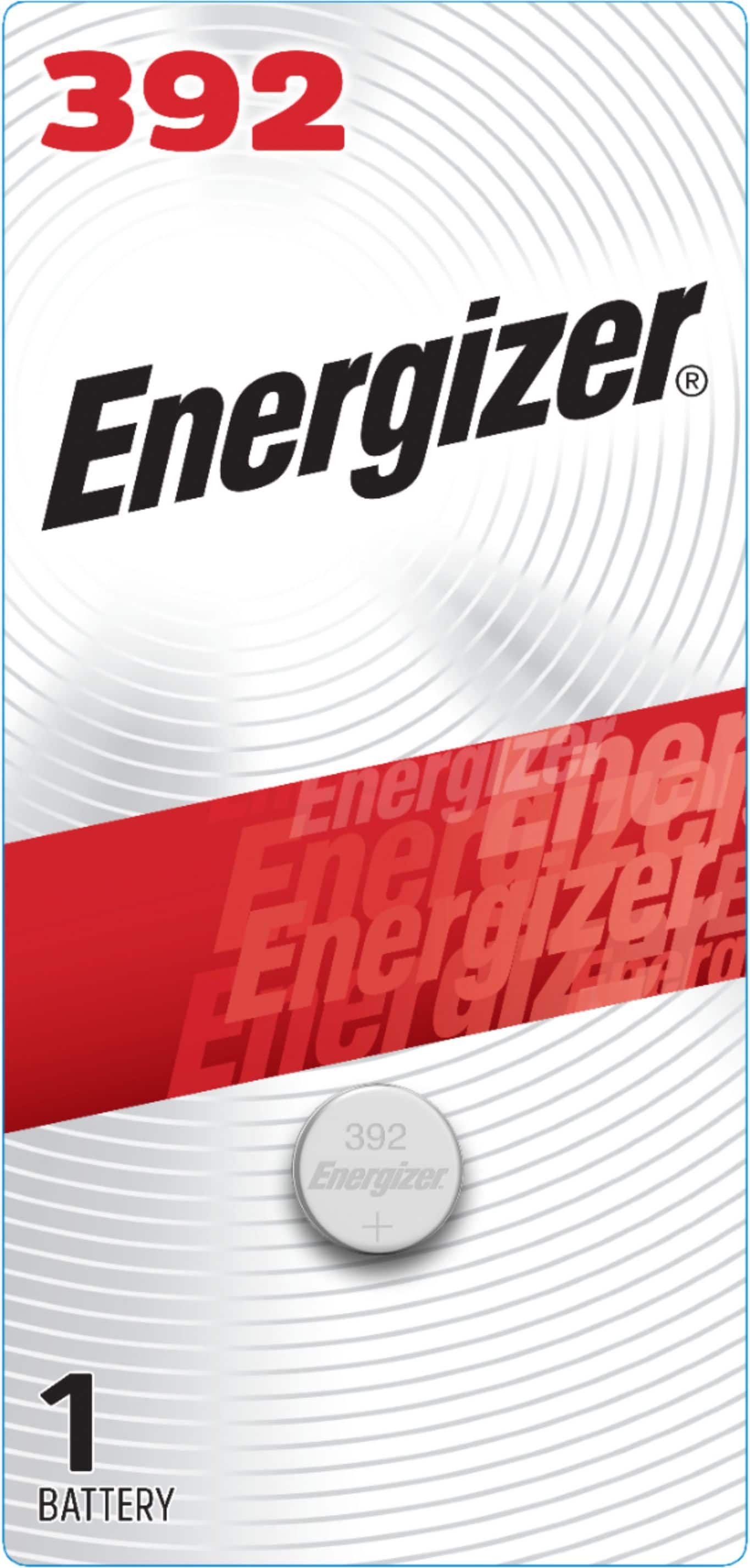
Energizer - 392 Silver Oxide Button Battery, 1 Pack
SKU: J78676GCY3Great price...These work great for me. Best Buy has a great selection of watch batteries....Great selection at Best Buy for coin lithium batteries.
See all Specialty BatteriesProduct Description
A silver oxide button battery providing reliable, long-lasting 1.5V power for various small electronic devices.$5.79 Your price for this item is $5.79 -
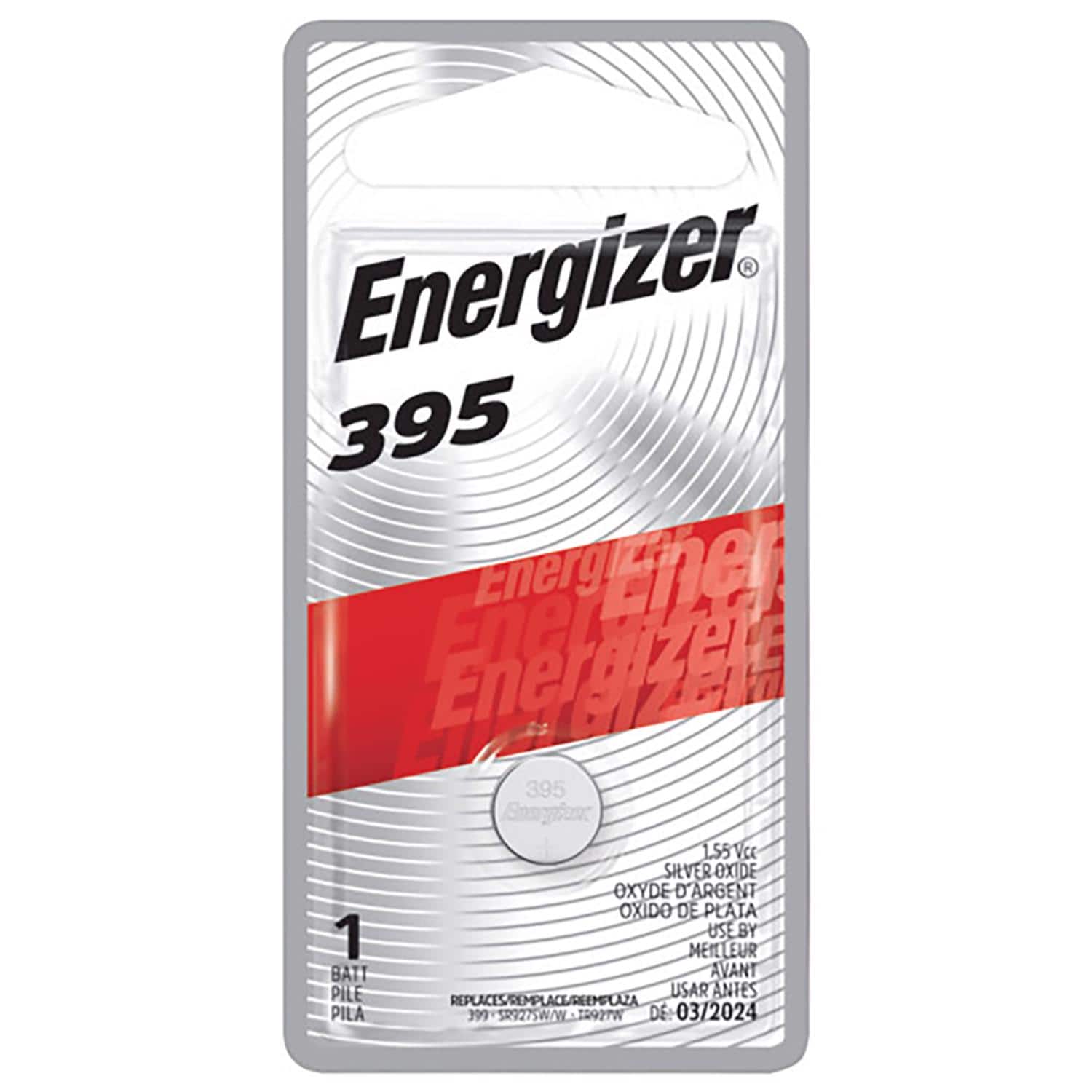
Energizer - Silver Oxide 395 1.55 V 0.05 mAh Electronic/Watch Battery 1 pk
SKU: J78676GCY9thermometer I use for my children, the quality and durability is good, there was already this brand and I love...the best batteries on the market,...Love it...Everything in one places great quality tremendous...
See all All Batteries & PowerProduct Description
A silver oxide button cell battery providing reliable 1.55V power for watches and small electronic devices.$17.78 Your price for this item is $17.78 -
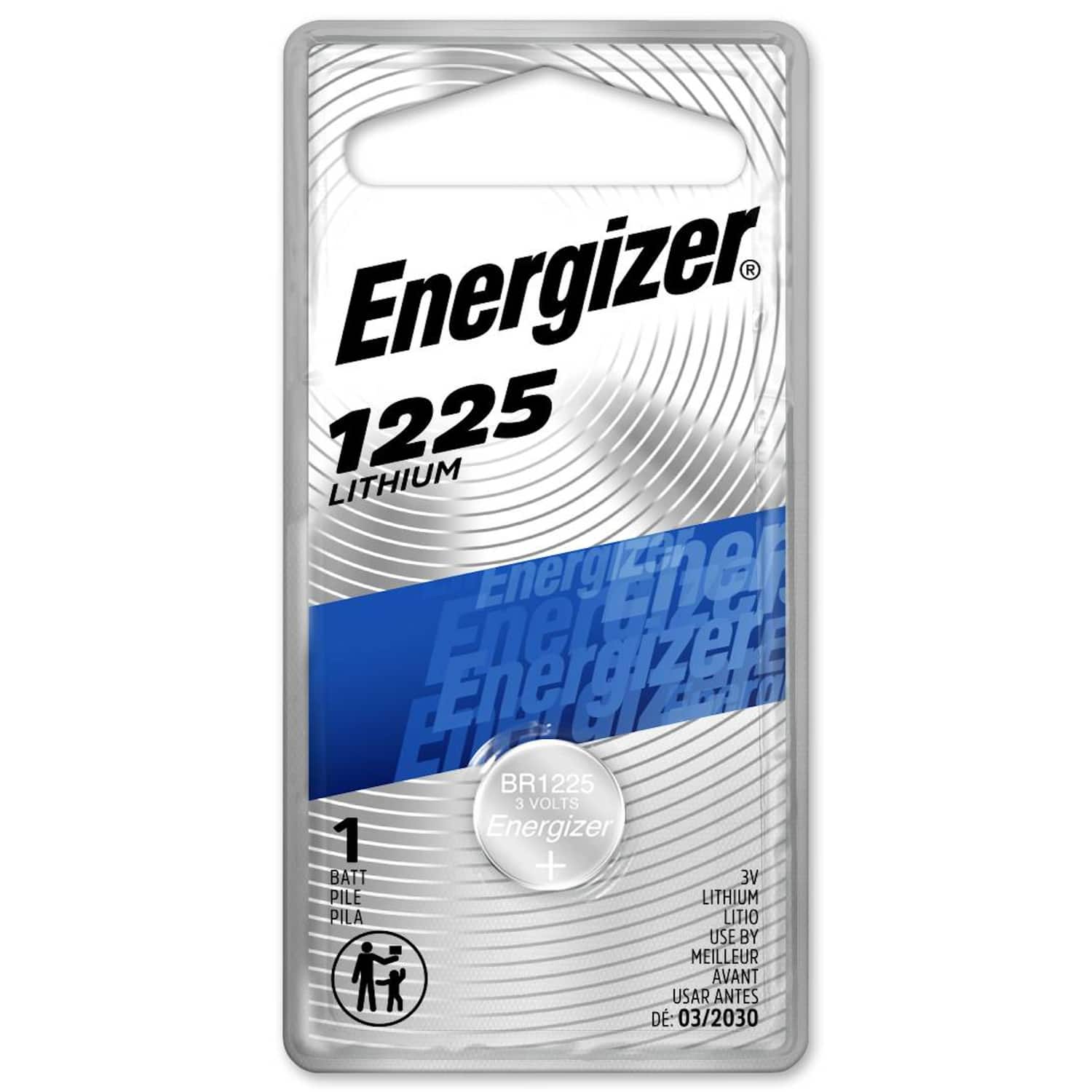
Energizer - Lithium 1225 3 V Battery 1 pk
SKU: J78676L4J8Love very good lasted a long time very reliable great packaging....Capacity is great as well tossed them in dumpster when I was done with them highly recommend...Best battery ever!...This is best battery...
See all Lithium BatteriesProduct Description
A reliable 3V lithium coin battery providing long-lasting power for remotes, key fobs, and medical devices.$18.87 Your price for this item is $18.87 -
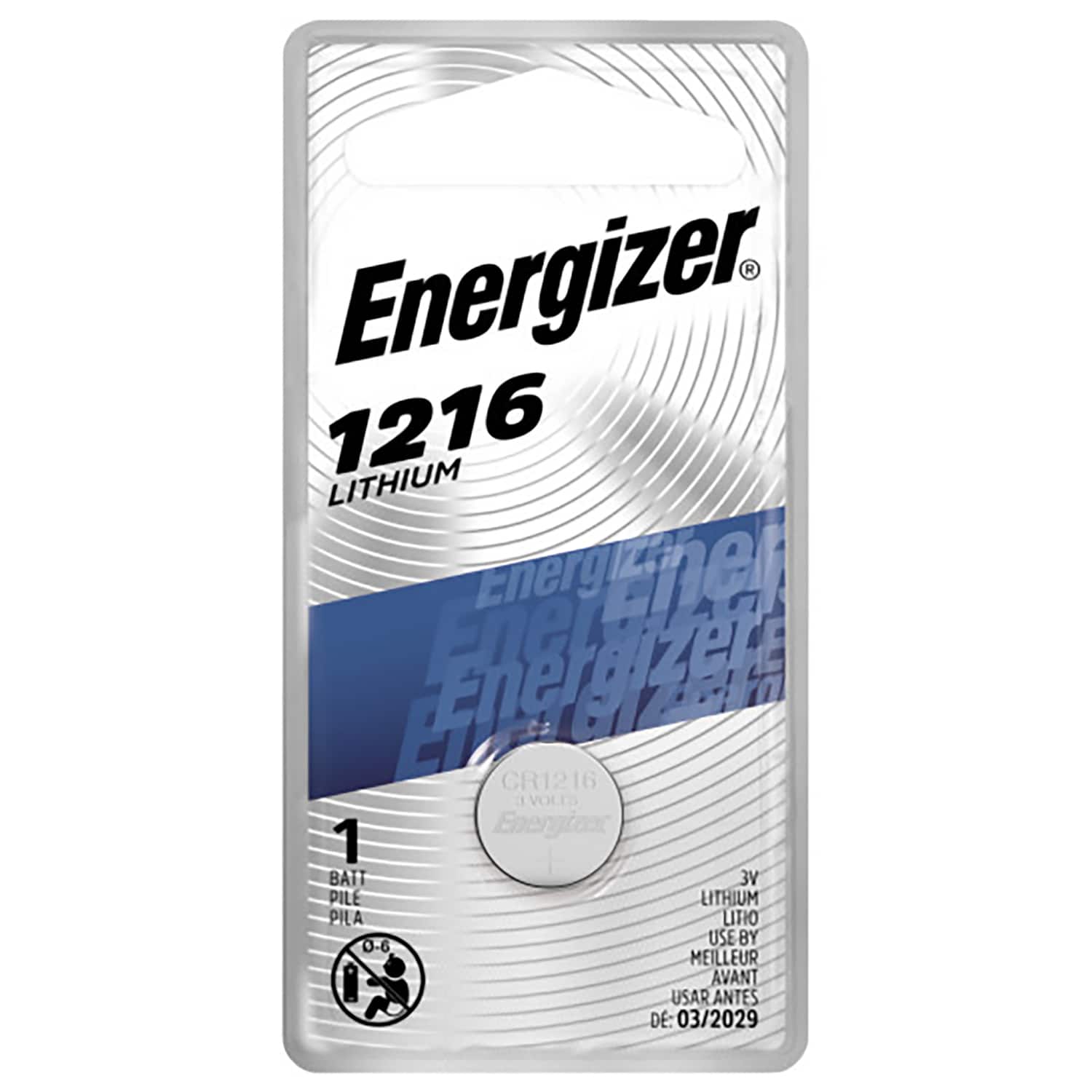
Energizer - Lithium 1216 3 V Keyless Entry Battery 1 pk
SKU: J786763SX5Best Battery Brand...Lasts long time and great value...I love energizer. The 1216 specifically fit my personal needs....But all their battery last long and have great performance. And for that, it’s great...
See all Lithium BatteriesProduct Description
A reliable 3V lithium coin battery designed for keyless entry systems, remotes, and other specialty devices.$17.93 Your price for this item is $17.93
Batteries for heart rate monitors provide the compact power source that keeps compatible wearable sensors ready for training, everyday exercise, and activity tracking. In a chest-strap monitor, a small battery powers the sensor electronics and wireless connection that send heart rate information to a compatible watch, phone, or exercise machine. Some wrist-worn monitors also use replaceable batteries, while others have built-in rechargeable systems that require a charging cable rather than a replacement cell. That distinction matters: batteries designed for a removable compartment are not substitutes for an internal rechargeable battery. The right match depends on the battery designation listed in the device manual or inside the battery compartment, including its size, voltage, and chemistry. Two round cells can look nearly identical yet differ in thickness or electrical characteristics, so appearance alone is not a reliable measure of compatibility. Lithium coin-cell batteries are common in compact wearable sensors because they fit into shallow housings and provide useful energy capacity for their size. Their metal casings enclose the battery materials, while the monitor’s battery door and seals help protect the connection from moisture and debris. Other monitor designs may specify a different battery format or chemistry, making the manufacturer’s requirements more important than a general description such as “watch battery.” A runner using a chest strap for interval sessions, a cyclist sending readings to a handlebar display, and someone tracking effort on an elliptical may all need similar-looking replacement batteries without necessarily needing the same type. For shoppers comparing device styles alongside their power requirements, Best Heart Rate Monitors provides a related place to explore wearable options. Battery compatibility remains specific to the device, not the activity. A correctly matched replacement supports the monitor’s normal operation; it does not add features, extend wireless range beyond the device’s specifications, or turn a fitness monitor into a medical diagnostic device. Clear battery markings and documented device requirements make it easier to distinguish a suitable replacement from a cell that merely looks like it should fit.
Battery life is shaped by the monitor’s design and how it is used, rather than by battery size alone. A sensor worn for several brief workouts each week has a different usage pattern from one used for long training sessions, frequent connected workouts, or extended data recording. Wireless communication, measurement features, and the device’s power-management settings can all affect how quickly a battery is depleted. Advertised battery capacity can provide useful context when comparing compatible options, but it is not a promise of a particular number of workouts in every monitor. Some sensors enter a low-power state when they are not being worn, while others depend on specific handling or storage practices described by the manufacturer. For a chest strap, separating a removable transmitter from the strap after use may be recommended to prevent unintended activation; that advice is device-specific rather than universal. A fresh battery can be especially useful when a compatible monitor begins displaying a low-battery alert or has trouble maintaining its connection, although interrupted readings can also come from poor skin contact, strap fit, or connection settings. The battery is one part of a larger system. Its fit should be secure within the designated compartment, with the terminals contacting the cell as intended and the battery door closing without force. A thicker cell is not an upgrade if it strains the cover, and a thinner one may fail to maintain contact. Care around the compartment also affects durability. Sweat residue, lint, and worn seals can interfere with a device that otherwise has a suitable battery installed. Battery replacement is an opportunity to notice a cracked cover, damaged gasket, or corroded contact before the next workout, with cleaning and maintenance handled according to the device instructions. Water resistance belongs to the monitor’s assembled housing and seals, not to the battery itself. A battery change does not make an unrated device suitable for swimming, and a disturbed seal may need attention before a water-rated monitor is used again. For someone who relies on consistent heart rate feedback during a steady indoor ride or a carefully paced run, correct fit and a properly closed compartment matter just as much as the battery’s listed capacity.
Replacement batteries are practical accessories for people who use compatible heart rate monitors regularly, including recreational runners, indoor cycling enthusiasts, gym members, and athletes following structured training plans. A spare can make sense in a workout bag or home exercise area when it stays in protective packaging and the monitor’s battery type is clearly identified. For a household with several fitness devices, labeling batteries by their intended device can prevent confusion between similar cells used in unrelated electronics. Packaging that keeps individual batteries separated also helps prevent their terminals from contacting keys, coins, or other metal objects. Loose coin cells do not belong in a pocket or an open compartment alongside workout accessories. Shelf life is another useful consideration, particularly when a replacement may sit unused between battery changes. Package dating and intact seals provide context about an unused battery, while age, storage conditions, and the device’s power demands still influence its eventual service life. Mixing battery chemistries, combining used and new cells in a device that requires more than one battery, or attempting to recharge a cell labeled nonrechargeable can create safety risks and is not a way to improve performance. Small batteries also require careful handling around children and pets. Coin and button cells can cause severe injury if swallowed, so both unused and removed batteries need secure storage; suspected swallowing requires immediate emergency medical attention. A depleted cell should be handled according to local battery disposal or recycling requirements rather than left loose in a drawer. For gifting, compatible replacement batteries can be a thoughtful addition to a fitness accessory gift when the recipient’s exact monitor requirements are known. They are less useful as a guess based only on the shape of a wearable or the sport someone enjoys. Whether the goal is maintaining an established training routine or keeping an occasional-use sensor ready for its next session, a well-matched battery offers straightforward support for the equipment already in use. The most useful choice combines the specified battery type with readable labeling, appropriate packaging, and careful handling throughout its service life.
Best Sellers
Related Pages
FAQ
Heart rate monitors commonly use replaceable lithium coin-cell batteries or built-in rechargeable batteries. Chest-strap monitors often use coin cells, while wrist-worn and optical monitors commonly have rechargeable batteries. The battery type depends on the monitor's design.
Check the battery designation in your heart rate monitor's user manual, inside its battery compartment, or on the installed battery. Match that designation and the manufacturer's specifications when choosing a replacement.
Depending on the model, battery information may appear on the monitor's display, in a companion app, or on a paired fitness watch. Some monitors use an indicator light or a low-battery notification instead of showing a percentage. Consult the manual to learn which indicators your monitor supports.
Many chest-strap heart rate monitors have a battery compartment designed for user replacement. Monitors with built-in rechargeable batteries generally charge through a cable or dock rather than using removable batteries. Check the manufacturer's documentation to confirm whether your monitor supports battery replacement.
This varies by monitor. Some models retain pairing information after a battery change, while others may require you to reconnect them to a fitness watch, phone, or exercise app. Workout records already synced to an app are generally stored separately from the monitor's battery-powered memory.