Indoor Outdoor Weather Stations
-
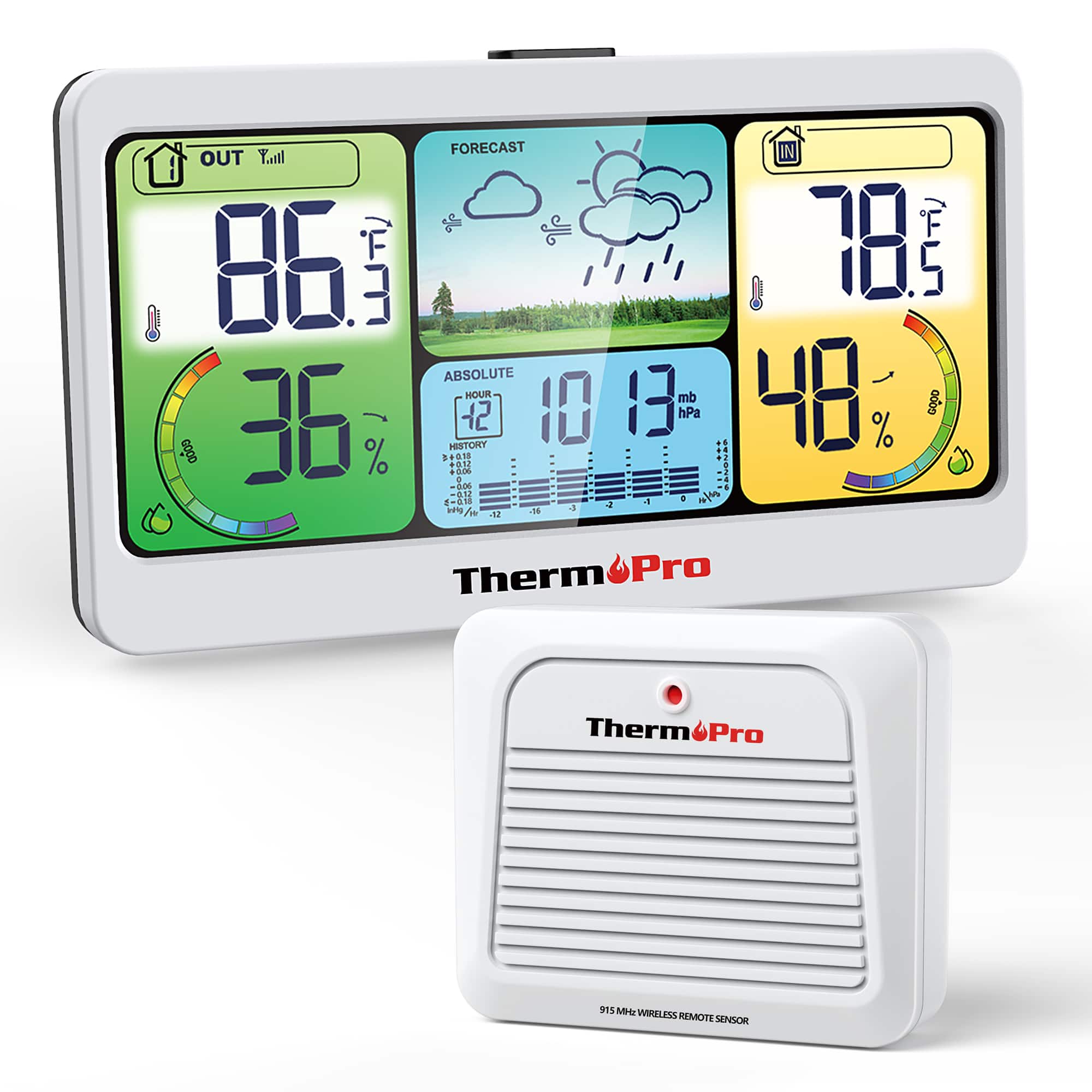
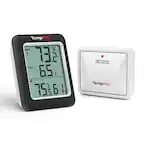
ThermoPro - TP280BW 1000FT Home Weather Stations Wireless Indoor Outdoor Thermometer, Indoor Outdoor Weather Station - White
SKU: J3GTZLXQZLbought another one direct from the company you sent it to the wrong address. best buy would not change...Works great!
See all Home Alarms & SensorsProduct Description
A white wireless weather station with LCD backlight tracks indoor/outdoor temperature, humidity, and barometric pressure.Your price for this item is $36.99 -
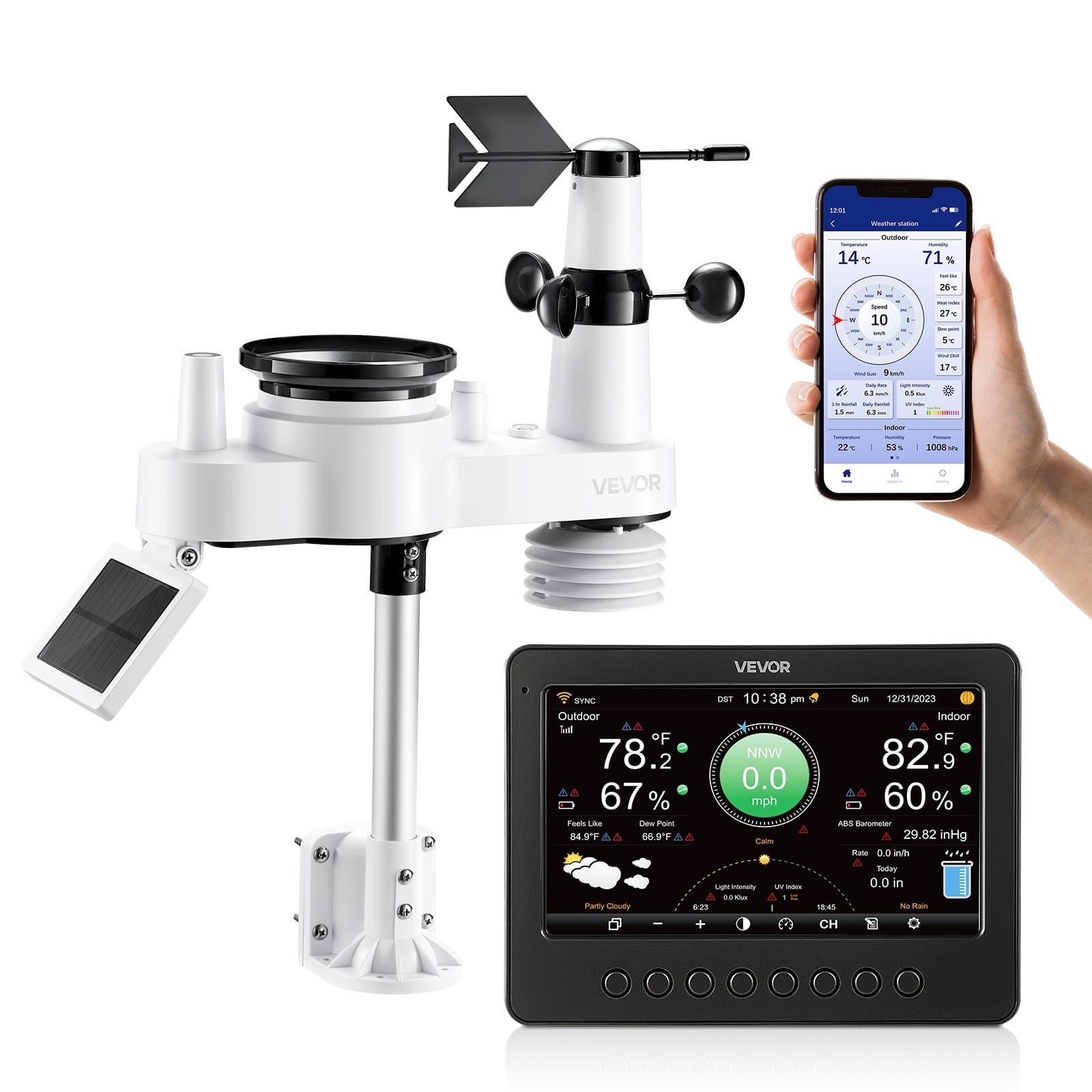
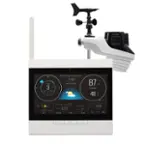
VEVOR - 7-in-1 Wi-Fi Weather Station, 7-Inch TFT Display, Wireless Solar Powered Outdoor Sensor, Rain Gauge - White
SKU: JJGHK45TGJGreat purchase
See all Home Alarms & SensorsProduct Description
A white weather station with a 7-inch TFT display, solar-powered sensor, and wireless rain gauge.Your price for this item is $97.90Save $21The previous price was $118.90 -
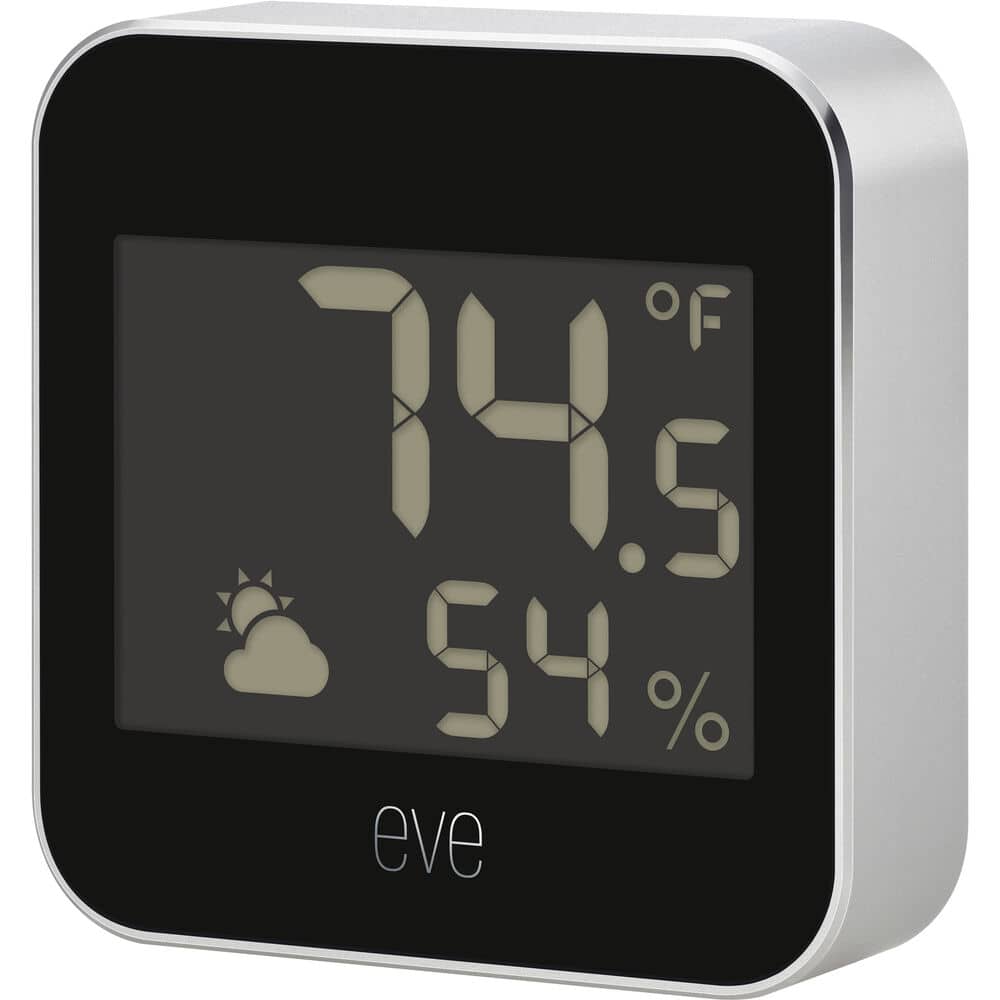
Eve - Weather Station with Matter - Silver
SKU: J3L3KQ4LTWSee all Home Alarms & SensorsProduct Description
A silver weather station that tracks temperature, humidity, and barometric pressure with 12-hour trend analysis.Your price for this item is $87.95 -
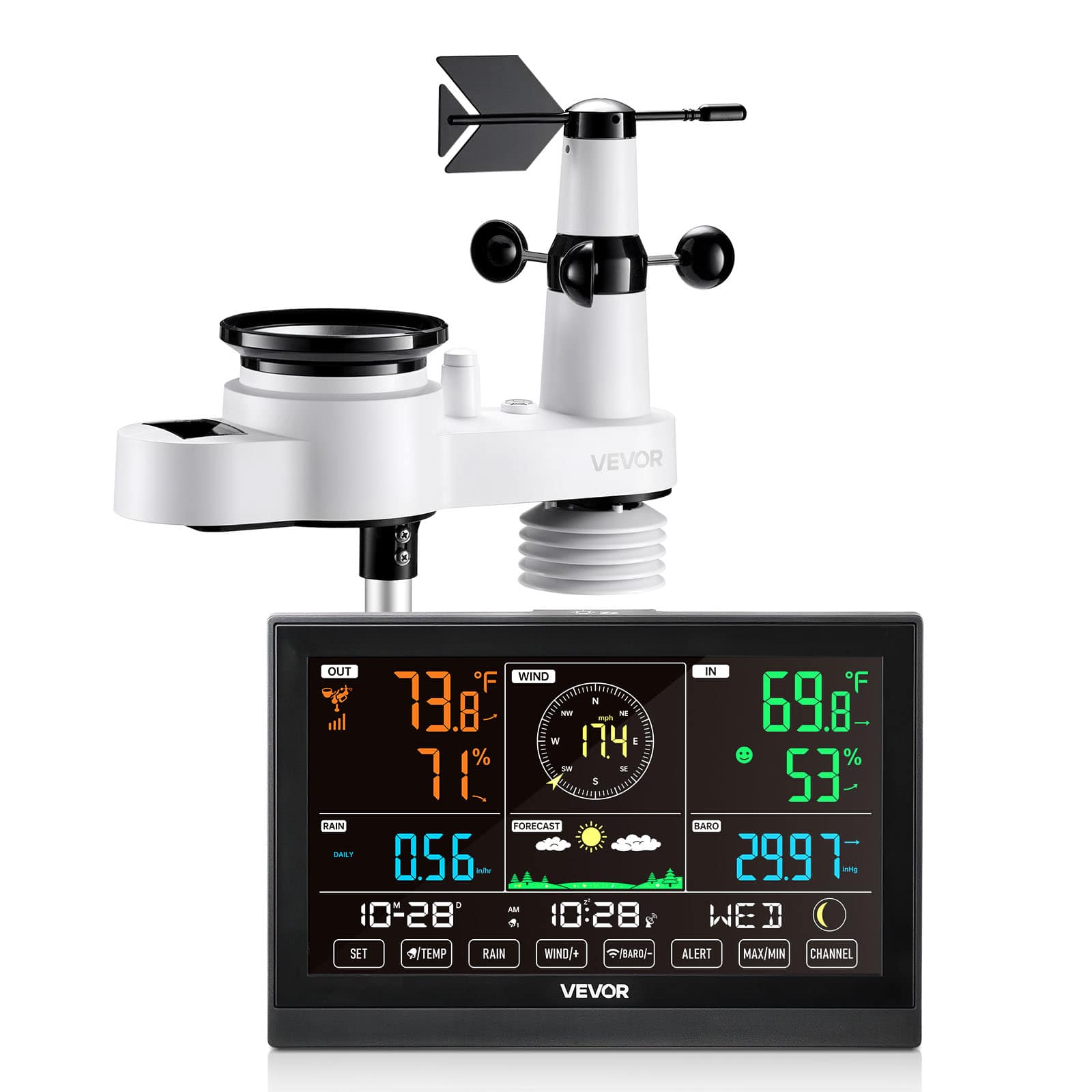
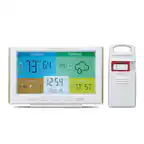
VEVOR - 5-in-1 Wireless Weather Station, 7.5-Inch VA Display, Solar Powered Outdoor Sensor, Rain Gauge, Indoor Outdoor - White
SKU: JJGHKZS2FCSee all Home Alarms & SensorsProduct Description
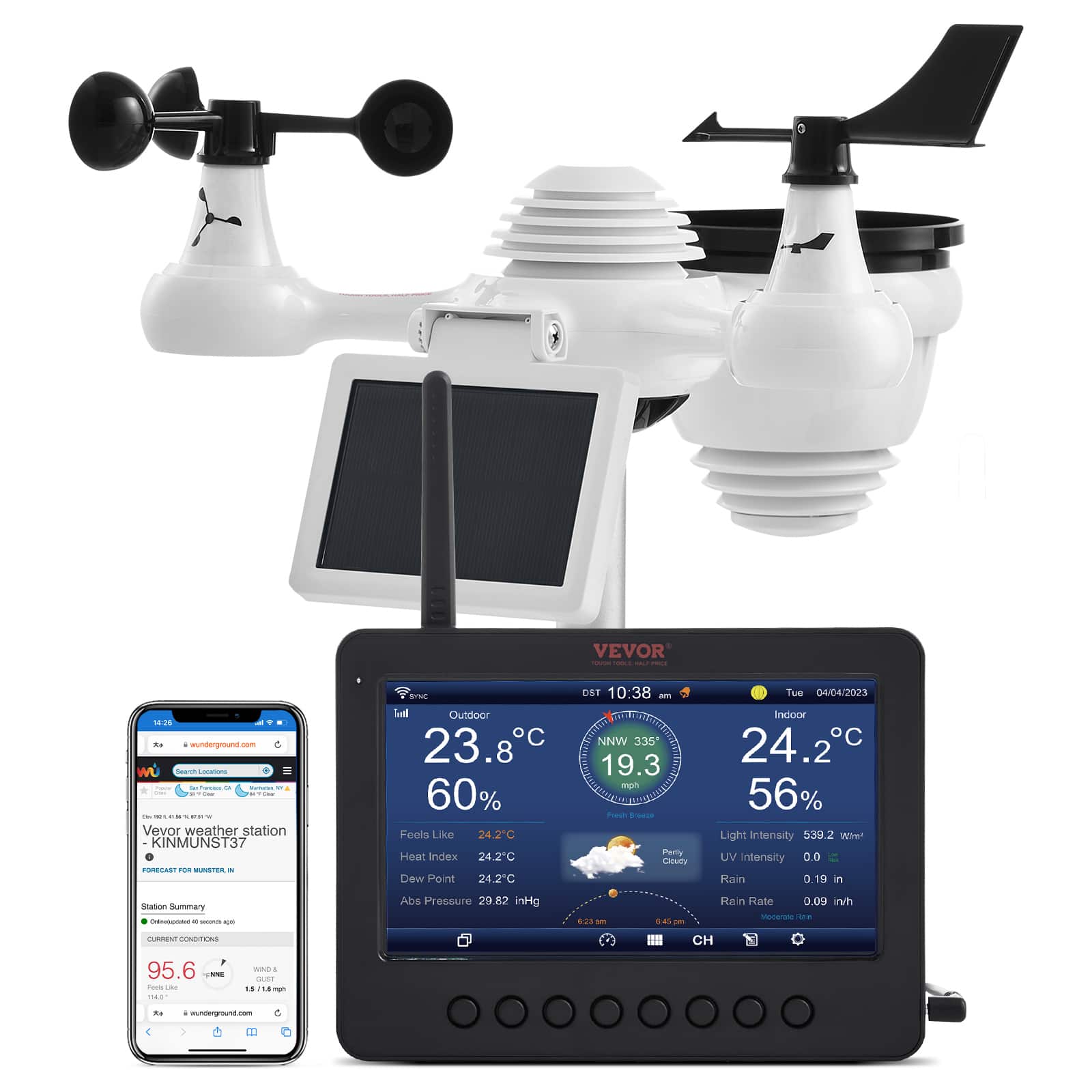
A white wireless weather station with solar-powered outdoor sensor tracks temperature, humidity, rainfall, and wind.Your price for this item is $83.90 -
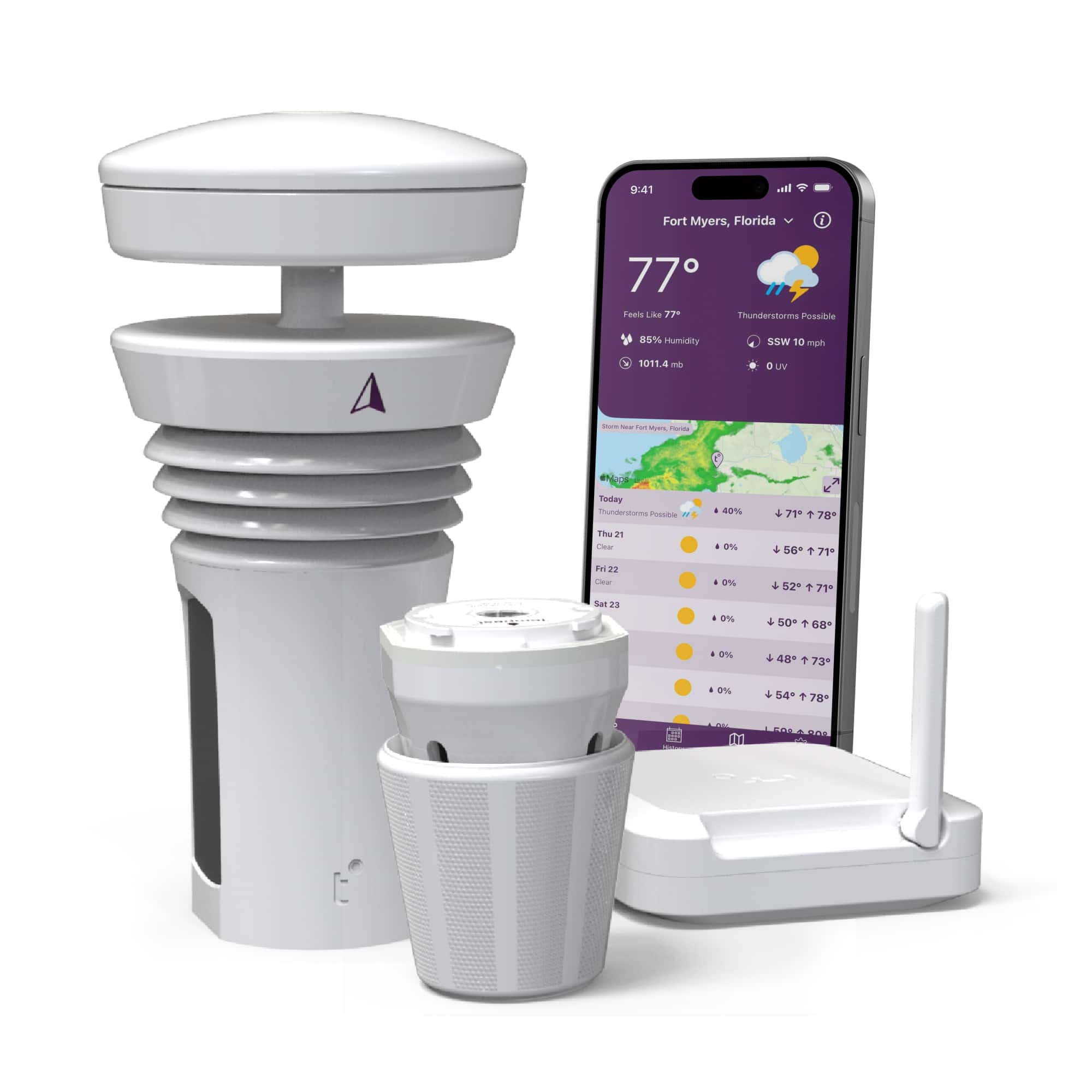
WeatherFlow-Tempest - Tempest Solar-Powered WiFi Home Weather Station with Rain Gauge, Wind Meter and Lightning Detection - White
SKU: J3Q5C7984FSee all Home Alarms & SensorsProduct Description
A smart white weather station offering real-time tracking of temperature, humidity, wind, rain, and barometric pressure.Your price for this item is $296.65Save $52The previous price was $349.00 -
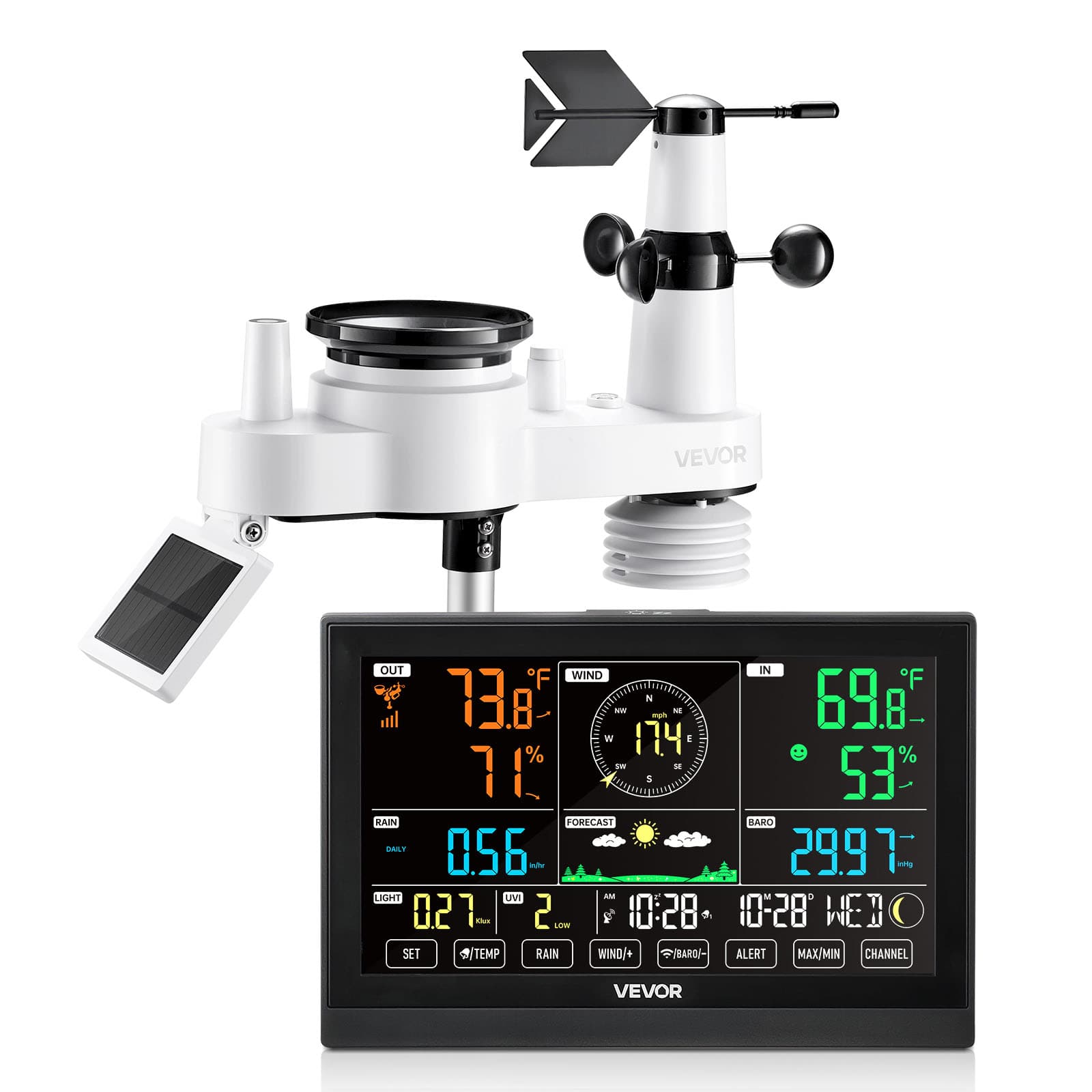
VEVOR - 7-in-1 Wi-Fi Weather Station, 7.5-Inch VA Display, Solar Powered Wireless Outdoor Sensor, Home Weather Station - White
SKU: JJGHK4P9JZSee all Home Alarms & SensorsProduct Description
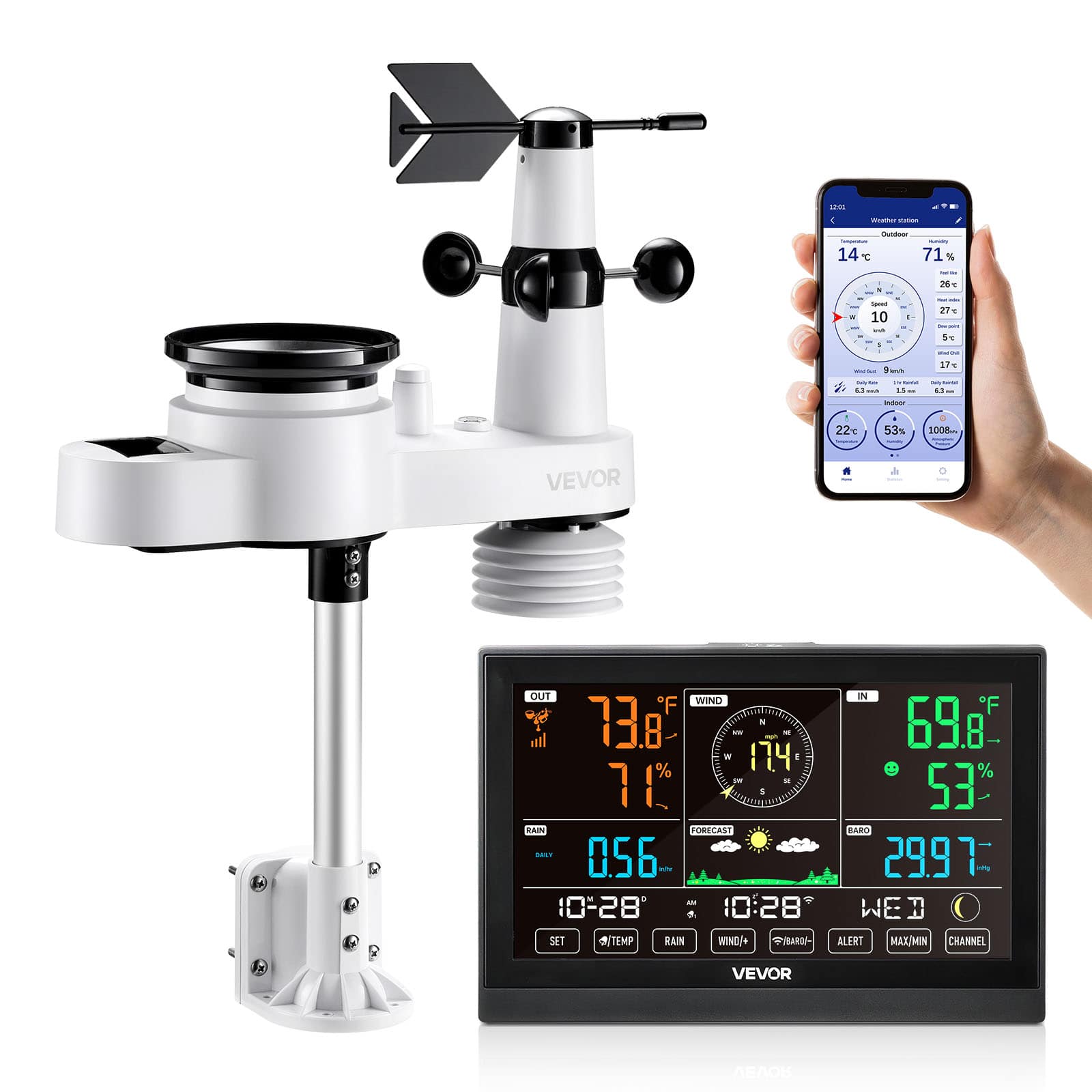
A white, solar-powered weather station with Wi-Fi monitors temperature, humidity, rainfall, wind, and sunlight.Your price for this item is $90.90 -
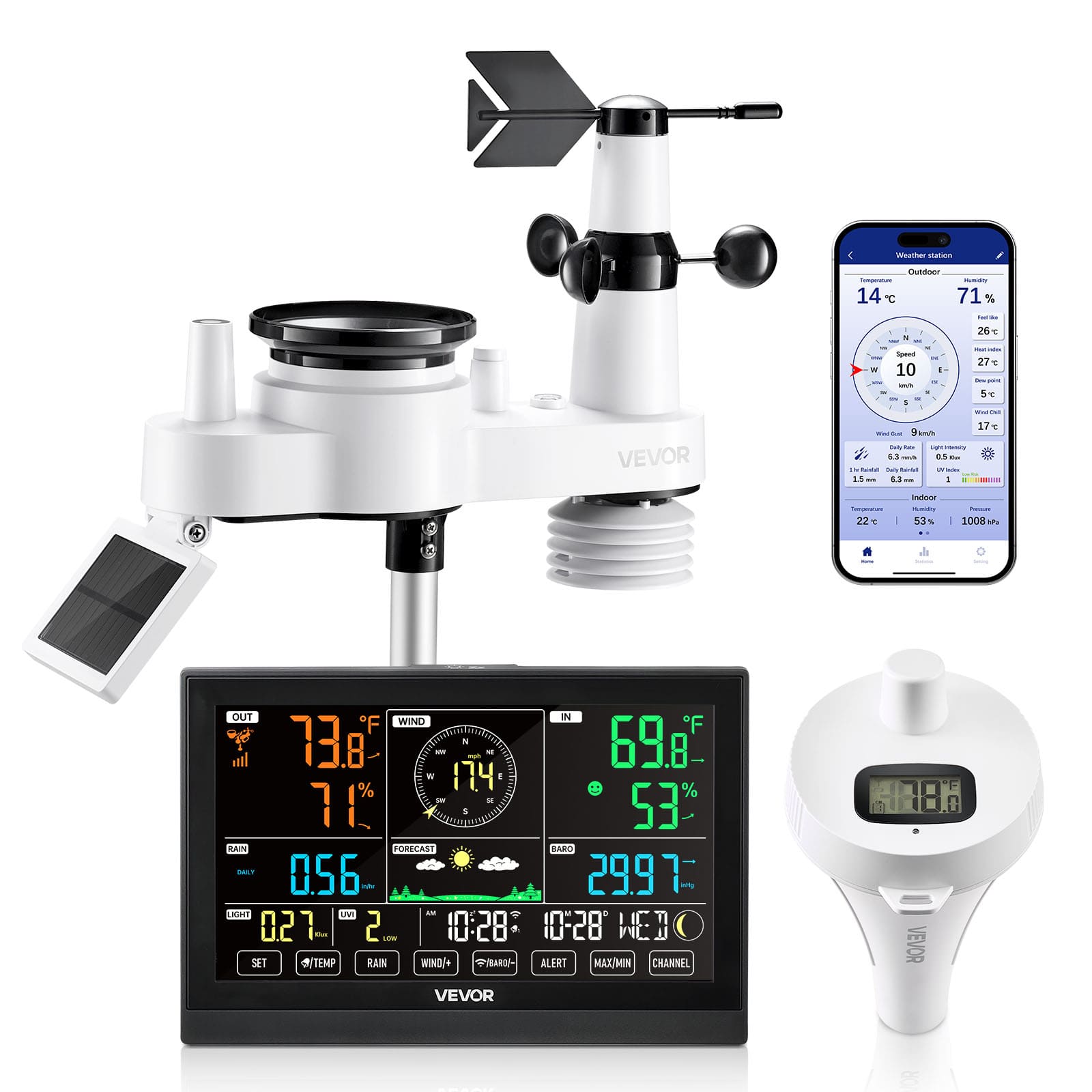
VEVOR - 7-in-1 Wi-Fi Weather Station with APP, 7.5 in Display, Wireless Solar Powered Outdoor Sensor, with Pool Thermometer - White
SKU: JJGHKZPQQ9See all Home Alarms & SensorsProduct Description
A white weather station that tracks indoor and outdoor conditions, including pool temperature, with wireless solar sensors.Your price for this item is $91.90Save $14The previous price was $105.90 -
VEVOR - Rain Gauge, Indoor Outdoor for Weather Forecast, Temperature, Humidity, Wind Speed and Direction (No WiFi) - White
SKU: JJGHKZPRL6See all Home Alarms & SensorsProduct Description
A white wireless weather station that tracks temperature, humidity, rainfall, wind, and sunlight with solar power.Your price for this item is $88.90 -
VEVOR - 5-in-1 Wi-Fi Weather Station, 7.5-Inch VA Display, Wireless Solar Powered Outdoor Sensor, Rain Gauge, Indoor Outdoor - White
SKU: JJGHKZS254See all Home Alarms & SensorsProduct Description
A white wireless weather station with solar-powered outdoor sensor monitors temperature, humidity, rainfall, and wind data.Your price for this item is $85.90 -
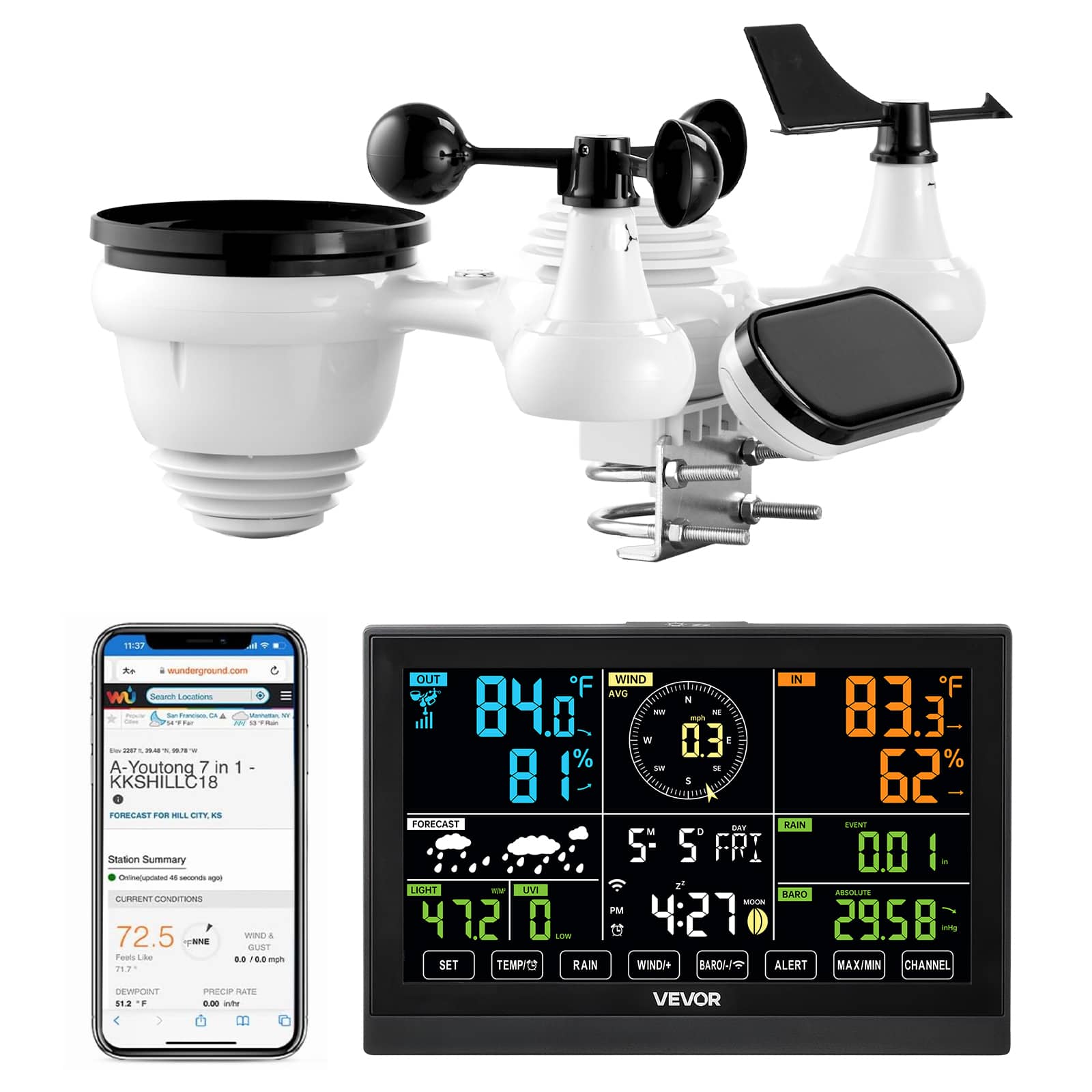
VEVOR - 7-in-1 Wireless Weather Station with Wi-Fi, 7" TFT Colorful Display, Solar-Powered Outdoor Sensor - White;Black
SKU: JJGHK4KYGVSee all Home Alarms & SensorsProduct Description
A Wi-Fi enabled weather station with a 7" colorful display and solar-powered outdoor sensor in white and black.Your price for this item is $122.90
Best Sellers

Related Pages

FAQ
When choosing an indoor outdoor weather station, consider features such as wireless connectivity, compatibility with smart home devices, customizable alerts, multiple sensor support, and an easy-to-read display. Additional features like historical data tracking, app integration, and forecast capabilities can also enhance your experience.
Many modern indoor outdoor weather stations offer smartphone connectivity through dedicated apps or Bluetooth/Wi-Fi integration. This allows you to monitor real-time weather conditions, receive notifications, and access historical data directly from your mobile device.
Indoor outdoor weather stations usually come with sensors that measure temperature, humidity, and barometric pressure. Some advanced models may also include sensors for wind speed, rainfall, UV index, and air quality, providing a comprehensive overview of your local environment.
Certain weather stations are designed to integrate with popular smart home platforms such as Google Assistant, Amazon Alexa, or Apple HomeKit. This compatibility enables voice control, automation, and seamless sharing of weather data across your smart devices.
To ensure accurate readings, regularly clean the sensors and keep them free from debris. Place outdoor sensors in a shaded, sheltered location to avoid direct sunlight and precipitation. Periodically check for software updates and replace batteries as needed to maintain optimal performance.