Light Rejecting Projector Screen
-
Screen Innovations - Zero Edge – 16:9 – 120” – Slate 1.2 Gain Ambient Light Rejecting (ALR) Projector Screen - Black/Gray
SKU: J3R84PW22JSee all Wall Mount Projector ScreensProduct Description
A fixed-frame black and gray projector screen with 1.2 gain Slate material that rejects ambient light for vibrant images.Your price for this item is $3,978.00 -
Epson - SilverFlex Ultra Ambient Light Rejecting Screen, 100-inch Ultra High-Definition for Ultra-Short Throw Projectors - Black
SKU: J7JTY36Q9XHe spent a lot of time going over the optionsThe Epson was the best choice for my space....Epson LS 500 wss a great purchase...Jason was great....Great purchase...Best Screen !
See all Wall Mount Projector ScreensProduct Description
An ultra high-definition black screen with ambient light rejection, ideal for ultra-short throw projectors and wide viewing angles.Your price for this item is $2,499.99 -
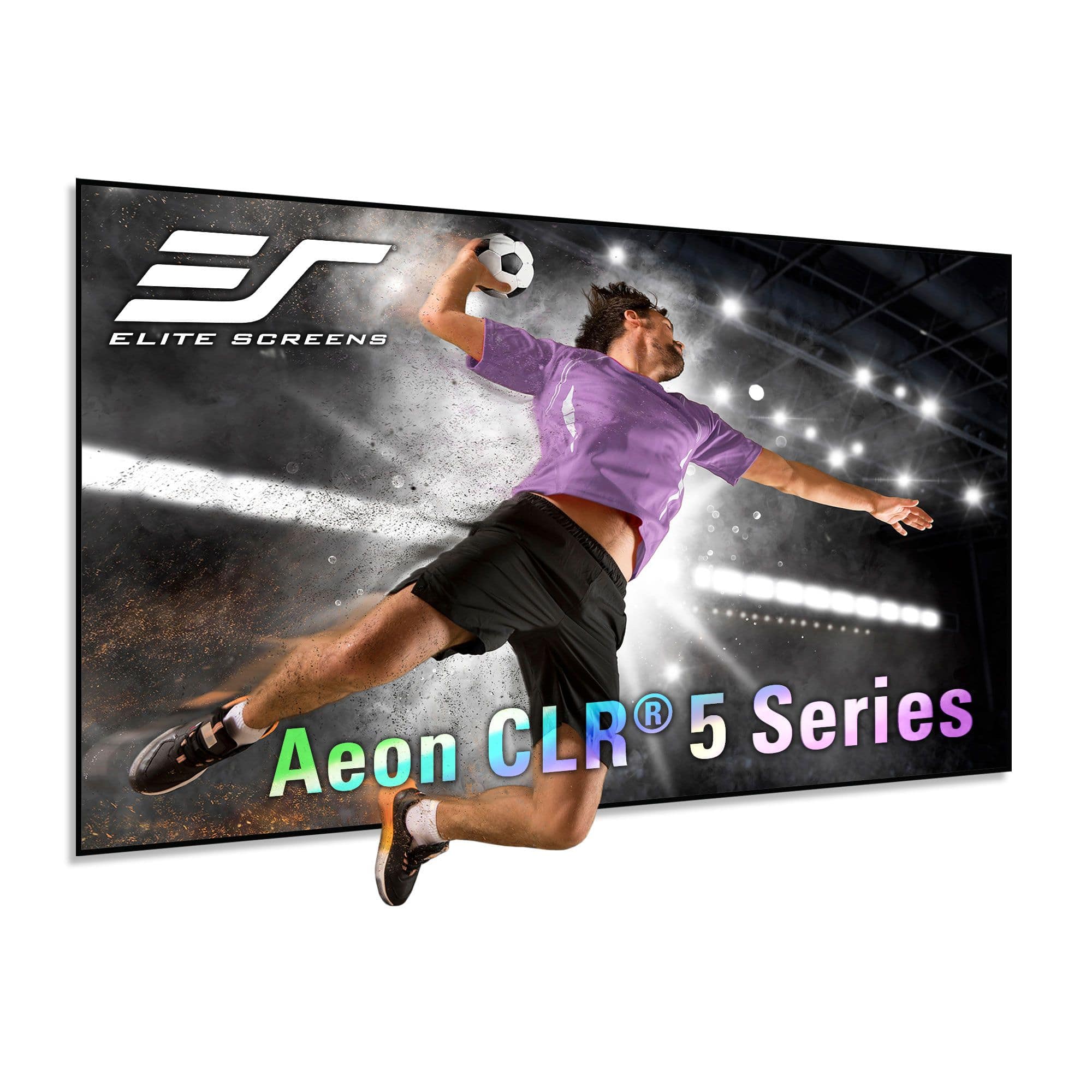
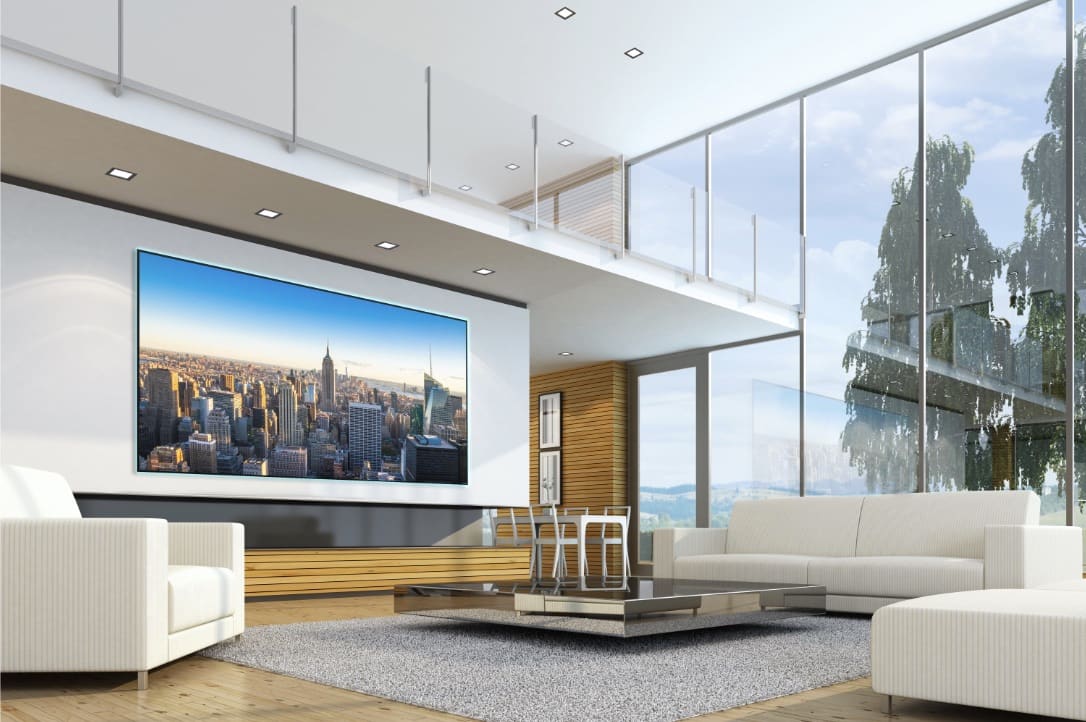
Elite Screens - Aeon CLR 5®, CeilingLightRejecting,152"Diag.,16:9,EDGE FREE® Fixed Frame Ultra-Short Throw Projector Screen,AR152H-CLR5 - Light Gray
SKU: J3R78JV3K6See all Wall Mount Projector ScreensProduct Description
An ambient light rejecting, fixed frame projector screen in light gray for ultra-short throw projectors.Your price for this item is $2,940.00 -
Screen Innovations - Zero Edge – 16:9 – 120” – Black Diamond Fusion 1.0 Gain Ambient Light Rejecting (ALR) Projector Screen
SKU: J3R84PW2F6See all Wall Mount Projector ScreensProduct Description
A black fixed-frame projector screen with 1.0 gain material that rejects up to 85% ambient light.Your price for this item is $5,375.00 -
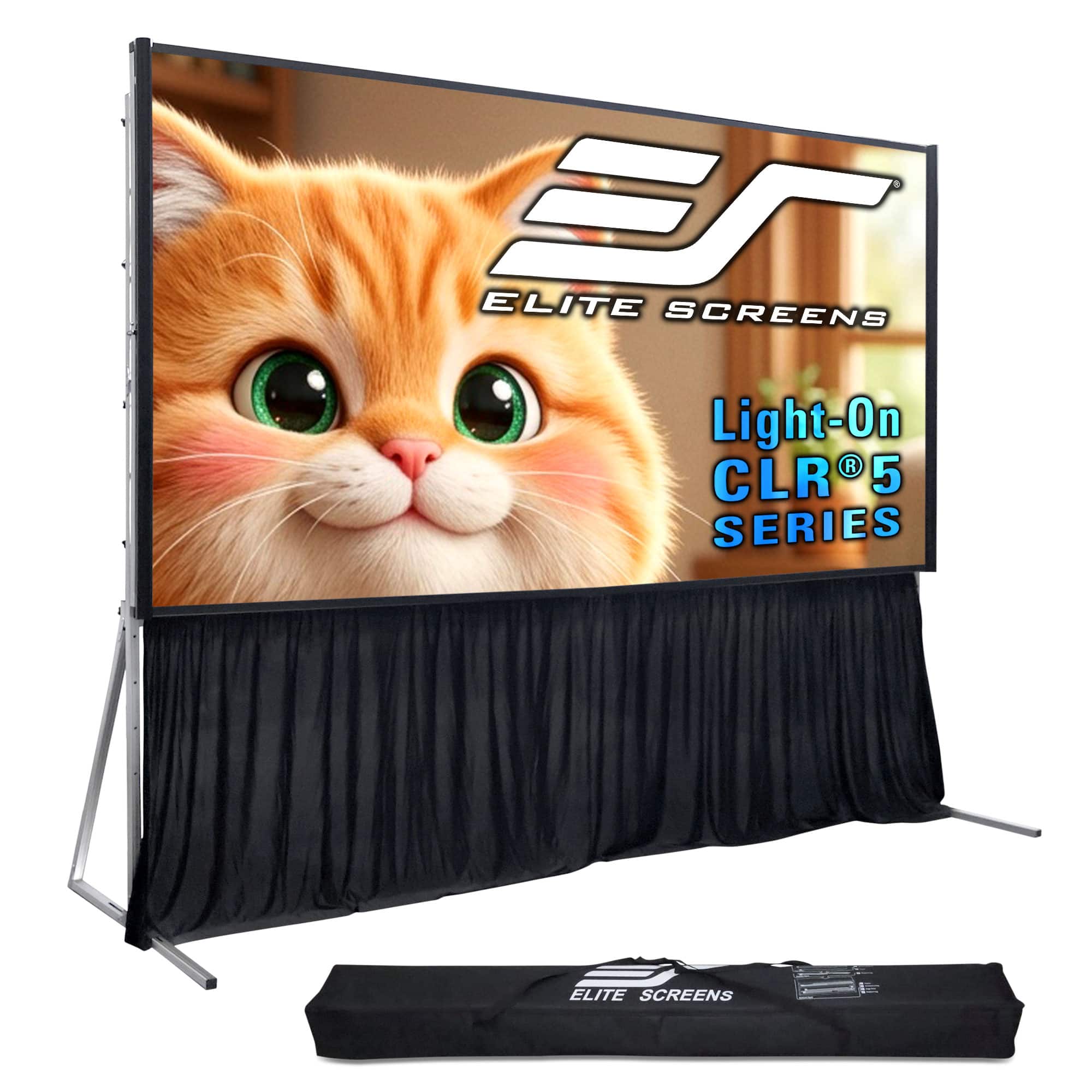
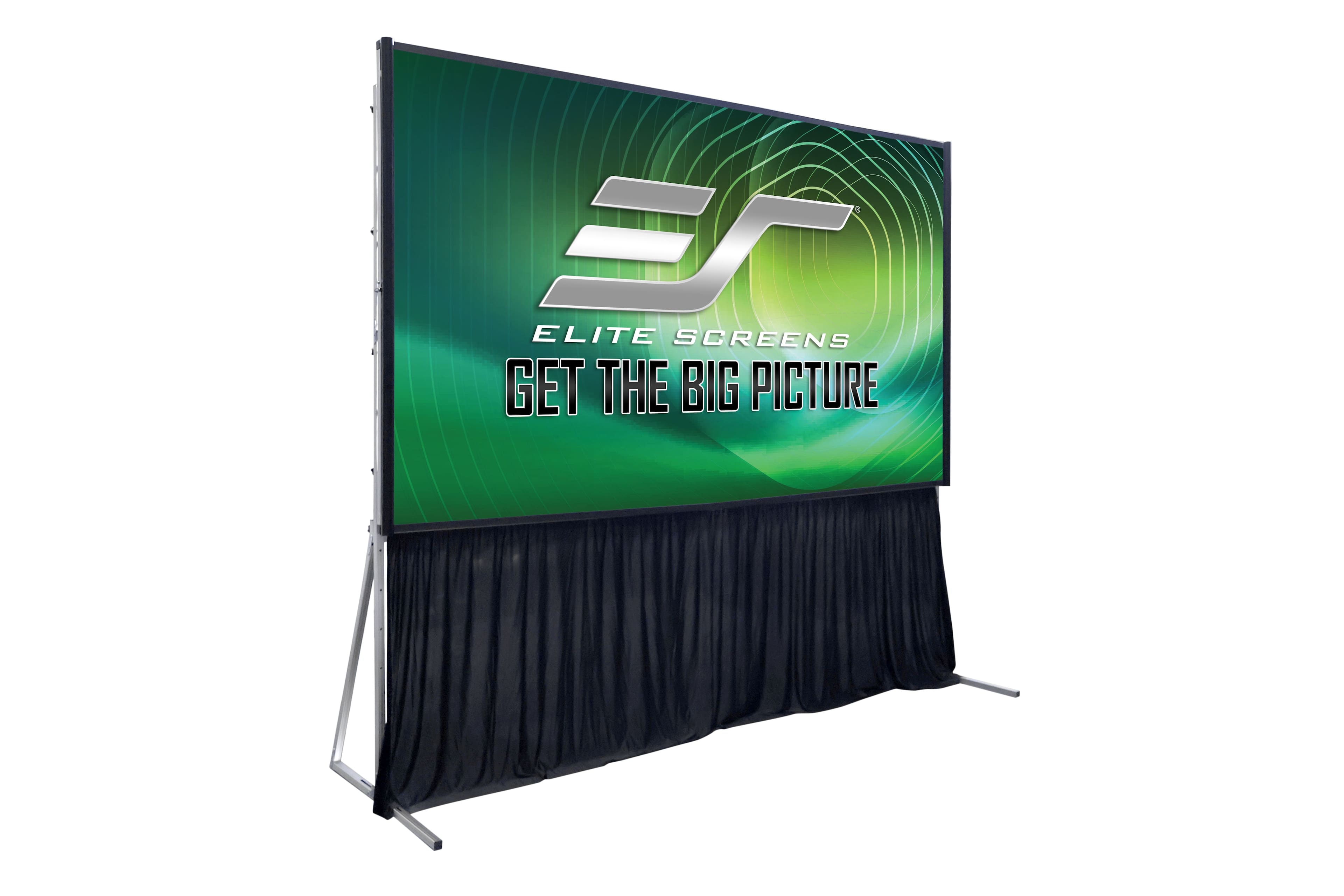
Elite Screens - 124" Diag, 16:9,Portable Ceiling/Ambient Light Rejecting Ultra-Short Throw Projector Screen, Height-Adjustable,Carry Bag - Gray
SKU: J3R78JV88TSee all Self-Standing & Tripod Projector ScreensProduct Description
A portable gray projection screen with ceiling-light-rejecting material, height-adjustable legs, folding frame, and carrying bag.Your price for this item is $1,999.00 -
Elite Screens - 151" Diag, 16:9,Portable Ceiling/Ambient Light Rejecting Ultra-Short Throw Projector Screen, Height-Adjustable,Carry Bag - Gray
SKU: J3R78JV347See all Self-Standing & Tripod Projector ScreensProduct Description
A portable gray folding-frame screen with ceiling light rejecting material for ultra-short throw projectors in bright rooms.Your price for this item is $3,224.00 -
Elite Screens - 123" Aeon StarBright CLR® 16 Series Screen
SKU: J3R78JF48FSee all Wall Mount Projector ScreensProduct Description
An ambient light rejecting fixed frame screen that enhances projector brightness and contrast for vivid images.Your price for this item is $1,110.00 -
AWOL Vision - ALR C-120 120" Ambient Light Rejection (ALR) Cinematic Fixed Frame Ultra Short Throw (UST) Projector Screen,4K/8K 3D - Gray
SKU: J3R8TRHL3CSee all Wall Mount Projector ScreensProduct Description
A gray fixed-frame screen with advanced ALR technology for vivid 4K/8K 3D projection in ambient light.Your price for this item is $1,699.00Save $100The previous price was $1,799.00 -
AWOL Vision - ALR C-150 150" Ambient Light Rejection (ALR) Cinematic Fixed Frame Ultra Short Throw (UST) Projector Screen,4K/8K 3D - Gray
SKU: J3R8TRHLW9See all Wall Mount Projector ScreensProduct Description
An ambient light rejecting gray fixed frame screen with 4K/8K 3D support and ultra-wide viewing angle.Your price for this item is $3,999.00Save $200The previous price was $4,199.00 -
Elite Screens - Aeon CLR 5®, CeilingLightRejecting,140"Diag.,16:9,EDGE FREE® Fixed Frame Ultra-Short Throw Projector Screen,AR140H-CLR5 - Light Gray
SKU: J3R78JV3K8See all Wall Mount Projector ScreensProduct Description
An ambient light-rejecting fixed frame screen in light gray, designed for ultra-short throw projectors.Your price for this item is $2,469.00



Best Sellers



Related Pages



FAQ
A light rejecting projector screen is designed to minimize the impact of ambient light, allowing projected images to appear brighter and more vivid even in well-lit rooms. These screens use special materials and coatings to reflect the projector's light toward the viewer while rejecting light from other sources.
Most light rejecting projector screens are compatible with a wide range of projectors, including standard and ultra-short throw models. However, for optimal performance, it's important to match the screen with the projector type recommended by the manufacturer.
Yes, light rejecting projector screens are ideal for various settings, including home theaters, living rooms, conference rooms, and classrooms. They help maintain image quality in spaces where controlling ambient light is challenging.
While installation can vary depending on the model, most light rejecting projector screens can be wall-mounted, ceiling-mounted, or placed on stands. It's important to follow the manufacturer's installation guidelines for the best viewing experience.
To clean a light rejecting projector screen, gently wipe the surface with a soft, dry microfiber cloth. Avoid using harsh chemicals or abrasive materials, as these may damage the screen's specialized coating. Regular dusting helps maintain optimal picture quality.