Marais / Joubert-Caillet / L'Acheron - Deuxieme Livre de Pieces Viole - COMPACT DISCS [CD]
Reviews coming soon
About this product
Compiled from pieces that were clearly composed much earlier as well as from more recent works, the Deuxième Livre pays homage to it's two masters and calls for tonalities that it had not yet employed; it evokes the past and the great lutenists of that time with the Pavane and yet also contains important innovations. It is truly a transitional work published at the very dawn of the century, it opened the doors to the important stylistic changes that French music would undergo during the Age of Enlightenment. After studying the recorder, piano and double bass, François Joubert-Caillet studied the viola da gamba with Paolo Pandolfo at the Schola Cantorum Basiliensis, where he equally studied baroque improvisation with Rudolf Lutz. He was awarded First Prize as well as the Public's Award at the Bruges International Chamber Music competition. François Joubert-Caillet has played with numerous formations with whom he has recorded for the labels Ricercar, Harmonia Mundi, Ambronay, K617, ZigZag Territoires, Arcana, Winter & Winter, Aparté, Glossa, Sony, Naïve, etc. François Joubert-Caillet leads L'Acheron with which he performs in several formations, in particular the viol consort. Album Tracks 1. Deuxième Livre de Pièces de Viole (1701) 2. [Suite en Si Mineur ] 3. [Suite en Sol Majeur] 4. [Suite en RÉ Majeur] 5. [Suite en la Majeur] 6. [Suite en RÉ Mineur] 7. [Suite en Sol Majeur] 8. [Suite en Mi Mineur] 9. [Suite en Mi Majeur] 10. [Suite en RÉ Mineur] 11. [Suite en la Majeur] 12. [Suite en RÉ Majeur] 13. [Suite en RÉ Mineur]
Specifications
- GenreClassicalDescriptionCompiled from pieces that were clearly composed much earlier as well as from more recent works, the Deuxième Livre pays homage to it's two masters and calls for tonalities that it had not yet employed; it evokes the past and the great lutenists of that time with the Pavane and yet also contains important innovations. It is truly a transitional work published at the very dawn of the century, it opened the doors to the important stylistic changes that French music would undergo during the Age of Enlightenment. After studying the recorder, piano and double bass, François Joubert-Caillet studied the viola da gamba with Paolo Pandolfo at the Schola Cantorum Basiliensis, where he equally studied baroque improvisation with Rudolf Lutz. He was awarded First Prize as well as the Public's Award at the Bruges International Chamber Music competition. François Joubert-Caillet has played with numerous formations with whom he has recorded for the labels Ricercar, Harmonia Mundi, Ambronay, K617, ZigZag Territoires, Arcana, Winter & Winter, Aparté, Glossa, Sony, Naïve, etc. François Joubert-Caillet leads L'Acheron with which he performs in several formations, in particular the viol consort. Album Tracks 1. Deuxième Livre de Pièces de Viole (1701) 2. [Suite en Si Mineur ] 3. [Suite en Sol Majeur] 4. [Suite en RÉ Majeur] 5. [Suite en la Majeur] 6. [Suite en RÉ Mineur] 7. [Suite en Sol Majeur] 8. [Suite en Mi Mineur] 9. [Suite en Mi Majeur] 10. [Suite en RÉ Mineur] 11. [Suite en la Majeur] 12. [Suite en RÉ Majeur] 13. [Suite en RÉ Mineur]ArtistMARAIS / JOUBERT-CAILLET / L'ACHERONTitleDeuxieme Livre de Pieces VioleFormatCDLabelRicercar
Reviews
This product doesn't have any reviews yet.
Compare similar products
![Marais / Joubert-Caillet / L'Acheron - Deuxieme Livre de Pieces Viole - COMPACT DISCS [CD]](https://pisces.bbystatic.com/image2/BestBuy_US/images/products/ef09309c-ea49-495c-956a-ef35de1a741e.jpg;maxHeight=422;maxWidth=264?format=webp)
Compiled from pieces that were clearly composed much earlier as well as from more recent works, the Deuxième Livre pays homage to it's two masters and calls for tonalities that it had not yet employed; it evokes the past and the great lutenists of that time with the Pavane and yet also contains important innovations. It is truly a transitional work published at the very dawn of the century, it opened the doors to the important stylistic changes that French music would undergo during the Age of Enlightenment. After studying the recorder, piano and double bass, François Joubert-Caillet studied the viola da gamba with Paolo Pandolfo at the Schola Cantorum Basiliensis, where he equally studied baroque improvisation with Rudolf Lutz. He was awarded First Prize as well as the Public's Award at the Bruges International Chamber Music competition. François Joubert-Caillet has played with numerous formations with whom he has recorded for the labels Ricercar, Harmonia Mundi, Ambronay, K617, ZigZag Territoires, Arcana, Winter & Winter, Aparté, Glossa, Sony, Naïve, etc. François Joubert-Caillet leads L'Acheron with which he performs in several formations, in particular the viol consort. Album Tracks 1. Deuxième Livre de Pièces de Viole (1701) 2. [Suite en Si Mineur ] 3. [Suite en Sol Majeur] 4. [Suite en RÉ Majeur] 5. [Suite en la Majeur] 6. [Suite en RÉ Mineur] 7. [Suite en Sol Majeur] 8. [Suite en Mi Mineur] 9. [Suite en Mi Majeur] 10. [Suite en RÉ Mineur] 11. [Suite en la Majeur] 12. [Suite en RÉ Majeur] 13. [Suite en RÉ Mineur]
![Various Artists - Schnebel: Orchestra / Various - COMPACT DISCS [CD]](https://pisces.bbystatic.com/image2/BestBuy_US/images/products/6d4aba8e-26da-4fb9-83fe-275674e0282b.jpg;maxHeight=422;maxWidth=264?format=webp)
Various Artists - Schnebel Orchestra / Various [COMPACT DISCS] date 11/02/2006
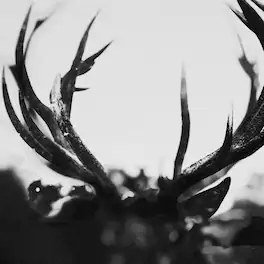
More than any other artist to emerge from the fertile black metal scene of the early '90s, Ihsahn has firmly established himself as an unpredictable maverick. Frontman and chief composer with the legendary Emperor, he re-wrote the rulebook on epic extreme music across a series of albums that are still widely regarded as classics. Ihsahn's unique approach and liberated musical ethos ensured that when he embarked on a solo career, fans were primed to expect the unexpected. Full conceptual album, presented in two versions Metal and Orchestral. Ihsahn has created his best and most unique and powerful album to date. InchWith this , I wanted to dig deep into the core essentials of my musical background; black/extreme-metal and my love of orchestral music and soundtracks. I approached the writing with the intent to present the material in it's full-blown metal expression, but also to arrange the orchestral parts in such a way that they would work independently. Somehow an attempt to write a soundtrack within the structures of the full production, allowing me to explore different, and sometimes contrasting, variations of essentially the same music.Inch In line with the cinematic inspirations, music and lyrics follow two parallel narratives with recurring themes throughout. The main story is presented in the metal version, whereas the secondary story is rooted in the orchestral version, although bleeding into the main story. Album Tracks 1. Cervus Venator 2. The Promethean Spark 3. Pilgrimage to Oblivion 4. Twice Born 5. A Taste of the Ambrosia 6. Anima Extraneae 7. Blood Trails to Love 8. Hubris and Blue Devils 9. The Distance Between Us 10. At the Heart of All Things Broken 11. Sonata Profana
![Joubert-Caillet L'Achéron - Quatrieme Livre de Pieces - COMPACT DISCS [CD]](https://pisces.bbystatic.com/image2/BestBuy_US/images/products/52454657-3e5e-4ff2-9ff9-fd88b596b3f2.jpg;maxHeight=422;maxWidth=264?format=webp)
Marin Marais published his Quatrième Livre de Pièces de Viole two years after the death of Louis XIV, establishing himself as the undisputed master of the genre and providing pieces not only for musicians who had achieved some skill on the viol but also for the most virtuoso players. Here Marais reshaped the classical forms, altering the traditional sequence for the suites and making an increasing use of character pieces. The sometimes whimsical imagery and the new freedom of form that these pieces contain reach their peak in the astonishing Suitte d'un goût étranger; these thirty or so pieces employ as yet unheard-of keys and offer a multitude of characters and representations that can tend towards the exotic. Breaking further new ground, and somewhat influenced by the Italian trio, Marais ended the Quatrième Livre with two suites for three viols, a genre he claimed to be new to France. Album Tracks 1. Première Suitte À III Violes en RÉ Majeur 2. Quatrième Suitte en la Mineur 3. Troisième Suitte en Fa Majeur 4. Première Suitte en RÉ Mineur 5. Suitte D'un Goût Étranger 6. Cinquième Suitte en la Majeur 7. Deuxième Suitte en RÉ Majeur 8. Sixième Suitte en Mi Mineur 9. Deuxième Suitte À III Violes en Sol Majeur
Specs
Be the first to ask a question.
We’ll try to get your question answered within 24 hours by a Best Buy customer or brand representative.