Pianotrio Then-Bergh-Yang-Schafer - Piano Trios Nos. 1 & 2 - COMPACT DISCS [CD]
Reviews coming soon
About this product
First the discovery of his works in the Bibliothèque Nationale in Paris, then the new edition of the chamber music works in the Kammermusikverlag from 2020 and finally the contact to the three performers / inside who had great interest to record these works. So, finally, with these first recordings, about 160 years after the composition of these works, one can have a listening impression of the chamber music of Berthold Damcke a German composer, pianist, conductor, music educator and critic, and newspaper correspondent. Born in Hanover, he first studied theology and later music in Frankfurt am Main. In 1845 Damcke went to St. Petersburg. From 1859 he lived and worked in Paris, where he was active as a correspondent, among other things. The 2 piano trios at the center of this production are works that were very much heard in Paris at the time, or in it's salons. The Revue et Gazette described the music as Inchthe best chamber musicInch. Liszt spoke of Damcke as one of the most sought-after composition teachers in Paris. Berlioz called him a Inchgreat musician, an artist.Inch The recorded works are worth rediscovering and performing. Album Tracks 1. Piano Trio No. 2 Op. 48 in G minor 2. »La Demande« Allegro Caractéristique for Piano Op. 16 3. Cello Sonata Op. 43 in D Major 4. Piano Trio No. 1 Op. 42 in E Major 5. »La Veillée« Pastorale Op. 38 for Violin & Piano 6. »Les Saisons« Quatre Pièces Caractéristiques Pour Le Piano Op. 30 7. Deux Morceaux de Salon Op. 39 for Cello & Piano
Specifications
- GenreClassicalDescriptionFirst the discovery of his works in the Bibliothèque Nationale in Paris, then the new edition of the chamber music works in the Kammermusikverlag from 2020 and finally the contact to the three performers / inside who had great interest to record these works. So, finally, with these first recordings, about 160 years after the composition of these works, one can have a listening impression of the chamber music of Berthold Damcke a German composer, pianist, conductor, music educator and critic, and newspaper correspondent. Born in Hanover, he first studied theology and later music in Frankfurt am Main. In 1845 Damcke went to St. Petersburg. From 1859 he lived and worked in Paris, where he was active as a correspondent, among other things. The 2 piano trios at the center of this production are works that were very much heard in Paris at the time, or in it's salons. The Revue et Gazette described the music as Inchthe best chamber musicInch. Liszt spoke of Damcke as one of the most sought-after composition teachers in Paris. Berlioz called him a Inchgreat musician, an artist.Inch The recorded works are worth rediscovering and performing. Album Tracks 1. Piano Trio No. 2 Op. 48 in G minor 2. »La Demande« Allegro Caractéristique for Piano Op. 16 3. Cello Sonata Op. 43 in D Major 4. Piano Trio No. 1 Op. 42 in E Major 5. »La Veillée« Pastorale Op. 38 for Violin & Piano 6. »Les Saisons« Quatre Pièces Caractéristiques Pour Le Piano Op. 30 7. Deux Morceaux de Salon Op. 39 for Cello & PianoArtistPianotrio Then-Bergh-Yang-SchaferTitlePiano Trios Nos. 1 & 2FormatCDLabelCpo Records
Reviews
This product doesn't have any reviews yet.
Compare similar products
![Pianotrio Then-Bergh-Yang-Schafer - Piano Trios Nos. 1 & 2 - COMPACT DISCS [CD]](https://pisces.bbystatic.com/image2/BestBuy_US/images/products/575f436c-5518-4b93-96b7-4b87ad42ed3f.jpg;maxHeight=422;maxWidth=264?format=webp)
First the discovery of his works in the Bibliothèque Nationale in Paris, then the new edition of the chamber music works in the Kammermusikverlag from 2020 and finally the contact to the three performers / inside who had great interest to record these works. So, finally, with these first recordings, about 160 years after the composition of these works, one can have a listening impression of the chamber music of Berthold Damcke a German composer, pianist, conductor, music educator and critic, and newspaper correspondent. Born in Hanover, he first studied theology and later music in Frankfurt am Main. In 1845 Damcke went to St. Petersburg. From 1859 he lived and worked in Paris, where he was active as a correspondent, among other things. The 2 piano trios at the center of this production are works that were very much heard in Paris at the time, or in it's salons. The Revue et Gazette described the music as Inchthe best chamber musicInch. Liszt spoke of Damcke as one of the most sought-after composition teachers in Paris. Berlioz called him a Inchgreat musician, an artist.Inch The recorded works are worth rediscovering and performing. Album Tracks 1. Piano Trio No. 2 Op. 48 in G minor 2. »La Demande« Allegro Caractéristique for Piano Op. 16 3. Cello Sonata Op. 43 in D Major 4. Piano Trio No. 1 Op. 42 in E Major 5. »La Veillée« Pastorale Op. 38 for Violin & Piano 6. »Les Saisons« Quatre Pièces Caractéristiques Pour Le Piano Op. 30 7. Deux Morceaux de Salon Op. 39 for Cello & Piano
![Piano Trios Nos. 1-3 - Piano Trios Nos. 1-3 - COMPACT DISCS [CD]](https://pisces.bbystatic.com/image2/BestBuy_US/images/products/302fc2f1-ad75-4556-9797-9463e407ee24.jpg;maxHeight=422;maxWidth=264?format=webp)
Album Tracks 1. Trio No. 1 in B Major, Op. 8 2. Trio No. 2 in C Major, Op. 87 3. Trio No. 3 in C minor, Op. 101 4. Trio in a Major, Op. Posth
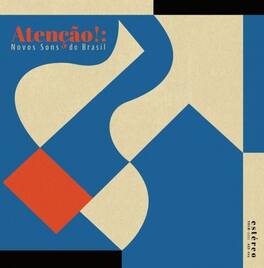
Atenção! Novos Sons do BrasilInch (Attention! New Sounds of Brazil) is a compilation produced in collaboration between online audio journal Aquarium Drunkard and Org Music. This is not your typical Brazilian music compilation. These ten songs capture a new wave of musicians who are reinterpreting their country's musical heritage in bold and divergent ways, generations removed from the familiar sounds of breezy bossas or psychedelic tropicália. While these songs don't sound like bossa nova or Tropicália, they share the tradition of cultural collision, mashing styles from abroad and home indiscriminately, tearing down genre barriers. The features the artwork of celebrated visual artist Robbie Simon, and includes an insert with extensive liner notes by Brazilian music scholar Allen Thayer. Album Tracks 1. Chico Bernardes - O Espelho 2. Tim Bernardes - Recomeçar 3. Irmão Victor - Reflexões Navais 4. Cavatento - Lagartia 5. Ana Frango Elétrico - Promessas E Previsões 6. Sessa - Dez Total (Filhos de Gandhy) 7. O Terno, Shintaro Sakamoto, Devendra Banhart - Volta E Meia 8. Kiko Dinucci - Olodé 9. Josyara, Giovani Cideira - Anos Incríveis 10. Metá Metá - Obatalá
![Trio Bohemo - Smetana & Schubert: Piano Trios - COMPACT DISCS [CD]](https://pisces.bbystatic.com/image2/BestBuy_US/images/products/c6efff32-e341-4c2c-8b43-f9fb942b1ee3.jpg;maxHeight=422;maxWidth=264?format=webp)
I am the instrument of a higher power. With God's help and grace, I shall one day be a Liszt in technique and a Mozart as a composer. The ambitious plan in the 18-year-old composer's diary was eventually fulfilled. He was a very sought-after pianist. As a composer, he left his mark most clearly in the cycle of symphonic poems titled Ma vlast (My Country) and through chamber music in his Piano Trio and the String Quartet InchFrom My LifeInch; those three works reflect tragic episodes in Smetana's life. The Trio in G minor, one of the gems of 19th-century chamber music, was written in under three months of 1855 as an outgrowth of the composer's immense sorrow over the death of his daughter. Smetana's emotionally gripping trio is heard on the album together with one of the most important chamber works of the romantic era, Schubert's monumental Piano Trio in E flat major (1827). This masterpiece was likewise written by a 30-year-old composer, but it is also one of Schubert's last completed works; at the time, Schubert had only a year of life remaining. The ensemble reaching the depths of the two composers' music on their debut album is the youthful Trio Bohemo, who have been appearing for several years with great success at prestigious competitions and on concert stages around the world (London's Wigmore Hall, Vienna's Musikverein), usually with programmes combining Czech and foreign repertoire. There is yet another important name behind the recording the late Hatto Beyerle, a founding member of the Alban Berg Quartet, who coached the young ensemble in both works and set them on the path towards their own individual interpretation, seeking the meaning hidden behind the musical notation. Trio Bohemo, Smetana, Schubert. A debut with a capital InchDInch. Album Tracks 1. Piano Trio in G minor, Op. 15~I. Moderato assai 2. Piano Trio in G minor, Op. 15~II. Allegro, ma
Specs
Be the first to ask a question.
We’ll try to get your question answered within 24 hours by a Best Buy customer or brand representative.