Battery Terminals
-
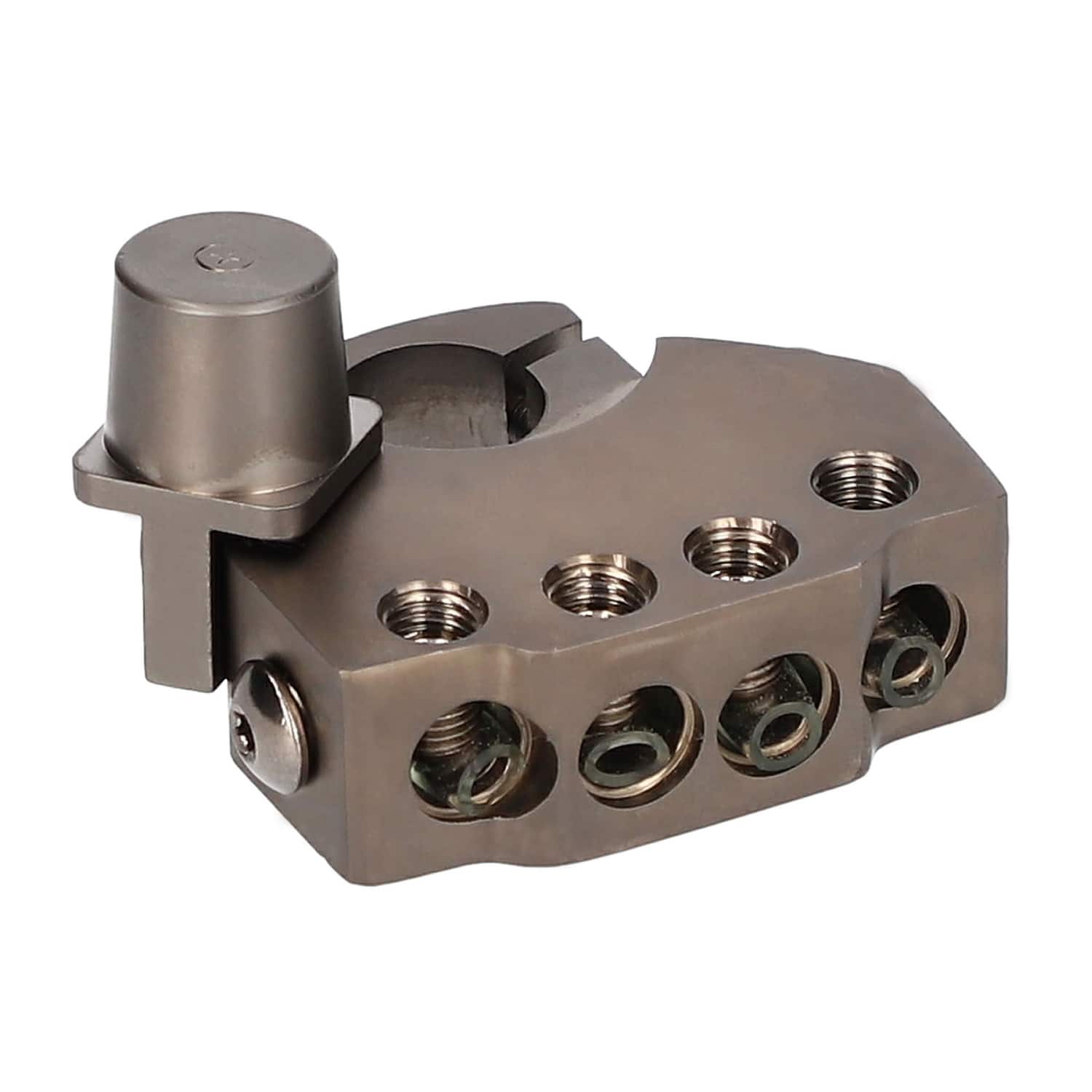
T-Spec - 1/0 to 10-AWG 8-Position Battery Terminal VBTPN - Black Nickel
SKU: J7RX7Y3VFZSee all A/V Cables & ConnectorsProduct Description
A solid brass battery terminal with black nickel finish, supporting 1/0 to 10-AWG cables and universal compatibility.Your price for this item is $39.99Save $17The previous price was $57.50 -
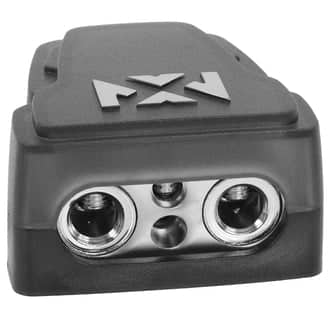
NVX - Universal Positive/Negative Car Battery Terminal with Dual 1/0 to 4-Gauge and Dual 4 to 8-Gauge Outputs - Black
SKU: J3Y7KLQZ7WSee all Car Installation Parts & AccessoriesProduct Description
A heavy-duty black brass battery terminal with dual gauge outputs and a corrosion-resistant satin-chrome finish.Your price for this item is $19.99 -
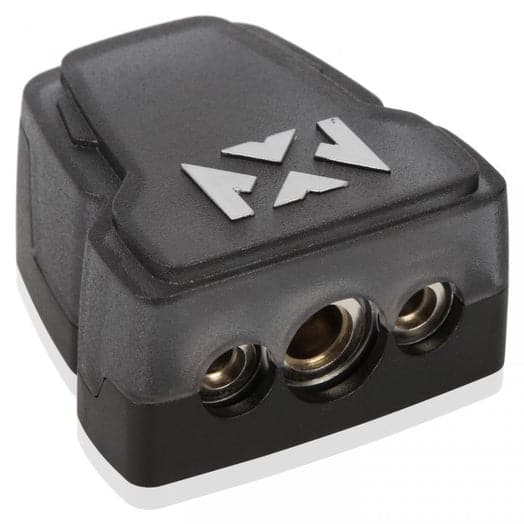
NVX - Universal Positive/Negative Car Battery Terminal with Single 1/0 to 4-Gauge and Dual 4 to 8-Gauge Outputs - Black
SKU: J3Y7KLQHKCSee all Car Installation Parts & AccessoriesProduct Description
A versatile black solid brass battery terminal with satin chrome finish, offering three corrosion-resistant power outputs.Your price for this item is $19.99 -
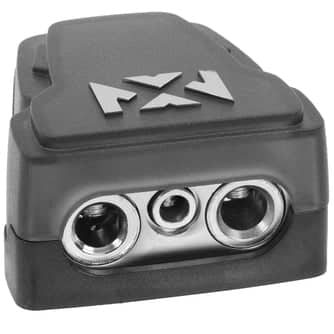
NVX - Universal Positive/Negative Car Battery Terminal with Single 1/0 to 4-Gauge and Dual 4 to 8-Gauge Outputs - Black
SKU: J3Y7KLQZ7JSee all Car Installation Parts & AccessoriesProduct Description
A versatile black solid brass car battery terminal with three outputs and high-temperature polycarbonate insulation.Your price for this item is $19.99 -
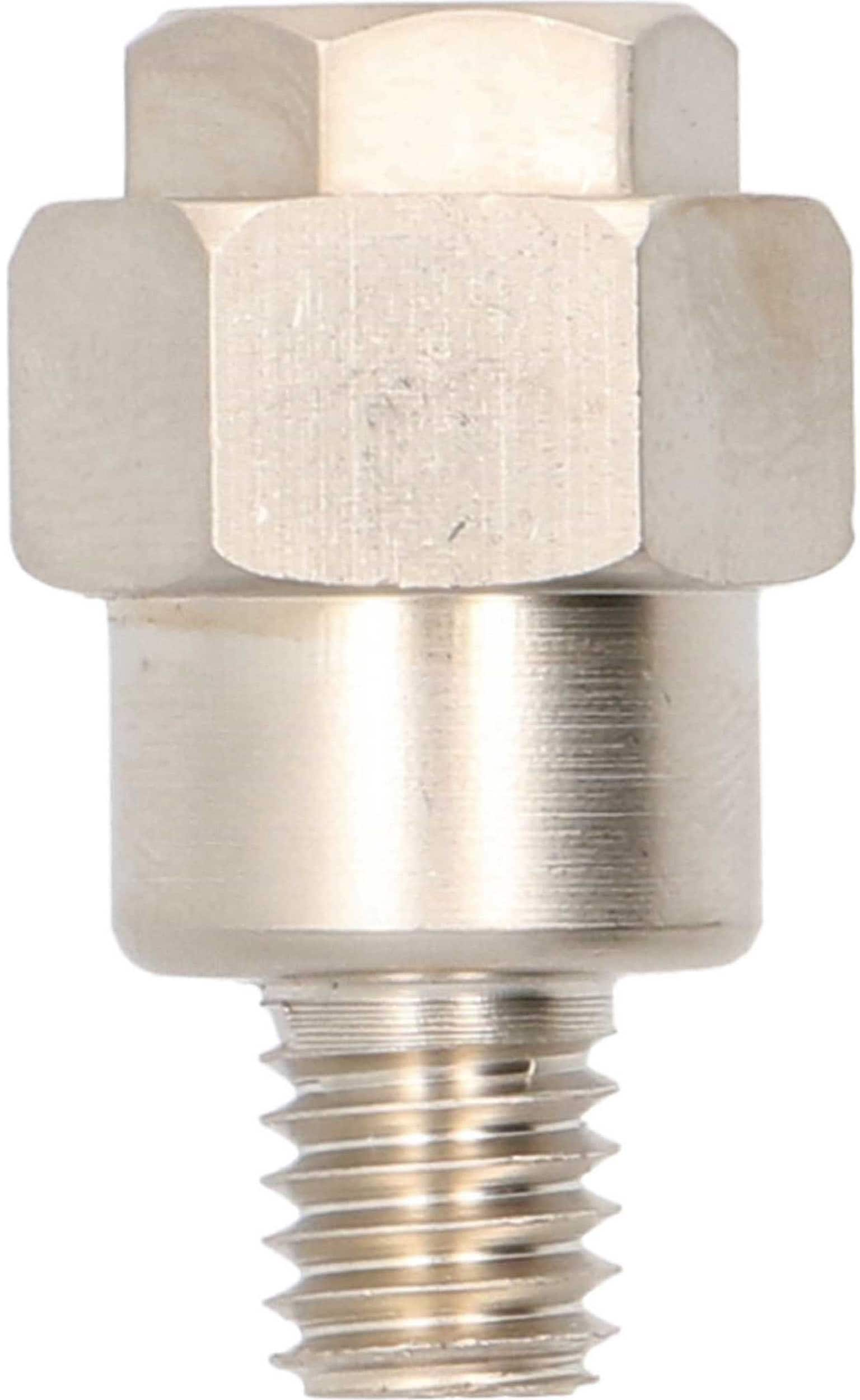
Metra - Battery Side Post Extender for Most GM Vehicles - Silver
SKU: J7RX7YGK26Great product easy installation great service through Best Buy and car audio installation Department...Great for connecting wires for an amp. Easy to use...Great
See all Amp Cables & ConnectorsProduct Description
A silver solid brass battery terminal extender that ensures easy installation and corrosion resistance for GM vehicles.Your price for this item is $7.99 -
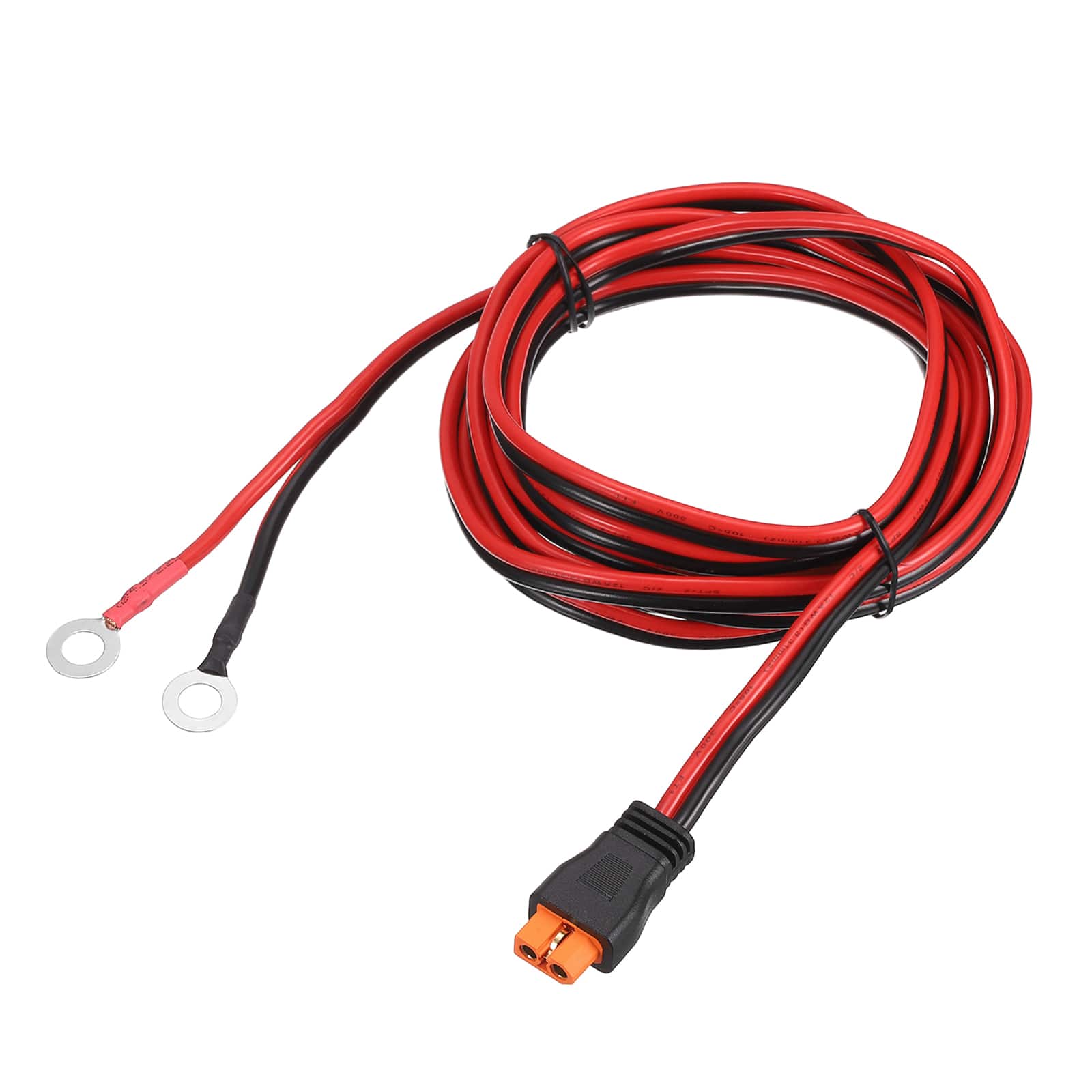
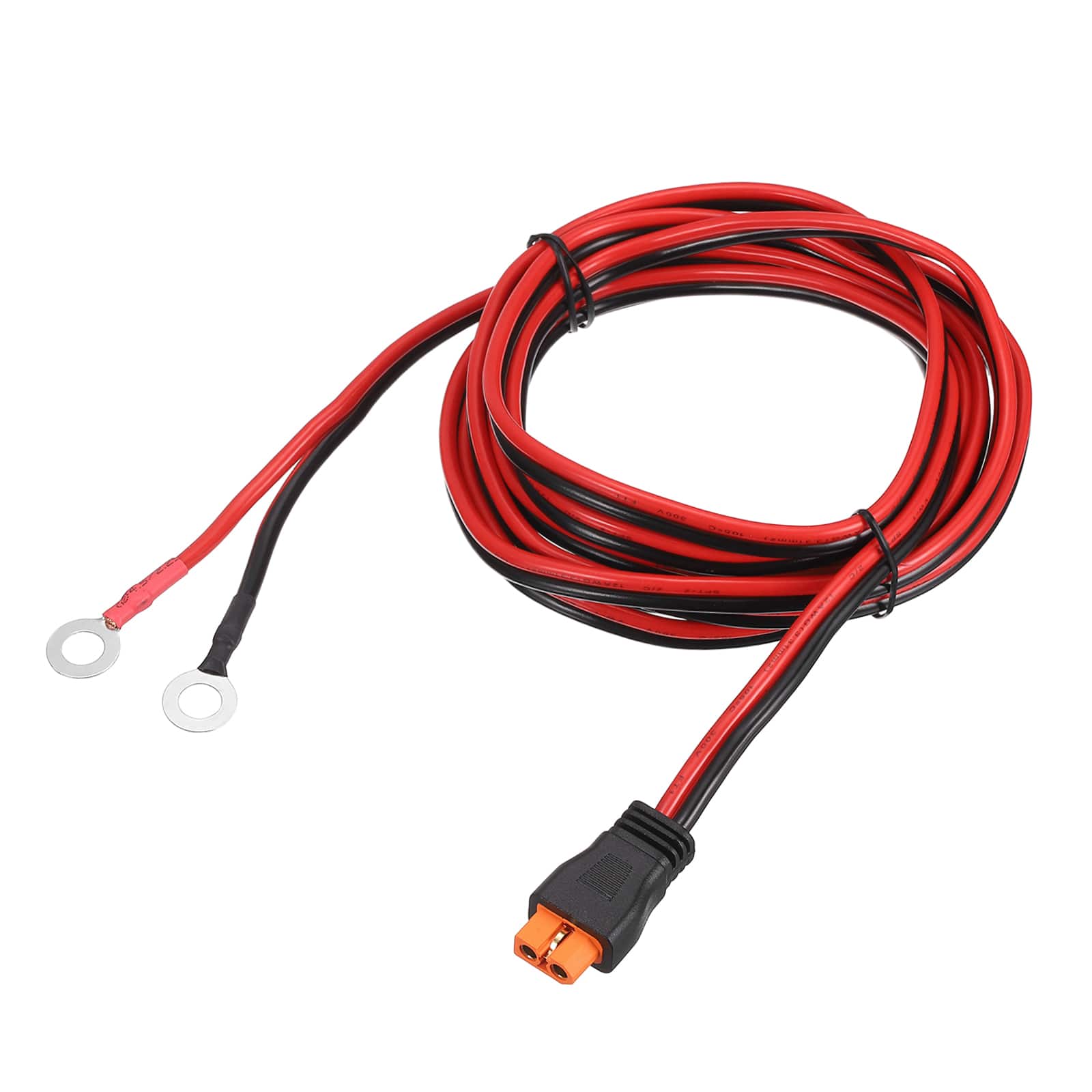
Unique Bargains - XT60i to O Ring Terminal Cable, 12AWG 300V XT60i Female to O Ring for Lithium Battery/Solar/Drone - Red and Black
SKU: JX6T9FF7C5See all Monitor & Video CablesProduct Description
A red and black 12AWG power cable with XT60i female to O ring terminals for batteries and drones.Your price for this item is $22.99 -
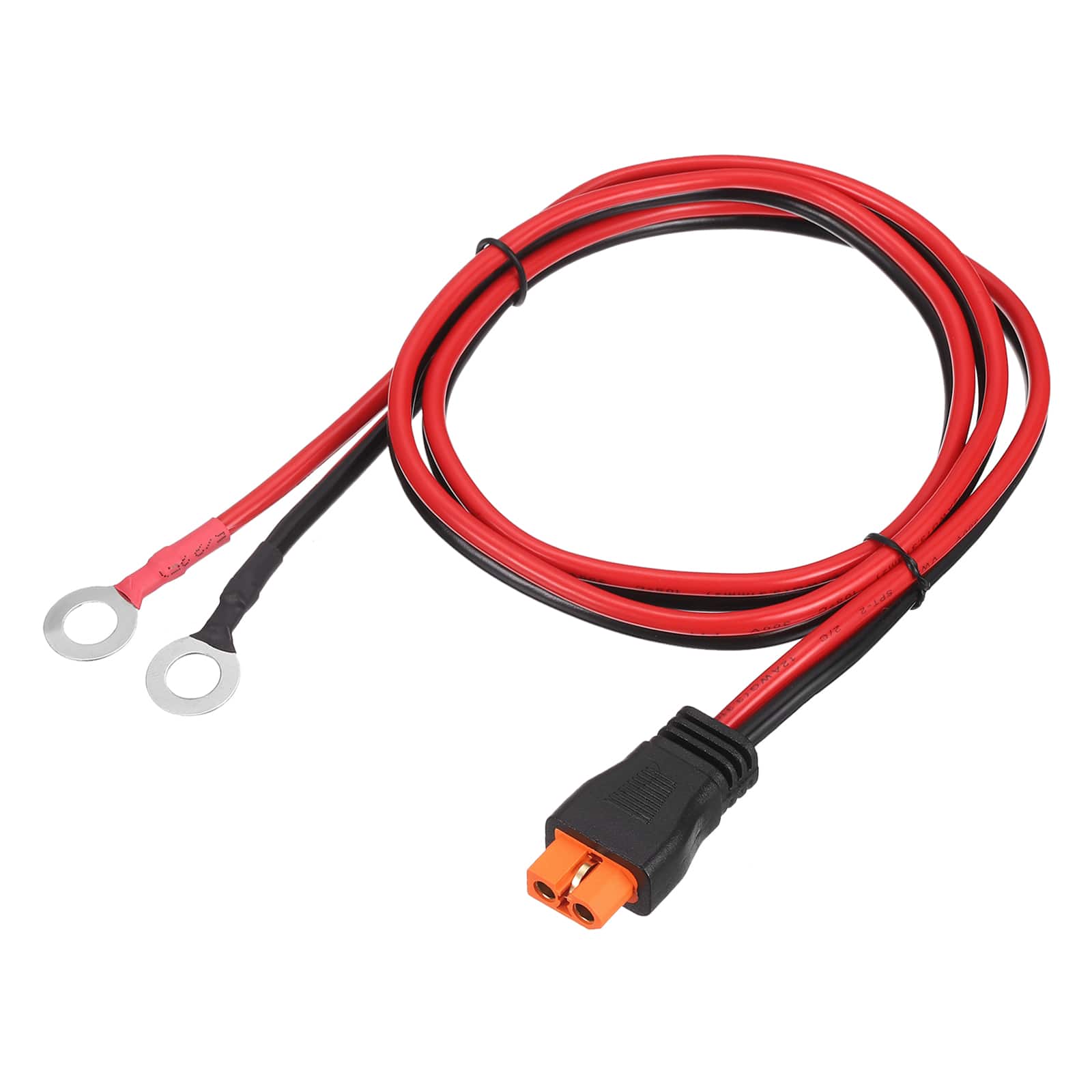
Unique Bargains - XT60i to O Ring Terminal Cable, 12AWG 300V XT60i Female to O Ring for Lithium Battery/Solar/Drone - Red and Black
SKU: JX6T9F5V5PSee all Monitor & Video CablesProduct Description
A red and black 12AWG power cable with XT60i female to O ring terminals for batteries and drones.Your price for this item is $16.49 -
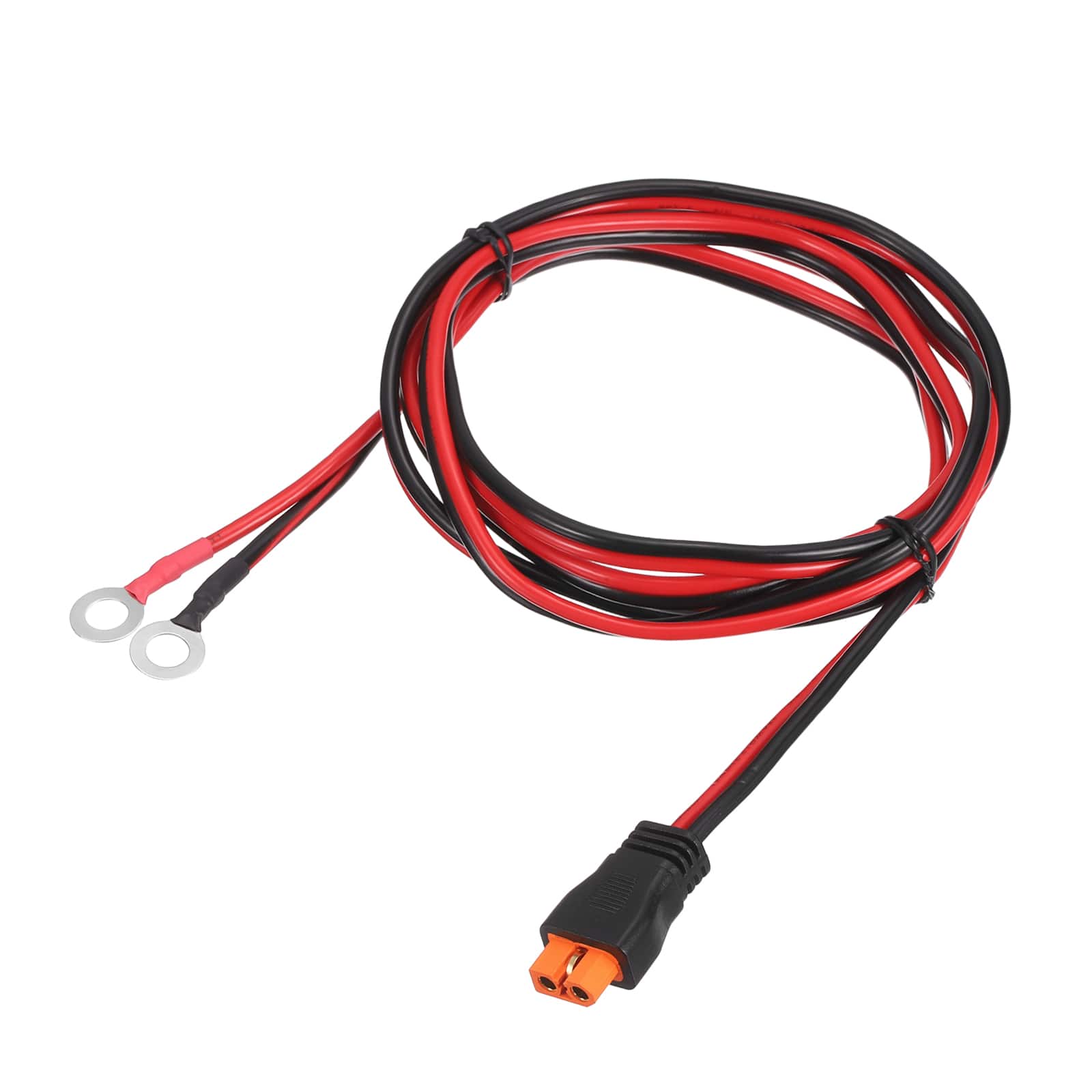
Unique Bargains - XT60i to O Ring Terminal Cable, 12AWG 300V XT60i Female to O Ring for Lithium Battery/Solar/Drone - Red and Black
SKU: JX6T9FF7XCSee all Monitor & Video CablesProduct Description
A red and black 12AWG power cable with XT60i female and O ring terminals for versatile battery connections.Your price for this item is $19.49 -
Unique Bargains - XT60i to O Ring Terminal Cable, 12AWG 300V XT60i Female to O Ring for Lithium Battery/Solar/Drone - Red and Black
SKU: JX6T9FF7CLSee all Monitor & Video CablesProduct Description
A red and black 12AWG power cable with XT60i female and O ring terminals for batteries and drones.Your price for this item is $24.99 -
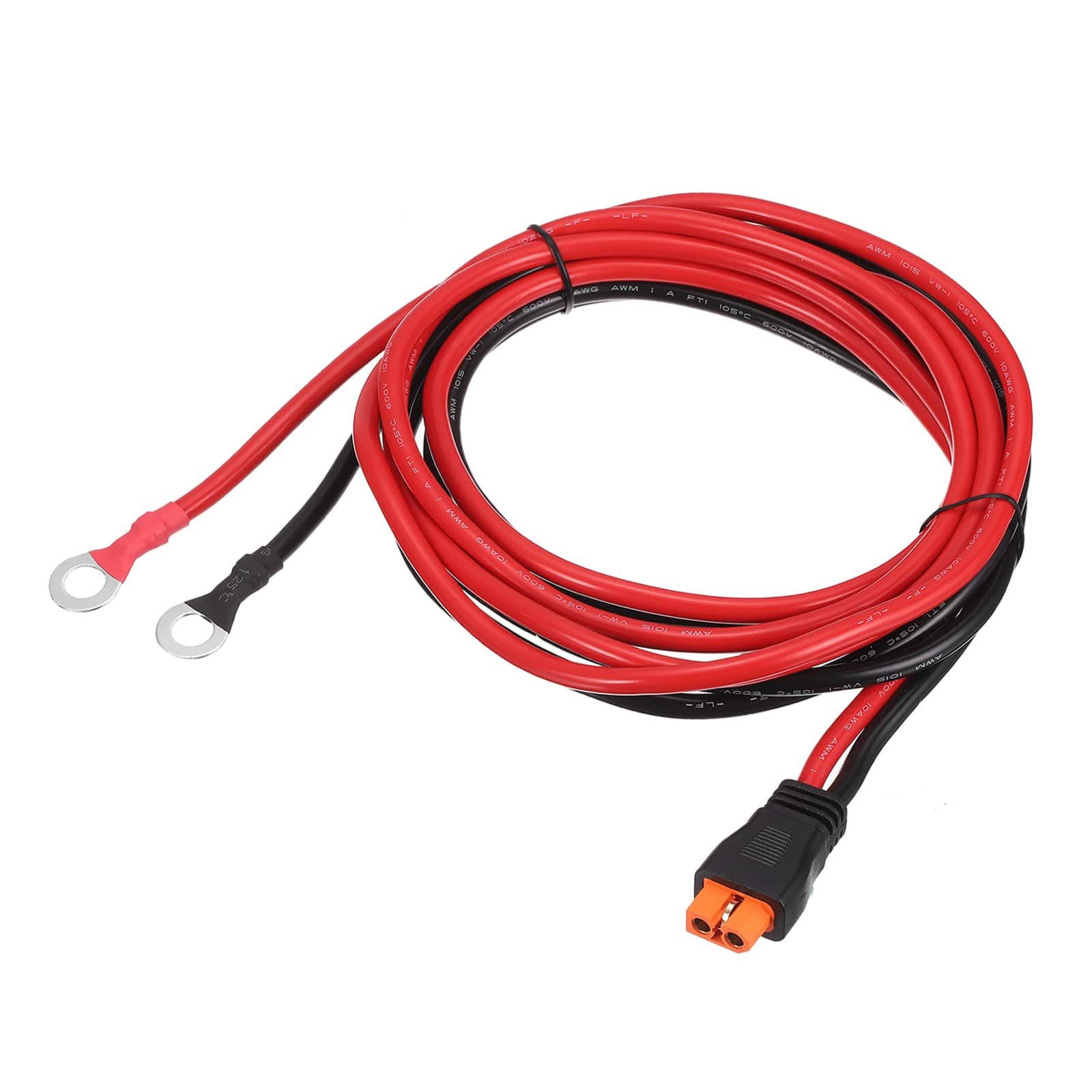
Unique Bargains - XT60i to O Ring Terminal Cable, 10AWG 600V XT60i Female to O Ring for Lithium Battery/Solar/Drone - Red and Black
SKU: JX6T9FF73JSee all Monitor & Video CablesProduct Description
A red and black 10AWG power cable with XT60i female and O ring terminals for lithium batteries.Your price for this item is $22.99
Best Sellers


Related Pages







FAQ
Battery terminals are typically made from materials like lead, brass, copper, or zinc-plated steel. These materials are chosen for their excellent electrical conductivity and resistance to corrosion, ensuring reliable performance and a long lifespan.
Many battery terminals are designed for use in a variety of applications, including automotive, marine, and recreational vehicles. However, some terminals are specifically engineered for harsh environments, such as marine terminals with extra corrosion resistance. Always check the product description to ensure compatibility with your intended use.
To maintain optimal performance, periodically clean battery terminals using a wire brush or terminal cleaner to remove corrosion and buildup. Applying a thin layer of dielectric grease can help prevent future corrosion and ensure a strong electrical connection.
Yes, battery terminals come in various types, including top-post, side-post, and universal connectors. Some terminals feature quick-release mechanisms for easy installation and removal, while others are designed for heavy-duty or specialized applications.
Yes, installing battery terminals is a straightforward process that can be done with basic tools. Simply disconnect the old terminals, clean the battery posts, and attach the new terminals according to the manufacturer's instructions. Make sure to reconnect the positive terminal first, followed by the negative.