Best Monoculars
Finding the best monocular for birdwatching, hiking, or viewing distant scenery starts with balancing viewing power and portability. Compare these single-eye optics by magnification, objective lens size, field of view, and weight to narrow your options based on what you want to see and how you plan to carry them.
What to look for in monoculars
Finding the best monocular for birdwatching, hiking, or sporting events starts with comparing magnification, viewing comfort, portability, and durability.
1. Magnification and Field of View
2. Lens Size and Image Quality
3. Size and Viewing Comfort
4. Durability and Weather Protection
-
1

Celestron - Outland X 10x50mm Monocular with Smartphone Adapter
About this product
A waterproof monocular with BaK-4 prisms, multi-coated optics, and a smartphone adapter for easy image sharing.
(1)$89.95 Your price for this item is $89.95 -
2

Barska - Blackhawk 10 x 25 Waterproof Monocular - Black
About this product
A black waterproof monocular with 10x magnification and multicoated optics for clear viewing in any weather.
What customers like
(30)$43.72 Your price for this item is $43.72 -
3
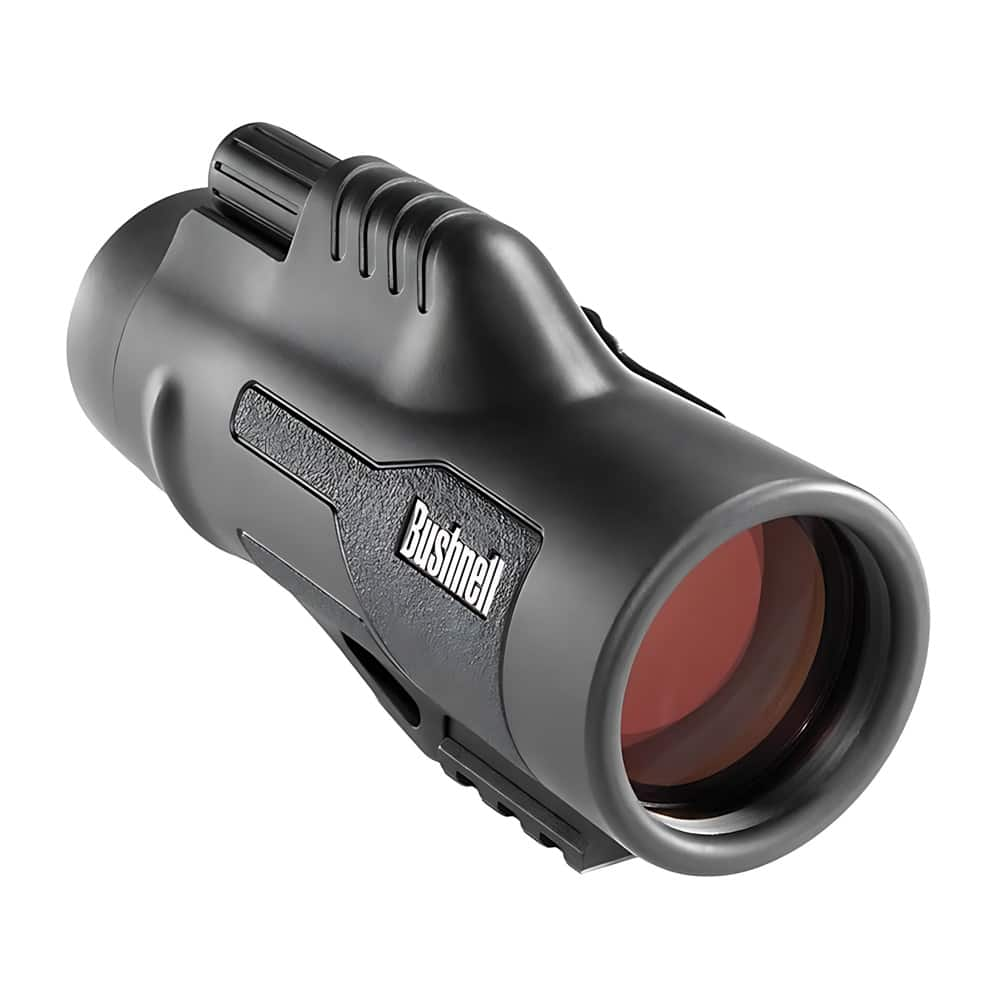
Bushnell - 191142 Legend 10x42 Ultra HD Water Resistant Monocular - Black
About this product
A black magnesium-bodied monocular with ED glass, multicoated optics, nitrogen purging, and water-repellent coating.
(0)$175.00 Your price for this item is $175.00 -
4

Hawke - Sport Optics Endurance ED 10x42mm Monocular, Green - Black
About this product
A durable green and black monocular with 10x42mm ED optics, waterproof design, and comfortable twist-up eyecups.
(0)$159.99 Your price for this item is $159.99 -
5

ZEISS - 8x20 T* Design Selection Monocular
About this product
A compact, water-resistant monocular offering 8x magnification and premium optics for clear, detailed viewing.
(0)$399.99 Your price for this item is $399.99 -
6
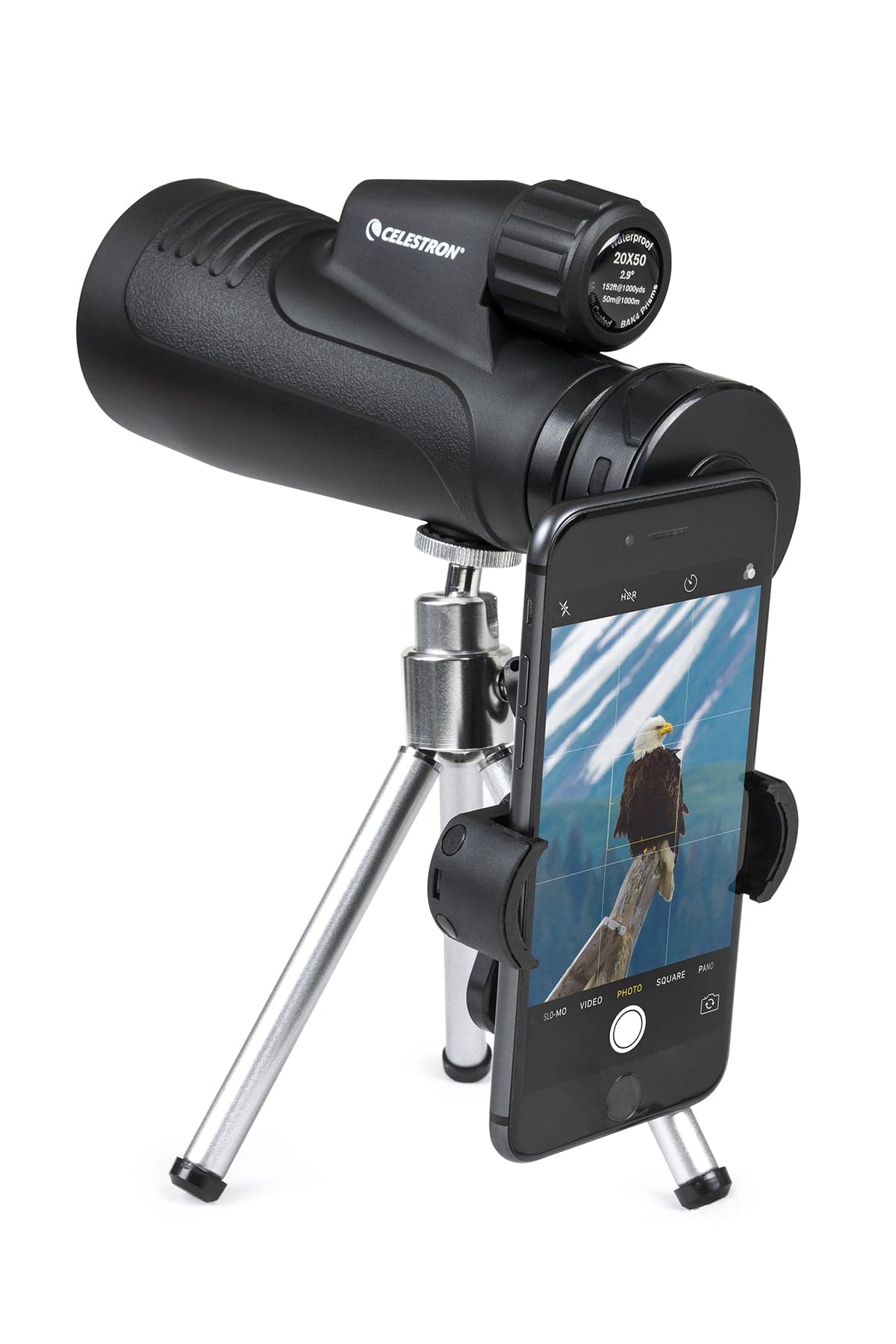
Celestron - Outland X 20x50mm Monocular with Tripod, Smartphone Adapter
About this product
A waterproof monocular with BaK-4 prisms, tripod, and smartphone adapter for bright, detailed outdoor viewing.
(0)$105.61 Your price for this item is $105.61 -
7

Carson - MonoZoom 7x to 21x 21mm Monocular
About this product
A compact monocular with 7x to 21x zoom, fully coated optics, and durable housing for outdoor adventures.
(0)$36.99 Your price for this item is $36.99 -
8

10x25 T-Design Selection Monocular with Pouch and Zeiss Cleaning Kit
About this product
A water-resistant monocular with 10x magnification, pouch, and cleaning kit for clear, detailed viewing.
(0)$399.99 Your price for this item is $399.99 -
9

Pulsar - Oryx LRF XG35 2.520x f35/1.0 Thermal Imaging Monocular
About this product
A rugged black thermal monocular with 1500m laser rangefinder, dual batteries, and water-resistant construction.
(0)$2,499.97Your price for this item is $2,499.97SAVE $500.00 -
10

8x20 T-Design Selection Monocular and Zeiss Cleaning Kit
About this product
A water-resistant monocular with 8x magnification, paired with a cleaning kit for clear viewing.
(0)$379.99 Your price for this item is $379.99
Best Monoculars
FAQs
A monocular has one viewing eyepiece and is used with one eye, while binoculars have two eyepieces for viewing with both eyes. Both are optical instruments used for activities such as birdwatching, sightseeing, and observing distant scenery.
An optical monocular provides a direct view through lenses and prisms. A digital monocular uses an electronic sensor and display to present the image. Digital features vary and may include photo capture or video recording, so review the listed specifications when comparing models.
Monocular focusing controls may include a rotating ring, a wheel, or a sliding adjustment. These controls change the focus setting as you look through the eyepiece. Some monoculars use a fixed-focus design instead of a manual adjustment.
Common monocular accessories include carrying cases, wrist straps, lens caps, and lens-cleaning supplies. Tripod adapters and smartphone adapters are also available as accessory types, but compatibility depends on the monocular's mounting features and the adapter's requirements. Check whether accessories are included or sold separately.
Follow the manufacturer's care instructions. Typically, lens care starts with removing loose dust using a lens blower or soft brush, followed by an optical lens cloth and approved cleaner when needed. Replace the lens caps after use and store the monocular in a dry location.


