Depth Cameras
-
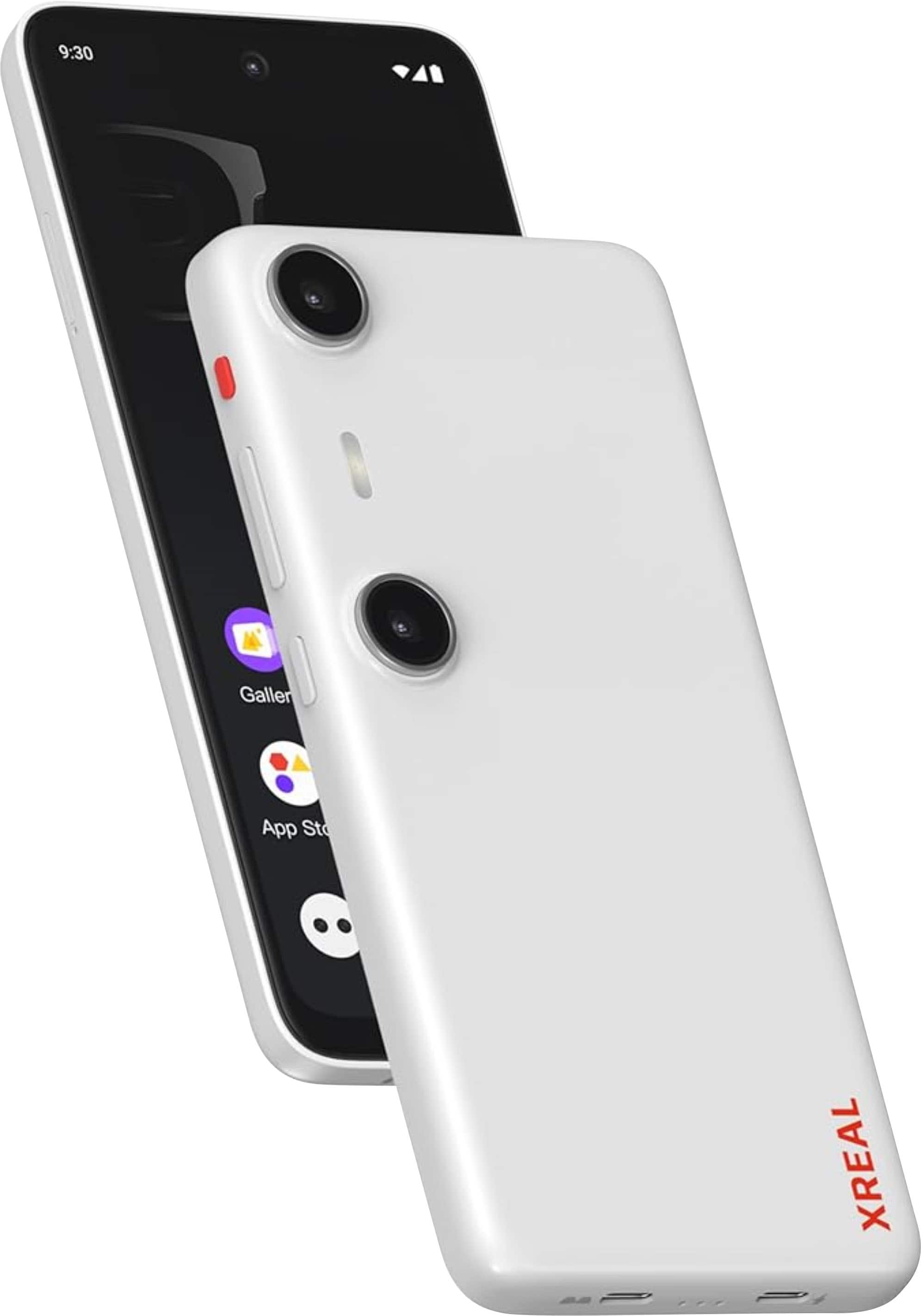
XREAL - BEAM PRO AR Glasses Spatial Computing Companion w/ Dual 50MP 3D Cameras, 8GB RAM & 256GB SSD - BEAM PRO 256GB
SKU: CZTVG228V6Love this accessory...This thing is great and opens up alot of new features with working with glasses....This is the best go to device to stream
See all XR GlassesProduct Description
A portable Android spatial computing device with dual 50MP 3D cameras, 8GB RAM, and 256GB storage.Your price for this item is $249.99 -
XREAL - BEAM PRO AR Glasses Spatial Computing Companion w/ Dual 50MP 3D Cameras, 6GB RAM & 128GB SSD - BEAM PRO 128GB
SKU: CZTVG228FGGood not great...Good but not great . Any new phone works just as good if not better for most things this will do...Great phone with smooth performance...The performance is fast, the display looks great...
See all XR GlassesProduct Description
A portable Android-powered companion with dual 50MP 3D cameras, 6GB RAM, and 128GB storage for immersive AR experiences.Your price for this item is $199.99 -
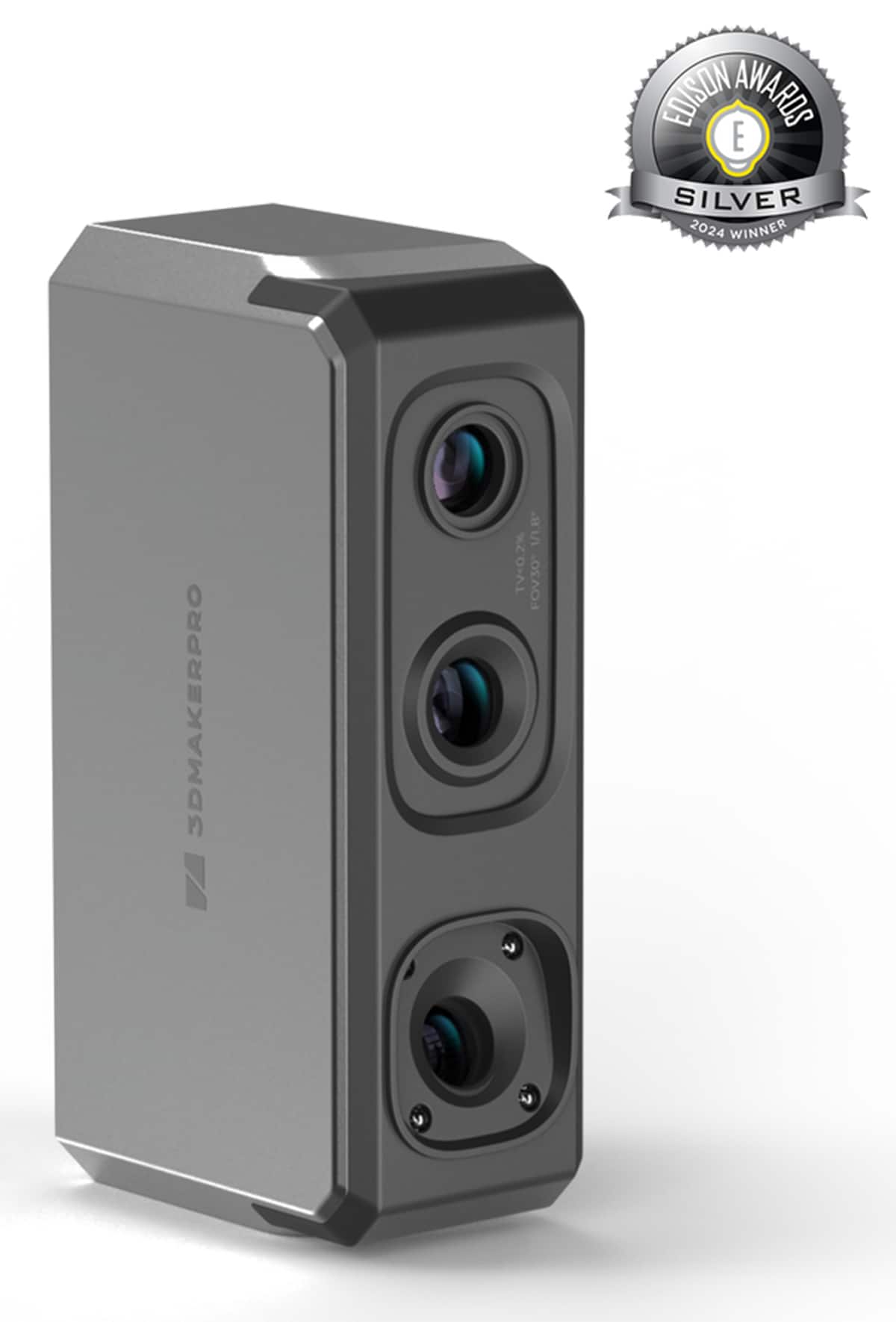
3DMakerpro - Seal 3D Handheld Scanner, Visual Tracking, 0.01mm Accuracy, 0.05mm Resolution, Anti-shake Lenses, 10FPS Frame - Black
SKU: CZTFYWQYFXSee all Scanners, Faxes & CopiersProduct Description
A handheld black 3D scanner offering 0.01mm accuracy, color scanning, visual tracking, and anti-shake lenses.Your price for this item is $559.99 -
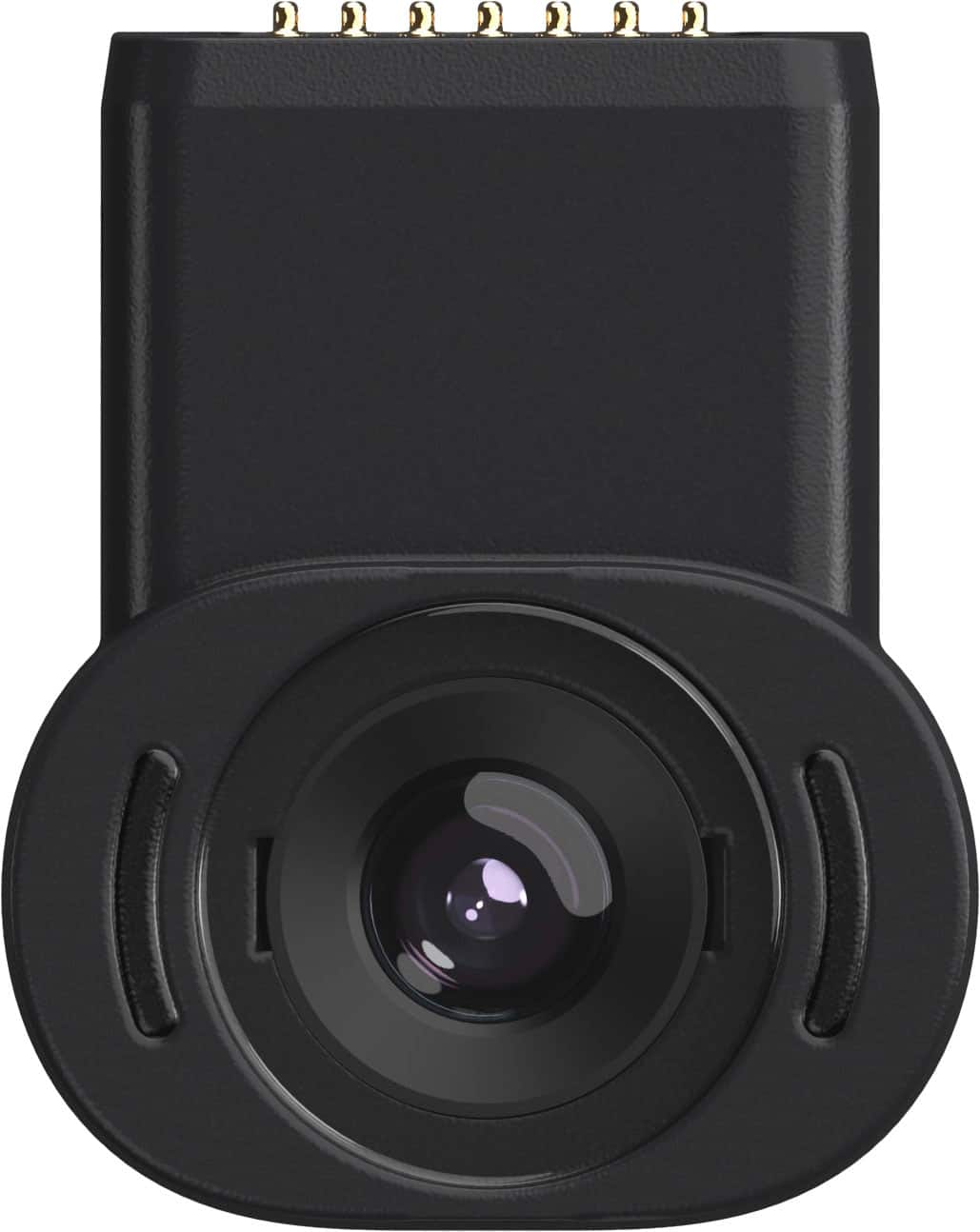
EYE Detachable Camera for AR Glasses, 12MP, 1080p 60fps Video, 6 Dof for XREAL ONE and XREAL ONE PRO - Black
SKU: CZTVG22G83Great accessory for my glasses...Great product to complement my XREAL ONE PRO....Fits and gives great pic
See all XR GlassesProduct Description
A detachable black camera module enabling 12MP photos, 1080p/60fps video, and 6-DoF tracking for AR glasses.Your price for this item is $99.99 -
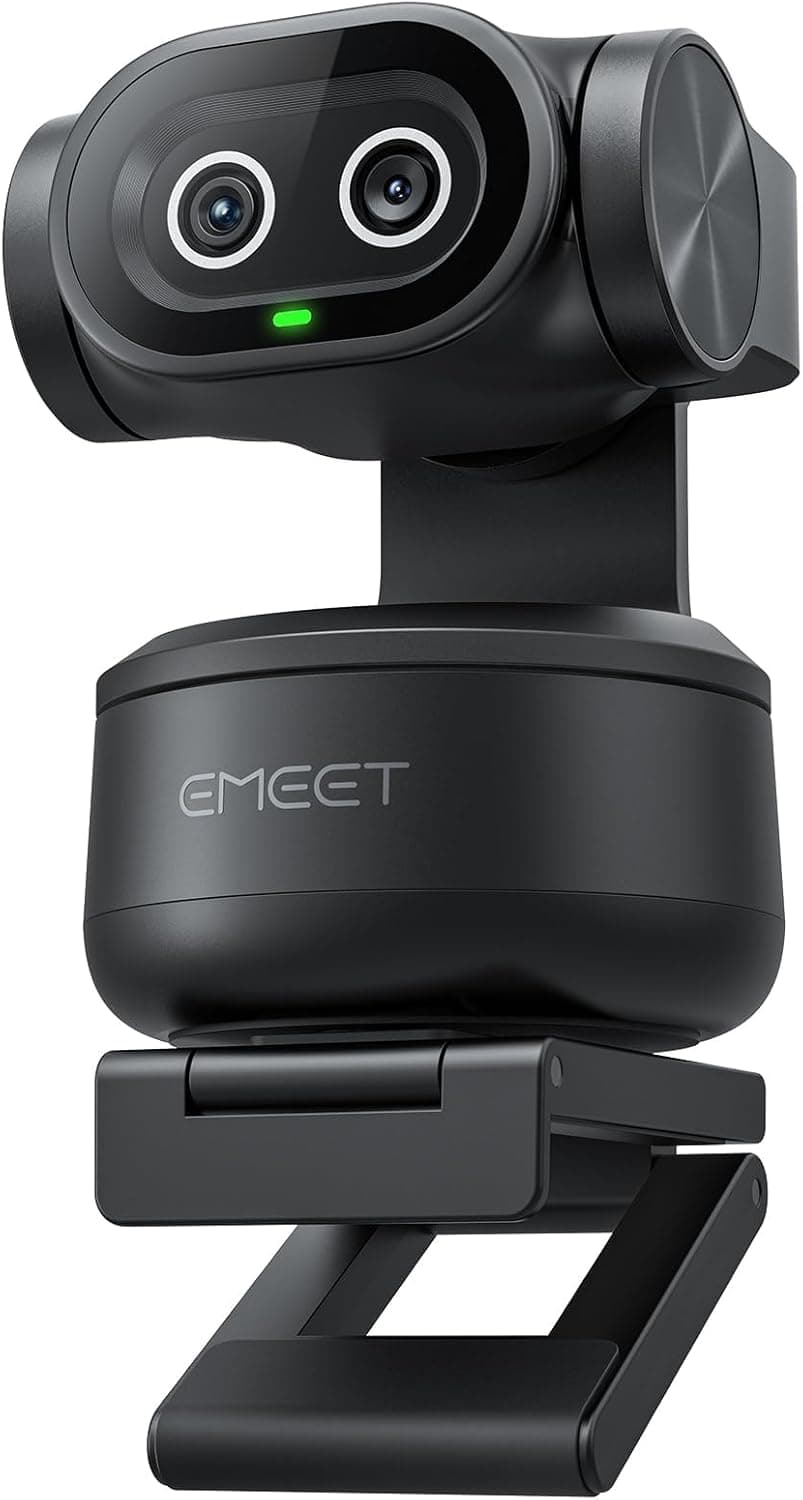
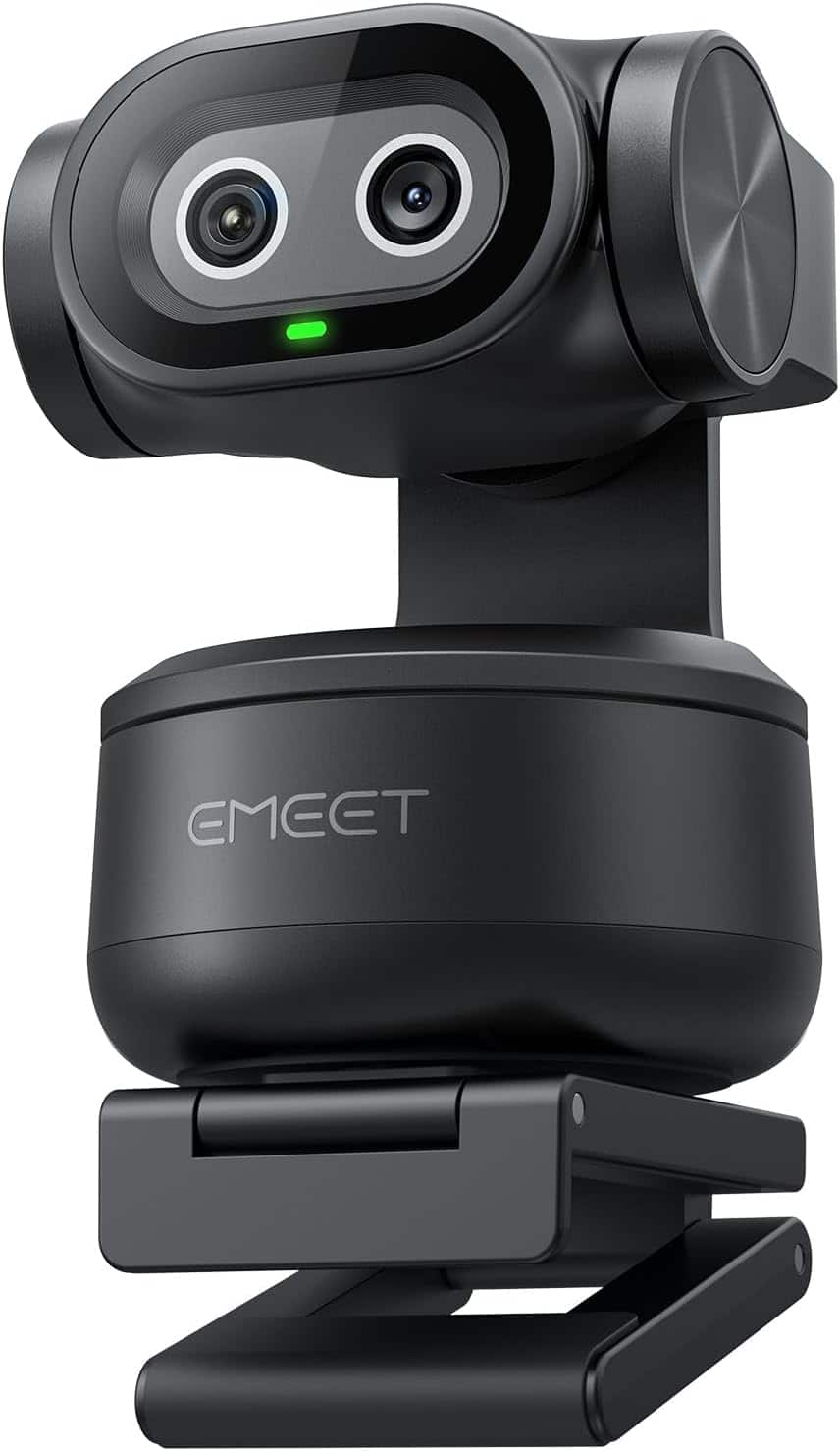
EMEET - PIXY Dual-Camera AI-Powered PTZ Camera 4K, AI Tracking, PDAF&AI Autofocus 0.2s, 1/2.55'' Sony Sensor, 3 Mics, Pres
SKU: CZTXRVRS3LGreat quality at a great price!!! I was excited and it met all of my expectations...I love nice resolution of camera i recomend this product
See all WebcamsProduct Description
A dual-camera 4K PTZ webcam with AI tracking, ultra-fast autofocus, Sony sensor, and three built-in mics.Your price for this item is $109.99 -
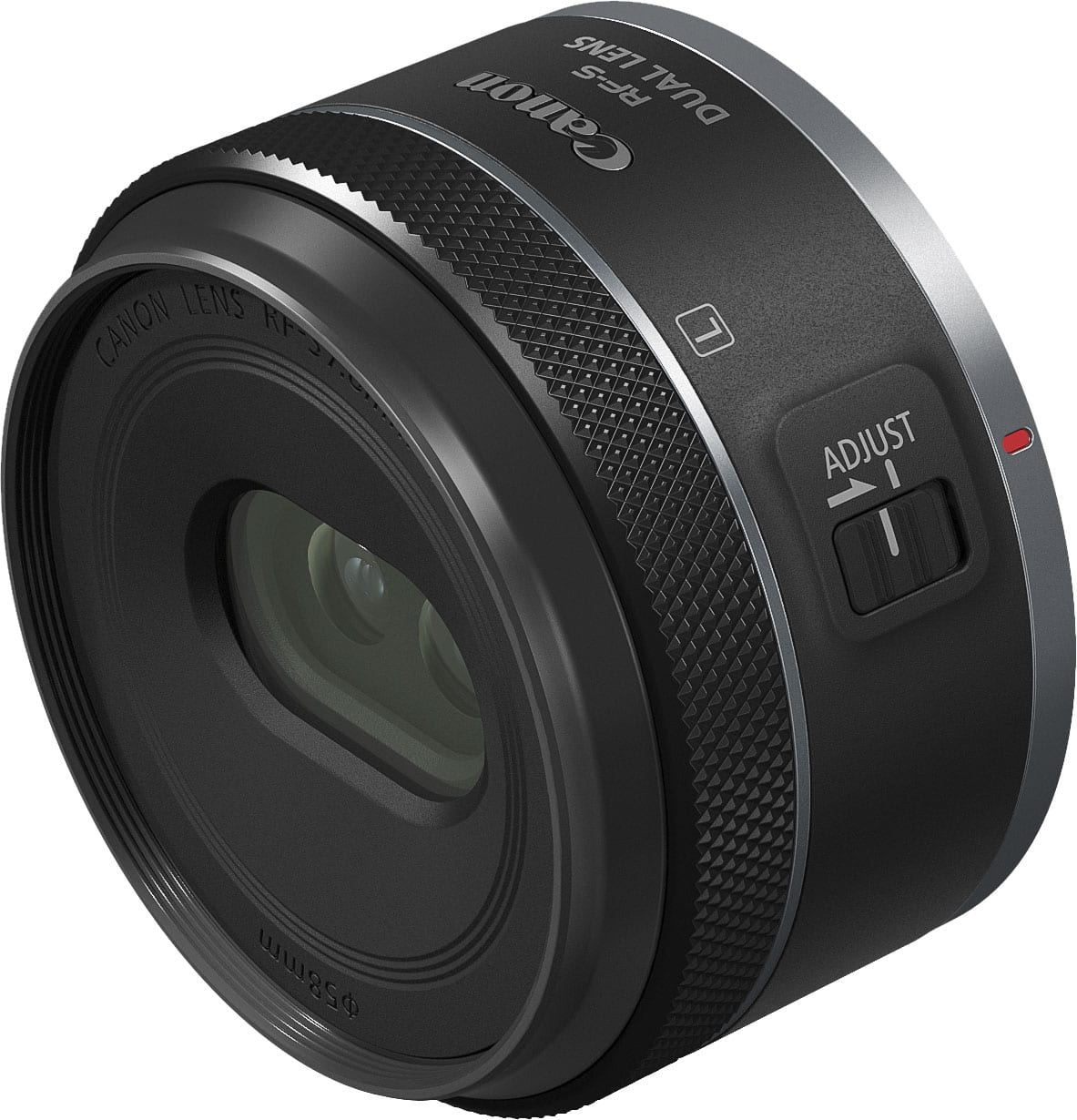
Canon - RF-S7.8mm F4 STM Dual Lens for EOS R-Series Cameras - Black
SKU: J7C86SHG8GSee all Mirrorless LensesProduct Description
A black dual lens enabling immersive 3D content capture for Canon RF-mount EOS R-Series cameras.Your price for this item is $409.00Save $100The previous price was $509.99 -
EMEET - PIXY Dual-Camera AI-Powered PTZ Camera 2K, AI Tracking, PDAF&AI Autofocus 0.2s, 1/2.55'' Sony Sensor, 3 Mics, Pres
SKU: CZTXRVRSK6Great little live stream camera...Gives me great 4K and easy AI tracking. Great for my review shows.
See all WebcamsProduct Description
An AI-powered 2K PTZ webcam with Sony sensor, ultra-fast autofocus, face tracking, and three built-in mics.Your price for this item is $89.99
Best Sellers

Related Pages




FAQ
A depth camera is a type of imaging device that captures 3D information about a scene by measuring the distance between the camera and objects within its field of view. It typically uses technologies like infrared light, structured light, or time-of-flight sensors to generate depth maps, which are useful for applications such as 3D scanning, gesture recognition, and augmented reality.
Depth cameras are widely used in robotics, gaming, virtual and augmented reality, 3D modeling, facial recognition, and security systems. They are also popular in industrial automation, allowing machines to detect and interact with objects in their environment more accurately.
Yes, many depth cameras are designed to function in low-light or even complete darkness. This is because they often use infrared light or other active illumination methods to measure depth, making them suitable for a variety of lighting conditions.
Most depth cameras come with dedicated software or drivers that enable users to access and process depth data. Additionally, many are compatible with popular development platforms and APIs, making it easier to integrate them into custom applications or workflows.
Many depth cameras offer compatibility with major operating systems such as Windows, macOS, and Linux. However, it is important to check the manufacturer's specifications for supported platforms and available drivers before purchasing.