Home Cutting Boards
-
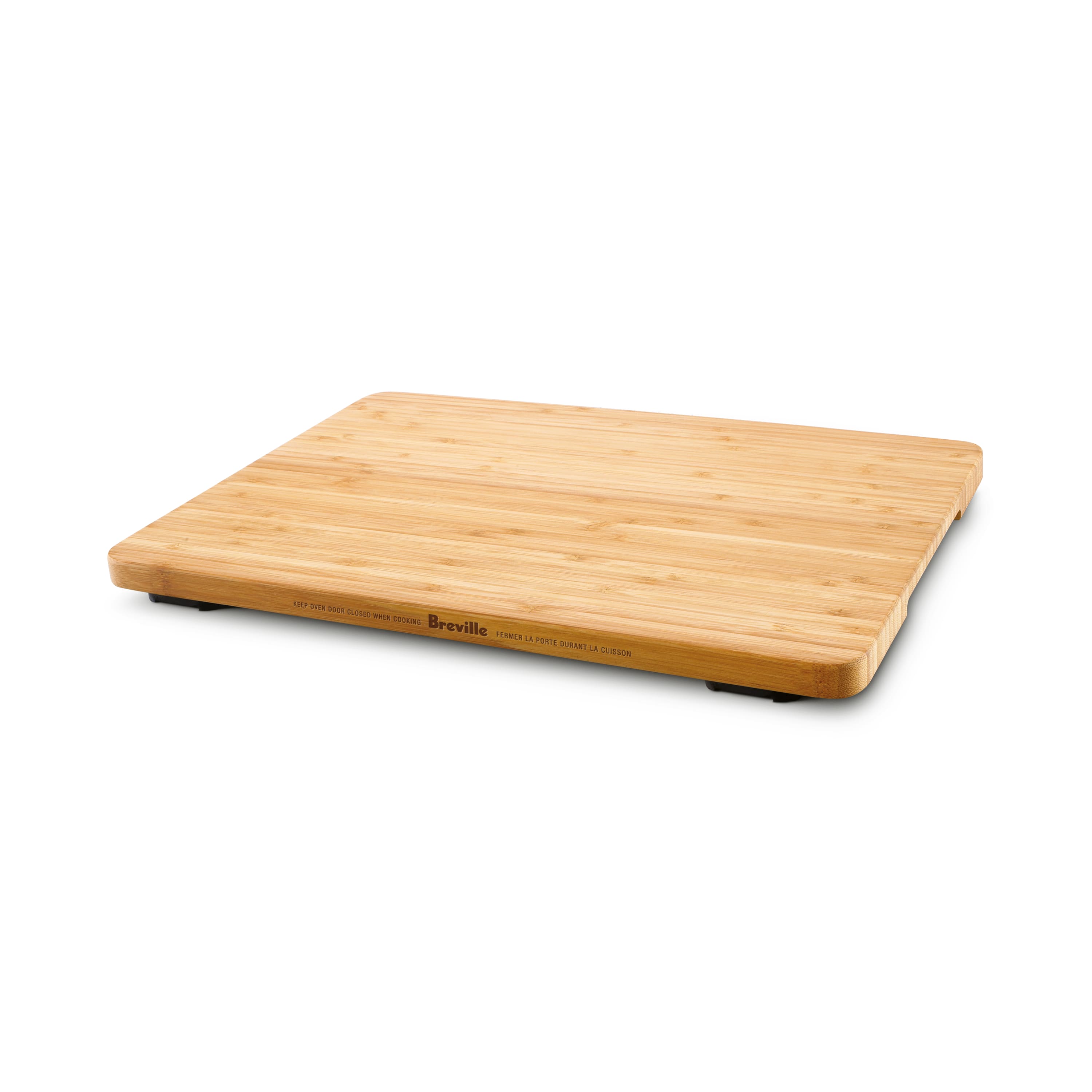
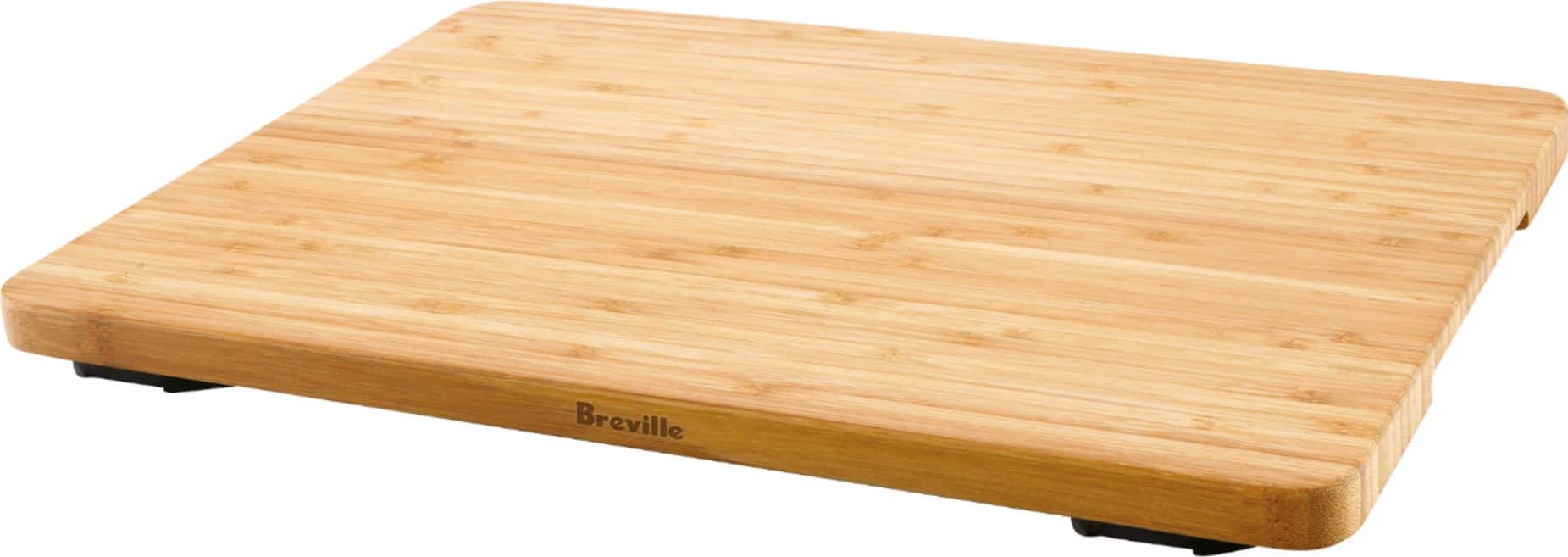
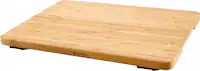
Breville - Rectangle Cutting Board for the Compact Smart Oven - Bamboo
SKU: J72668VP6HI love not having to remove it when I’m using all of the functions....Has been great for storing item on oven unit while in use....Great addition to Oven
See all Cutting BoardsProduct Description
A durable bamboo cutting board with natural antibacterial properties, designed for use with select compact smart ovens.Your price for this item is $29.95 -
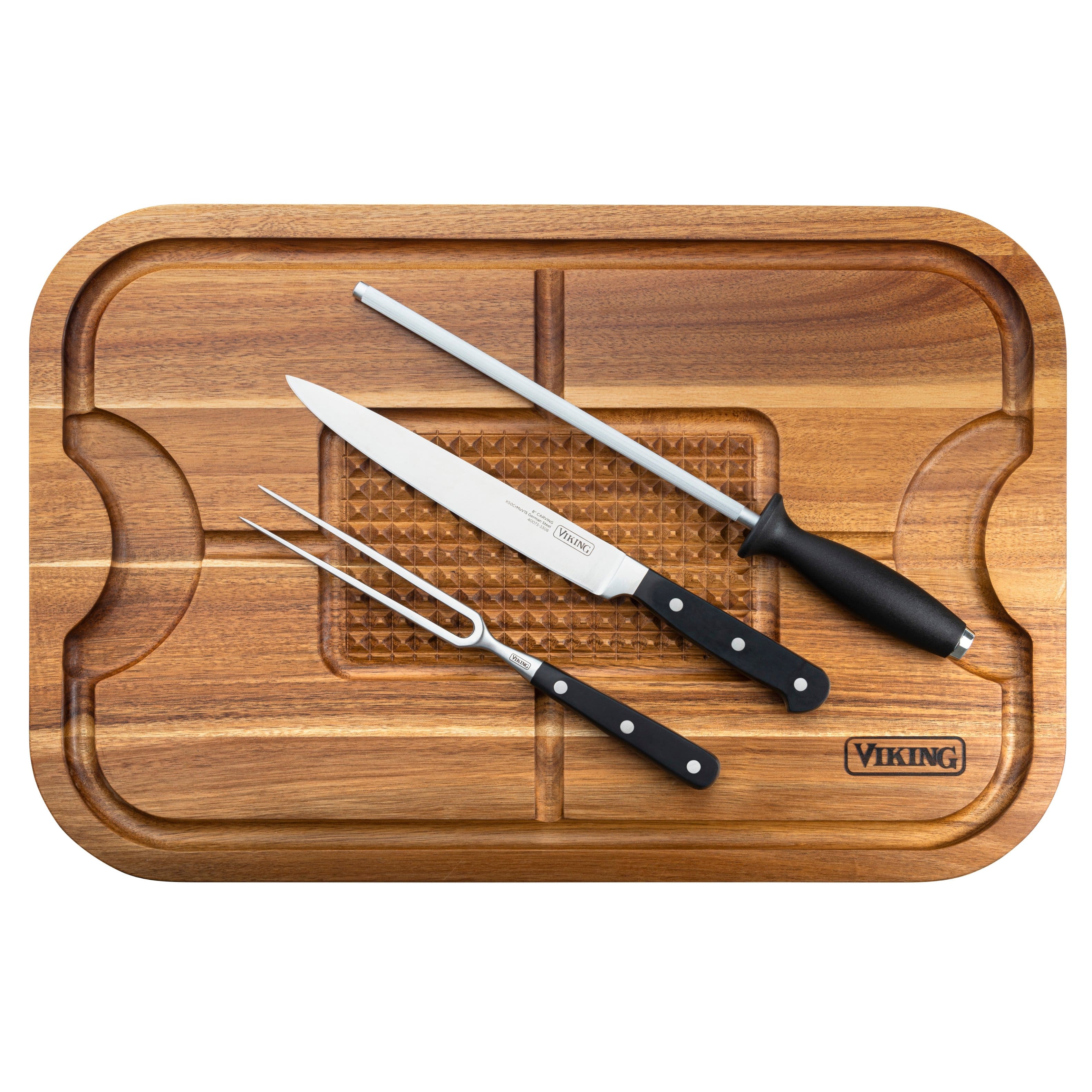
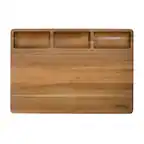
Viking - Oversized Acacia Carving Board with 3-piece Carving Set - Multicolor
SKU: J39WJFS527See all Knife SetsProduct Description
An elegant acacia wood carving board with water resistance, paired with a 3-piece professional carving set.Your price for this item is $139.99Save $60The previous price was $199.99 -
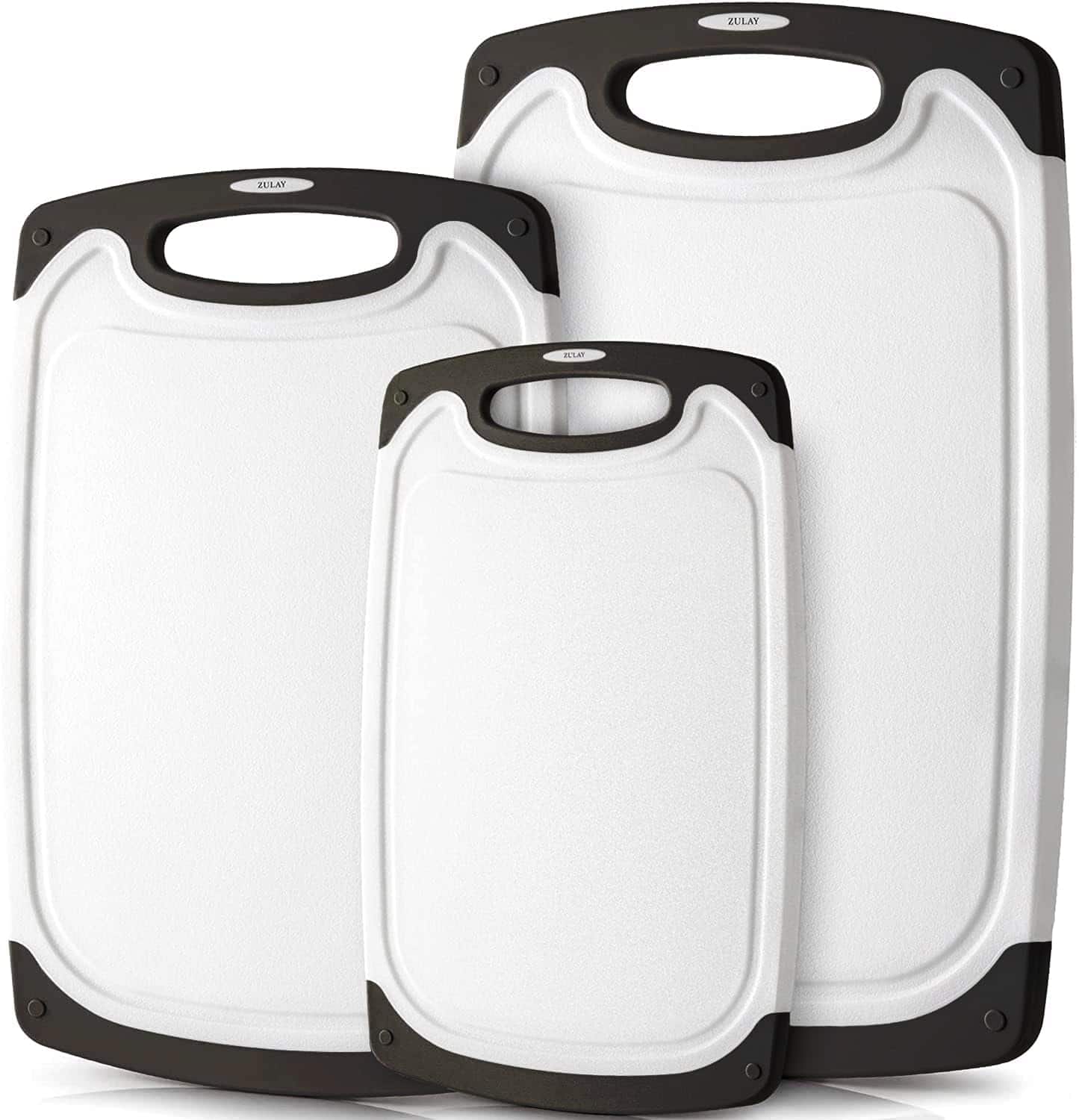
Zulay Kitchen - (3-Piece Set) Plastic Cutting Board with Juice Groove (Multiple Sizes) - Black and White
SKU: JJGJR52WCRSee all Cutting BoardsProduct Description
A set of three black and white plastic cutting boards with juice grooves for clean, efficient meal prep.Your price for this item is $29.99 -
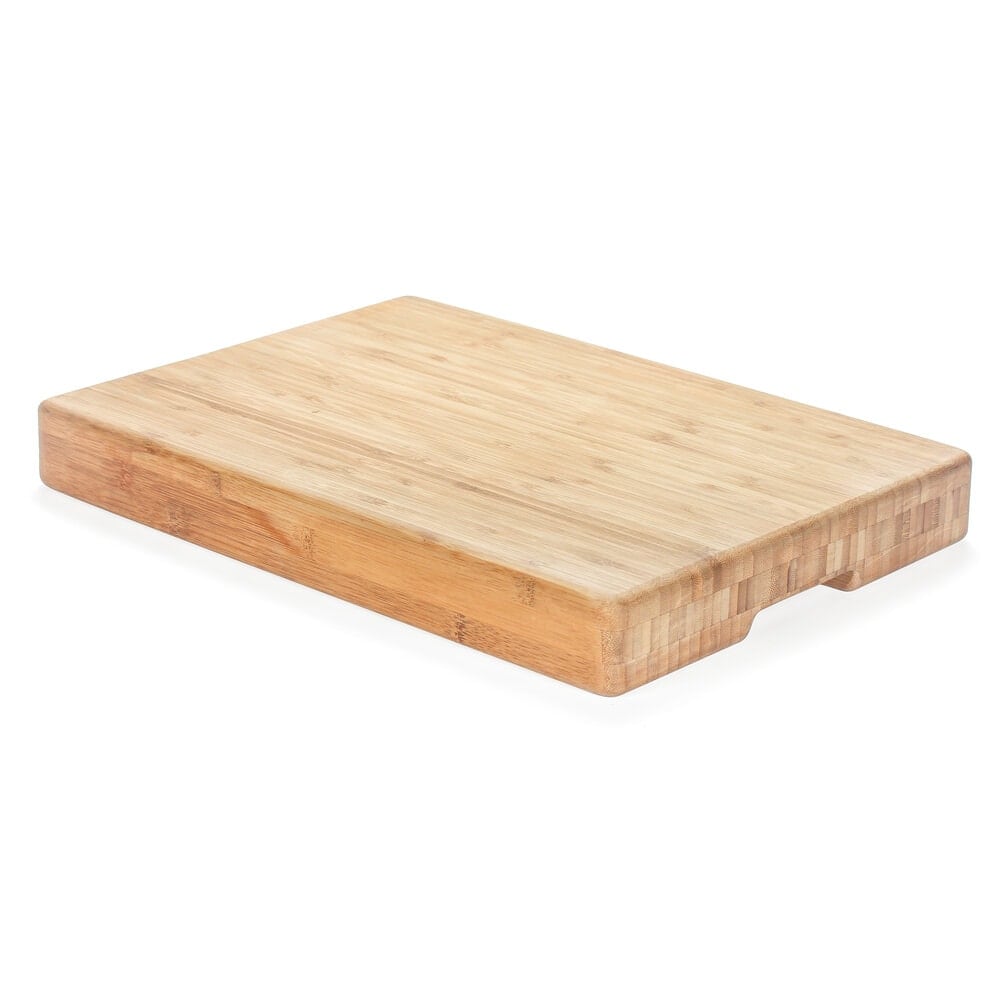
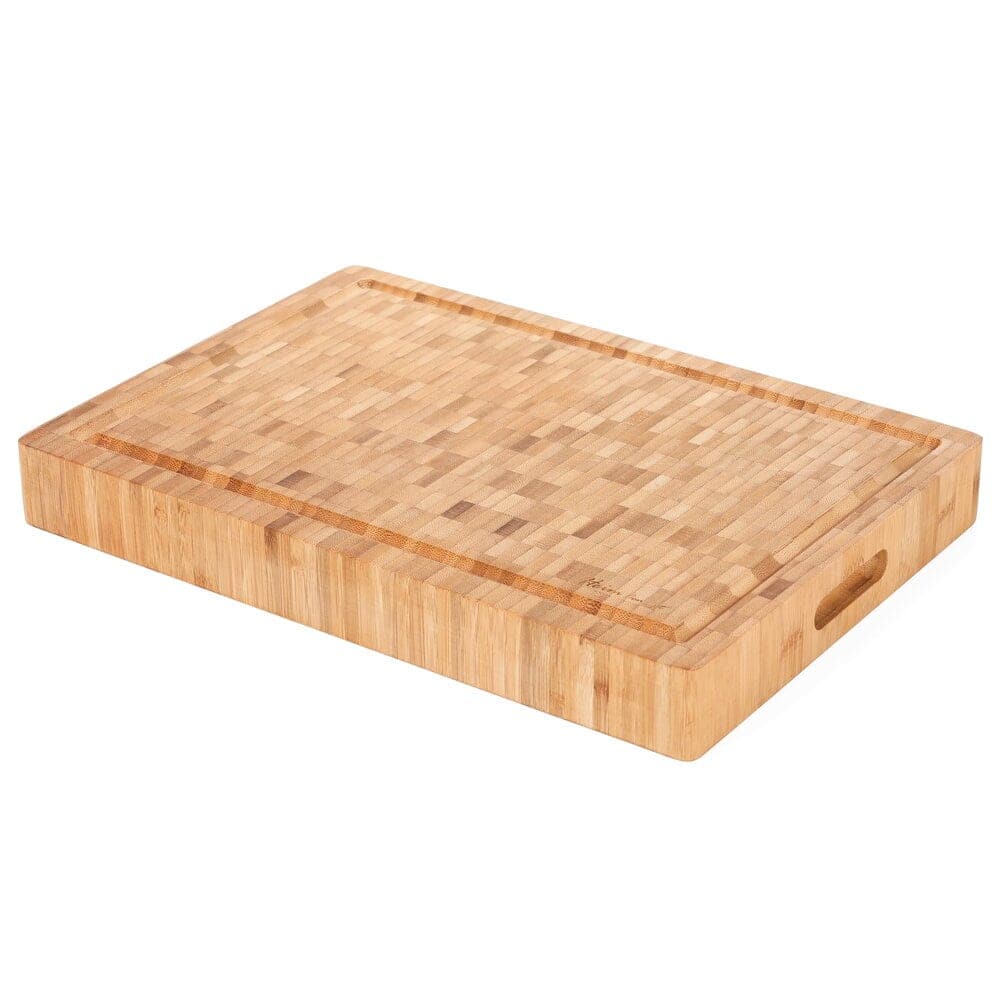
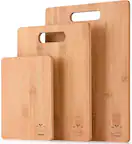
Heim Concept - Premium Large Organic Bamboo Butcher Block, Professional Grade - Brown
SKU: J3K3KLGQZ2See all Cutting BoardsProduct Description
A professional-grade brown bamboo butcher block offering durability, eco-friendliness, and a knife-friendly surface.Your price for this item is $46.00 -
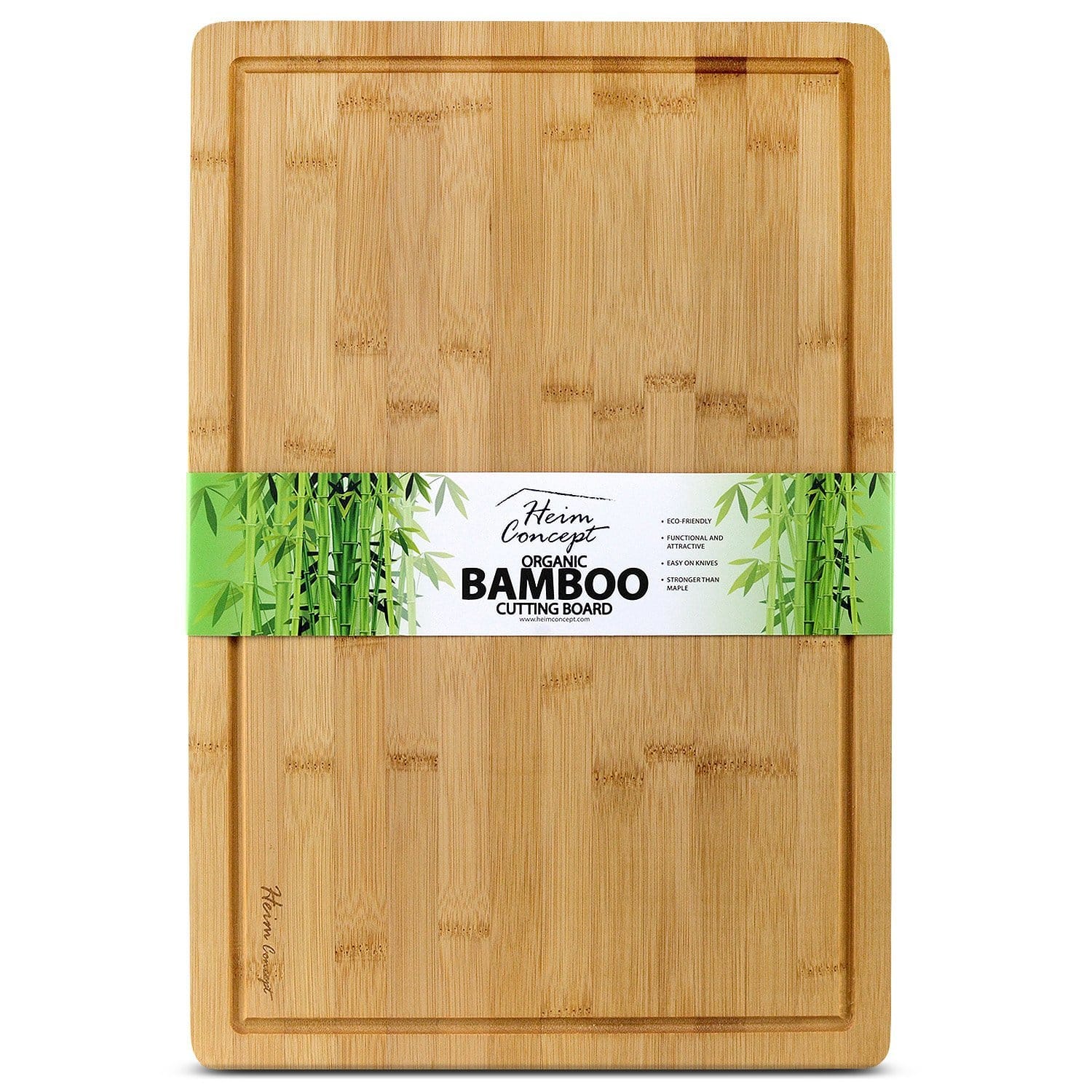
Heim Concept - Large Bamboo Butcher Block Professional Grade Grainy Pattern - Brown
SKU: J3K8J9593KSee all Cutting BoardsProduct Description
A durable, eco-friendly brown bamboo butcher block with a grainy pattern that’s gentle on knives.Your price for this item is $45.00 -
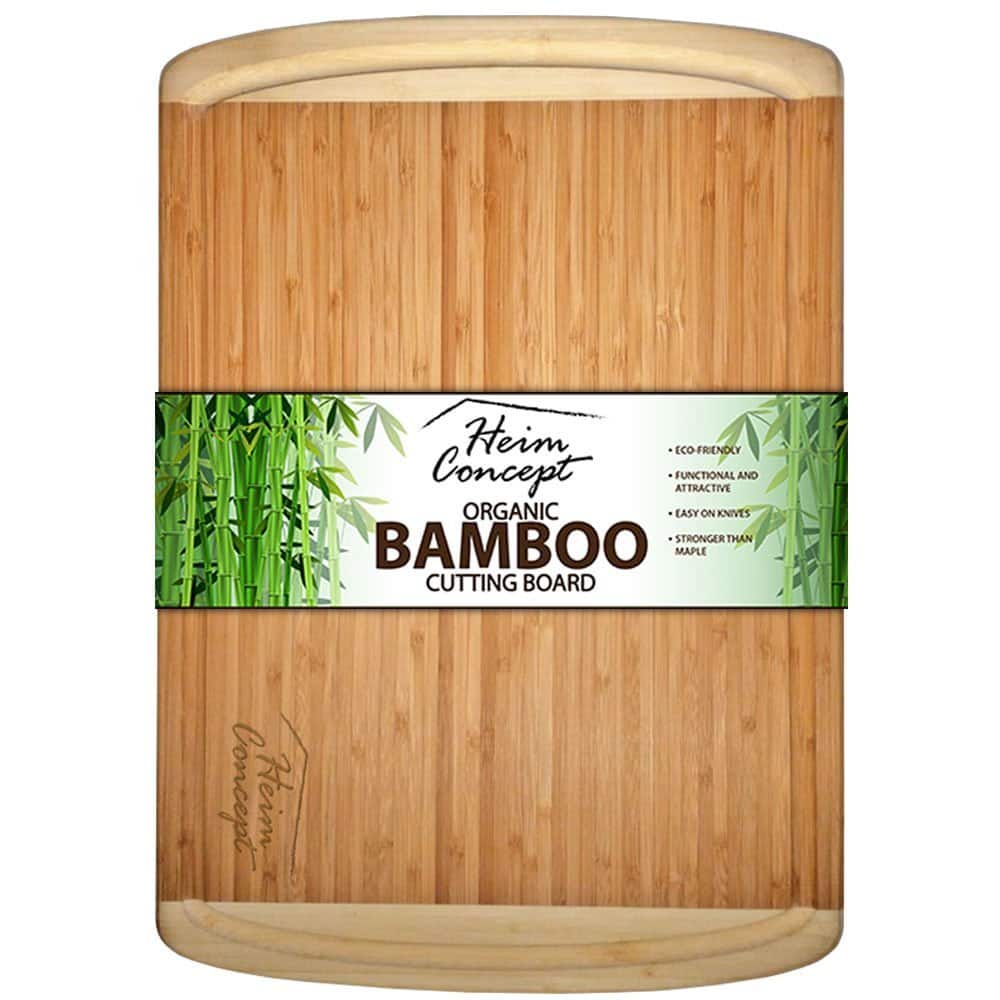
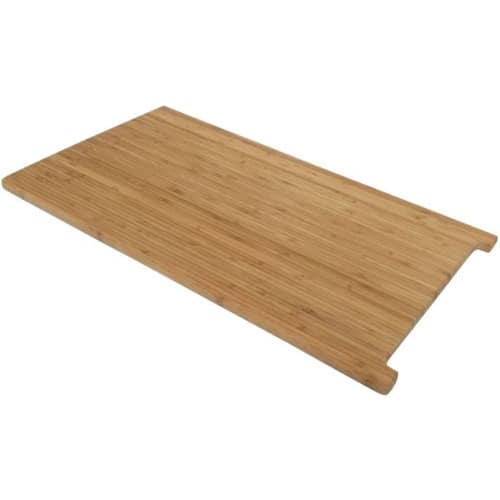
Heim Concept - Organic Bamboo Large Cutting Board with End Groove - Brown
SKU: J3KG7FH57WSee all Cutting BoardsProduct Description
A durable, eco-friendly brown bamboo cutting board with end groove, gentle on knives and resists warping.Your price for this item is $29.00 -
Heim Concept - Premium Bamboo Large Cutting Board and Serving Tray Drip Groove - Brown
SKU: J3KL2H2TZXSee all Cutting BoardsProduct Description
A durable brown bamboo cutting board with drip groove, ideal for prepping and serving food.Your price for this item is $33.00 -
Breville - Cutting Board for the Smart Oven Air - Bamboo
SKU: J72668VWXVIt also adds extra prep space, which I love....This cutting board is well‑made, looks great, and truly completes the setup.
See all ToastersProduct Description
A heat-resistant bamboo cutting board that fits perfectly on your Smart Oven Air and protects cabinets.Your price for this item is $44.95 -
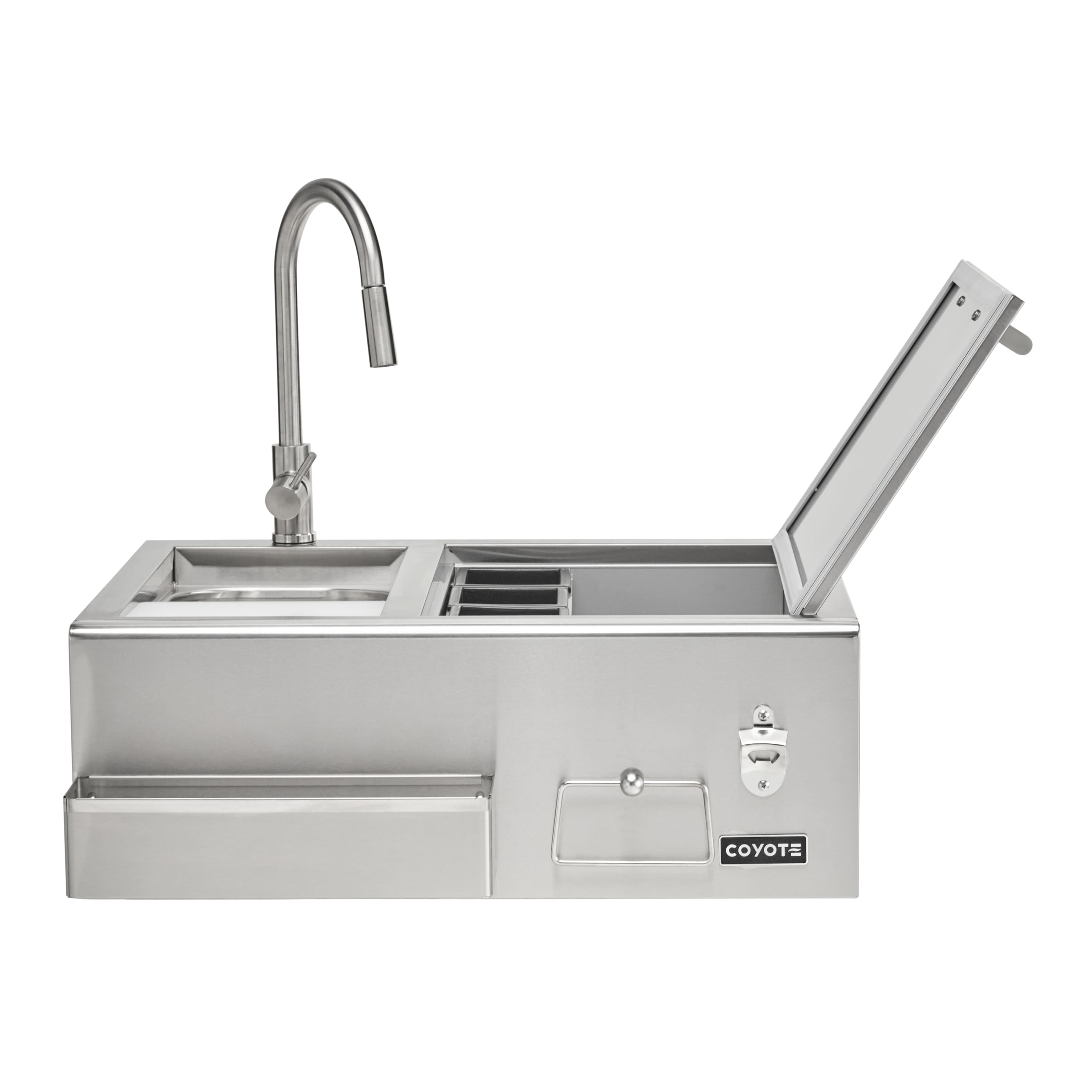
Coyote - Outdoor Living 30" Refreshment Center - Stainless Steel
SKU: J3R8ZZH5T2See all Outdoor StorageProduct Description
A stainless steel refreshment center featuring a sink, cooler, faucet, cutting board, and beverage shelf.Your price for this item is $1,769.00 -
Viking - Griddle Cover for Ranges - Brown
SKU: J38CVCC797See all Range Griddle & Grill PlatesProduct Description
A durable brown bamboo cover that conceals your griddle and doubles as an eco-friendly cutting board.Your price for this item is $169.00
Best Sellers

Related Pages

FAQ
Home cutting boards are often made from materials such as wood, bamboo, plastic, and composite materials. Each material offers different benefits in terms of durability, maintenance, and aesthetics.
To clean your cutting board, wash it with warm, soapy water after each use and dry it thoroughly. Wooden and bamboo boards should be oiled regularly to prevent cracking, while plastic boards can often be placed in the dishwasher for easy cleaning.
It's best to use separate cutting boards for raw meats and produce to avoid cross-contamination. Many people use color-coded or designated boards for different food types.
Yes, some cutting boards come with built-in juice grooves to catch liquids, non-slip edges for stability, or even integrated compartments for prepping ingredients.
To keep your cutting board steady, place a damp towel or non-slip mat underneath it while you work. Some boards also come with built-in non-slip feet for added stability.