Neutral Filters
-
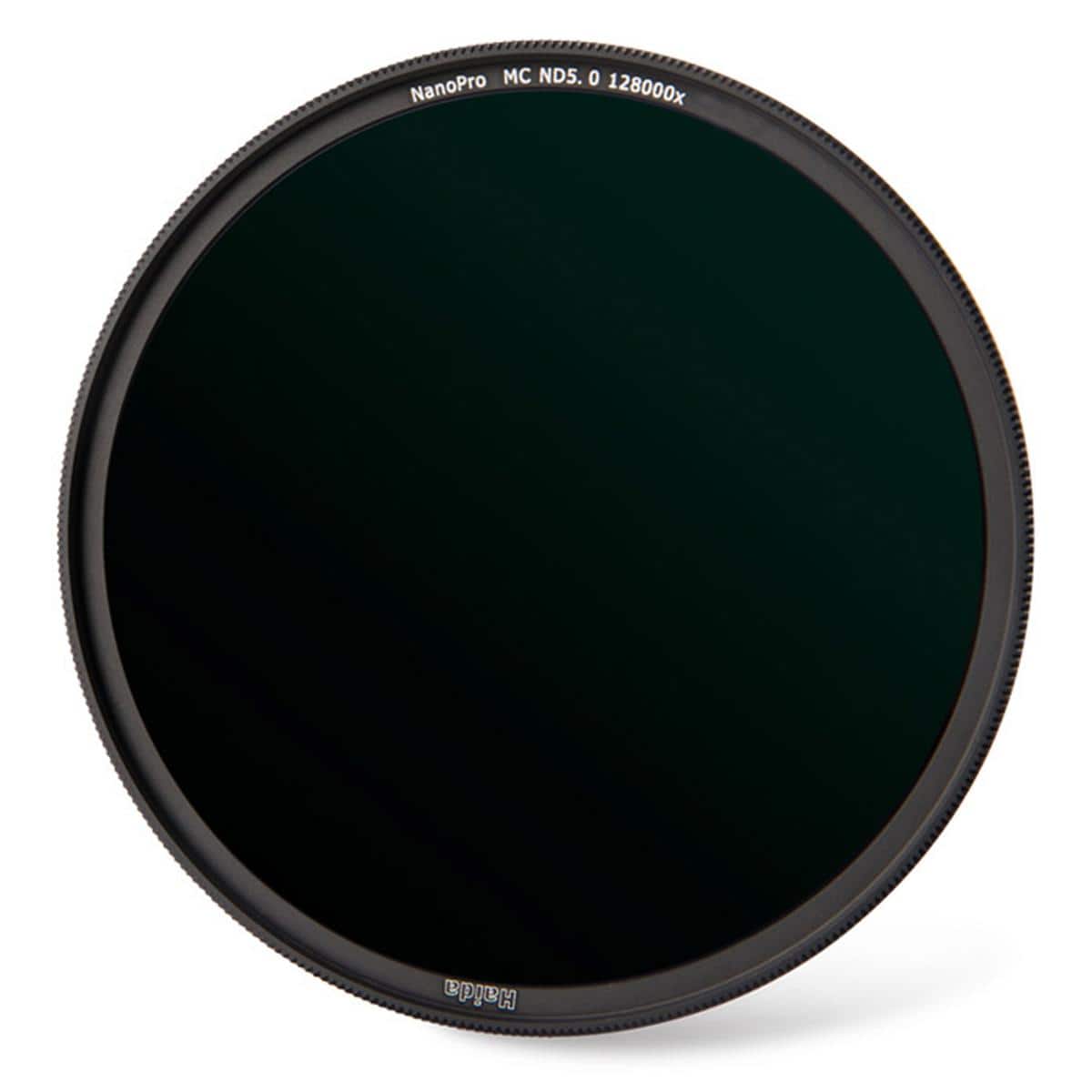
Haida - NanoPro MC 67mm ND128000 Neutral Density 5.0 Filter
SKU: CZTL9LTYSJSee all Lens FiltersProduct Description
A neutral density filter with 128000x factor for long exposures, improved clarity, and easy cleaning.Your price for this item is $53.00 -
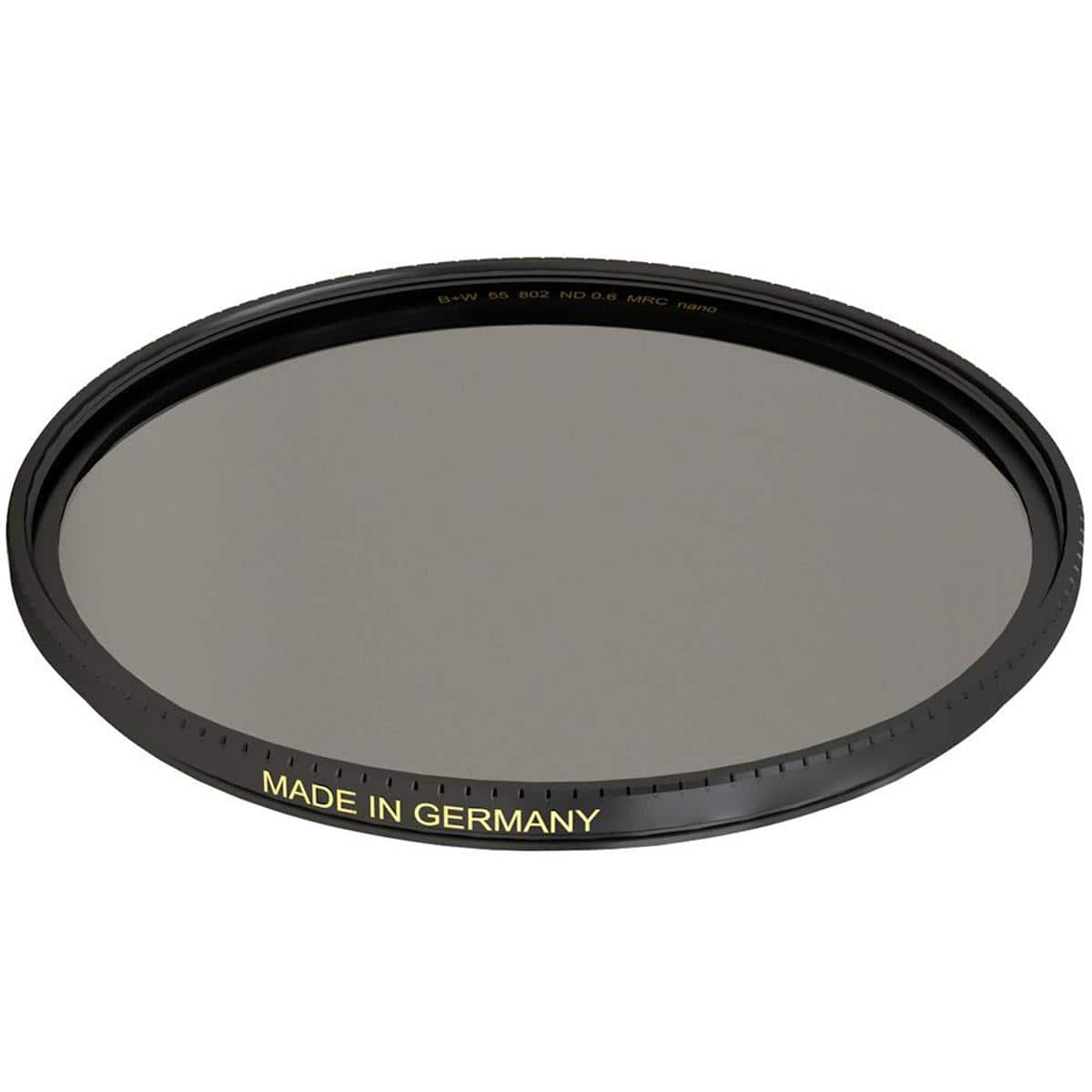
B + W - XS-Pro 55mm MRC-Nano 802 Solid Neutral Density 0.6 Filter, 2 Stop
SKU: CJGY2YS26WSee all Lens FiltersProduct Description
A slim, multi-coated neutral density filter with brass mount reduces light by 2 stops for color-neutral images.Your price for this item is $69.00 -
Tiffen - 105mm Coarse Thread Neutral Density 1.5 Filter
SKU: J3KFYYLT6PSee all Lens FiltersProduct Description
A neutral density filter that reduces light for balanced exposures without altering scene color in bright conditions.Your price for this item is $319.50 -
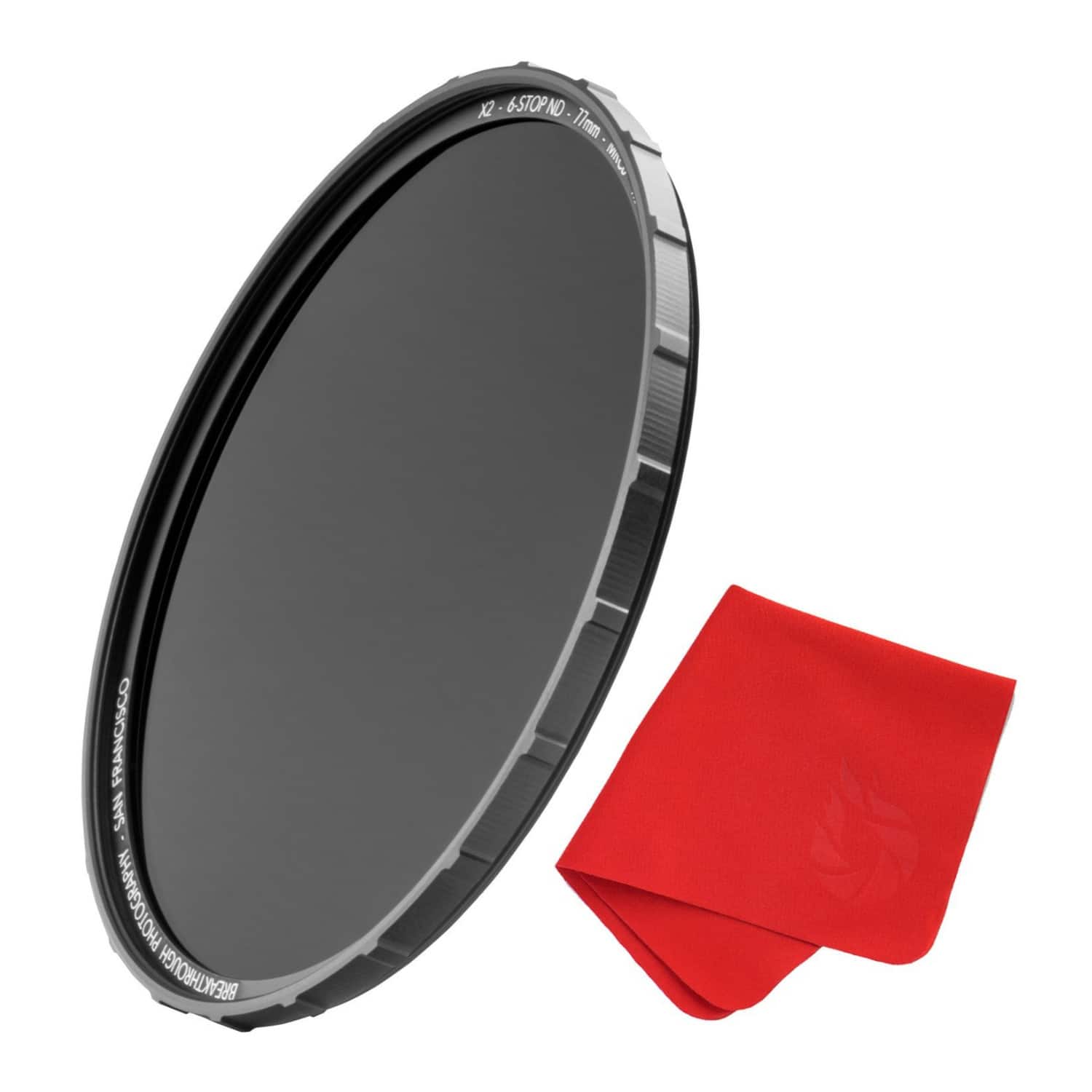
Breakthrough Photography - 58mm X2 3-Stop Neutral Density Filter
SKU: JXXVXWPWPVSee all Lens FiltersProduct Description
A 58mm neutral density filter with nano coating for enhanced optical clarity and reduced light transmission.Your price for this item is $79.00 -
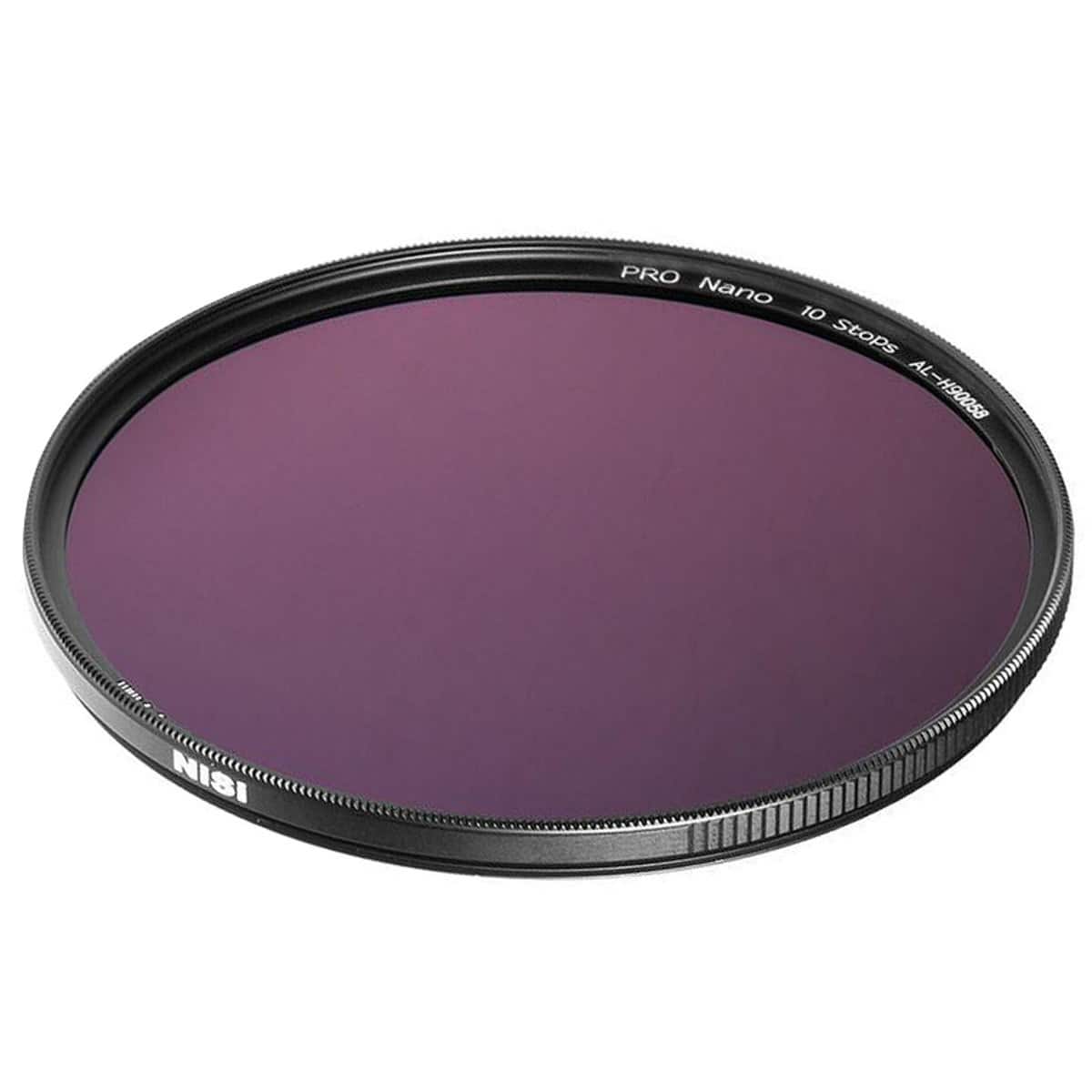
NiSi - 82mm PRO 10 Stop Neutral Density Filter
SKU: CGCLGPS5X9See all Lens FiltersProduct Description
An ultra-thin brass frame neutral density filter providing a 10-stop exposure reduction for wide-angle lenses.Your price for this item is $105.00 -
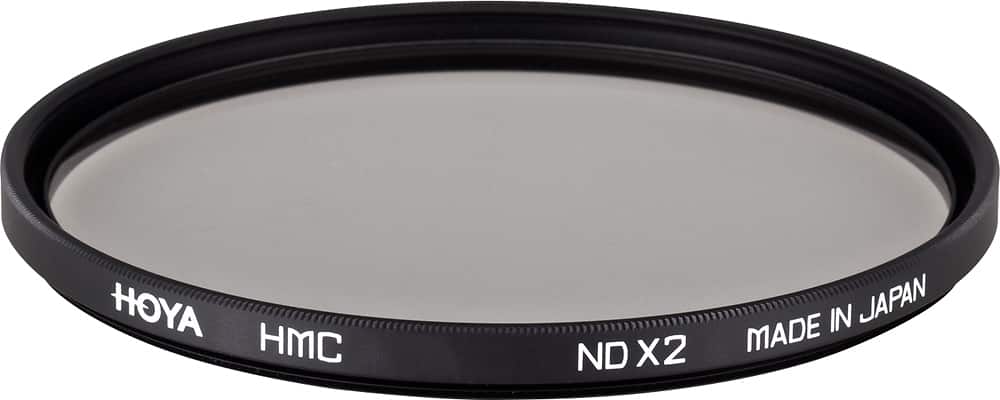
Hoya - ND2 82mm Multicoated Neutral-Density Lens Filter
SKU: J72FRLVX83See all Lens FiltersProduct Description
A clear, multicoated neutral-density filter that reduces light by 1 stop for creative photography effects.Your price for this item is $88.90 -
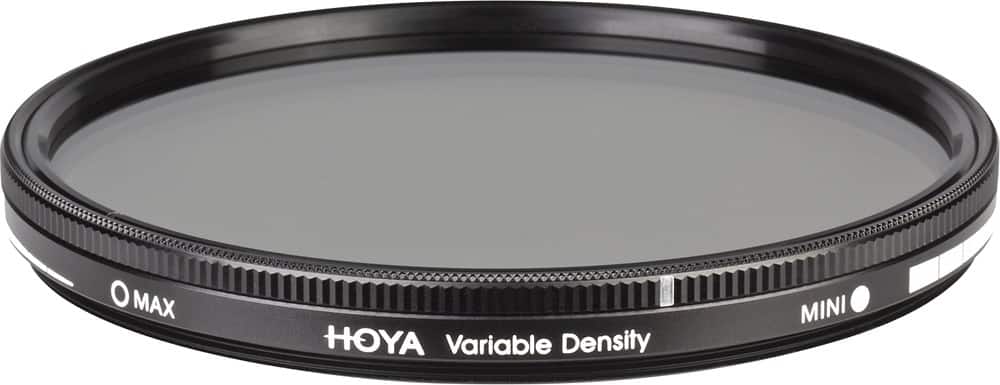
Hoya - 72mm Variable Neutral Density Lens Filter
SKU: J72FRYC65CSee all Lens FiltersProduct Description
A clear variable neutral-density filter reduces light by 1.5–9 stops for creative motion blur.Your price for this item is $119.00 -
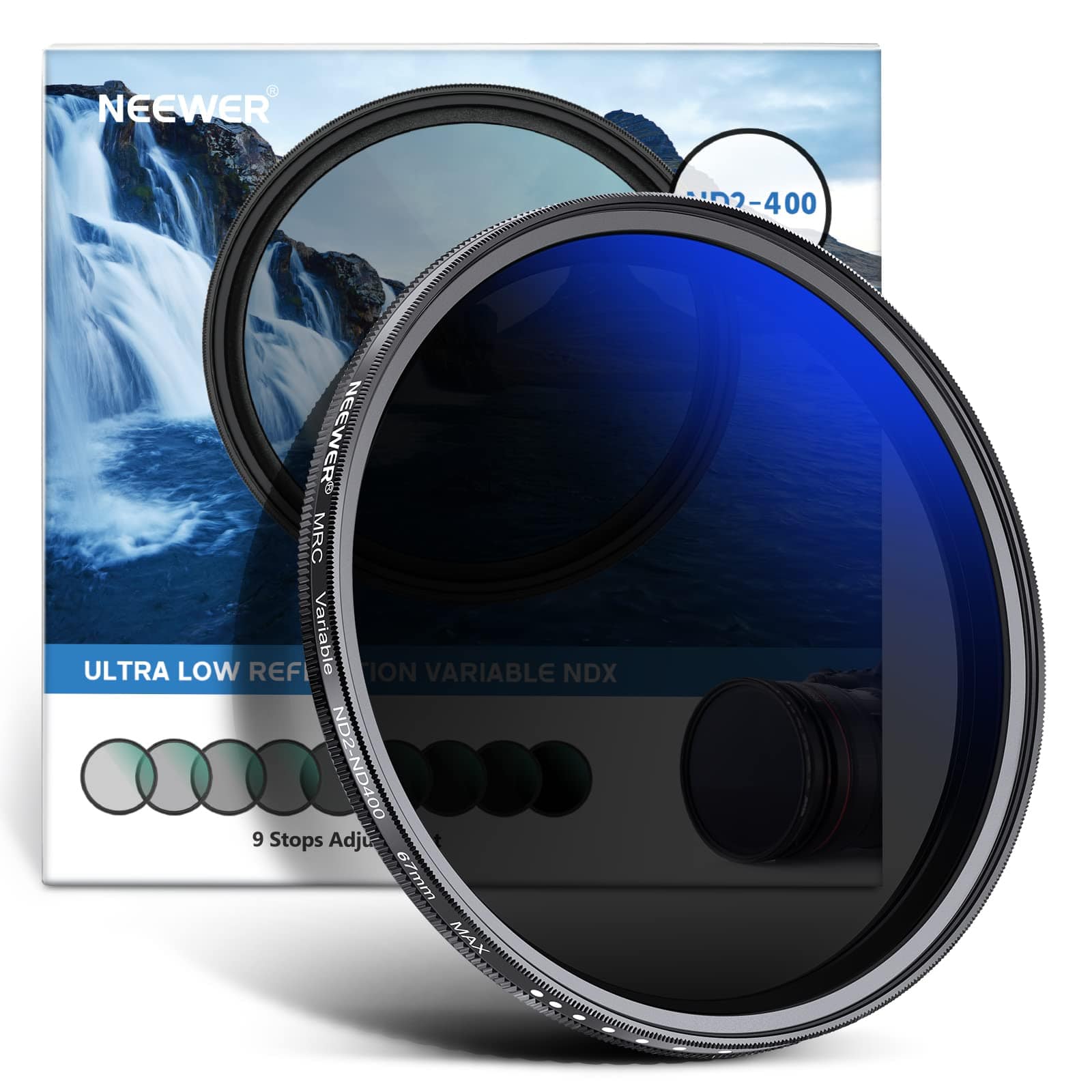
Neewer - 67mm Variable ND Filter (ND2-400) - 1 to 9 Stops Adjustable Neutral Density Lens Filter
SKU: CZWCCR92ZKSee all Lens FiltersProduct Description
A black variable neutral density lens filter offering 1 to 9 stops adjustment with water and scratch resistance.Your price for this item is $25.99 -
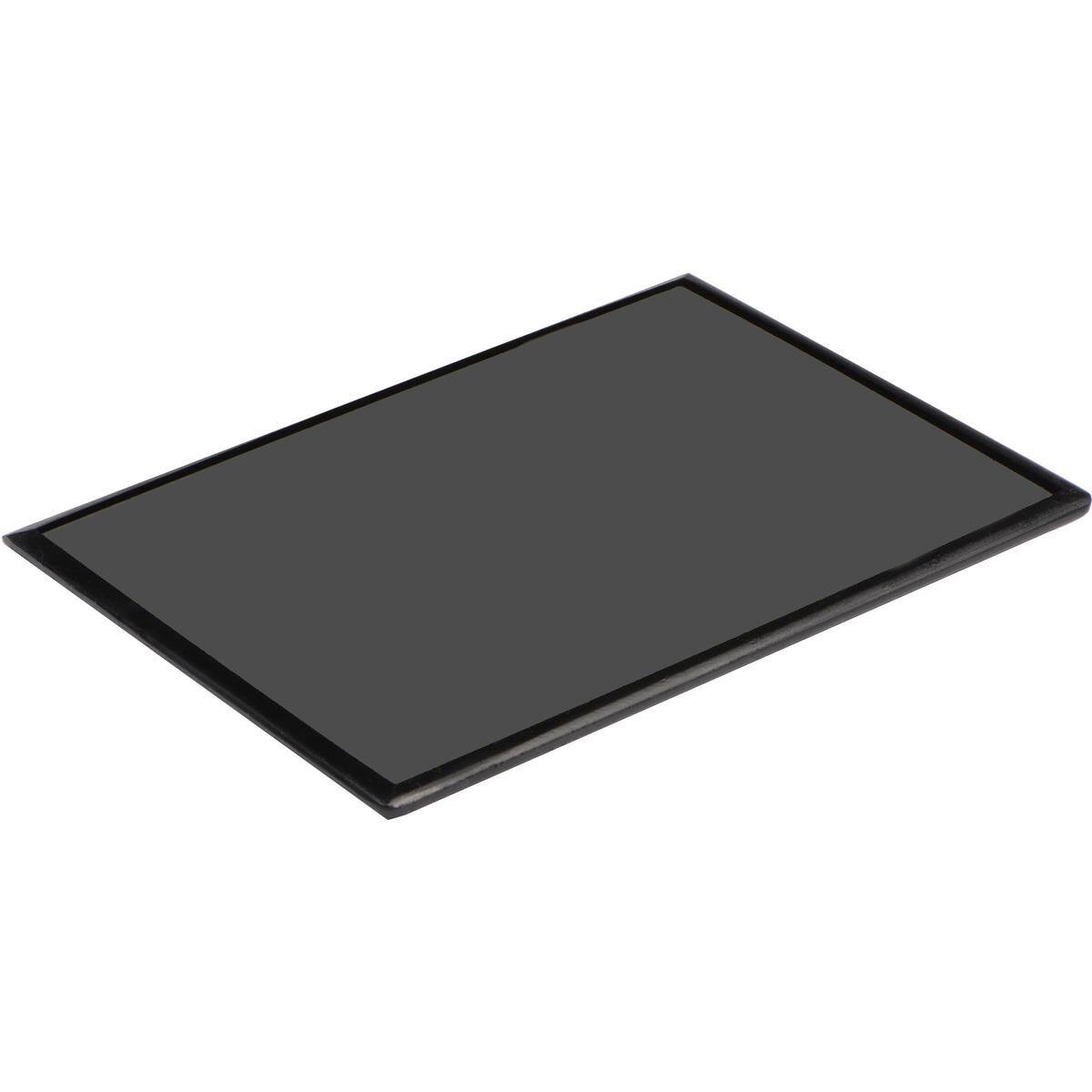
Cavision - 4x5.65" Enhanced Range ND 0.3 Glass Filter, 2mm Thickness
SKU: JZY6VQ2GGKSee all Lens FiltersProduct Description
A glass neutral density filter that reduces light intake for balanced exposure without affecting color.Your price for this item is $139.00 -
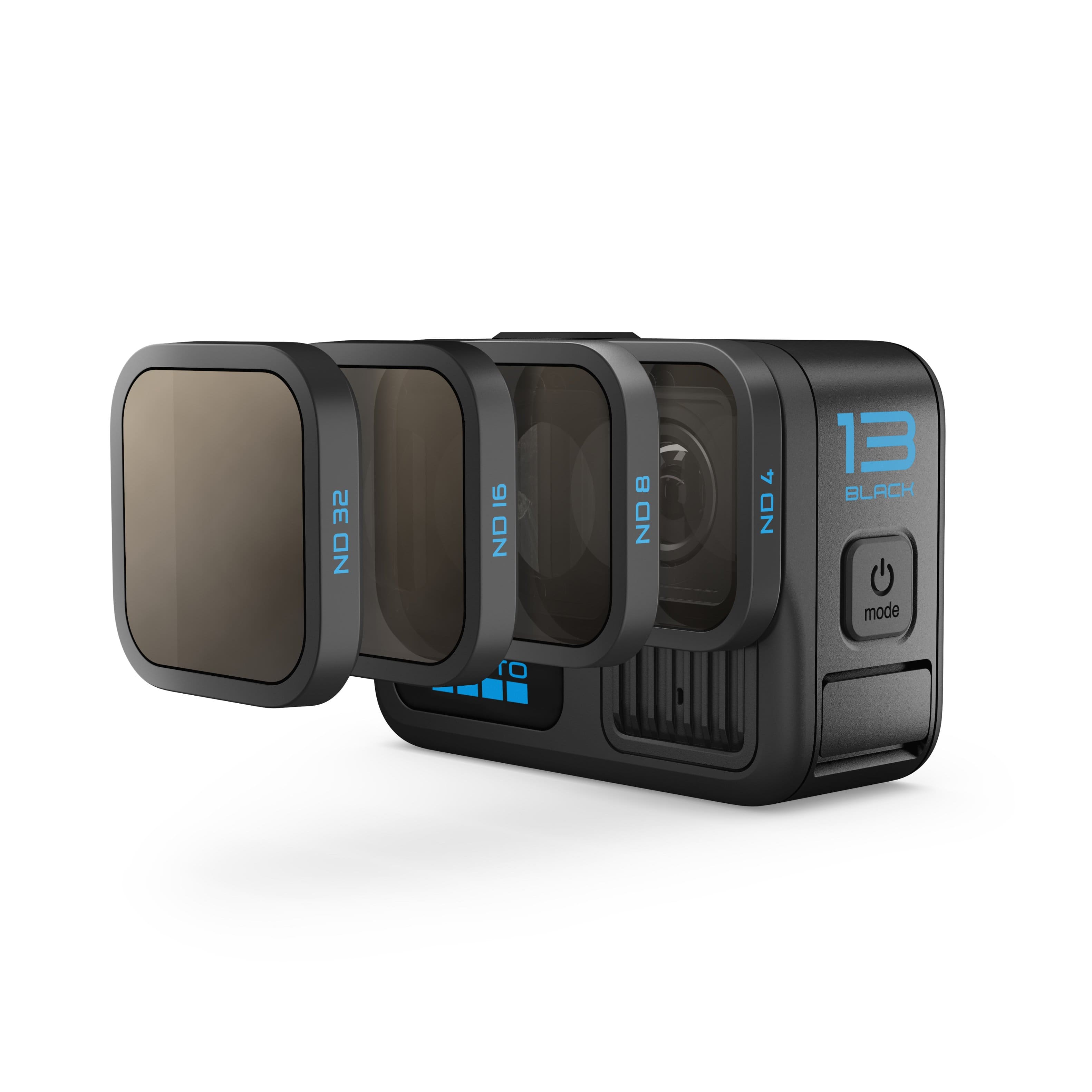
ND Filter 4-Pack (HERO13 Official GoPro Lens
SKU: J3GW35FPG7Great quality. Love the storage box it comes with....I love this camera
See all Lens FiltersProduct Description
A 4-pack of black, scratch-resistant neutral density filters for cinematic motion blur and waterproof performance.Your price for this item is $49.99

Best Sellers



Related Pages





FAQ
A neutral filter, often called a neutral density (ND) filter, is used in photography to reduce the amount of light entering the camera lens without affecting the color balance. This allows photographers to use slower shutter speeds or wider apertures in bright conditions for creative effects such as motion blur or shallow depth of field.
Yes, neutral filters can be stacked with other filters, such as polarizers or color filters, to achieve combined effects. However, stacking multiple filters may increase the risk of vignetting or image softness, especially with wide-angle lenses.
Absolutely! Neutral filters are popular in both photography and videography. In video, they help maintain proper exposure and cinematic motion blur when shooting in bright conditions, allowing for more creative control over your footage.
High-quality neutral filters are designed to reduce light without introducing color casts or degrading image quality. It's important to choose reputable brands to ensure your images remain sharp and color-accurate.
To clean your neutral filter, use a soft microfiber cloth and lens cleaning solution. Avoid using rough materials or household cleaners, as these can scratch or damage the filter's surface. Store your filter in a protective case when not in use to prevent dust and scratches.