Professional Cameras
-
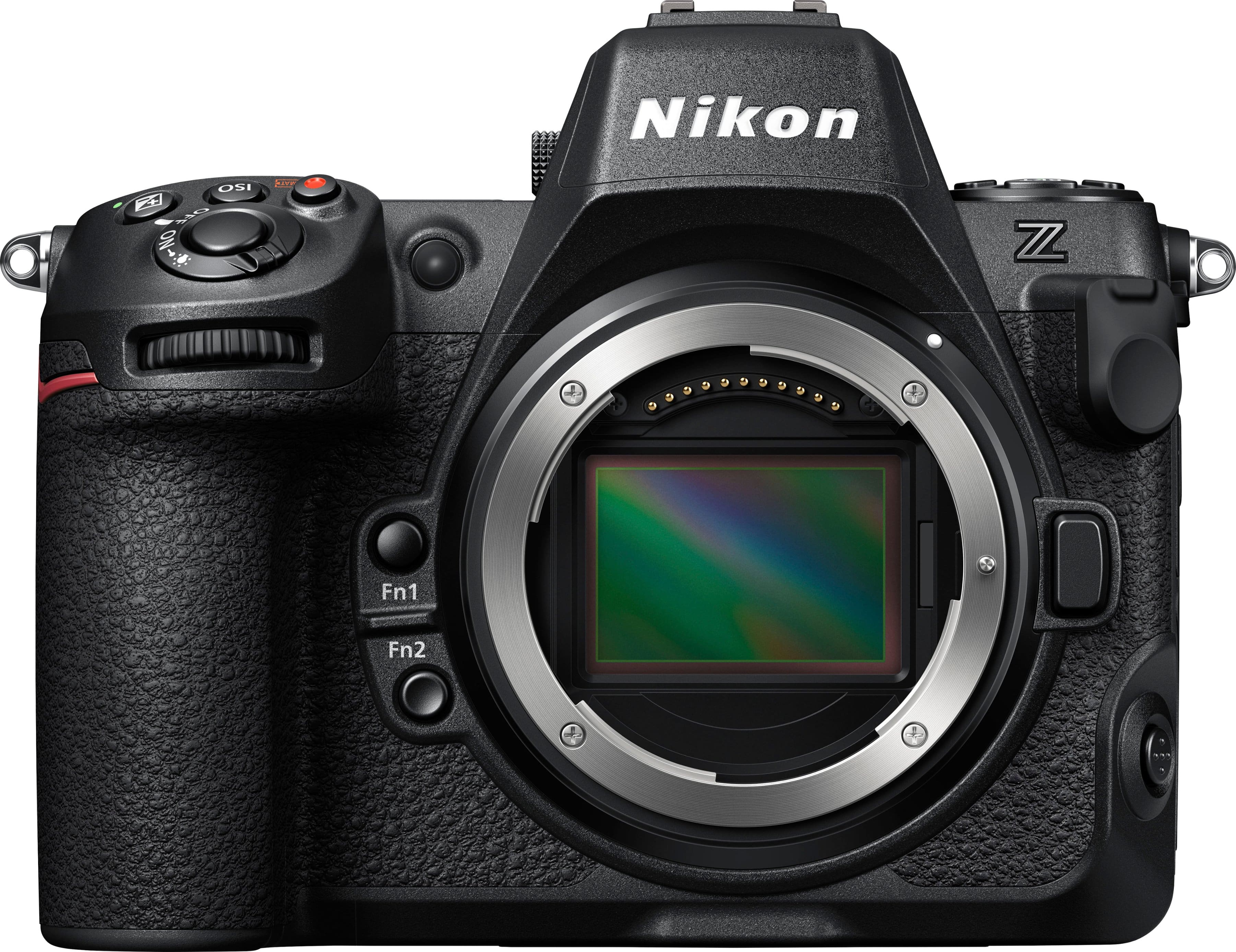
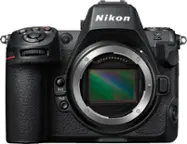
Nikon - Z 8 8K Video Mirrorless Camera (Body Only) - Black
SKU: J7CVR96C2COne of the best cameras I’ve owned so far. Great service from Best Buy...I love this camera, I had z7ii but this is the best....Best camera!
See all Mirrorless CamerasProduct Description
A black mirrorless camera offering 45.7MP stacked CMOS sensor, 8K/60p video, and advanced autofocus.Your price for this item is $3,299.95Save $1000The previous price was $4,299.95 -
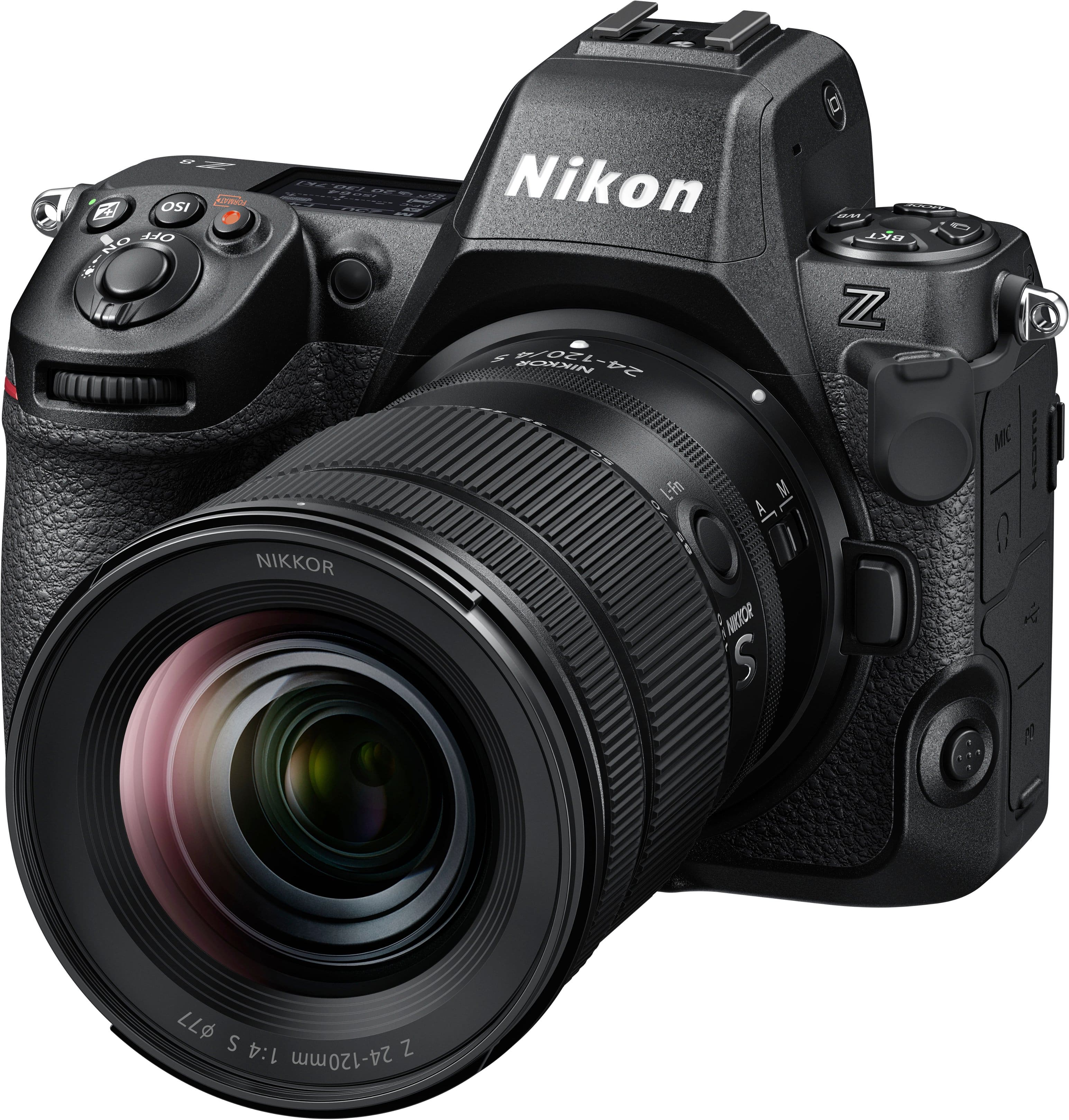
Nikon - Z 8 8K Video Mirrorless Camera with Wide Angle Zoom NIKKOR Z 24-120mm f/4 S lens - Black
SKU: J7CVR96CXLBest of the best!!...Nikon really did a good job with bringing the best design to the Z8....Love this camera...Review - Photography Life. https://photographylife.com/reviews/nikon-z-24-120mm-f-4-s.(4)...
See all Mirrorless CamerasProduct Description
A professional black mirrorless camera offering 45.7MP stills, 8K video, and a versatile 24-120mm f/4 lens.Your price for this item is $4,199.95Save $1000The previous price was $5,199.95 -
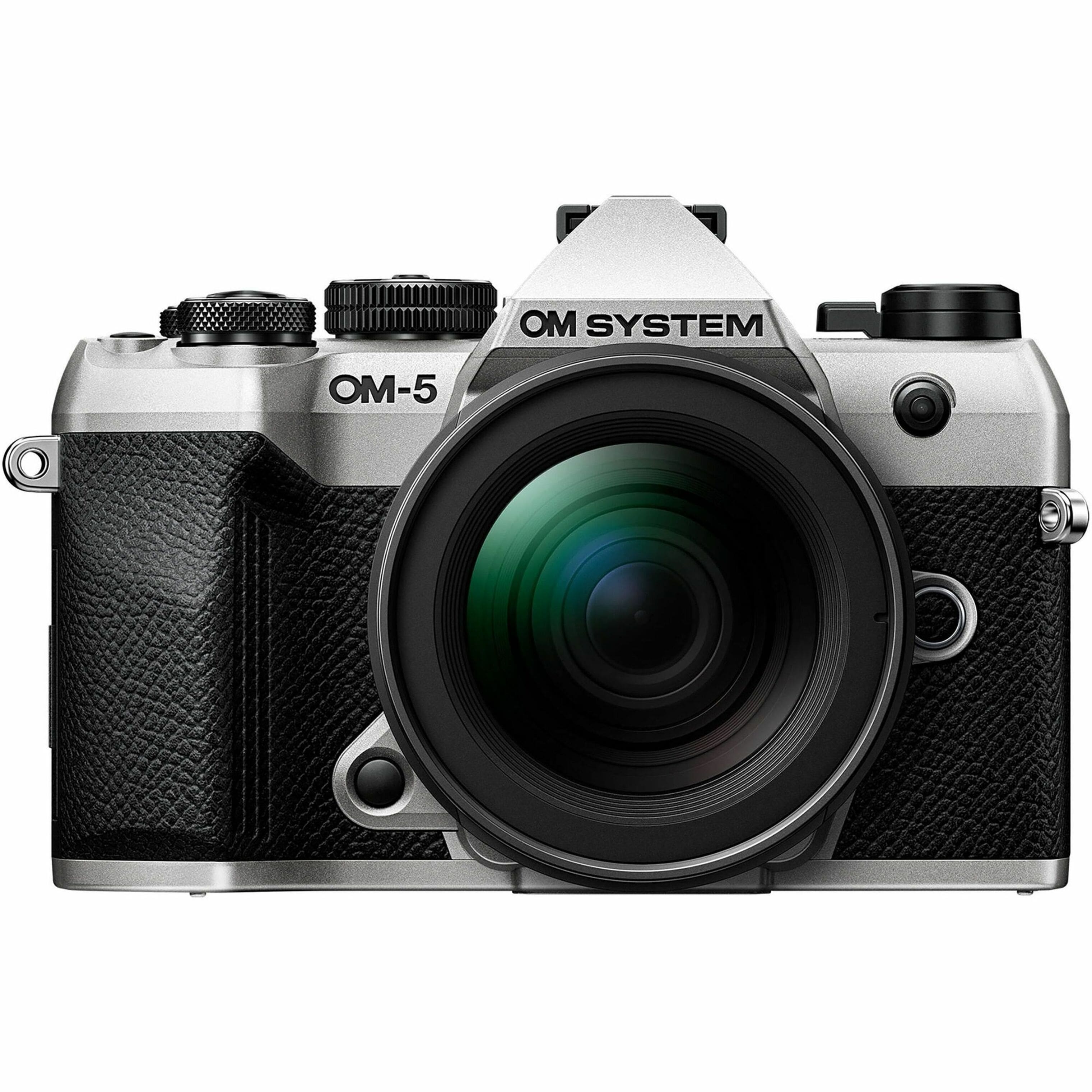
Olympus - V210071SU000 4K Video Mirrorless Camera with Lens - Silver
SKU: J7L8X7P63KSee all Mirrorless CamerasProduct Description
A lightweight silver mirrorless camera offering 20MP photos, 4K video, image stabilization, and built-in GPS.Your price for this item is $1,449.99 -
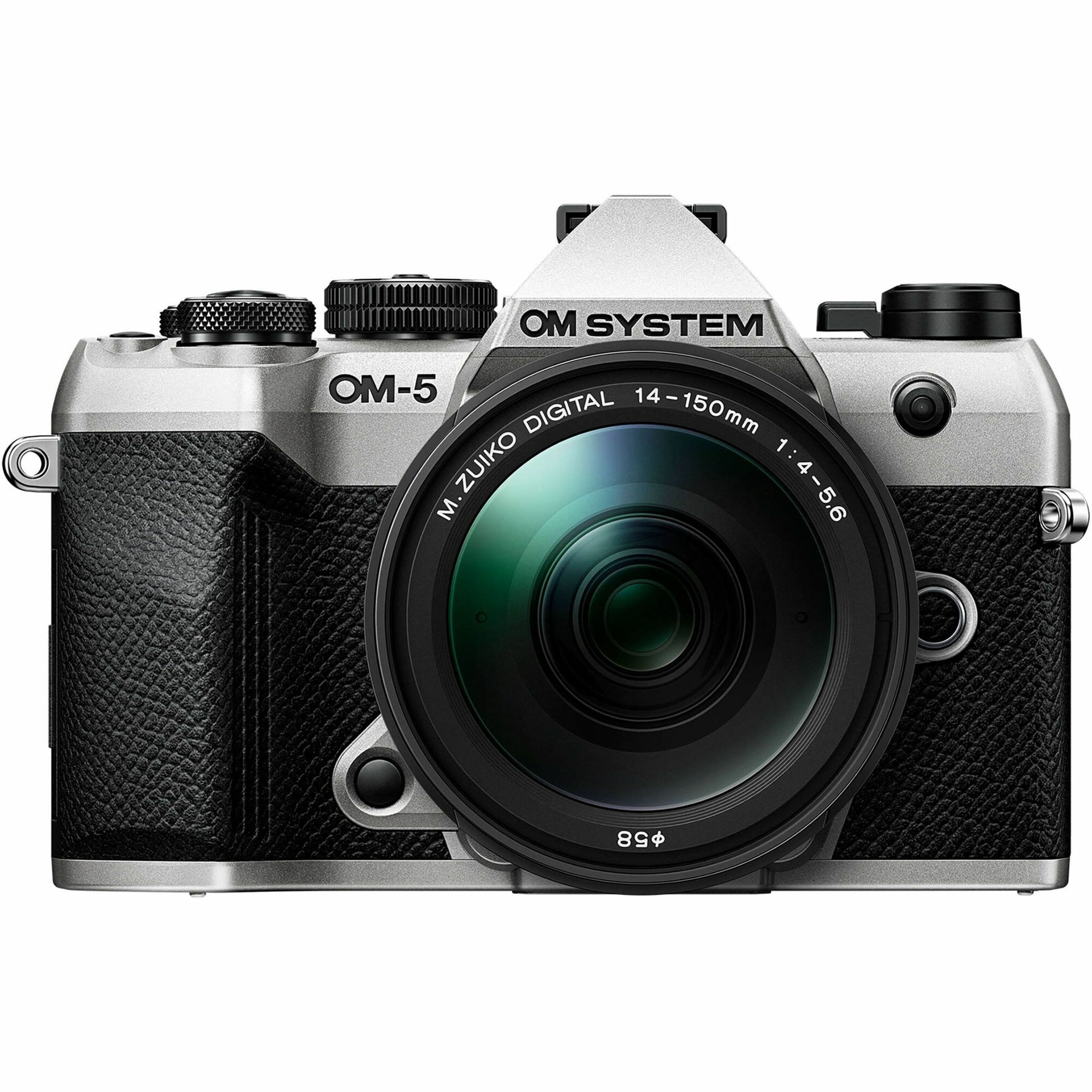
Olympus - V210072SU000 4K Video Mirrorless Camera with Lens - Silver
SKU: J7L8X7P68JSee all Mirrorless CamerasProduct Description
A lightweight silver mirrorless camera offering 20MP photos, 4K video, image stabilization, and built-in GPS.Your price for this item is $1,349.99Save $150The previous price was $1,499.99 -
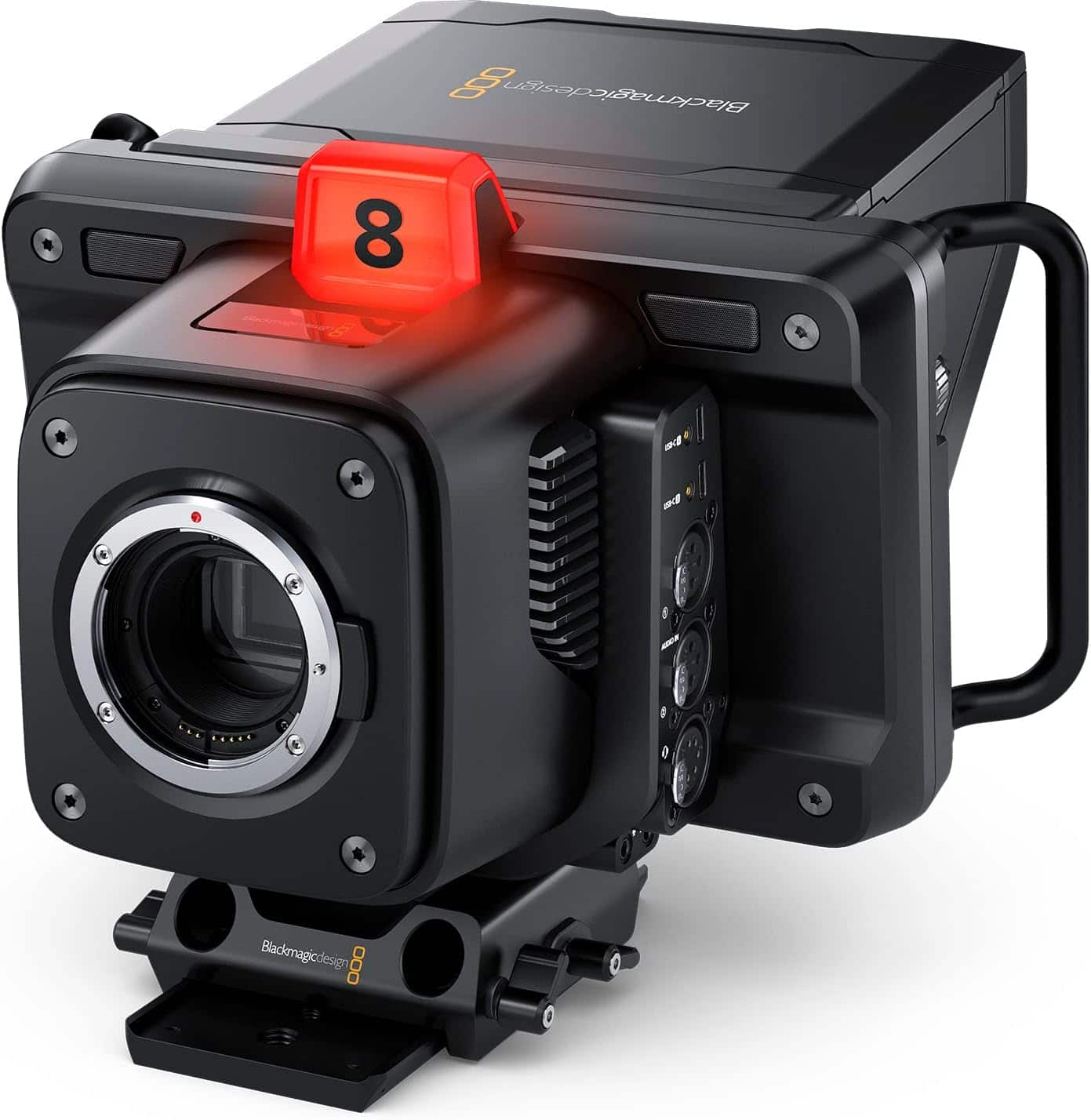
Blackmagic Design - Studio Camera 6K Pro (EF Mount) Live Production Camera
SKU: BS3JY9V94SSee all Mirrorless CamerasProduct Description
A professional live production camera with 21MP CMOS sensor, 4K video, EF mount, and built-in streaming.Your price for this item is $2,835.00 -
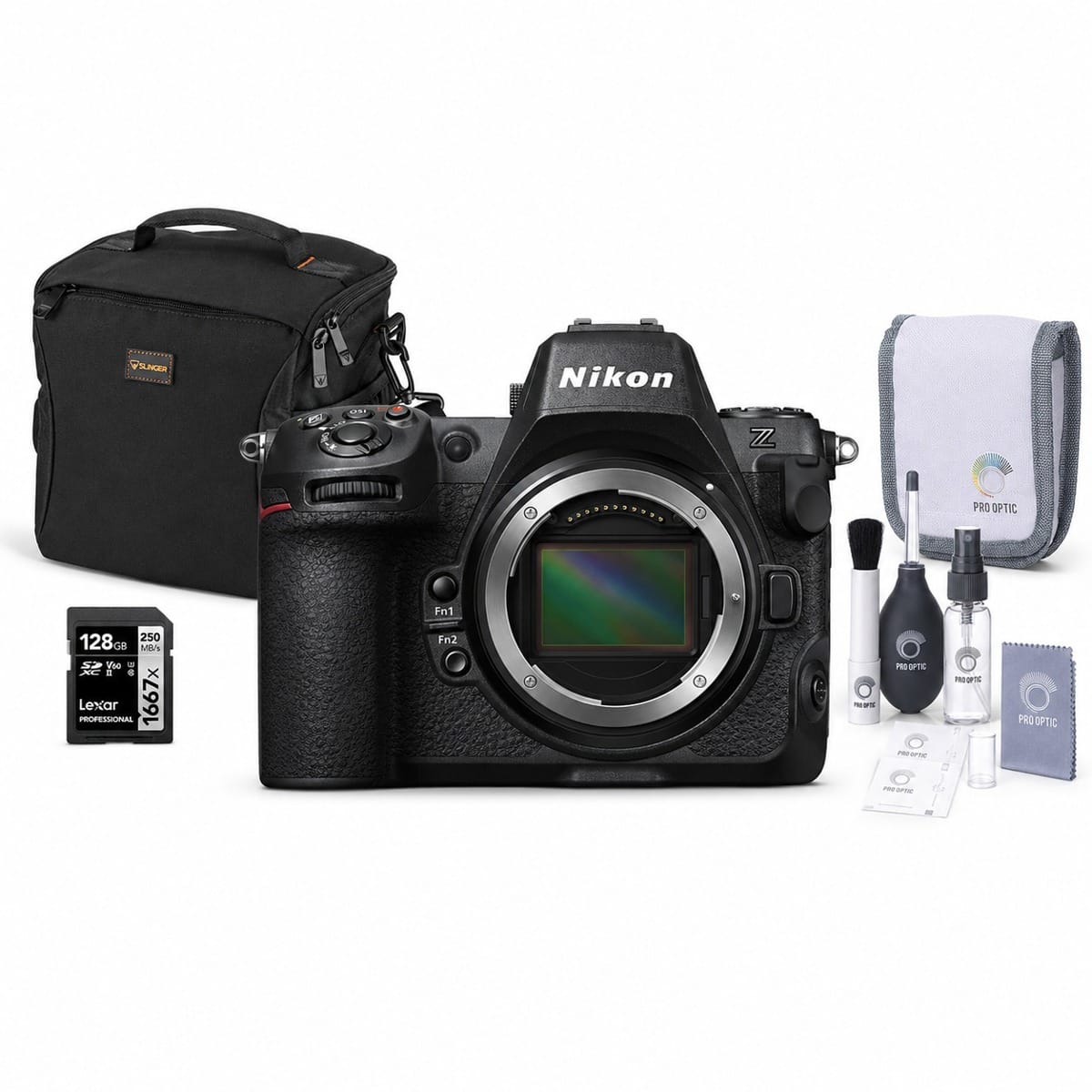
Bundle - Nikon - Z8 Mirrorless Camera, with Shoulder Bag, Cleaning Kit
SKU: JJ89LH9L9PSee all Mirrorless CamerasProduct Description
A professional hybrid camera bundle offering 45.7MP stills, 8K video, advanced autofocus, and essential accessories.Your price for this item is $3,296.95Save $1000The previous price was $4,296.95 -
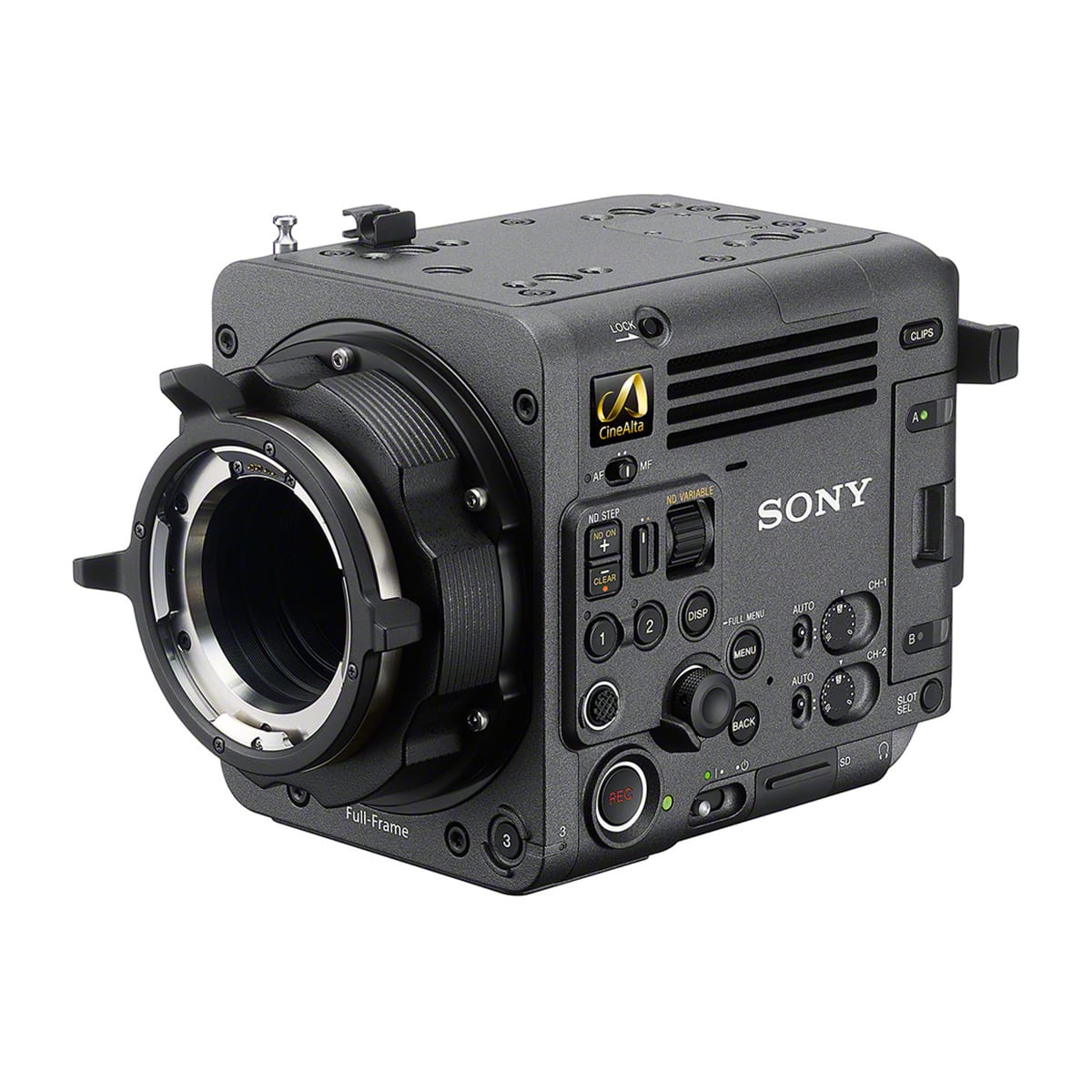
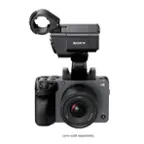
Sony - BURANO 8K Digital Motion Picture Camera
SKU: CXZ8QRR267See all Traditional CamcordersProduct Description
An 8.6K full-frame cinema camera with autofocus, stabilization, variable ND, 16-stop latitude, and interchangeable lenses.Your price for this item is $24,999.00 -
Bundle - ZR Cinema Camera with Advanced Accessories and Travel | 2006 | Nikon RED Z 6k Camera - Black
SKU: J3GWSSGGQWSee all Mirrorless CamerasProduct Description
A compact black cinema camera offering 6K video, 24MP full-frame sensor, advanced autofocus, and image stabilization.Your price for this item is $2,226.95 -
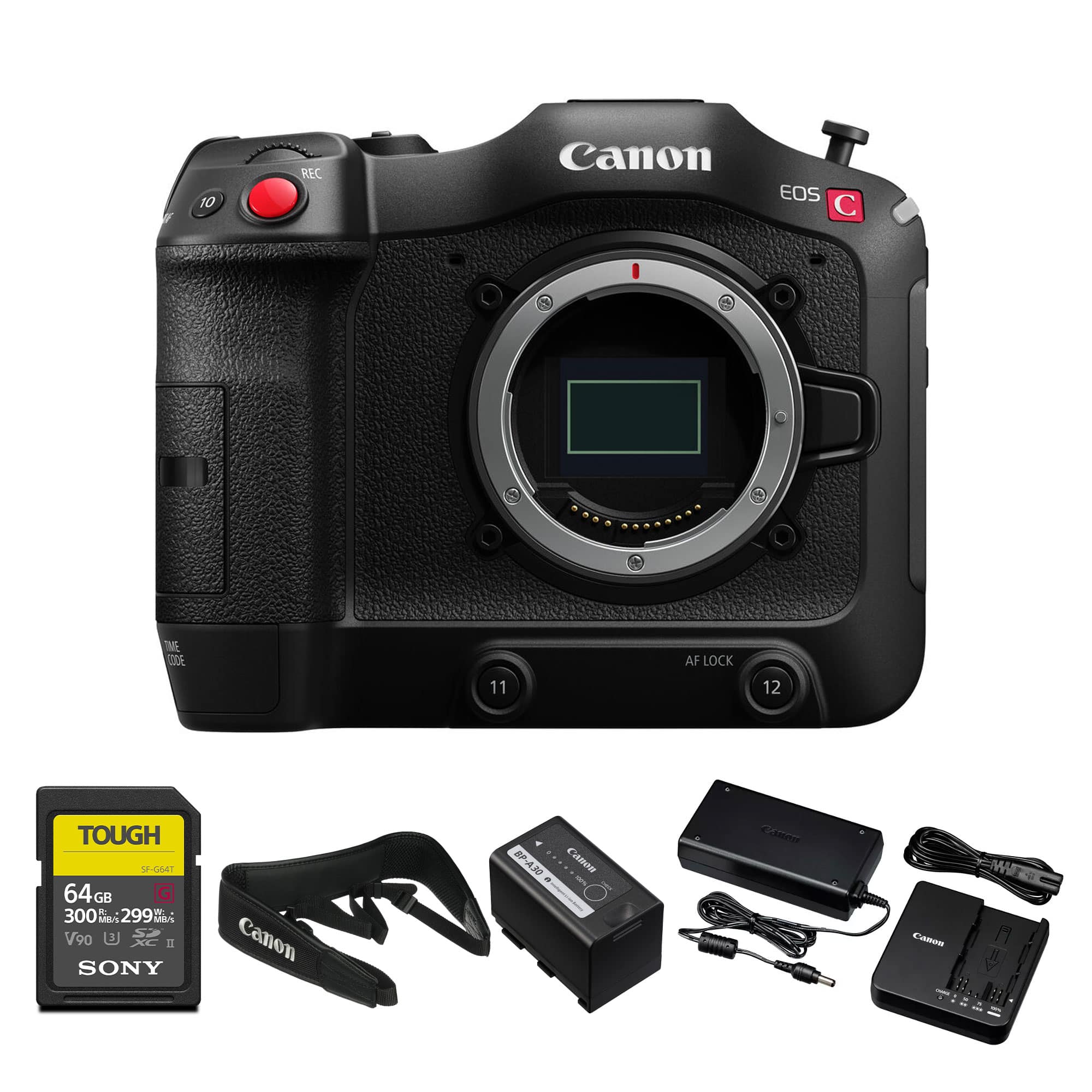
Canon - EOS C70 Cinema Camera + More - Black
SKU: J3R856VXFZSee all DSLR Body OnlyProduct Description
A black cinema camera with a Super 35 sensor, RF mount, ND filters, and 4K 120fps.Your price for this item is $3,699.00 -
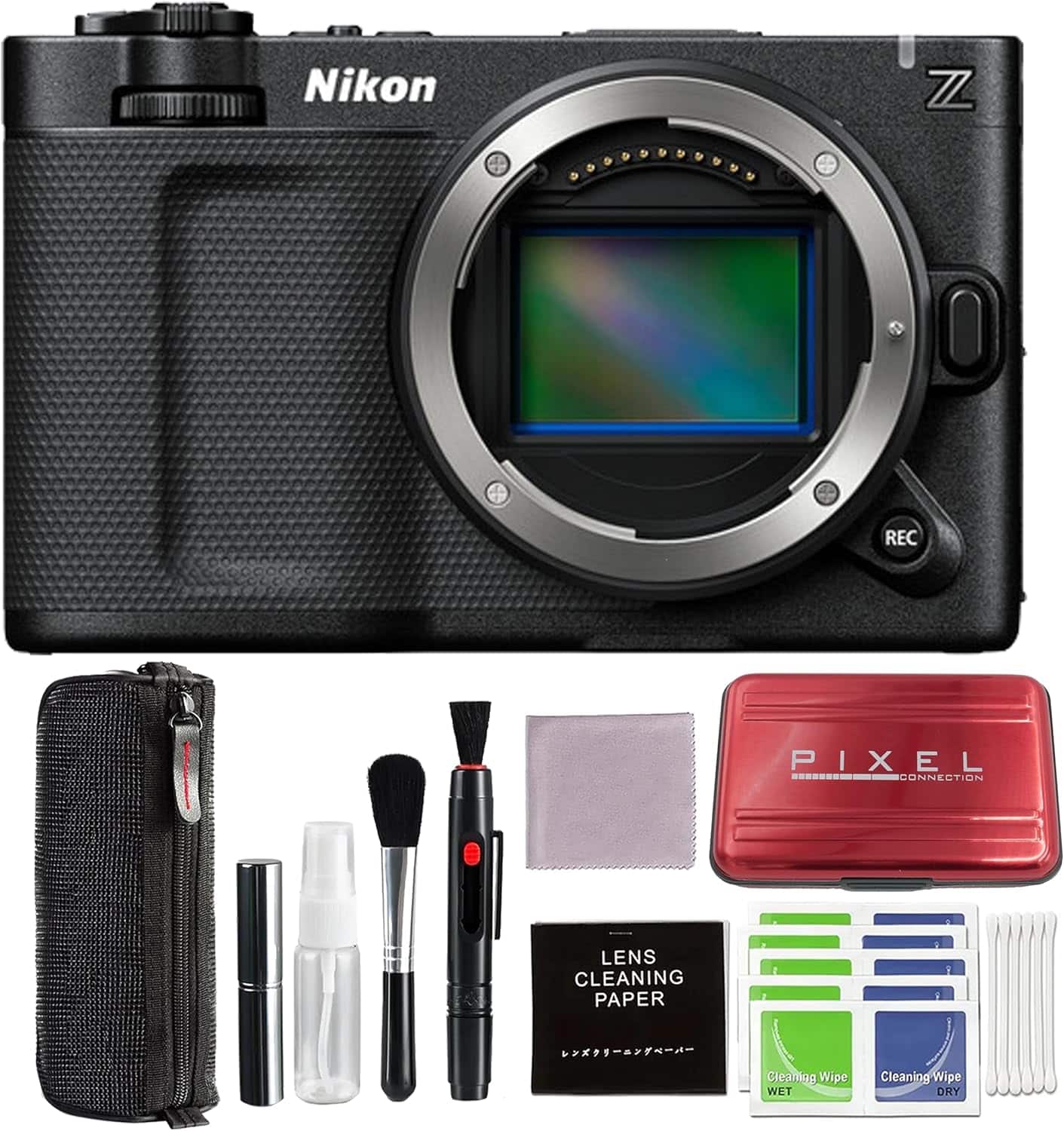
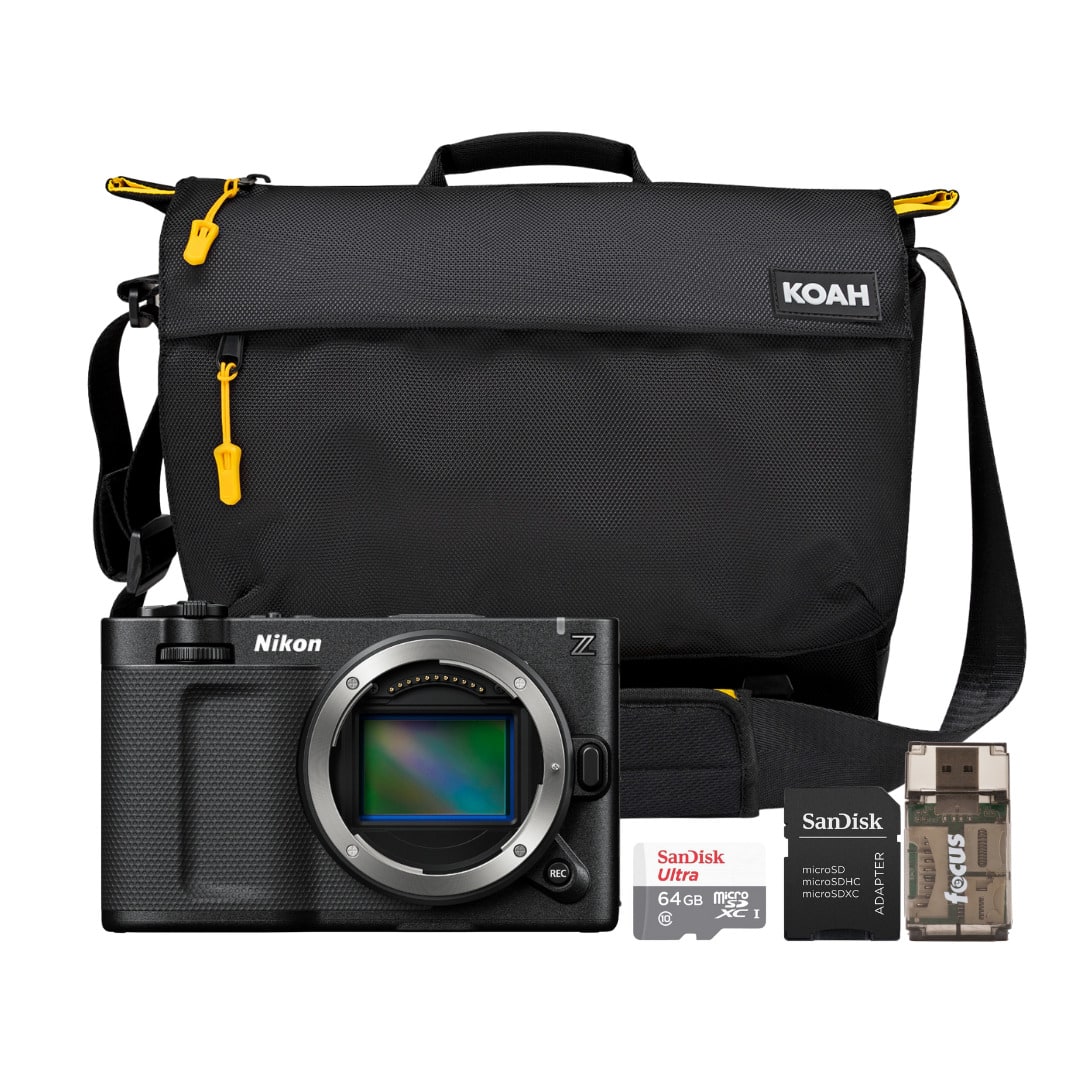
Nikon - RED ZR 6K 24.5MP Cinema Camera Bundle with Bag, 64GB Memory Card & Reader
SKU: JJG2FXYGRYSee all Mirrorless CamerasProduct Description
A red cinema camera bundle offering 24.5MP stacked CMOS sensor, 6K video, and advanced stabilization.Your price for this item is $2,219.00
Best Sellers
![Sony - Alpha 7 III Mirrorless [Video] Camera with FE 28-70 mm F3.5-5.6 OSS Lens - Black](https://pisces.bbystatic.com/image2/BestBuy_US/images/products/6213/6213100_sd.jpg;maxHeight=144;maxWidth=200?format=webp)





Related Pages




FAQ
When choosing a professional camera, consider features such as sensor size, resolution, autofocus capabilities, frame rate, lens compatibility, and manual controls. Additional factors like weather sealing, connectivity options, and battery life can also be important depending on your shooting needs.
DSLR cameras use a mirror mechanism to reflect light into an optical viewfinder, while mirrorless cameras do not have this mirror and rely on electronic viewfinders or LCD screens. Mirrorless cameras are typically more compact and offer faster shooting speeds, while DSLRs often have longer battery life and a wider selection of lenses.
Yes, many professional cameras are equipped with advanced video recording capabilities, including 4K or even 8K resolution, high frame rates, and support for external microphones. These features make them suitable for both photography and videography professionals.
Interchangeable lenses provide flexibility to adapt to different shooting scenarios. Professional photographers often use a variety of lenses—such as wide-angle, telephoto, macro, or prime—to achieve specific creative effects and capture high-quality images in diverse environments.
To keep your professional camera in top condition, regularly clean the lens and sensor using appropriate tools, store the camera in a dry place with proper protection from dust and moisture, update firmware as needed, and handle the equipment carefully to avoid physical damage.