4 Essential Tech Gadgets for Personal Safety
Best Selling Products carousel(6 Items)
In an ideal world, you wouldn’t have to worry about avoiding personal harm. But the fact of the matter is that it’s important to be prepared for the unexpected. By taking steps to stay safe, whether you’re at home or on the go, you can reduce your risk of getting hurt.
One way to stay protected is by having essential personal safety devices on hand. These items not only keep you aware, but they can also notify others when you need help. Keep reading to learn what gadgets to keep at home, in your car, and on your body to ensure your overall protection.
1. Smartwatches
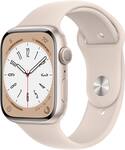
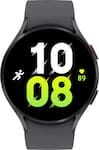
The latest smartwatches do more than just tell time and track your workouts. In addition to the basics, they can also detect when you fall and send help on your behalf. This kind of personal safety device can be crucial when you’re out on a solo jog and take a tumble. A GPS-enabled watch can ping your location so others know where you are located when they answer the call for help.
If you start to feel unsafe while you’re exercising outside or exploring a new area, many smartwatches have a feature that allows you to contact emergency services with the push of a few buttons. This can give you peace of mind in many situations where you might have left your phone at home.
Aside from external dangers, these high-tech wearables can also send you an alert when it senses an irregular heartbeat. With this knowledge, you can promptly seek help from a health care provider to identify the cause and explore preventative measures to keep the issue from recurring. Of course, you don’t want to have a reason to need them, but wearable tech with a personal fall or arrest system is something you won’t regret buying for all the benefits they offer.
2. Emergency radios
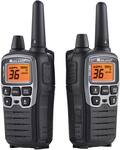
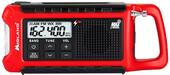
When you’re on a camping trip or hiking in the great outdoors, the chances of having a strong cell signal are often low. That’s why it’s wise to stow a two-way radio in your camping gear or tucked in a backpack pocket. Also referred to as a walkie-talkie, these personal safety gadgets can reach a 60-mile radius or more, depending on the model. Plus, many two-way radios have an emergency weather radio built in to make you aware of inclement weather heading your way.
This benefit matters more than you might realize; in 2021 alone, weather events were the cause of 1,667 injuries and 974 deaths, with the largest number of reported injuries being due to tornadoes.See Disclosure 1 When you’re at home, a weather radio can make a big difference in giving you enough time to take shelter from a severe thunderstorm or high winds. And if you’re thinking of venturing out in a storm, a weather alert radio can inform you about flash floods to avoid areas with impassible roads.
3. Remote car starters
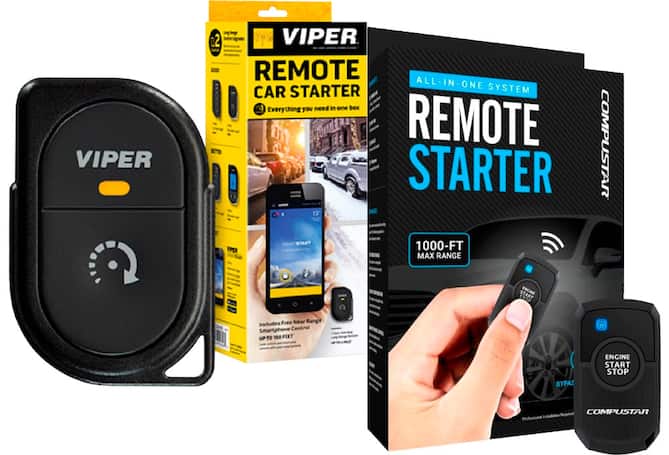
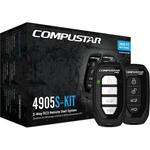
While you may see a keyless car entry system as merely a convenience, it can also double as a personal safety alarm. The key fob used to activate remote car starters also features a button that, when pressed, can be used as a personal alarm. These are popular personal alarms for both women and men because they are very loud and attract a lot of attention.
If you’ve ever been in a parking garage or an empty lot at a shopping center late at night, you might be familiar with the feeling of vulnerability that these scenarios can evoke. Holding a remote start key fob in your hand as a personal protection device as you walk to your vehicle is just an extra layer of precaution. Furthermore, by starting your car remotely, you alleviate the need to wait in your car while it warms up or cools down so you can be on your way more quickly.
4. Medical alert devices
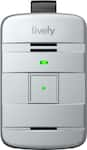
For those whose goal is aging in place, a key personal protection device to look into is a medical alert system. These medical systems are a type of assistive technology that triggers alerts to first responders, caretakers and family members or friends. Some of these devices are activated with the touch of a button, while others are triggered when there is a lack of movement within your home.
A medical alert system with GPS is an ideal choice for an active senior because their exact location can be detected and then sent to family members as reassurance that their loved one is safe. To choose the best personal alarm for an older individual, you will also want to consider the range of the device. For instance, if your family member spends time gardening outdoors or their house has a large footprint, you’ll want the device to stay connected to Wi-Fi or the accompanying console that comes with some systems.
Fortunately, the newest models of these wearable personal safety devices are compatible with smartwatches and cell phones. By signing up for Lively health and safety services offered through certain devices, you can connect with a trained operator whose job is to assist you during your incident or illness and send emergency responders if needed.
Choosing the best personal alarm for your needs
References
Additional information:
These statements and any information contained herein are intended for educational purposes only and are not meant to substitute for medical care or to prescribe treatment for any specific health condition. Carefully review product labels for instructions and important safety information and consider consulting with a health care professional regarding your use of health and wellness products.