What to Know Before Buying a Smart Lighting System
Best Selling Products carousel(7 Items)
Essential questions to ask about Wi-Fi lighting
Smart devices can provide comfort, convenience and security. In addition to these benefits, automation of daily tasks is a popular reason to incorporate smart home tech under your roof. With a tap on a tablet or a vocal command given to a digital assistant, you can manage the thermostat, control your appliances and manipulate the lighting in your home. Smart lighting is an illuminating – pun intended – example of the extraordinary potential of an automated home.
Have you been considering an upgrade to smart lighting? Thanks to the wide variety of brands on the market, you have plenty of high-tech options to choose from. Read ahead to see a few questions and answers about how smart lighting works and how it can work for you.
What is a smart lighting system?
What are the advantages of smart lighting?
Smart lighting systems afford a variety of advantages. The benefits of smart lighting include:
- Energy efficiency
- Customization
- Security
- Atmosphere
- Ease of use
Smart lighting saves energy by providing light only when you need it and powering down when you don't. As a result, these eco-friendly systems deliver long-term savings on your energy bill, which supports sustainable living. Versatility is another big draw of smart lighting because you can match it to your moods and your requirements: bright for focused work times, soft for downtime. Additionally, smart lighting can integrate with a home security system which enables remote manipulation (or preprogramming) of the lights while you're away. The dynamic range of colors available in a smart light lends itself to create a festive, mellow or romantic atmosphere; many smart lights sync with music for added ambiance. When connected to other devices on a home’s shared internet service, you can adjust these lights through devices like smart displays and speakers.
How does smart lighting work?
Smart lighting works through a wireless connection. The system incorporates smart outlets and plugs, but the smart bulb provides the most pivotal element. The typical smart bulb has a light-emitting diode (LED) that illuminates more efficiently than incandescent, halogen or fluorescent bulbs. LEDs also create millions of colors.
Accent lighting features prominently in a smart lighting system. Light strips and strings add decorative and atmospheric flair to a home. These lights offer the same control and customization as smart bulbs.
Individual smart bulbs and strips connect directly via Bluetooth to a personal device for manipulation from anywhere in the home. When connected to a smart hub ― hardware or software that bridges all the smart devices and appliances in your home ― your lighting responds to commands made from anywhere you can access the internet. With this functionality, you have the power to use your computer or tablet at the office to make sure you have turned off your lights at home.
Who installs smart lighting?
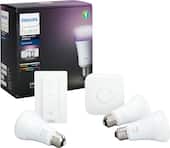
Some smart lighting simply involves screwing in a smart light bulb then downloading an app on your device and your smart lighting installation is complete. You can start controlling power, brightness, color and warmth for that one fixture. With more smart bulbs and a viable hub, your smart lighting system grows. Several smart lighting kits provide enough elements ― bulbs, bridges and light strips ― to outfit multiple rooms and ensure full control of your lights from anywhere. Most kits promote user-friendliness as the feature that sets them apart.
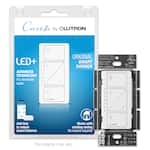
Some outlets and hard-wired smart switches and dimmers, require a professional installation. In this case, be sure to put your safety first and find a licensed electrician. You can also schedule a smart home setup and installation service from trained technicians through Best Buy.
Are there downsides to smart lighting?
Smart lighting relies on a network signal to operate. If your wireless connection goes down, you may not be able to manipulate your lights. Thankfully, router technology is improving every day and battery backups can keep your signal going even during a power outage.
Studies link the blue light produced by LED lights to eye strain and interruptions in sleep patterns. However, smart lights provide their own solution. You can adjust the light to produce warmer colors that go easy on your eyes.
Is smart lighting worth the expense?
LED bulbs cost more than incandescent bulbs. However, the long life of smart bulbs offset their cost over their lifetime. Customized control and thoughtful programming cuts down on wasteful use. Fewer replacements and lower energy requirements save money in the long run.
How quickly and thoroughly you convert to smart bulbs depends entirely on your needs. You can start with a bulb or two in a lamp or overhead light and see how well smart lighting fits your lifestyle. Consider incorporating smart outlets in your home as another experiment with smart home lighting. A smart power strip won't give you the dynamic range of a smart bulb, but it delivers the remote control of light sources at a modest price.
There are so many ways to bring smart lighting into your life. On top of that, it takes very little to incorporate the technology. Select the smart lights that make the most sense for you so you can provide your home with the comfort and convenience you deserve.