Audio Engineering Speakers
-
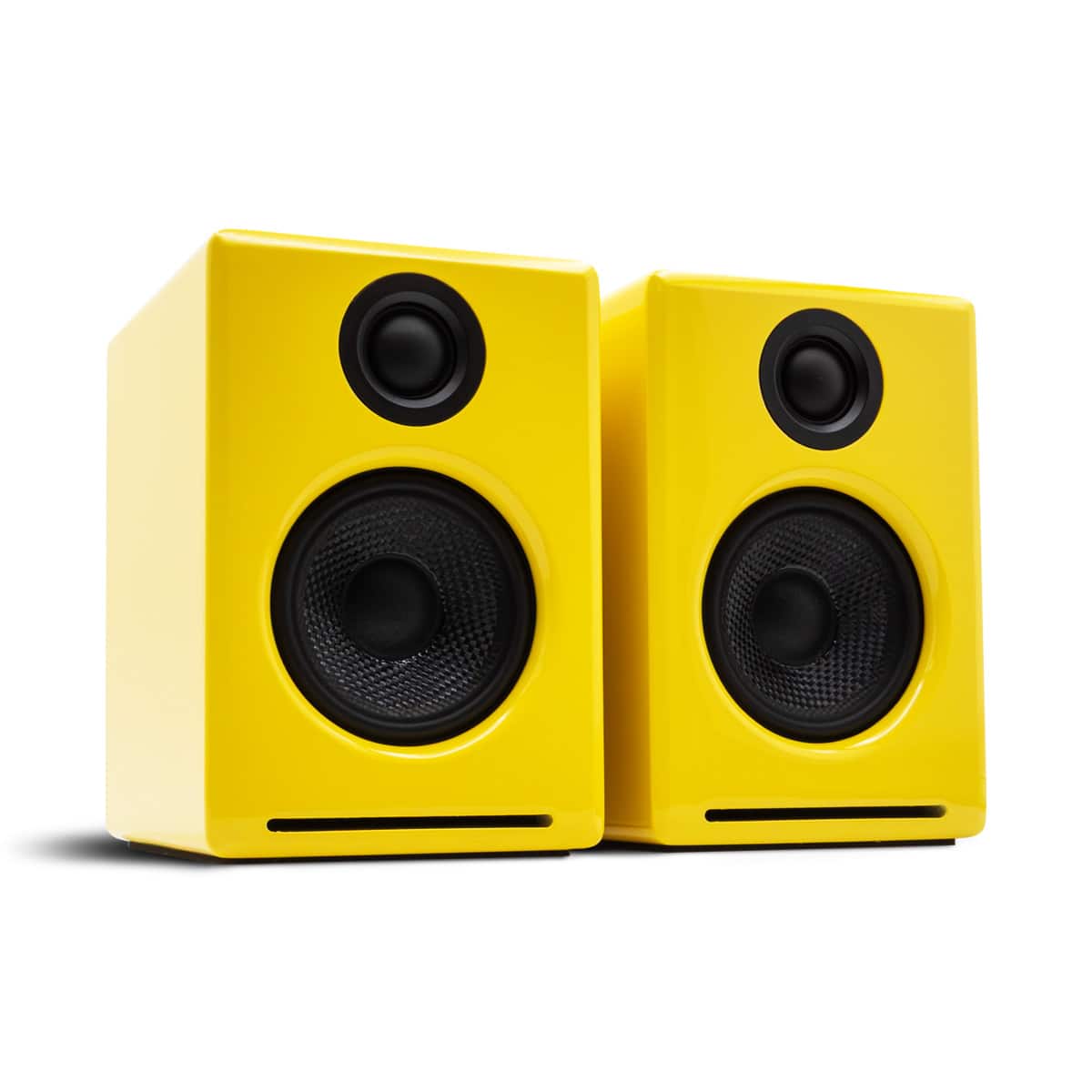
Audioengine - A2+ 2026 Color of the Year Edition w/ Bluetooth aptX-HD - Limoncello Yellow
SKU: J3RQT479GFSee all Bookshelf SpeakersProduct Description
A pair of limoncello yellow, hand-finished wood speakers delivering 24-bit Hi-Fi audio with Bluetooth aptX-HD.Your price for this item is $299.00 -
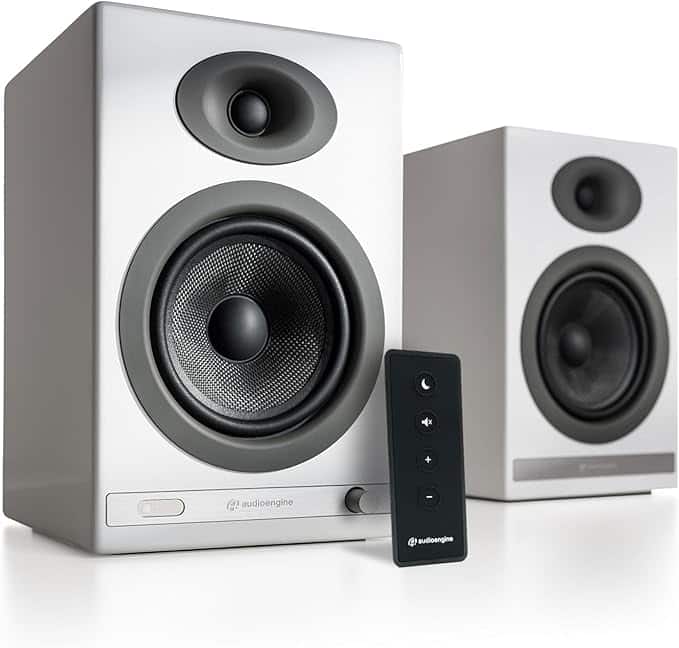
Audioengine - HD5 150W Bluetooth Home Theater Speakers with aptX-HD - Hi-Gloss Piano White
SKU: J3RQT47SKPSee all Bookshelf SpeakersProduct Description
A pair of hi-gloss piano white Bluetooth speakers delivering 150W of high-fidelity sound with aptX-HD support.Your price for this item is $599.00 -
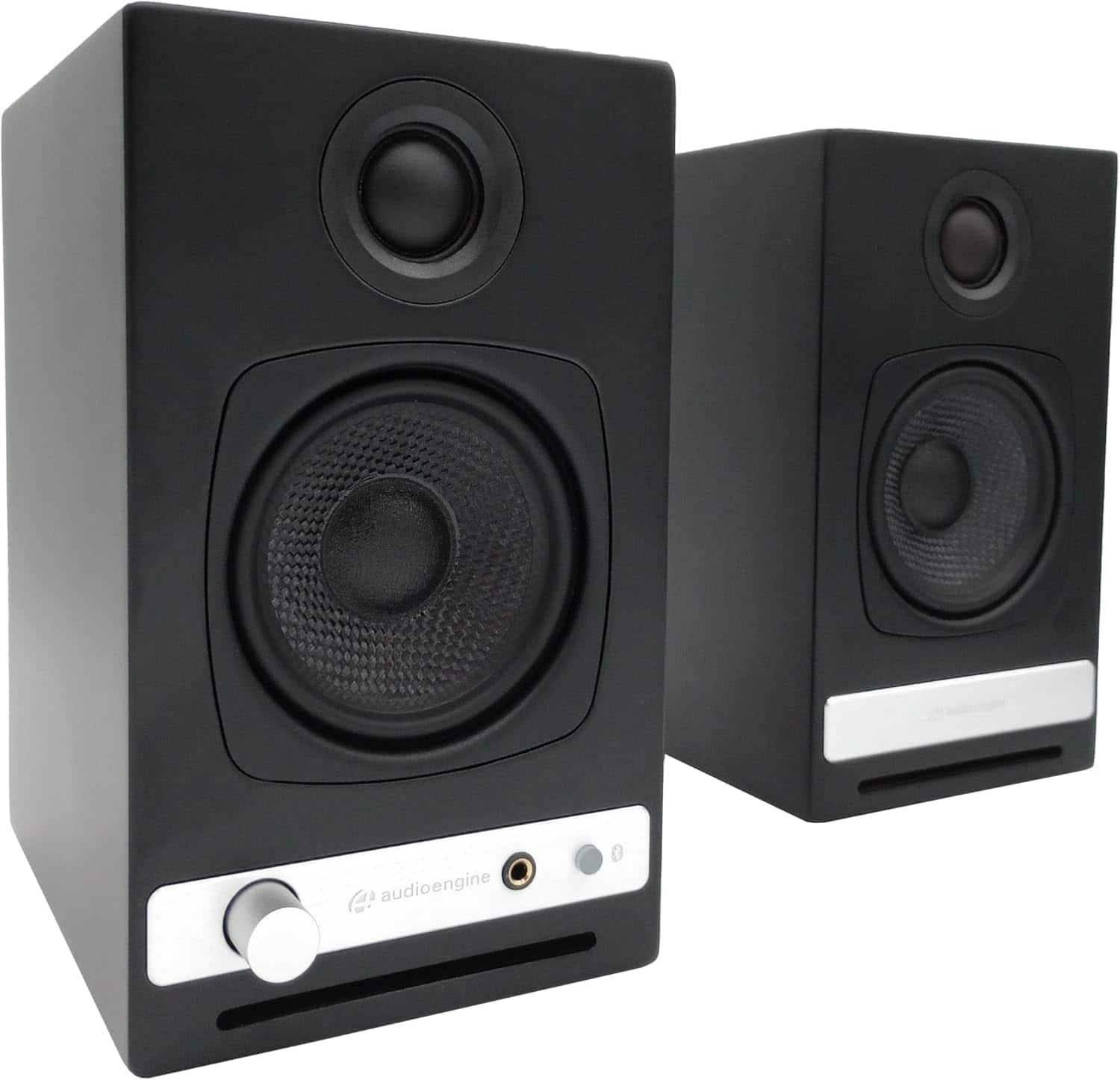
Audioengine - HD3 Next Gen Premium Desktop Speakers System w/Bluetooth aptX-HD (A2-HD) - Black
SKU: J3RQT47SG8See all Bookshelf SpeakersProduct Description
A versatile black desktop speaker system offering wired and Bluetooth aptX-HD connectivity with a built-in headphone amplifier.Your price for this item is $359.00 -
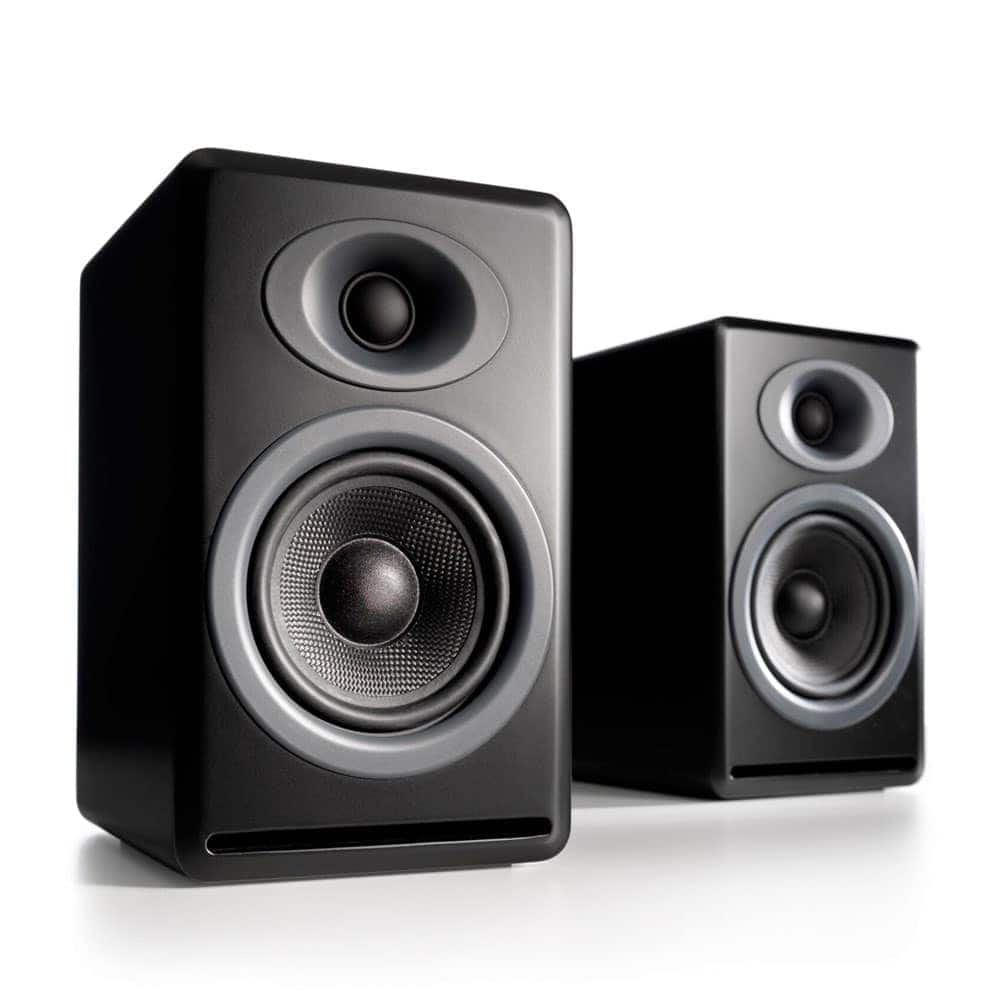
Audioengine - P4 Passive Speakers - Black
SKU: J3YL6P867QSee all Passive Bookshelf SpeakersProduct Description
A pair of sleek black passive bookshelf speakers designed for stereo receivers, amps, and tube amplifiers.Your price for this item is $249.00 -
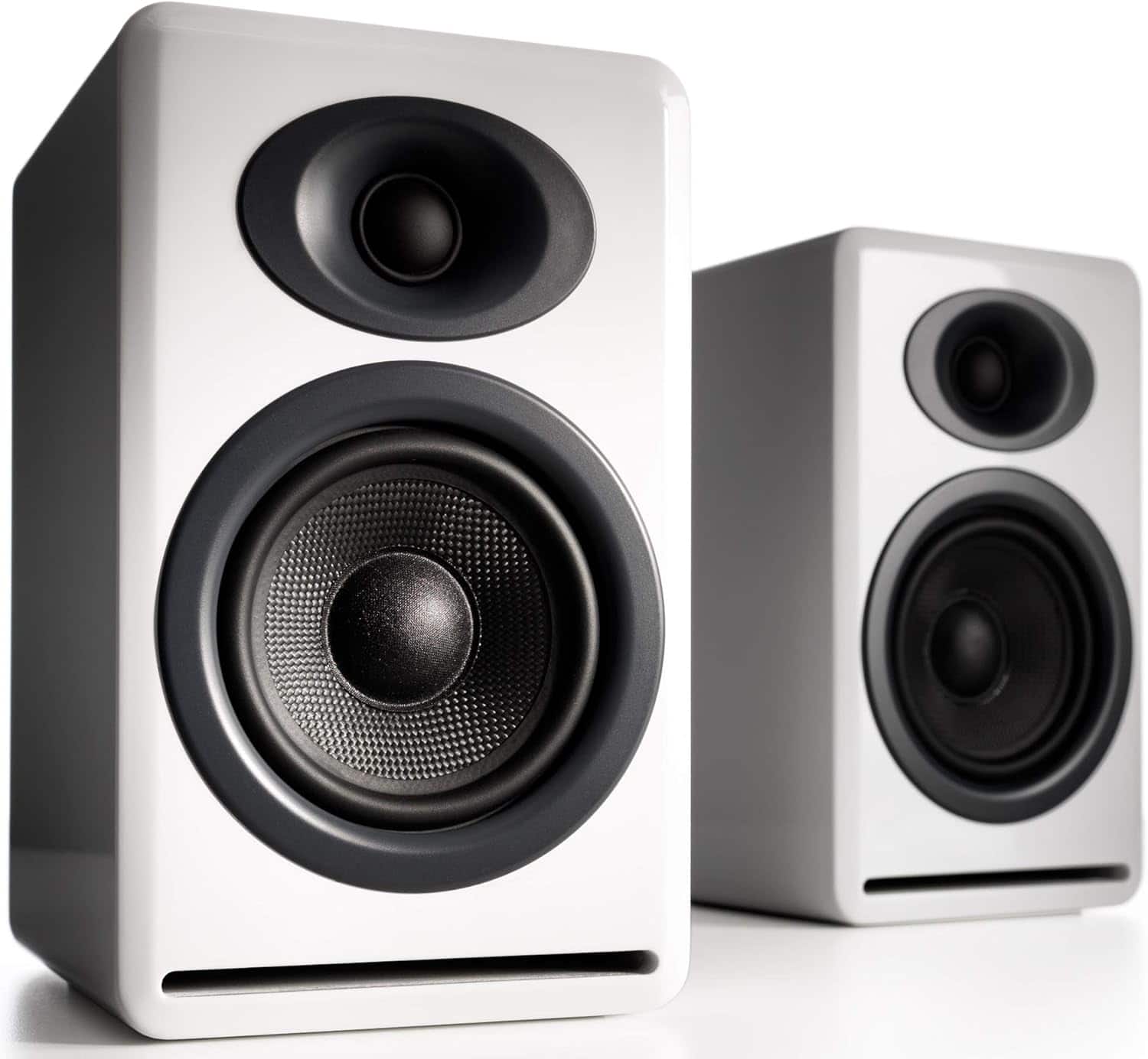
Audioengine - P4 Passive Speakers - White
SKU: J3YL6PGX7RSee all Passive Bookshelf SpeakersProduct Description
A pair of sleek white passive bookshelf speakers designed for stereo receivers and integrated amplifiers.Your price for this item is $249.00 -
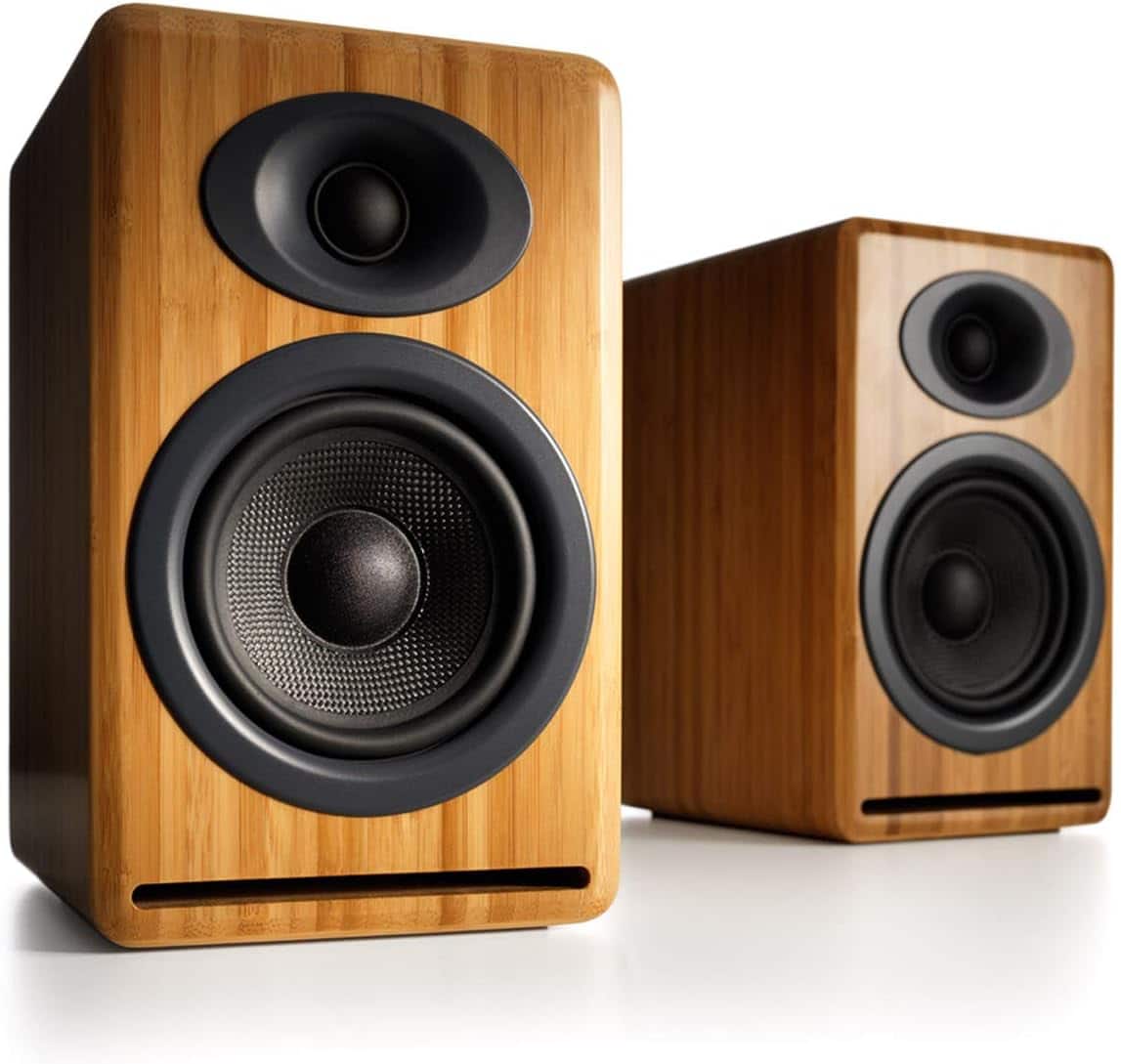
Audioengine - P4 Passive Speakers - Bamboo
SKU: J3YL6PLS7KSee all Passive Bookshelf SpeakersProduct Description
A pair of sleek bamboo bookshelf speakers designed for stereo receivers, integrated amps, and tube amplifiers.Your price for this item is $325.00 -
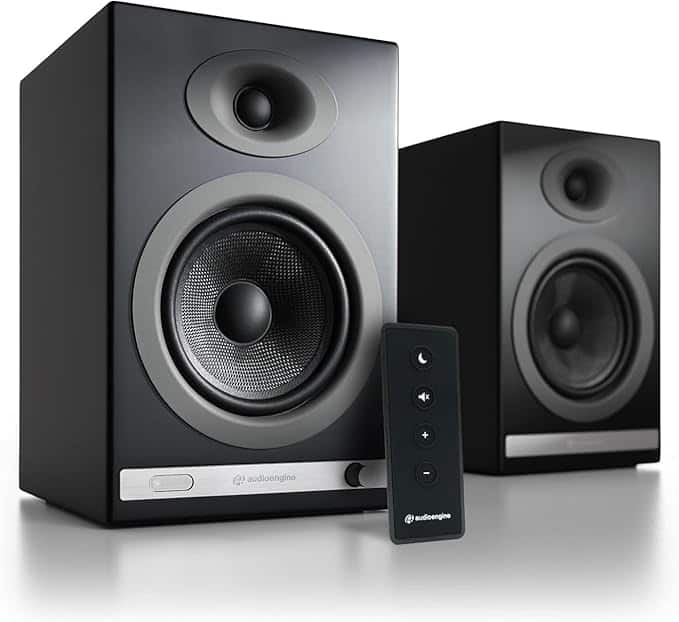
Audioengine - HD5 150W Bluetooth Home Theater Speakers with aptX-HD - Matte Black
SKU: J3RQT47SK2See all Bookshelf SpeakersProduct Description
A pair of matte black Bluetooth bookshelf speakers delivering 150W high-fidelity sound with hand-built wood cabinets.Your price for this item is $599.00 -
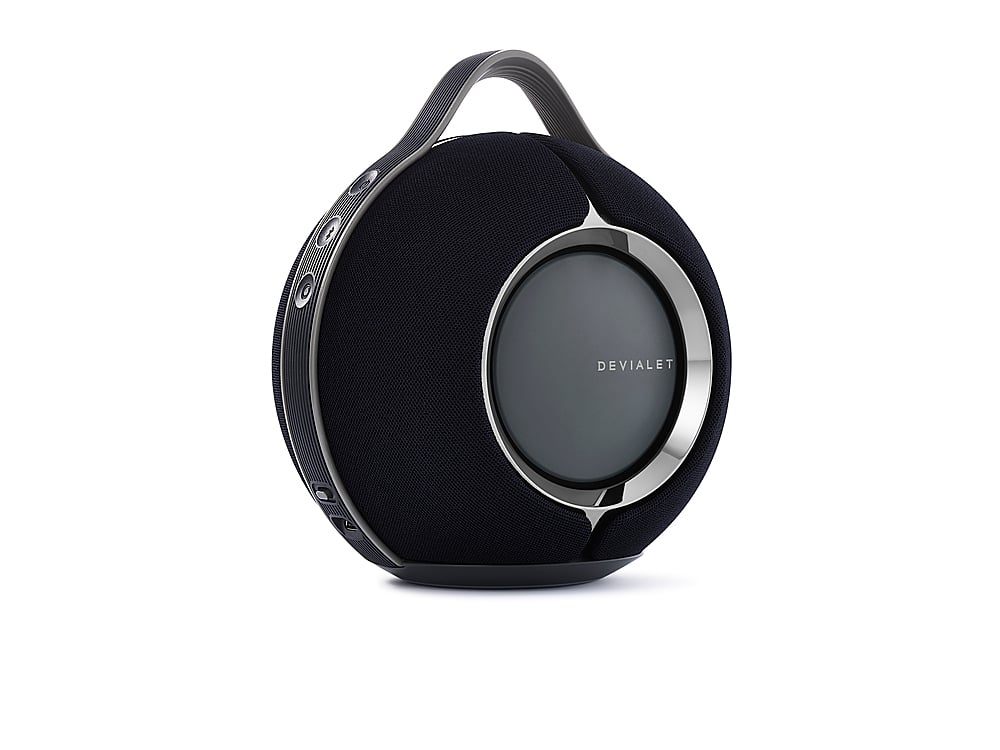
Devialet - Mania Portable Bluetooth and Wi-Fi Capability Speaker (w/Charging Dock) - Deep Black
SKU: JV73YQ9YPVSee all Bluetooth & Wireless SpeakersProduct Description
A portable deep black speaker delivering 360° stereo sound with Bluetooth, Wi-Fi, Alexa, and charging dock.Your price for this item is $899.00 -
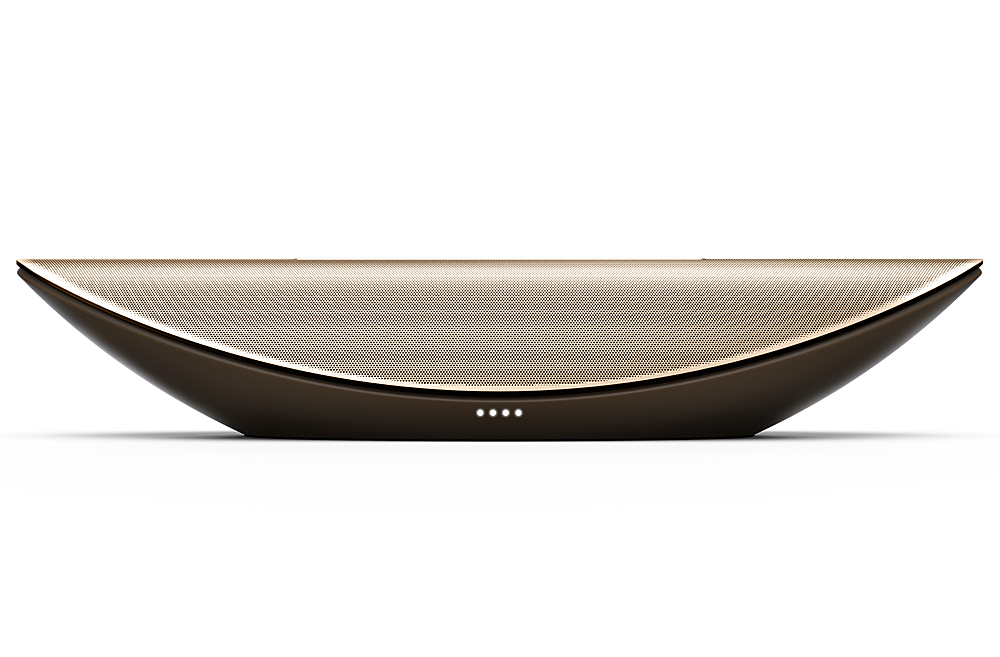
Cleer - Smart Audio Speaker - Champagne
SKU: J39ZC7GPWHSee all Bluetooth & Wireless SpeakersProduct Description
A champagne-colored smart speaker featuring eight full-range drivers, dual subwoofers, and advanced SoundShaping™ technology.Your price for this item is $699.99 -
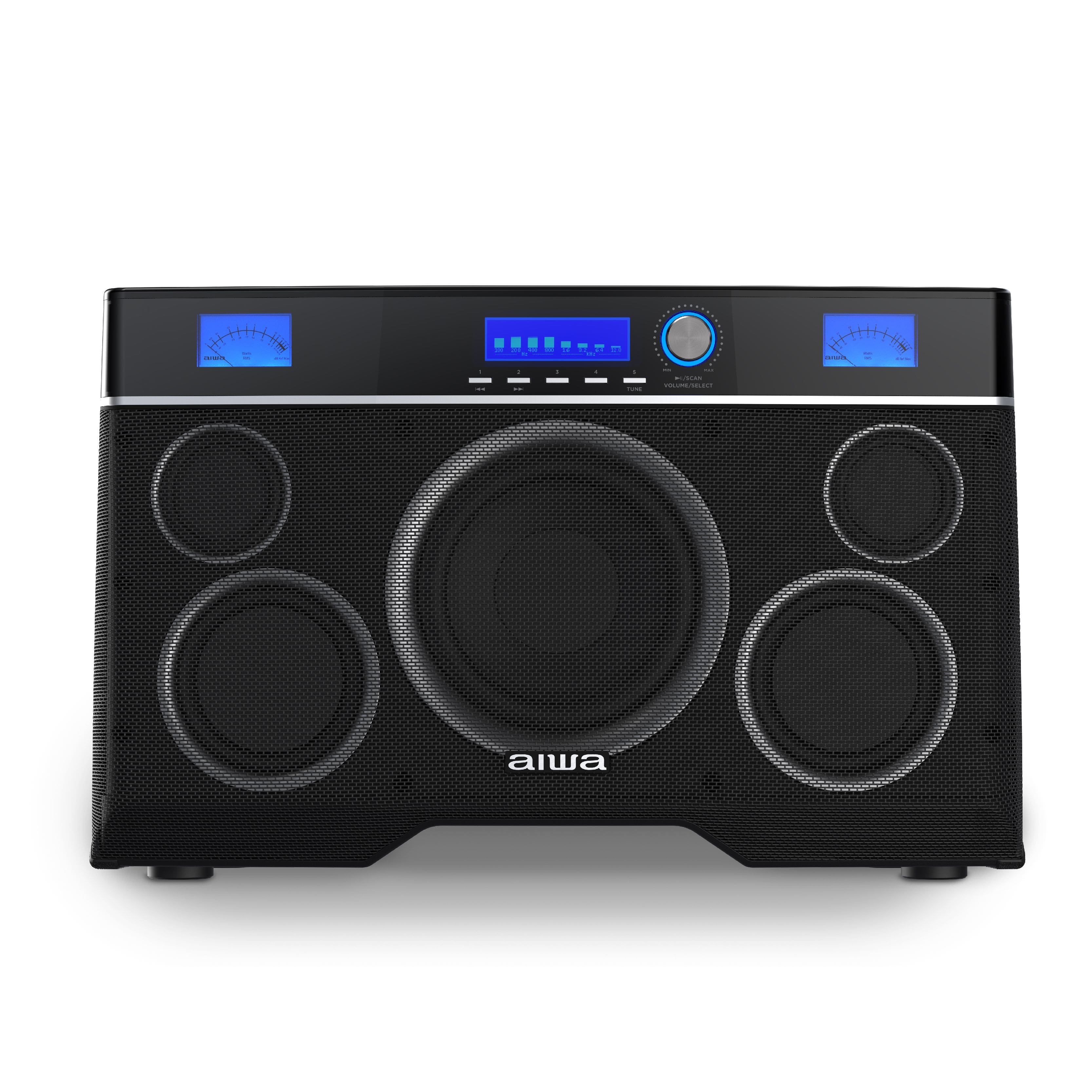
Aiwa - Exos-10 Bluetooth Stereo Speaker With Lcd Display & Carry Strap Included, Ideal For Outdoor & Indoor Adventures
SKU: J729YGQ6W8Love this....Love it!
See all Bluetooth & Wireless SpeakersProduct Description
A rugged Bluetooth speaker with LCD display, carry strap, and immersive high-fidelity sound for any adventure.Your price for this item is $399.99
Best Sellers


Related Pages

FAQ
When selecting audio engineering speakers, consider features such as flat frequency response for accurate sound reproduction, connectivity options like XLR or TRS inputs, built-in amplifiers (active speakers), room correction technology, and adjustable EQ settings to tailor the sound to your studio environment.
Studio monitors, commonly used for audio engineering, are designed to deliver a neutral and uncolored sound, allowing you to hear every detail in your mix. Regular speakers often enhance certain frequencies for a more pleasing listening experience, which can mask imperfections in audio production.
Yes, you can use audio engineering speakers for everyday listening. However, keep in mind that they are designed to provide a flat and accurate sound profile, which may sound different compared to consumer speakers that emphasize bass or treble.
While some audio engineering speakers can connect directly to your computer via standard outputs, using an audio interface is recommended for the best sound quality and more reliable connectivity, especially in professional or home studio setups.
For optimal sound, position your speakers so they form an equilateral triangle with your listening position, keep them at ear level, and avoid placing them directly against walls or in corners to reduce unwanted reflections and bass buildup.