Best Home Theater Subwoofer
-
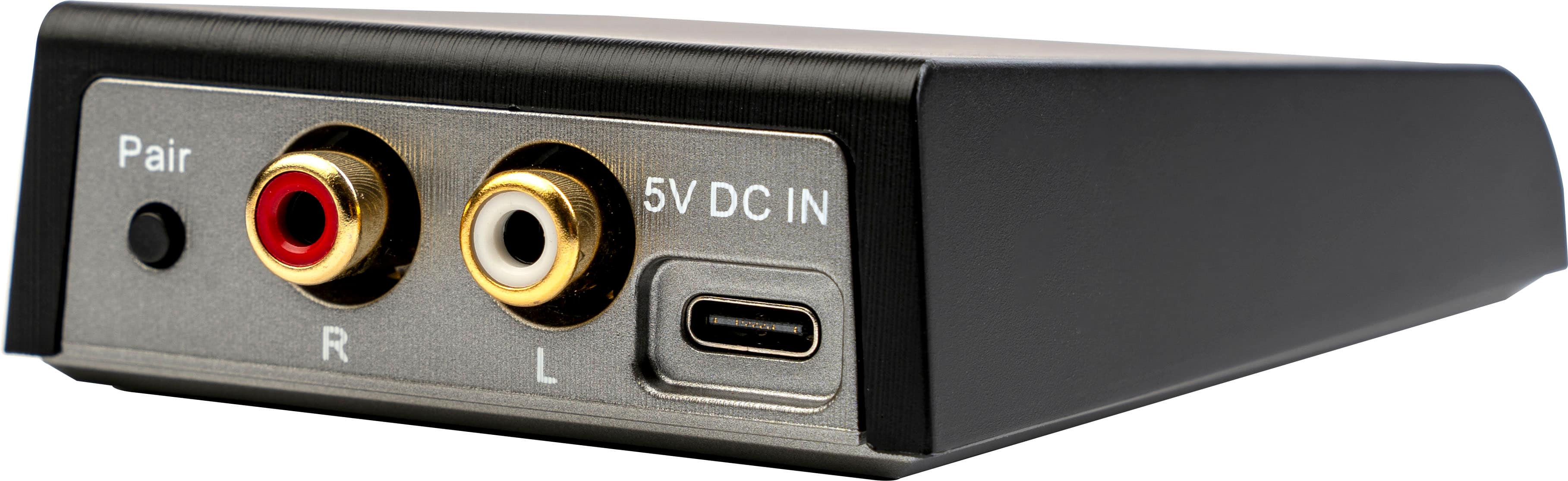
MartinLogan - WSK-1 Universal Wireless Subwoofer Connection Kit - Black
SKU: J3GW8RFWC9See all Subwoofer AccessoriesProduct Description
A black wireless connection kit that lets you link any RCA subwoofer to your audio system cable-free.Your price for this item is $99.99 -
Sonance - MAG5.1 PREMIUM - Mag Series 5.1-Ch. Premium 6-1/2" Surround Sound In Wall Speaker System with Wireless Subwoofer (Each) - Paintable White
SKU: J78WL7SZ6XSonance speakers the best of the best...Best home theater speakers system , easy to install easy to set up with the receiver great sound sub...Great sound quality. Looks. Experience. Love the system.
See all Surround Sound In-Wall & In-Ceiling SpeakersProduct Description
A premium 5.1-channel in-wall surround sound system in paintable white with a wireless subwoofer.Your price for this item is $1,199.00Save $3300The previous price was $4,499.00 -
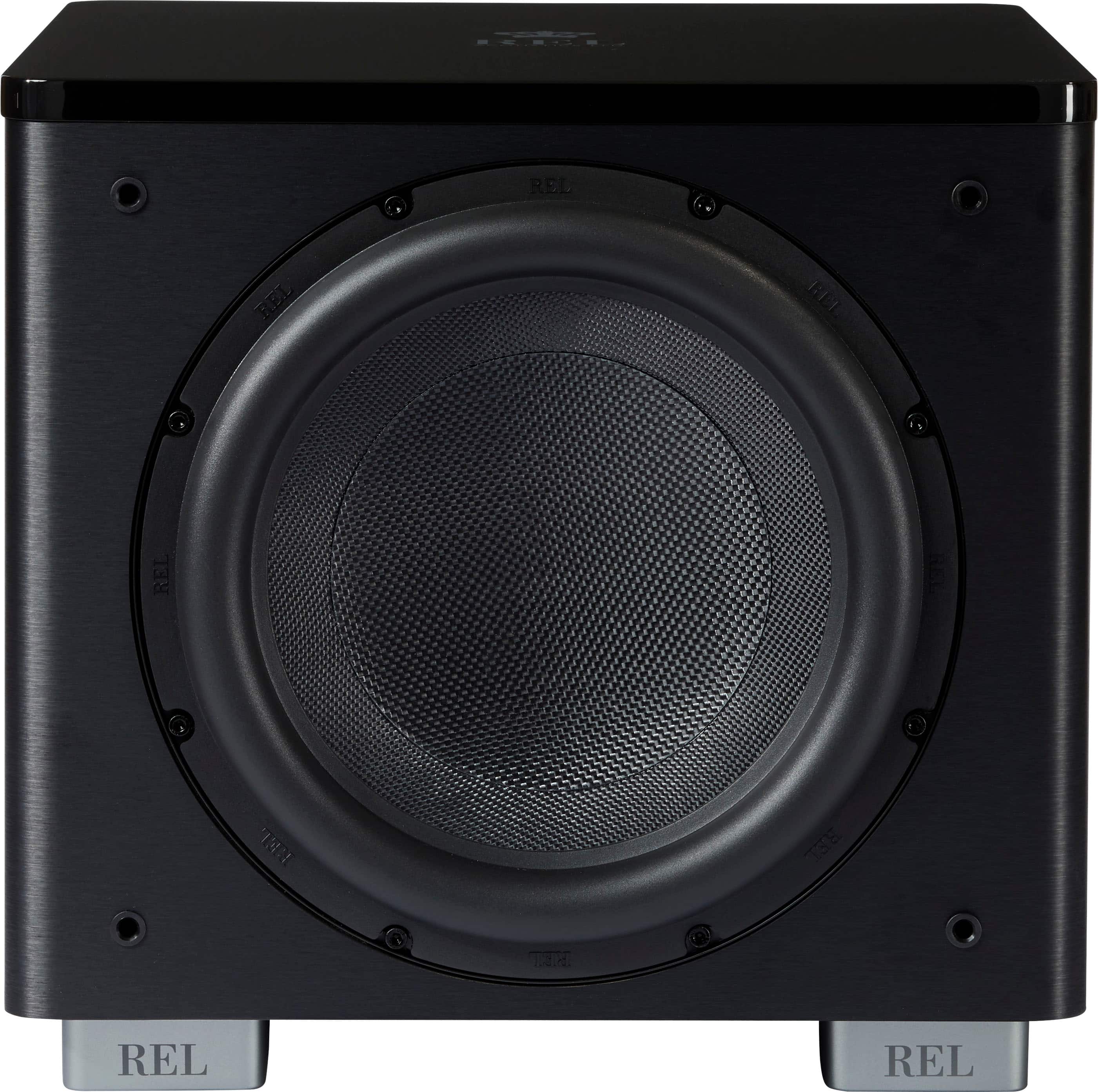
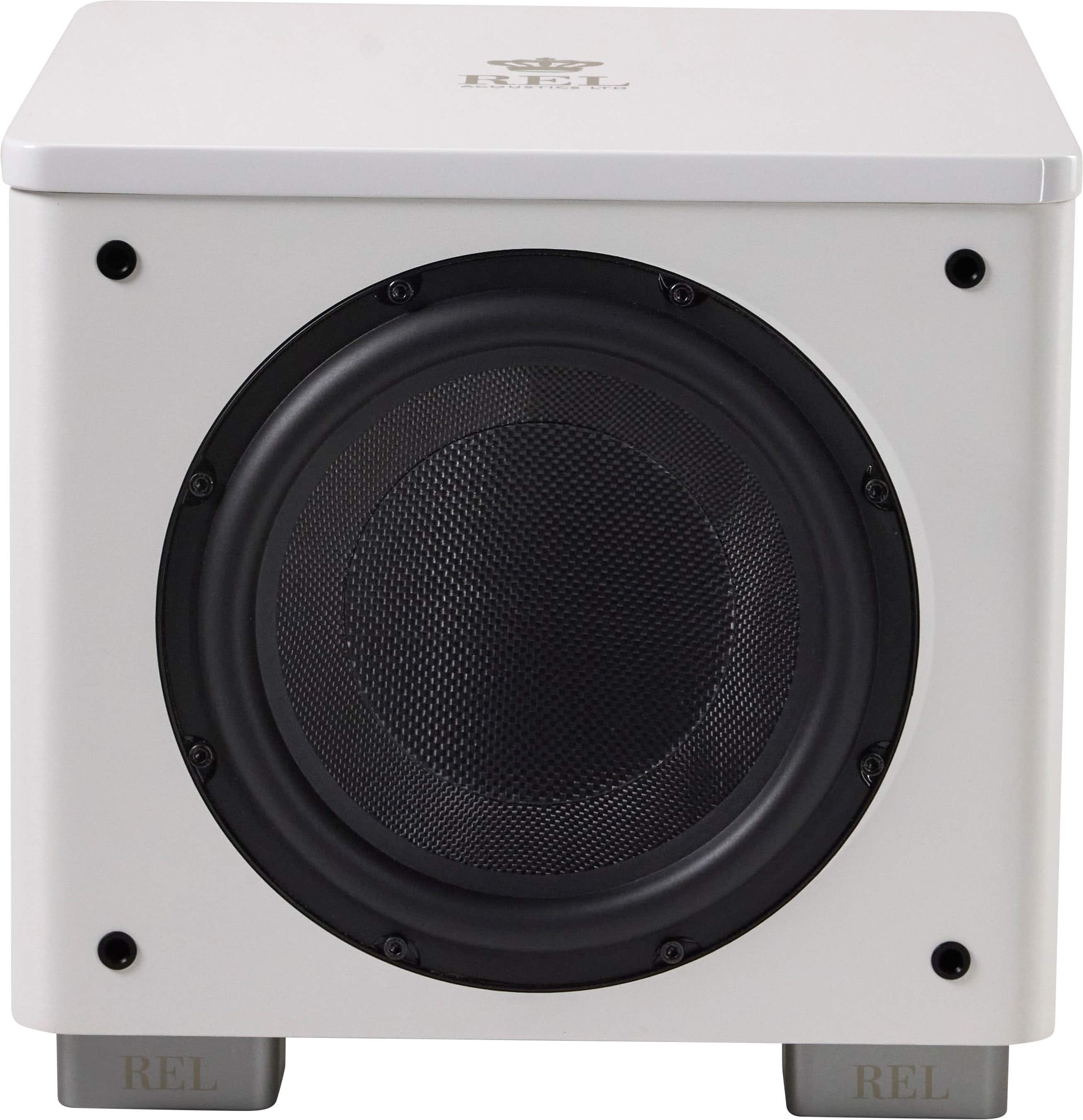
REL - HT/1205 MKII Subwoofer - Black
SKU: J3QSR2VY76Great sub...One of the best sounding subs for the price … precise base...Love Rel takes it to the basics abd naturally improves quality. Great for home theater!
See all Home SubwoofersProduct Description
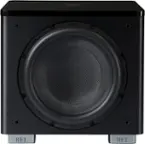
A powerful black subwoofer featuring a 500W Class D amp and 12" CarbonGlas driver for deep bass.Your price for this item is $999.00 -
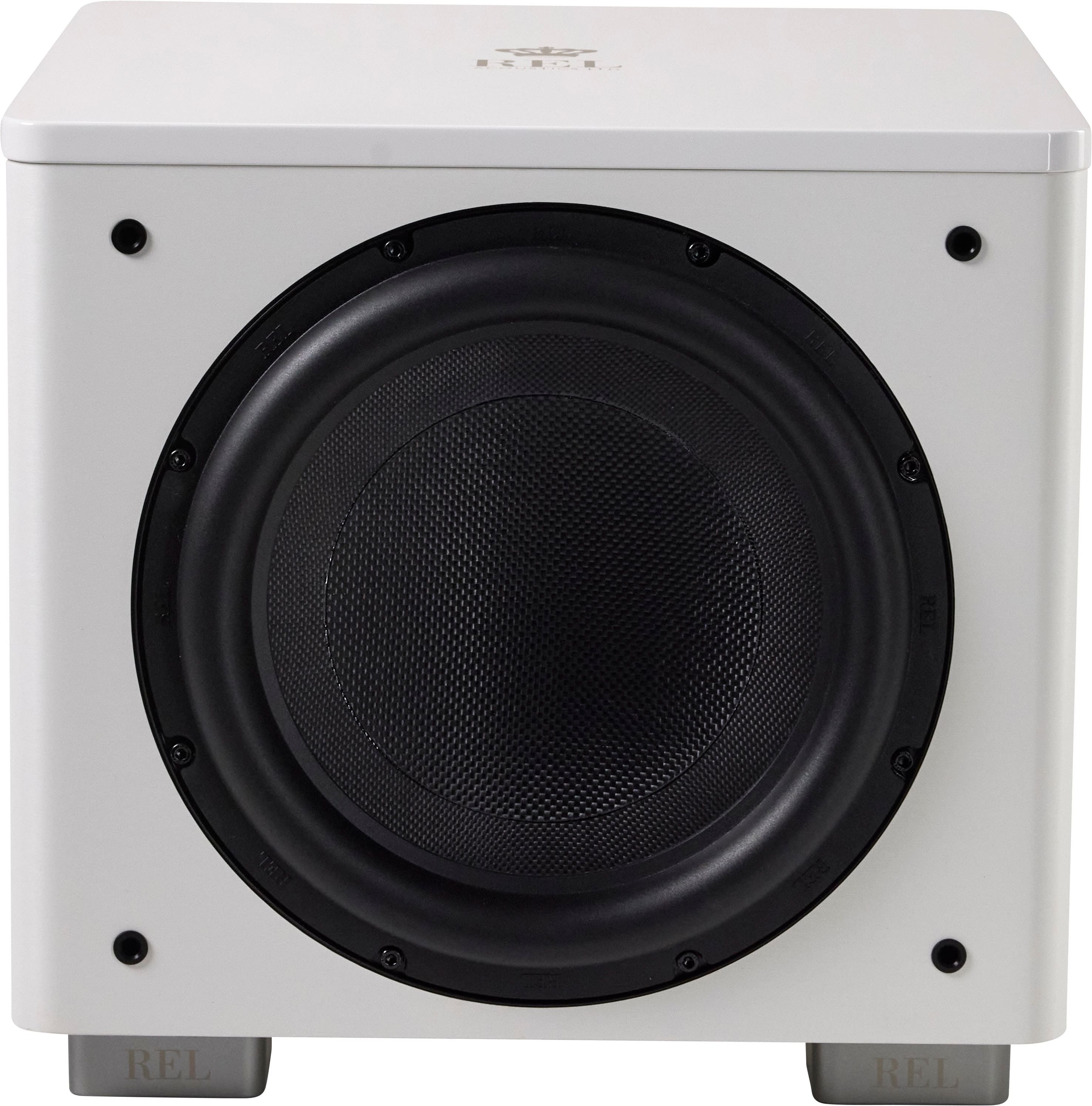
REL - HT/1205 MKII Subwoofer - White
SKU: J3QSR2VYXKHome theater sound is great!...Great sounding subwoofer.
See all Home SubwoofersProduct Description
A powerful white subwoofer featuring a 500W Class D amp and 12" CarbonGlas driver for deep bass.Your price for this item is $999.00 -
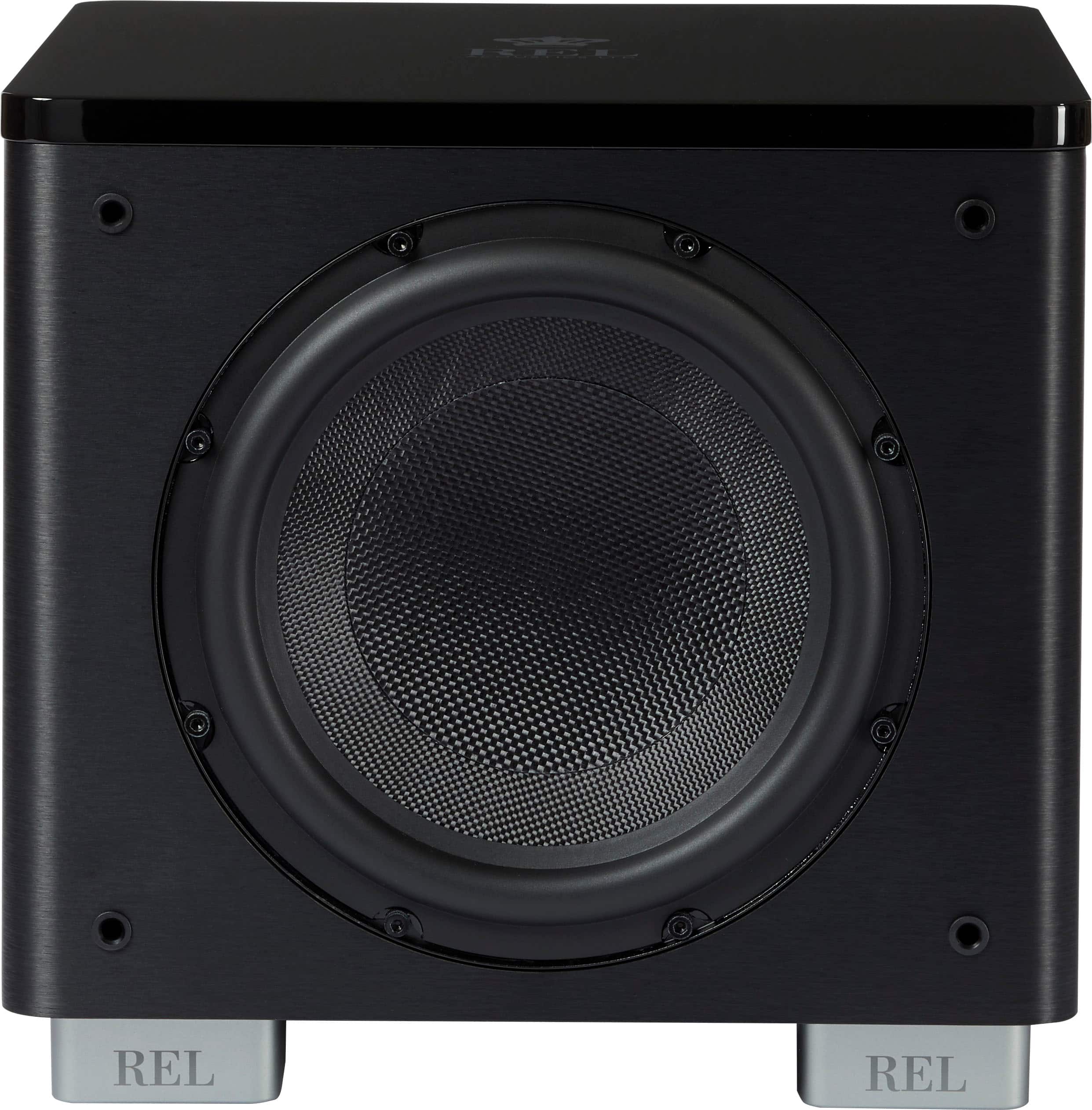
REL - HT/1003 MKII Subwoofer - Black
SKU: J3QSR2VLV4See all Home SubwoofersProduct Description
A compact black subwoofer with a 300W Class D amplifier and 10” CarbonGlas driver for powerful bass.Your price for this item is $699.99 -
REL - HT/1003 MKII Subwoofer - White
SKU: J3QSR2VY3JThis Rel sub sounds so great I wish I hadn’t waited so long....The best word I can think of is articulate. It actually has more than one tone.
See all Home SubwoofersProduct Description
A compact sealed subwoofer in high gloss white with a 300W Class D amp and 10" CarbonGlas driver.Your price for this item is $699.99 -
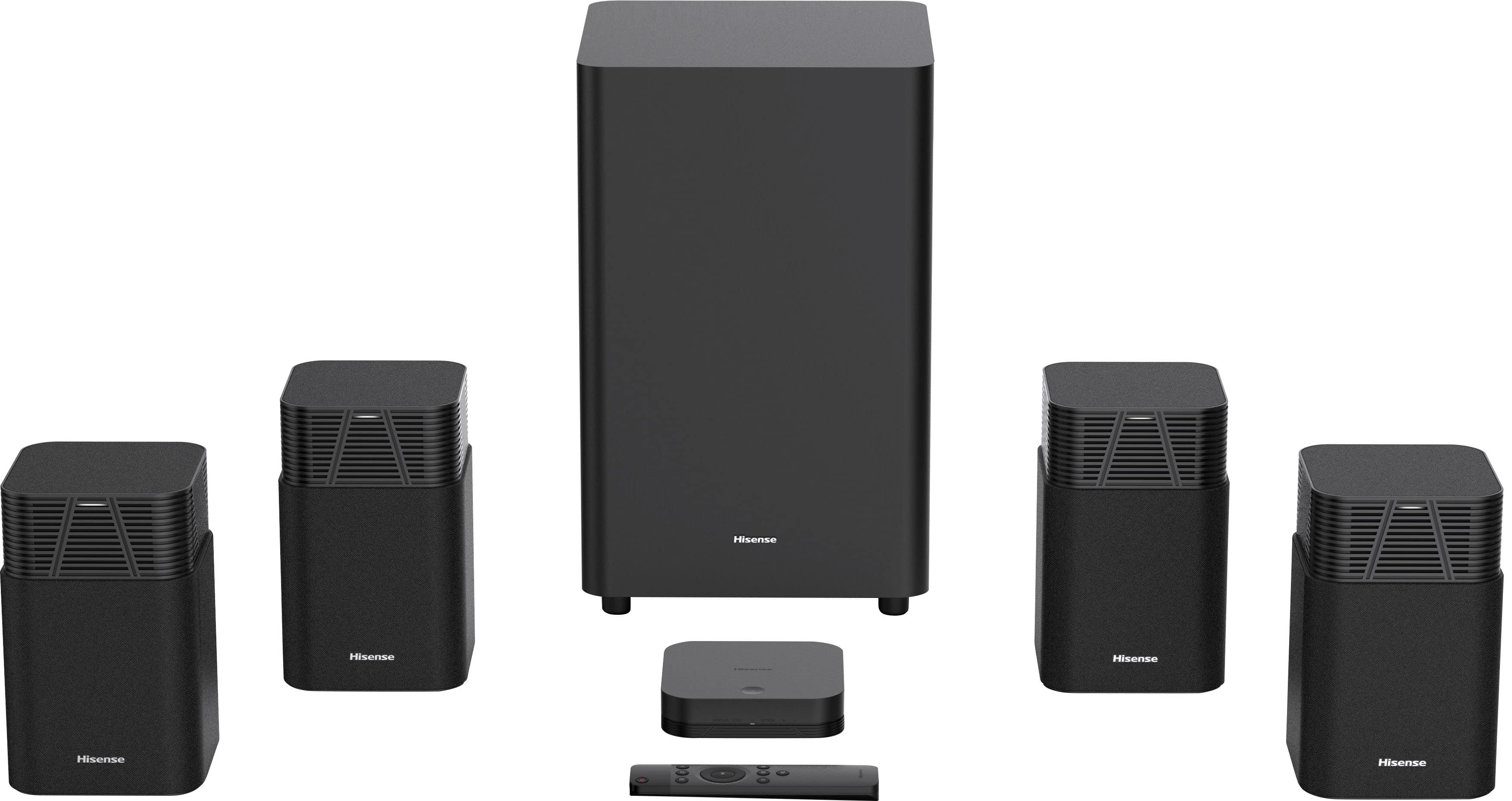
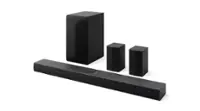
Hisense - HT SATURN 4.1.2 Channel Home Theater Sound System with Dolby Atmos - Black
SKU: J3Z9Z42GHCGreat sound...Sound quality is great. The setup is very easy. 10/10...I was impressed that it also supports lossless formats like FLAC and ALAC, which makes it great for high-quality...For the price,...
See all Sound BarsProduct Description
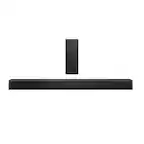
A powerful black soundbar system with Dolby Atmos, wireless subwoofer, and Devialet-tuned 4 satellite speakers.Your price for this item is $1,299.99 -
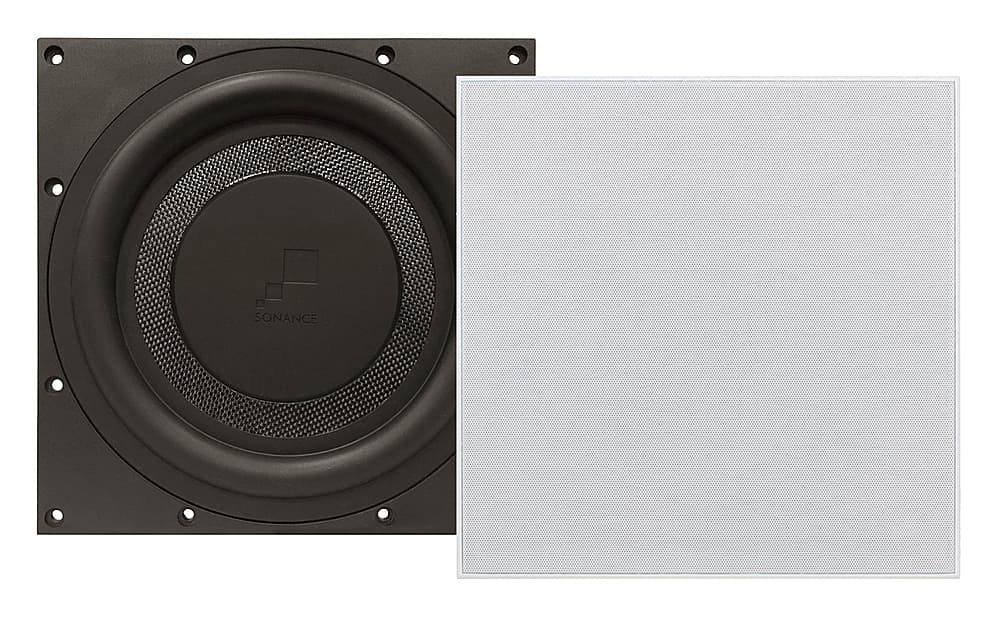
Sonance - R10SUB - Reference 10" Passive In Wall Subwoofer (Each) - Paintable White
SKU: J78WL7SWH5See all In-Wall SubwoofersProduct Description
A paintable white in-wall subwoofer with a 10" carbon fiber cone delivers deep, seamless bass.Your price for this item is $1,320.00 -
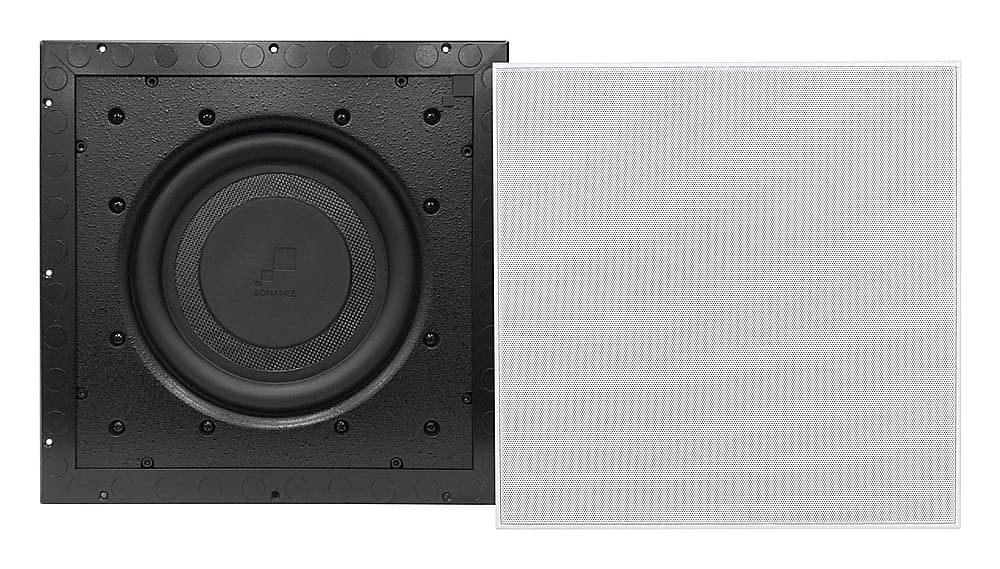
Sonance - VPSUB - Visual Performance 10" Passive In Wall Subwoofer (Each) - Paintable White
SKU: J78WL7SWH3See all In-Wall SubwoofersProduct Description
A paintable white in-wall subwoofer featuring a 10" carbon fiber cone for immersive, low-profile home audio.Your price for this item is $1,980.00 -
Sonance - i12 IMPACT SUBWOOFER - Impact 12" 400W Powered Wireless Subwoofer (Each) - Black
SKU: J78WL7SWWPSee all Home Powered SubwoofersProduct Description
A powerful black 12" wireless subwoofer with 400W output, app-based sound correction, and flexible placement.Your price for this item is $1,815.00

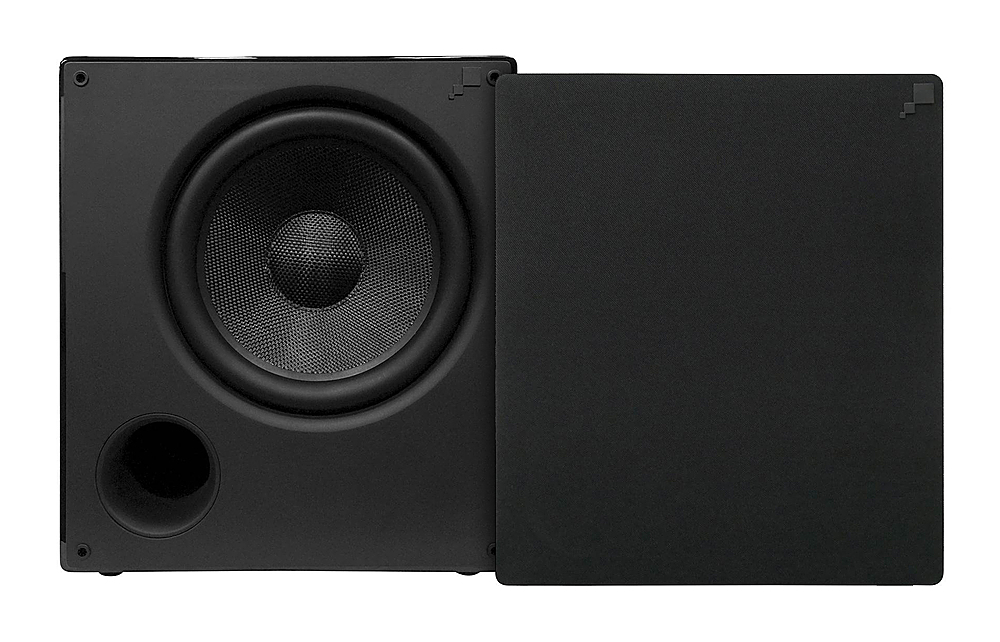
Best Sellers






Related Pages


FAQ
When choosing a home theater subwoofer, consider features such as power output (measured in watts), frequency response, connectivity options (wired or wireless), adjustable crossover controls, and built-in amplification. These features help ensure deep, impactful bass and seamless integration with your existing audio system.
A subwoofer adds depth and realism to your audio by reproducing low-frequency sounds that standard speakers may miss. This results in richer movie soundtracks, more immersive gaming, and fuller music playback, making your entire entertainment experience more dynamic and engaging.
Most modern home theater receivers include dedicated subwoofer outputs, typically labeled as 'LFE' or 'Sub Out.' As long as your receiver has this output, you can connect a powered subwoofer using a standard RCA cable. Always check your receiver and subwoofer specifications for compatibility.
Ported subwoofers feature an opening (port) in the cabinet that increases efficiency and provides deeper bass extension, making them ideal for larger rooms or movie enthusiasts. Sealed subwoofers have a closed design, offering tighter, more accurate bass, which is often preferred for music listening and smaller spaces.
For optimal performance, place your subwoofer near a wall or in a corner to maximize bass response. Avoid placing it too close to the center of the room or directly against a wall, as this can cause uneven sound. Experiment with placement and use your receiver's calibration tools for the best results.