Most Popular Telescopes
-
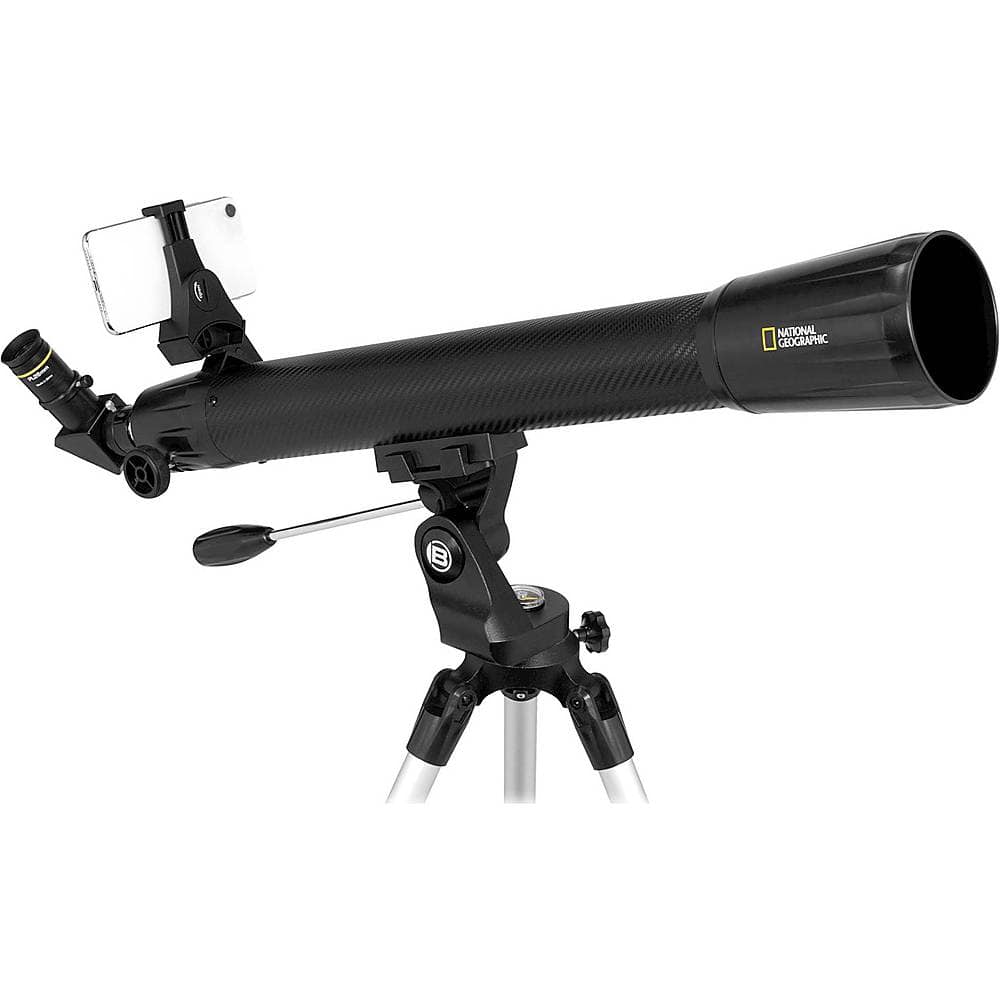
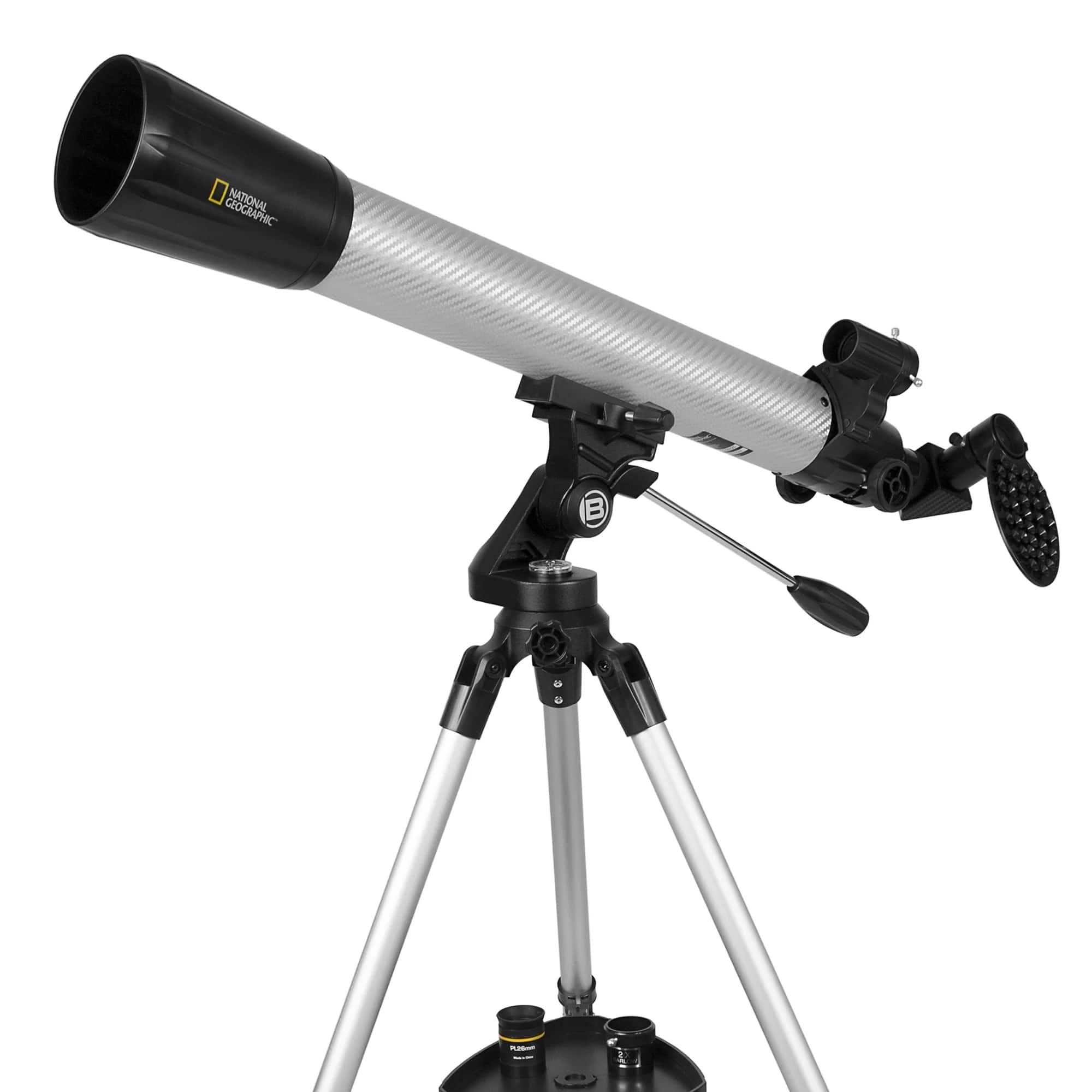
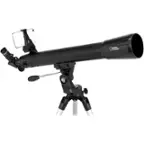
National Geographic - 70mm Refractor Telescope with Astronomy App - Black
SKU: J3L72QKJXGThe phone holder is so great! love this telescope!...I love it. It was a beautiful telescope for a decent price.
See all TelescopesProduct Description
A black refractor telescope with smartphone mount and app integration for interactive stargazing and constellation learning.Your price for this item is $149.99 -
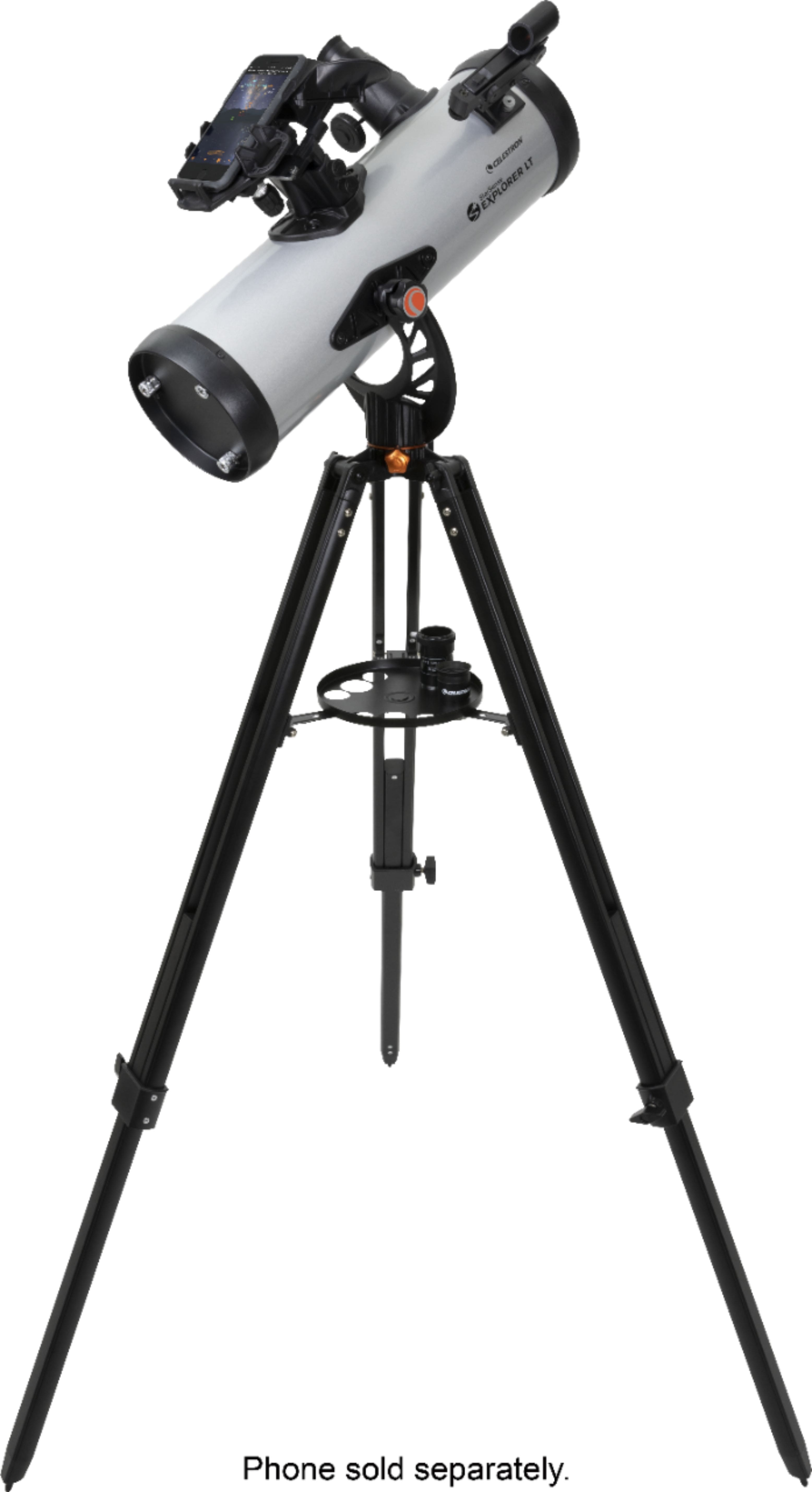
Celestron - Starsense Explorer LT 114AZ Telescope App-Enabled Newtonian Reflector Telescope - Silver/Black
SKU: J7L3WVQY8XGreat value
See all TelescopesProduct Description
A silver and black app-enabled Newtonian reflector telescope that uses your smartphone for easy sky navigation.Your price for this item is $239.99Save $97The previous price was $337.95 -
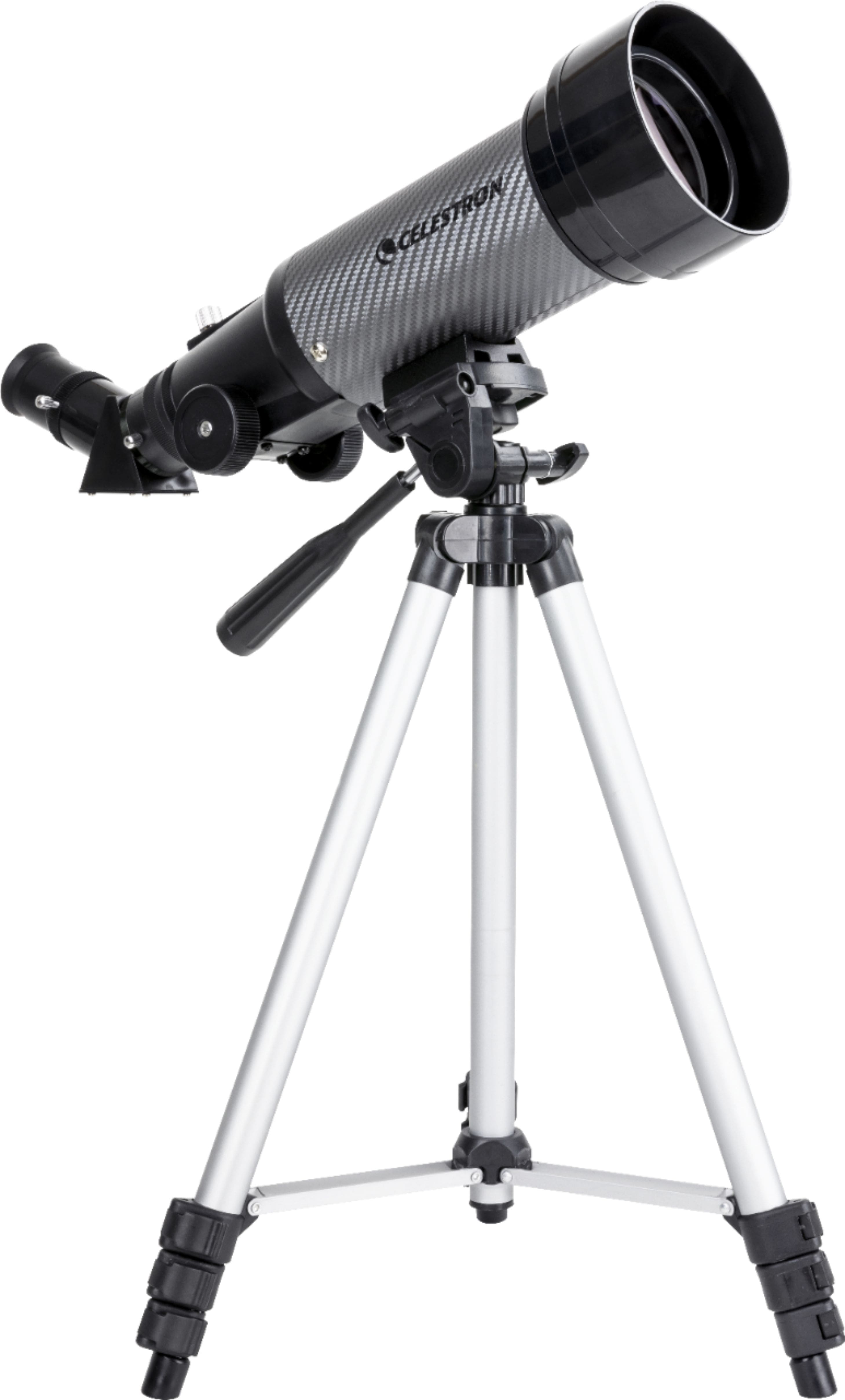
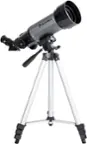
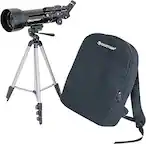
Celestron - Travel Scope 70 DX Portable Telescope - Gray/Black
SKU: J7L3WVQCRXThis is a great option for the casual stargazer, as a warm up to something more advanced.
See all TelescopesProduct Description
A portable gray and black refractor telescope with tripod, smartphone adapter, and custom backpack for easy travel.Your price for this item is $168.95 -
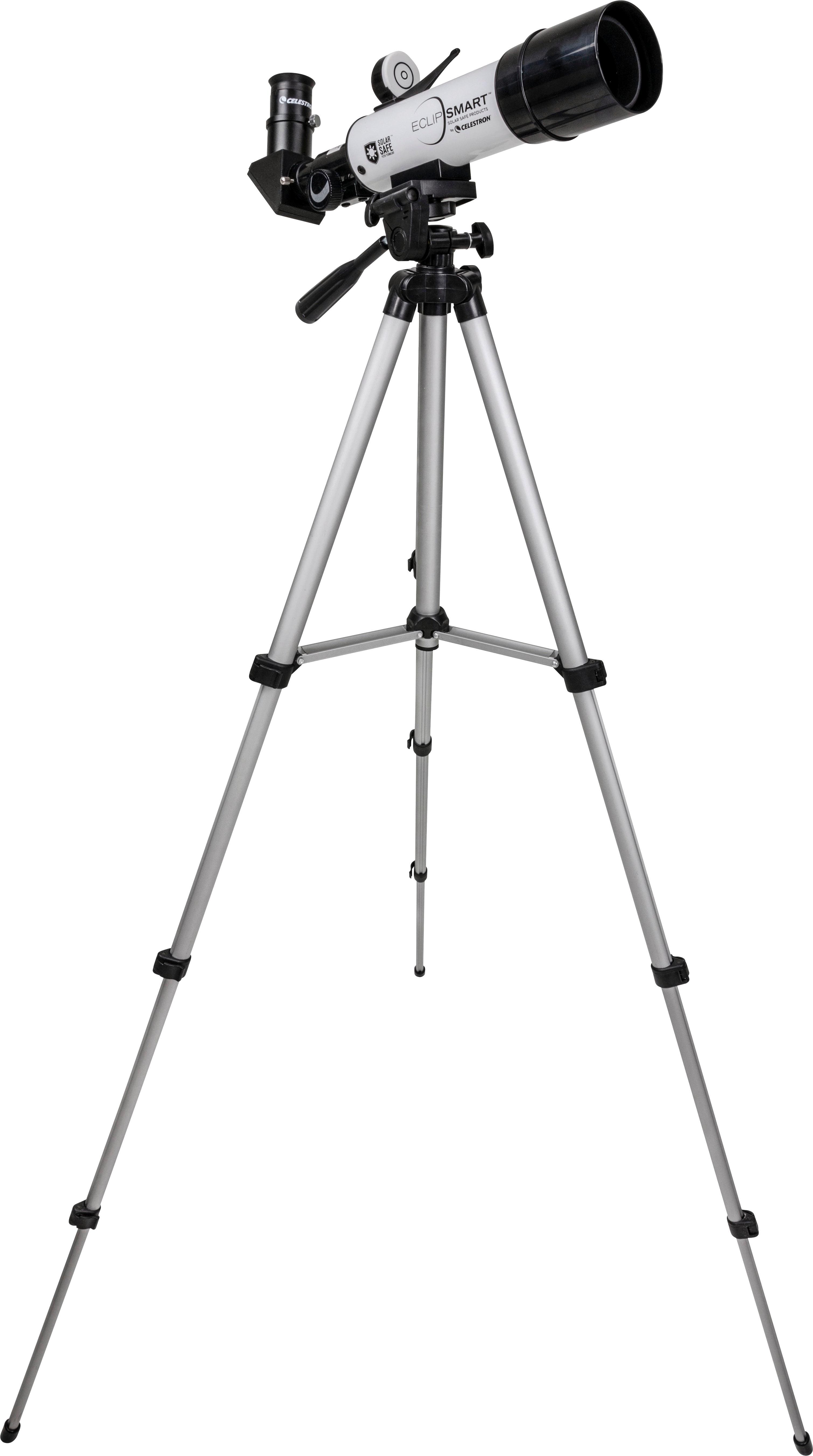
Celestron - Eclipsmart Travel Solar Scope 50 Refractor Telescope - White/Black
SKU: J7L3WVQCV8See all TelescopesProduct Description
A portable white and black refractor telescope with Solar Safe glass filter for safe, high-magnification solar viewing.Your price for this item is $58.99Save $71The previous price was $129.99 -
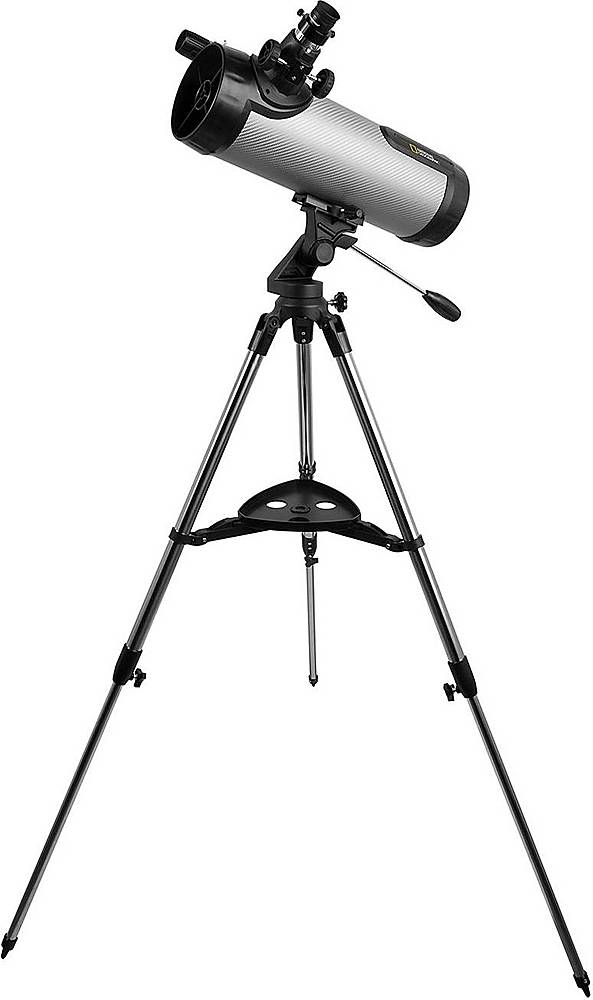
National Geographic - 114mm Reflector Telescope - Silver
SKU: J3LC7CV375See all TelescopesProduct Description
A silver reflector telescope with a 114mm aperture, 500mm focal length, tripod, and image adapter.Your price for this item is $149.99 -
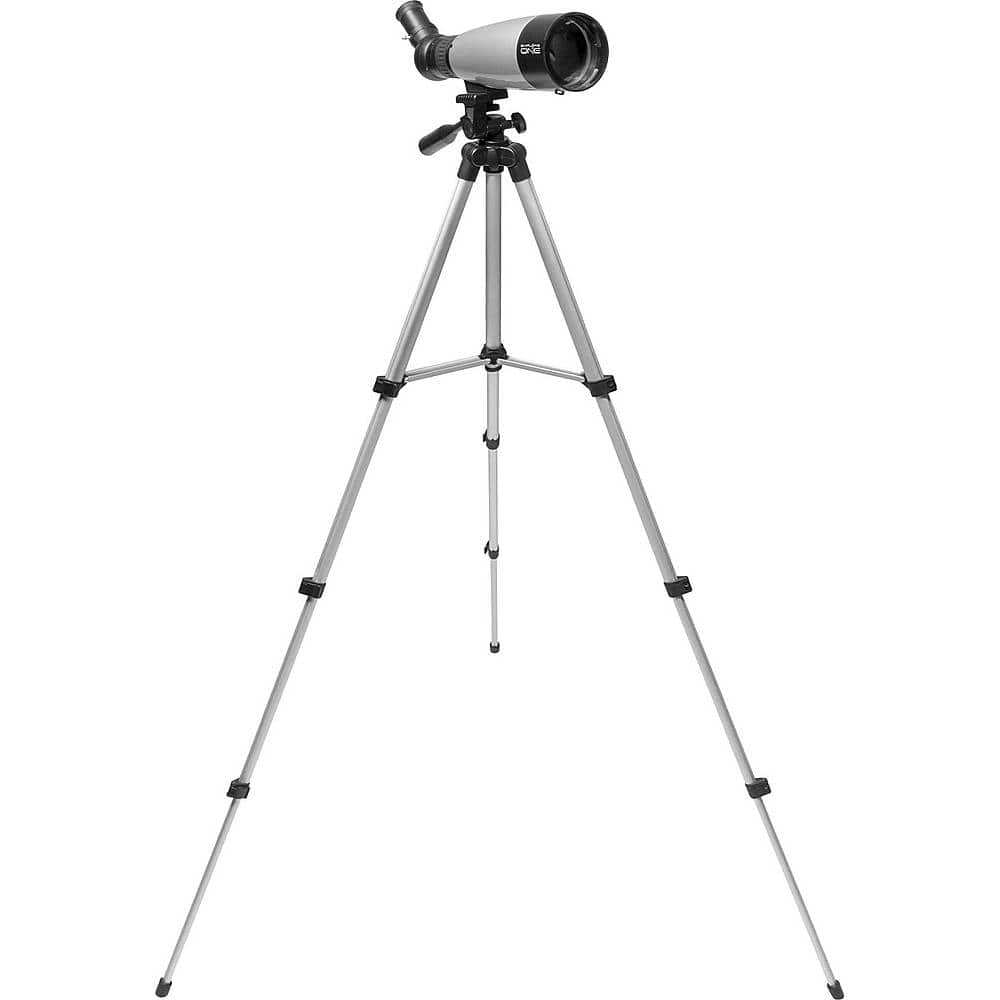
Explore One - Titan 70mm Refractor Telescope with Panhandle Mount - Silver
SKU: J3L72QWV93See all TelescopesProduct Description
A silver refractor telescope with a 360° rotating mount and smartphone adapter for easy celestial viewing.Your price for this item is $79.99 -
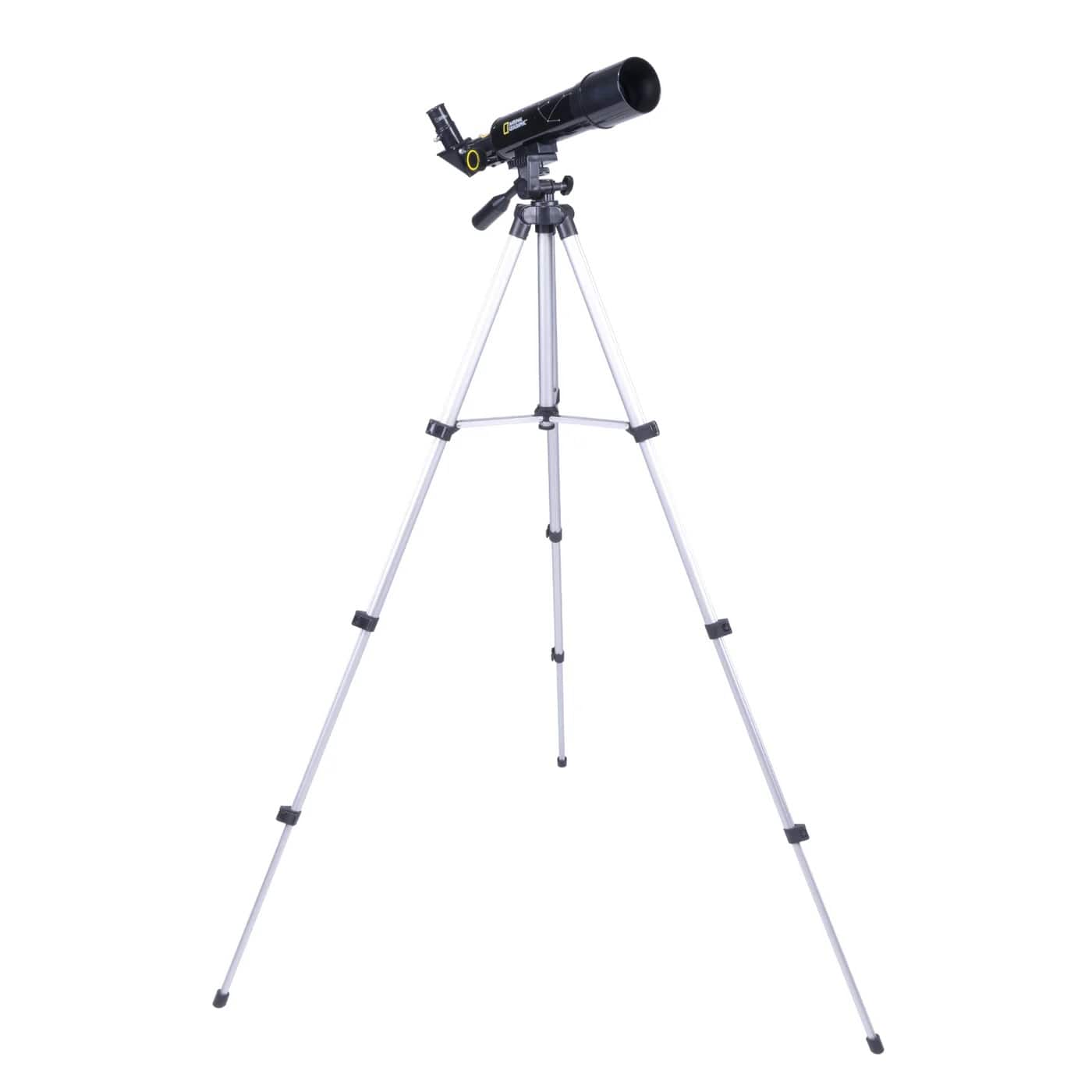
National Geographic - 50mm Portable Refractor Telescope RF360MM - Black
SKU: J3L72QK7WQSee all TelescopesProduct Description
A portable black refractor telescope with two eyepieces, ideal for both daytime and nighttime viewing.Your price for this item is $39.99 -
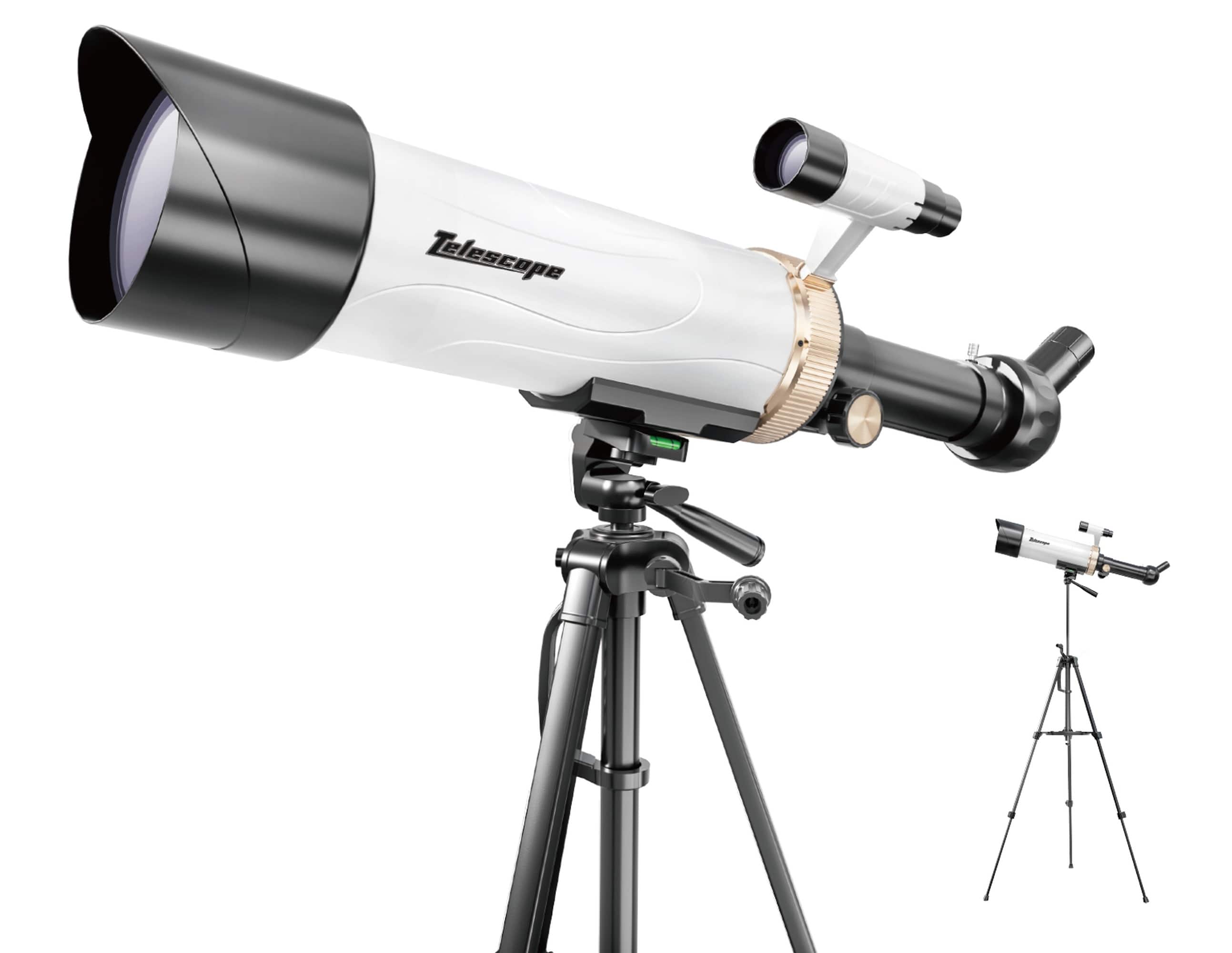
Universalfun - 70mm HD Refractor Telescope for Kids & Beginners with Tripod, 3 Eyepieces, Phone Adapter, Ages 8+ - White
SKU: CZTP7HSKY3See all TelescopesProduct Description
A white ABS and alloy refractor telescope with tripod, three eyepieces, and smartphone adapter for young astronomers.Your price for this item is $71.99Save $24The previous price was $95.99 -
National Geographic - 70mm Refractor Telescope Adjustable Height Tripod - Silver
SKU: J3LC7CFFJQSee all TelescopesProduct Description
A black refractor telescope with a 70mm aperture, smartphone adapter, and wide-field high-powered views.Your price for this item is $119.99 -
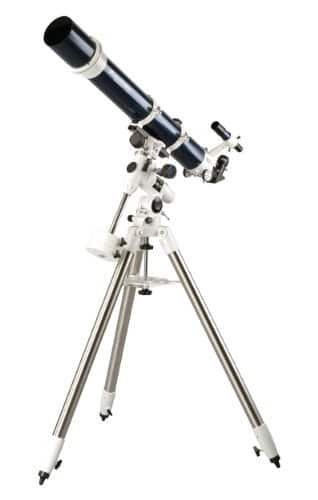
Celestron - Omni XLT 102 Telescope
SKU: J7L3WVR9P8See all TelescopesProduct Description
A black and silver refractor telescope with fully coated optics for bright, high-contrast celestial viewing.Your price for this item is $679.00
Best Sellers

Related Pages
FAQ
When choosing a popular telescope, consider features such as aperture size for brightness, mount stability, ease of use, and compatibility with accessories like smartphone adapters for astrophotography.
Many of our most popular telescopes are designed with beginners in mind, offering user-friendly controls, clear instructions, and helpful features like automated tracking to make stargazing easy and enjoyable.
Yes, several of the most popular telescopes are versatile enough for both celestial and terrestrial viewing, allowing you to observe stars, planets, wildlife, and landscapes with impressive clarity.
Many popular telescope models include essential accessories such as eyepieces, finderscopes, and tripod mounts. Some packages may also offer additional tools like star charts or smartphone adapters.
To keep your telescope in top condition, store it in a dry, dust-free area, clean lenses gently with a soft cloth, and regularly check for alignment. Always follow the manufacturer's care instructions for best results.