Haze Filters
-
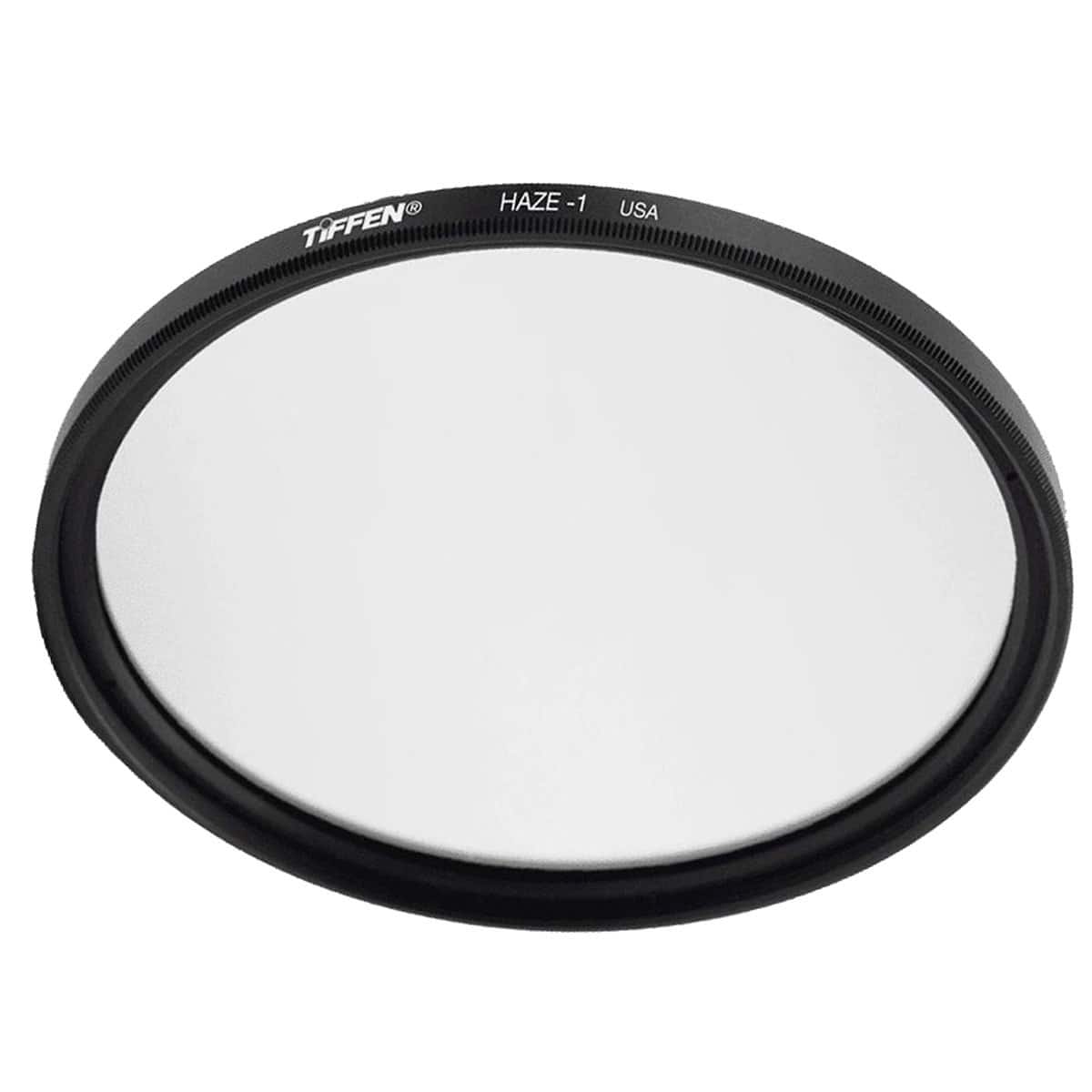
Tiffen - 60 Bay Haze UV-1 Haze-1 (Ultra Violet) Glass Filter
SKU: J7LC8ZRS39See all Lens FiltersProduct Description
A single-coated glass filter that absorbs UV light and protects your lens from dust and scratches.Your price for this item is $66.99 -
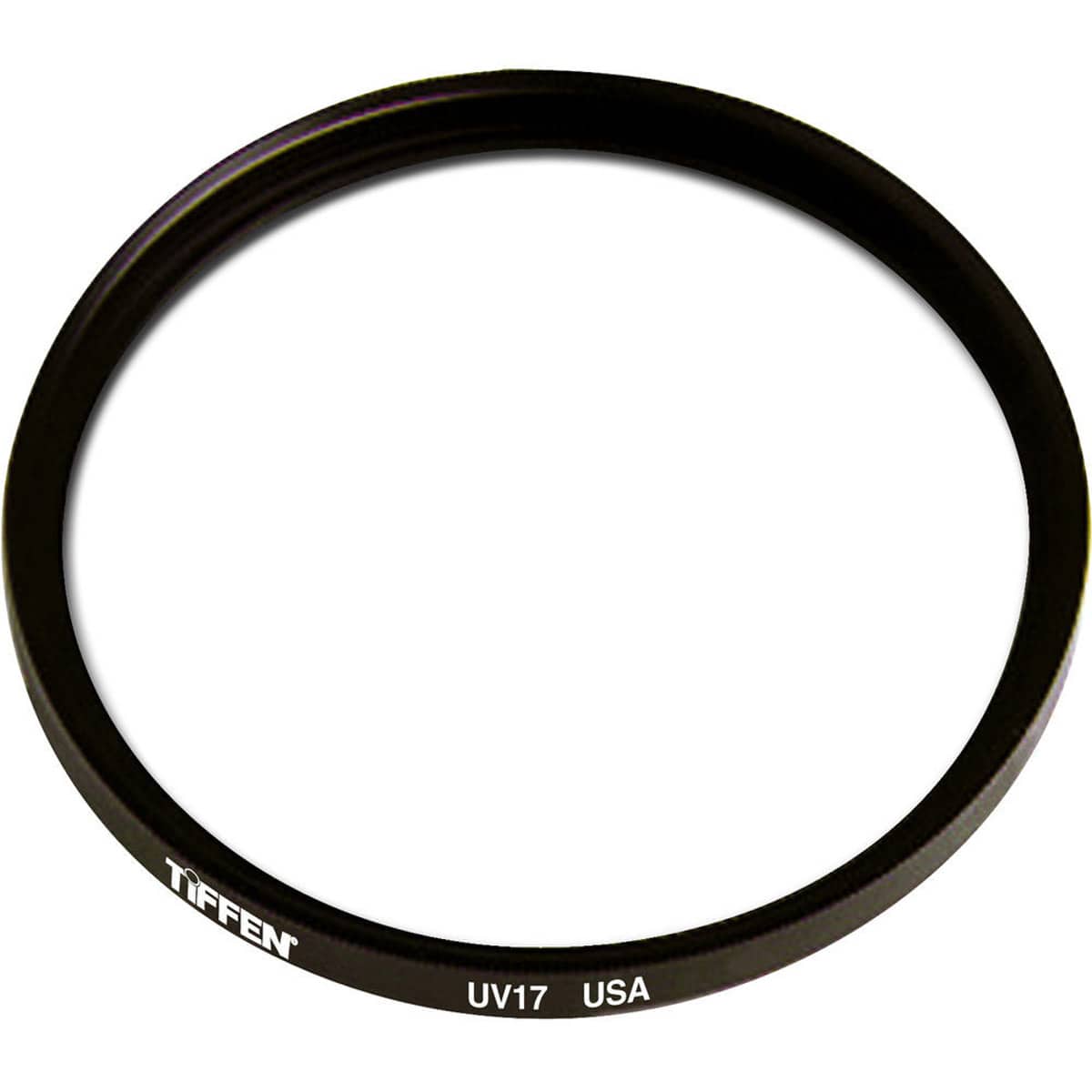
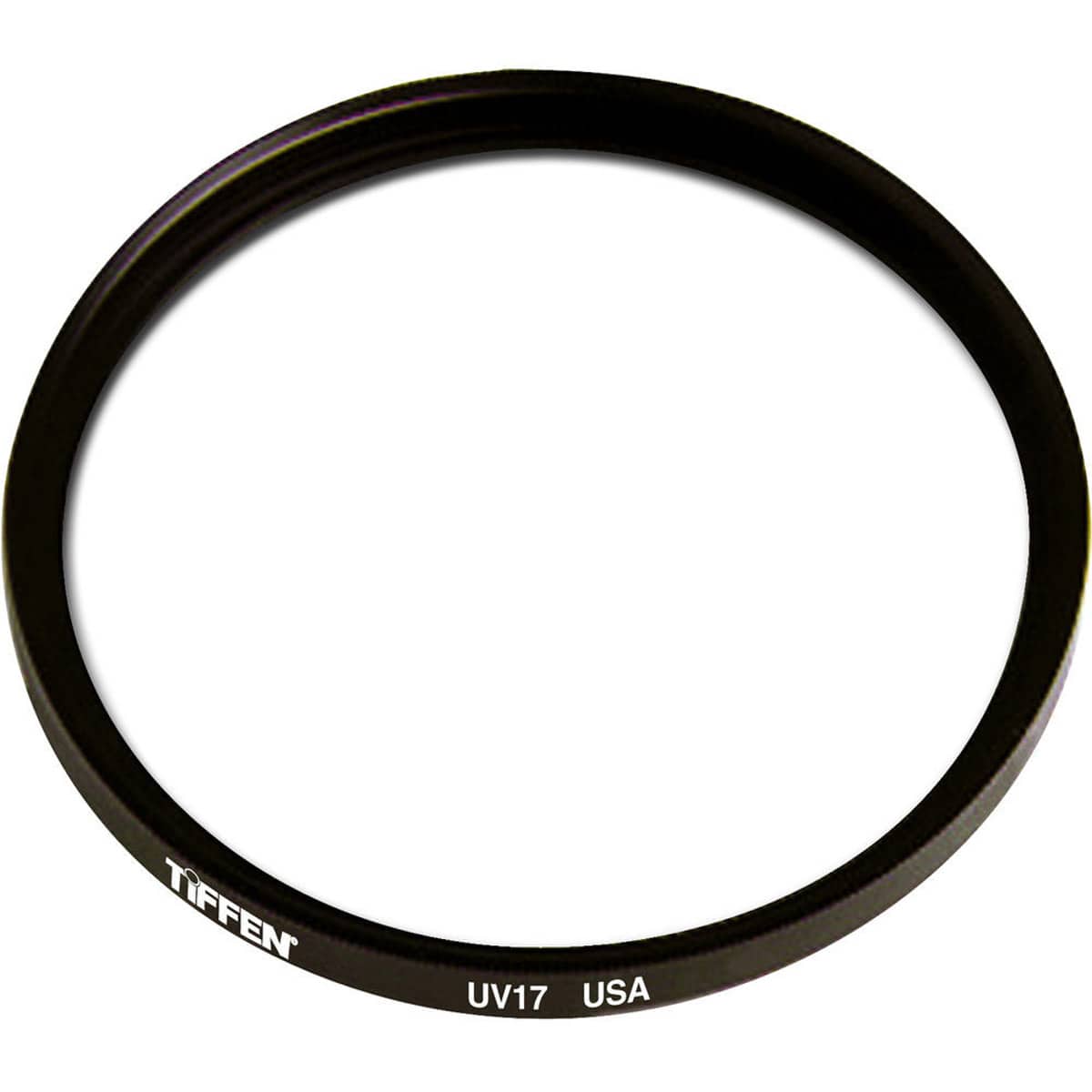
Tiffen - 77mm UV-17 Haze-17 (Ultra Violet) Glass Filter
SKU: J7LC8ZQGR9See all Lens FiltersProduct Description
A clear glass filter that absorbs nearly all UV light to reduce haze and protect your camera lens.Your price for this item is $50.85 -
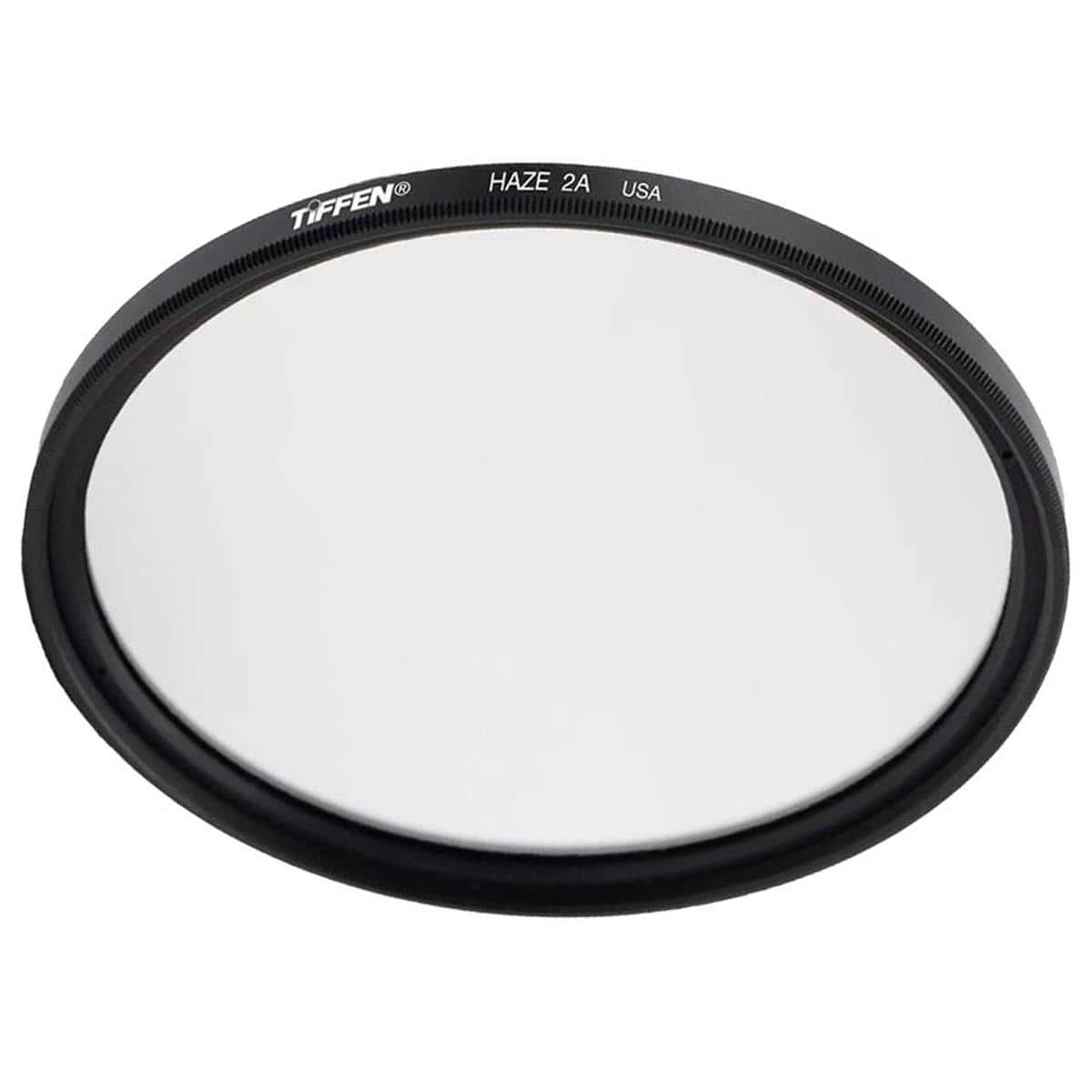
Tiffen - 55mm UV-2A Haze-2A (Ultra Violet) Glass Filter
SKU: J7LC8Z6FVVSee all Lens FiltersProduct Description
A clear glass filter that absorbs 100% of UV light to reduce haze and protect your camera lens.Your price for this item is $31.95 -
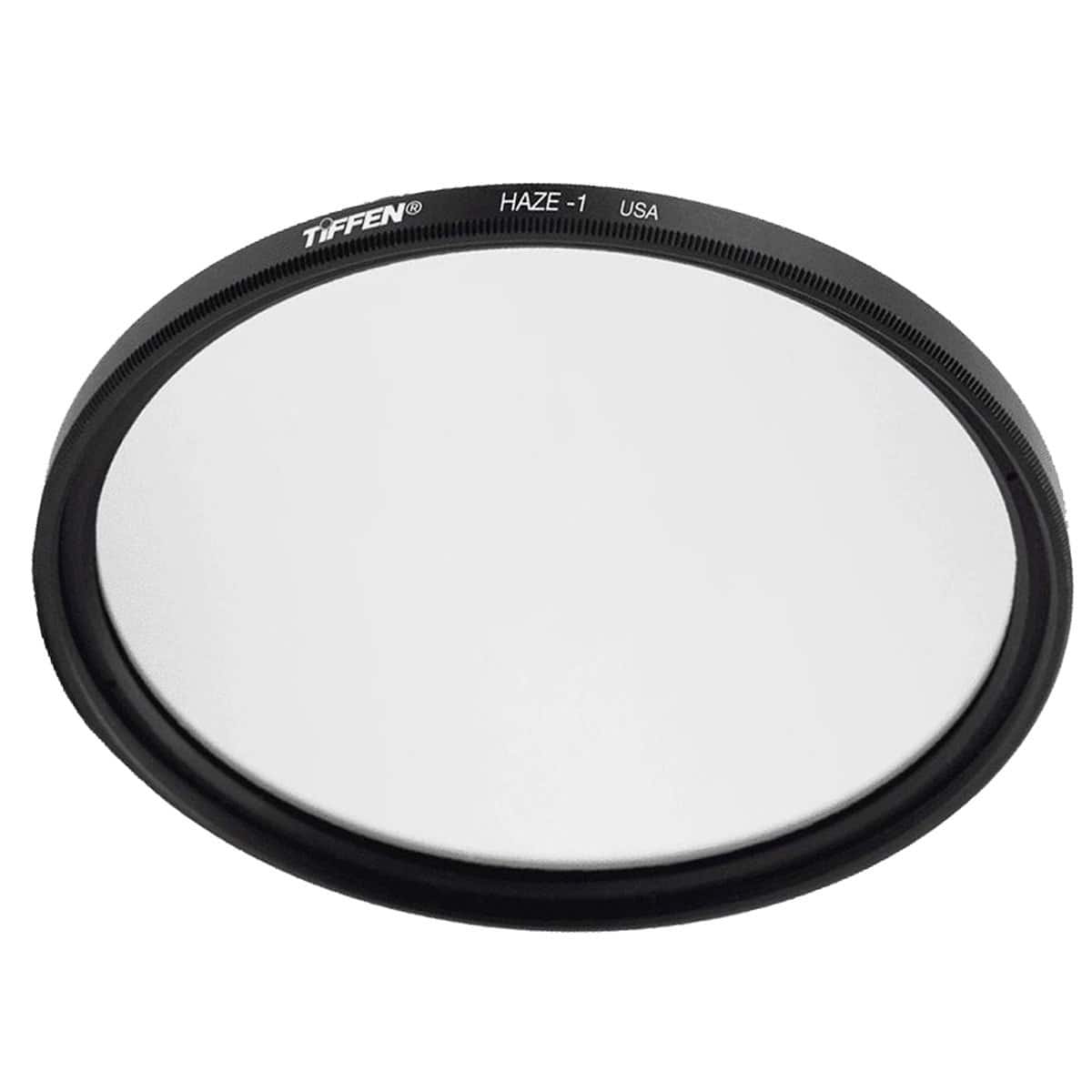
Tiffen - 62mm UV-1 Haze-1 (Ultra Violet) Glass Filter
SKU: J7LC8ZR694See all Lens FiltersProduct Description
A clear glass filter that absorbs UV light to reduce haze and protect your camera lens.Your price for this item is $22.35 -
Tiffen - 67mm UV-17 Haze-17 (Ultra Violet) Glass Filter
SKU: J7LC8ZQJ3RSee all Lens FiltersProduct Description
A clear glass filter that absorbs UV light to reduce haze and protects your lens from damage.Your price for this item is $55.00 -
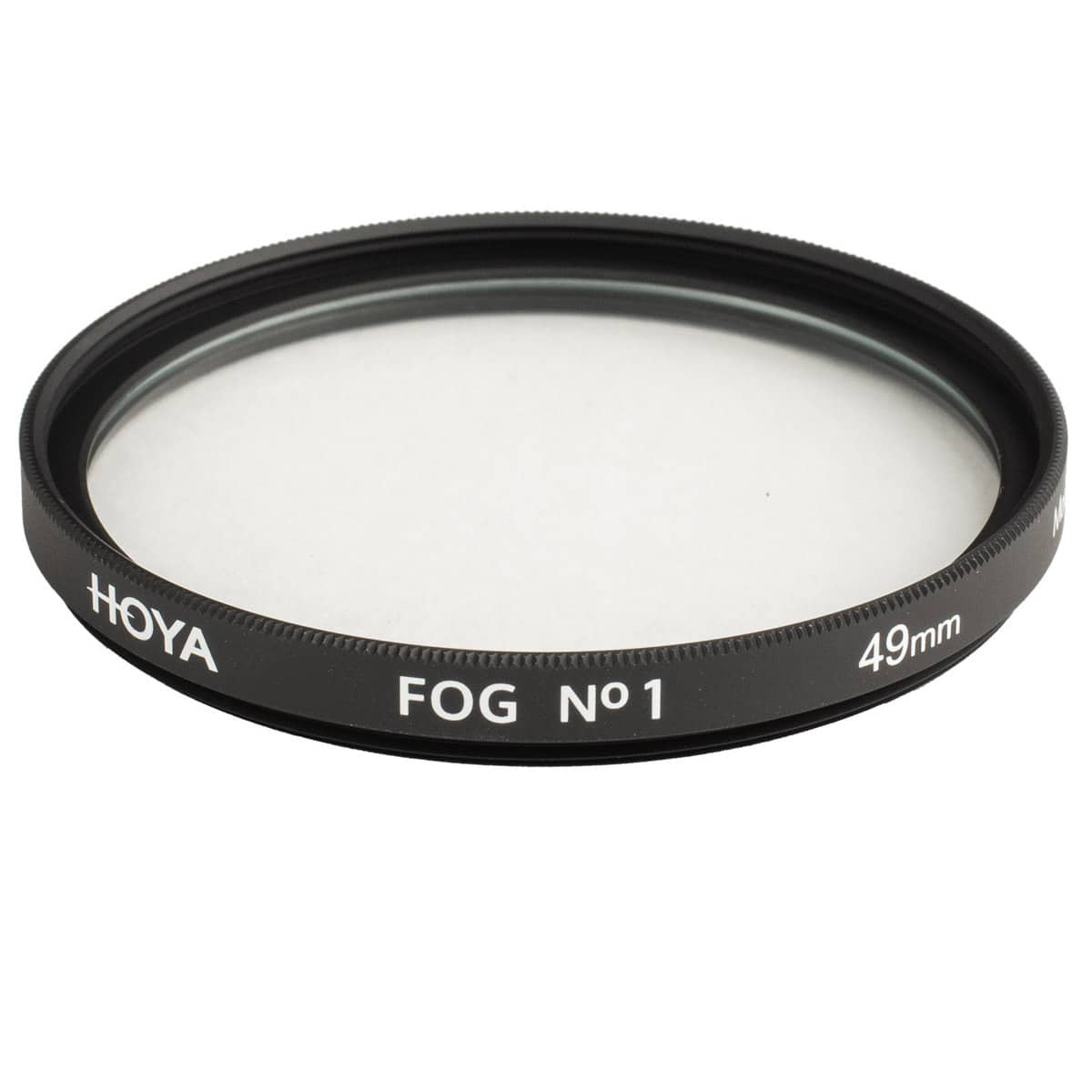
Hoya - 49mm Creative FOG No1 Glass Filter
SKU: J72FRY2T7SSee all Lens FiltersProduct Description
A glass filter that creates a dreamy fog effect while preserving image sharpness and contrast.Your price for this item is $30.90 -
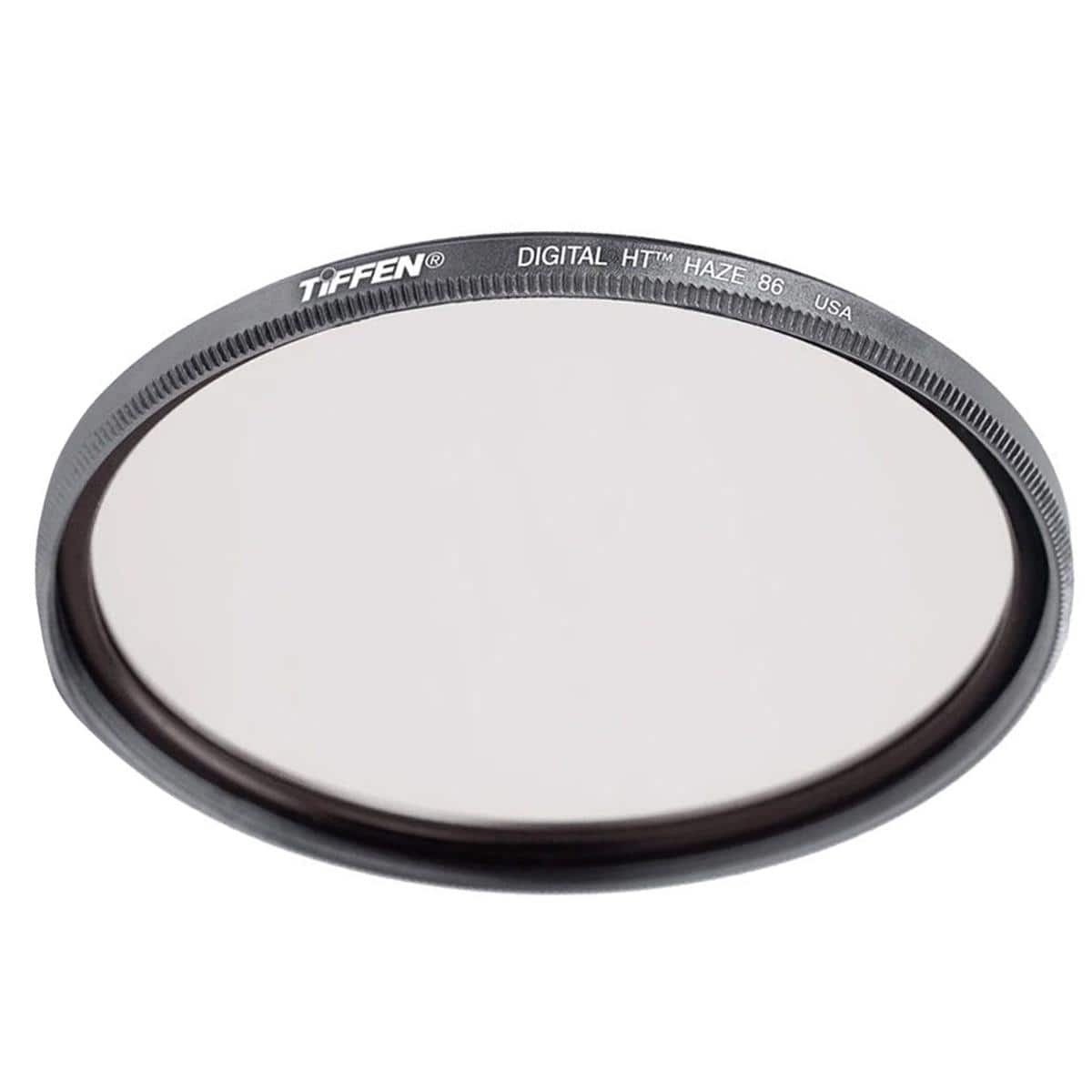
Tiffen - 58mm Digital HT Haze 86 Glass Filter with 86% UV Absorption
SKU: J7LC8ZQ55PSee all Lens FiltersProduct Description
A titanium-coated glass filter with 86% UV absorption, protecting lenses while preserving image clarity and color.Your price for this item is $52.20Save $26The previous price was $79.00 -
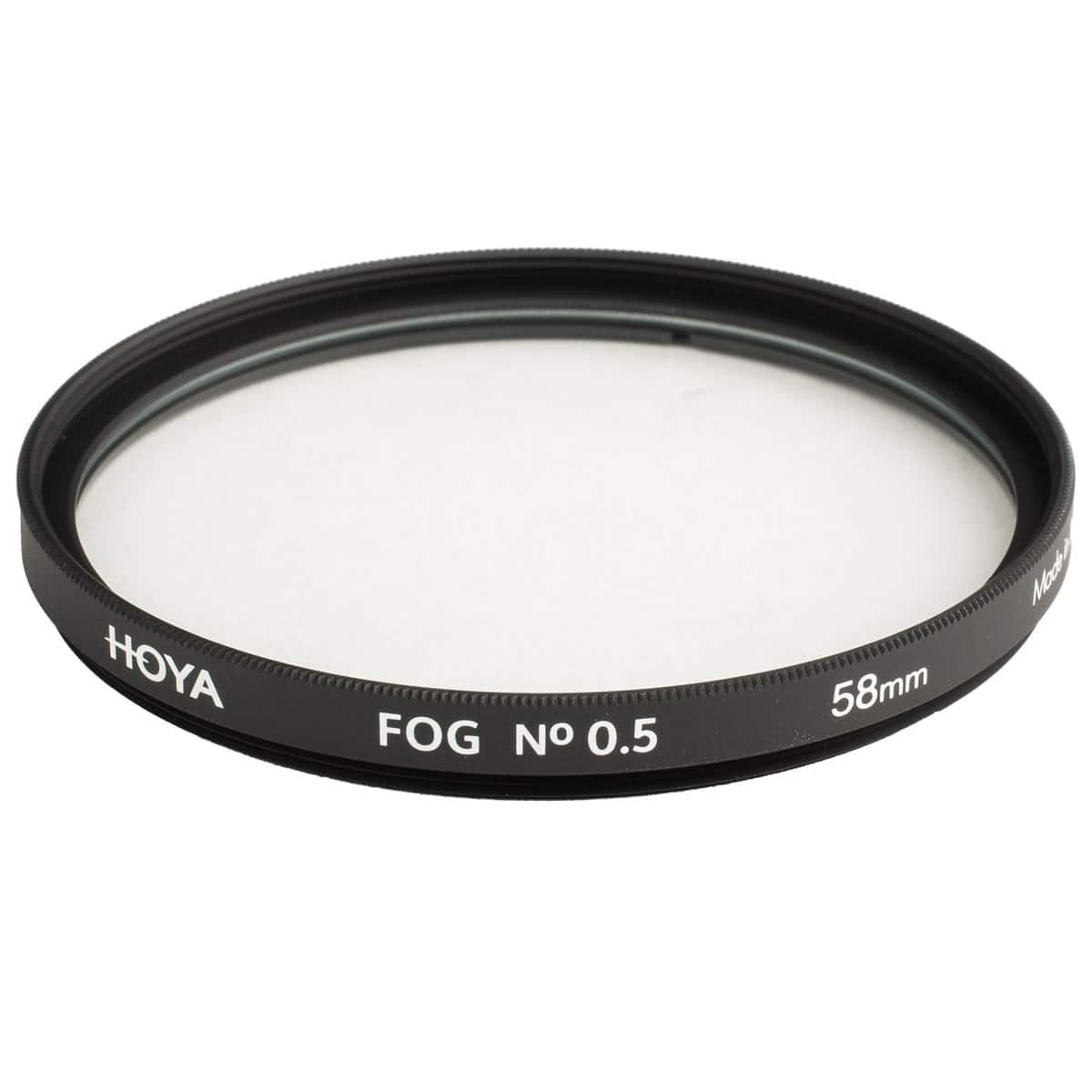
Hoya - 58mm Creative FOG No0.5 Glass Filter
SKU: J72FRY2HF7See all Lens FiltersProduct Description
A glass filter that creates an adjustable, dreamy fog effect while preserving image clarity and contrast.Your price for this item is $36.90 -
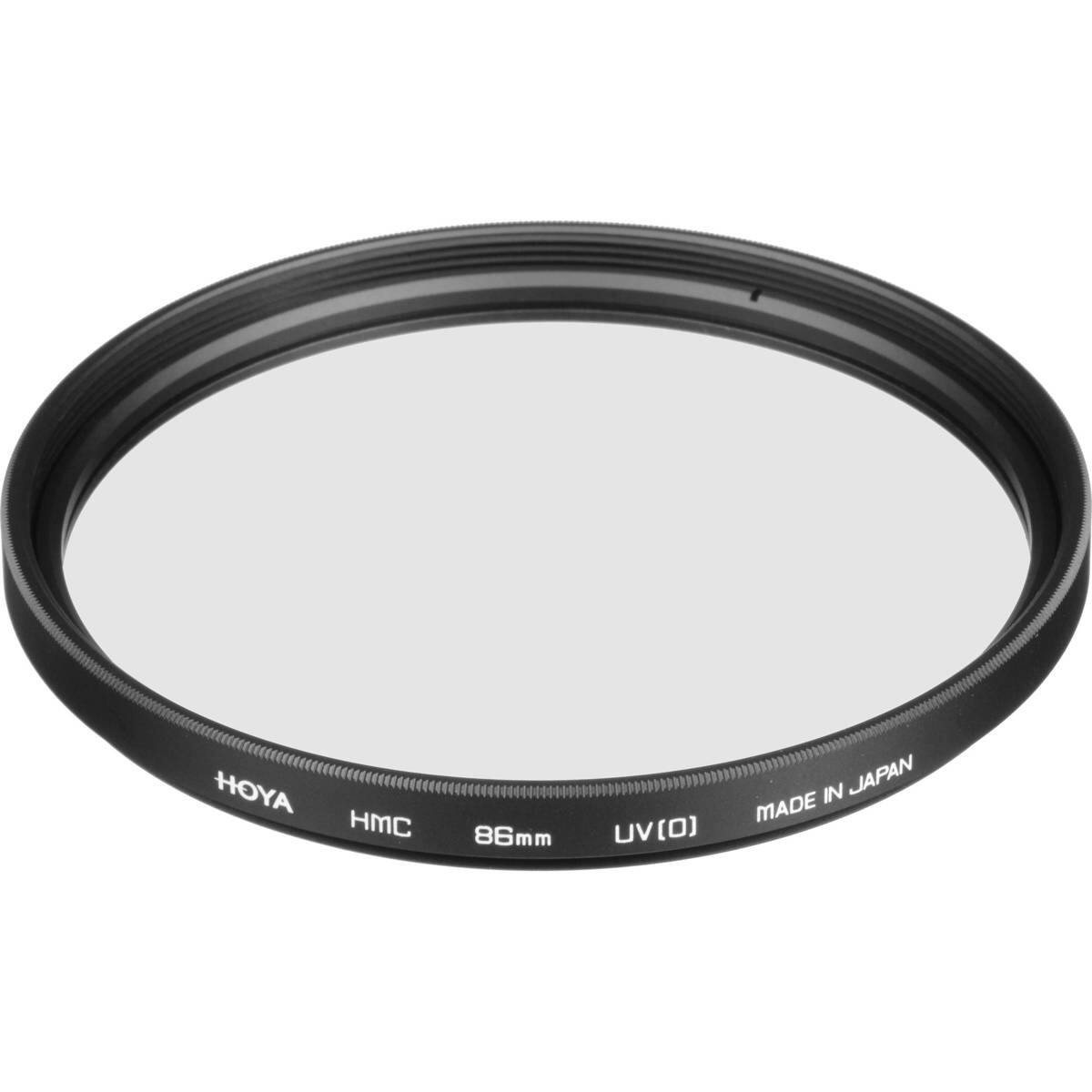
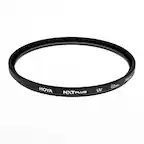
Hoya - 86mm UV (Ultra Violet) Glass Filter
SKU: J72FRYCLT5See all Lens FiltersProduct Description
A clear circular glass filter that absorbs UV rays to reduce haze in outdoor photography.Your price for this item is $72.90 -
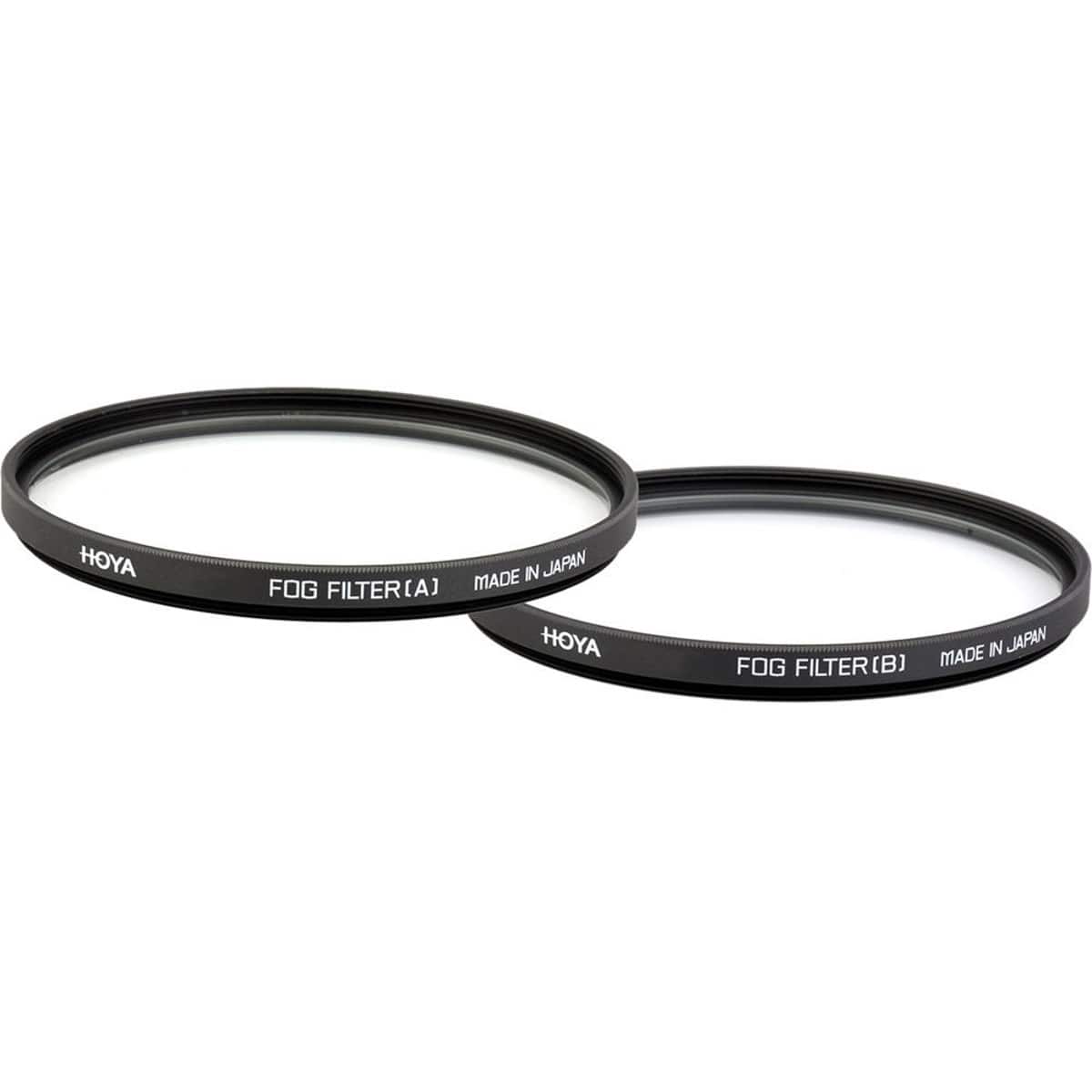
Hoya - 72mm Fog Filter Set (Fog A B)
SKU: J72FRLVQSSSee all Lens FiltersProduct Description
A set of circular diffusion filters that create soft white fog effects for creative photography.Your price for this item is $59.95
Best Sellers



Related Pages




FAQ
A haze filter is used in photography to reduce the effects of atmospheric haze, which can cause images to appear washed out or less sharp. By filtering out ultraviolet (UV) light, haze filters help improve image clarity and contrast, especially in outdoor and landscape photography.
Yes, haze filters are compatible with both digital and film cameras. They are typically mounted on the front of a camera lens and provide benefits for both mediums by minimizing the impact of UV light and atmospheric haze.
Most modern haze filters are designed to be color-neutral, meaning they do not significantly alter the color balance of your photos. They primarily block UV light, which is invisible to the human eye, so your images retain their natural colors.
Haze filters and UV filters are often used interchangeably, as both serve to reduce the effects of ultraviolet light in photography. Some haze filters may have additional coatings to further minimize glare or reflections, but their primary function is similar to that of UV filters.
Many photographers choose to keep a haze filter on their lens at all times, not only for its optical benefits but also to protect the lens from dust, scratches, and fingerprints. However, it’s always a good idea to remove the filter in situations where maximum image quality is critical, such as in low-light or night photography.